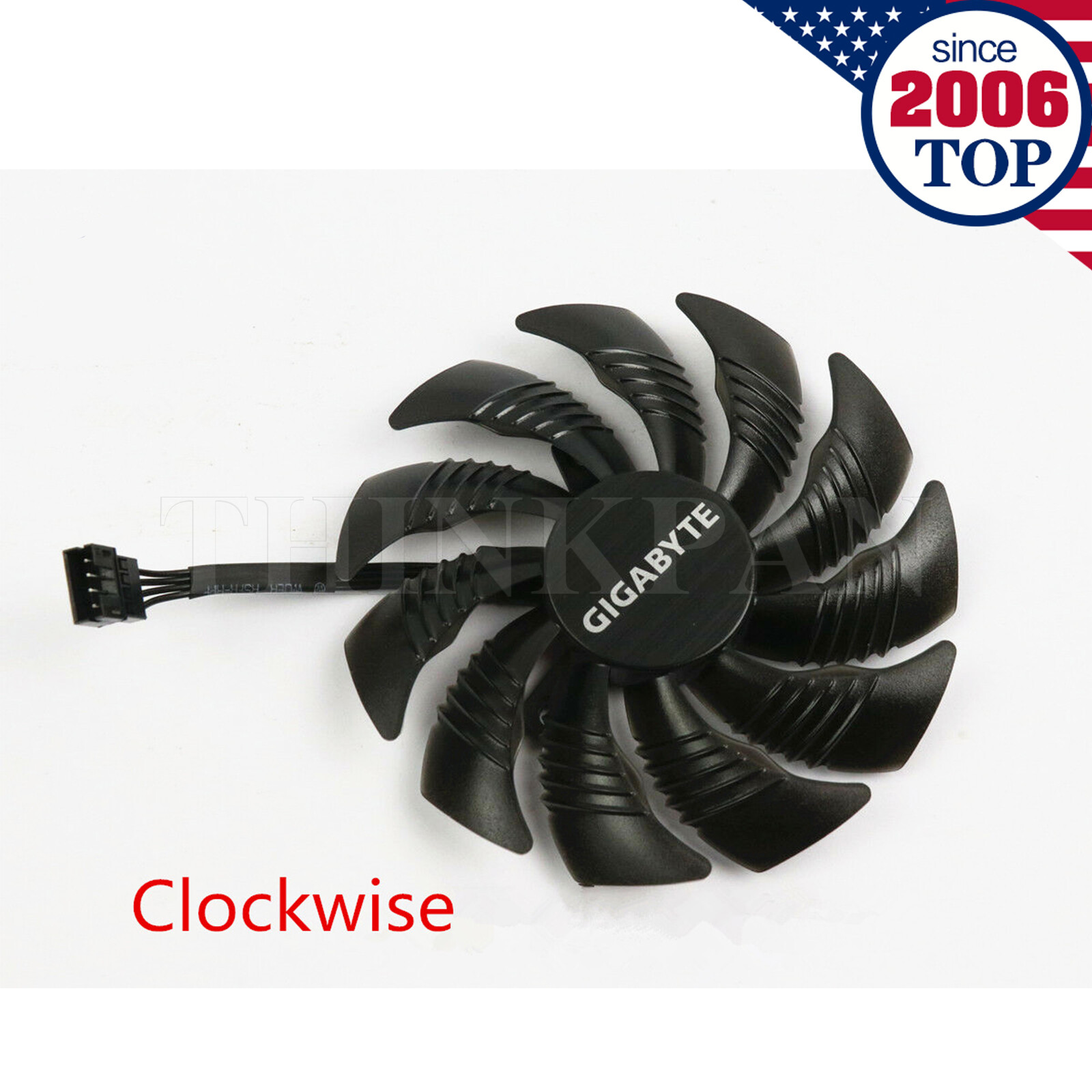

Photos from current listings. Actual item, color, and included accessories may vary.
1060 Graphics Card Buying Guide
The GTX 1060 remains a viable entry-level GPU only when its 6GB VRAM buffer and 120W TDP align with your case airflow and PSU headroom. Most buyers misjudge the 3GB model's texture limits or pair it with a PSU lacking a dedicated 8-pin PCIe connector. Verify the exact memory tier and board partner cooler size before committing.
VRAM Tier:6GB GDDR5 vs 3GB GDDR5TDP / Power:120W / 6-pin or 8-pin PCIeCard Length:9.8 in ref / up to 11.5 in partnerDisplay Outputs:HDMI 2.0 / DP 1.4 / DVI-D
Typical price range$8.99 – $316.59
Median $162.79
Key takeaways
- 6GB GDDR5 vs 3GB GDDR5: the 6GB model has 10% more CUDA cores (1280 vs 1152) and handles 1080p high textures; the 3GB stutters in modern titles at medium.
- GP106 Pascal architecture: 16nm process, 120W TDP, single 6-pin or 8-pin PCIe power depending on factory overclock.
- Reference length is 9.8 inches (250mm); dual-fan partner cards reach 11.5 inches (292mm) and require 2-slot clearance.
At a glance
- Category
- PC Graphics Cards
- Last updated
- Nov 23, 2026
Current offers
Highlights
- 6GB GDDR5 vs 3GB GDDR5: the 6GB model has 10% more CUDA cores (1280 vs 1152) and handles 1080p high textures; the 3GB stutters in modern titles at medium.
- GP106 Pascal architecture: 16nm process, 120W TDP, single 6-pin or 8-pin PCIe power depending on factory overclock.
- Reference length is 9.8 inches (250mm); dual-fan partner cards reach 11.5 inches (292mm) and require 2-slot clearance.
- Outputs vary by board: most have 1x DVI-D, 1x HDMI 2.0, 3x DisplayPort 1.4; DVI-only models limit multi-monitor setups.
Best use cases
- Best fit: 1080p 60Hz esports and older AAA titles at medium-high with the 6GB card and a 450W 80+ Bronze PSU.
- Wrong fit: 1440p or 4K gaming—the 192-bit memory bus and 6GB VRAM choke on high-resolution textures; choose a newer 8GB+ card instead.
- Best fit: SFF builds under 10 liters—pick a single-fan ITX model under 7 inches (178mm) and confirm a 6-pin connector.
- Wrong fit: workstations needing CUDA compute or NVENC dual-stream—the 1060 lacks Turing NVENC and has no ray-tracing cores.
Buying tips
- Prioritize the 6GB variant unless budget forces 3GB; the 3GB card loses texture quality and resale value disproportionately.
- Check PSU PCIe connectors: most 1060s need one 6-pin or 8-pin; a 400W unit with no PCIe plug cannot power it.
- Inspect cooler depth: dual-slot cards block adjacent PCIe slots; measure clearance from the motherboard's first x16 slot to the case side panel.
- Choose a board partner with a backplate and at least two fans for sustained boost clocks; single-fan blower models run louder at 70°C+.
Specs
| VRAM Tier | 6GB GDDR5 vs 3GB GDDR5 |
|---|---|
| TDP / Power | 120W / 6-pin or 8-pin PCIe |
| Card Length | 9.8 in ref / up to 11.5 in partner |
| Display Outputs | HDMI 2.0 / DP 1.4 / DVI-D |
Related searches
What to check before buying
- Case clearance: measure available GPU length (reference 9.8 in / 250mm; partner cards up to 11.5 in / 292mm) and slot width.
- PSU output: confirm a 6-pin or 8-pin PCIe cable and at least 400W total system power for the 120W card.
- Monitor ports: match your display's HDMI/DisplayPort version; DVI-only cards need an active adapter for HDMI 2.0.
- Motherboard slot: verify a PCIe 3.0 x16 slot is free and not blocked by a CPU cooler or M.2 heatsink.
FAQ
Data sources: eBay / Amazon listings and product attribute feeds. Updated Nov 23, 2026.
Some links on this page are affiliate links. If you buy after clicking one, we may earn a commission at no extra cost to you. This does not change which products appear here or their order. Affiliate disclosure.