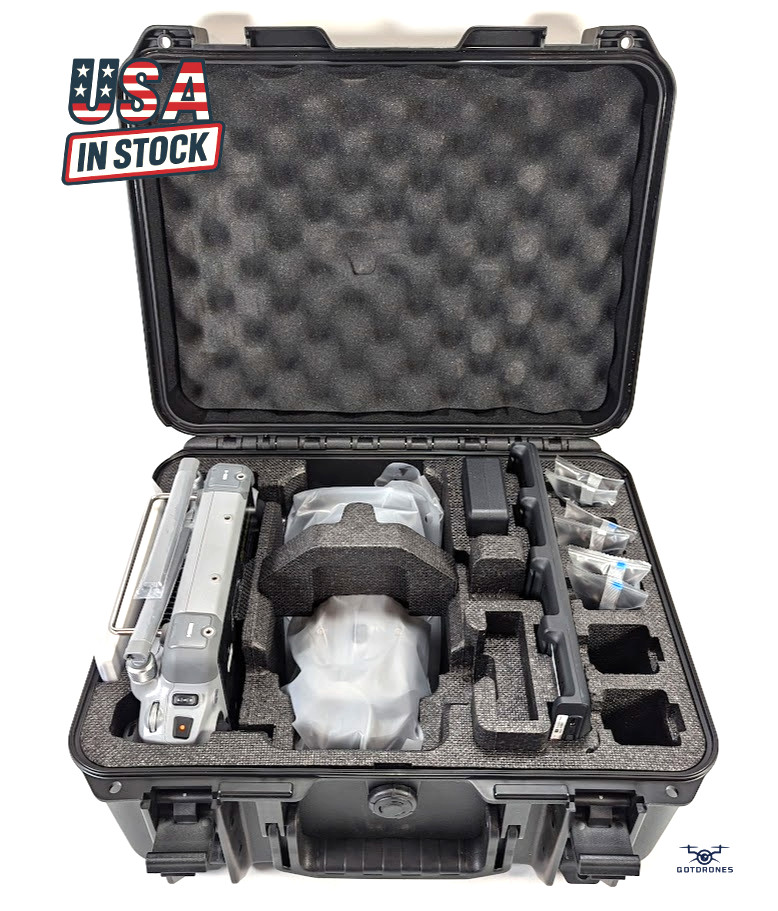

Photos from current listings. Actual item, color, and included accessories may vary.
Thermal Drone Buying Guide
Thermal drones pair a radiometric thermal sensor with a visible-light camera on a stabilized gimbal, letting you read heat signatures and measure temperatures from the air. The core trade-off is sensor resolution and radiometric accuracy versus airframe size, flight time, and payload flexibility. Buy a radiometric sensor at 640×512 or better with a swappable payload if you need inspections; settle for a 256×192 non-radiometric sensor only for casual spotting.
Median $5,999.00 · New listings
Key takeaways
- Thermal sensor resolution separates usable tiers: 640×512 radiometric sensors resolve small anomalies at distance, while 256×192 sensors blur targets beyond close range.
- Radiometric capability outputs per-pixel temperature data; non-radiometric thermal cameras output only false-color video without measurable values.
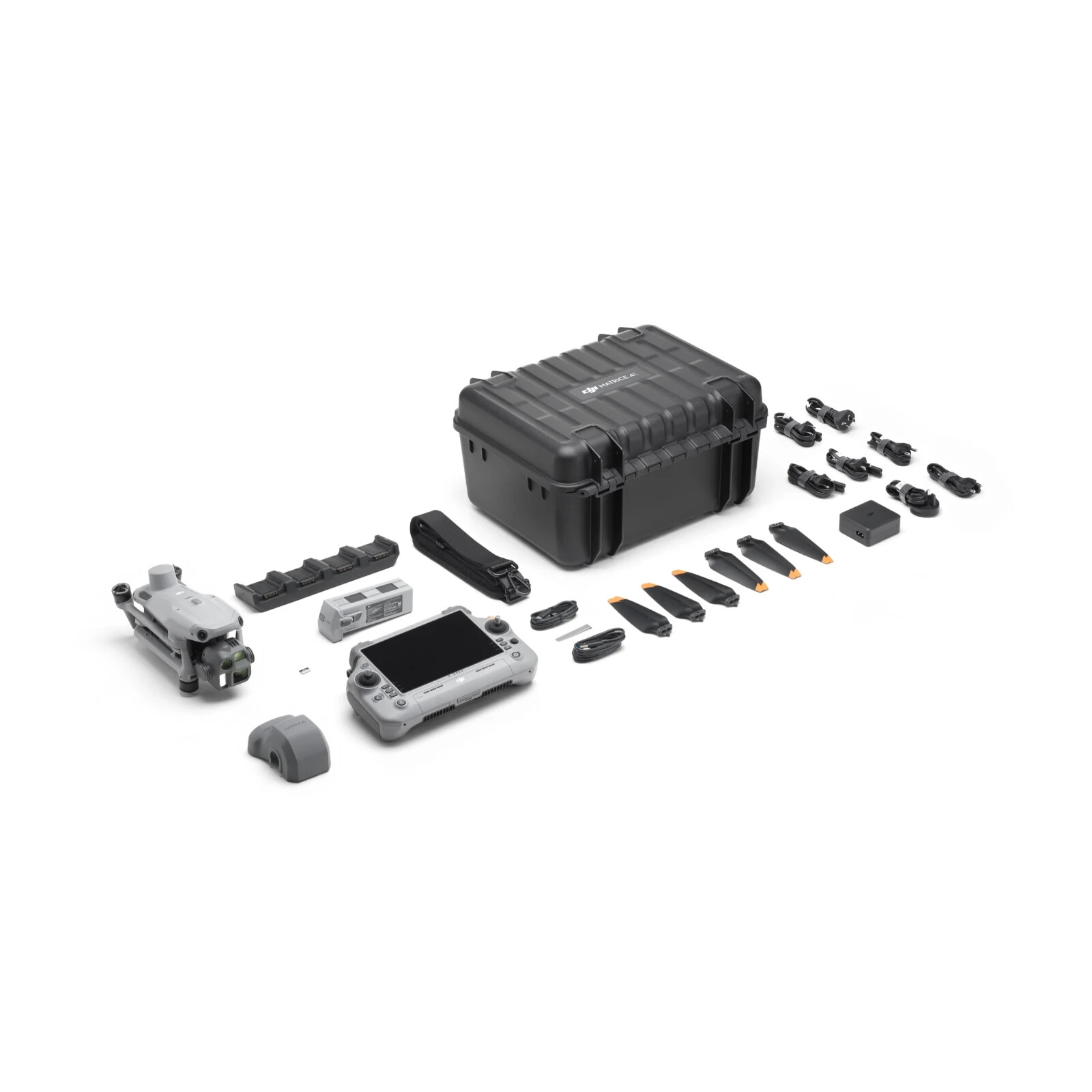
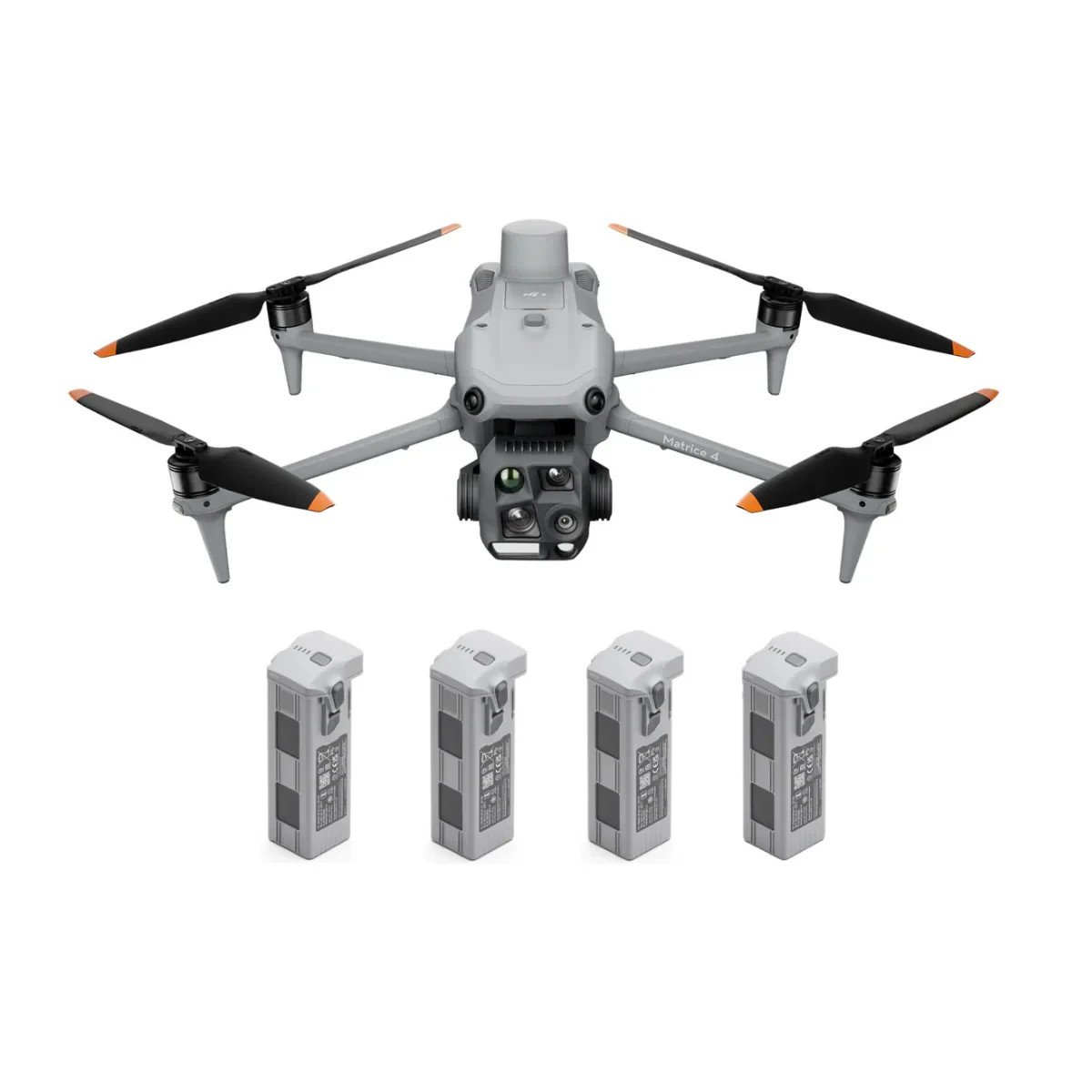
- Airframe class dictates payload and wind tolerance: enterprise quadcopters (e.g., Matrice 4T, EVO Max 4T) carry multiple sensors and fly in higher winds than foldable consumer drones.
At a glance
- Category
- Drones & Consumer Robotics
- Last updated
- Nov 27, 2026
Current offers
Highlights
- Thermal sensor resolution separates usable tiers: 640×512 radiometric sensors resolve small anomalies at distance, while 256×192 sensors blur targets beyond close range.
- Radiometric capability outputs per-pixel temperature data; non-radiometric thermal cameras output only false-color video without measurable values.
- Airframe class dictates payload and wind tolerance: enterprise quadcopters (e.g., Matrice 4T, EVO Max 4T) carry multiple sensors and fly in higher winds than foldable consumer drones.
- Battery architecture matters: high-capacity LiPo packs with self-heating enable cold-weather flights, while standard packs lose capacity below freezing.
Best use cases
- Best fit: roof moisture surveys and solar-panel inspections — pick a radiometric 640×512 sensor with a 45° lens and swap between thermal and zoom cameras.
- Best fit: search and rescue or wildlife spotting — choose a 640×512 sensor with high zoom and a spotlight for night operations, skipping 256×192 models.
- Wrong fit: cinematic thermal footage for social media — a 256×192 non-radiometric sensor on a small foldable drone saves weight and cost without inspection-grade data.
- Wrong fit: mapping large agricultural fields — a fixed-payload thermal-only drone limits coverage; pick a modular enterprise airframe with mapping mission support and long flight time.
Buying tips
- For inspection work, insist on radiometric output (±2°C accuracy) at 640×512 resolution; 256×192 sensors miss narrow thermal bridges beyond 10–15 m.
- Match lens field of view to standoff distance: 45° for close building facades, 18–25° for distant power-line or tower inspection.
- Check payload modularity — enterprise airframes accept swappable thermal, zoom, and wide cameras; fixed-payload drones lock you into one sensor.
- Verify flight time and battery chemistry: LiPo packs with self-heating maintain capacity below 0°C, while standard packs lose 20–30% runtime in cold.
Specs
| Thermal Resolution | 640×512 radiometric / 256×192 |
|---|---|
| Radiometric Accuracy | ±2°C or ±2% |
| Airframe Class | Enterprise quadcopter / foldable |
| Payload Modularity | Swappable gimbal / fixed camera |
Related searches
What to check before buying
- Confirm your remote controller supports the thermal camera's live radiometric feed; some enterprise drones require a specific smart controller or tablet.
- Verify local airspace and registration rules for drones above 250 g, including remote ID compliance for enterprise airframes.
- Check that the thermal sensor's temperature range covers your target — building envelopes need up to 150°C, industrial inspections up to 500°C.
- Ensure you have a charged intelligent battery and a plan for cold-weather operation, including pre-heating packs before flight.
FAQ
Data sources: eBay / Amazon listings and product attribute feeds. Updated Nov 27, 2026.
Some links on this page are affiliate links. If you buy after clicking one, we may earn a commission at no extra cost to you. This does not change which products appear here or their order. Affiliate disclosure.