
Photos from current listings. Actual item, color, and included accessories may vary.
Ready Fly Drone Buying Guide
A ready-to-fly drone is a bundled aircraft, controller, and battery that requires no assembly or tuning before first flight. The core trade-off is weight versus capability: sub-250g models avoid registration in most jurisdictions but carry smaller sensors and shorter flight times, while heavier models deliver larger sensors, longer endurance, and obstacle avoidance at the cost of regulatory steps. The decision rule: if you want zero-friction flights and travel-friendly portability, stay under 250g; if you prioritize image quality and wind resistance, accept the registration and choose a model with a 1-inch or larger sensor and at least 30 minutes of rated flight time.
Median $350.00 · New & pre-owned listings
Key takeaways
- Sub-250g drones like the DJI Mini series avoid FAA registration in the US and many equivalent registrations abroad, but their 1/2.3-inch to 1/1.3-inch sensors limit low-light performance compared with 1-inch sensors on heavier models.
- Rated flight time is measured in windless lab conditions; real-world endurance drops 20-30%, so a 31-minute rating yields roughly 22-25 minutes of usable flight before forced landing.
- Obstacle avoidance is sensor-dependent: omnidirectional systems on the Mini 4 Pro and Air series prevent most lateral and rear collisions, while forward-only or no avoidance on base Mini 2 and Phantom 4 models requires visual line-of-sight discipline.
At a glance
- Category
- Drones & Consumer Robotics
- Last updated
- Nov 27, 2026
Current offers
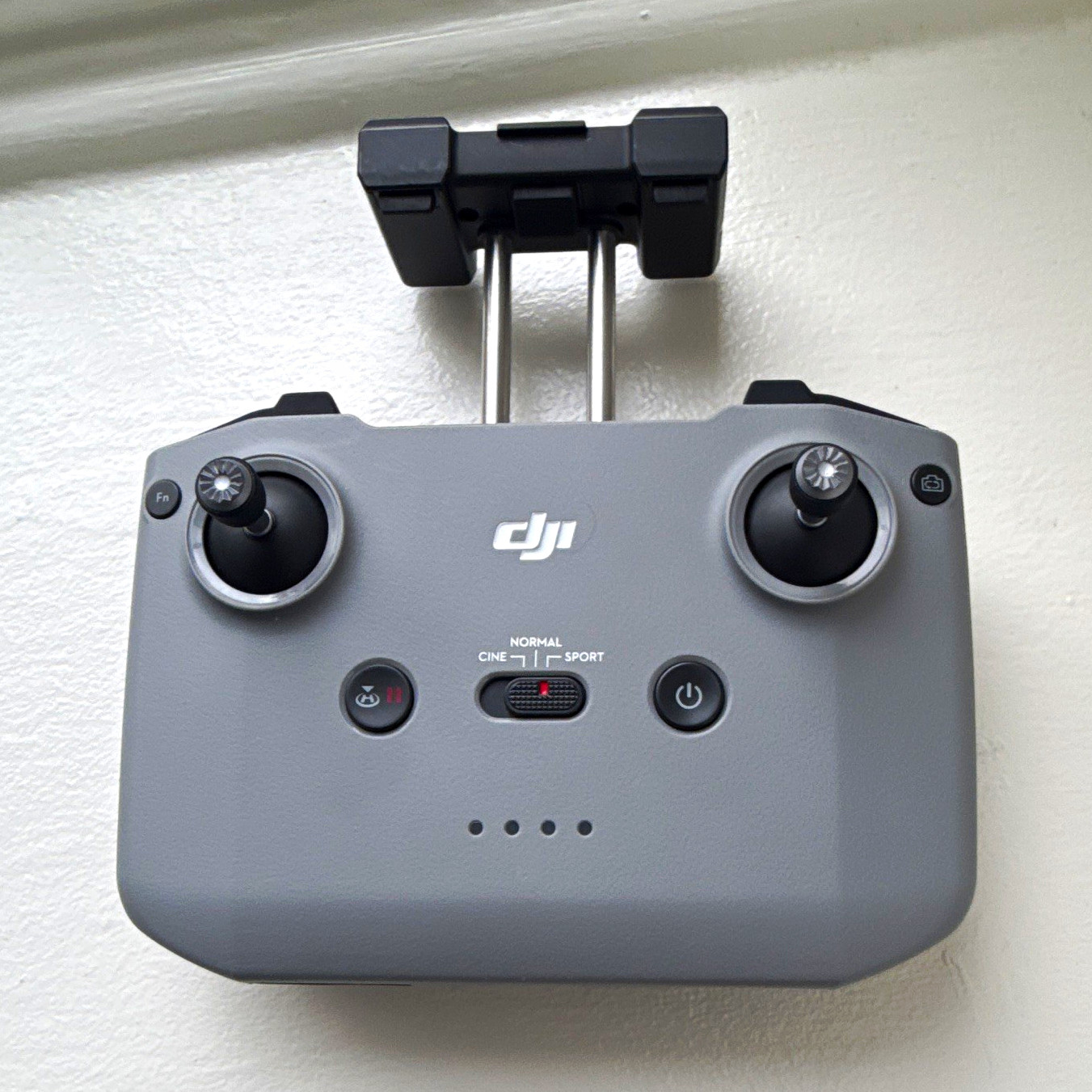 DJI Mini 4k Ready to Fly Drone Kit w/ Remote Controller, 2 Batteries, Case$220.00Used · Last checked Nov 15, 2026View on eBay
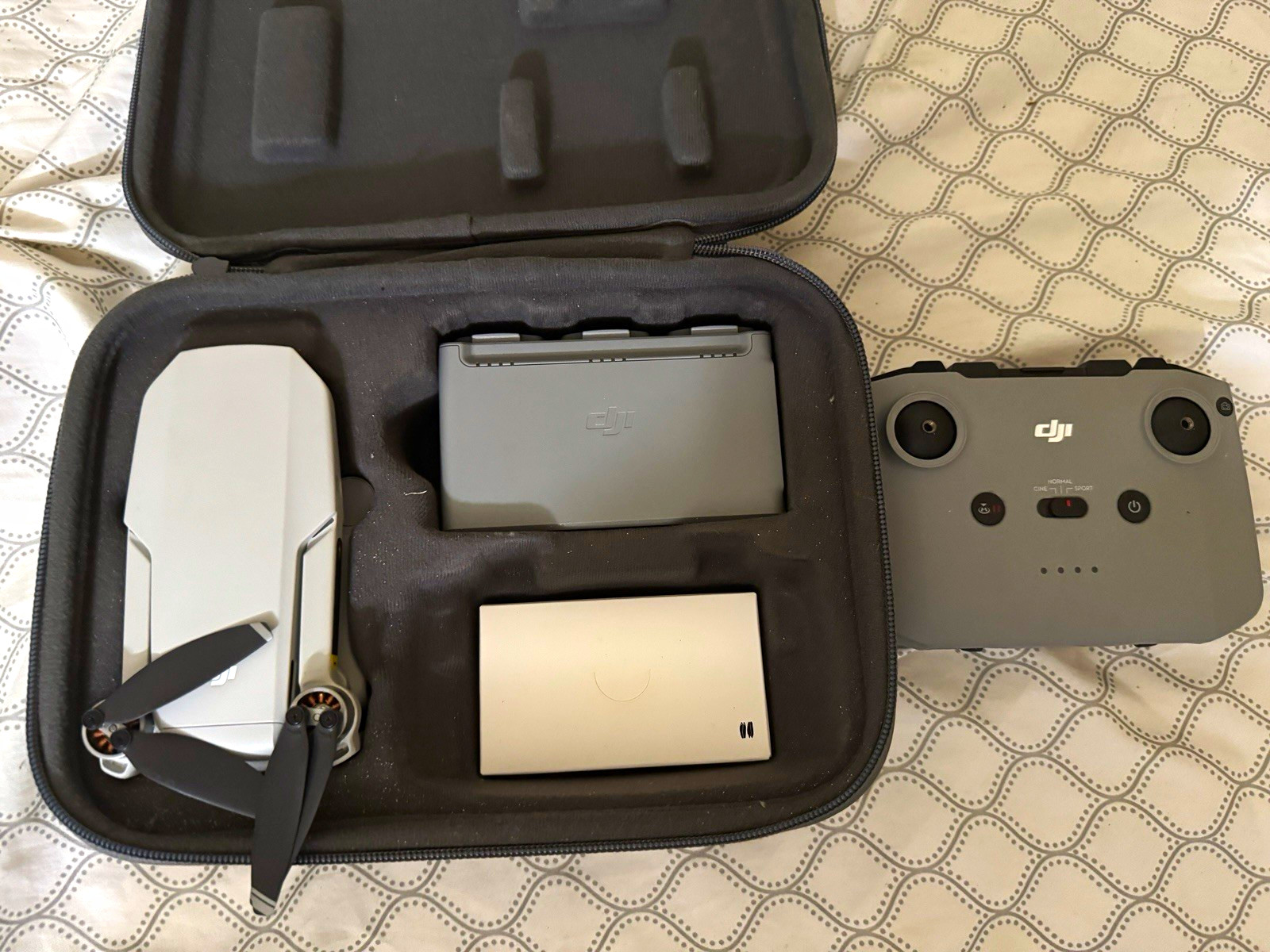 DJI Mini 2 Ready to Fly Drone 4K HD Video, Remote Control & 3 Batteries$220.00UsedView on eBay
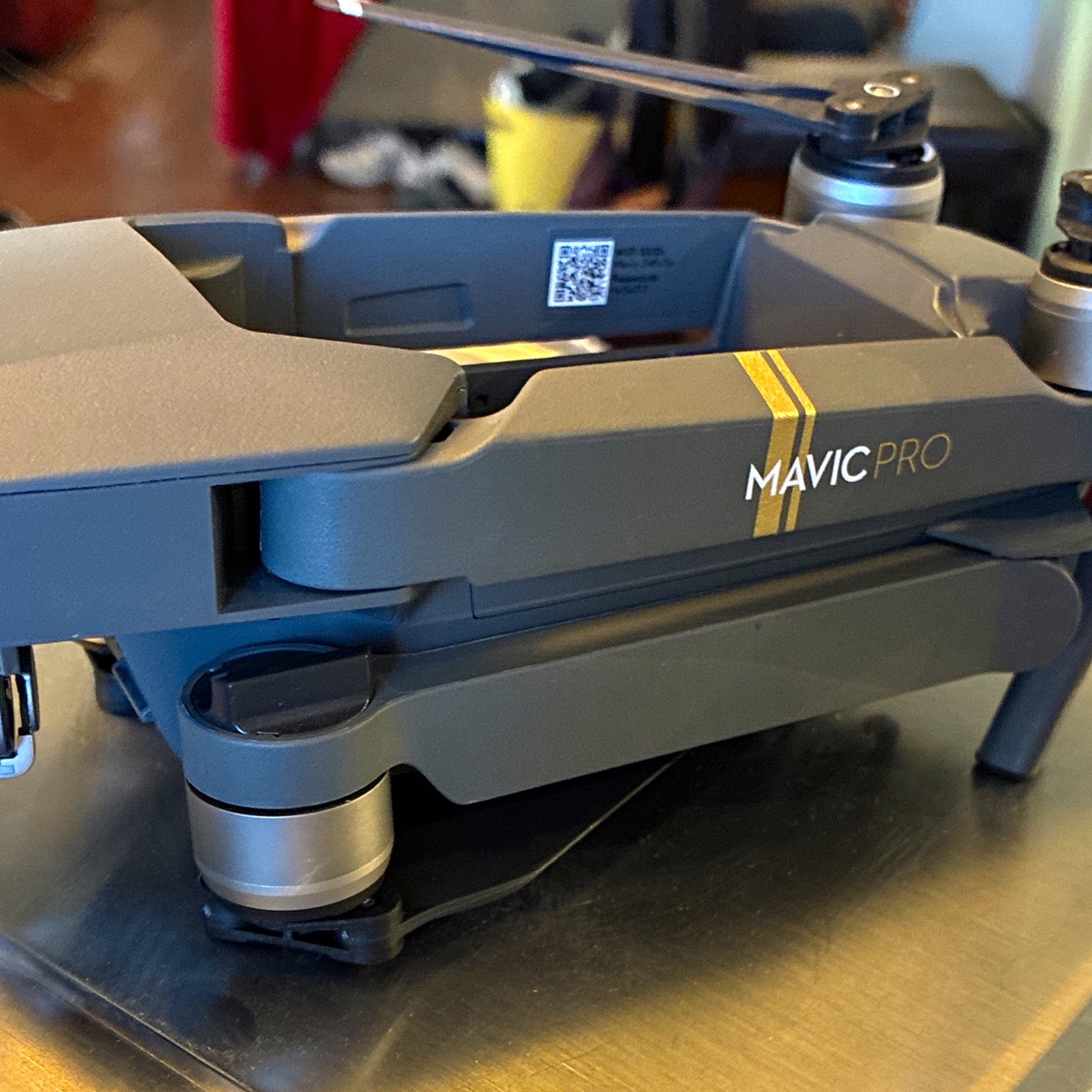 DJI Mavic Pro Ready-to-Fly Camera Drone Quadcopter$240.00UsedView on eBay
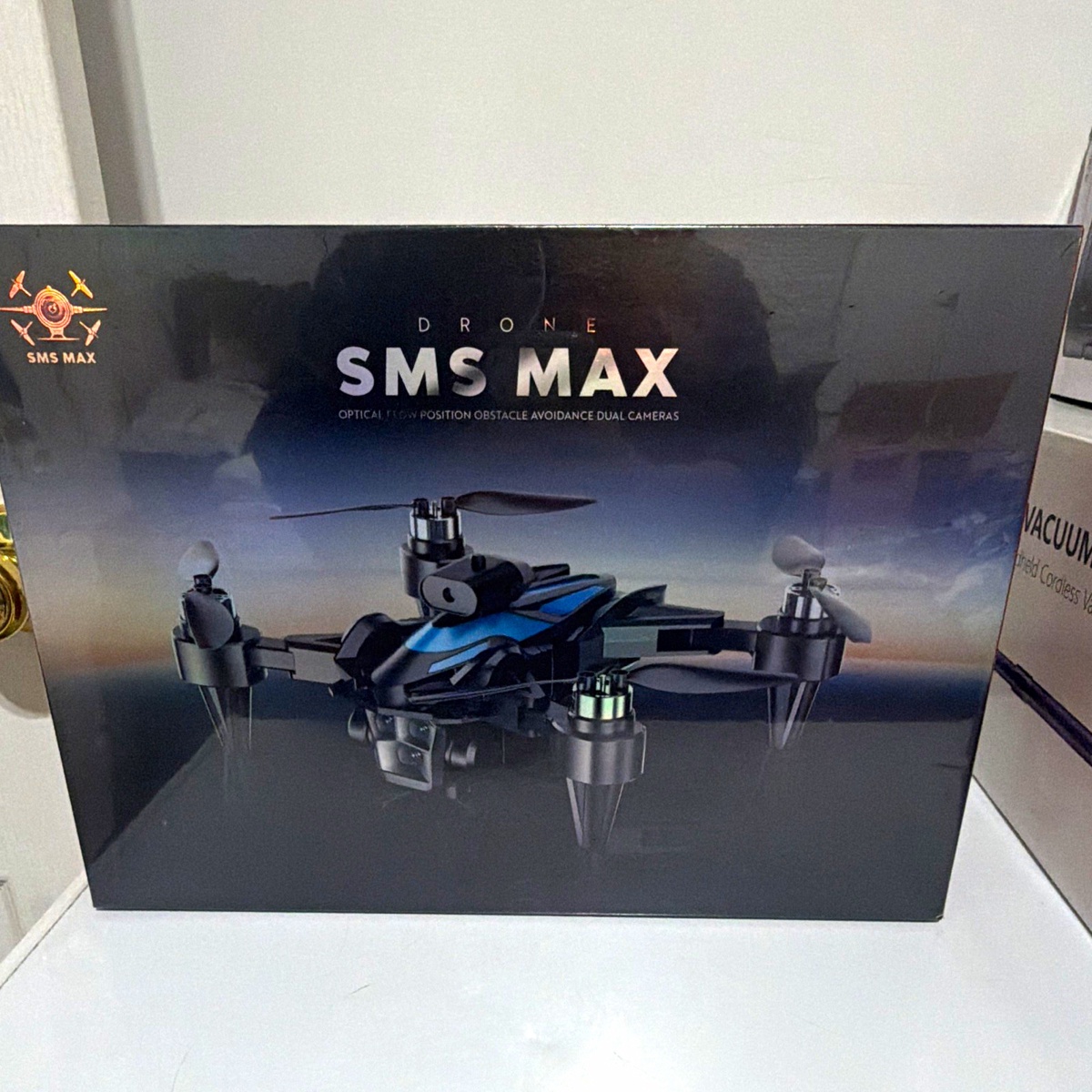 SMS MAX Ready to Fly Drone Dual Cameras, Obstacle Avoidance, Optical Flow$250.00NewView on eBay
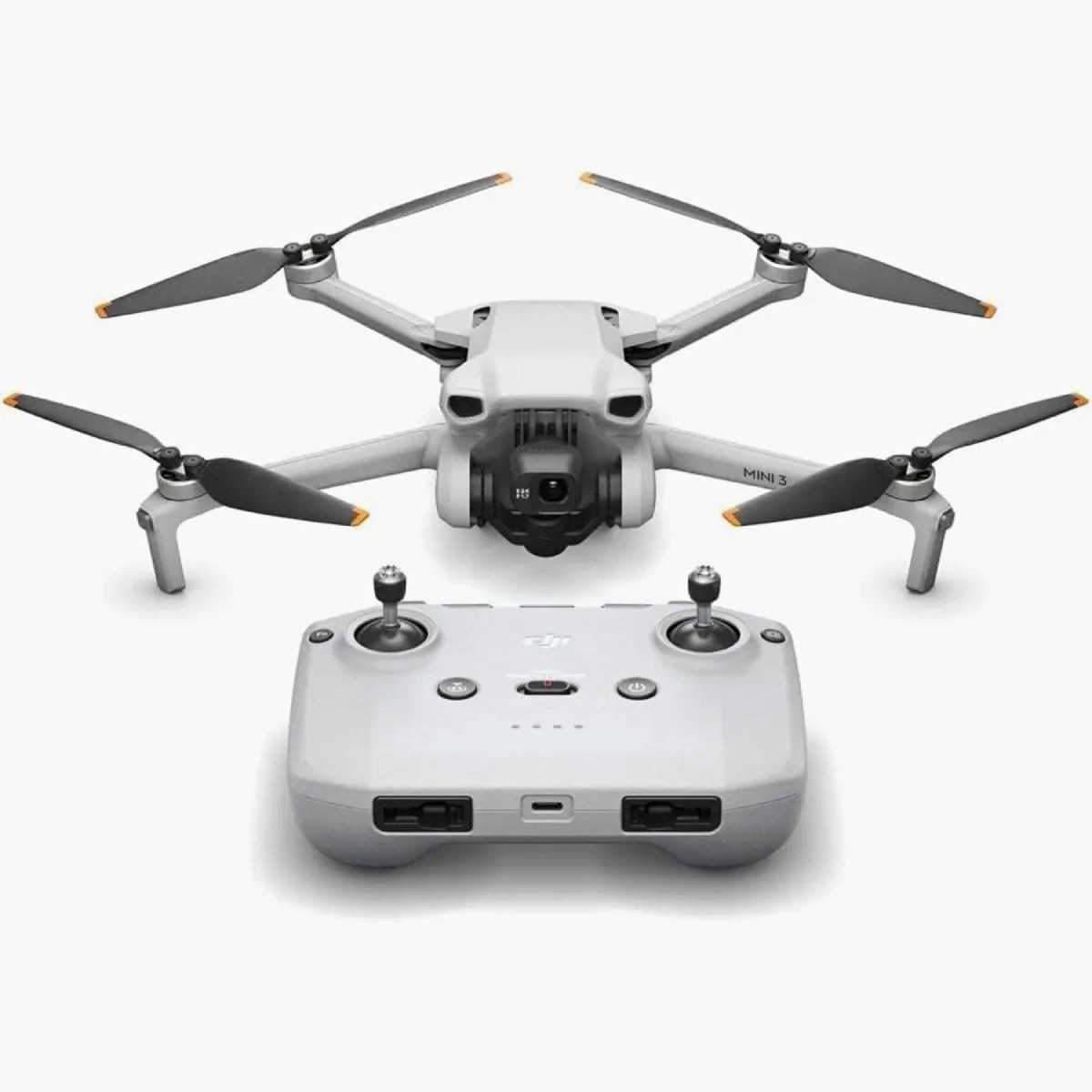 DJI Mini 3 Camera Ready to Fly Drone Quadcopter with Remote Controller$275.00Open boxView on eBay
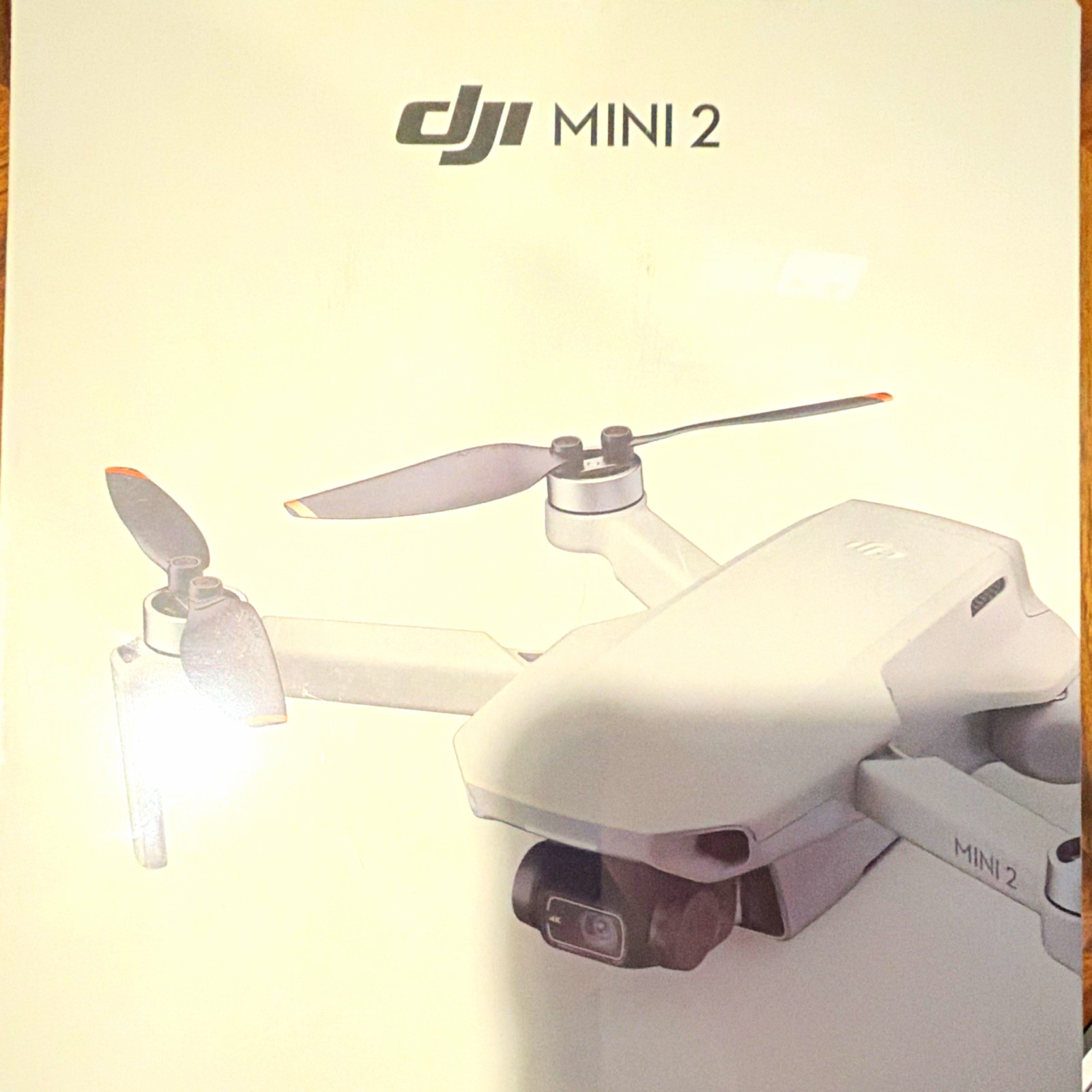 DJI Mini 2 Ready to Fly Drone 4K HD Video, NEW SEALED IN BOX$289.00NewView on eBay
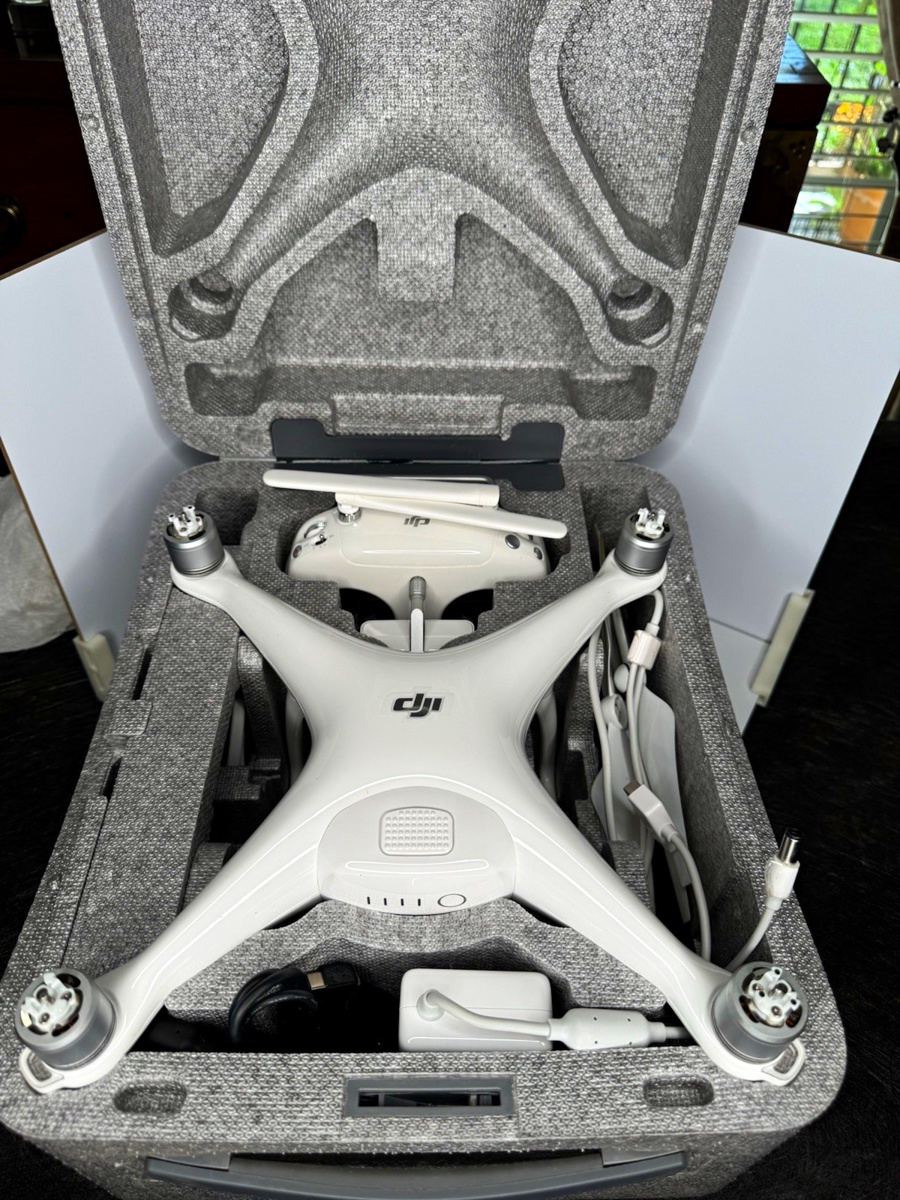 DJI Phantom 4 Ready to Fly Drone Quadcopter with Remote Control Connectivity$299.00UsedView on eBay
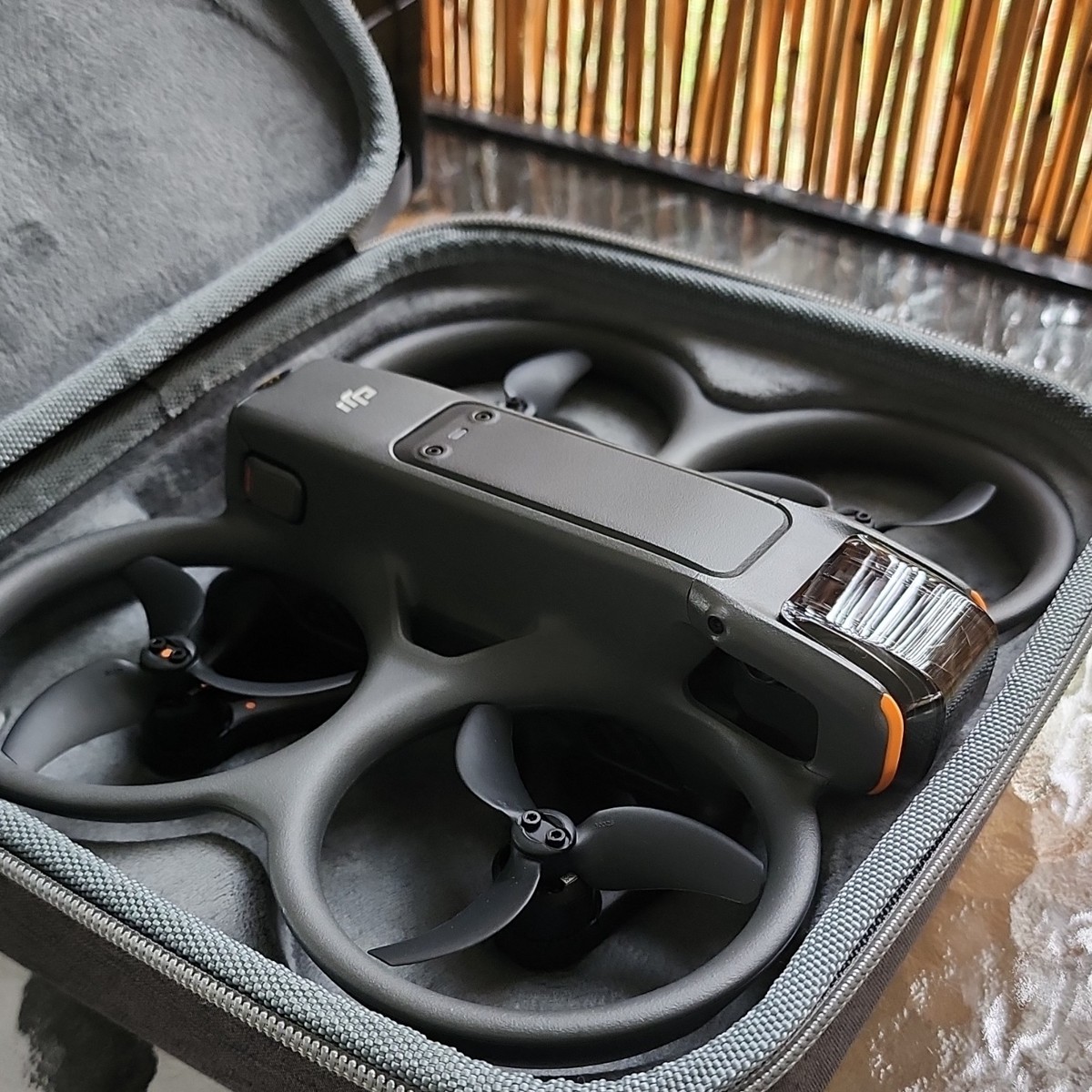 DJI Avata 2 Ready to Fly FPV Camera Drone with Carrying Case$350.00Open boxView on eBay
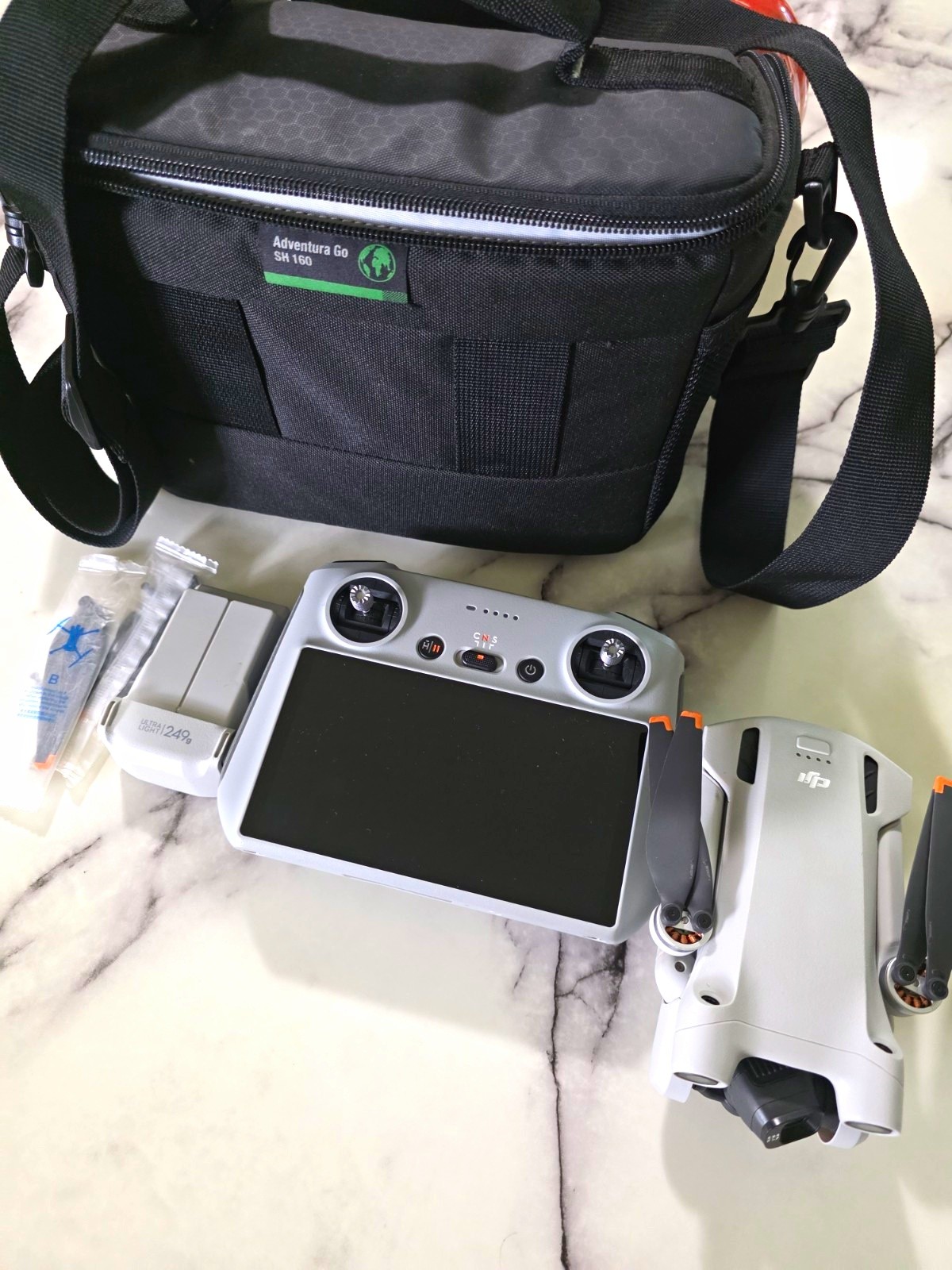 DJI Mini 3 Pro Ready to Fly Drone Kit w/ RC Controller, Batteries & Bag$450.00UsedView on eBay
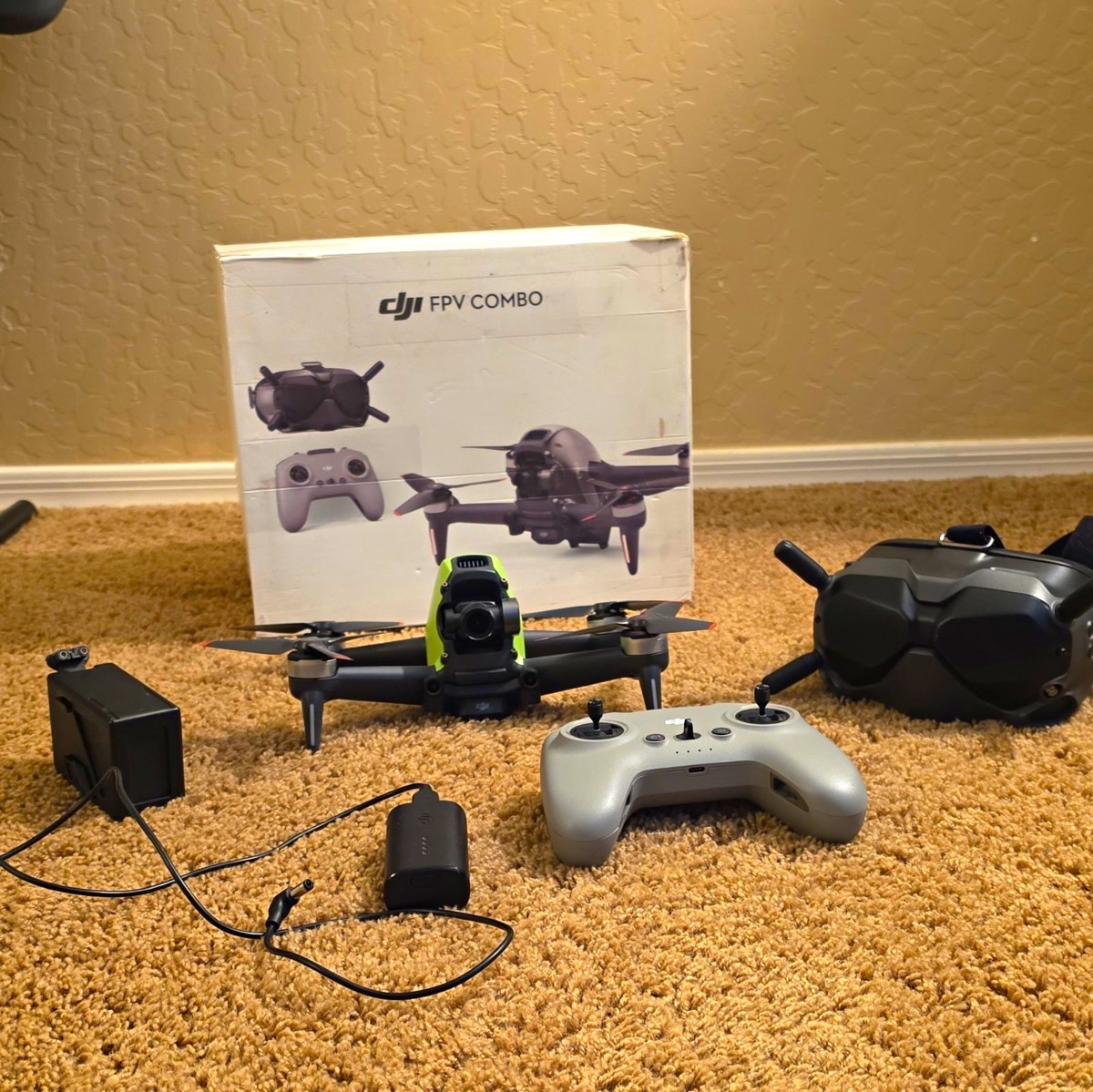 DJI FPV Combo Ready to Fly Drone w/ FPV Goggles & Remote Controller$499.00Used · Last checked Nov 15, 2026View on eBay
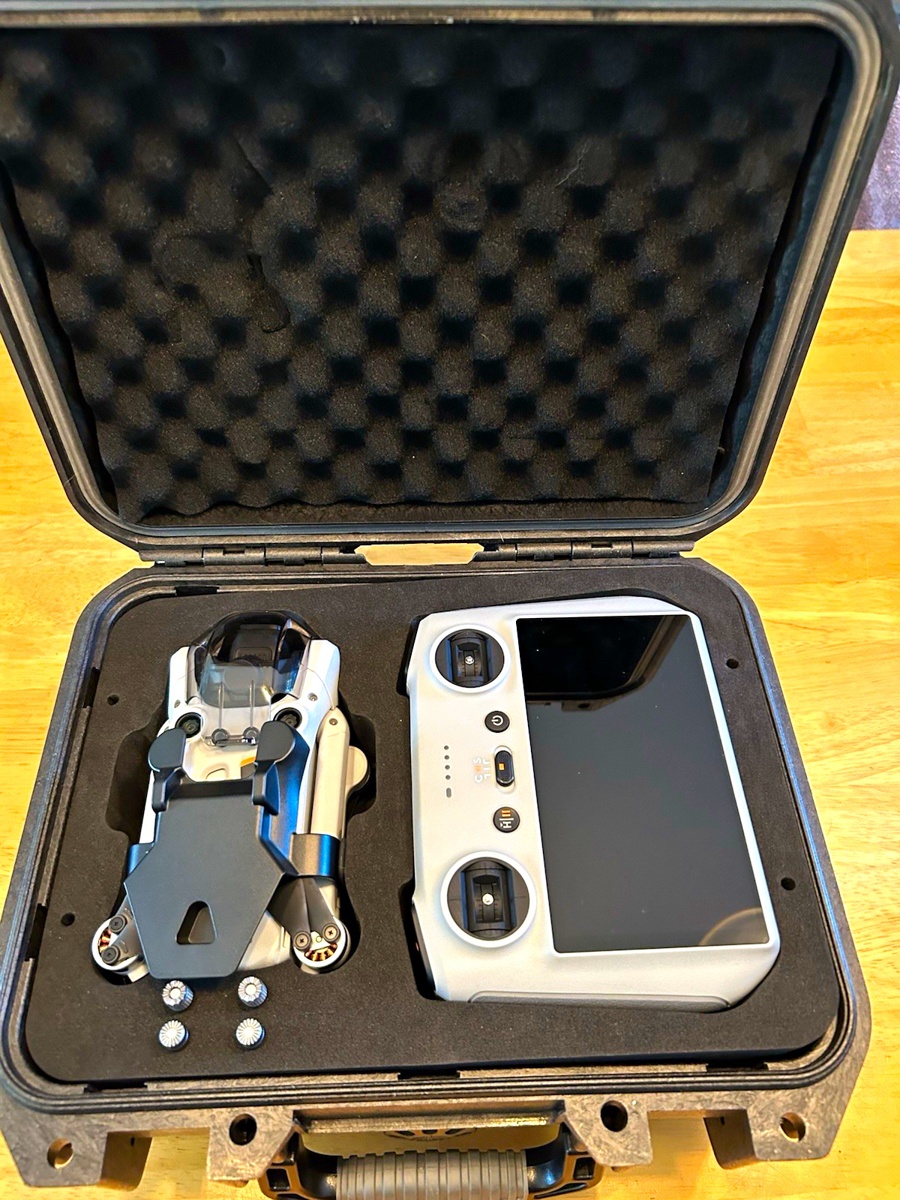
 DJI Mini 3 Ready to Fly Drone w/ Remote Controller and Carrying Case$500.00UsedView on eBay
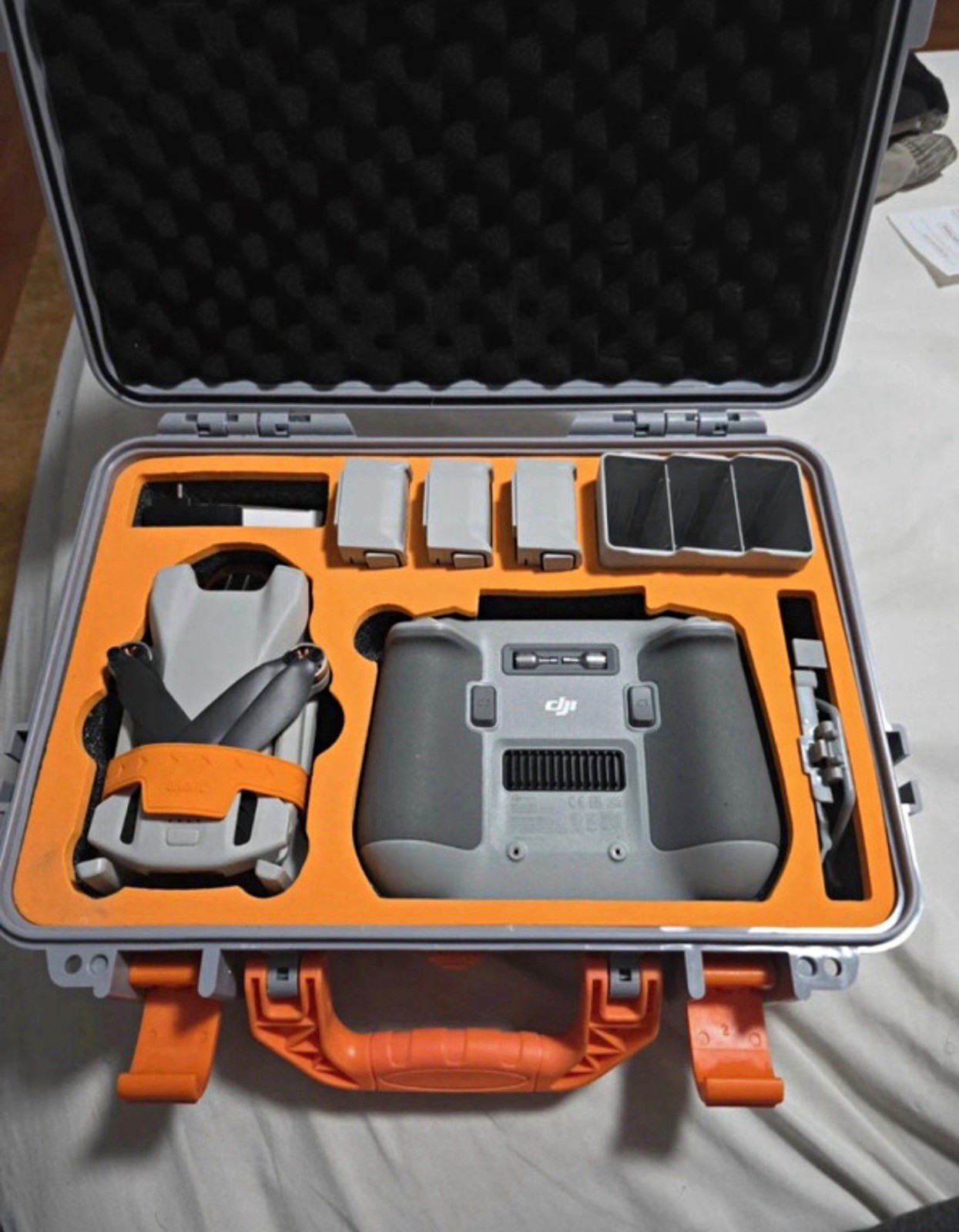
 DJI Mini 3 Pro Ready to Fly Drone w/ DJI RC Fly More Kit Batteries Hard Case$550.00UsedView on eBay
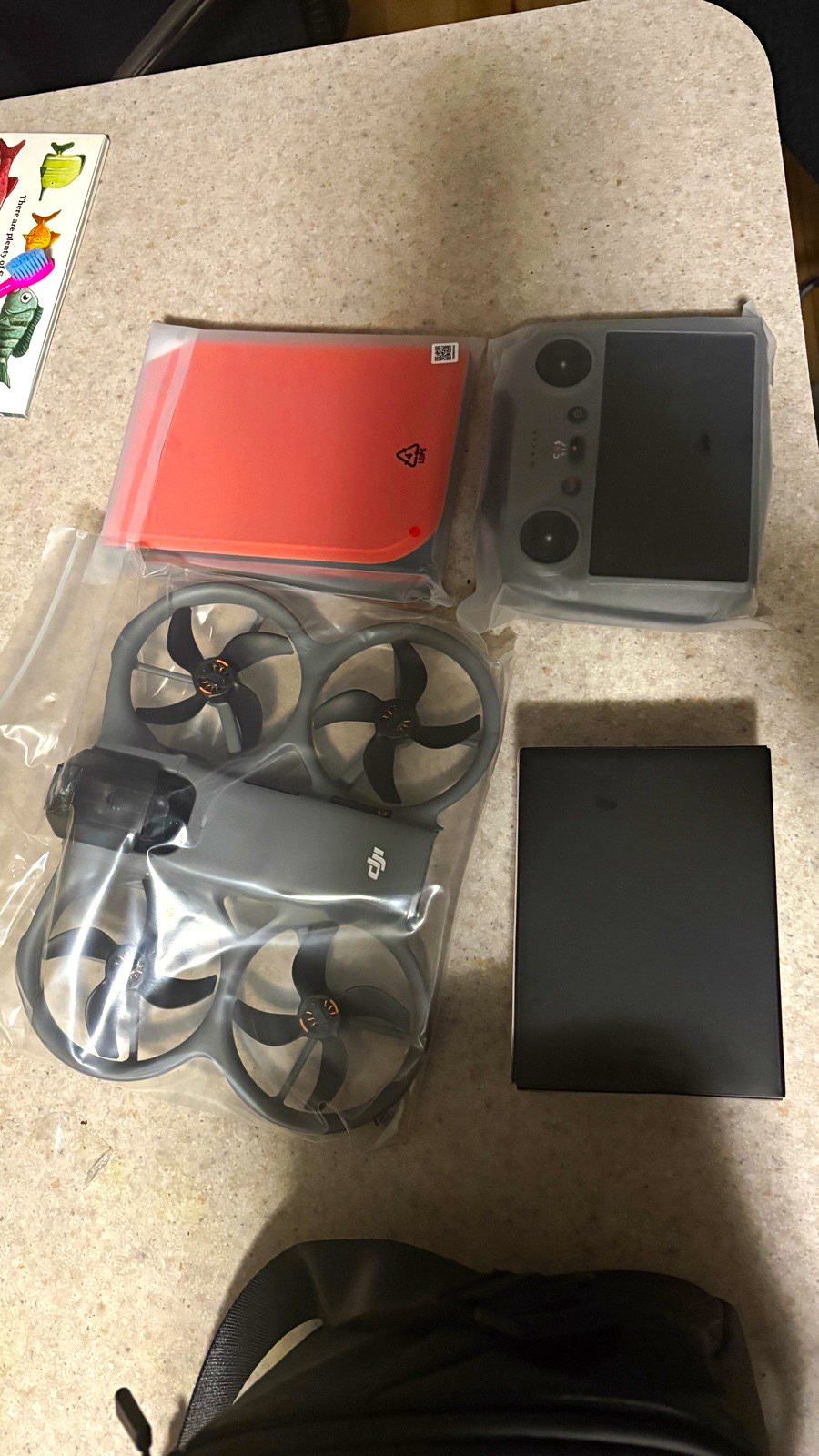 DJI Avata 360 Ready to Fly Drone 8K 360° Imaging w/ Controller & Battery$850.00New · Last checked Nov 14, 2026View on eBay
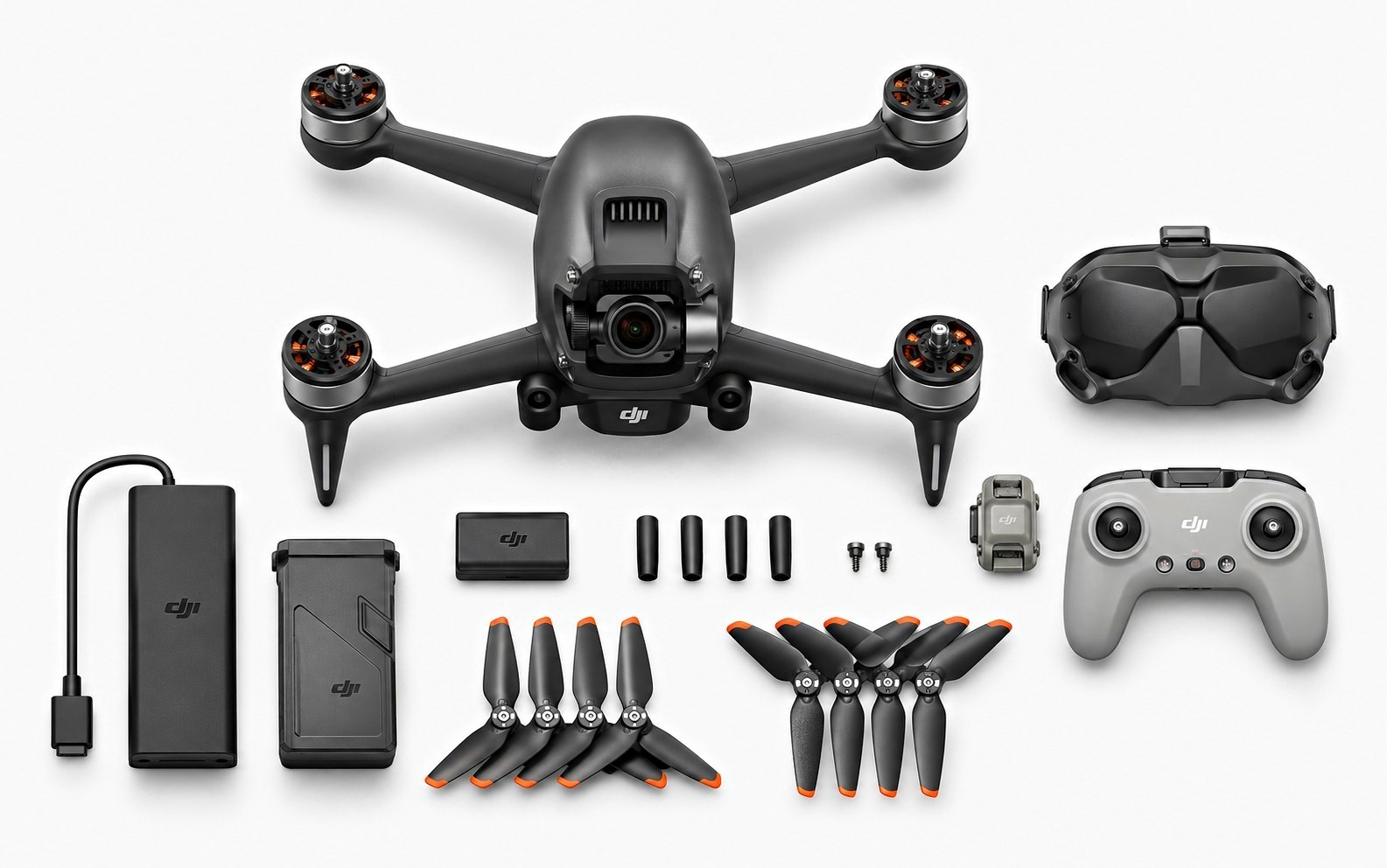 DJI FPV Combo Ready-to-Fly Drone w/ Goggles, Remote, 20min, 39370ft$935.00UsedView on eBay
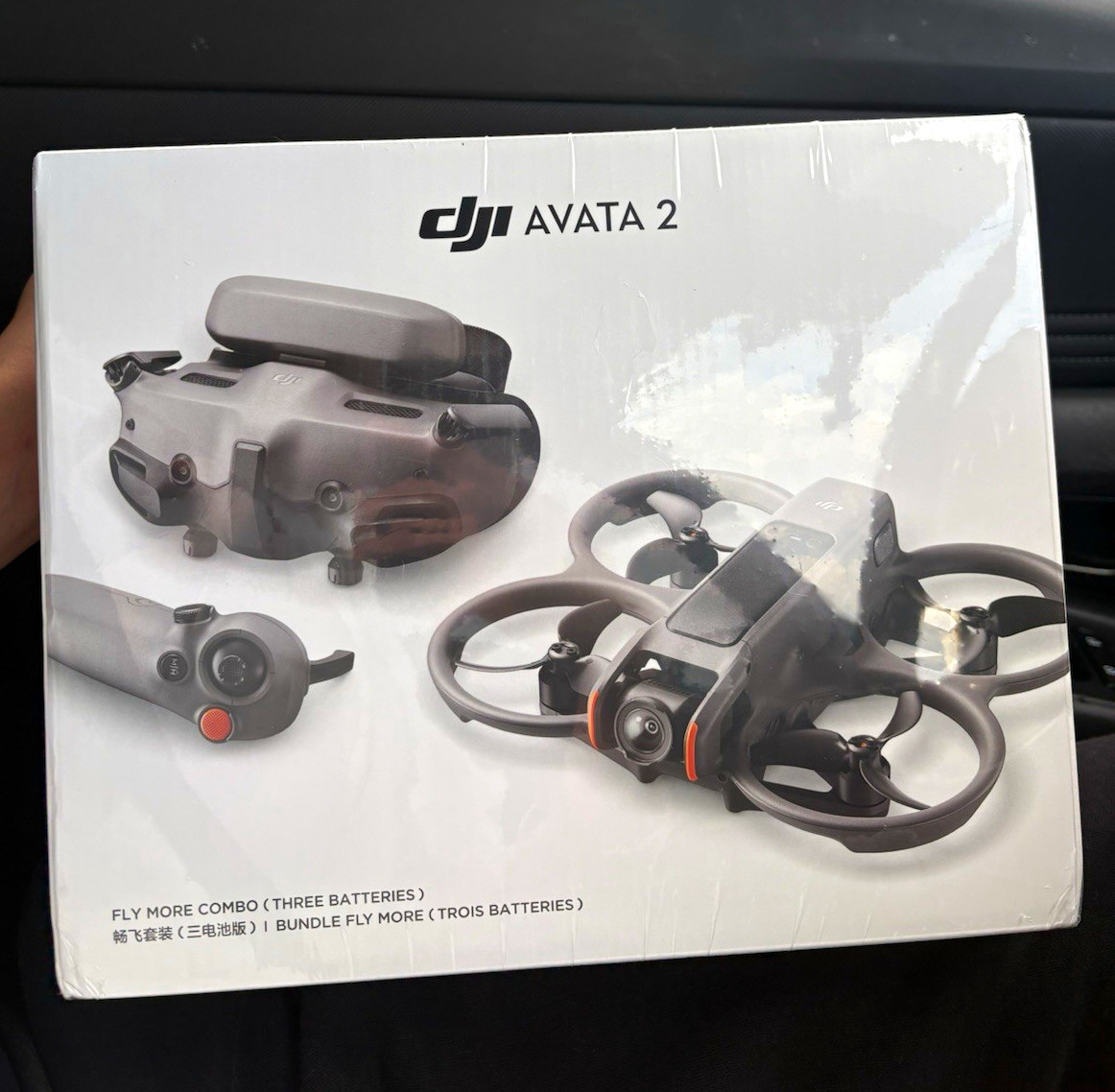 DJI Avata 2 Fly More Combo Ready to Fly Drone w/ 3 Batteries 4K Video$1,180.00NewView on eBay
Highlights
- Sub-250g drones like the DJI Mini series avoid FAA registration in the US and many equivalent registrations abroad, but their 1/2.3-inch to 1/1.3-inch sensors limit low-light performance compared with 1-inch sensors on heavier models.
- Rated flight time is measured in windless lab conditions; real-world endurance drops 20-30%, so a 31-minute rating yields roughly 22-25 minutes of usable flight before forced landing.
- Obstacle avoidance is sensor-dependent: omnidirectional systems on the Mini 4 Pro and Air series prevent most lateral and rear collisions, while forward-only or no avoidance on base Mini 2 and Phantom 4 models requires visual line-of-sight discipline.
- FPV drones like the Avata 2 and DJI FPV use a different control paradigm with goggles and motion controller; they are not interchangeable with camera drones for stable aerial photography.
Best use cases
- Best fit: travel and casual aerial photography — pick a sub-250g model such as the DJI Mini 2, Mini 3, or Mini 4K with a 4K camera and 3-battery bundle; these fold small, skip registration, and deliver 20-25 minutes of real flight per battery.
- Best fit: serious imaging and wind resistance — choose the Mini 3 Pro, Mavic Pro, or Phantom 4 class with a 1-inch or larger sensor and obstacle avoidance if you shoot in low light or fly in coastal/gusty conditions and accept registration.
- Best fit: immersive FPV flight — select the DJI Avata 2 or DJI FPV Combo with goggles and motion controller; skip these if your goal is stable stills or cinematic panning, as FPV drones prioritize agility over camera stabilization.
- Wrong fit: buying a heavy model as a first drone for confined spaces — a 1.06kg Phantom 4 or Mavic Pro needs open air and registration; start with a sub-250g Mini instead.
Buying tips
- Weight threshold: keep takeoff weight at or below 250g (e.g., DJI Mini 2 at 249g, Mini 3 at 248g) to avoid registration in the US, UK, and EU; anything above 250g requires registration and often a remote ID module.
- Battery math: multiply the rated flight time by 0.7 to estimate usable minutes; a 34-minute rating gives about 24 minutes of real flight, so buy a bundle with at least two spare batteries for a full session.
- Sensor size drives image quality more than megapixels: a 1/1.3-inch CMOS with 48MP stills outperforms a 1/2.3-inch 12MP sensor in low light; choose 1-inch or larger only if you need professional-grade dynamic range.
- Connectivity check: verify the controller uses a modern standard (OcuSync 2/3/4 or Wi-Fi 5) and that the drone supports the companion app on your phone's OS version; older Phantom 4 models use legacy Lightbridge with shorter range.
Specs
| Takeoff Weight | Sub-250g vs 250g-1.1kg |
|---|---|
| Sensor Size | 1/2.3" to 1" CMOS |
| Rated Flight Time | 21-35 min per battery |
| Obstacle Avoidance | None / Forward / Omnidirectional |
Related searches
What to check before buying
- Measure your storage and transport space: folded dimensions of sub-250g drones are roughly 14x8x6 cm, while Phantom 4-class drones need a dedicated case of at least 40x30x20 cm.
- Confirm your local registration rule by weight: sub-250g generally exempt in the US, UK, and EU; above 250g requires registration, remote ID, and often a pilot test.
- Check your phone or tablet compatibility with the controller app before buying; DJI Fly and DJI GO 4 have specific OS version requirements and cable types (USB-C, Lightning, micro-USB).
- Verify the bundle includes a charger, spare propellers, and a gimbal protector; bare 'ready to fly' listings sometimes omit the charger and only include one battery.
FAQ
Data sources: eBay / Amazon listings and product attribute feeds. Updated Nov 27, 2026.
Some links on this page are affiliate links. If you buy after clicking one, we may earn a commission at no extra cost to you. This does not change which products appear here or their order. Affiliate disclosure.