
Photos from current listings. Actual item, color, and included accessories may vary.
Quality Drone With Camera Buying Guide
A quality camera drone is defined by three linked systems: a stabilized gimbal camera, a reliable control/video link, and a battery and airframe that sustain stable flight in real wind. The primary trade-off is between sensor/airframe quality and regulatory weight classes, because sub-250g drones avoid registration in many regions while larger drones carry better sensors and longer flight times. The decision rule is simple: buy a drone whose camera has a mechanical 3-axis gimbal and whose control link is at least 2.4/5.8GHz dual-band or OcuSync-class; anything with electronic-only stabilization or Wi-Fi-only control is a compromise tier.
Median $69.45
Key takeaways
- Mechanical 3-axis gimbals (pitch/roll/yaw) deliver stable 4K video; electronic image stabilization alone cannot correct for wind buffeting and produces micro-jitter in stills.
- Sensor size is the low-light dividing line: 1/2.3-inch sensors are daylight-only, while 1-inch and Four Thirds sensors produce clean 4K at ISO 800+ and true 20MP stills.
- Sub-250g drones (DJI Mini class, Autel EVO Nano) avoid registration in the US, EU, UK, and Canada but typically cap at 4K/30fps and smaller sensors with lower wind resistance.
At a glance
- Category
- Drones & Consumer Robotics
- Last updated
- Nov 28, 2026
Current offers
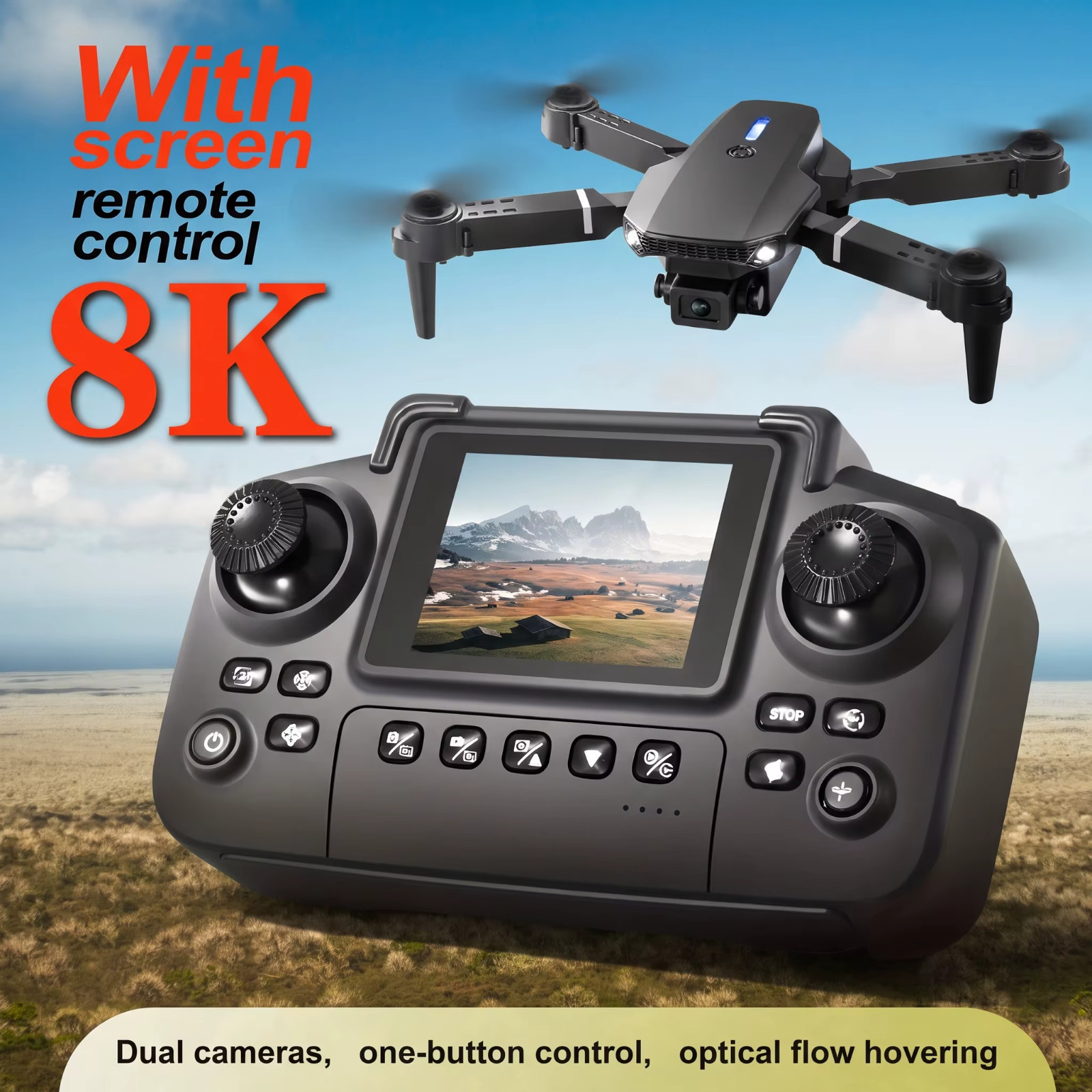 2026 4K HD Dual Camera WiFi Upgraded E88PROK screen Foldable Drone USA SHIPPED$28.99View on eBay
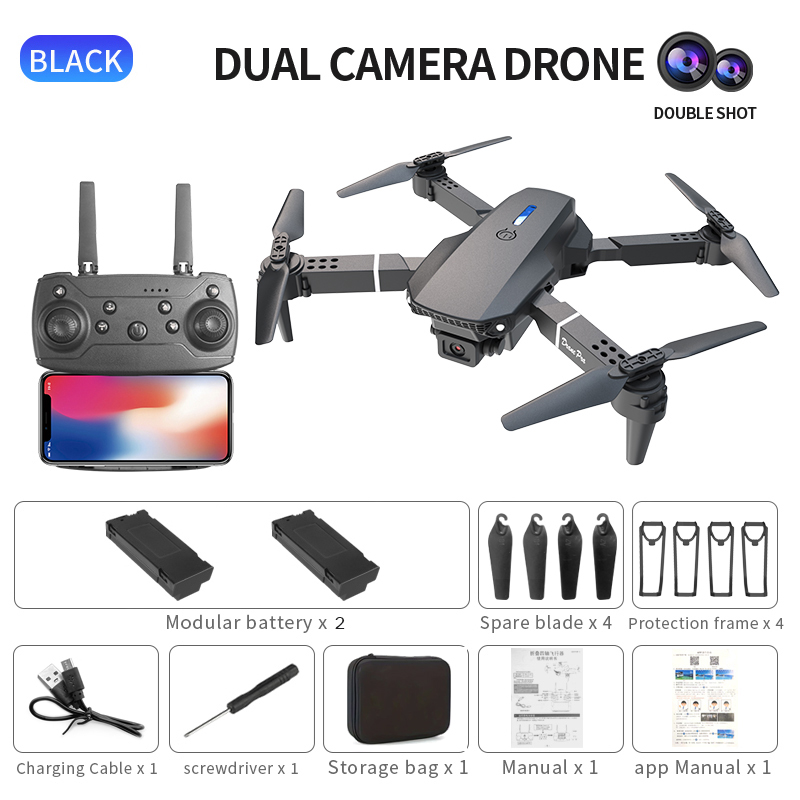 E88Pro Dual Camera Electric Drone$35.99View on Mallflare
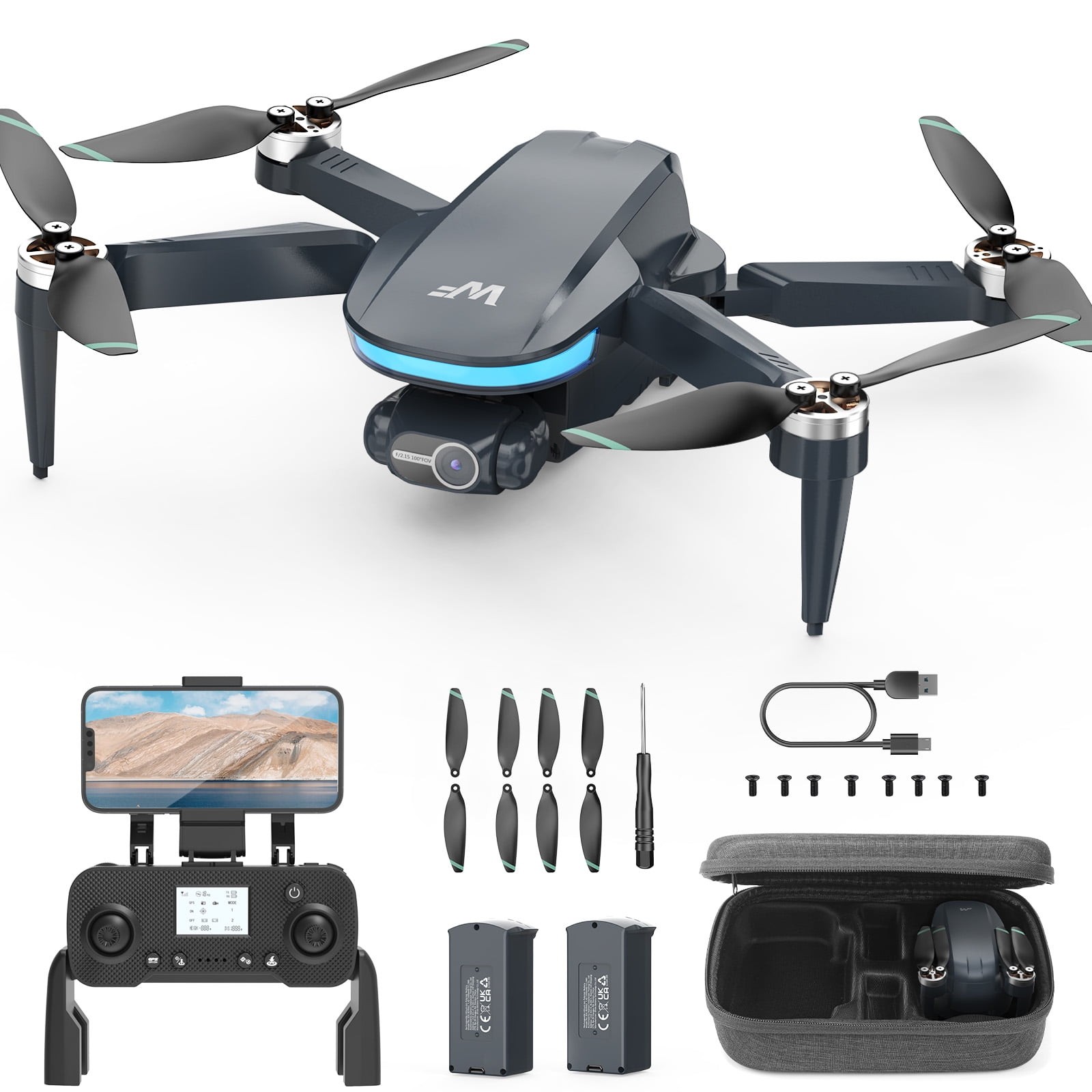 WeFone WF40 GPS Drones with Camera for Adults 4K, Foldable RC Quadcopter with$29.00View on eBay
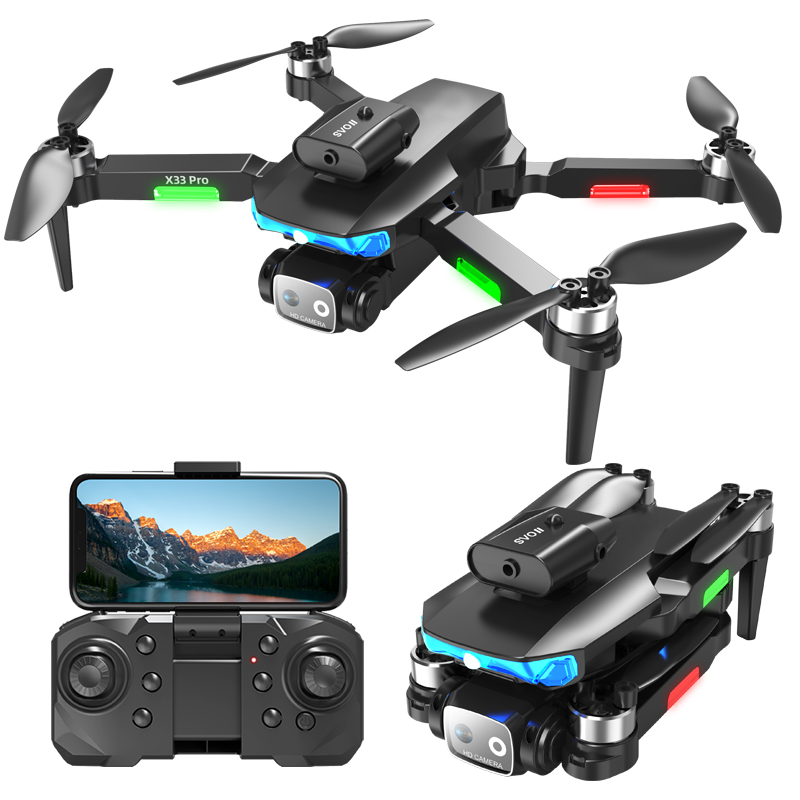 LF635 Dual Camera Electric Drone--black$36.99View on Mallflare
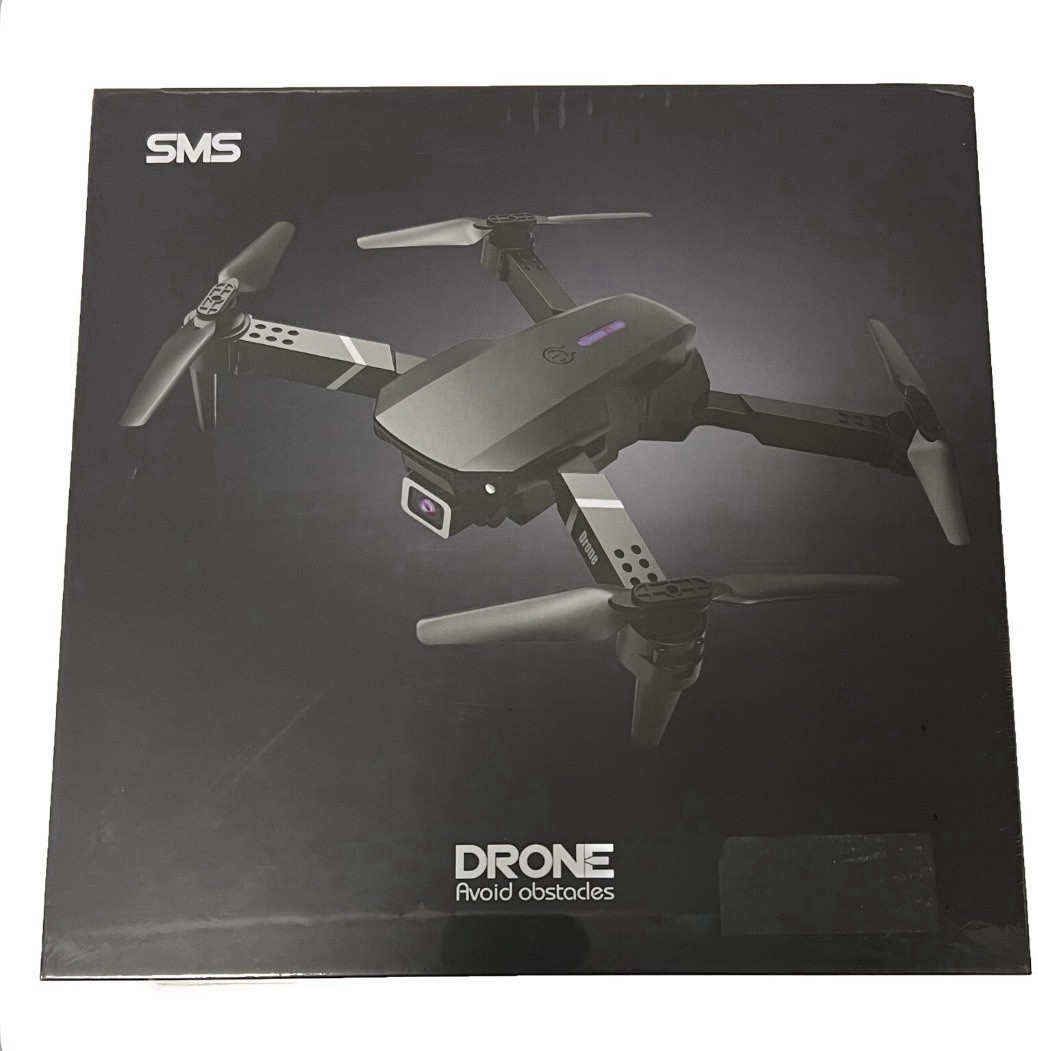 Drone 4K Camera SMS Obstacle Avoidance, New Sealed$29.99View on eBay
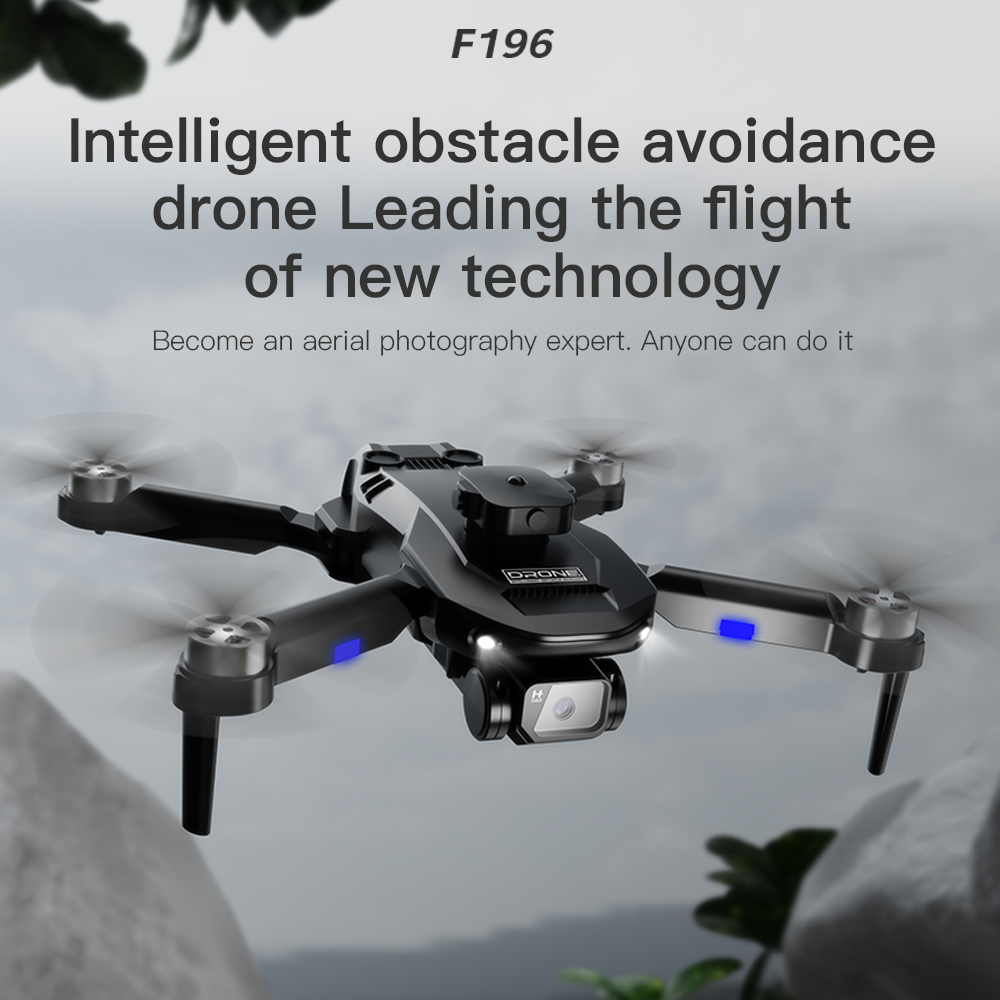 F196 Dual Camera Electric Drone$45.99View on Mallflare
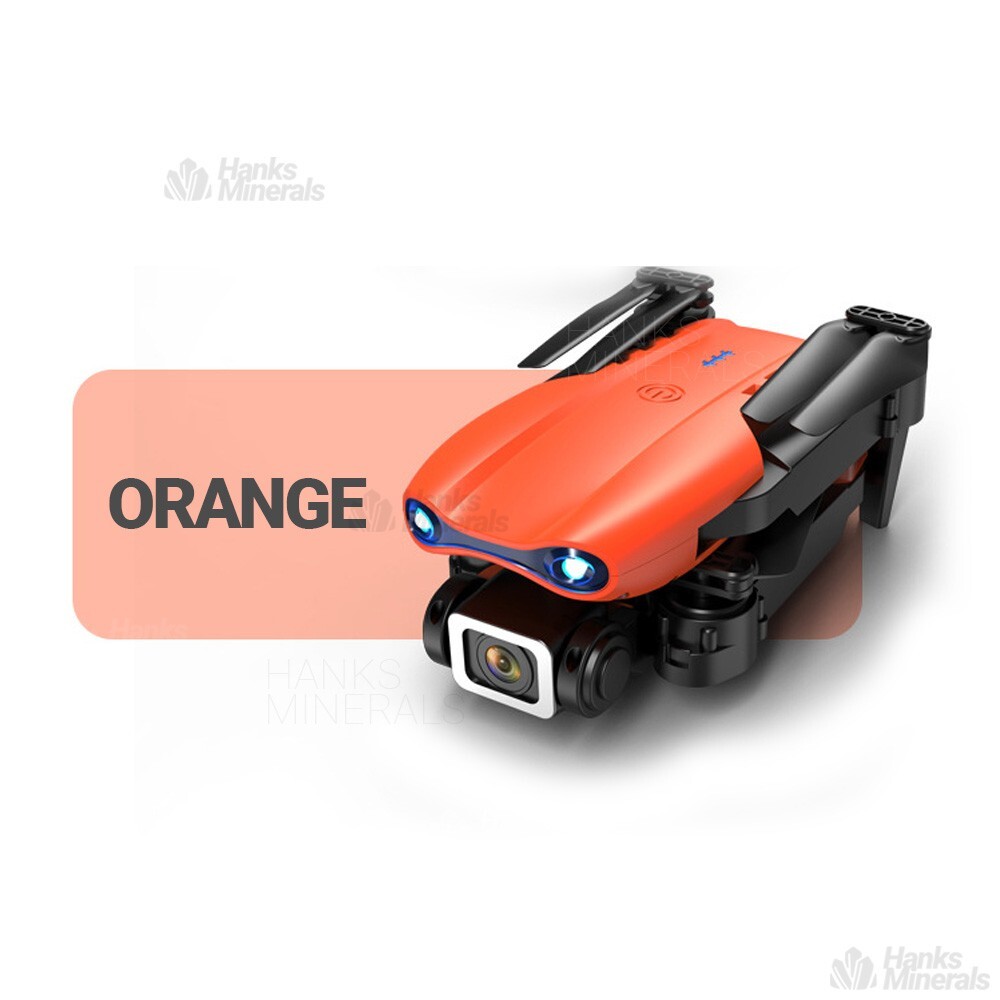 Drone X Pro Quadcopter 2026 5G 4K GPS HD Dual Camera WiFi FPV Foldable RC$34.98Last checked Nov 28, 2026View on eBay
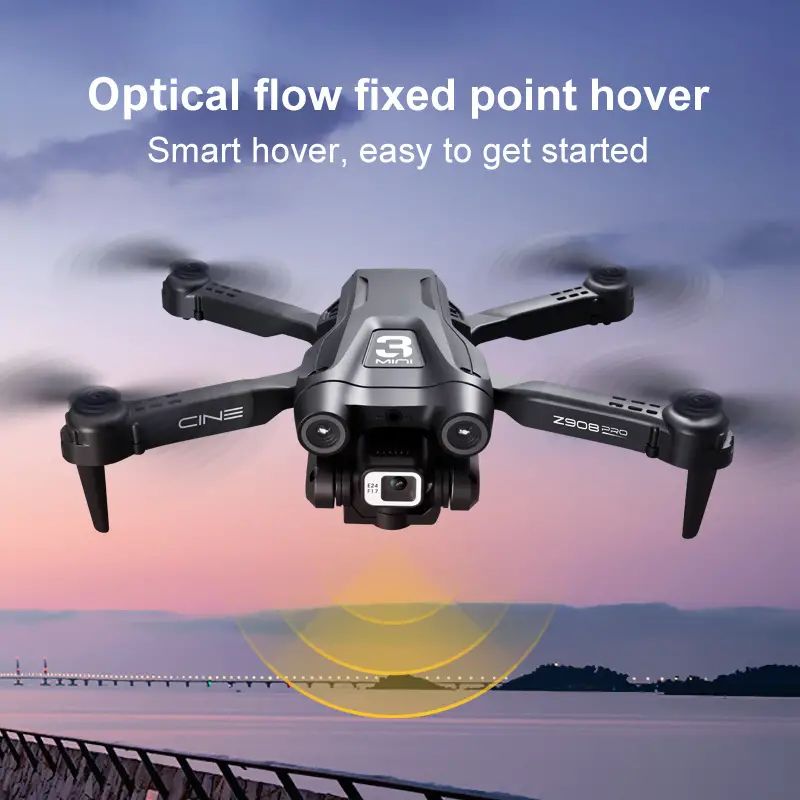 Z908 Dual Camera Electric Drone--black$47.99View on Mallflare
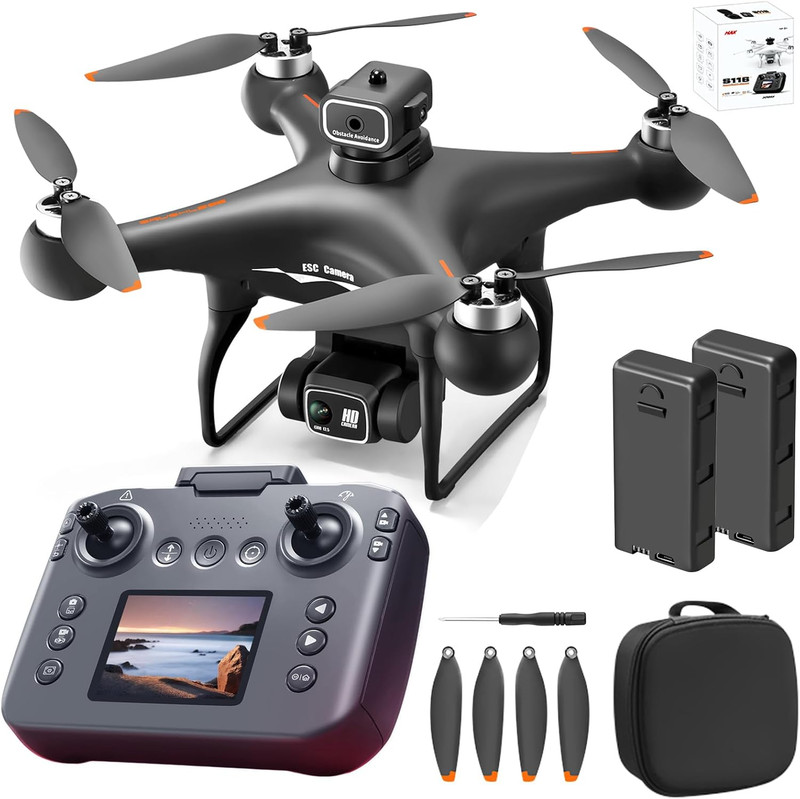 6K HD Camera Drone with FPV, 5G WiFi, Obstacle Avoidance, Dual Batteries Set$47.48View on eBay
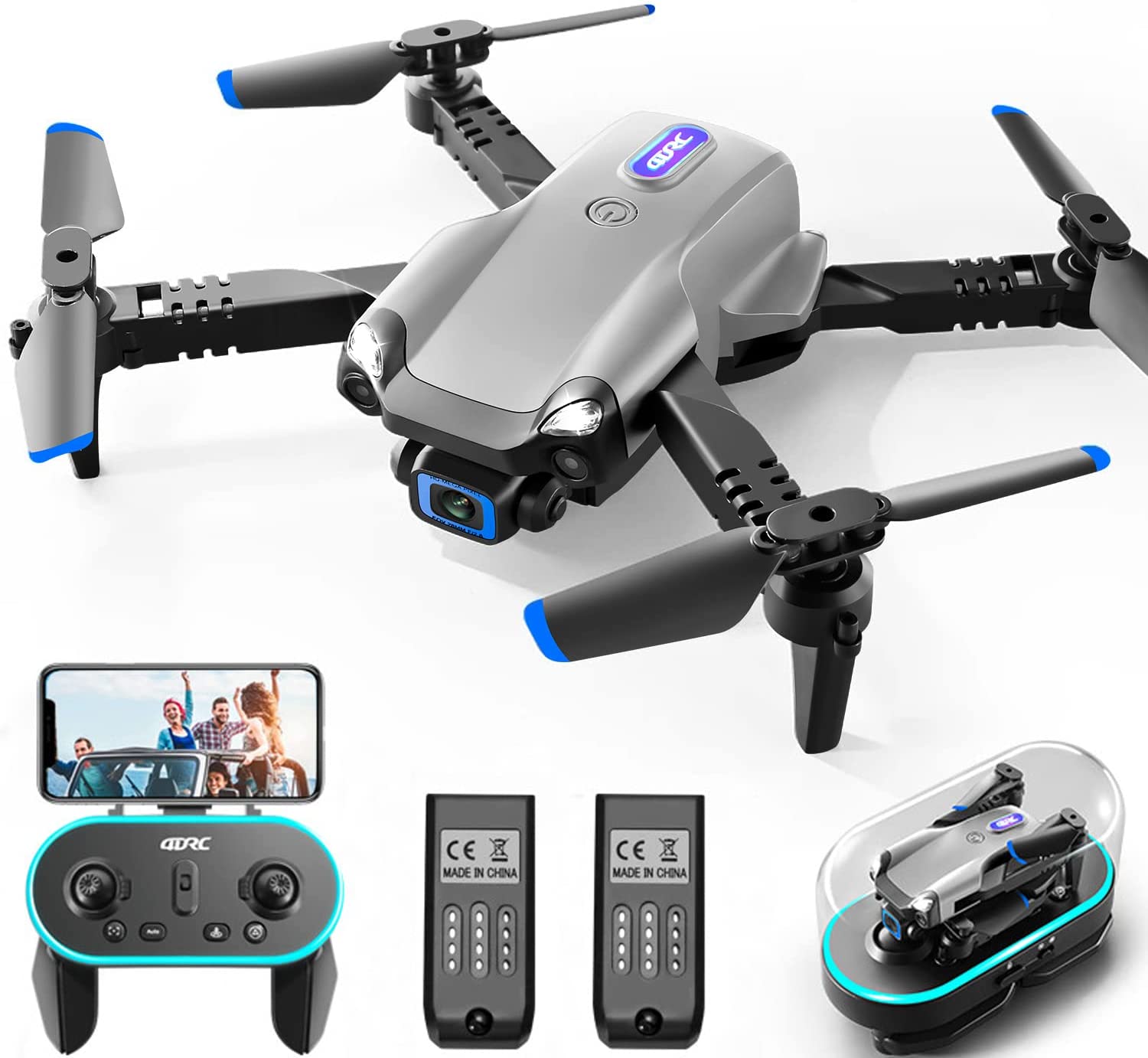 2026 V20 RC Drone With 4K HD Dual Camera WiFi FPV 3D Flips Rc Quadcopter US ,Logistic is randomly sent by UPS/USPS/GOFO/UNI/FEDEX$48.99View on Mallflare
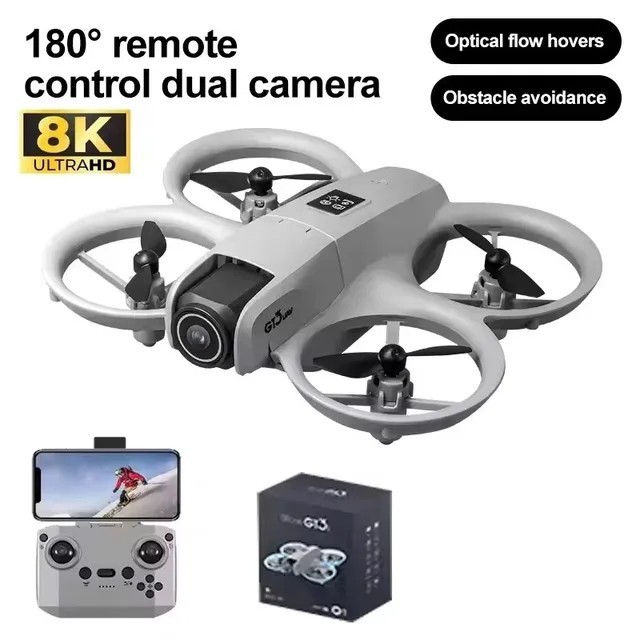 8K GPS drone equipped with a large-screen remote control, 5G FPV HD Dual Camera$49.99View on eBay
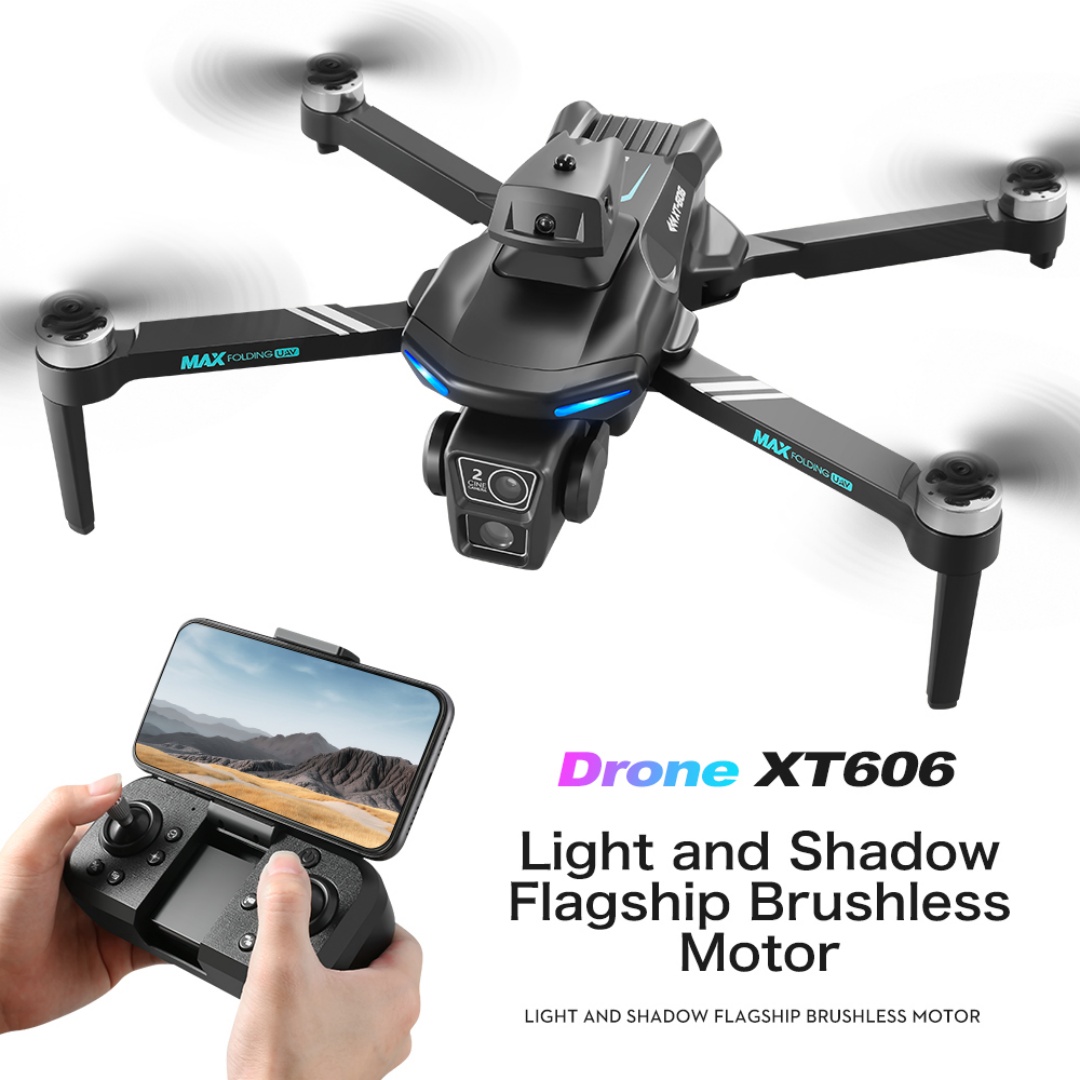 XT606 Dual Camera Electric Drone$49.99View on Mallflare
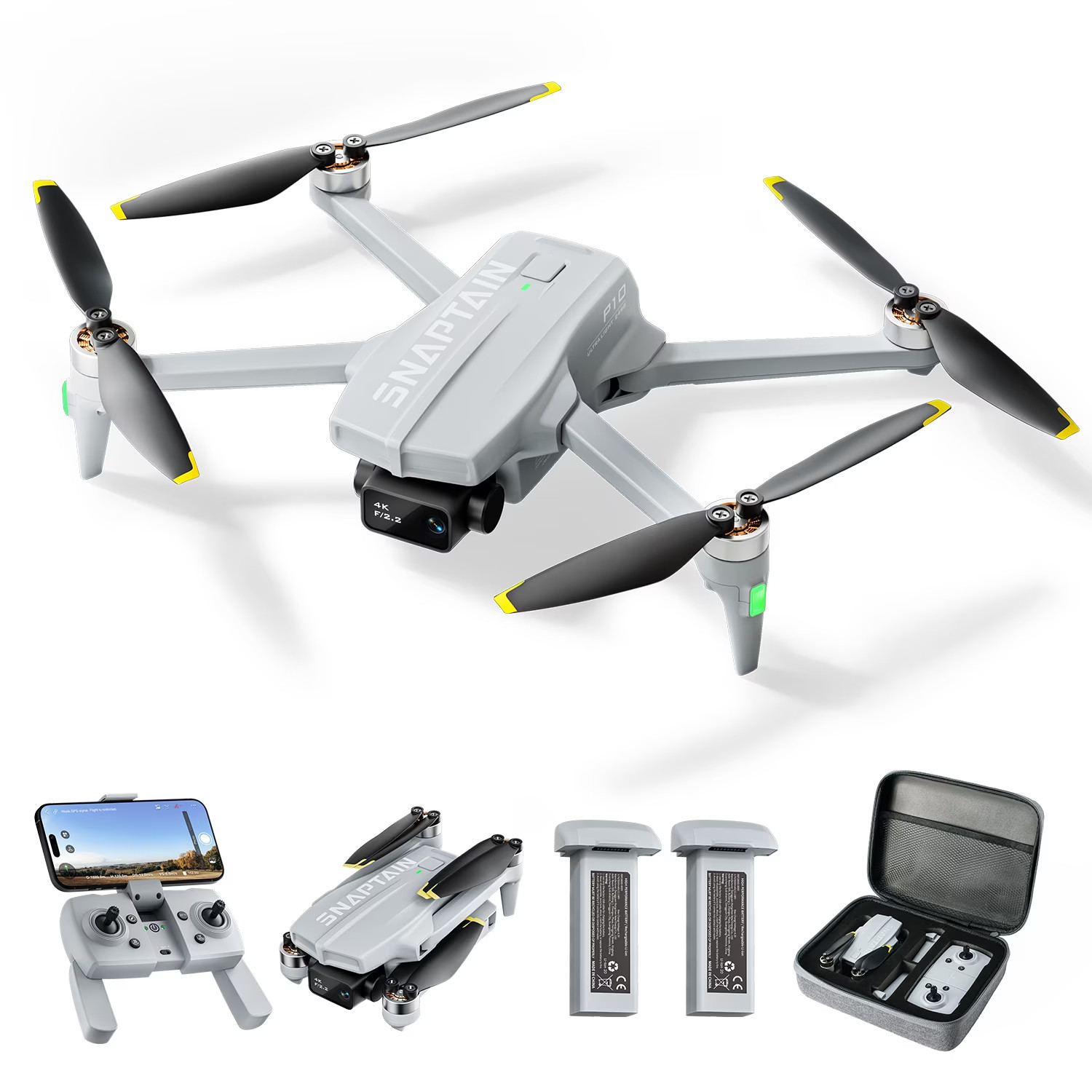 Snaptain P10 GPS Drone with Camera for Adults 4K Video$54.00View on eBay
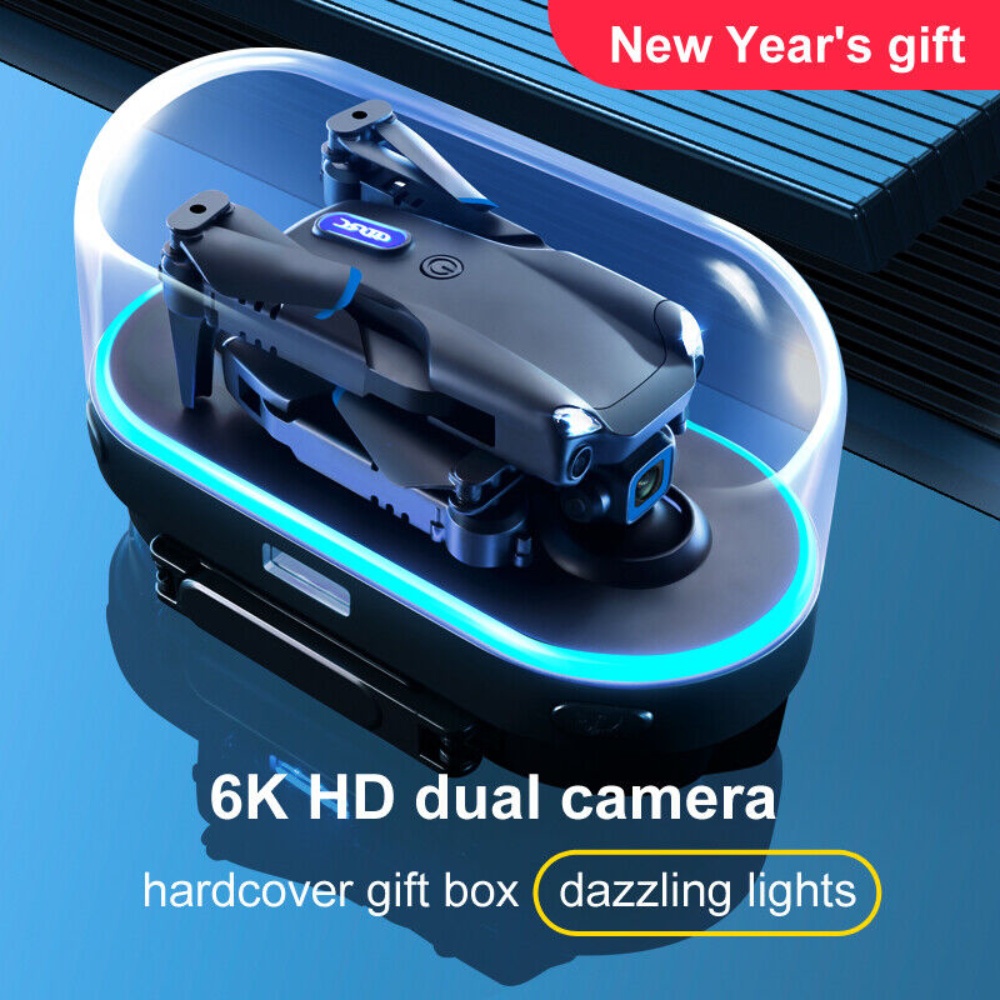 2026 2 Battery V20 RC Drone 6K HD Dual Camera WiFi FPV Foldable Quadcopter ,Logistic is randomly sent by UPS/USPS/GOFO/UNI/FEDEX$50.99View on Mallflare
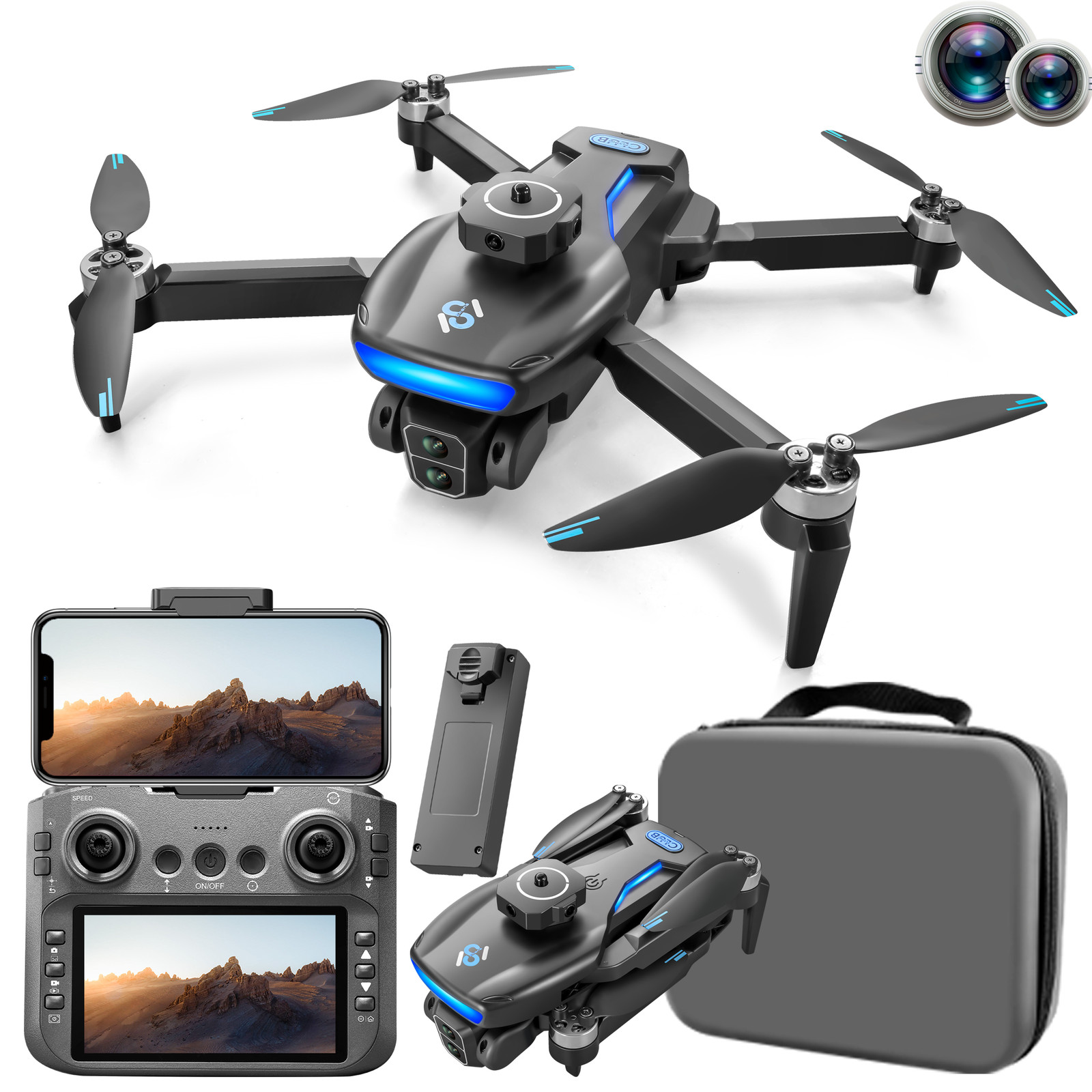 8K GPS FPV Drone with Screen Remote, Dual Camera Foldable Quadcopter + Battery$54.90View on eBay
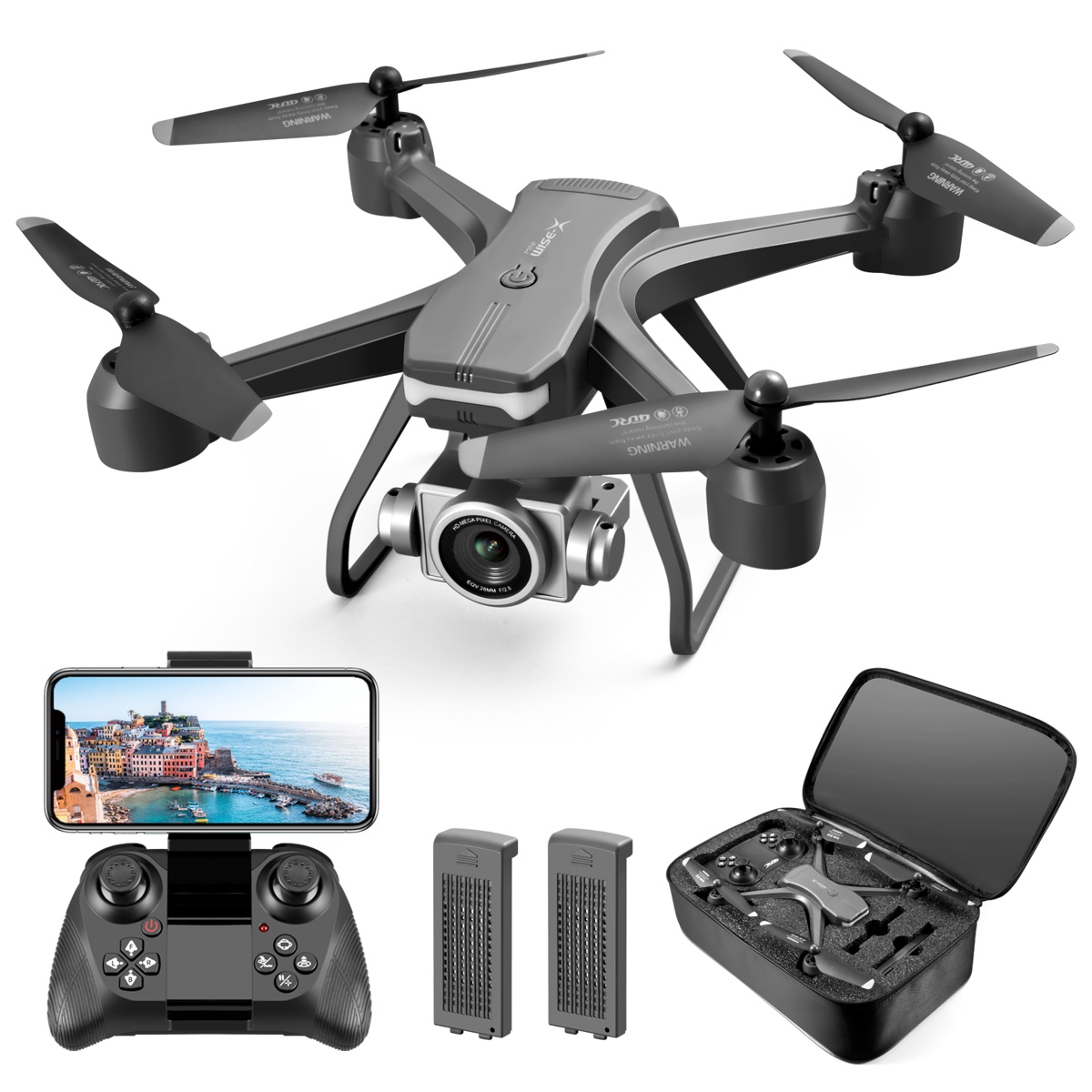 2026 V14 RC Drone With 4K HD Dual Camera WiFi FPV 3D Flips Rc Quadcopter$62.99View on Mallflare
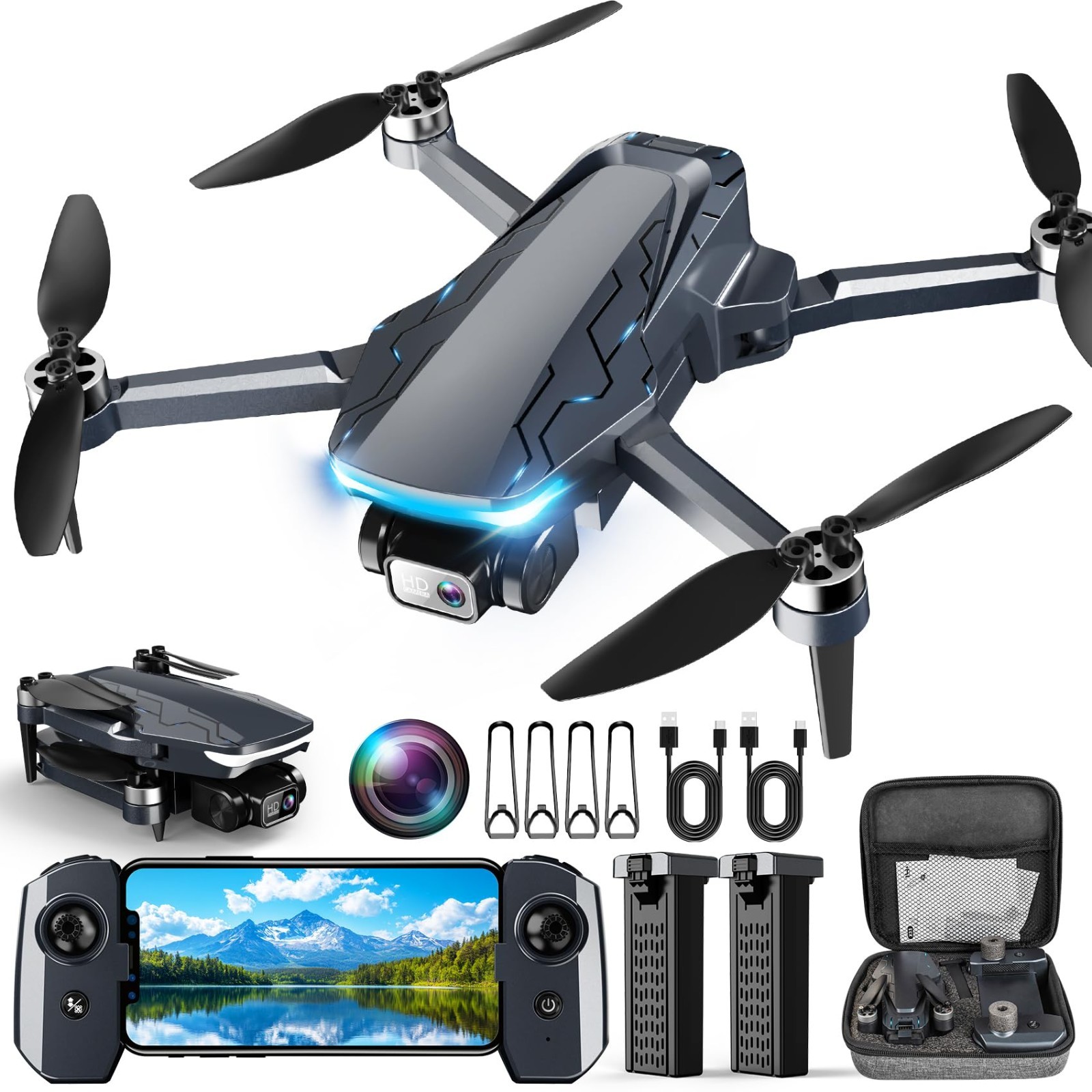 2K HD GPS Drone with Camera, Foldable FPV, Auto Return, Follow Me, 5G, 2 Batteri$57.59View on eBay
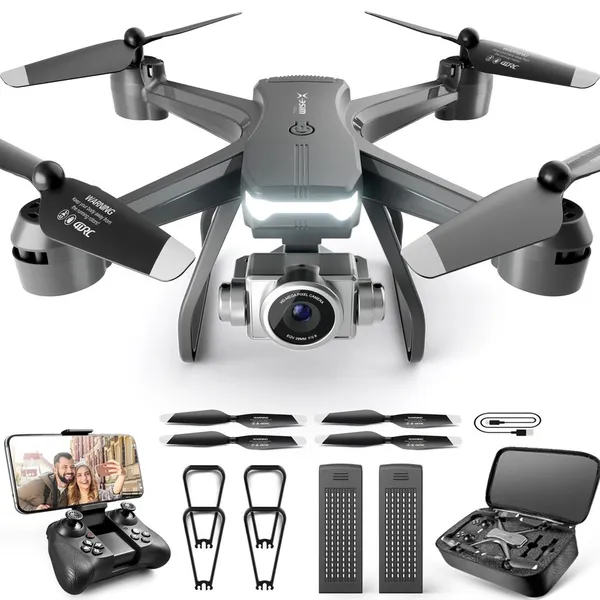 4DRC V14 RC Drone WIFI FPV 4K HD Wide Angle Dual Camera Quadcopter Portable With Bag ,2 Batteries For Beginner,Headless Mode,Gesture Photo$63.99View on Mallflare
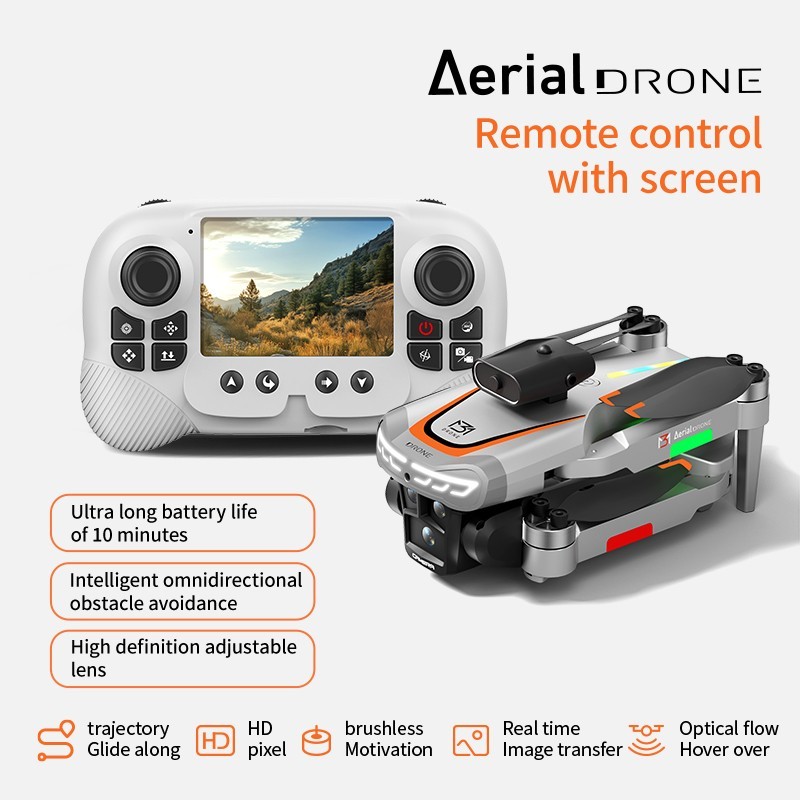 8K Dual Camera Brushless FPV Drone with 4.3" Screen Remote Foldable Quadcopter$59.99View on eBay
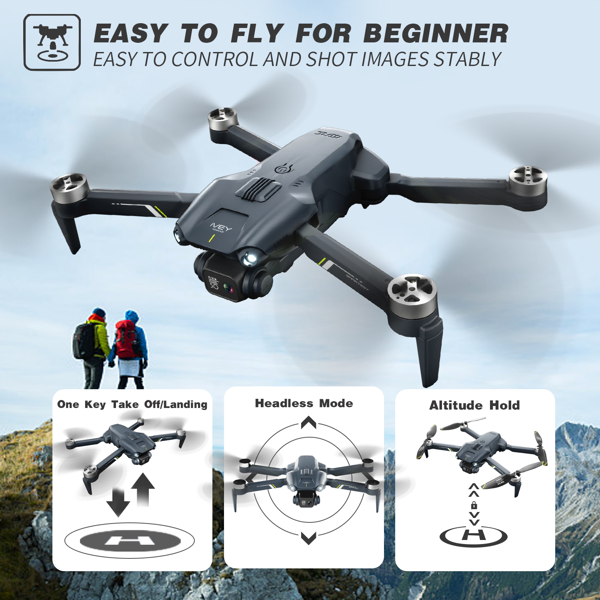 NEW V28 RC Drone With 4K HD Dual Camera WiFi FPV 3D Flips Rc Quadcopter US$64.99View on Mallflare
Highlights
- Mechanical 3-axis gimbals (pitch/roll/yaw) deliver stable 4K video; electronic image stabilization alone cannot correct for wind buffeting and produces micro-jitter in stills.
- Sensor size is the low-light dividing line: 1/2.3-inch sensors are daylight-only, while 1-inch and Four Thirds sensors produce clean 4K at ISO 800+ and true 20MP stills.
- Sub-250g drones (DJI Mini class, Autel EVO Nano) avoid registration in the US, EU, UK, and Canada but typically cap at 4K/30fps and smaller sensors with lower wind resistance.
- Transmission architecture matters more than raw range claims: OcuSync/O3/O4 and Autel SkyLink hold HD video at 1080p/60 over several kilometers, while baseline Wi-Fi links drop to 720p and stutter beyond 500m.
Best use cases
- Travel and backpacking: pick a sub-250g model like the DJI Mini 4 Pro or Autel EVO Nano+ to skip registration and carry less weight; skip 1-inch-sensor drones that exceed 249g and require permits in most regions.
- Real-estate and commercial stills: choose a 1-inch sensor drone (DJI Air 3S, Autel EVO Lite+) for 20MP stills and D-log video; skip sub-250g models whose small sensors clip highlights in interior shots.
- Cinematic low-light and pro video: choose a Four Thirds or 1-inch sensor with adjustable aperture (DJI Mavic 3 Pro, Autel EVO II Pro) for ISO 800+ clean footage; skip fixed-aperture small-sensor drones for dusk or indoor work.
- First-time hobbyist on a budget: choose a 2-axis gimbal or EIS-assisted 2.7K model only if flight time is under 25 minutes and range under 1km is acceptable; skip it if you need stable 4K or wind resistance above 15 mph.
Buying tips
- Match drone weight to your jurisdiction: stay at or below 249g for unregistered recreational flight in the US/EU/UK/Canada, or accept registration and Remote ID for 250g-900g models with better cameras.
- Require a mechanical 3-axis gimbal and a specified sensor size; drones without a stated sensor size (e.g., '1/2.3-inch' or '1-inch') are almost always bottom-tier fixed-focus or EIS-only cameras.
- Check control-link specification: dual-band 2.4/5.8GHz with a named protocol (OcuSync, SkyLink, Lightbridge) is the durable tier; single-band 2.4GHz Wi-Fi is a range and latency compromise.
- Budget for companion parts: quality drones need spare batteries (20-35 min each), a multi-port charger, ND filter sets, and a rated microSD card (U3/V30 for 4K); factor these into the total cost.
Specs
| Gimbal Type | 3-axis mechanical vs 2-axis vs EIS |
|---|---|
| Sensor Size | 1/2.3-inch to Four Thirds |
| Takeoff Weight Class | Sub-250g vs 250-900g |
| Video Link | OcuSync/SkyLink vs Wi-Fi |
Related searches
What to check before buying
- Confirm your country's registration and Remote ID rules for the drone's exact takeoff weight, including battery and propellers.
- Measure your carry case and backpack against the folded dimensions; sub-250g drones fold to roughly 140x80x60mm, while 1-inch-sensor models are 25-40% larger.
- Verify your phone or tablet runs the required control app and fits the controller clamp; some controllers accept only phones up to 7 inches wide.
- Check wind resistance rating (Level 5 = 10.7 m/s or ~24 mph); coastal or open-field flyers need Level 5, while sheltered urban flyers can accept Level 4.
FAQ
Data sources: eBay / Amazon listings and product attribute feeds. Updated Nov 28, 2026.
Some links on this page are affiliate links. If you buy after clicking one, we may earn a commission at no extra cost to you. This does not change which products appear here or their order. Affiliate disclosure.