
Photos from current listings. Actual item, color, and included accessories may vary.
Popular Drone With Cameras Buying Guide
A popular camera drone is a consumer quadcopter with an integrated or gimbal-stabilized camera, sold in three real tiers: sub-250g travel drones, 250g-1kg imaging drones, and legacy GPS camera drones still widely stocked. The core trade-off is weight and sensor size against flight time, wind resistance, and regulatory burden—sub-250g models avoid registration in most jurisdictions but carry smaller sensors and weaker wind handling. The decision rule: buy sub-250g only if true portability and minimal regulation matter most; otherwise step up to a 250g-1kg drone with a 1-inch or larger sensor and brushless gimbal for image quality and stability.
Median $69.45
Key takeaways
- Sub-250g drones (DJI Mini series, Autel Evo Nano) stay under the 250g registration threshold in the US, EU, UK, and Canada—but usually cap at a 1/2.3-inch or 1/1.3-inch sensor and 25-35 min flight time.
- 250g-1kg imaging drones (DJI Air 3, Mavic 3 Classic, Autel Evo Lite+) carry 1-inch to 4/3 sensors, dual-camera zoom arrays, and 35-46 min rated flight; they require basic registration and often Remote ID.
- Every popular camera drone above toy grade uses a 3-axis brushless gimbal; cheaper 'camera drones' with electronic image stabilization or fixed cameras produce unusable footage in wind and are not true camera drones.
At a glance
- Category
- Drones & Consumer Robotics
- Last updated
- Nov 28, 2026
Current offers
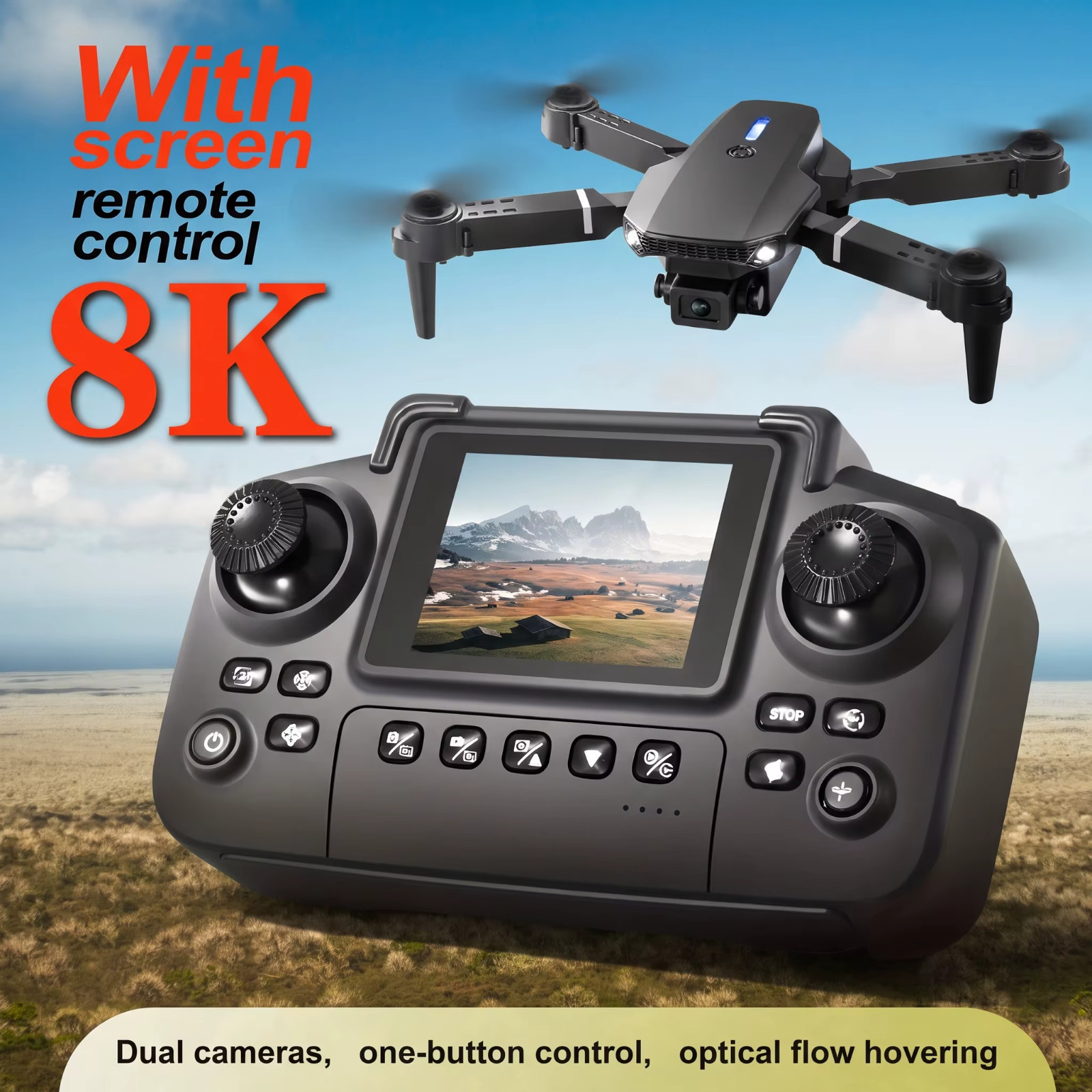 2026 4K HD Dual Camera WiFi Upgraded E88PROK screen Foldable Drone USA SHIPPED$28.99View on eBay
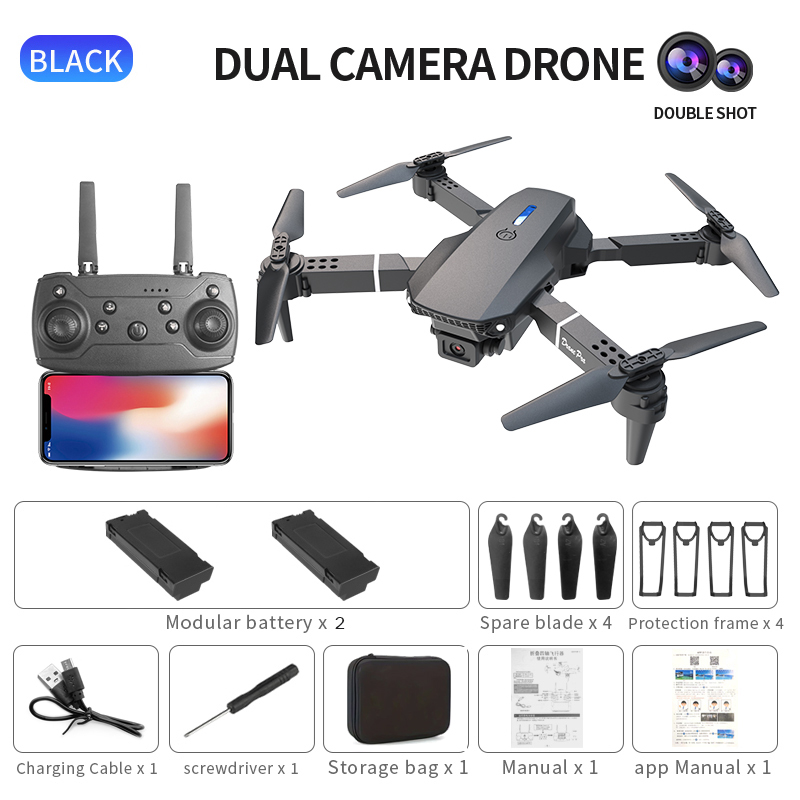 E88Pro Dual Camera Electric Drone$35.99View on Mallflare
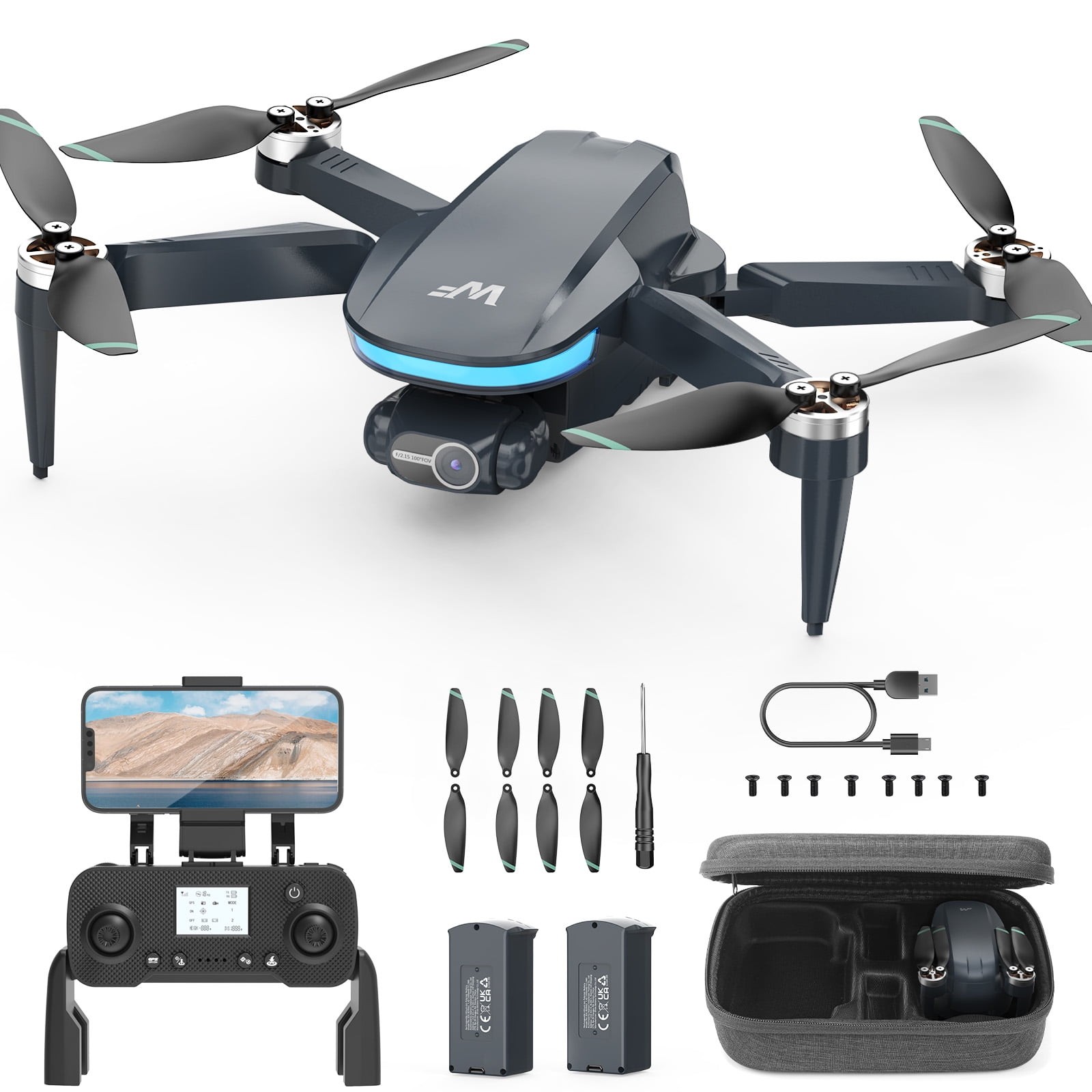 WeFone WF40 GPS Drones with Camera for Adults 4K, Foldable RC Quadcopter with$29.00View on eBay
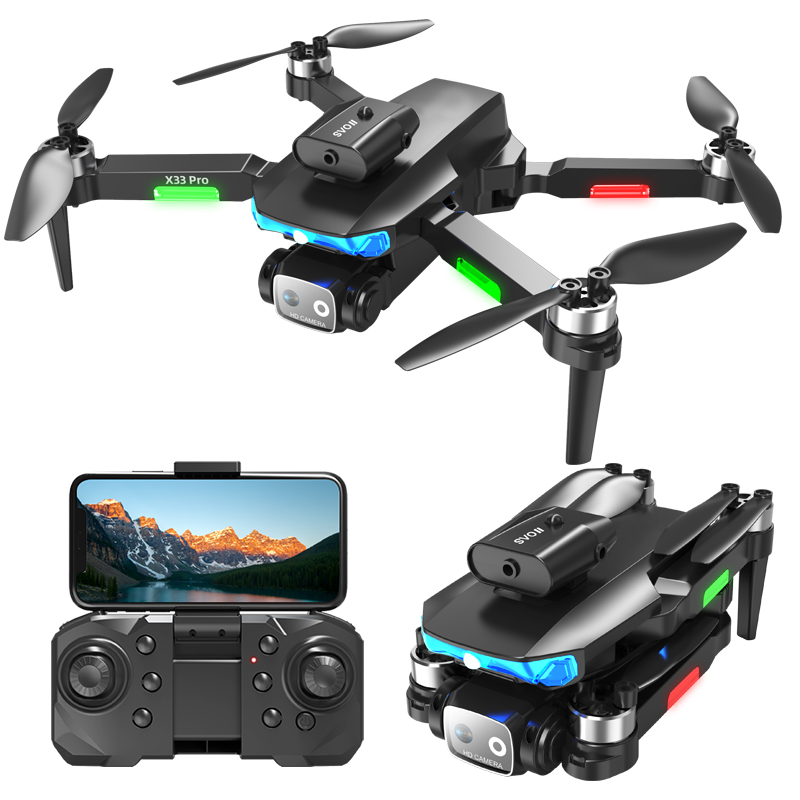 LF635 Dual Camera Electric Drone--black$36.99View on Mallflare
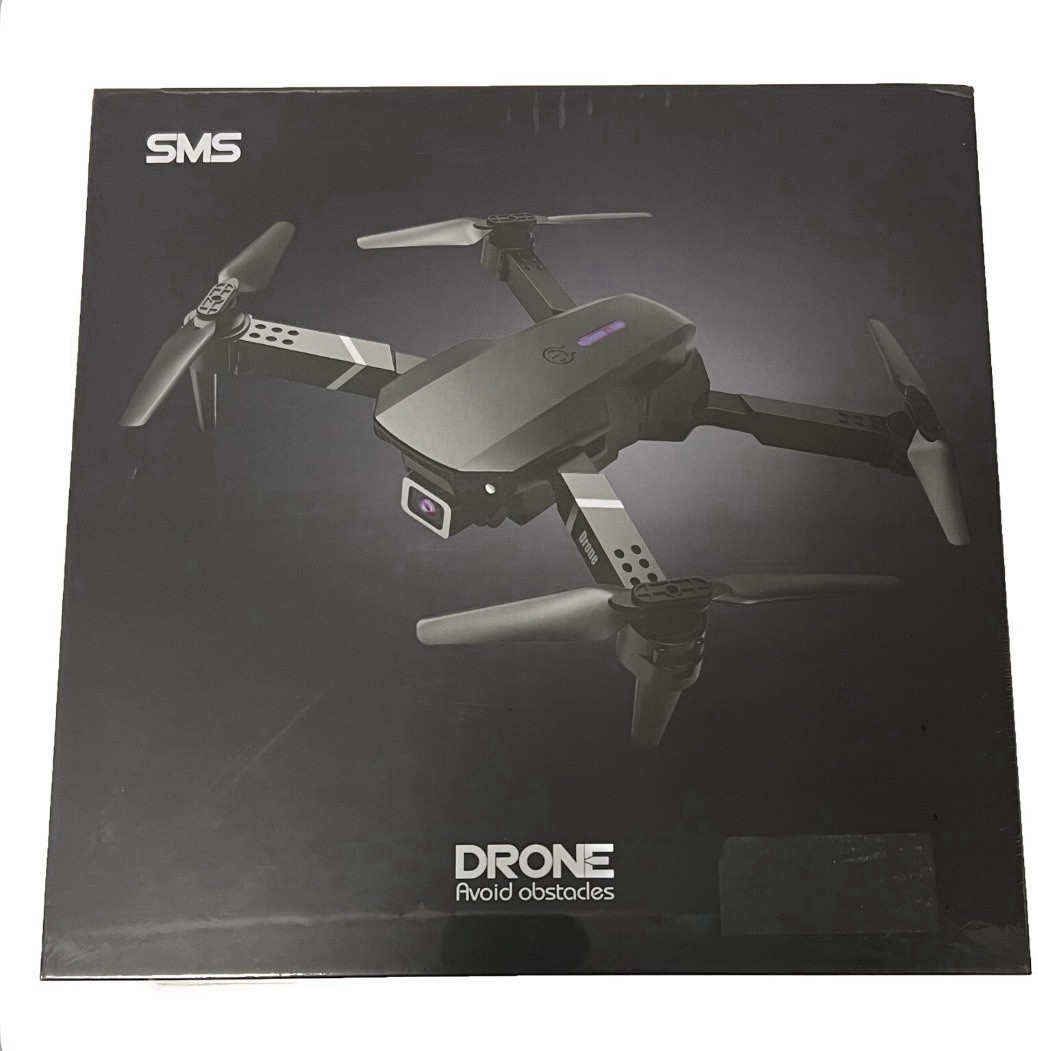 Drone 4K Camera SMS Obstacle Avoidance, New Sealed$29.99View on eBay
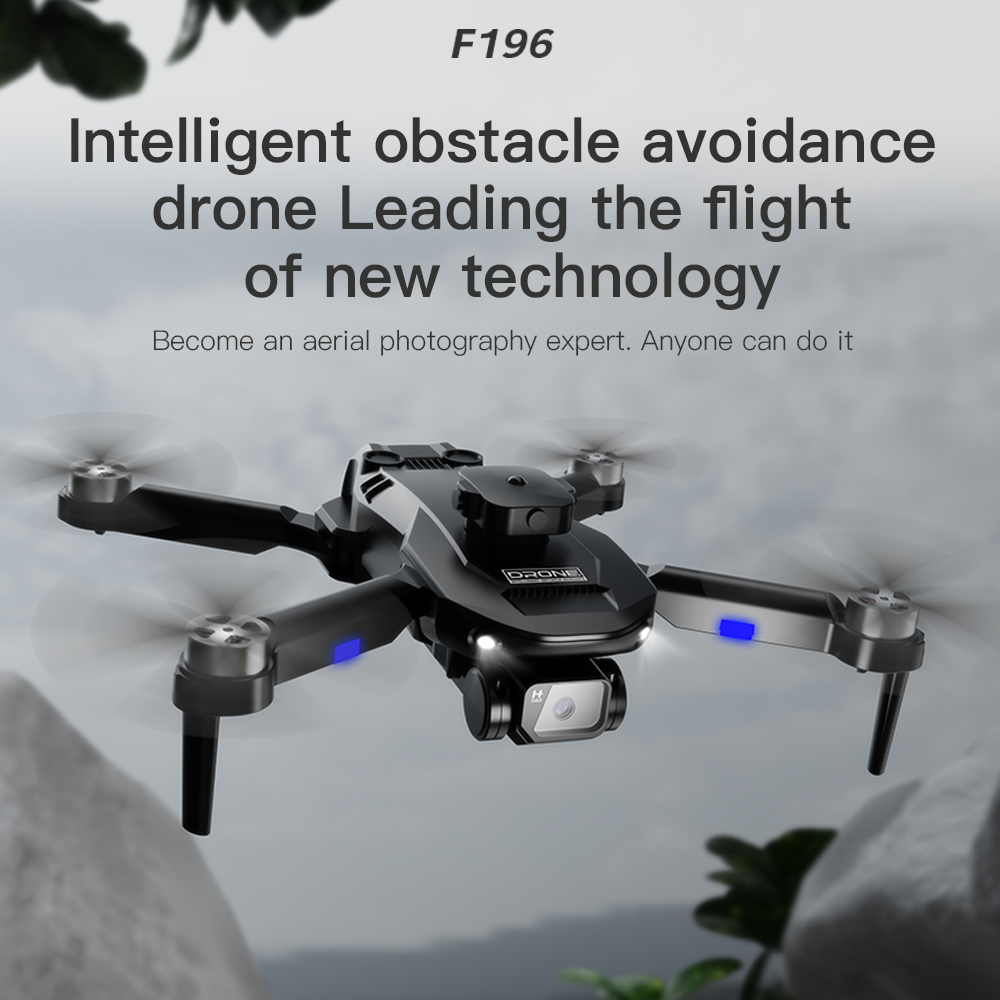 F196 Dual Camera Electric Drone$45.99View on Mallflare
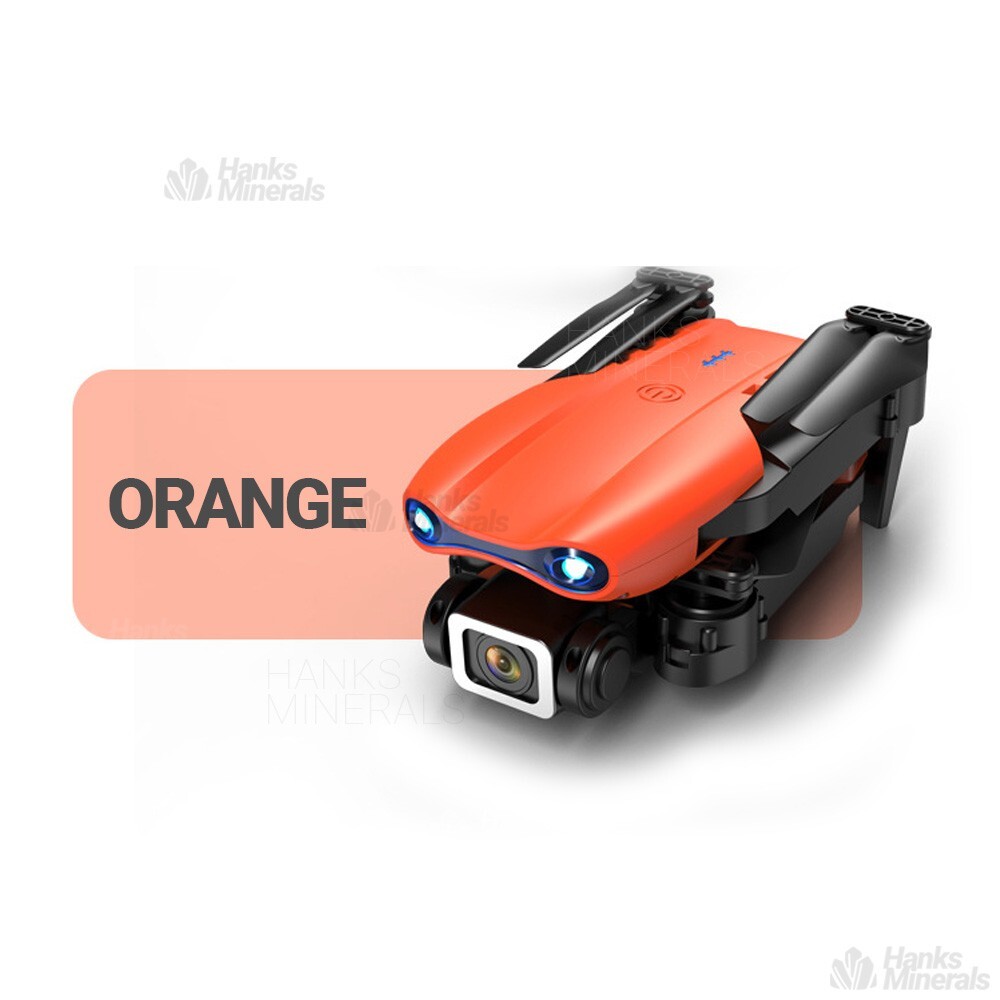 Drone X Pro Quadcopter 2026 5G 4K GPS HD Dual Camera WiFi FPV Foldable RC$34.98Last checked Nov 28, 2026View on eBay
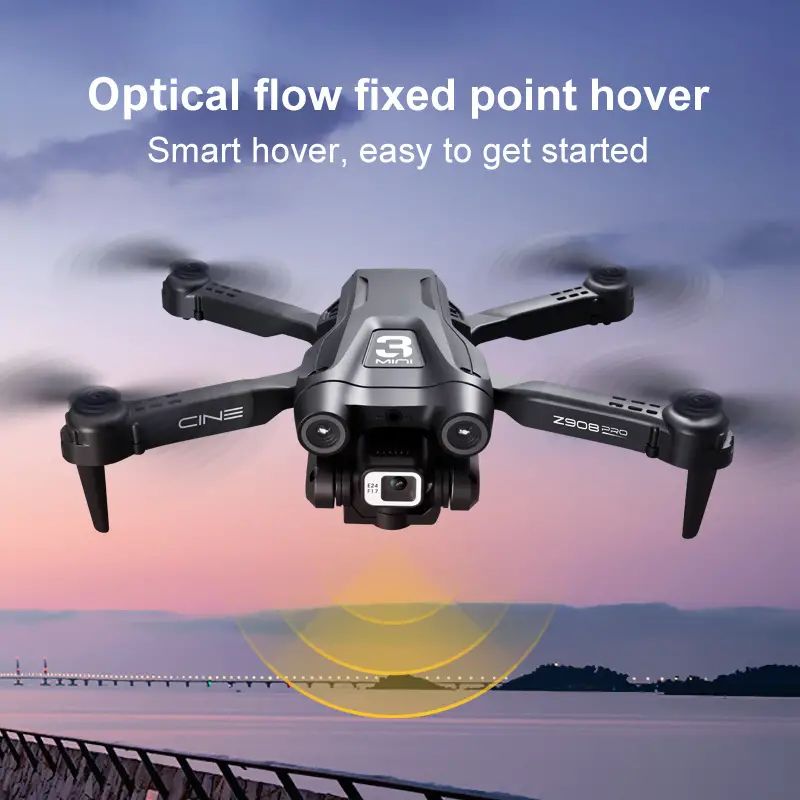 Z908 Dual Camera Electric Drone--black$47.99View on Mallflare
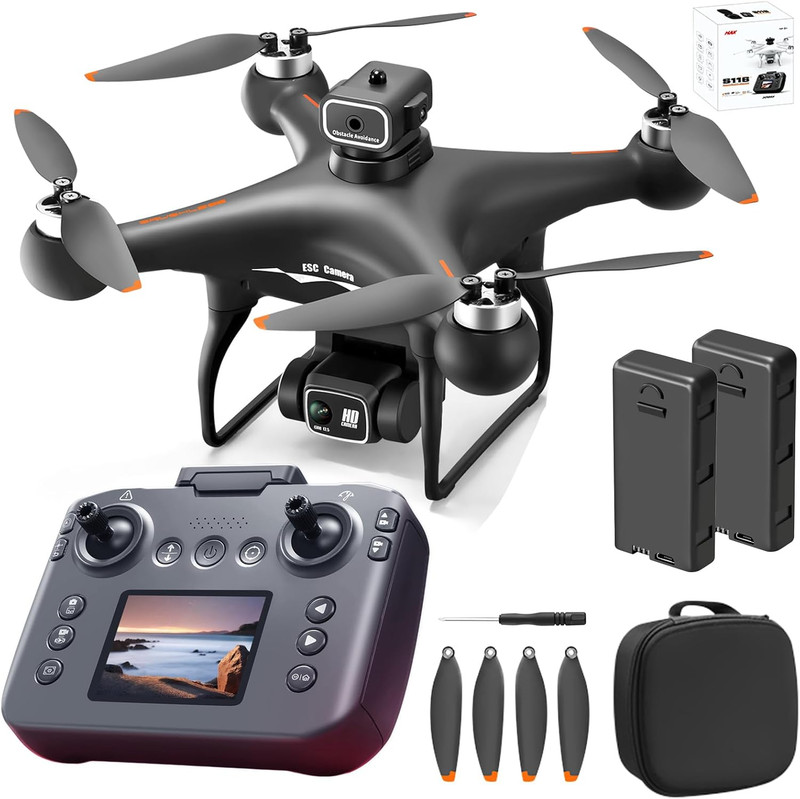 6K HD Camera Drone with FPV, 5G WiFi, Obstacle Avoidance, Dual Batteries Set$47.48View on eBay
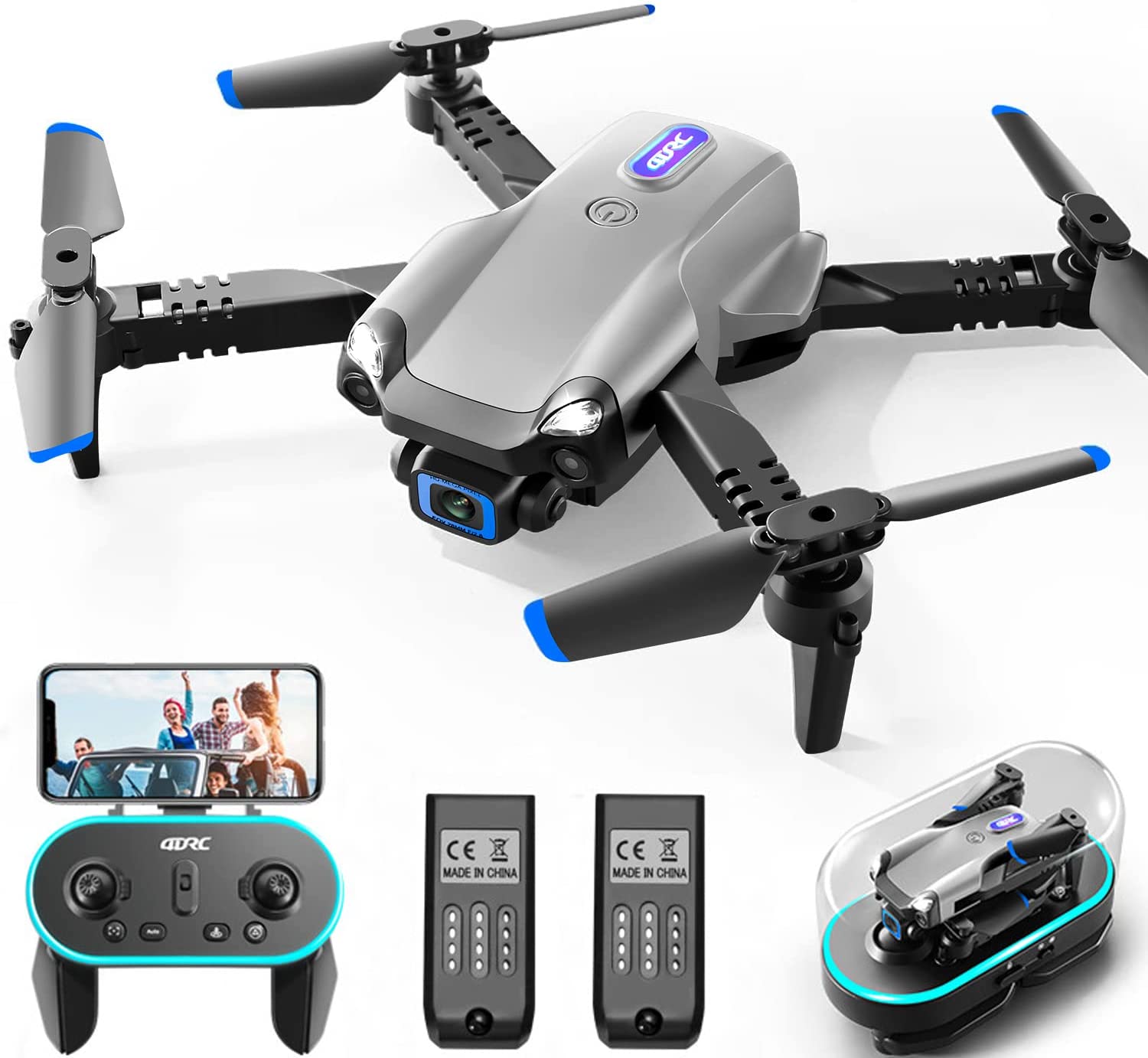 2026 V20 RC Drone With 4K HD Dual Camera WiFi FPV 3D Flips Rc Quadcopter US ,Logistic is randomly sent by UPS/USPS/GOFO/UNI/FEDEX$48.99View on Mallflare
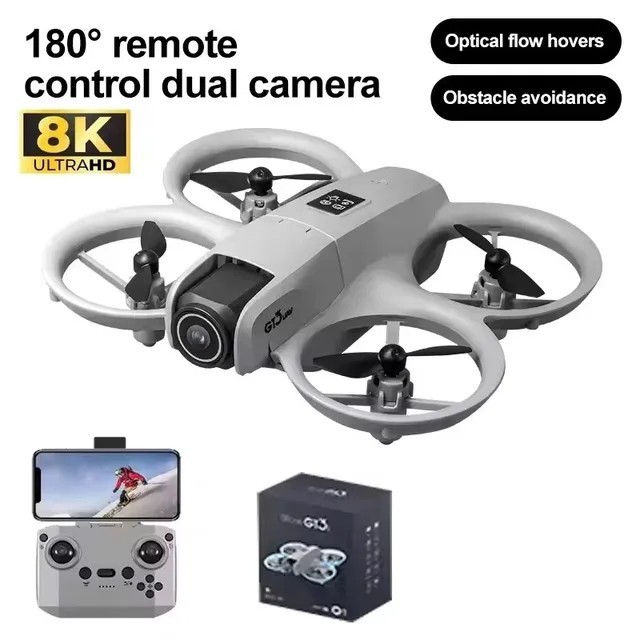 8K GPS drone equipped with a large-screen remote control, 5G FPV HD Dual Camera$49.99View on eBay
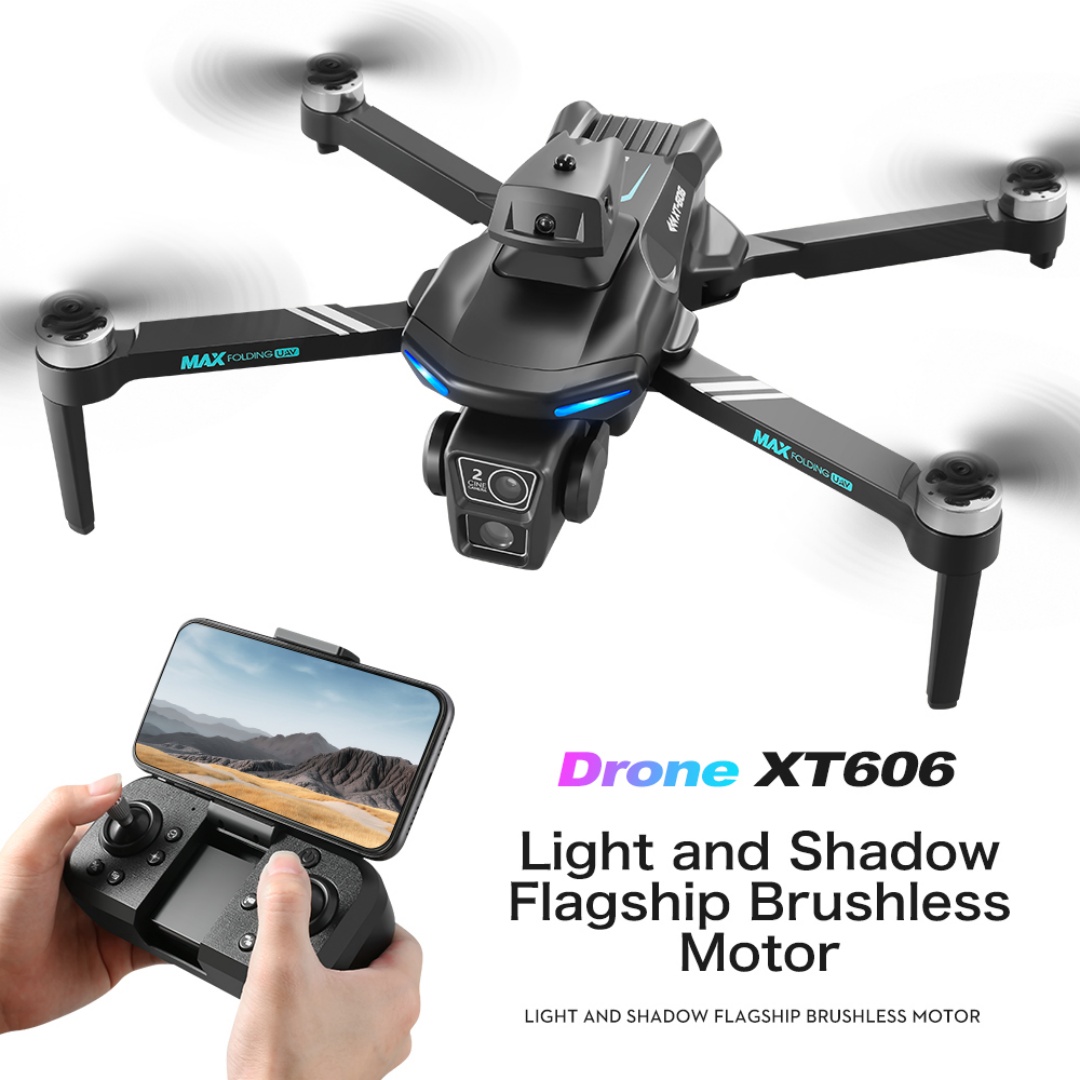 XT606 Dual Camera Electric Drone$49.99View on Mallflare
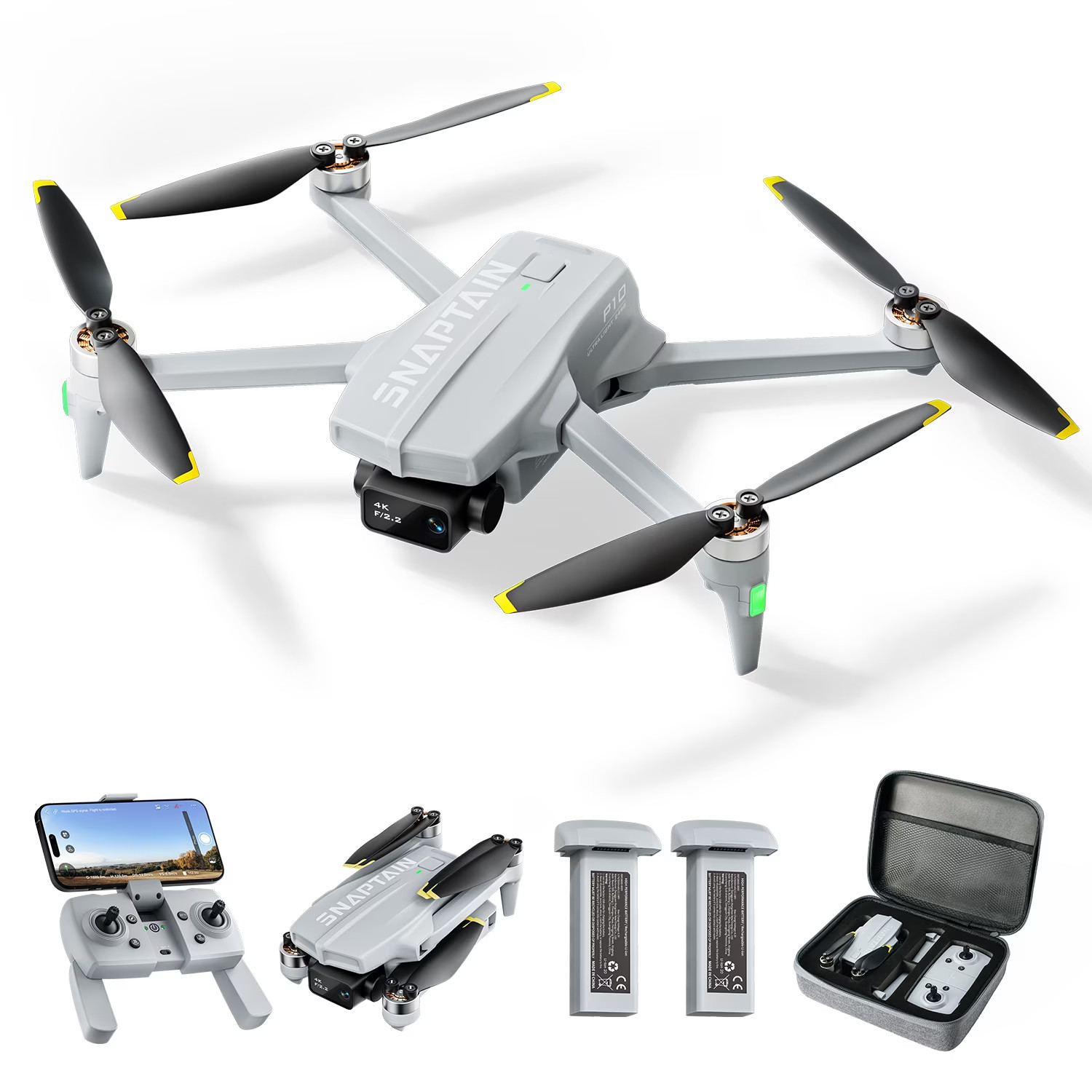 Snaptain P10 GPS Drone with Camera for Adults 4K Video$54.00View on eBay
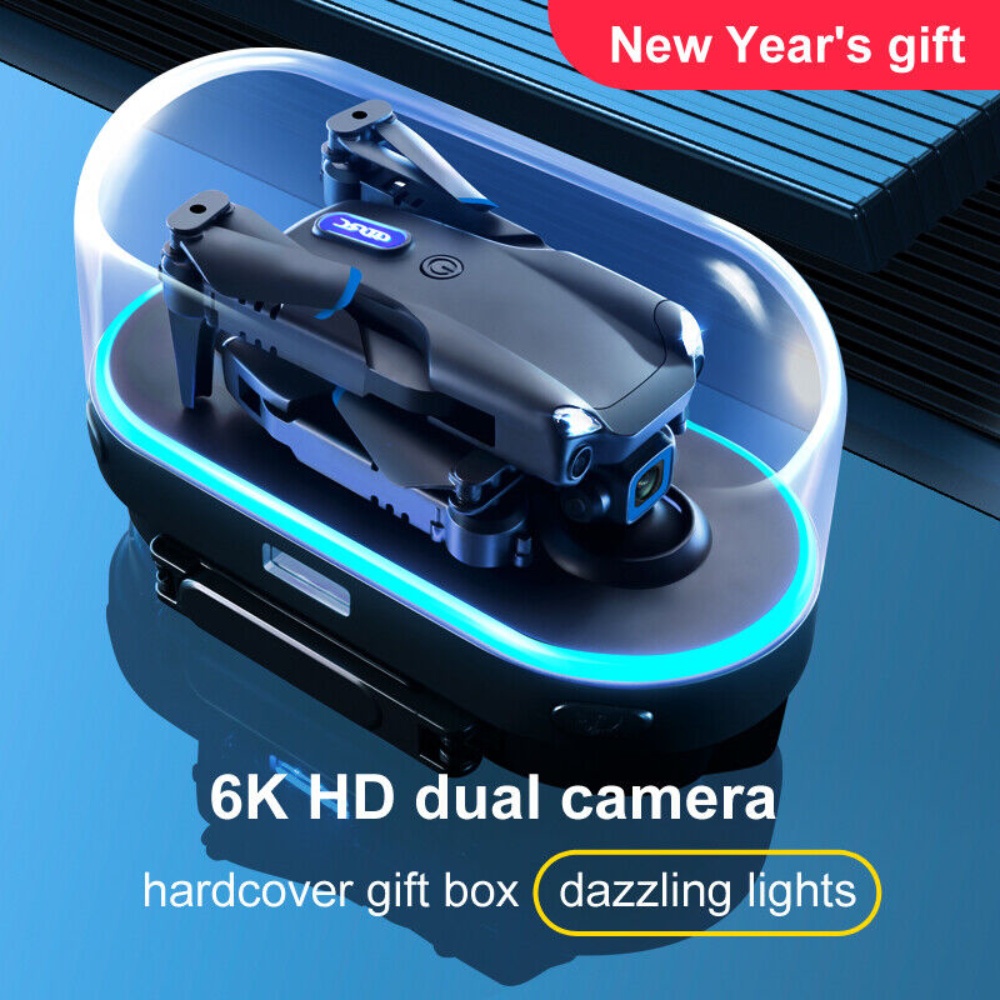 2026 2 Battery V20 RC Drone 6K HD Dual Camera WiFi FPV Foldable Quadcopter ,Logistic is randomly sent by UPS/USPS/GOFO/UNI/FEDEX$50.99View on Mallflare
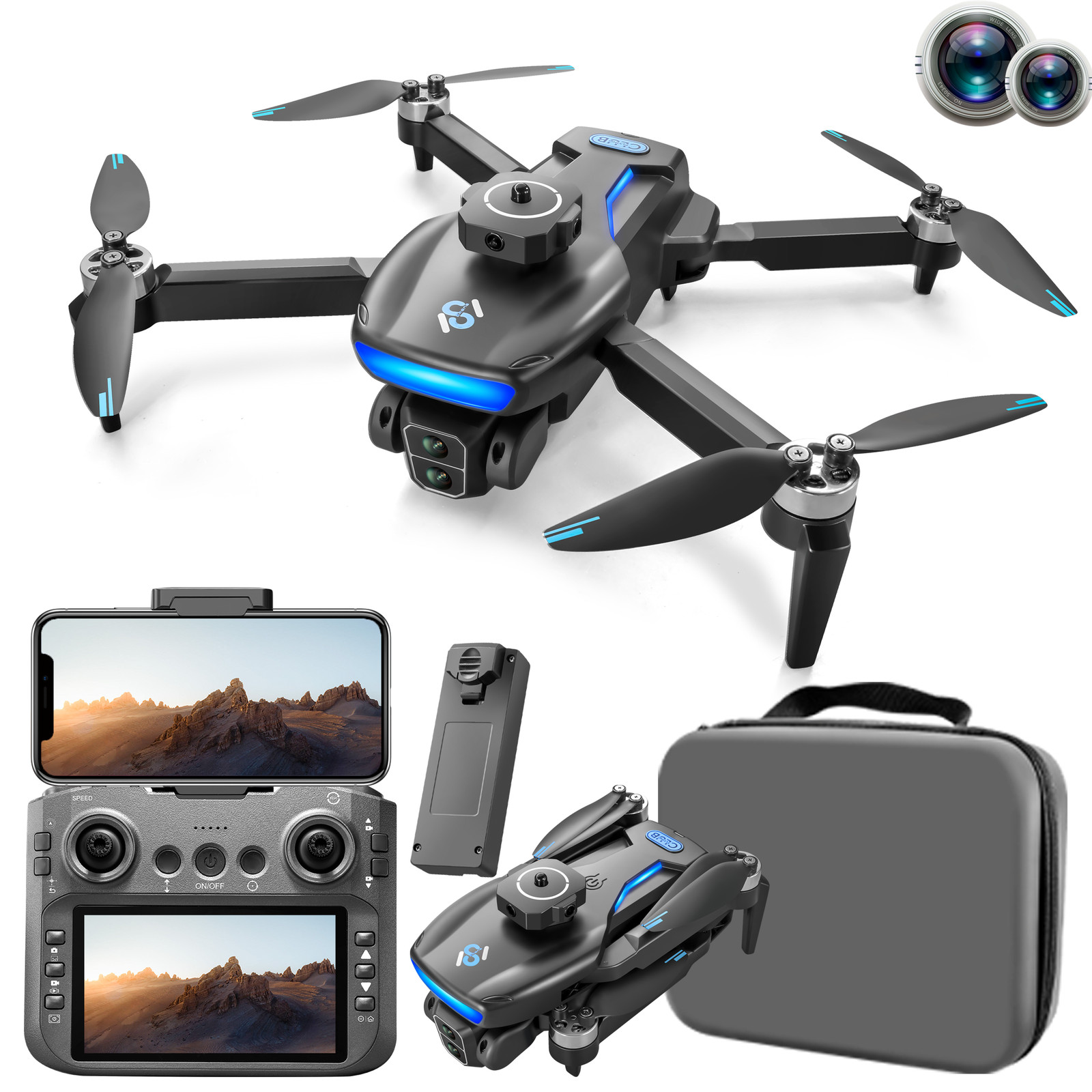 8K GPS FPV Drone with Screen Remote, Dual Camera Foldable Quadcopter + Battery$54.90View on eBay
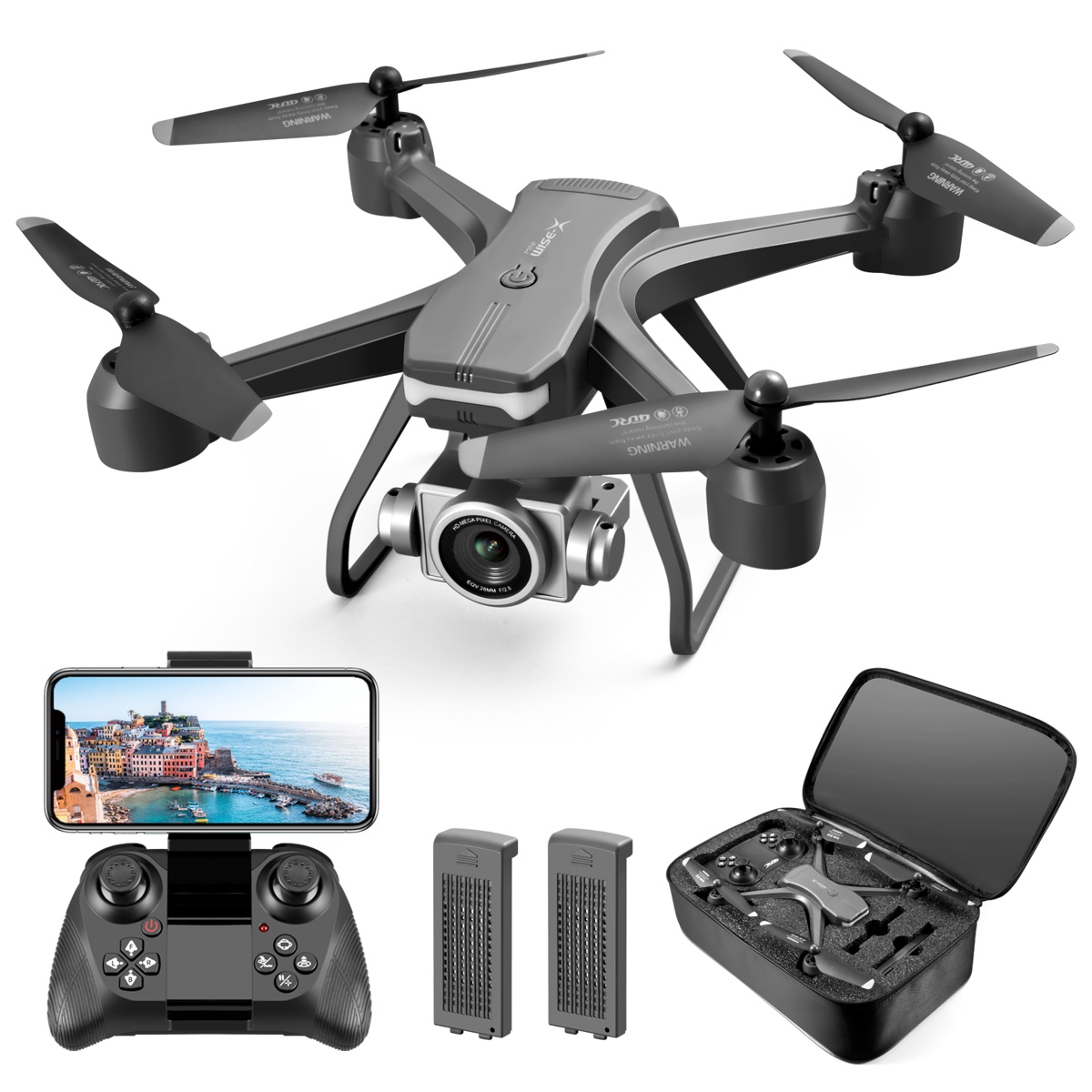 2026 V14 RC Drone With 4K HD Dual Camera WiFi FPV 3D Flips Rc Quadcopter$62.99View on Mallflare
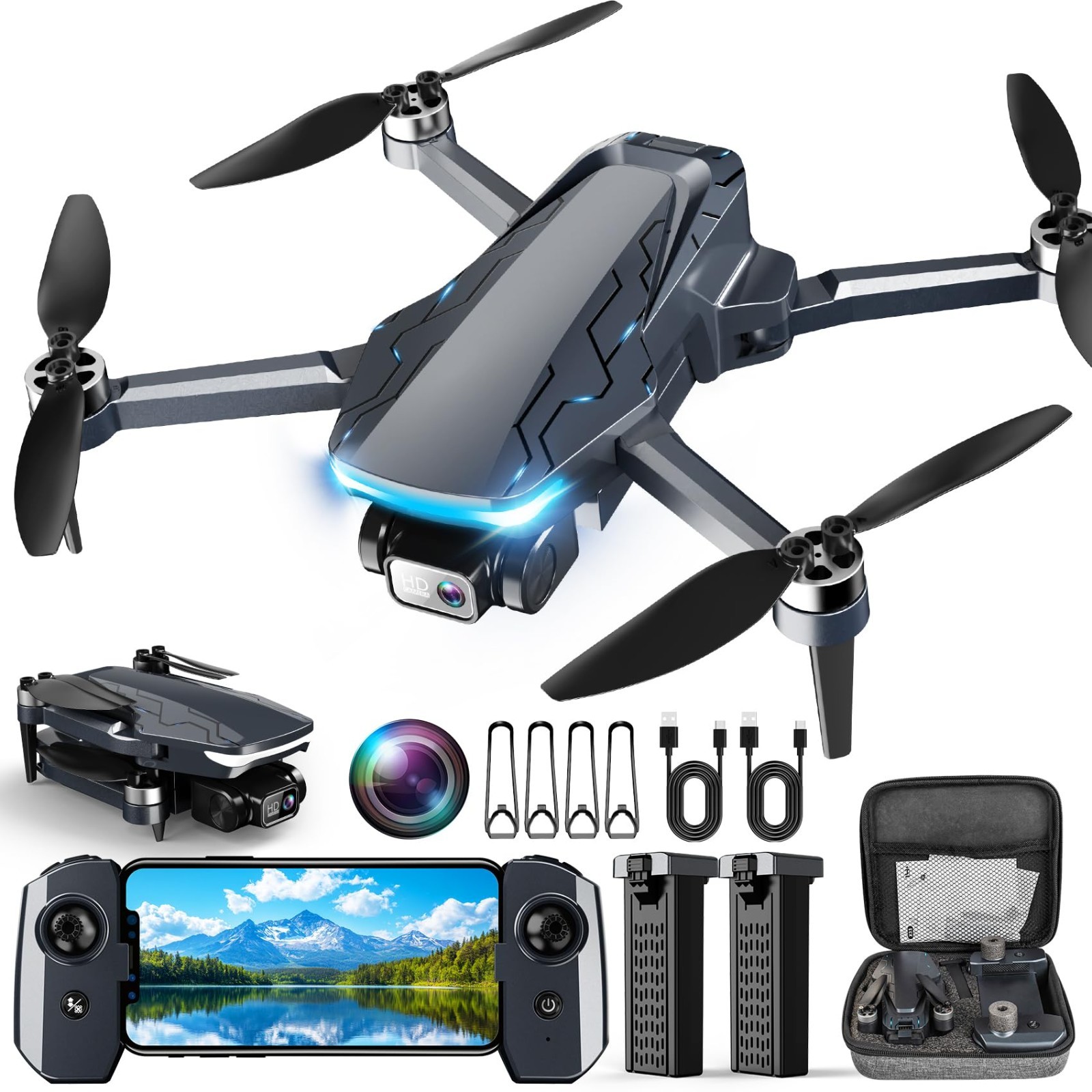 2K HD GPS Drone with Camera, Foldable FPV, Auto Return, Follow Me, 5G, 2 Batteri$57.59View on eBay
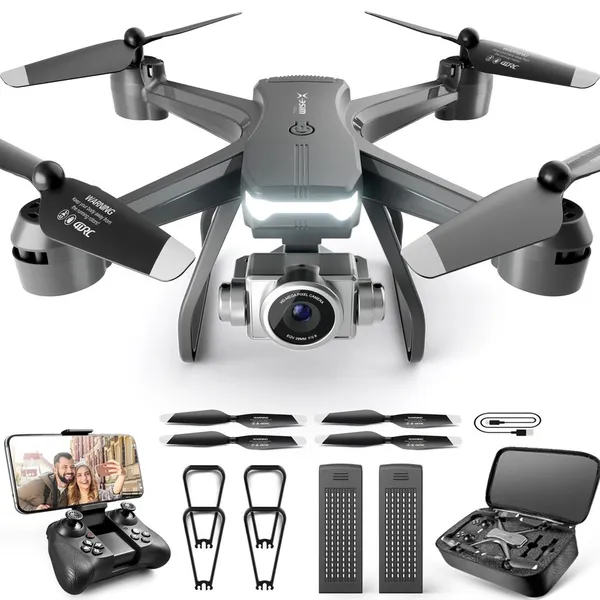 4DRC V14 RC Drone WIFI FPV 4K HD Wide Angle Dual Camera Quadcopter Portable With Bag ,2 Batteries For Beginner,Headless Mode,Gesture Photo$63.99View on Mallflare
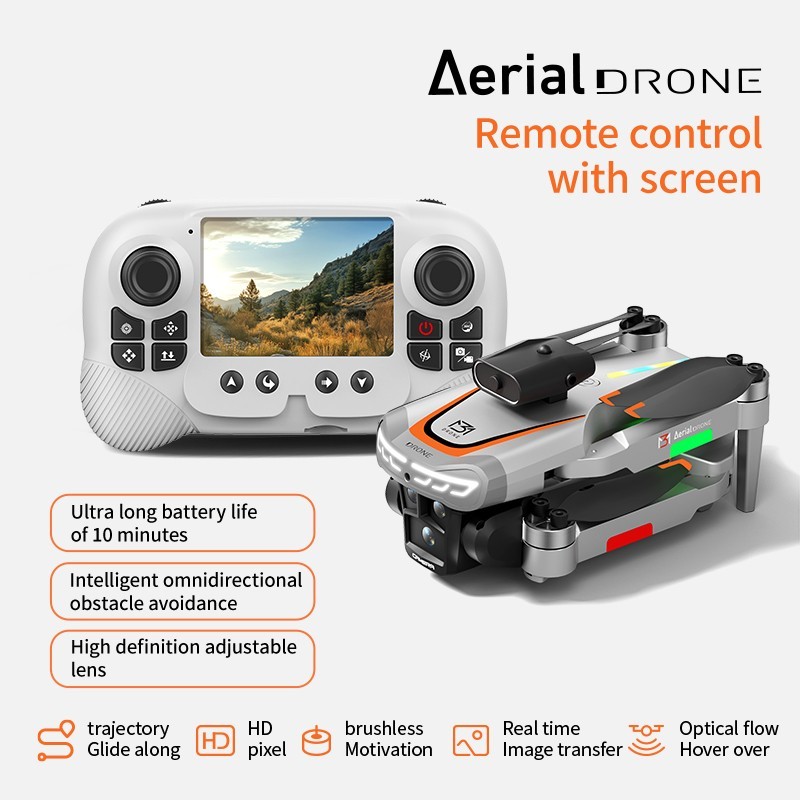 8K Dual Camera Brushless FPV Drone with 4.3" Screen Remote Foldable Quadcopter$59.99View on eBay
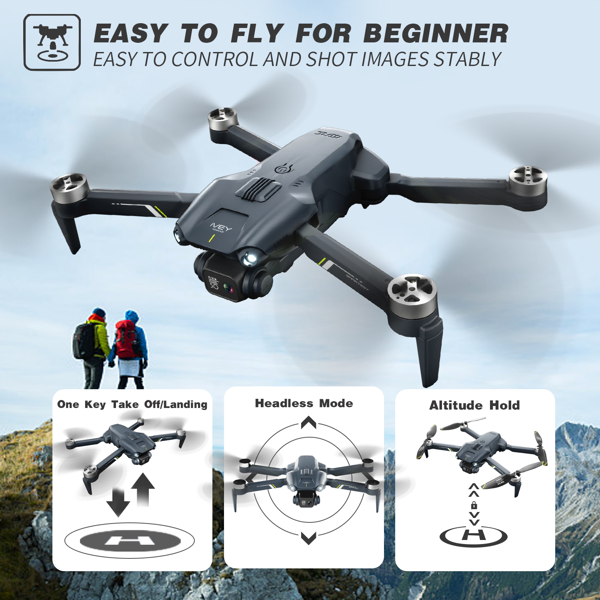 NEW V28 RC Drone With 4K HD Dual Camera WiFi FPV 3D Flips Rc Quadcopter US$64.99View on Mallflare
Highlights
- Sub-250g drones (DJI Mini series, Autel Evo Nano) stay under the 250g registration threshold in the US, EU, UK, and Canada—but usually cap at a 1/2.3-inch or 1/1.3-inch sensor and 25-35 min flight time.
- 250g-1kg imaging drones (DJI Air 3, Mavic 3 Classic, Autel Evo Lite+) carry 1-inch to 4/3 sensors, dual-camera zoom arrays, and 35-46 min rated flight; they require basic registration and often Remote ID.
- Every popular camera drone above toy grade uses a 3-axis brushless gimbal; cheaper 'camera drones' with electronic image stabilization or fixed cameras produce unusable footage in wind and are not true camera drones.
- Transmission tier defines range and reliability: OcuSync/O4-class digital links deliver 10-20 km rated range and 1080p feed, while Wi-Fi or analog 5.8GHz links drop out beyond 500m-1km and lag under obstacles.
Best use cases
- Travel and hike photography: pick a sub-250g drone with a 1/1.3-inch sensor and 3-axis gimbal—skip anything over 249g if you want to fly without registration in regulated regions.
- Serious aerial photo/video and low-light work: pick a 250g-1kg drone with a 1-inch or 4/3 sensor and adjustable aperture (f/2.8-f/11)—skip sub-250g models whose small sensors and fixed apertures smear detail at dusk.
- Windy coastal or mountain flying: pick a drone rated for Level 5 wind (10.7 m/s) with brushless gimbal and GPS+GLONASS—skip toy-grade or Wi-Fi-only models that drift and lose link beyond visual line of sight.
- First-time casual flyer on a tight budget: pick a legacy GPS camera drone (DJI Mini 2/SE class) with 4K and 3-axis gimbal—skip sub-100 'camera drones' with fixed cameras, no GPS, and 5-8 min real flight time.
Buying tips
- Weigh the drone with battery and props installed: 249g is the regulatory cliff in the US, EU, UK, and Canada—any 'sub-250g' claim must hold with the battery fitted, not stripped.
- Match sensor size to light: 1/2.3-inch sensors are daylight-only; 1-inch sensors hold detail to ISO 800; 4/3 sensors (Mavic 3 Pro class) are the minimum for credible dusk and night footage.
- Check gimbal architecture: 3-axis mechanical brushless gimbal is mandatory for smooth 4K; 2-axis or EIS-only 'gimbals' are marketing labels on toy-grade drones.
- Use the flight-time rule of thumb: manufacturer 'max flight time' is hover-only—subtract 30-40% for real wind and payload, so a 34-min rating yields 20-24 usable minutes.
Specs
| Weight Class | Sub-250g / 250g-1kg / 1kg+ |
|---|---|
| Camera Sensor | 1/2.3" to 4/3" CMOS |
| Gimbal Type | 3-axis brushless vs EIS-only |
| Video / Transmission | 4K-5.4K, O4/OcuSync vs Wi-Fi |
Related searches
What to check before buying
- Confirm your country's registration weight threshold (250g in US/EU/UK/Canada) and whether Remote ID is required for the class you're considering.
- Verify your phone/tablet is on the controller's supported list and that the app (DJI Fly, Autel Sky, etc.) runs on your OS version—legacy drones may not support newer phones.
- Confirm you have enough open space and legal airspace: camera drones need GPS lock, and 250g+ models should be flown with line-of-sight and local altitude/airport rules checked.
FAQ
Data sources: eBay / Amazon listings and product attribute feeds. Updated Nov 28, 2026.
Some links on this page are affiliate links. If you buy after clicking one, we may earn a commission at no extra cost to you. This does not change which products appear here or their order. Affiliate disclosure.