
Photos from current listings. Actual item, color, and included accessories may vary.
Photography Drone Buying Guide
A photography drone is an aerial camera platform where sensor size, gimbal stabilization, and battery architecture determine image quality and flight endurance. The primary trade-off is weight versus capability: sub-250g models avoid registration but use smaller sensors and fixed apertures. A true photography drone has a mechanical gimbal, a 1/1.3-inch or larger CMOS sensor, and at least 30 minutes of real battery life.
Median $139.98 · New listings
Key takeaways
- Sensor tier drives dynamic range: 1/1.3-inch CMOS with dual-native ISO and HDR outperforms 1/2.3-inch sensors in low light and high-contrast scenes.
- Gimbal architecture separates stable video from shaky footage: 3-axis mechanical stabilization is required for smooth 4K; electronic stabilization alone cannot correct parallax.
- Battery capacity directly sets flight time: 2453 mAh standard cells deliver roughly 38 minutes, while plus-capacity packs reach 51 minutes but add weight.
At a glance
- Category
- Drones & Consumer Robotics
- Last updated
- Nov 27, 2026
Current offers
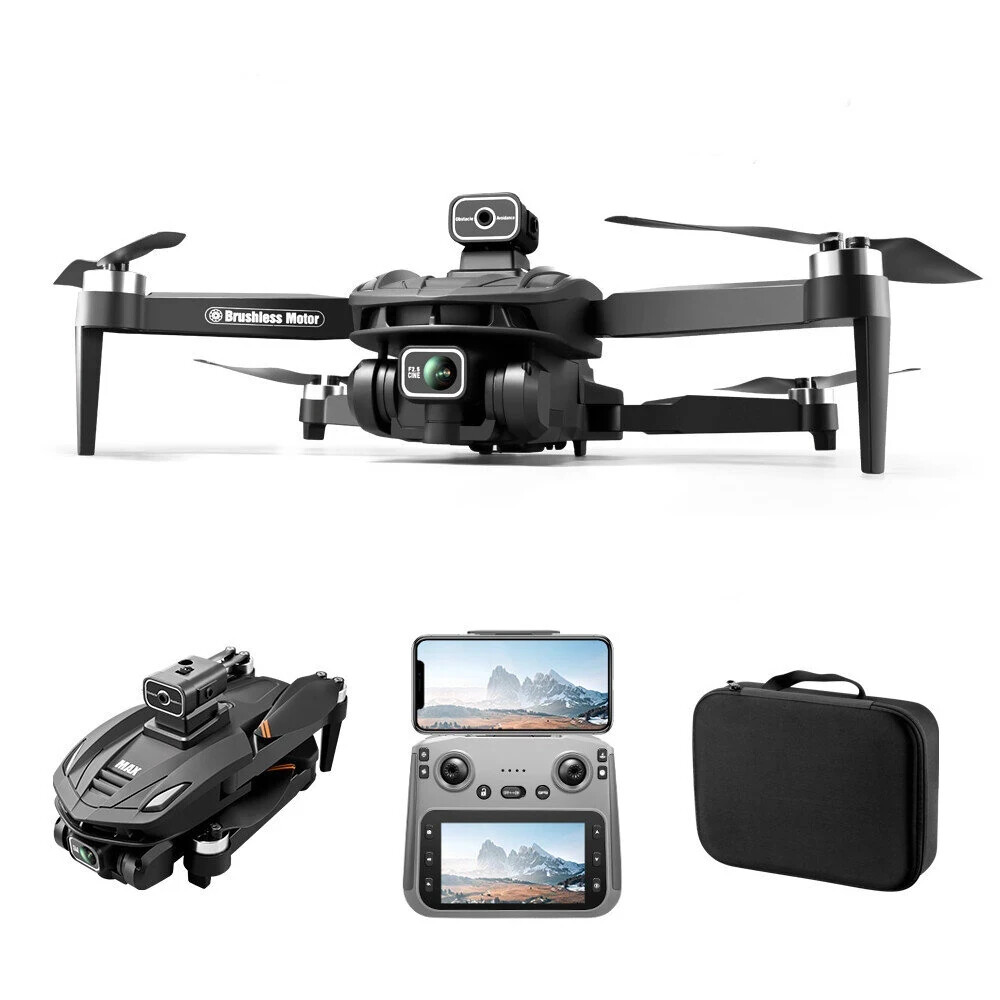 V168 Max Drone 8K 5G GPS Professional HD Aerial Photography Dual Camera Obstacle$139.98View on eBay
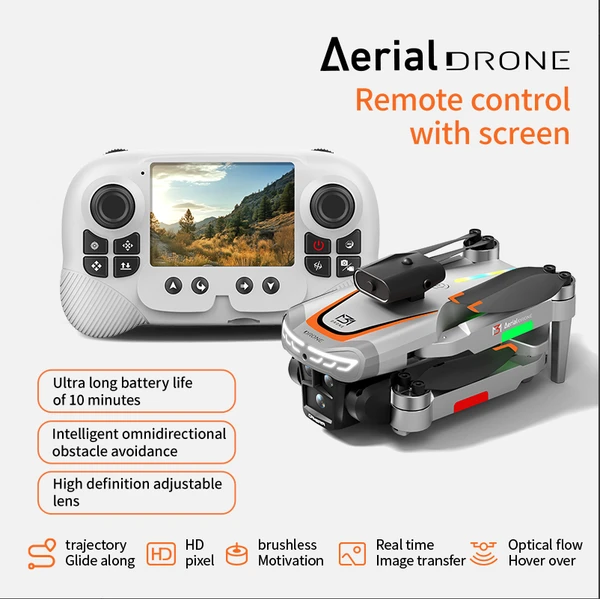 Smart Flight Aerial Photography X2 Drone | Dual Cameras, Brushless Motors, Stable Optical Flow Hovering, Dazzling Lights, Easy Operation, For Beginners, Perfect As A Holiday Gift$80.99View on Mallflare
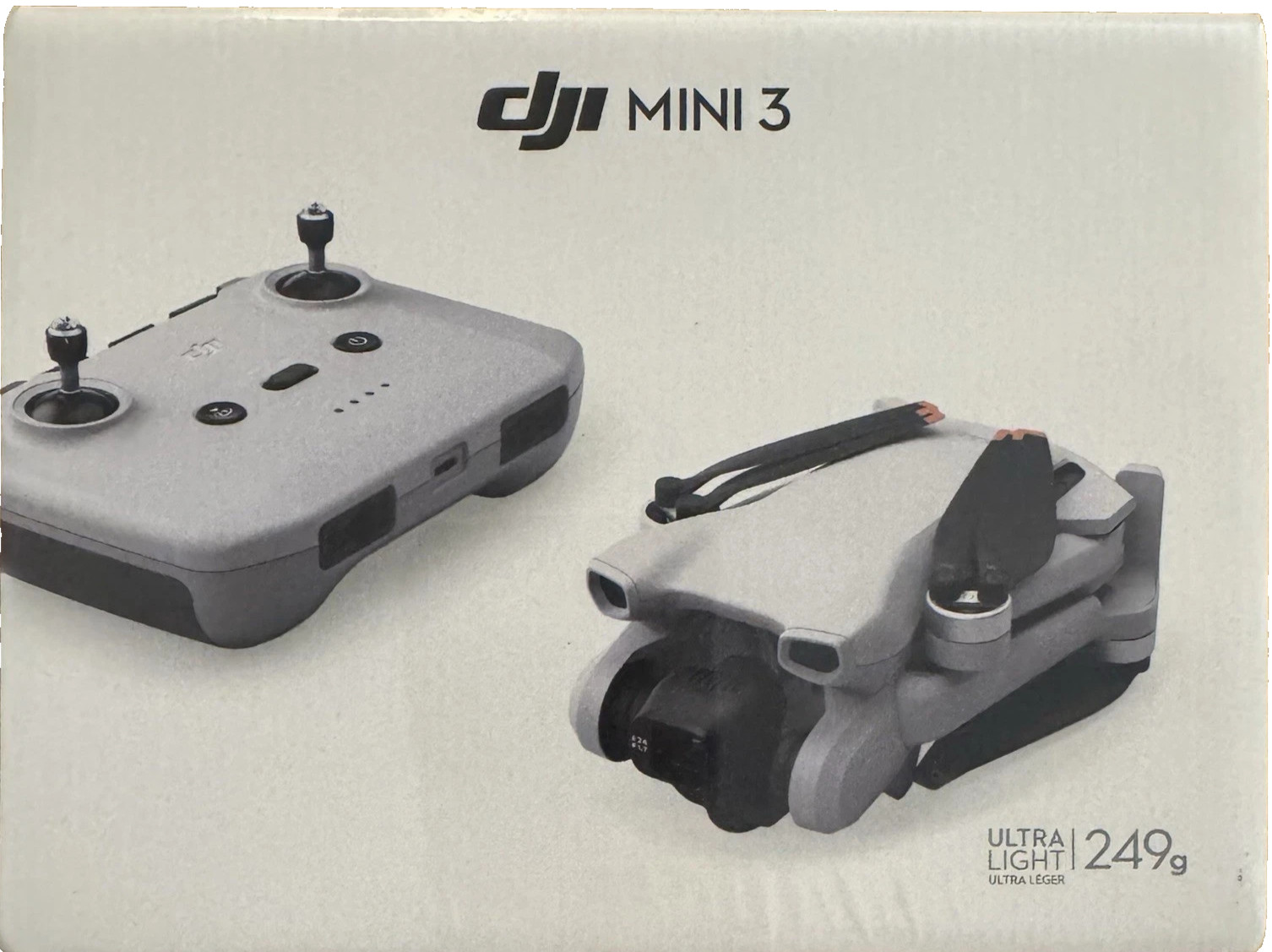 DJI Mini 3 Photography Drone and DJI RC-N1 Remote Controller *BRAND NEW SEALED*$329.98New · Last checked Nov 15, 2026View on eBay
Highlights
- Sensor tier drives dynamic range: 1/1.3-inch CMOS with dual-native ISO and HDR outperforms 1/2.3-inch sensors in low light and high-contrast scenes.
- Gimbal architecture separates stable video from shaky footage: 3-axis mechanical stabilization is required for smooth 4K; electronic stabilization alone cannot correct parallax.
- Battery capacity directly sets flight time: 2453 mAh standard cells deliver roughly 38 minutes, while plus-capacity packs reach 51 minutes but add weight.
- Transmission standard determines range and latency: OcuSync-class links provide reliable HD video at long distance, while Wi-Fi-based drones are limited to short-range, higher-latency control.
Best use cases
- Pick a sub-250g model with a 1/1.3-inch sensor and 38-minute battery when you need registration-free travel photography; skip dual-camera toy drones with Wi-Fi-only links for serious stills.
- Choose a plus-battery configuration (51 minutes) for backcountry landscape work where you cannot recharge in the field; skip it for urban shots where flight time is capped by regulations.
- Select a ready-to-fly kit with a dedicated remote controller for reliable long-range framing; skip smartphone-only control if you plan to fly beyond visual line of sight or in windy conditions.
- Opt for brushless motors and optical-flow positioning for stable hovering in low-wind outdoor environments; skip brushed-motor drones for any paid or repeatable photography work.
Buying tips
- Match sensor size to output: 1/1.3-inch CMOS with 4K video and HDR is the minimum for professional-looking stills; 1/2.3-inch sensors are acceptable only for social media clips.
- Calculate real flight time: subtract 20% from advertised minutes for wind, payload, and safe reserve; a 38-minute rating yields roughly 30 minutes of usable shooting.
- Verify transmission technology: OcuSync or equivalent provides 10km+ HD link; Wi-Fi drones typically max out at 500m with visible latency, so choose accordingly.
- Check battery charging standard: USB-C PD charging simplifies field top-ups; proprietary chargers add bulk and limit travel flexibility.
Specs
| Sensor Size | 1/1.3-inch CMOS vs 1/2.3-inch CMOS |
|---|---|
| Gimbal Type | 3-axis mechanical vs electronic only |
| Flight Time | 38 min std / 51 min plus battery |
| Transmission | OcuSync-class vs Wi-Fi control |
Related searches
What to check before buying
- Confirm the drone weighs under 250g if you want to avoid registration in most jurisdictions; add propeller guards and battery weight to the official figure.
- Measure your carry case or backpack: folded dimensions typically range from 14–18cm long, so ensure your bag accommodates the folded airframe plus controller.
- Verify your phone or tablet fits the controller mount: most clamps accept devices up to 180mm wide; larger tablets require a dedicated mount adapter.
- Check local airspace rules and required companion apps: Geo-fencing and altitude limits are enforced by firmware, so confirm your flying zone is unlocked before purchase.
FAQ
Data sources: eBay / Amazon listings and product attribute feeds. Updated Nov 27, 2026.
Some links on this page are affiliate links. If you buy after clicking one, we may earn a commission at no extra cost to you. This does not change which products appear here or their order. Affiliate disclosure.