
Photos from current listings. Actual item, color, and included accessories may vary.
Drone Professional Photography Buying Guide
Professional photography drones are camera-first aircraft judged on sensor size, stabilization, and lens quality—not marketing 'K' labels. The core trade-off is a true 1-inch or Micro Four Thirds sensor with mechanical gimbal and interchangeable optics versus a small toy-grade sensor upscaled and sold as '6K/8K professional.' The decision rule: buy only drones with a named sensor format, a 3-axis mechanical gimbal, and published video bitrate; skip any 'professional' drone whose camera specs list only interpolated resolution.
Median $99.98
Key takeaways
- Sensor format drives image quality: 1/2.3-inch to 1-inch CMOS in consumer prosumer drones, Micro Four Thirds in flagship interchangeable-lens models; larger sensors deliver cleaner low light and real dynamic range.
- Stabilization must be a 3-axis mechanical gimbal; electronic image stabilization alone crops the frame and cannot hold long exposures or smooth 4K/60 video.
- Video authenticity is proven by bitrate and codec: 100-200 Mbps H.264/H.265 at 4K/60 is genuine; '6K/8K' labels on sub-250g toy drones with 5G Wi-Fi FPV are upscaled and not professional capture.
At a glance
- Category
- Drones & Consumer Robotics
- Last updated
- Nov 27, 2026
Current offers
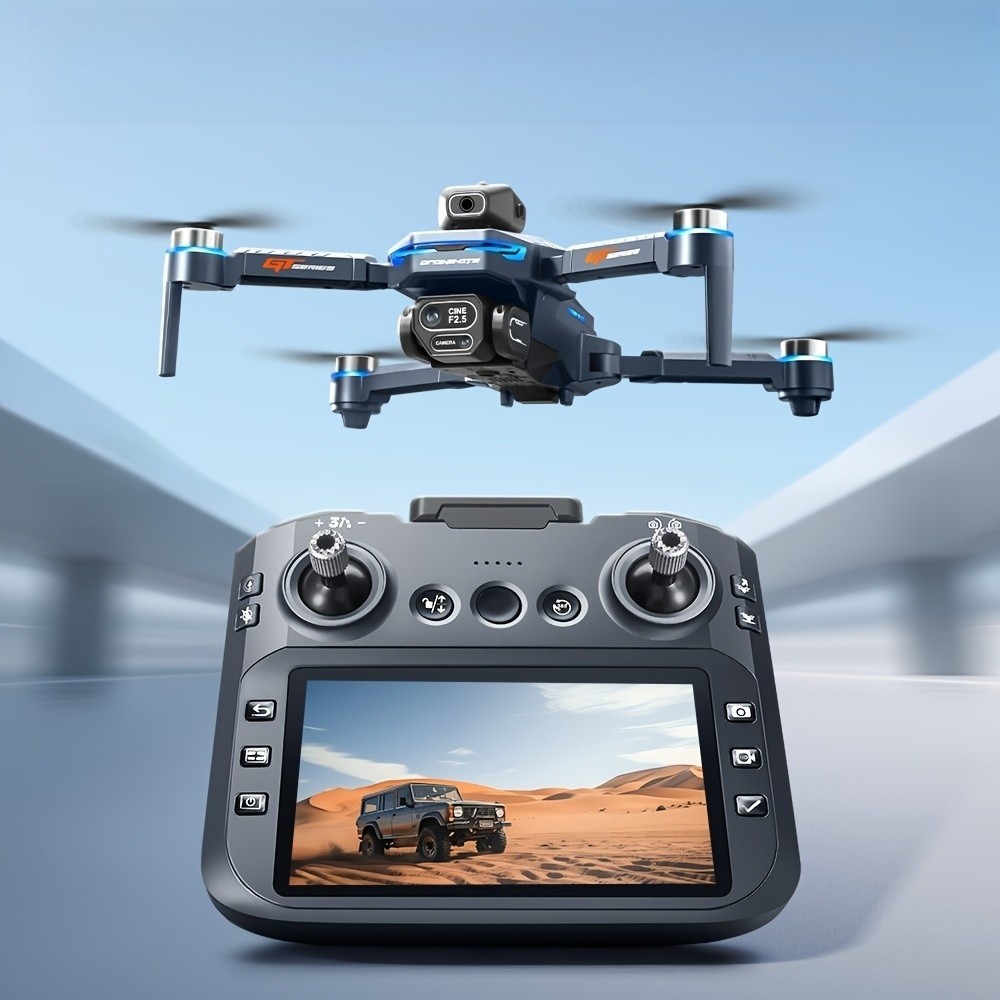 5G FPV WIFI Obstacle Avoidance 6K HD Dual Camera Professional Drone$65.99View on eBay
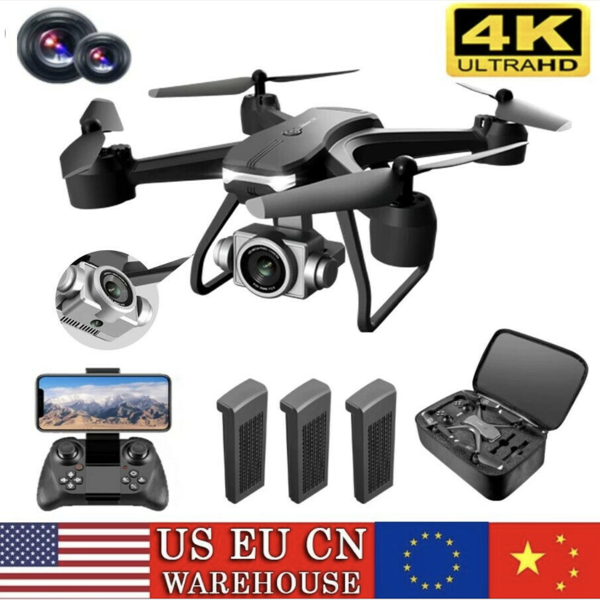 3 Battery V14 Professional Drone 6K HD Dual Camera Wifi FPV Portable RC Quadcopter, Drones Suitable For Adults-beginners$68.99View on Mallflare
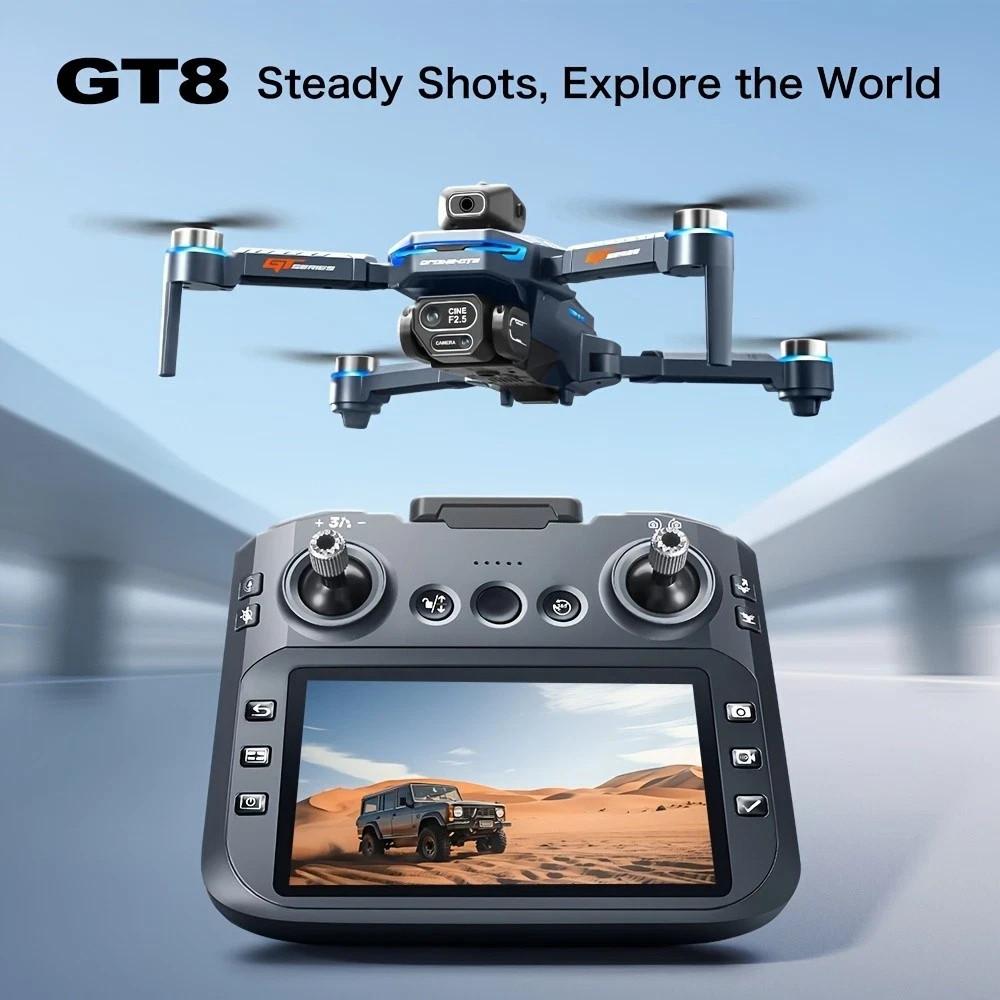 5G Professional 8K HD Dual Camera Drone With FPV WIFI Obstacle Avoidance$99.98Last checked Nov 27, 2026View on eBay
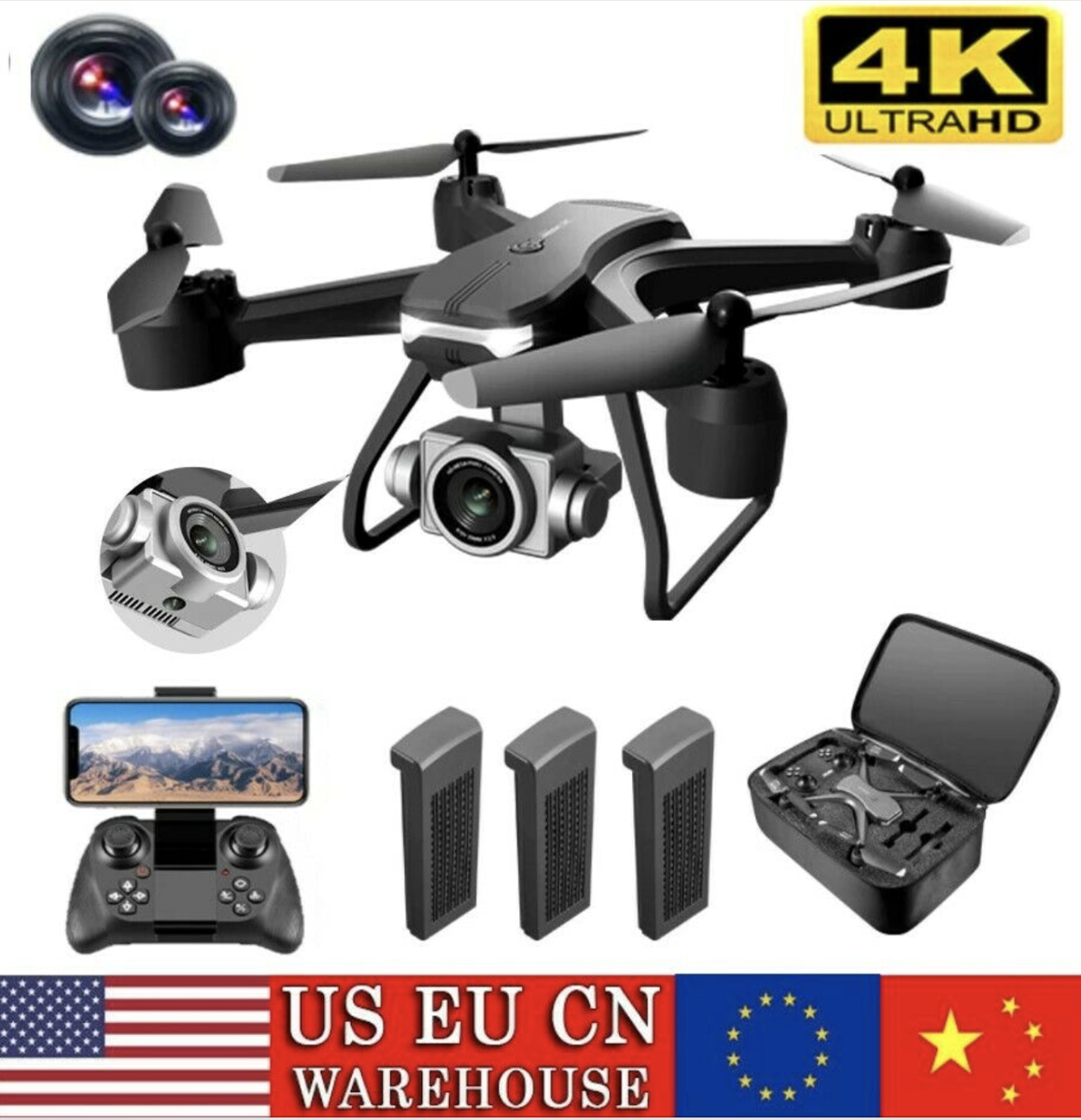 3 batteryV14 Professional Drone 6K HD Dual Camera Wifi FPV Portable RC Quadcopter,Drones suitable for adults/beginners$73.99View on Mallflare
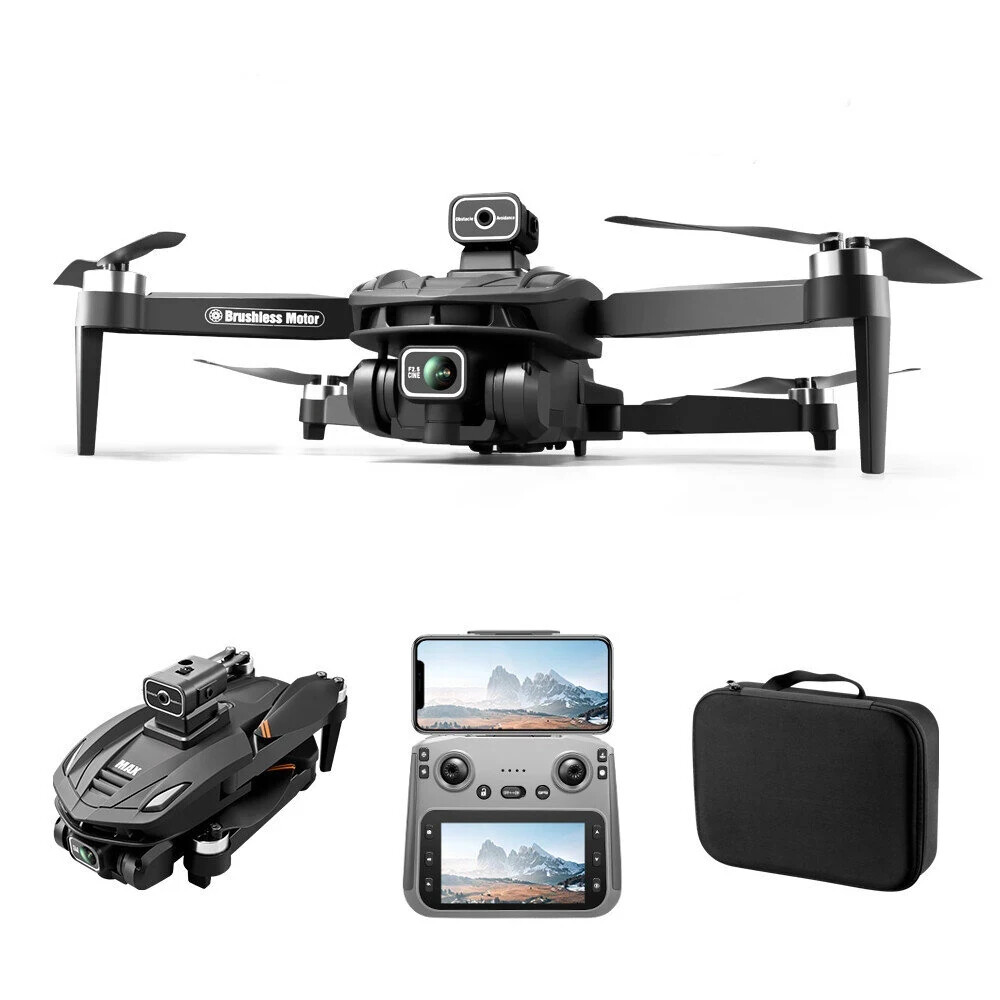 V168 Max Drone 8K 5G GPS Professional HD Aerial Photography Dual Camera Obstacle$139.98View on eBay
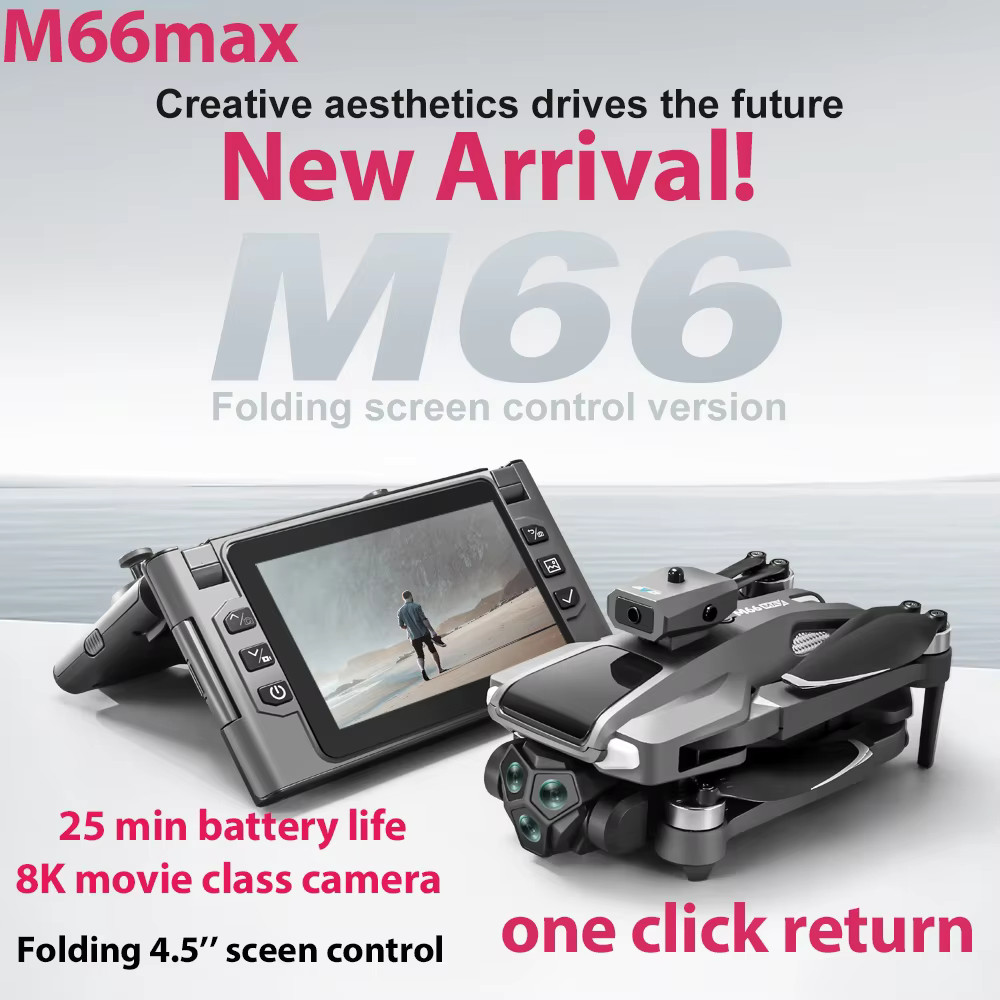 2025 Drone with 4K Dual Camera Professional Video Drone Quadcopter 360 Intellige$169.00View on eBay
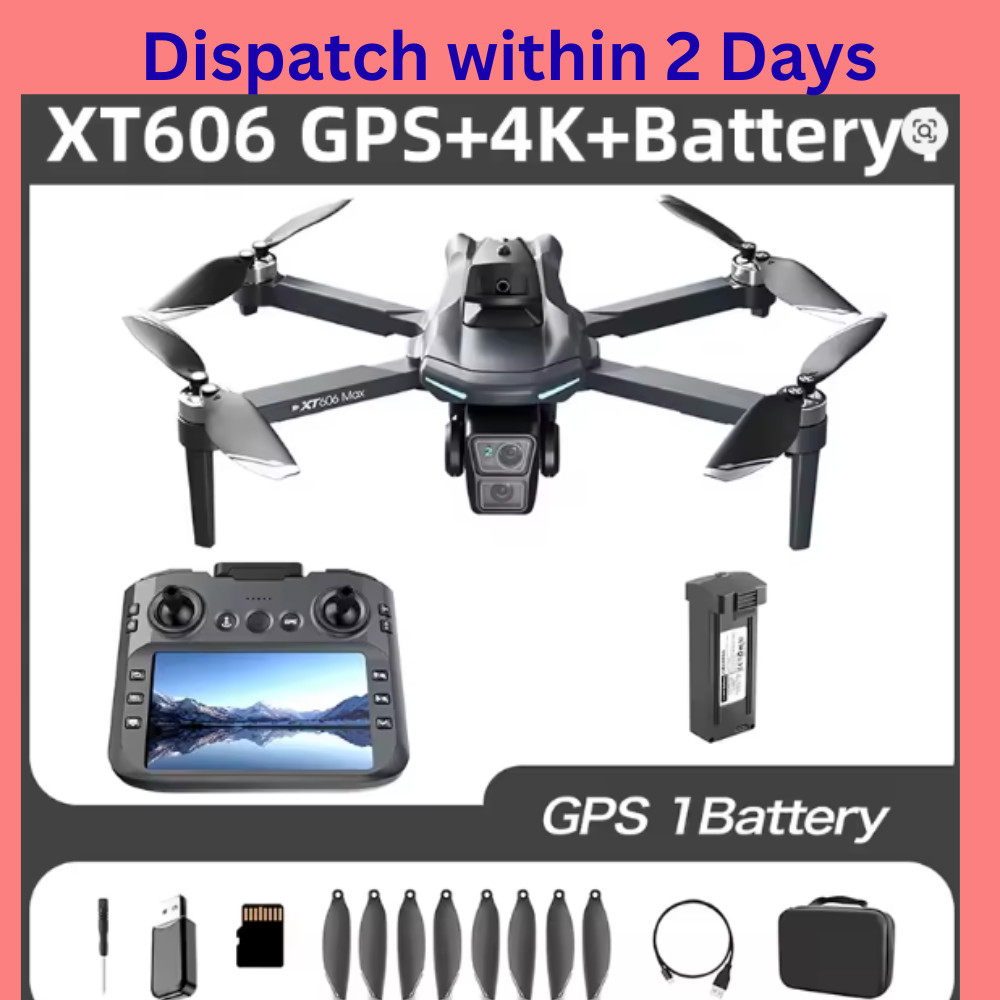 Lenovo XT606 MAX GPS Drone 4k Professional 8K HD Camera$173.81View on eBay
Highlights
- Sensor format drives image quality: 1/2.3-inch to 1-inch CMOS in consumer prosumer drones, Micro Four Thirds in flagship interchangeable-lens models; larger sensors deliver cleaner low light and real dynamic range.
- Stabilization must be a 3-axis mechanical gimbal; electronic image stabilization alone crops the frame and cannot hold long exposures or smooth 4K/60 video.
- Video authenticity is proven by bitrate and codec: 100-200 Mbps H.264/H.265 at 4K/60 is genuine; '6K/8K' labels on sub-250g toy drones with 5G Wi-Fi FPV are upscaled and not professional capture.
- Transmission and control link separates cine drones from toys: OcuSync-class or equivalent multi-band digital links reach 10-15 km, while basic 2.4/5G Wi-Fi FPV drops beyond a few hundred meters.
Best use cases
- Best fit: real-estate, landscape, and event shooters needing 1-inch sensor, 3-axis gimbal, and 4K/60—buy a DJI Air-class or Autel EVO-class aircraft; skip toy '6K dual camera' bundles with 2-3 batteries.
- Best fit: commercial/cinema work requiring interchangeable lenses and ProRes or 10-bit log—choose a Micro Four Thirds flagship (Inspire-class or equivalent) with dual-operator control; skip fixed-lens prosumer models.
- Wrong fit: buyers expecting professional stills from sub-250g drones with '8K' labels—these use small sensors and EIS; for travel stills pick a 1-inch sensor model instead.
- Best fit: beginners who want to grow into photography—start with a 1/1.3-inch or 1-inch sensor drone with mechanical gimbal and RAW photo support; skip obstacle-avoidance toy drones marketed as 'professional'.
Buying tips
- Require a named sensor size (1-inch, 4/3 CMOS) and a published max video bitrate; reject listings that only state '6K/8K HD' without sensor or Mbps figures.
- Match battery count to shoot length: each flight is roughly 25-45 minutes; two batteries cover a short session, three or more are needed for half-day location work.
- Confirm the control link: digital multi-band (OcuSync-class) for professional range and reliability; basic Wi-Fi FPV is limited to short-range casual use.
- Check payload and lens ecosystem: professional photography tiers support ND filters and, on flagship models, interchangeable lenses; fixed-aperture toy cameras cannot control exposure properly.
Specs
| Camera Sensor | 1-inch to 4/3 CMOS; avoid sub-1/2.3-inch |
|---|---|
| Gimbal Type | 3-axis mechanical; EIS alone insufficient |
| Video Bitrate | 100-200 Mbps H.264/H.265 at 4K/60 |
| Control Link | Digital multi-band 10-15 km vs Wi-Fi FPV |
Related searches
What to check before buying
- Verify registration threshold: drones at or above 250 g require registration in most jurisdictions; sub-250 g models trade sensor size and wind resistance for lighter regulation.
- Confirm you own a compatible controller/display and enough charged batteries plus a high-wattage USB-C or dedicated charger for the planned shoot duration.
- Check storage: 4K/60 at 100-200 Mbps fills a 128 GB card in well under an hour—budget high-speed U3/V30 microSD cards per battery set.
- Assess wind and climate: professional shoots often happen in gusty coastal or mountain conditions; larger, heavier airframes with higher wind-resistance ratings are required over sub-250 g models.
FAQ
Data sources: eBay / Amazon listings and product attribute feeds. Updated Nov 27, 2026.
Some links on this page are affiliate links. If you buy after clicking one, we may earn a commission at no extra cost to you. This does not change which products appear here or their order. Affiliate disclosure.