
Photos from current listings. Actual item, color, and included accessories may vary.
Budget Drone With 4K Camera Buying Guide
A budget 4K camera drone pairs a stabilized 4K imaging sensor with a sub-250g or compact folding airframe to deliver usable aerial video without premium pricing. The core trade-off is sensor/bitrate quality versus stabilization and transmission range: true 4K capture requires at least a 1/2.3-inch sensor or larger, electronic image stabilization (EIS) plus a mechanical gimbal, and a 5GHz digital link for reliable range. Narrow the field by rejecting anything advertising '4K' via upscaling or interpolation from a 1080p sensor, and by confirming GPS return-to-home plus a gimbal axis count before buying.
Median $171.41 · New & pre-owned listings
Key takeaways
- True 4K requires a native 3840x2160 sensor at 30fps minimum; interpolated '4K' from 1080p sensors produces soft footage with visible artifacts.
- Three-axis mechanical gimbals stabilize pitch/roll/yaw; EIS alone crops the frame and struggles in low light, so gimbal + EIS together is the durable standard.
- Sub-250g airframes avoid registration requirements in most jurisdictions (FAA, EASA) but often sacrifice wind resistance and flight time versus 400-600g folding models.
At a glance
- Category
- Drones & Consumer Robotics
- Last updated
- Nov 28, 2026
Current offers
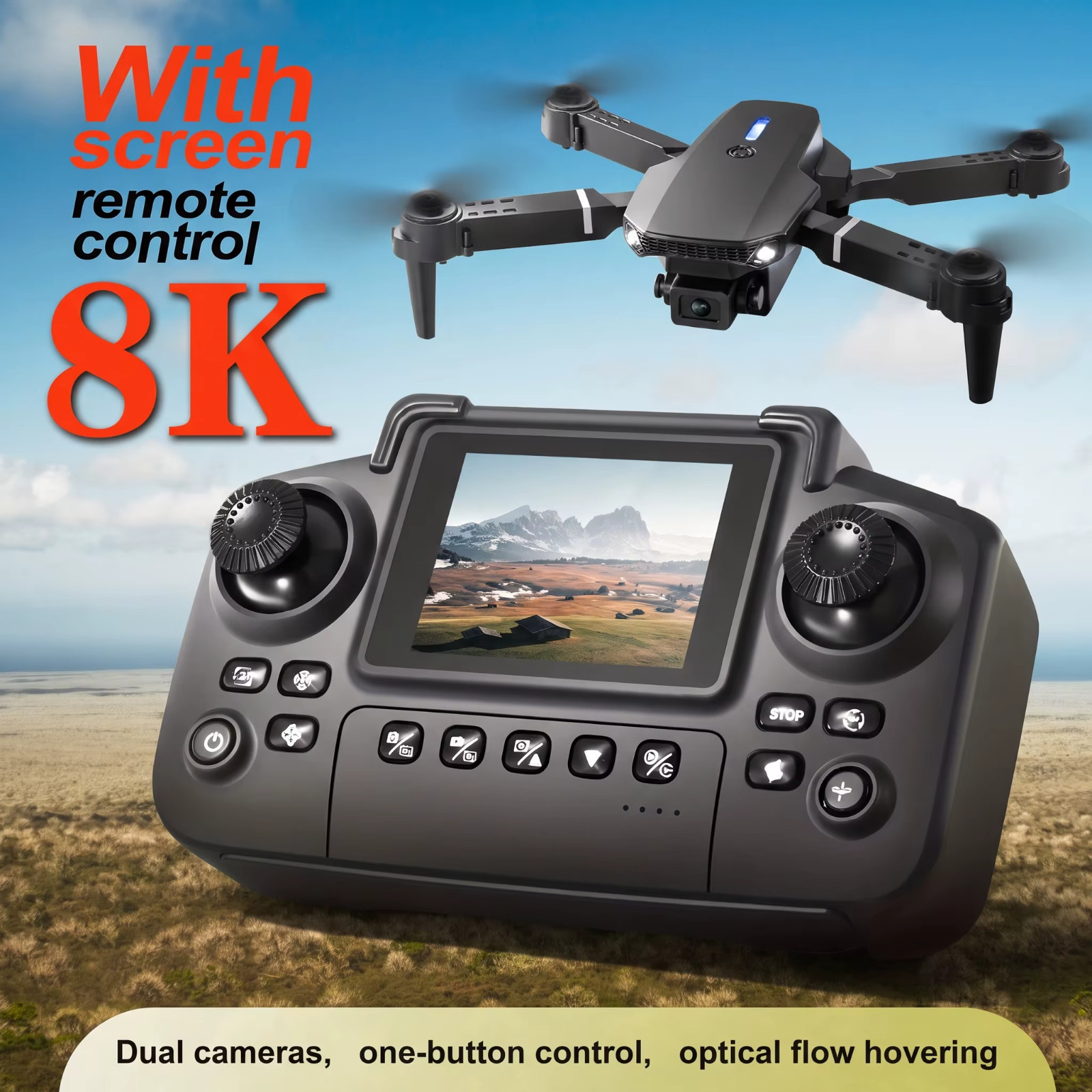 2026 4K HD Dual Camera WiFi Upgraded E88PROK screen Foldable Drone USA SHIPPED$28.99View on eBay
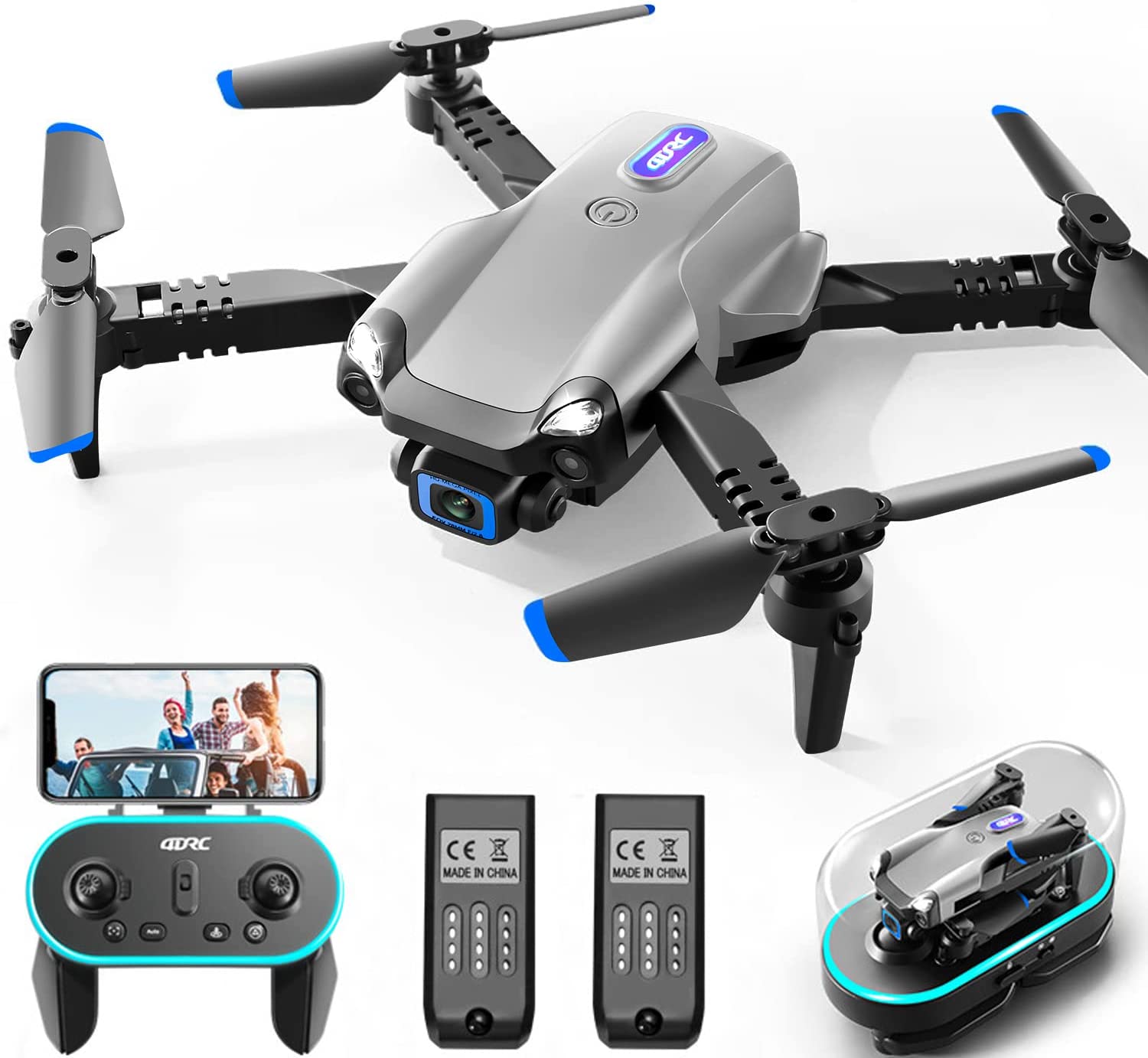 2026 V20 RC Drone With 4K HD Dual Camera WiFi FPV 3D Flips Rc Quadcopter US ,Logistic is randomly sent by UPS/USPS/GOFO/UNI/FEDEX$48.99View on Mallflare
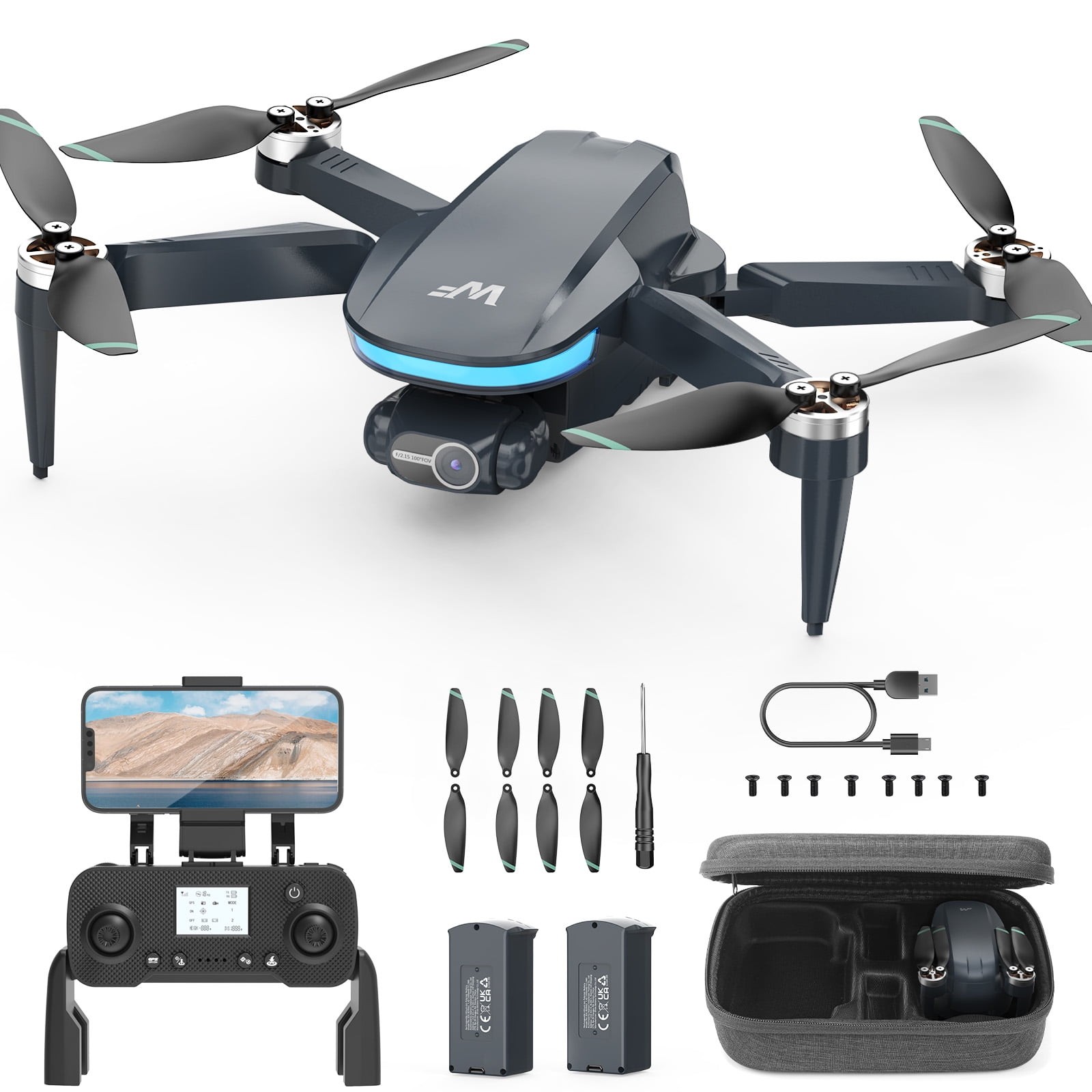 WeFone WF40 GPS Drones with Camera for Adults 4K, Foldable RC Quadcopter with$29.00View on eBay
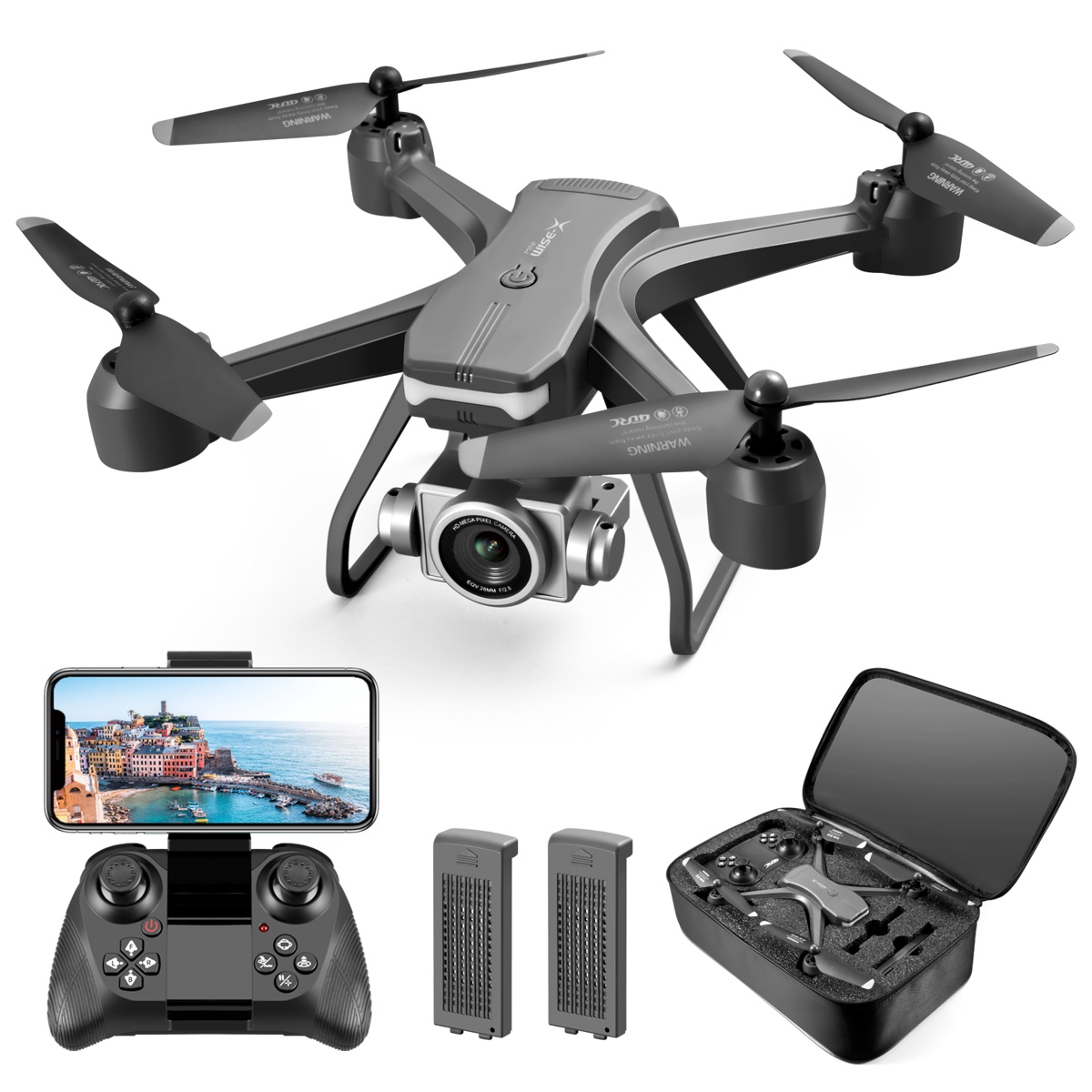 2026 V14 RC Drone With 4K HD Dual Camera WiFi FPV 3D Flips Rc Quadcopter$62.99View on Mallflare
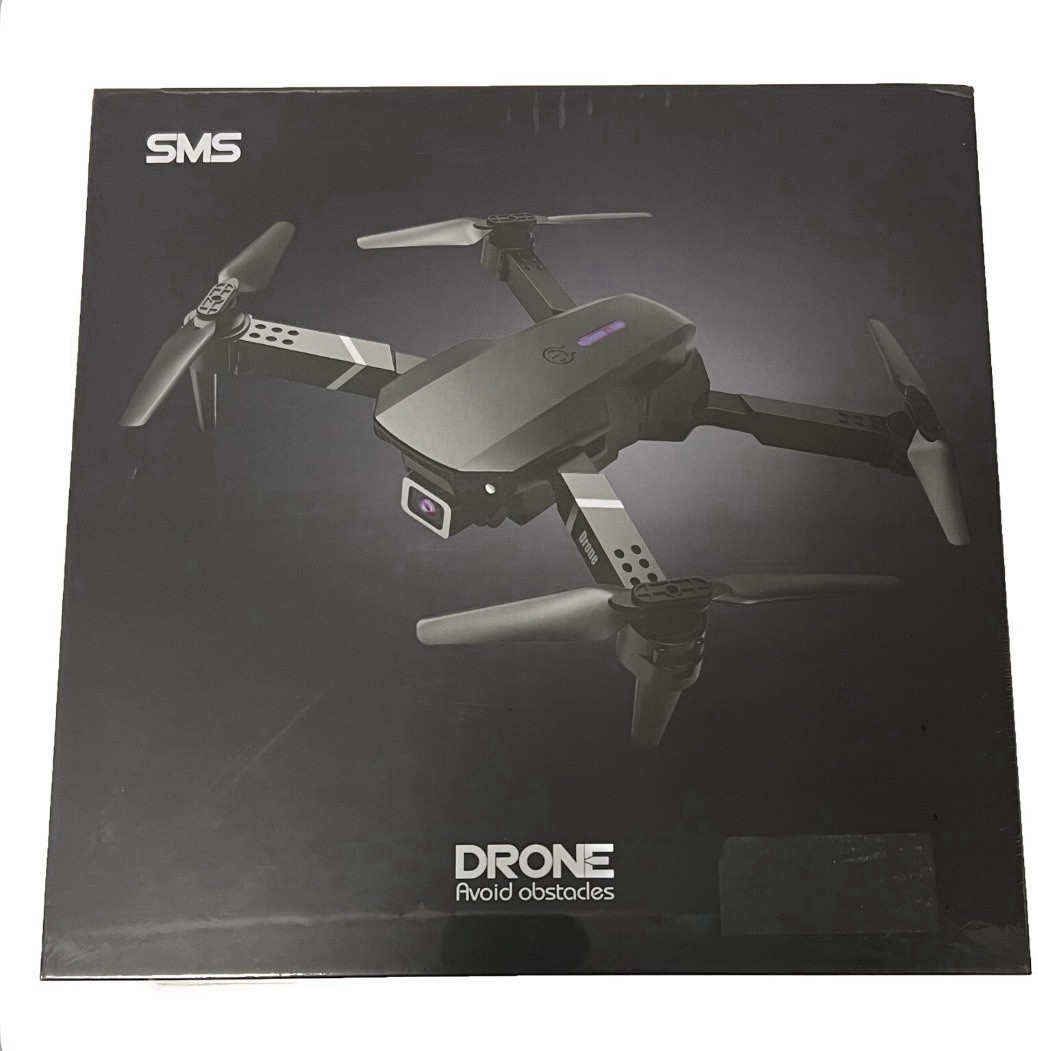 Drone 4K Camera SMS Obstacle Avoidance, New Sealed$29.99View on eBay
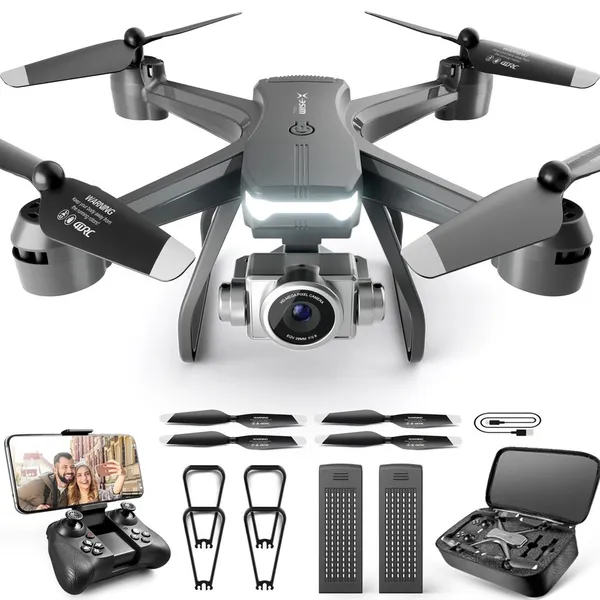 4DRC V14 RC Drone WIFI FPV 4K HD Wide Angle Dual Camera Quadcopter Portable With Bag ,2 Batteries For Beginner,Headless Mode,Gesture Photo$63.99View on Mallflare
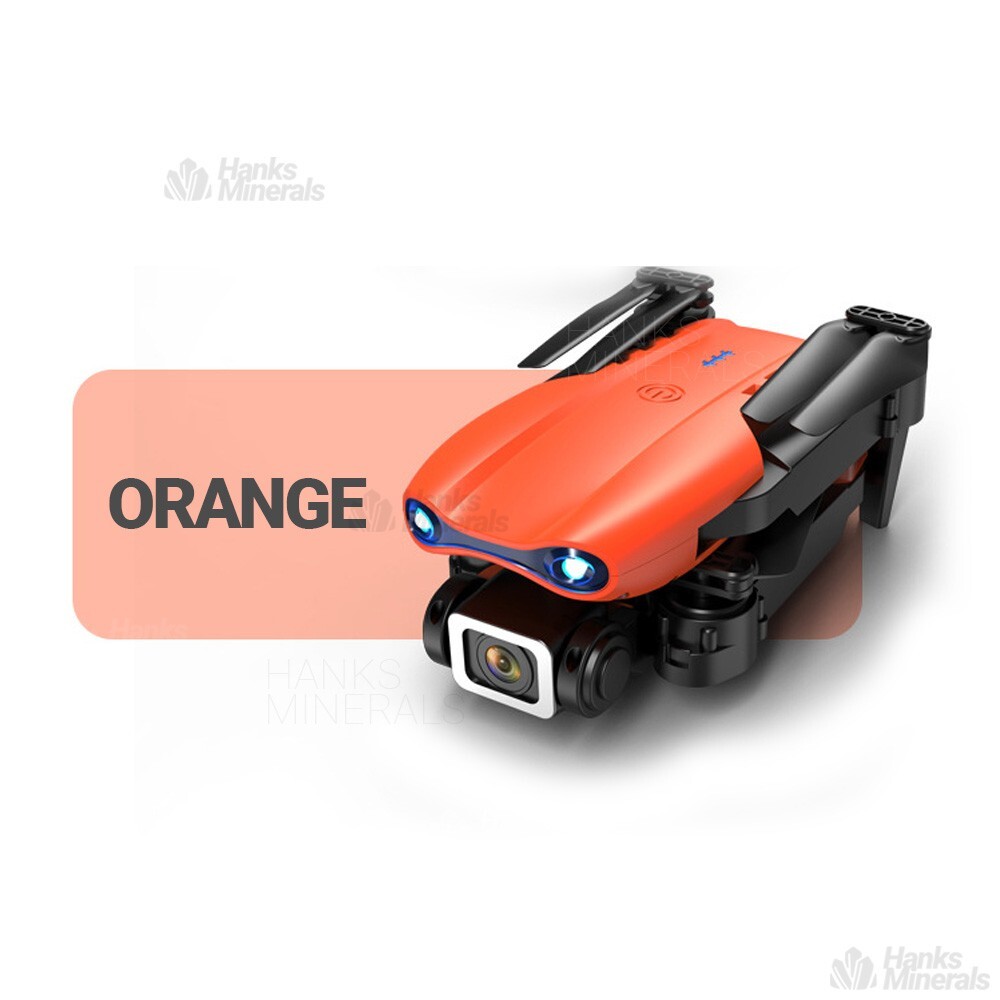 Drone X Pro Quadcopter 2026 5G 4K GPS HD Dual Camera WiFi FPV Foldable RC$34.98Last checked Nov 28, 2026View on eBay
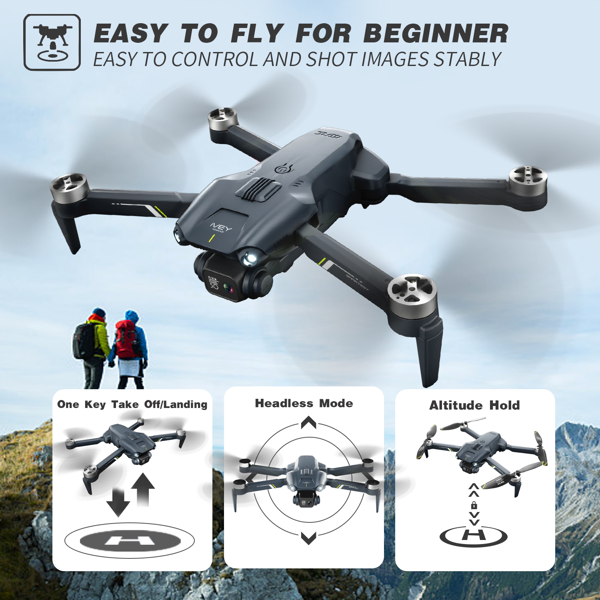 NEW V28 RC Drone With 4K HD Dual Camera WiFi FPV 3D Flips Rc Quadcopter US$64.99View on Mallflare
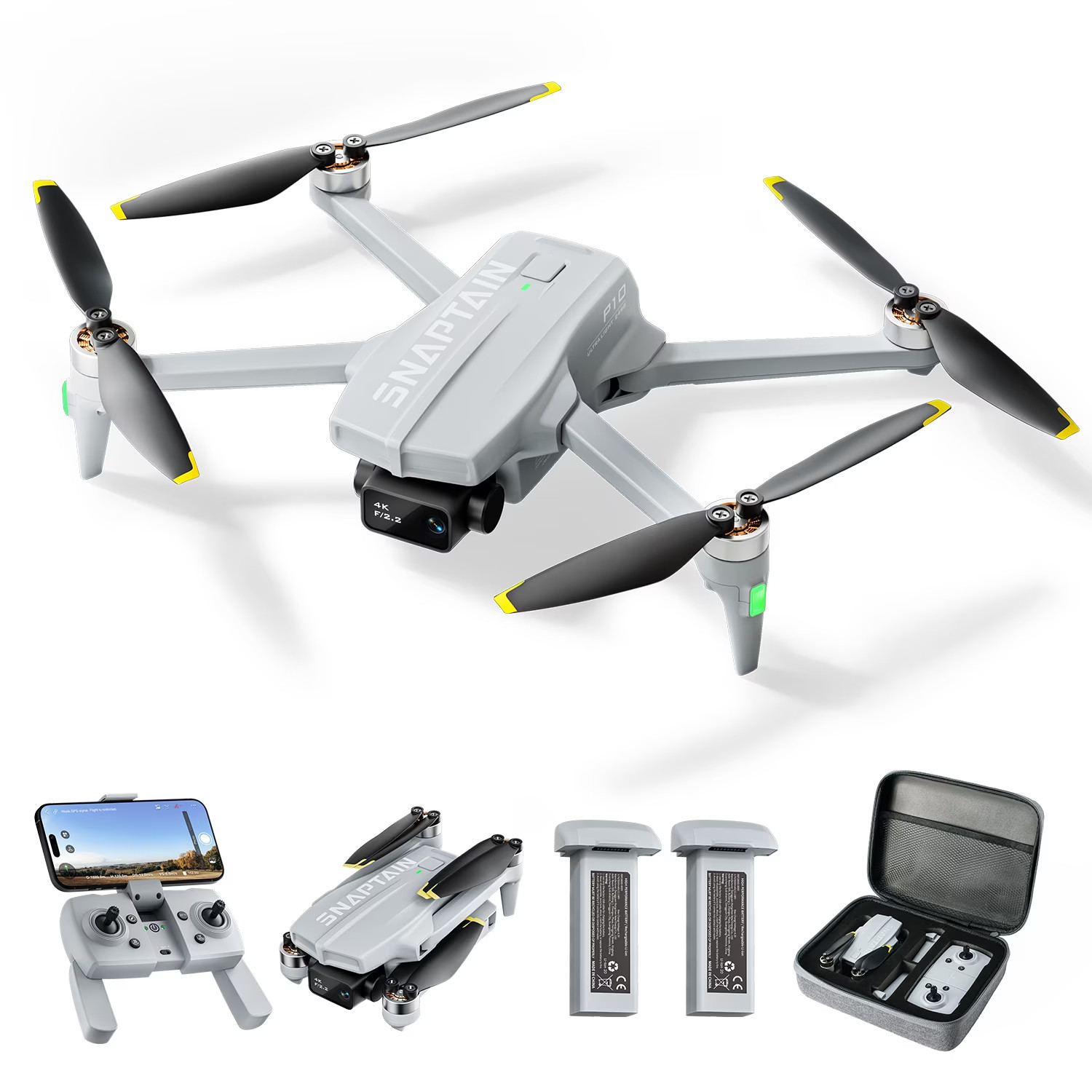 Snaptain P10 GPS Drone with Camera for Adults 4K Video$54.00View on eBay
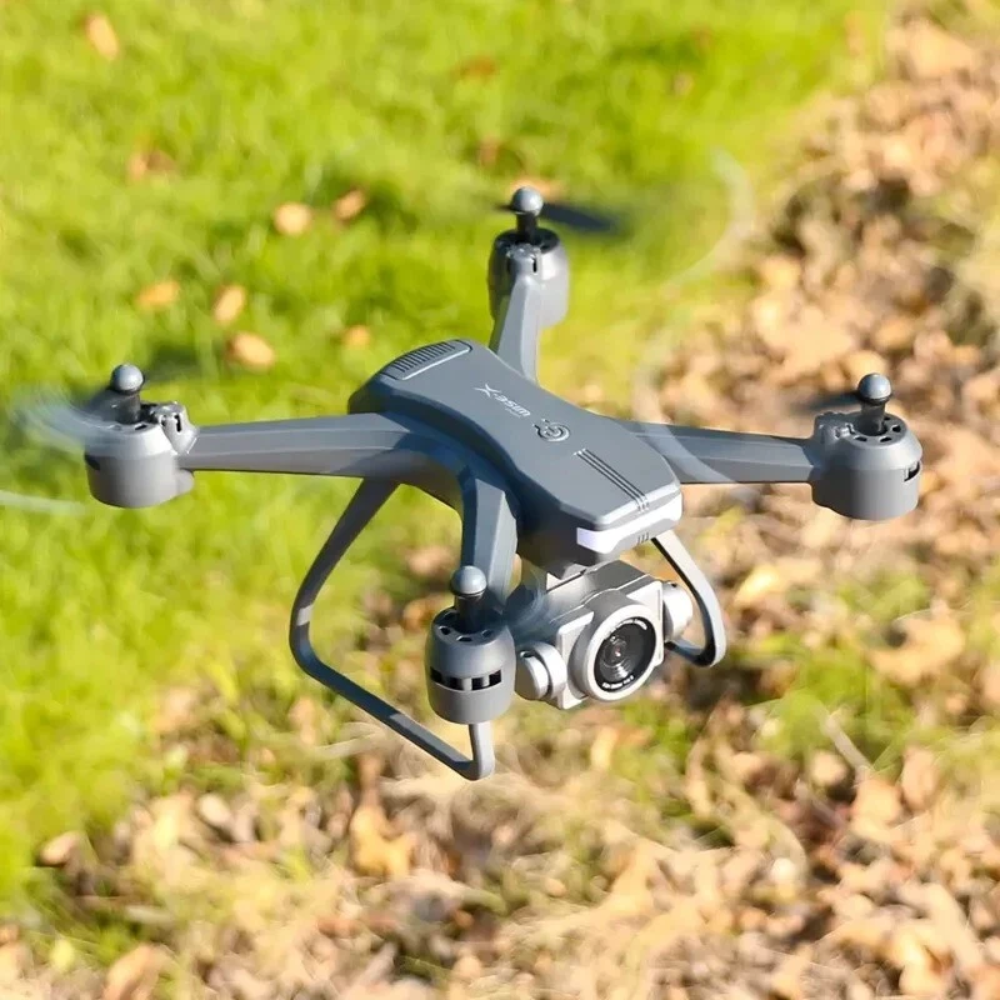 NEW V14 RC Drone With 4K HD Dual Camera WiFi FPV 3D Flips Rc Quadcopter US ,Logistic is randomly sent by UPS/USPS/GOFO/UNI/FEDEX$68.99View on Mallflare
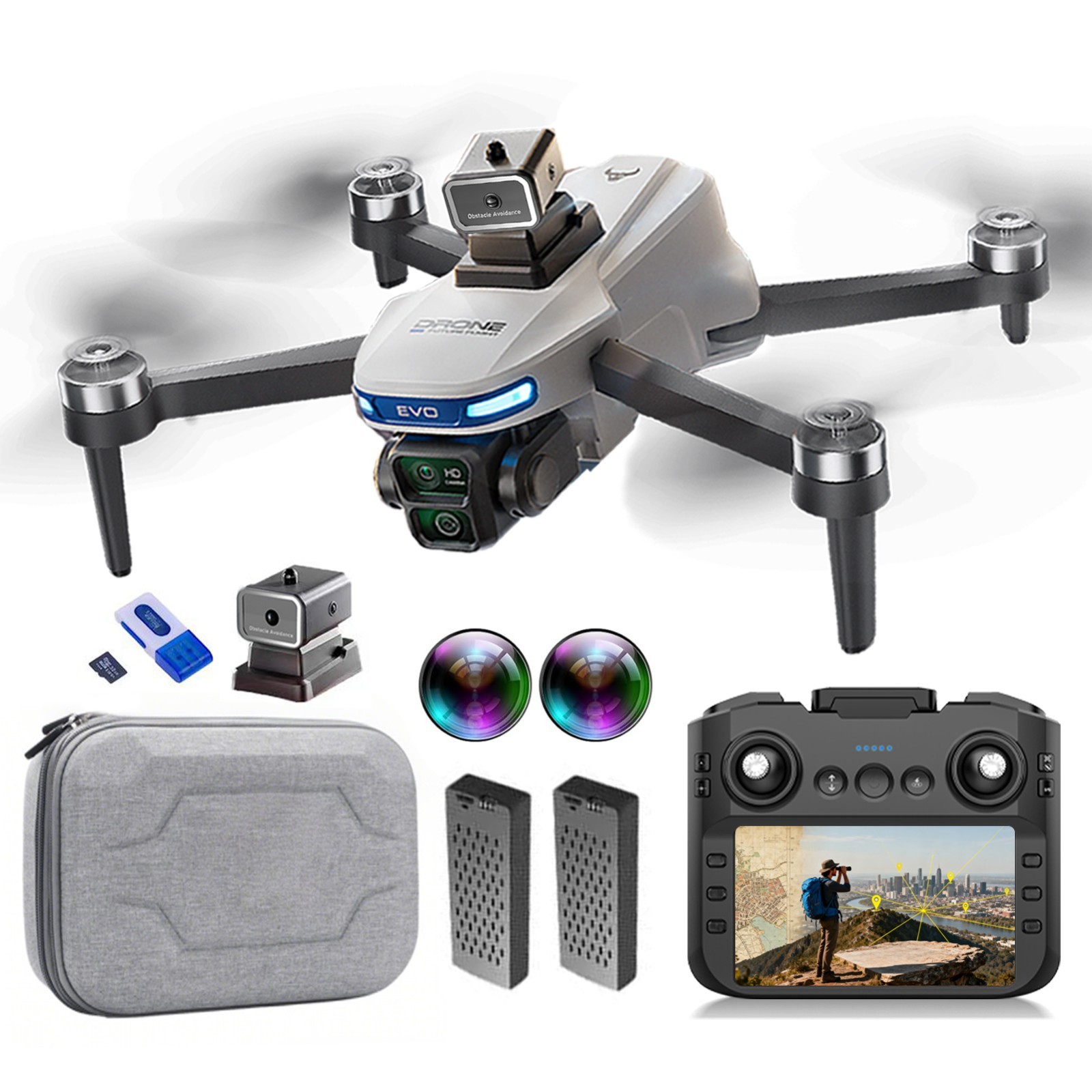 4K Cameras GPS Drone, 4.5'' RC Screen, Brushless Motor, Auto Return, 2 Batteries$67.49Last checked Nov 28, 2026View on eBay
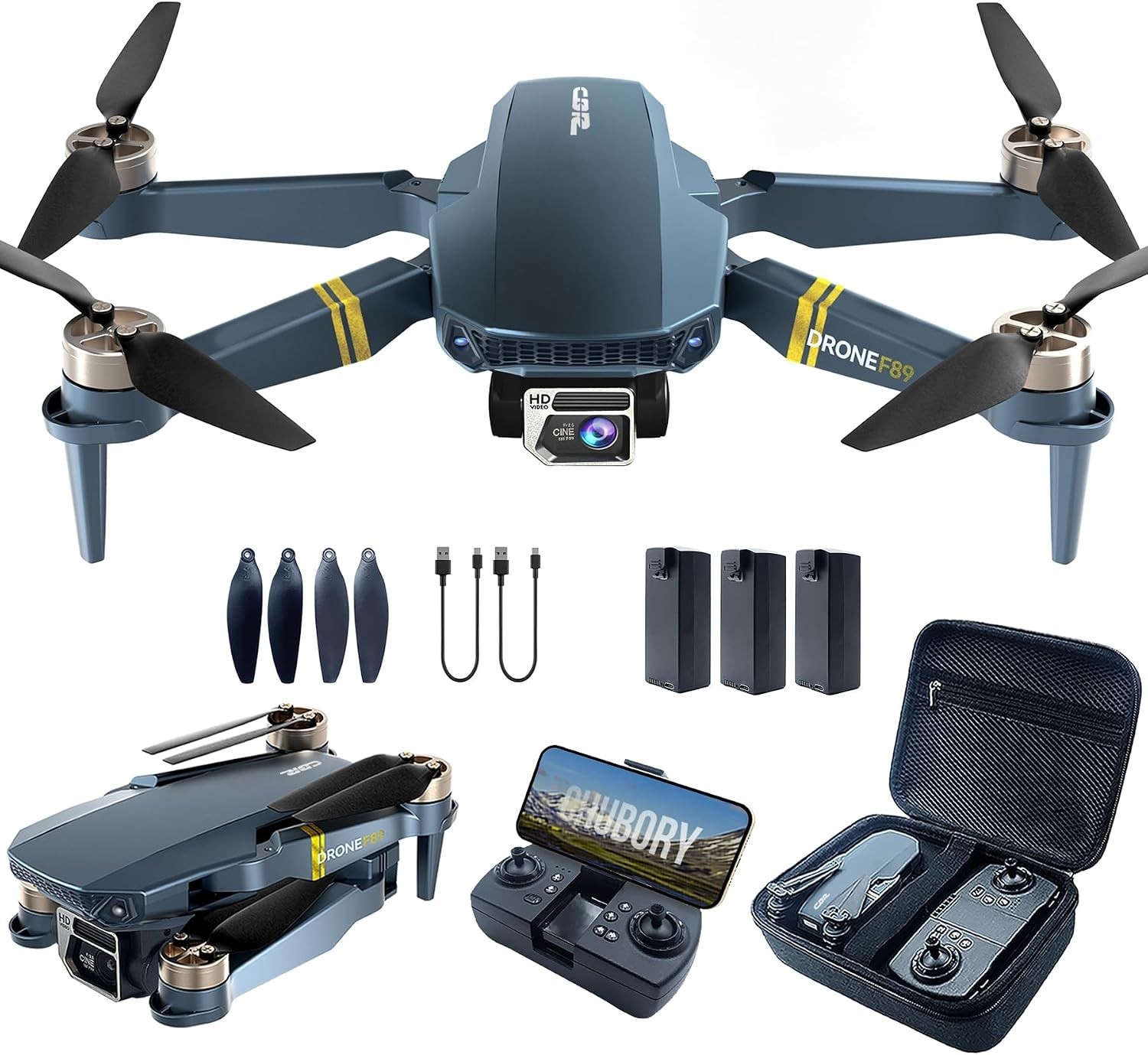 4K Drone with Camera 2650FT Range 84Min Flight 3 Batteries Brushless Motor WiFi$69.99View on eBay
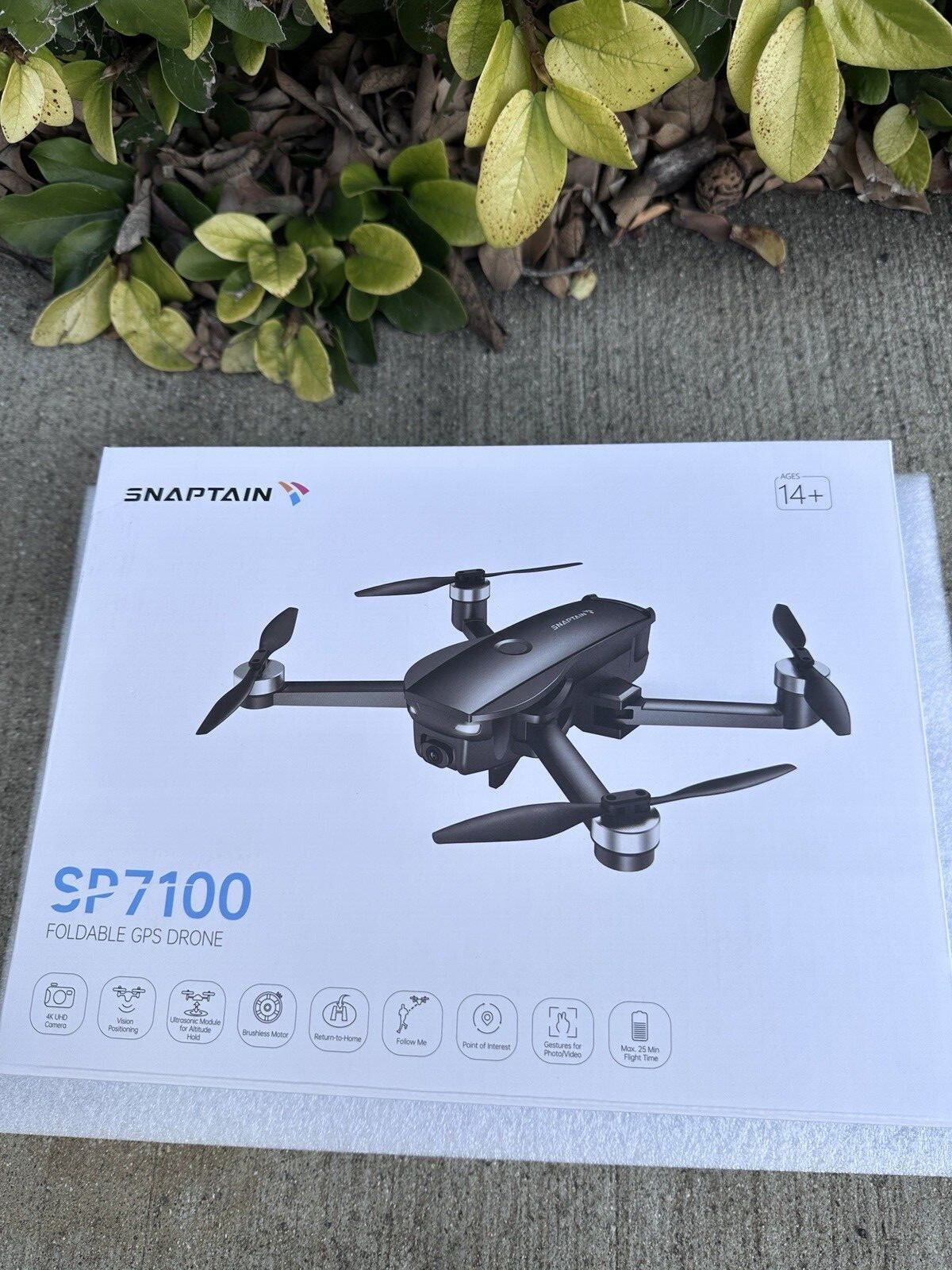 Snaptain SP7100 5G RC Drone GPS 4K HD Dual Camera FPV Quadcopter Brushless Motor$79.00View on eBay
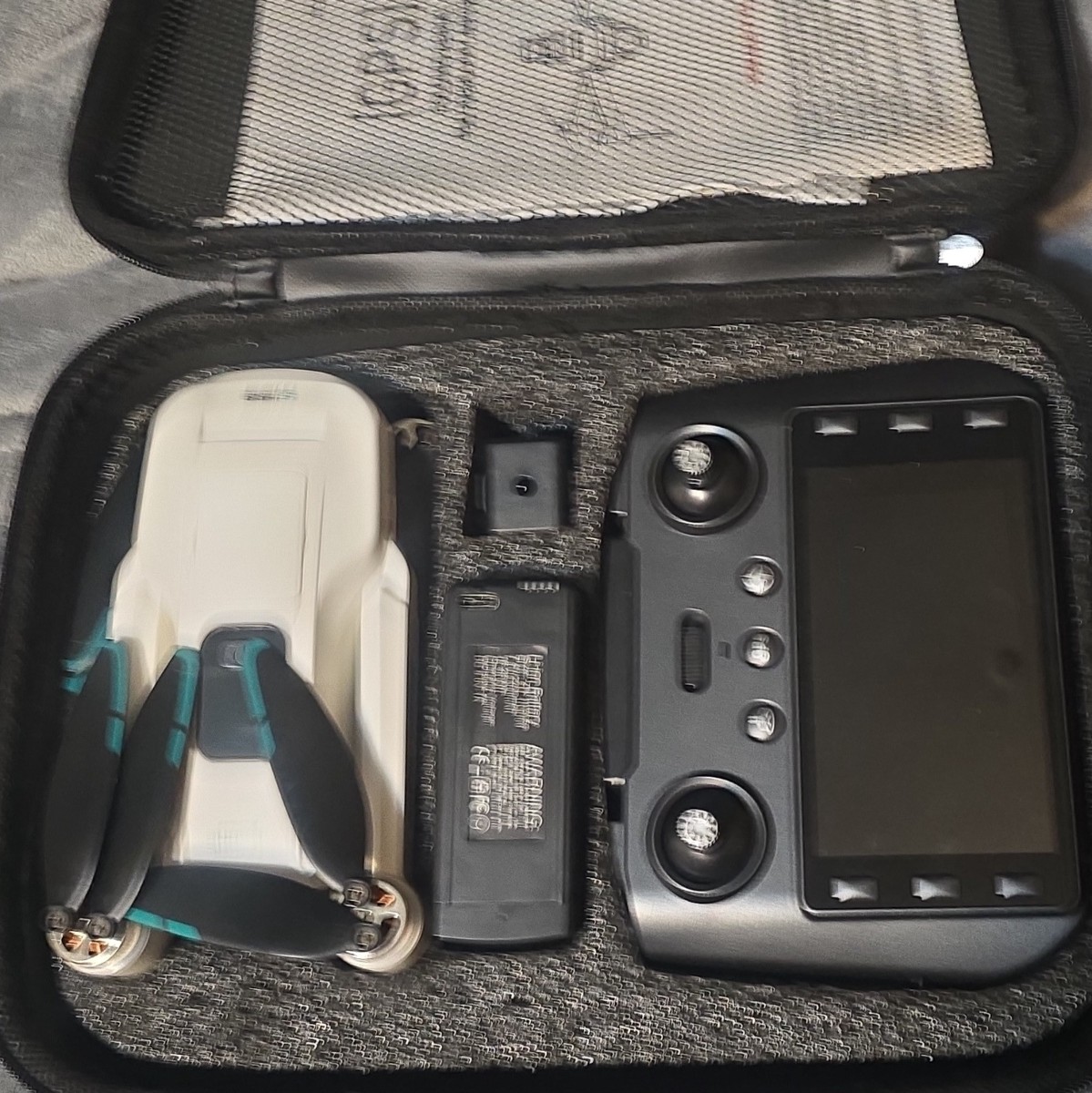 S159 GPS 4K Camera Drone w/ Controller, 2 Batterie Case$80.00View on eBay
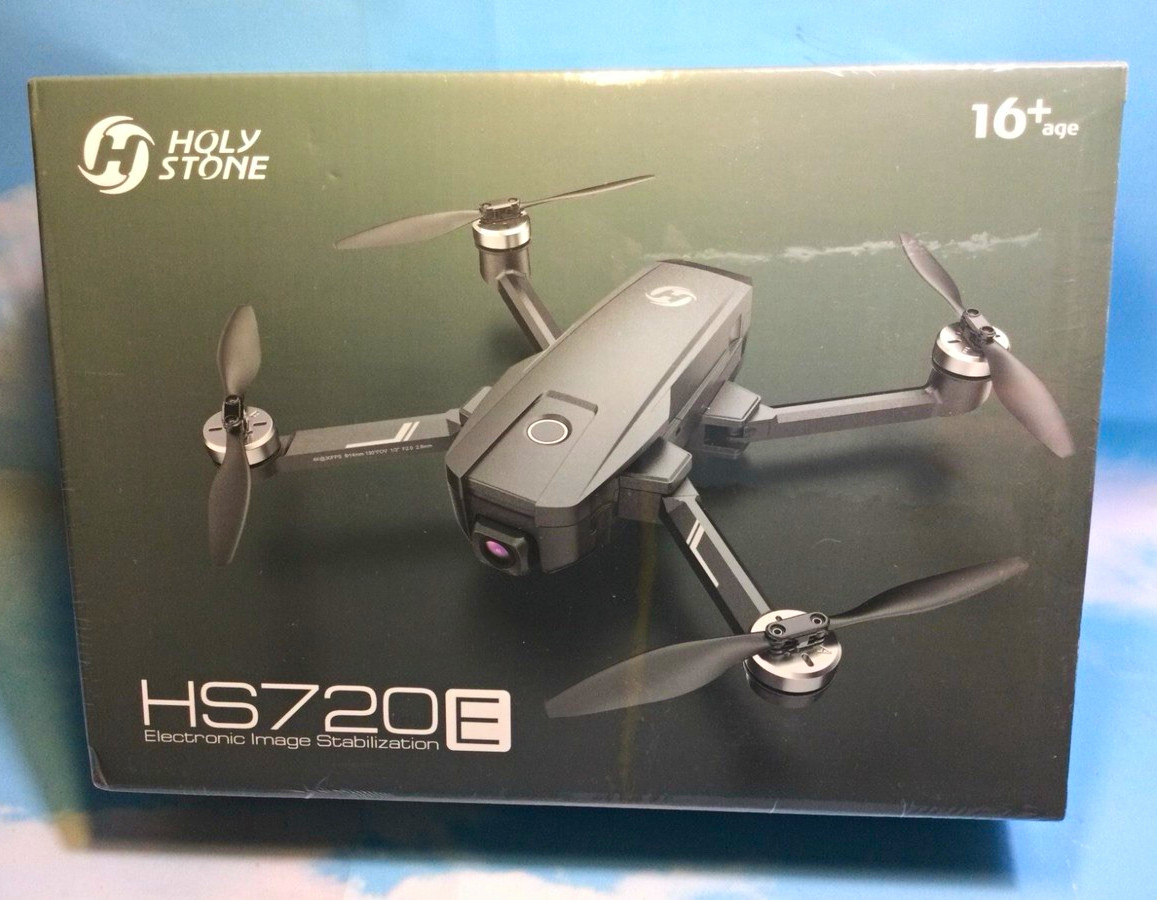 Holy Stone HS720E Foldable GPS Drone 4K EIS 130° FOV Camera 2 Batteries RTH RTF$99.00View on eBay
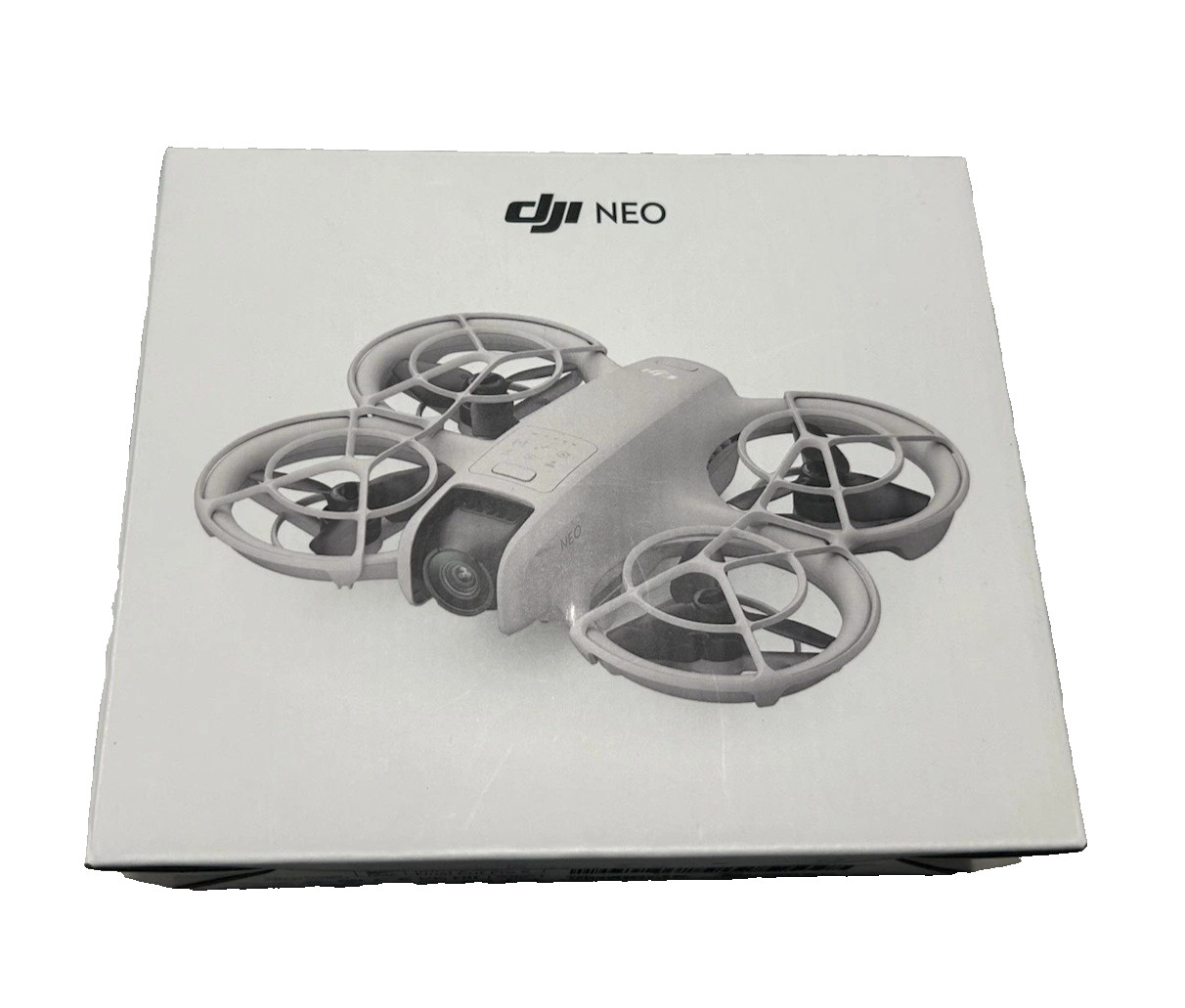 DJI Neo Mini Drone 4K UHD Camera Drone$129.98View on eBay
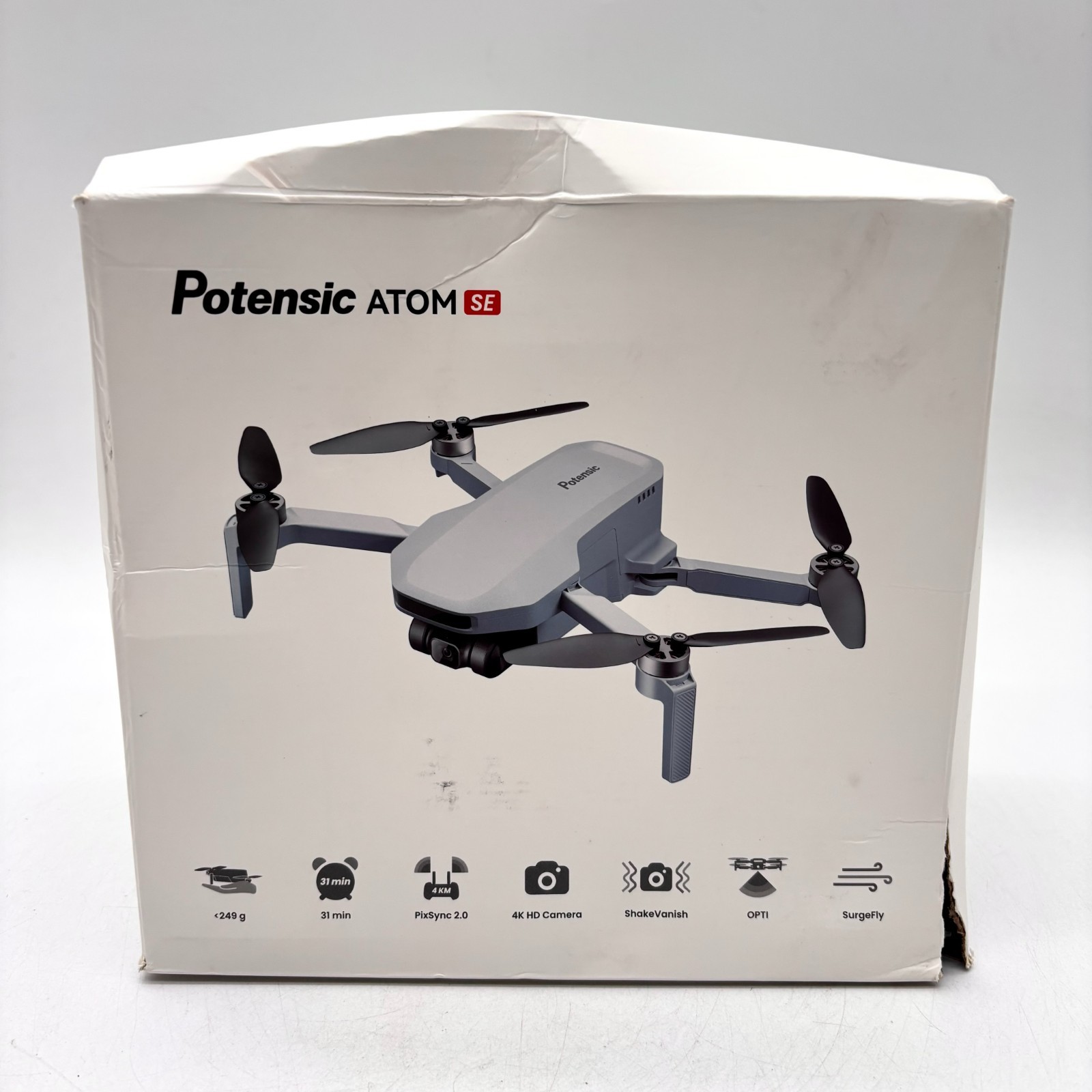 Potensic Atom SE Foldable Quadcoter Drone w/ 4K HD Camera$139.50View on eBay
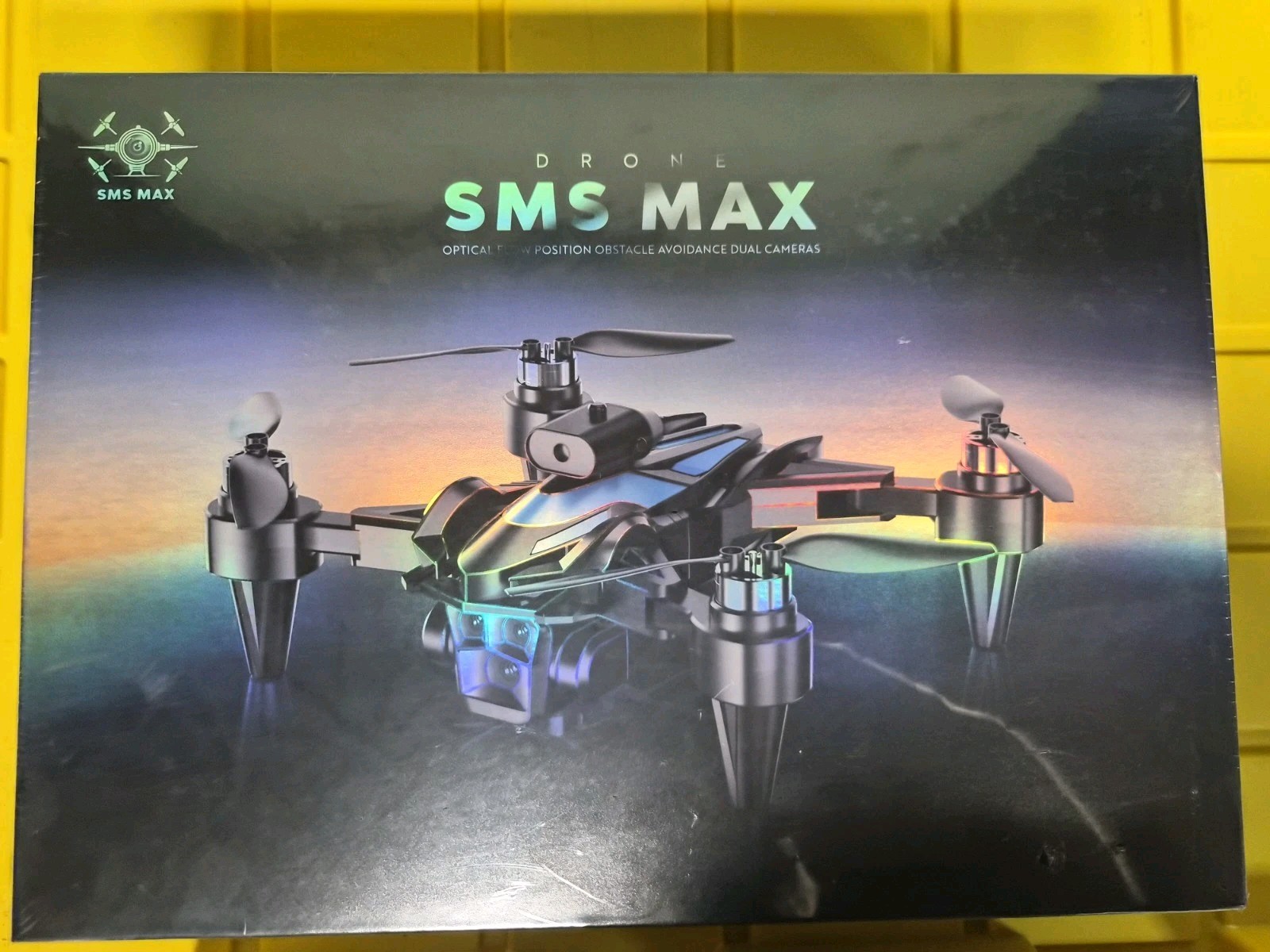 SMS Max 4K Camera Drone 5.6” Screen Obstacle Avoidance SEALED BOX $1999 MSRP New$150.00View on eBay
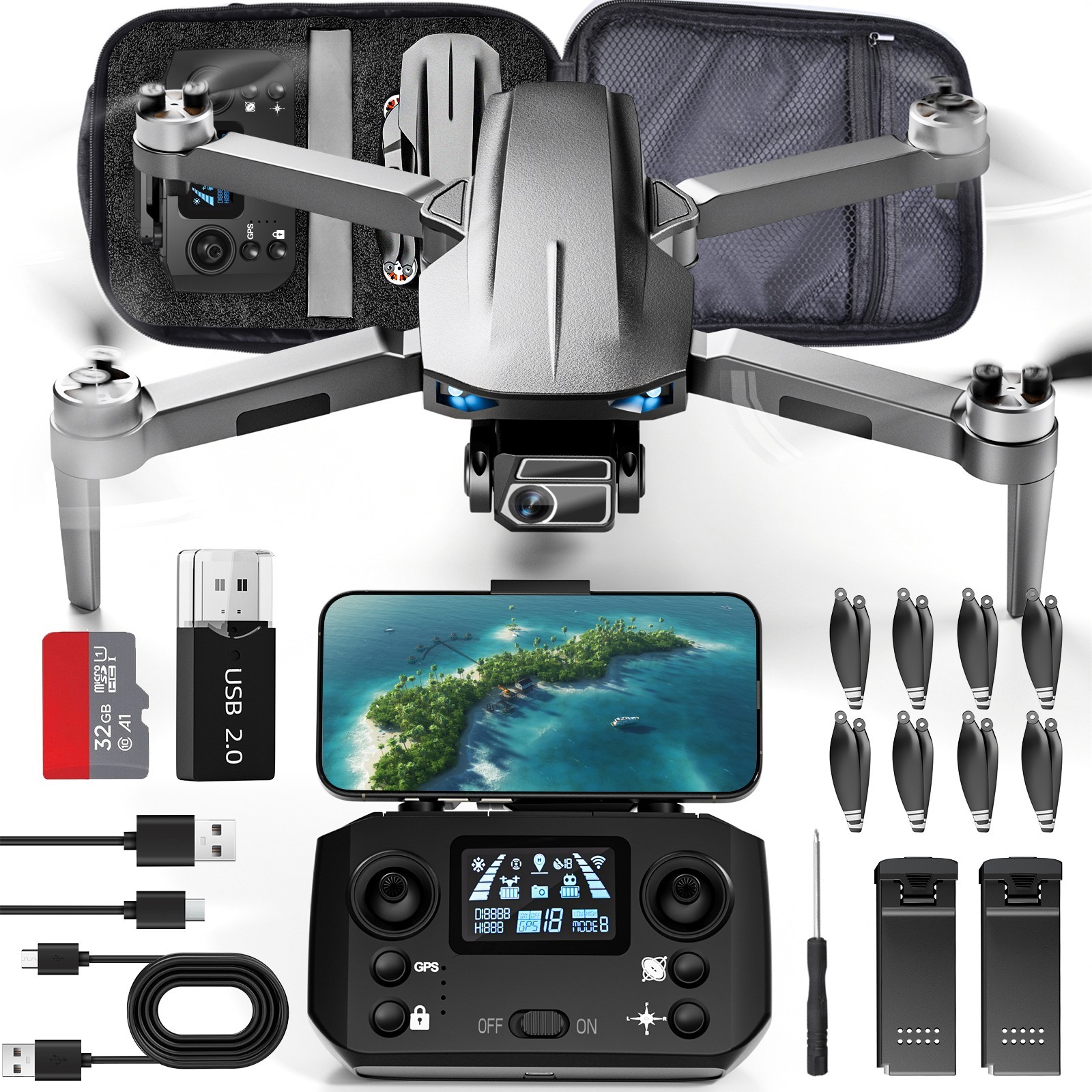 4K Drone Camera 5G WiFi GPS 2×25 Min Flight Foldable Quadcopter 32GB TF Beginner$158.08Last checked Nov 28, 2026View on eBay
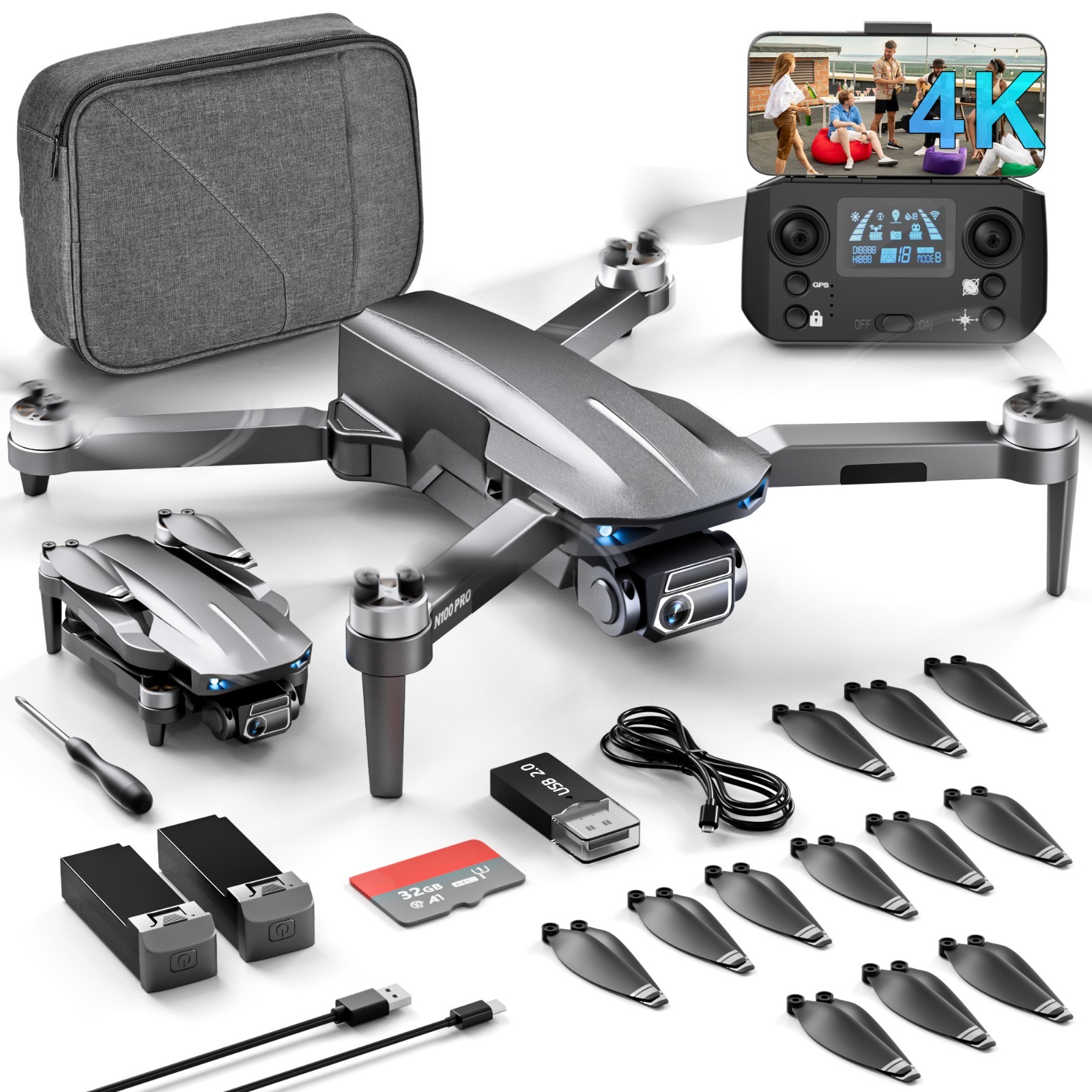 Drone with Camera 4K 5G GPS WIFI Dual Camera 3800ft FPV Transmission W/ 32GB TF$158.09Last checked Nov 28, 2026View on eBay
Highlights
- True 4K requires a native 3840x2160 sensor at 30fps minimum; interpolated '4K' from 1080p sensors produces soft footage with visible artifacts.
- Three-axis mechanical gimbals stabilize pitch/roll/yaw; EIS alone crops the frame and struggles in low light, so gimbal + EIS together is the durable standard.
- Sub-250g airframes avoid registration requirements in most jurisdictions (FAA, EASA) but often sacrifice wind resistance and flight time versus 400-600g folding models.
- Digital 5GHz transmission (OcuSync-class or equivalent) delivers 2-10km range and 720p+ live view; older 2.4GHz WiFi links cut out around 500m-1km with laggy video.
Best use cases
- Best fit for travel and casual aerial video: pick a sub-250g folding drone with 3-axis gimbal, native 4K/30fps, and GPS return-to-home to stay registration-free and packable.
- Best fit for windier coastal or mountain conditions: choose a 400-600g model with brushless motors rated for Level 5 wind (10.7 m/s) and a 5GHz link; skip ultralight airframes that drift and lose signal.
- Wrong fit: buying a toy-grade drone advertising '4K' without a gimbal for photography; it produces unusable jitter and interpolated footage—step up to a gimbal-equipped model or skip.
- Wrong fit for commercial inspection or mapping: budget drones lack interchangeable payloads, RTK positioning, and sustained wind ratings; those tasks require enterprise-tier airframes.
Buying tips
- Confirm native resolution: the spec sheet must list 3840x2160 at 30fps from a 1/2.3-inch or larger CMOS sensor, not '4K supported' or '4K via app'.
- Require a 3-axis mechanical gimbal; 2-axis or EIS-only designs roll with the airframe and degrade footage in any crosswind above 5 m/s.
- Choose a 5GHz digital video link with at least 1080p live view and a rated range of 2km+; 2.4GHz WiFi drones lose video feed beyond roughly 500m in urban RF environments.
- Match battery capacity to flight time: 2S-3S LiPo packs in the 1200-2500mAh range typically yield 20-34 minutes; expect 25-30% less in wind or cold, and buy spare batteries with the drone.
Specs
| Sensor Resolution | Native 4K 3840x2160 / 1080p interpolated |
|---|---|
| Stabilization | 3-axis gimbal + EIS vs EIS-only |
| Video Link | 5GHz digital 2-10km vs 2.4GHz WiFi 0.5km |
| Weight Class | Sub-250g exempt / 250-600g registered |
Related searches
What to check before buying
- Verify local registration threshold: sub-250g drones are exempt in the US, EU, and UK; anything 250g+ requires registration and often remote ID.
- Check the controller/phone mount compatibility: confirm your phone's width and OS version are supported, or choose a model with an included dedicated screen.
- Confirm spare parts availability—propellers, gimbal ribbon cables, and batteries—before buying; orphaned models become unflyable after a crash.
- Ensure the bundled charger matches your regional voltage/plug standard (100-240V input with regional plug) and that batteries ship via compliant ground carriers.
FAQ
Data sources: eBay / Amazon listings and product attribute feeds. Updated Nov 28, 2026.
Some links on this page are affiliate links. If you buy after clicking one, we may earn a commission at no extra cost to you. This does not change which products appear here or their order. Affiliate disclosure.