
Photos from current listings. Actual item, color, and included accessories may vary.
10 Drone With Camera Buying Guide
A 10-inch-class camera drone is a folding quadcopter whose propeller span and battery tier put it in the serious aerial-photography segment, above toy drones but below heavy-lift cinema rigs. The core trade-off is image-sensor size and gimbal stability versus flight time, folded footprint, and regulatory weight class. The decision rule: buy a model with a 1-inch or larger sensor, a 3-axis mechanical gimbal, and at least 30 minutes of real hover time; skip anything advertising digital-only stabilization or sub-20-minute endurance.
Median $69.45
Key takeaways
- Sensor tier separates classes: 1/2.3-inch CMOS gives 12-20MP stills with limited low-light range, while 1-inch sensors deliver 20MP with 2.4µm pixels for usable dusk footage.
- Mechanical 3-axis gimbals (pitch/roll/yaw) isolate vibration; electronic image stabilization alone crops the frame and cannot fix rolling-shutter jello in wind.
- Real endurance is measured at hover, not max speed: a 10-inch-class quad typically flies 28-35 minutes on a 4S 3500-5000mAh LiPo, dropping 20-30% in gusty conditions.
At a glance
- Category
- Drones & Consumer Robotics
- Last updated
- Nov 28, 2026
Current offers
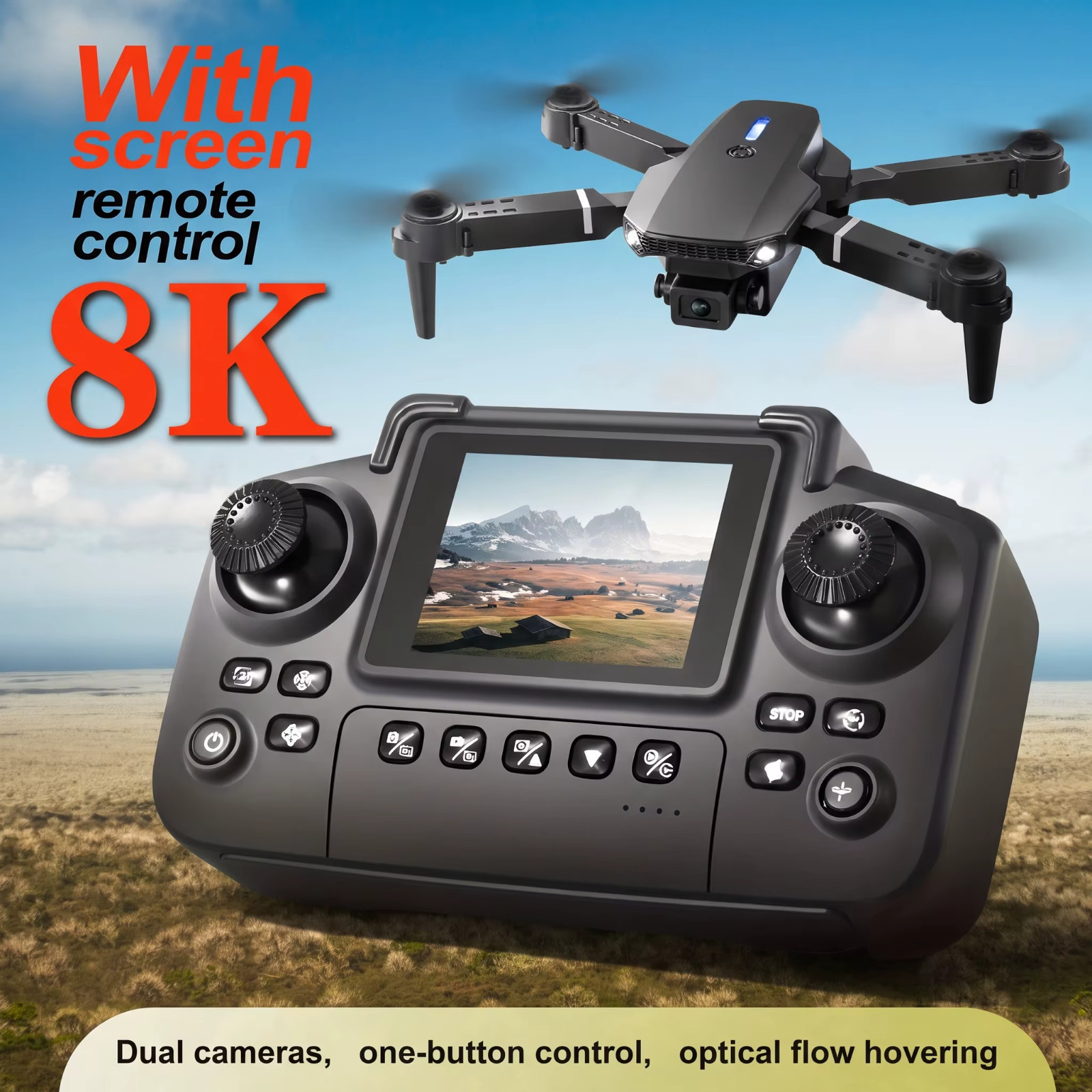 2026 4K HD Dual Camera WiFi Upgraded E88PROK screen Foldable Drone USA SHIPPED$28.99View on eBay
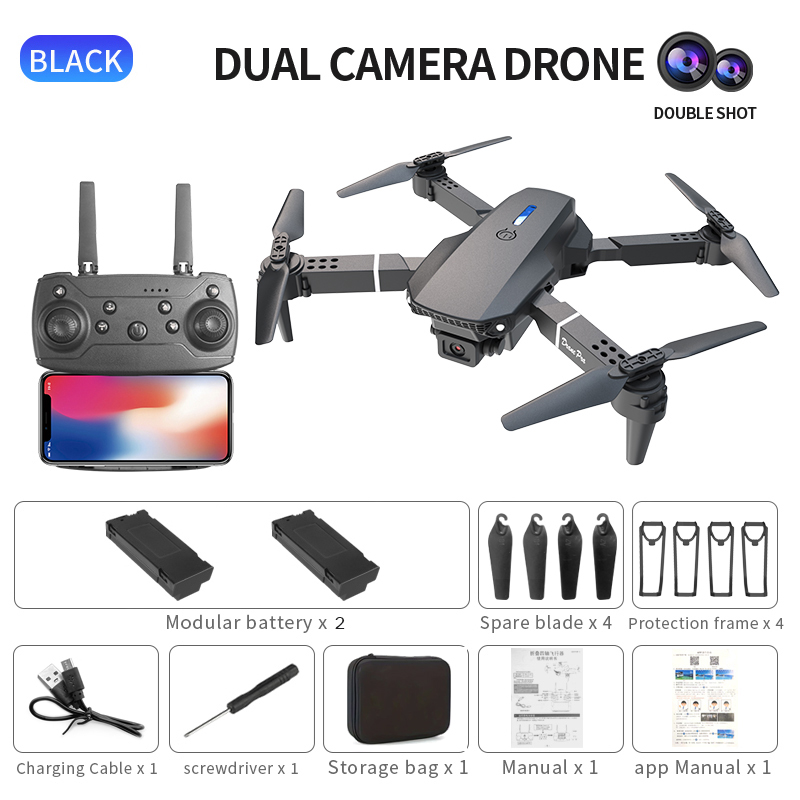 E88Pro Dual Camera Electric Drone$35.99View on Mallflare
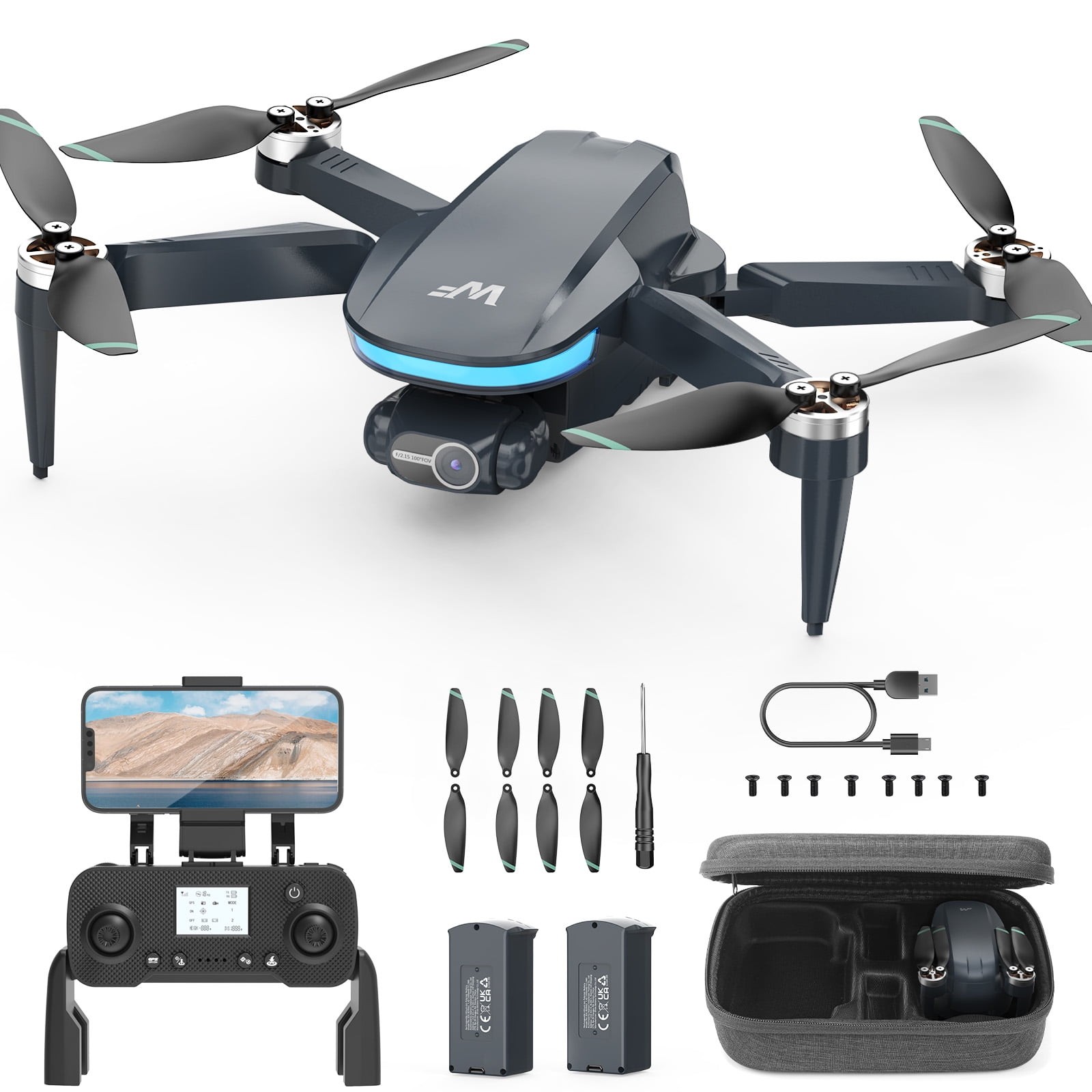 WeFone WF40 GPS Drones with Camera for Adults 4K, Foldable RC Quadcopter with$29.00View on eBay
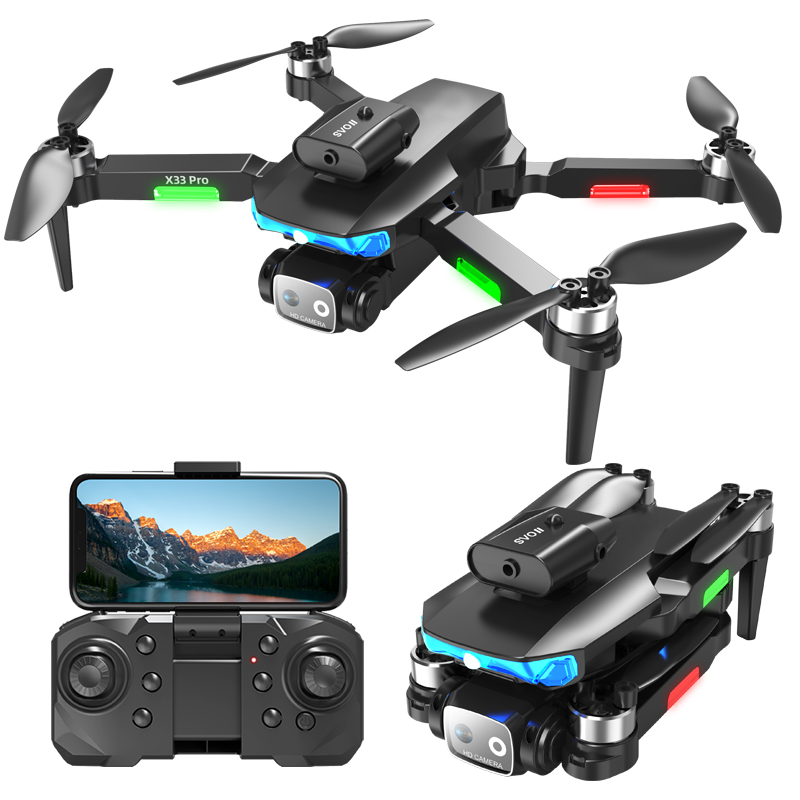 LF635 Dual Camera Electric Drone--black$36.99View on Mallflare
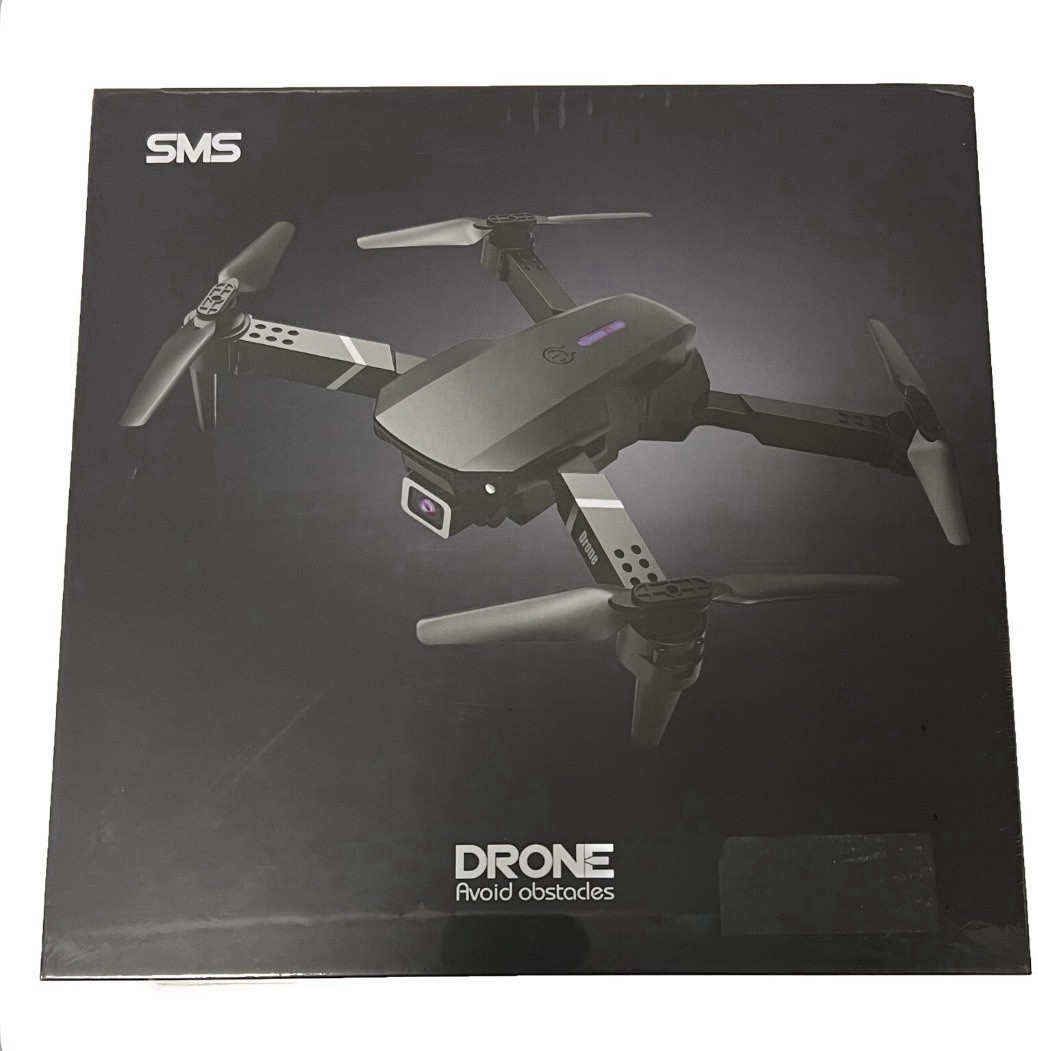 Drone 4K Camera SMS Obstacle Avoidance, New Sealed$29.99View on eBay
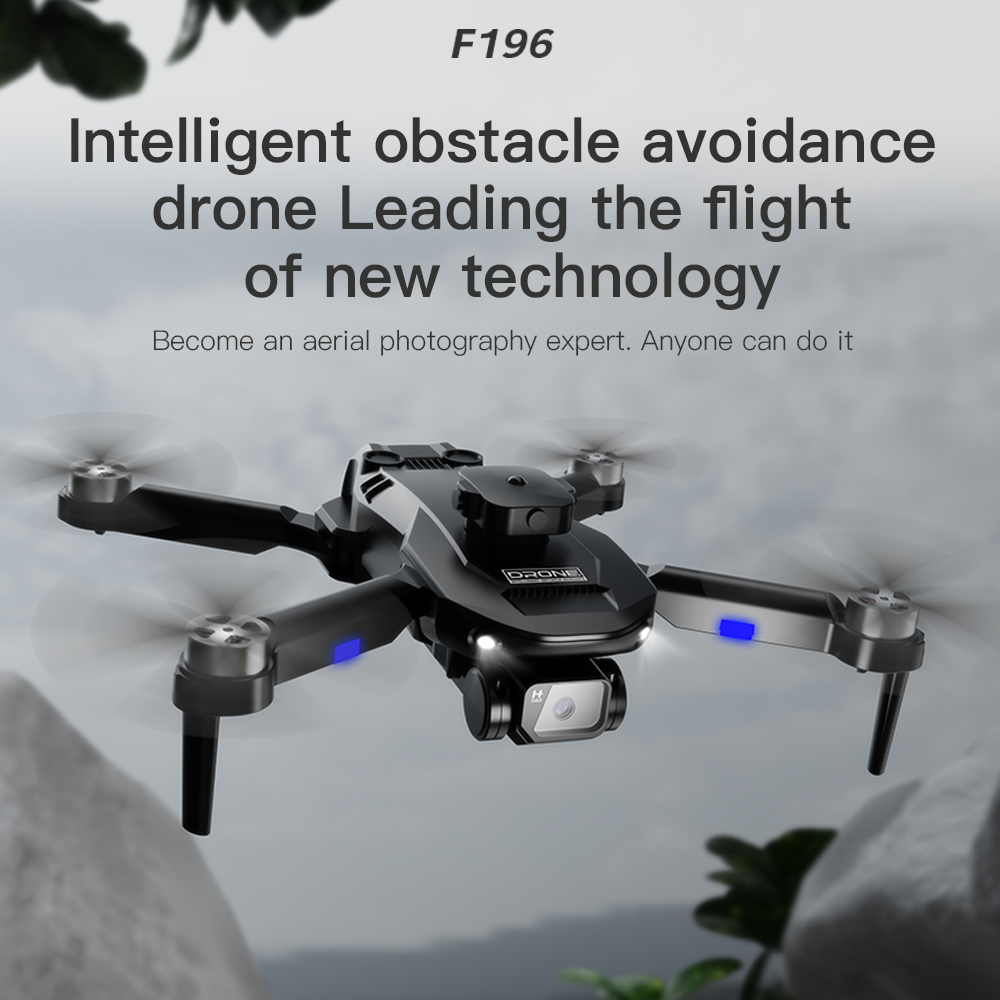 F196 Dual Camera Electric Drone$45.99View on Mallflare
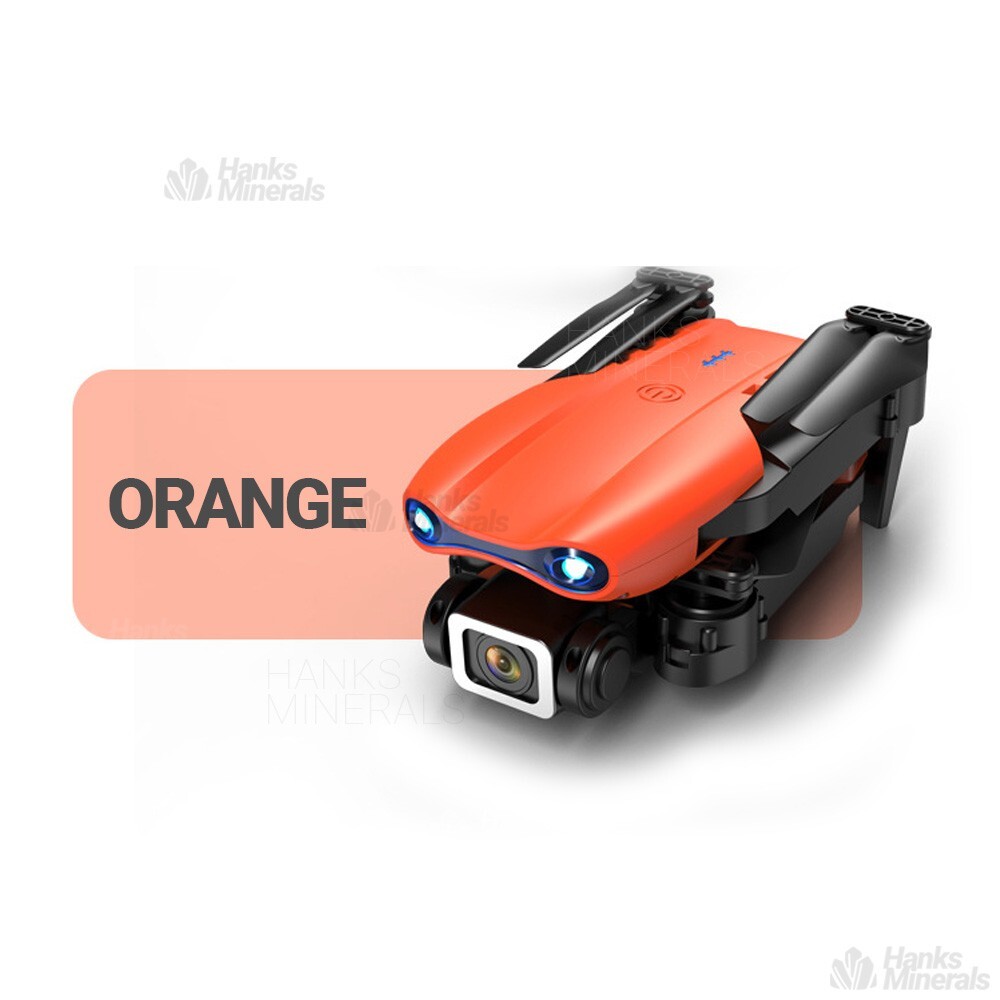 Drone X Pro Quadcopter 2026 5G 4K GPS HD Dual Camera WiFi FPV Foldable RC$34.98Last checked Nov 28, 2026View on eBay
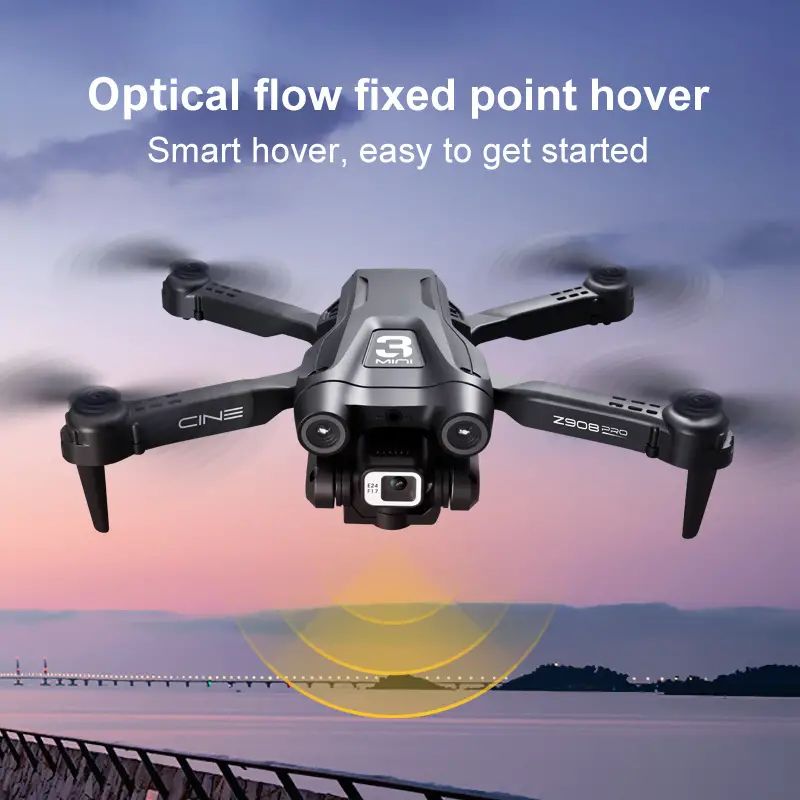 Z908 Dual Camera Electric Drone--black$47.99View on Mallflare
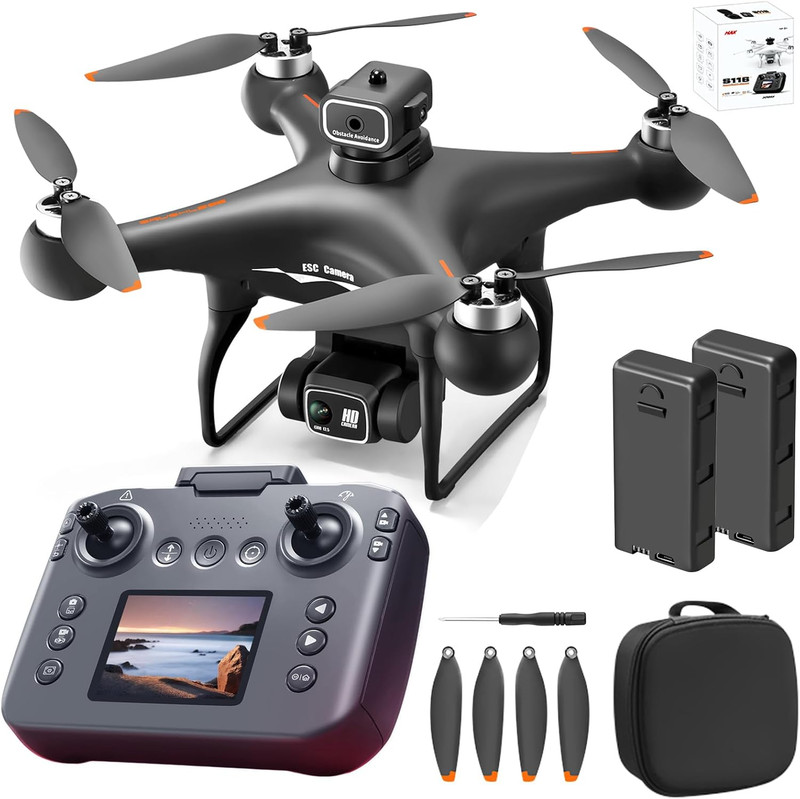 6K HD Camera Drone with FPV, 5G WiFi, Obstacle Avoidance, Dual Batteries Set$47.48View on eBay
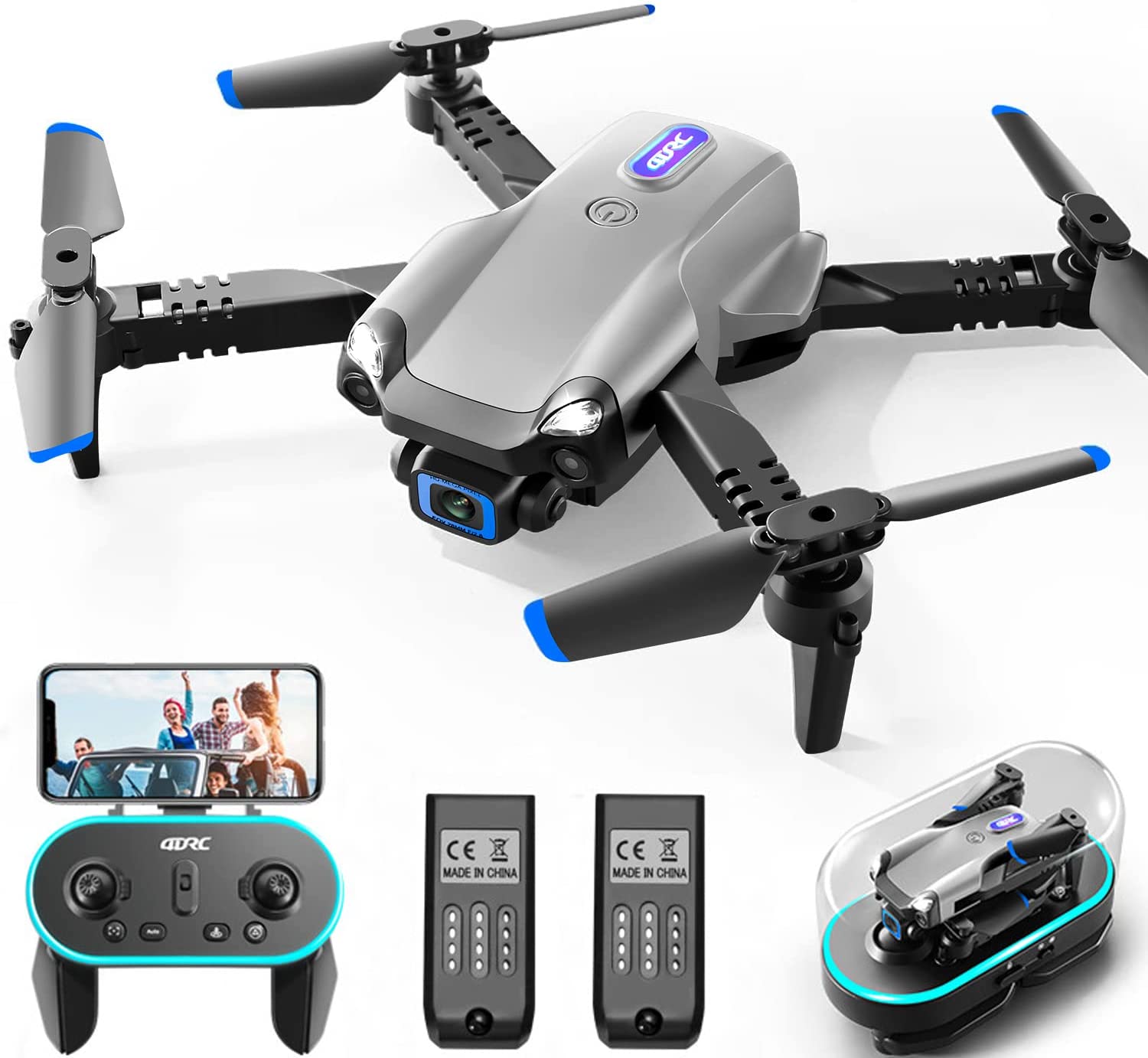 2026 V20 RC Drone With 4K HD Dual Camera WiFi FPV 3D Flips Rc Quadcopter US ,Logistic is randomly sent by UPS/USPS/GOFO/UNI/FEDEX$48.99View on Mallflare
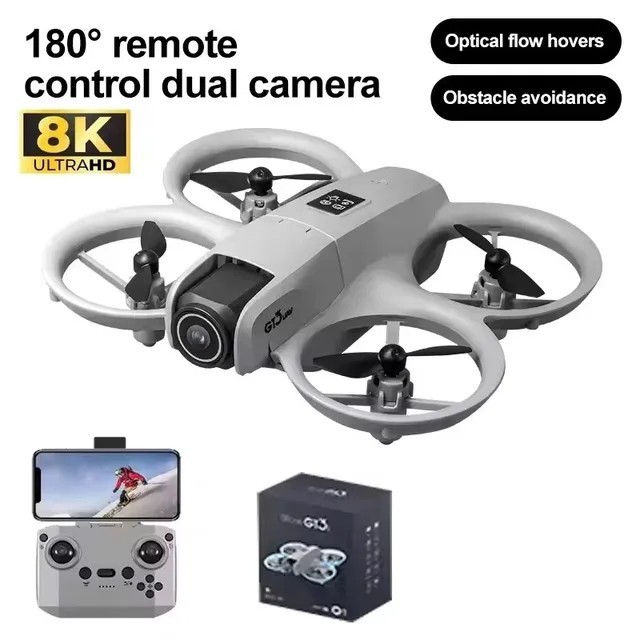 8K GPS drone equipped with a large-screen remote control, 5G FPV HD Dual Camera$49.99View on eBay
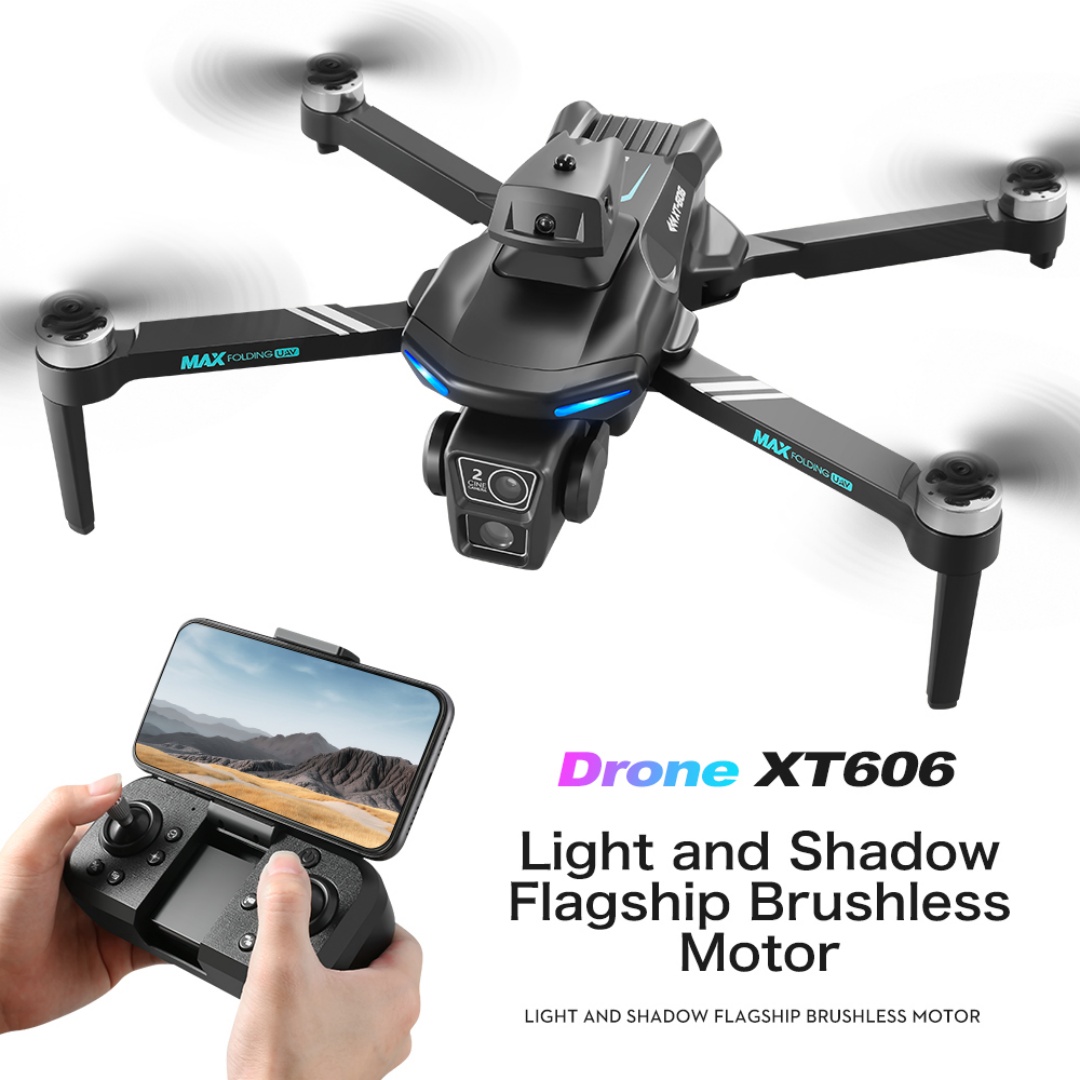 XT606 Dual Camera Electric Drone$49.99View on Mallflare
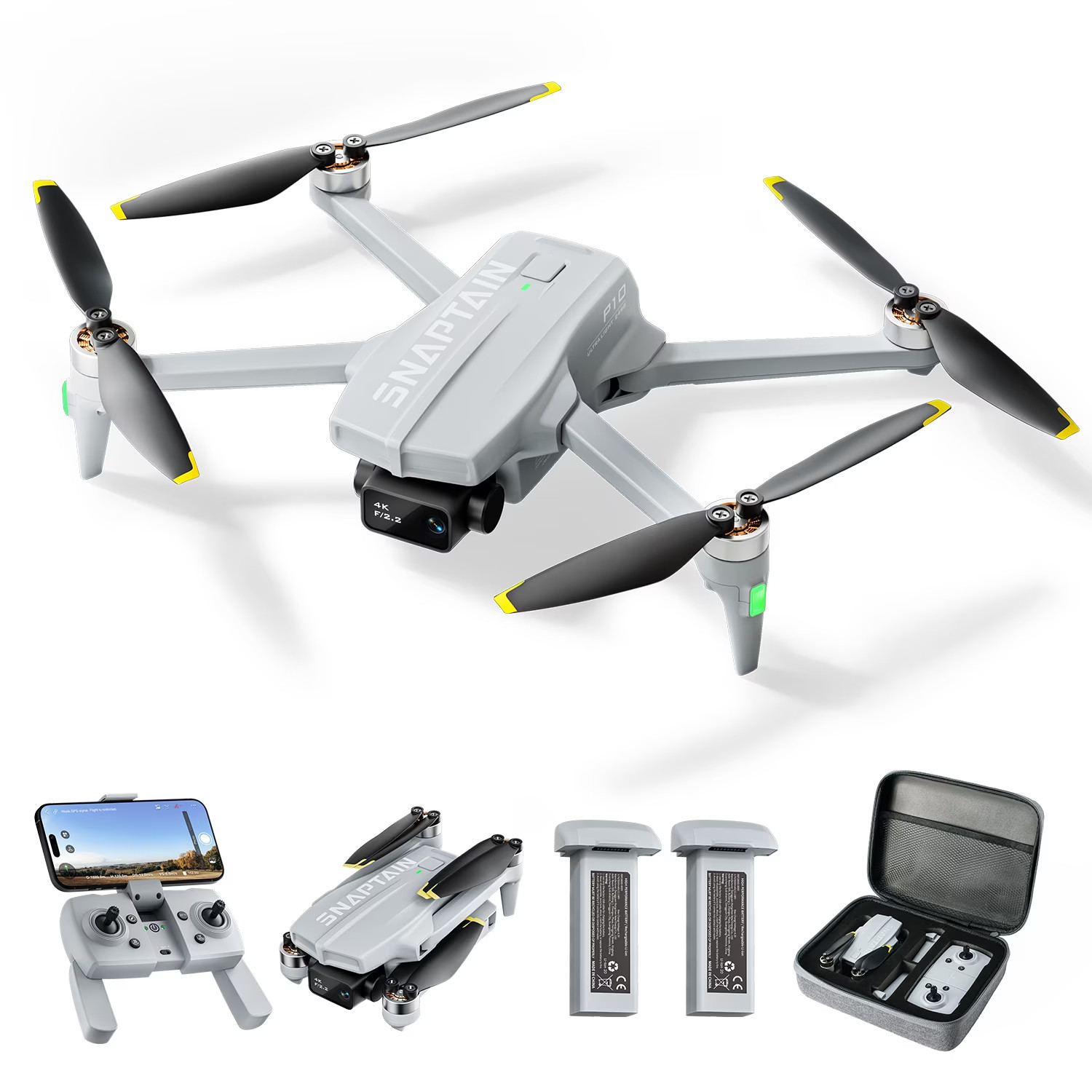 Snaptain P10 GPS Drone with Camera for Adults 4K Video$54.00View on eBay
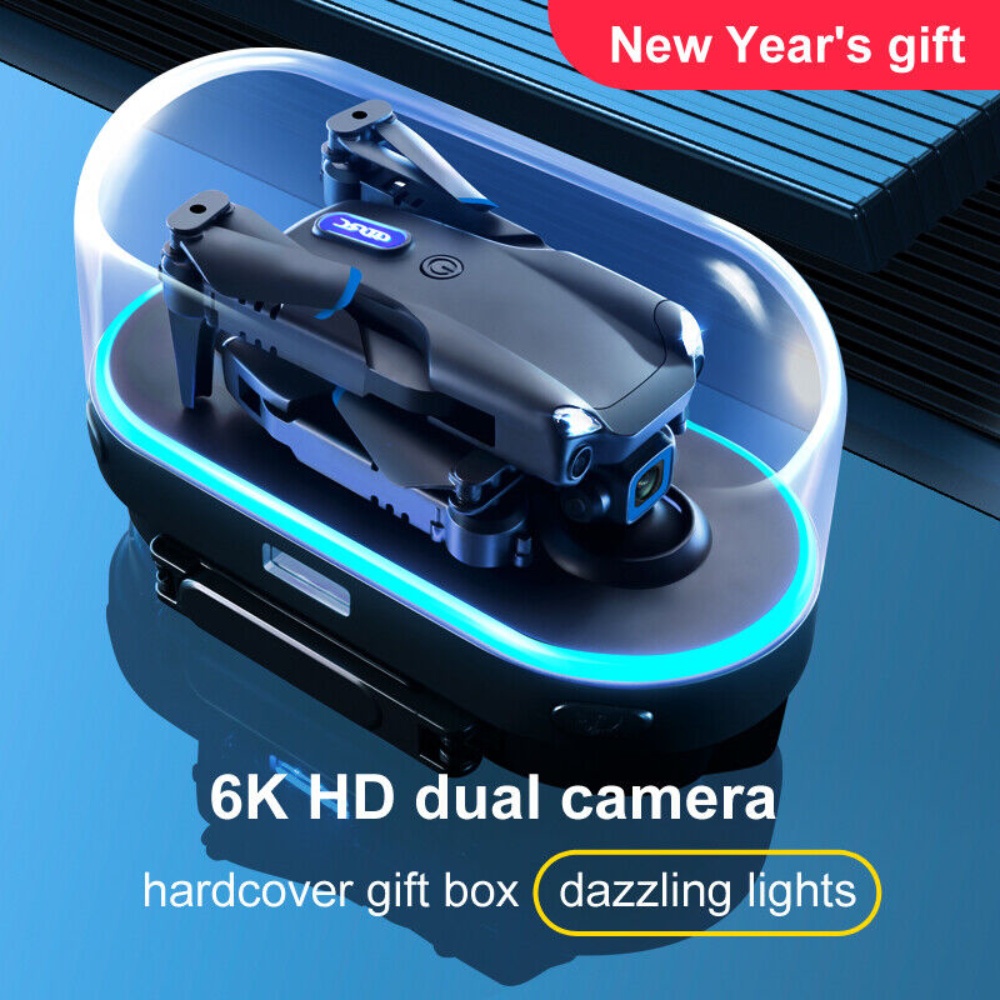 2026 2 Battery V20 RC Drone 6K HD Dual Camera WiFi FPV Foldable Quadcopter ,Logistic is randomly sent by UPS/USPS/GOFO/UNI/FEDEX$50.99View on Mallflare
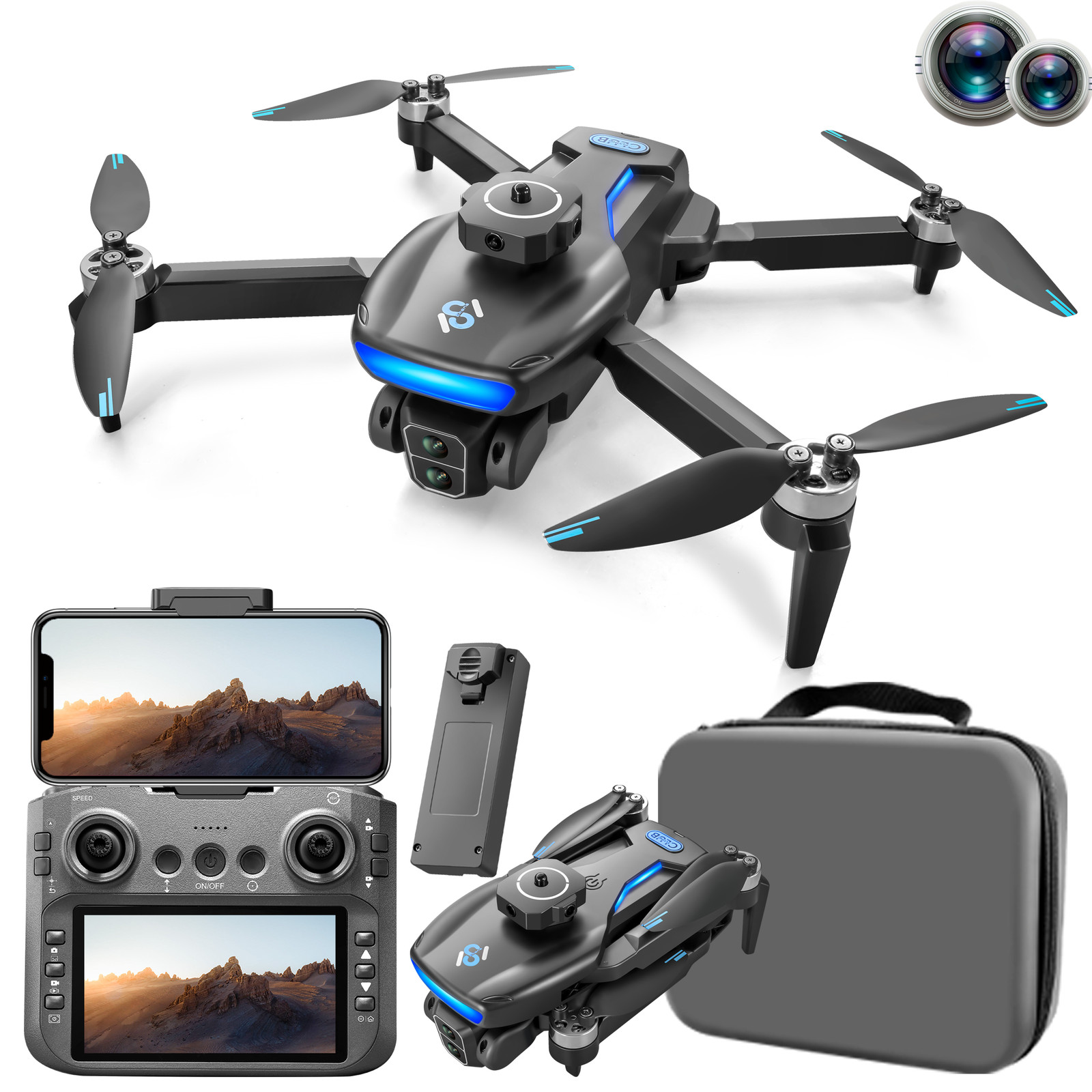 8K GPS FPV Drone with Screen Remote, Dual Camera Foldable Quadcopter + Battery$54.90View on eBay
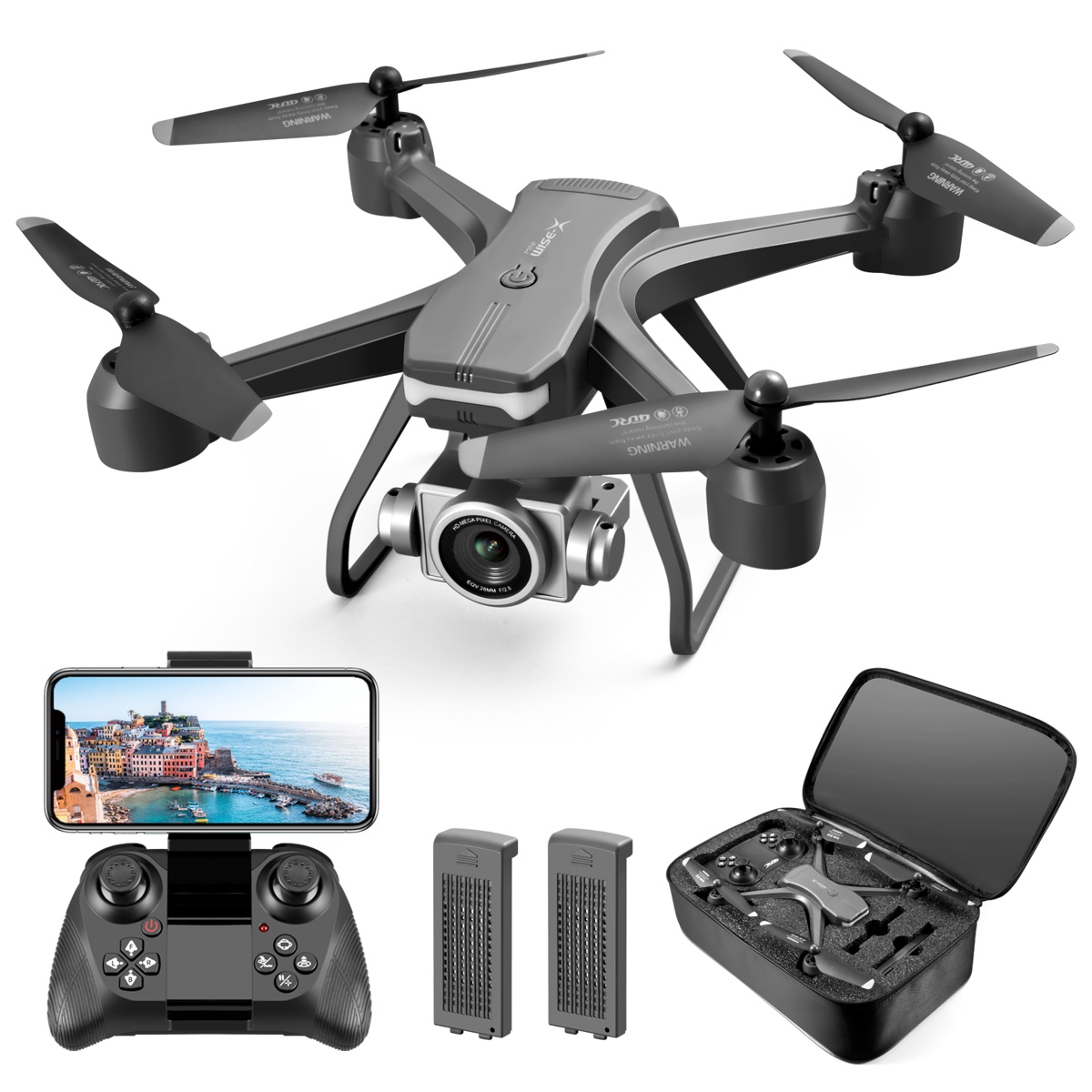 2026 V14 RC Drone With 4K HD Dual Camera WiFi FPV 3D Flips Rc Quadcopter$62.99View on Mallflare
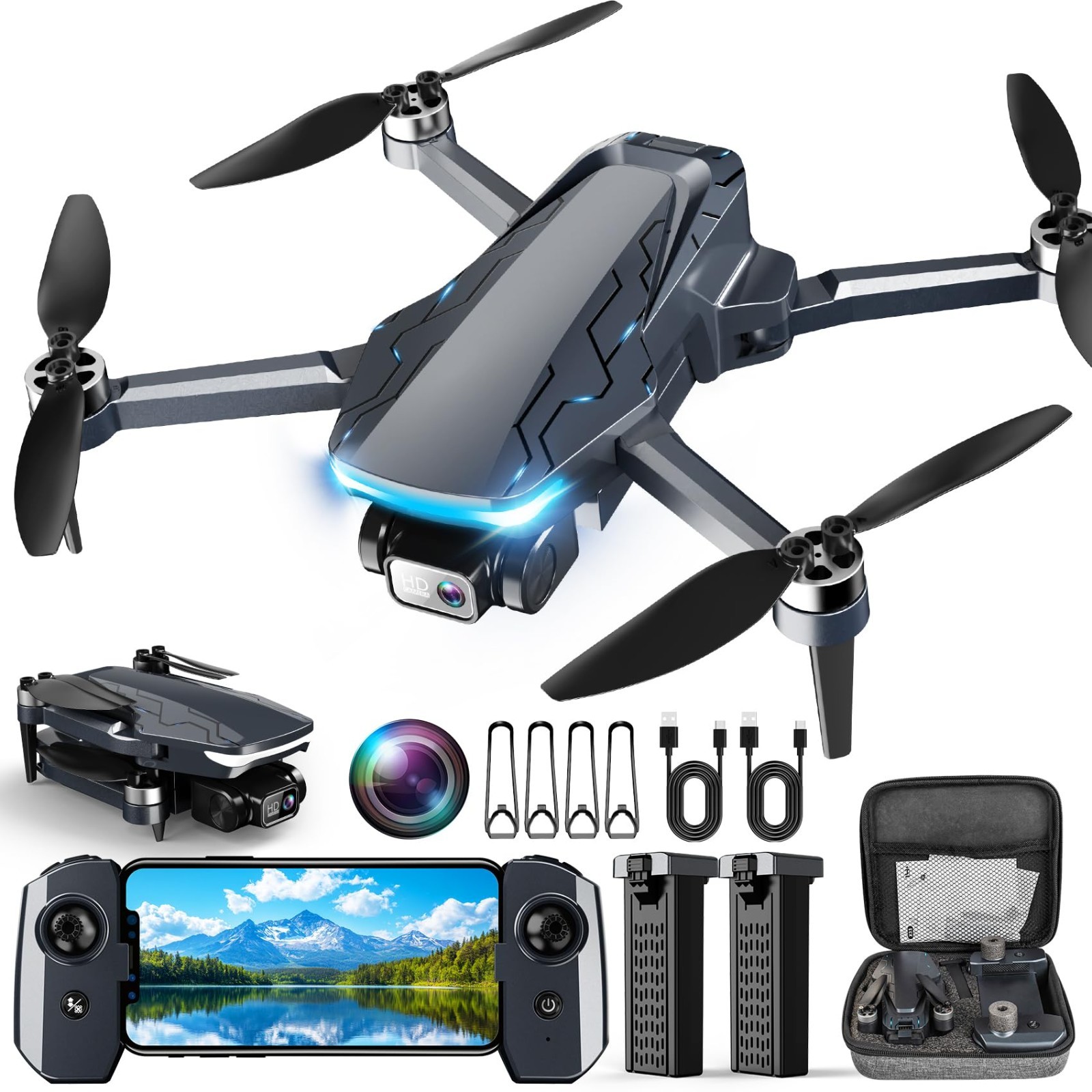 2K HD GPS Drone with Camera, Foldable FPV, Auto Return, Follow Me, 5G, 2 Batteri$57.59View on eBay
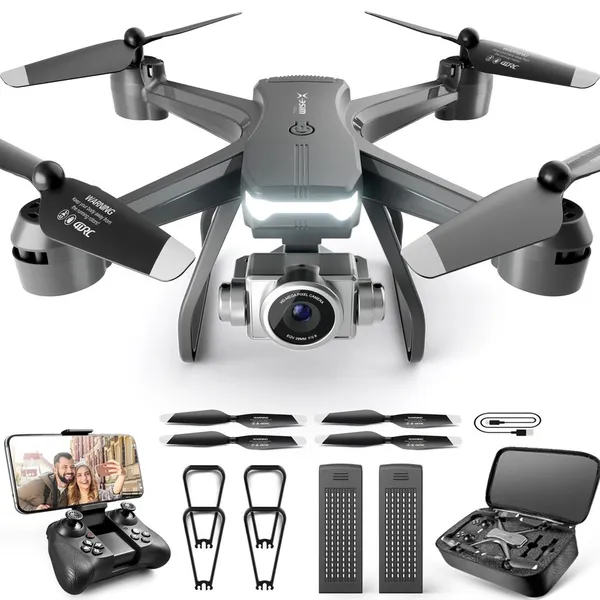 4DRC V14 RC Drone WIFI FPV 4K HD Wide Angle Dual Camera Quadcopter Portable With Bag ,2 Batteries For Beginner,Headless Mode,Gesture Photo$63.99View on Mallflare
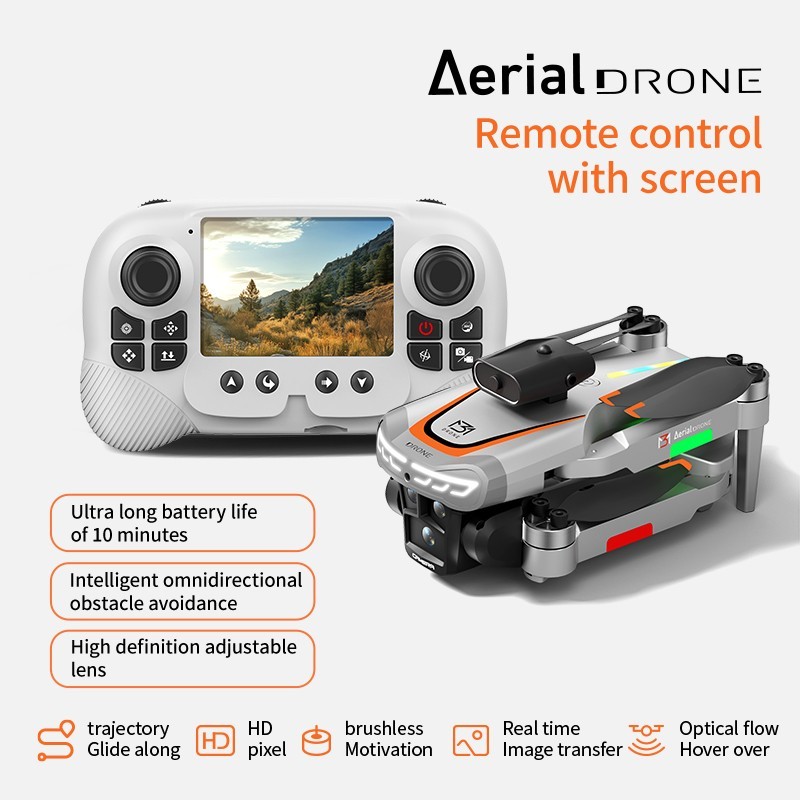 8K Dual Camera Brushless FPV Drone with 4.3" Screen Remote Foldable Quadcopter$59.99View on eBay
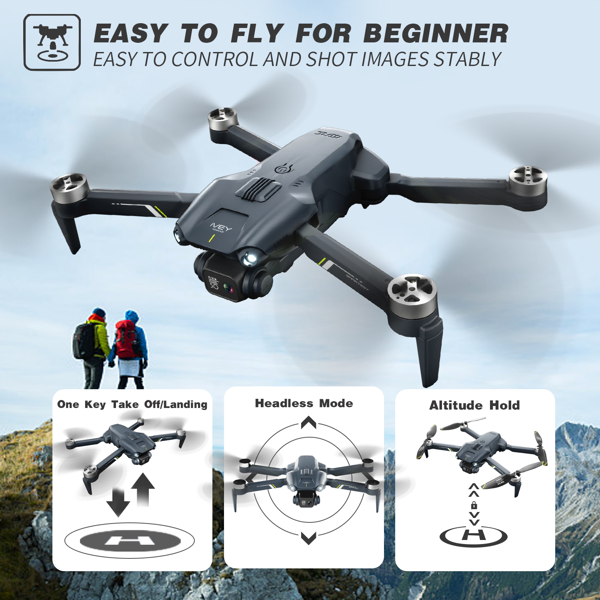 NEW V28 RC Drone With 4K HD Dual Camera WiFi FPV 3D Flips Rc Quadcopter US$64.99View on Mallflare
Highlights
- Sensor tier separates classes: 1/2.3-inch CMOS gives 12-20MP stills with limited low-light range, while 1-inch sensors deliver 20MP with 2.4µm pixels for usable dusk footage.
- Mechanical 3-axis gimbals (pitch/roll/yaw) isolate vibration; electronic image stabilization alone crops the frame and cannot fix rolling-shutter jello in wind.
- Real endurance is measured at hover, not max speed: a 10-inch-class quad typically flies 28-35 minutes on a 4S 3500-5000mAh LiPo, dropping 20-30% in gusty conditions.
- Transmission latency and range define usability: OcuSync-class links hold 1080p at 10-15km line-of-sight, while Wi-Fi FPV systems cut out around 500m-2km with visible lag.
Best use cases
- Best fit: aerial photo and video hobbyists who need 1-inch-sensor stills and 4K/60 footage — pick a 3-axis gimbal model with 30+ minute hover time and folding arms.
- Best fit: travel and hike shooters — prioritize sub-600g folded weight and a controller that charges from USB-C; skip models requiring a separate hard case.
- Wrong fit: indoor or backyard flyers — 10-inch props and GPS return-to-home are overkill and unsafe near people; choose a sub-250g Mini-class drone instead.
- Wrong fit: buyers expecting raw cinematic low-light — 1/2.3-inch sensors show heavy noise above ISO 800; step up to a 1-inch or Micro Four Thirds platform.
Buying tips
- Match battery to flight plan: a 4S 4000mAh pack yields roughly 30 minutes hover; carry two spares because cold weather cuts LiPo capacity 20-30%.
- Confirm the gimbal is mechanical, not electronic: spec sheets list '3-axis stabilized' for real gimbals; 'EIS' or 'digital stabilization' means software crop only.
- Check regulatory weight: drones at 250g-900g fall under many registration and remote-ID rules; a 10-inch quad almost always needs registration and line-of-sight operation.
- Verify controller and app generation: newer transmission systems (OcuSync 3/4) are not backward-compatible with older controllers; buy the bundled combo, not body-only.
Specs
| Sensor Class | 1/2.3-inch to 1-inch CMOS |
|---|---|
| Gimbal Type | 3-axis mechanical vs EIS |
| Flight Time | 28-35 min hover (4S LiPo) |
| Weight Class | 600-900g (registration required) |
Related searches
What to check before buying
- Measure your storage and transport: folded 10-inch drones run 20-25cm long; confirm it fits your backpack or case before choosing a bundle.
- Check your phone or tablet mount: most controllers require a 6-7 inch display for the app; confirm the clamp width and cable type (USB-C vs Lightning).
- Confirm local airspace and registration rules: 10-inch-class drones exceed 250g and generally require remote ID and registration in most regions.
- Plan charging: batteries charge via balance charger or USB-C hub; verify you have a suitable charger and a power bank for field top-ups.
FAQ
Data sources: eBay / Amazon listings and product attribute feeds. Updated Nov 28, 2026.
Some links on this page are affiliate links. If you buy after clicking one, we may earn a commission at no extra cost to you. This does not change which products appear here or their order. Affiliate disclosure.