
Photos from current listings. Actual item, color, and included accessories may vary.
Retro Game Emulator Handheld Buying Guide
Retro emulator handhelds range from budget arcade boxes to Linux or Android devices that emulate systems up to PlayStation and Dreamcast; the right choice comes down to which consoles you actually play and how much setup you tolerate. Most buying mistakes trace to screen quality, button feel, and overestimating the chip performance tier needed for 8/16-bit versus 32-bit-plus systems.
Median $85.00
Key takeaways
- IPS panels deliver wide viewing angles and accurate color over basic TN screens, which wash out when tilted—critical on a handheld you hold at an angle.
- Chip tier dictates ceiling: low-cost ARM SoCs top out at 16-bit and PS1; mid-tier chips add N64 and Dreamcast; flagship Android chips reach GameCube and PSP.
- Linux-based firmware (e.g., ArkOS, JELOS) offers fast boot and community support, while Android unlocks touch apps and streaming but adds boot and setup overhead.
At a glance
- Category
- Console & Handheld Hardware
- Last updated
- Nov 28, 2026
Current offers
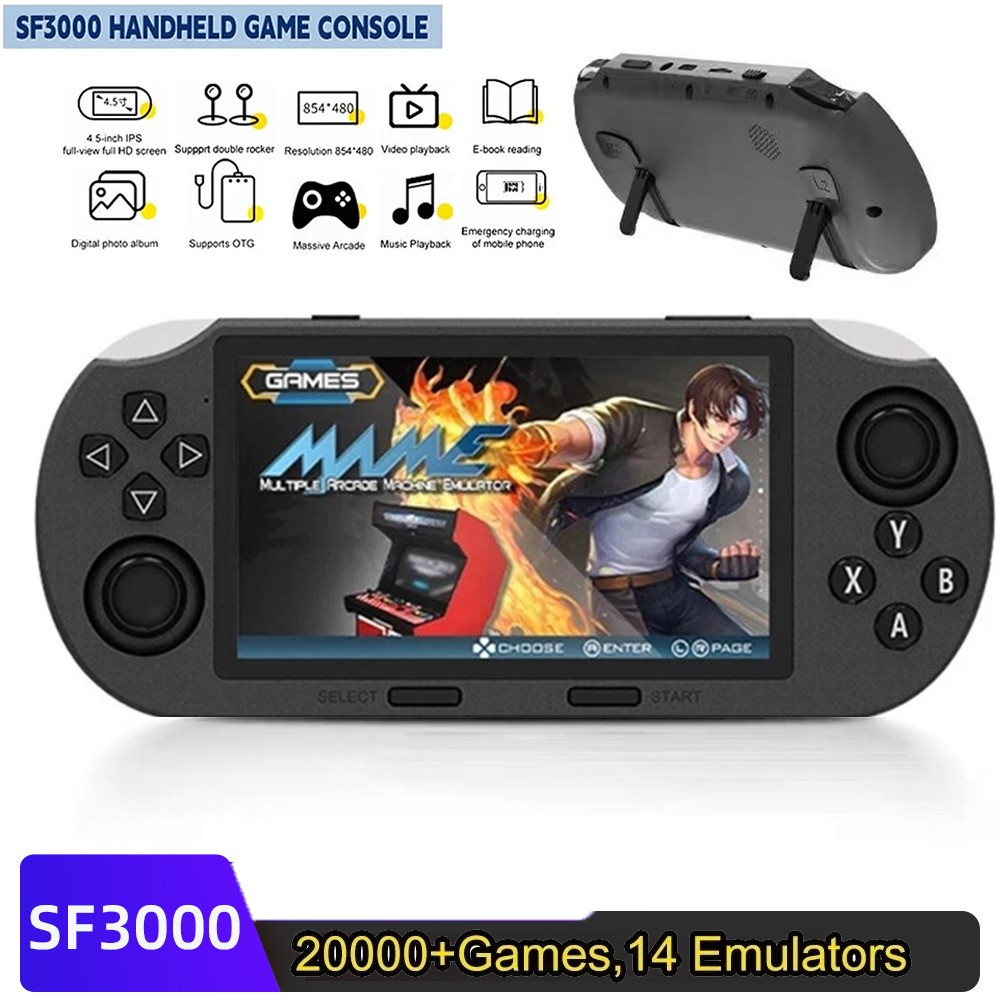 New SF3000 Retro Game Handheld Console Player Emulator 4.5 Inch With 20000 Games$37.99View on eBay
- SF3000 Retro Game Handheld Console IPS Player Emulator 4.5 Inch With 20000 Games$37.99View on eBay
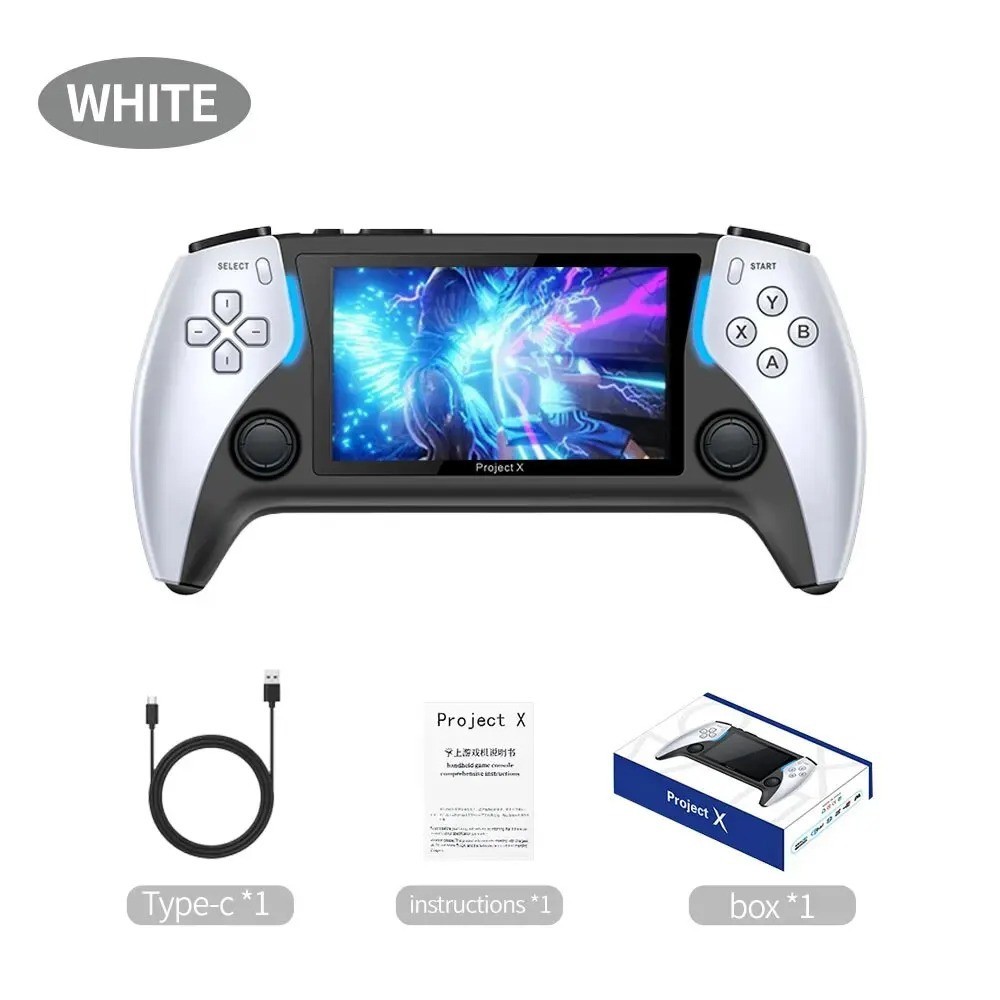 Handheld Retro Gaming Console IPS Screen Portable Arcade Game Emulator Systems$85.00View on eBay
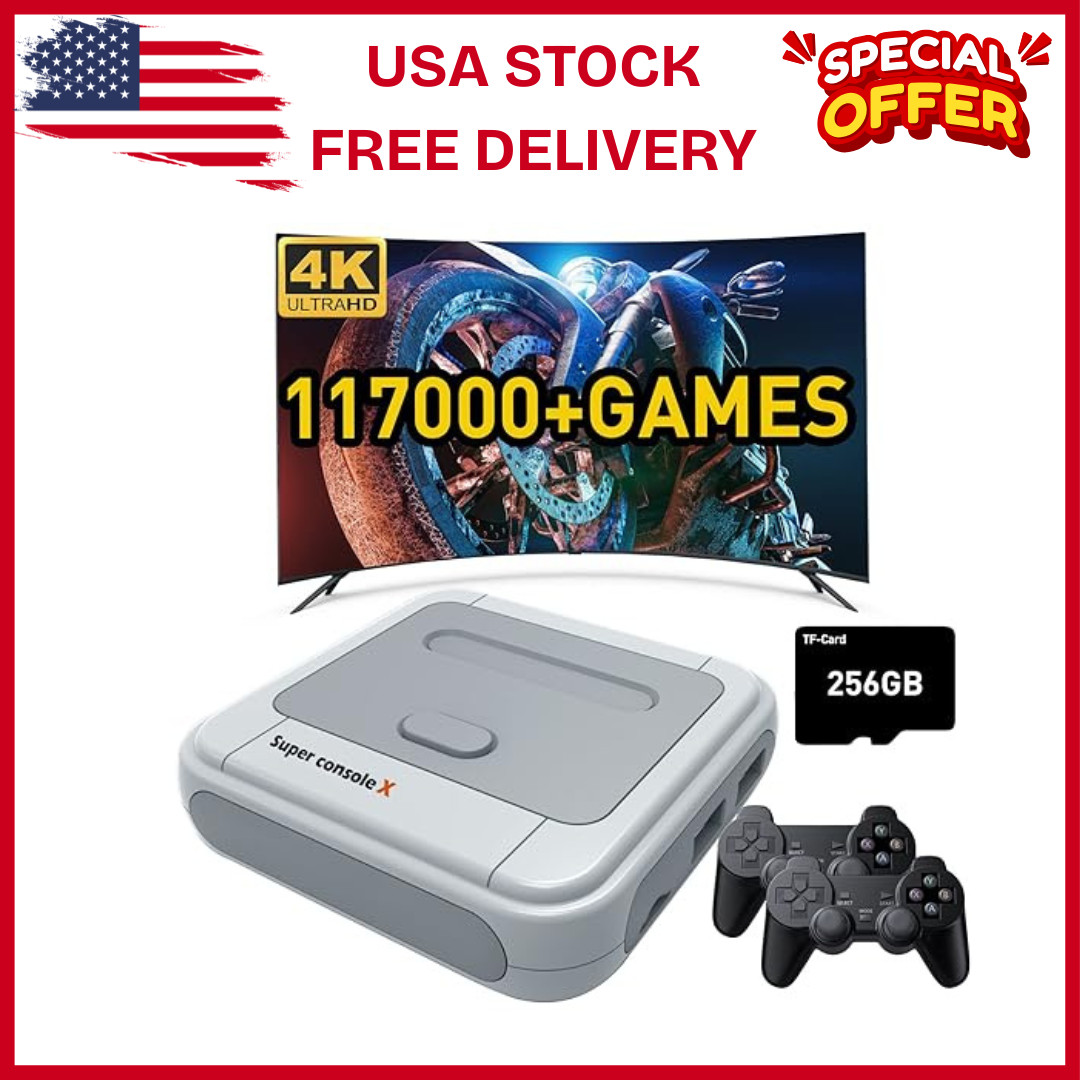 Super Console X Retro Video Game Console Built in 117,000+ Games,Emulator Consol$129.99View on eBay
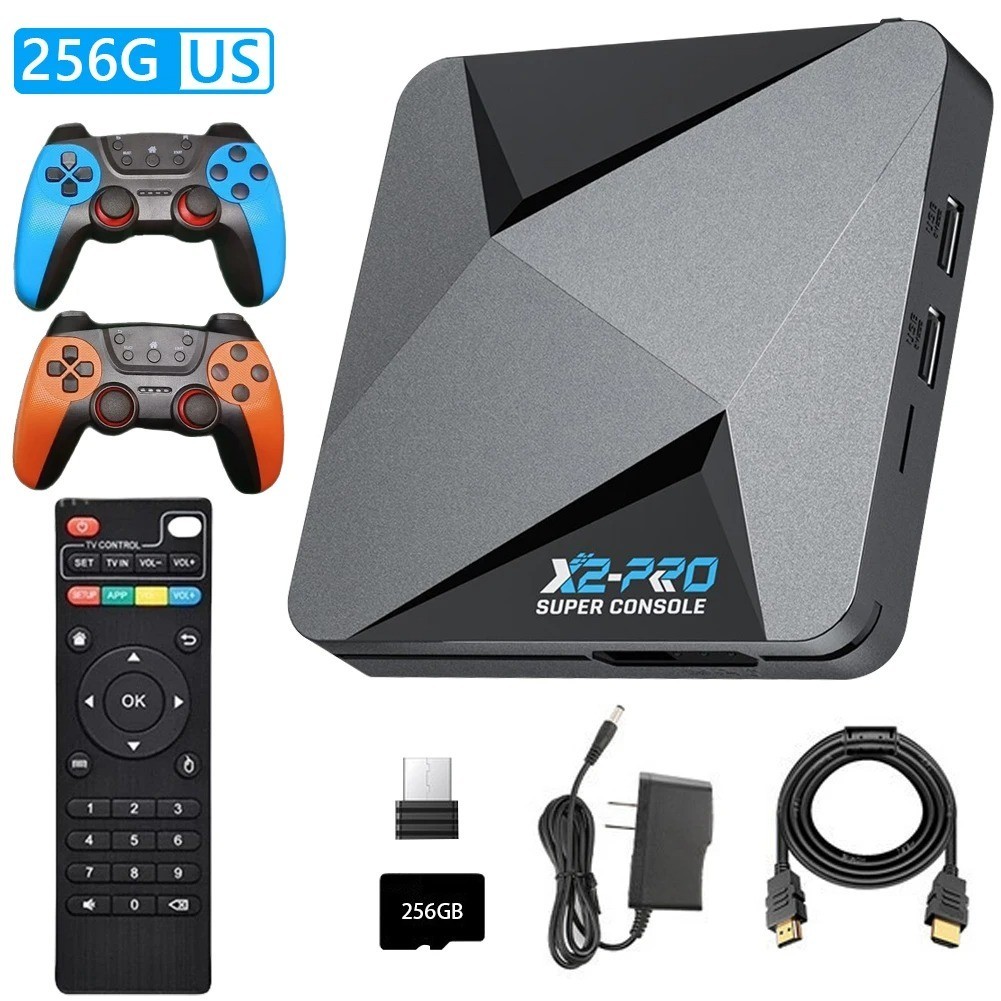 X2 PRO Retro Game Console 4K 256GB 100K+ Games, 60+ Emulators, Android 9.0$135.99View on eBay
Highlights
- IPS panels deliver wide viewing angles and accurate color over basic TN screens, which wash out when tilted—critical on a handheld you hold at an angle.
- Chip tier dictates ceiling: low-cost ARM SoCs top out at 16-bit and PS1; mid-tier chips add N64 and Dreamcast; flagship Android chips reach GameCube and PSP.
- Linux-based firmware (e.g., ArkOS, JELOS) offers fast boot and community support, while Android unlocks touch apps and streaming but adds boot and setup overhead.
- Battery in the 2000–4000 mAh range yields roughly 3–6 hours depending on screen brightness and emulated system load; USB-C charging is now standard.
Best use cases
- For pure 8/16-bit and arcade nostalgia on a budget, pick a compact low-tier handheld with an IPS screen and skip 3D-capable chips you will not use.
- For PS1, N64, and Dreamcast libraries, choose a mid-tier device with at least a 3.5-inch screen and shoulder buttons—avoid entry chips that stutter on 3D titles.
- For portable GameCube and PSP emulation, buy a flagship Android handheld with active cooling and hall-effect sticks; skip budget units advertised by game count alone.
- For TV play and multiplayer, select a model with mini-HDMI out and Bluetooth controller support; handheld-only units with no video out are the wrong fit.
Buying tips
- Prioritize the chip and screen before the bundled game list—preloaded ROM counts often include duplicates and filler that do not reflect playable quality.
- Check for an IPS or laminated display at 640x480 or higher; low-resolution panels make text and HUDs illegible in RPGs and strategy games.
- Choose hall-effect analog sticks and tactile shoulder buttons if you plan to play 3D or fighting games; membrane d-pads vary widely in diagonal accuracy.
- Inspect firmware support: community CFW with active updates signals long-term fixes, while locked stock firmware limits emulator cores and performance tuning.
Specs
| Screen Type | IPS vs TN / laminated |
|---|---|
| Screen Size | 3.5 in to 4.5 in typical |
| Chip Tier | Entry 16-bit / Mid PS1-N64 / Flagship 3D |
| OS & Firmware | Linux CFW vs Android |
Related searches
What to check before buying
- Measure your pocket or bag: 4.5-inch-screen units are roughly 6.5–7 inches wide—too large for jeans pockets; 3.5-inch models fit more easily.
- Confirm the emulated system list against your library before purchase; chip tier and core support, not game count, determine what actually runs.
- Verify USB-C charging and whether a wall adapter is included; many budget units ship cable-only and charge slowly from low-wattage ports.
- For TV output, check that the device supports mini-HDMI or USB-C DisplayPort alt mode and pair with a Bluetooth or 2.4 GHz controller.
FAQ
Data sources: eBay / Amazon listings and product attribute feeds. Updated Nov 28, 2026.
Some links on this page are affiliate links. If you buy after clicking one, we may earn a commission at no extra cost to you. This does not change which products appear here or their order. Affiliate disclosure.