
Photos from current listings. Actual item, color, and included accessories may vary.
Retro Game Console With Built In Game Buying Guide
Retro game consoles with built-in games are all-in-one emulation boxes or handhelds that ship with a preloaded ROM library, ranging from 8-bit AV plug-and-play units to 4K-capable Android microconsoles. The core trade-off is library quantity versus emulation quality: high game counts usually mean compressed or duplicated ROMs and weaker chips, while lower counts on reputable hardware deliver smoother playback and better controls. Choose by the highest system you actually want to emulate and the output your TV accepts—8/16-bit via AV or HDMI, 32/64-bit and arcade via a name-brand chipset—and skip anything advertising only a game count without naming the SoC, RAM, or storage grade.
Median $29.97
Key takeaways
- Handheld tiers split by screen and chip: 2.8–3.0-inch IPS panels with 1GB RAM handle 8/16-bit cleanly, while 3.5-inch and larger units with 2GB+ RAM add N64/PS1/Dreamcast emulation.
- Microconsole tiers split by output and OS: AV-only 8-bit boxes max out at NES/SNES, HDMI Android boxes with Amlogic or Rockchip SoCs and 2–4GB RAM reach PSP/Dreamcast.
- Preloaded libraries are stored on microSD or eMMC; 64GB cards cover roughly 10,000–20,000 compressed 8/16-bit ROMs, while 128GB and dual-card setups are needed for CD-based systems.
At a glance
- Category
- Console & Handheld Hardware
- Last updated
- Nov 29, 2026
Current offers
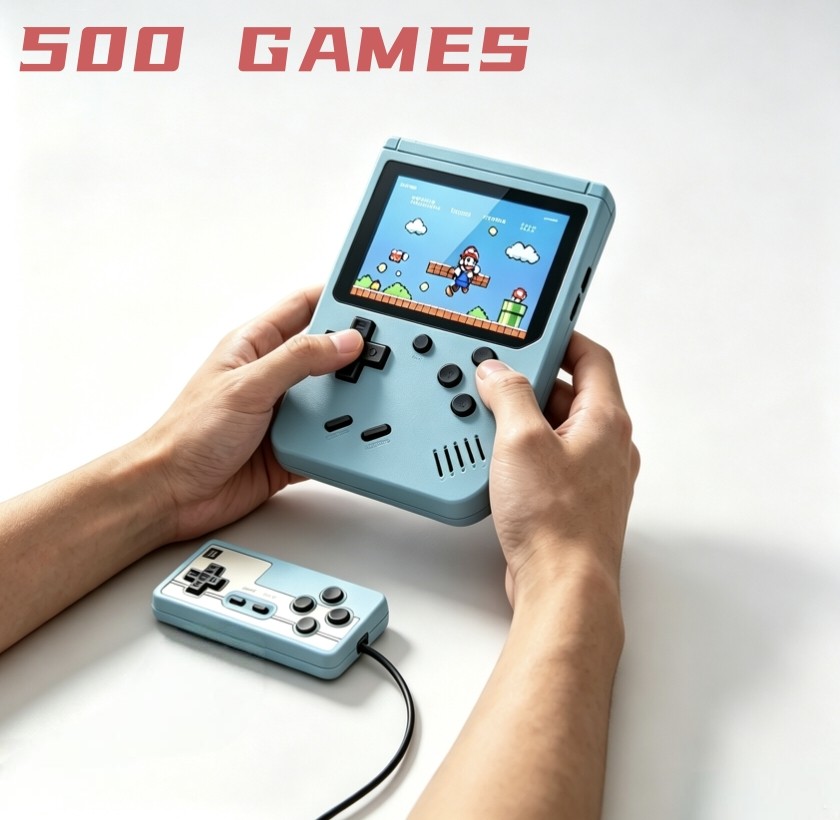 500 Classic FC Games Retro Handheld Portable Game Console for Kids & Adults$6.96View on eBay
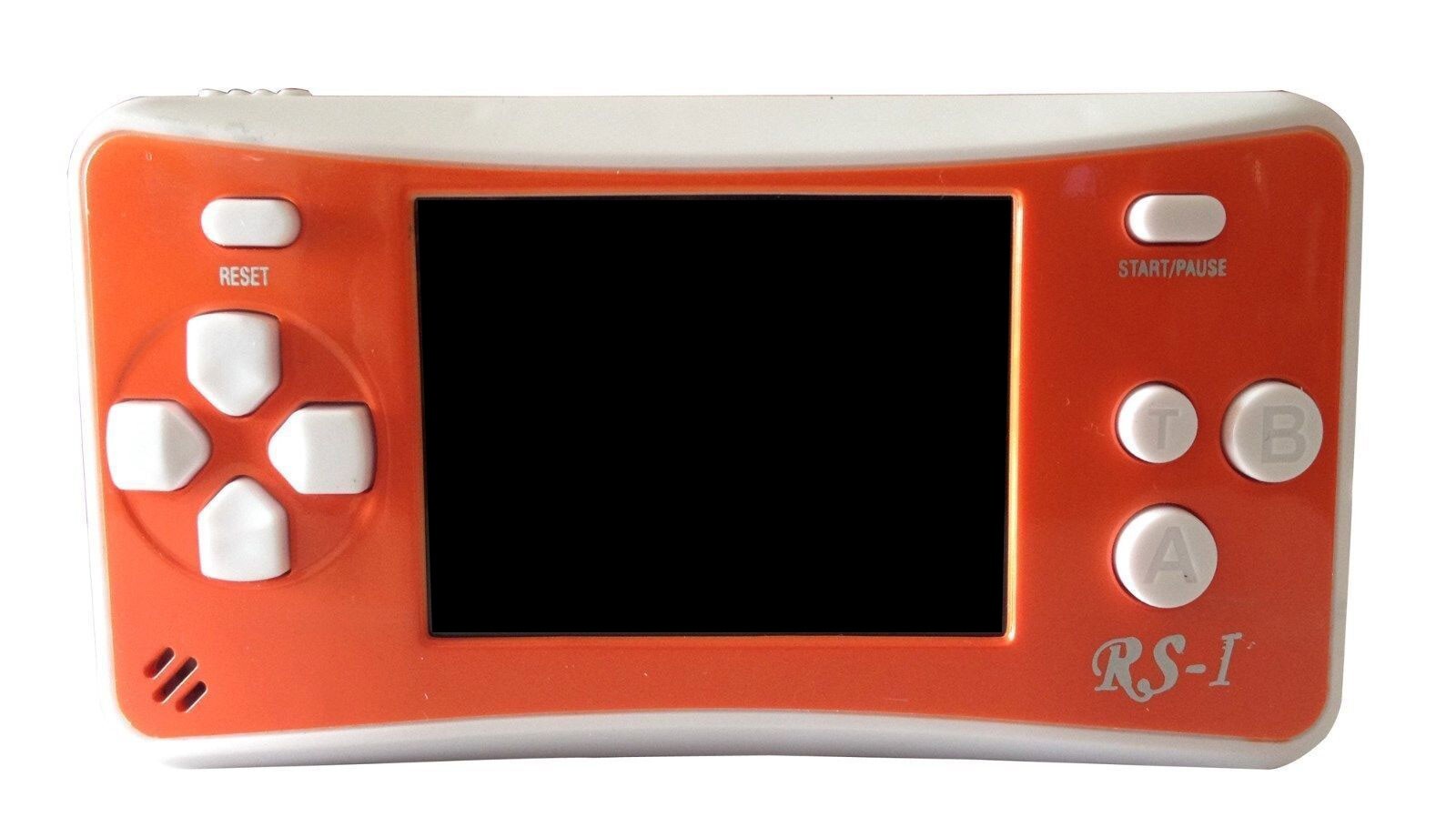 Retro Game Console Handheld Portable 8-Bit 2.5" COLOR LCD 150 Games Gift ORANGE$7.99View on eBay
 Retro Handheld Game Console 150 Built-in Games Portable LCD Gaming Gift Toy$8.99View on eBay
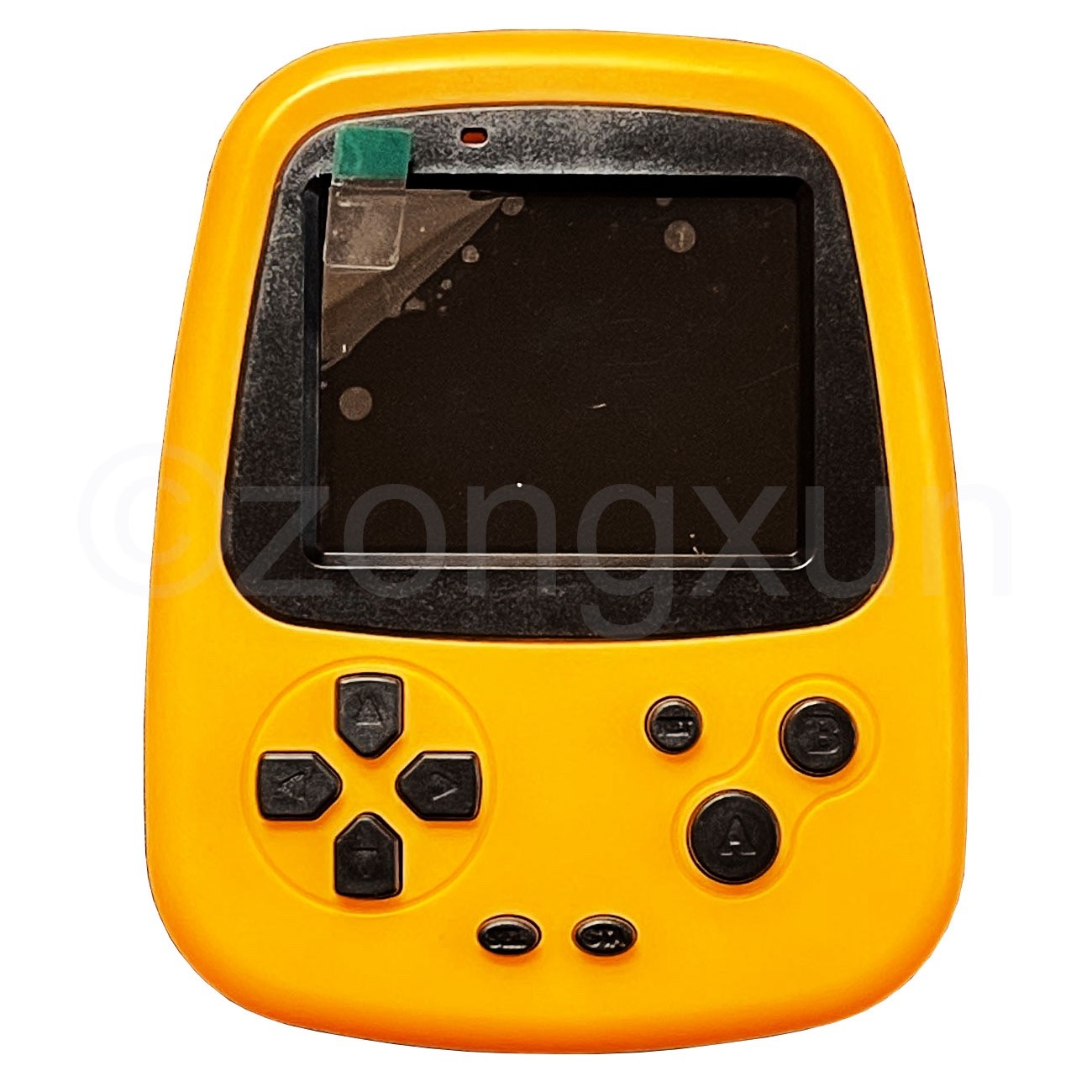 Retro Game Console Classic 8-Bit 2.5" COLOR LCD Handheld Portable Xmas Gifts$8.99View on eBay
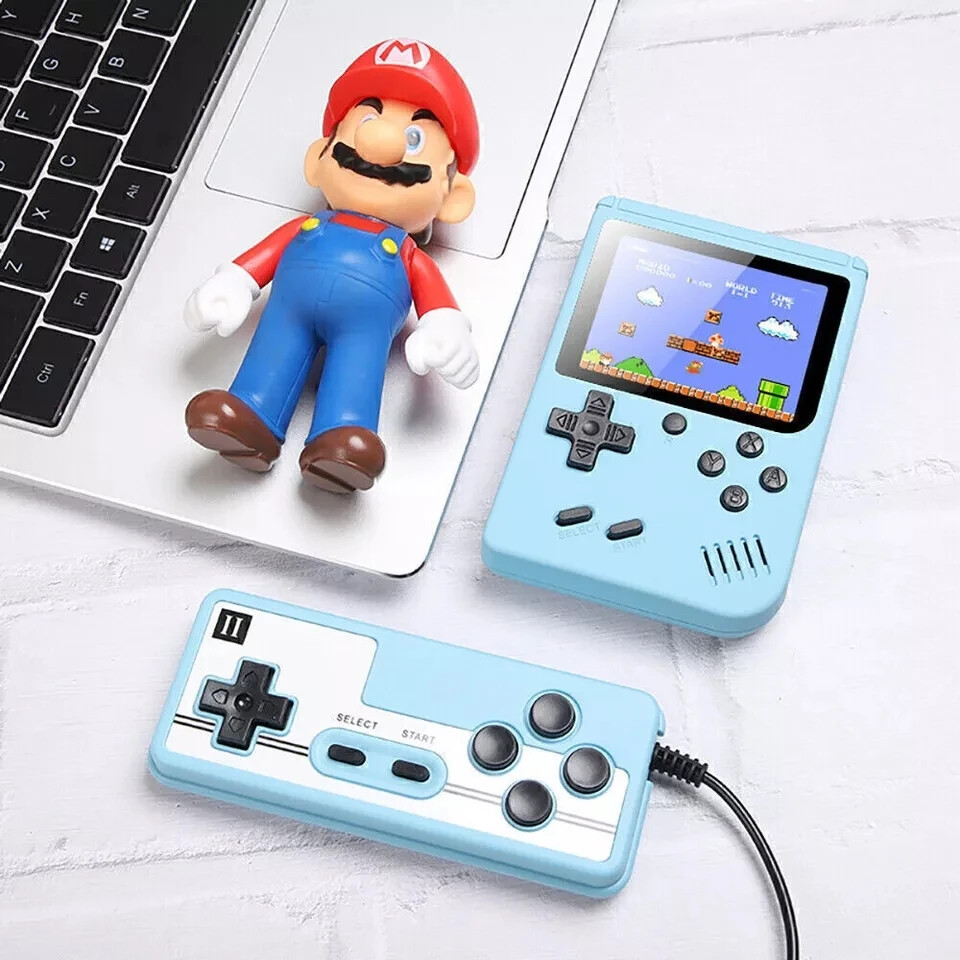 Mini Retro Video 500 Classic Games FC Game Console Player Handheld For Kid Adult$9.48Last checked Nov 28, 2026View on eBay
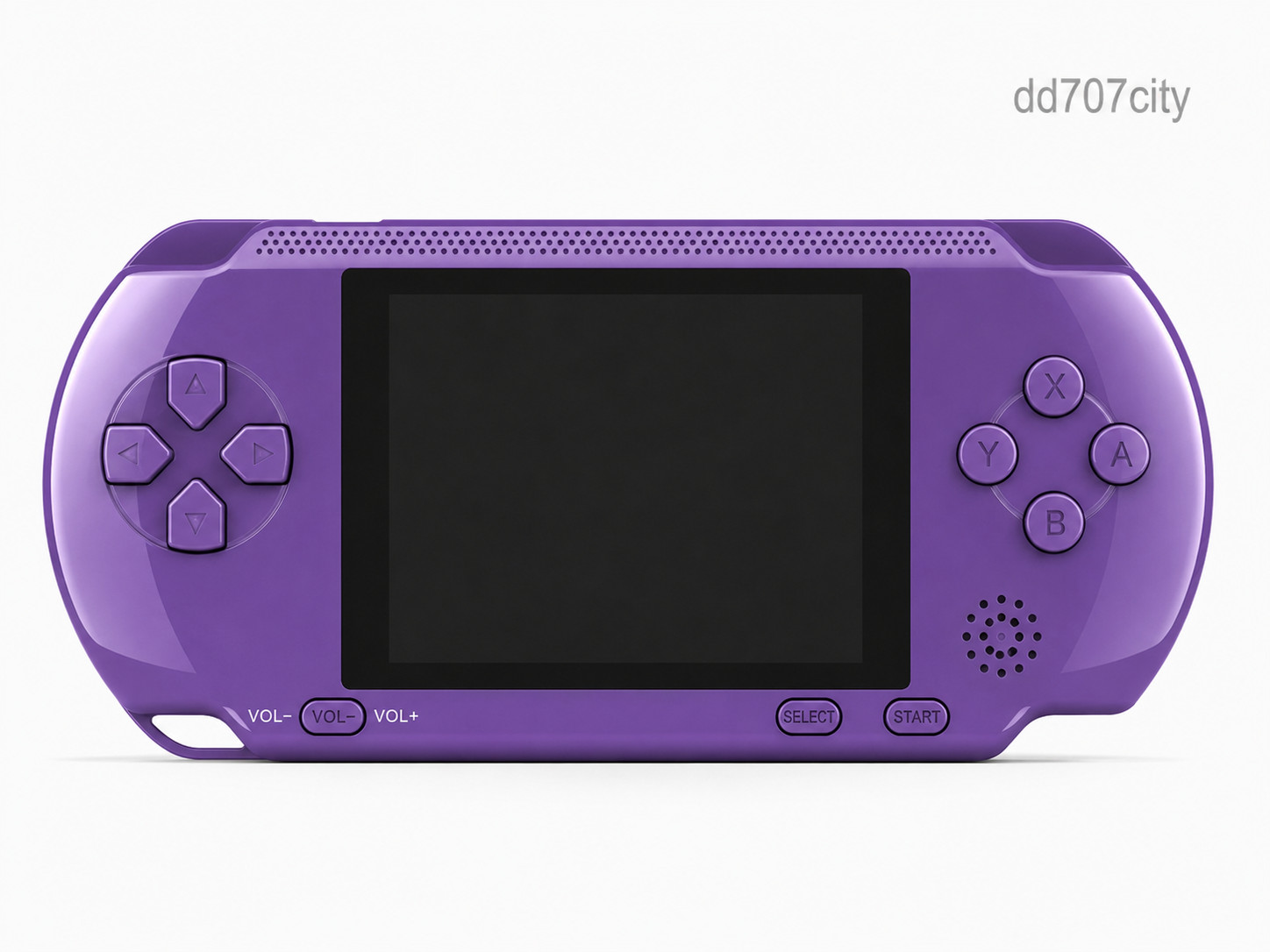 Portable Handheld Game Console Rechargeable Retro Gaming System Built In Games$10.99View on eBay
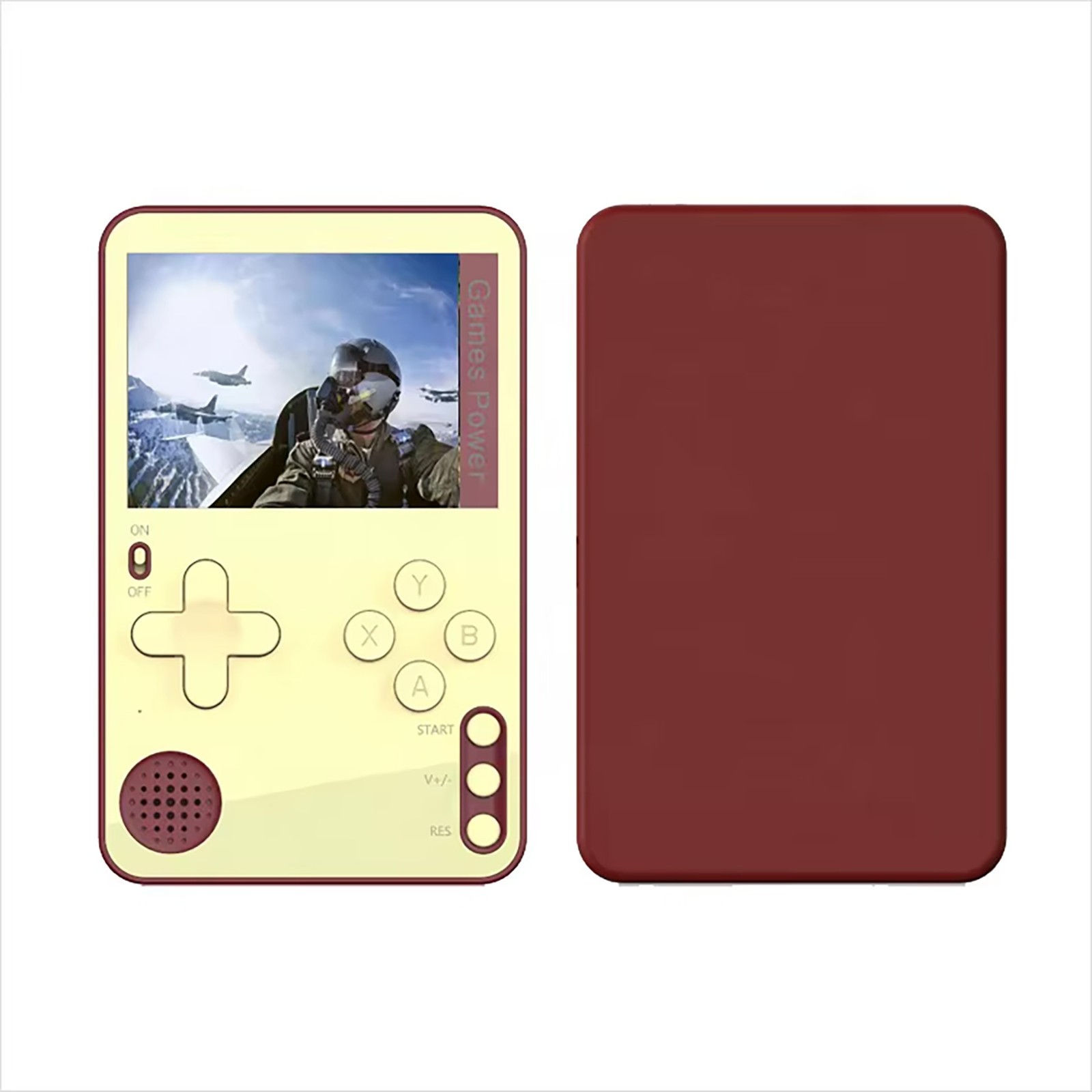 Retro Handheld Game Console 500 Built in Games Portable Mini Video Game Player$11.99View on eBay
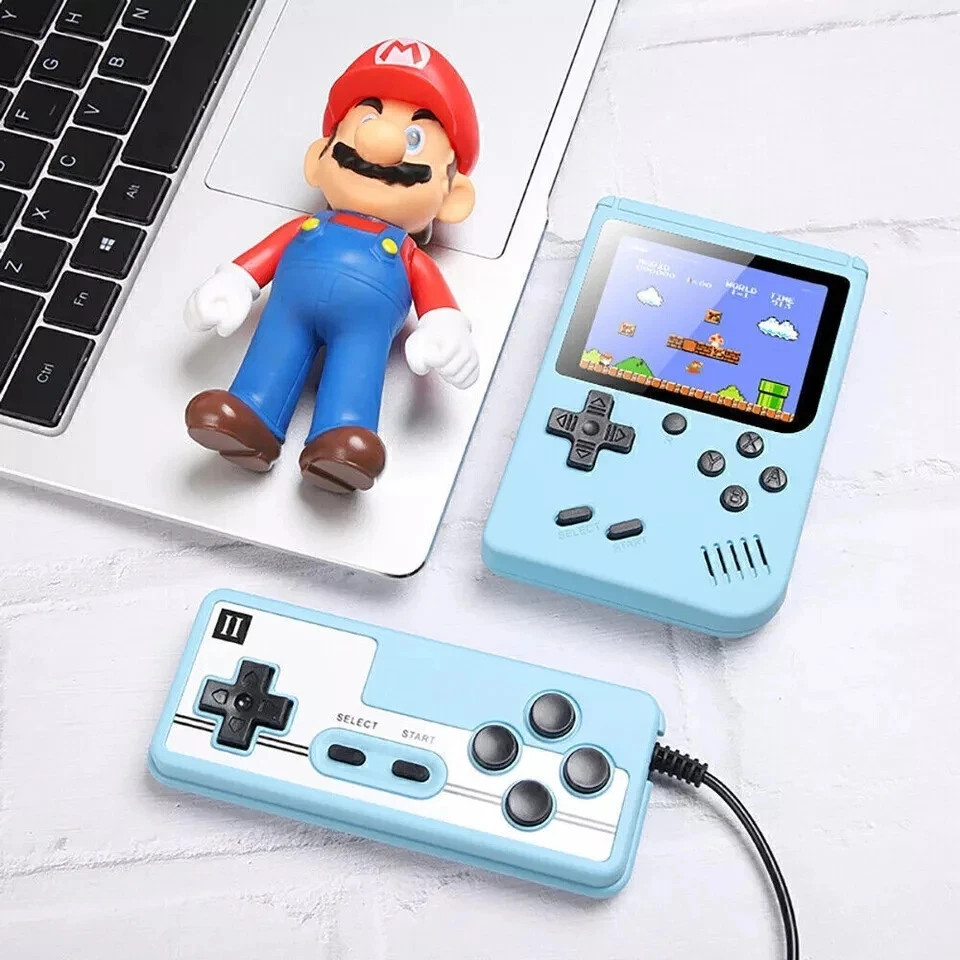 Mini Retro Video 500 Classic Games FC Game Console Player Handheld For Kid Adult$15.99Last checked Nov 28, 2026View on eBay
- 500 Classic Games Handheld Retro Video FC Game Console Player For Kids Adults$15.99Last checked Nov 27, 2026View on eBay
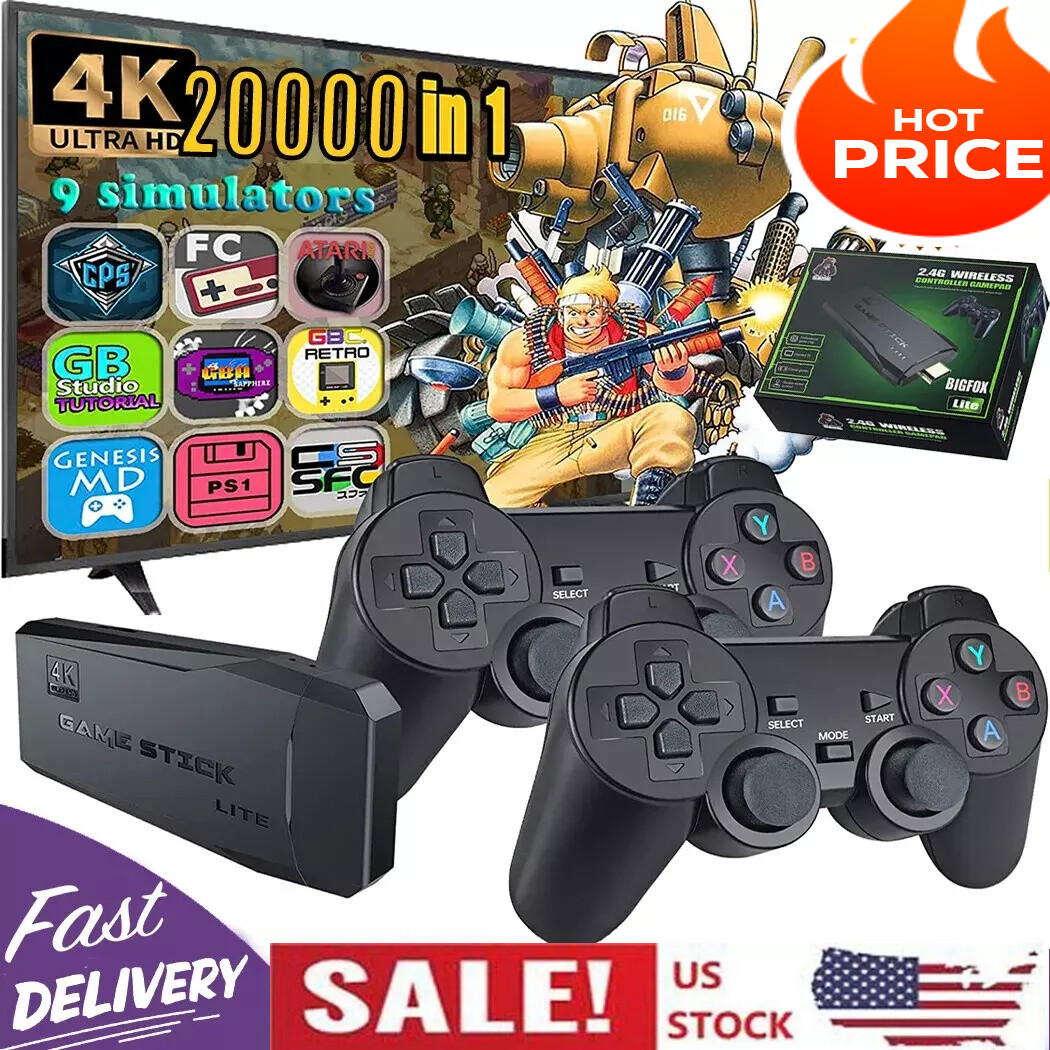 Retro Game Console 4K HDMI Output Plug and Play 20000+ Game Gamepad Controllers$16.99View on eBay
- Retro Game Console 4K HDMI Output Plug and Play 20000+ Game Gamepad Controllers$17.39View on eBay
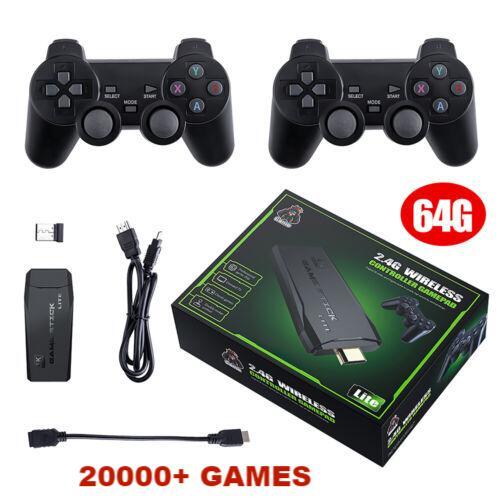 Video Game Console Retro TV Stick 64G 4K HDMI 2 Wireless Controller 20000+ Games$18.99View on eBay
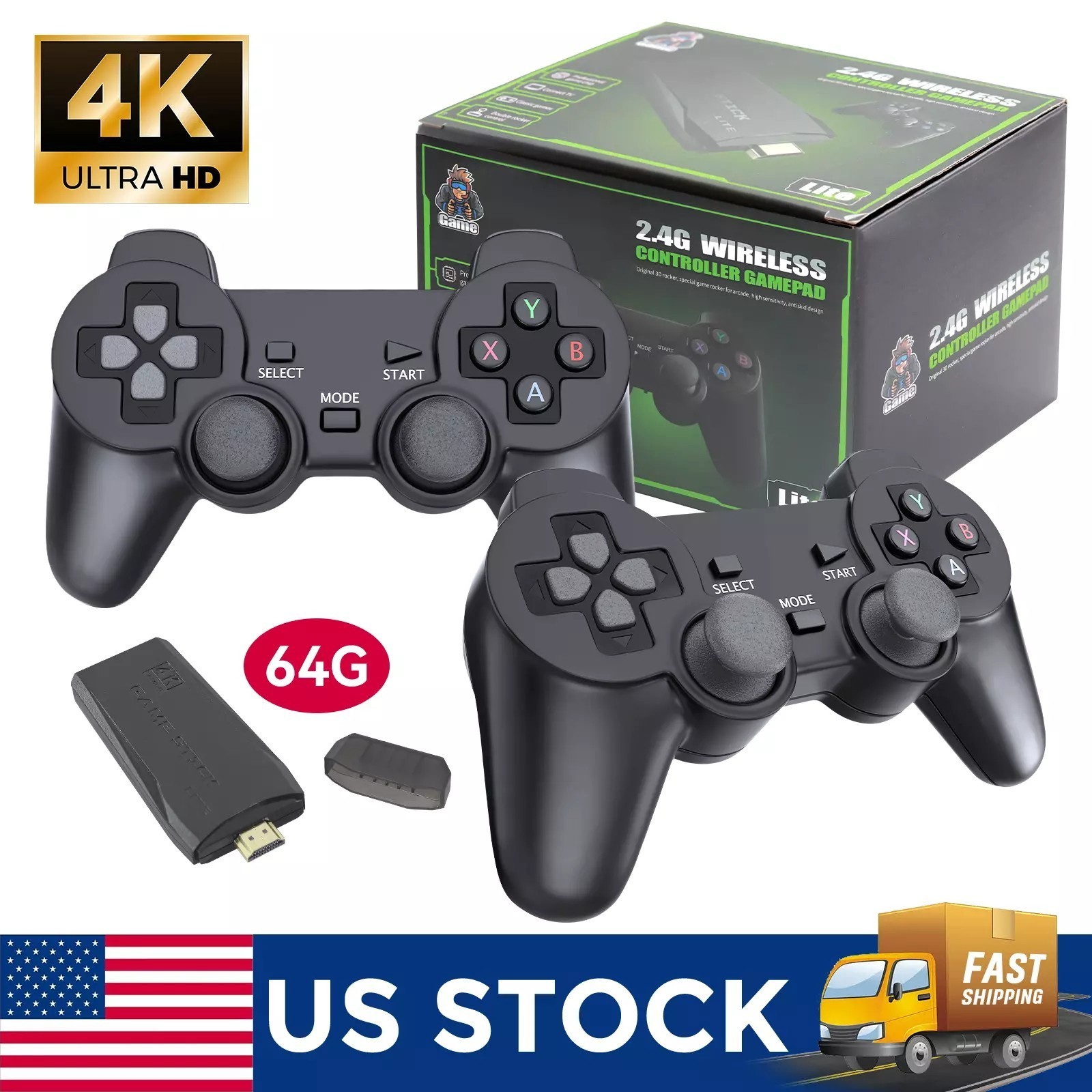 Retro Game Console 4K HDMI Output Plug and Play 20000+ Game Gamepad Controllers$19.99View on eBay
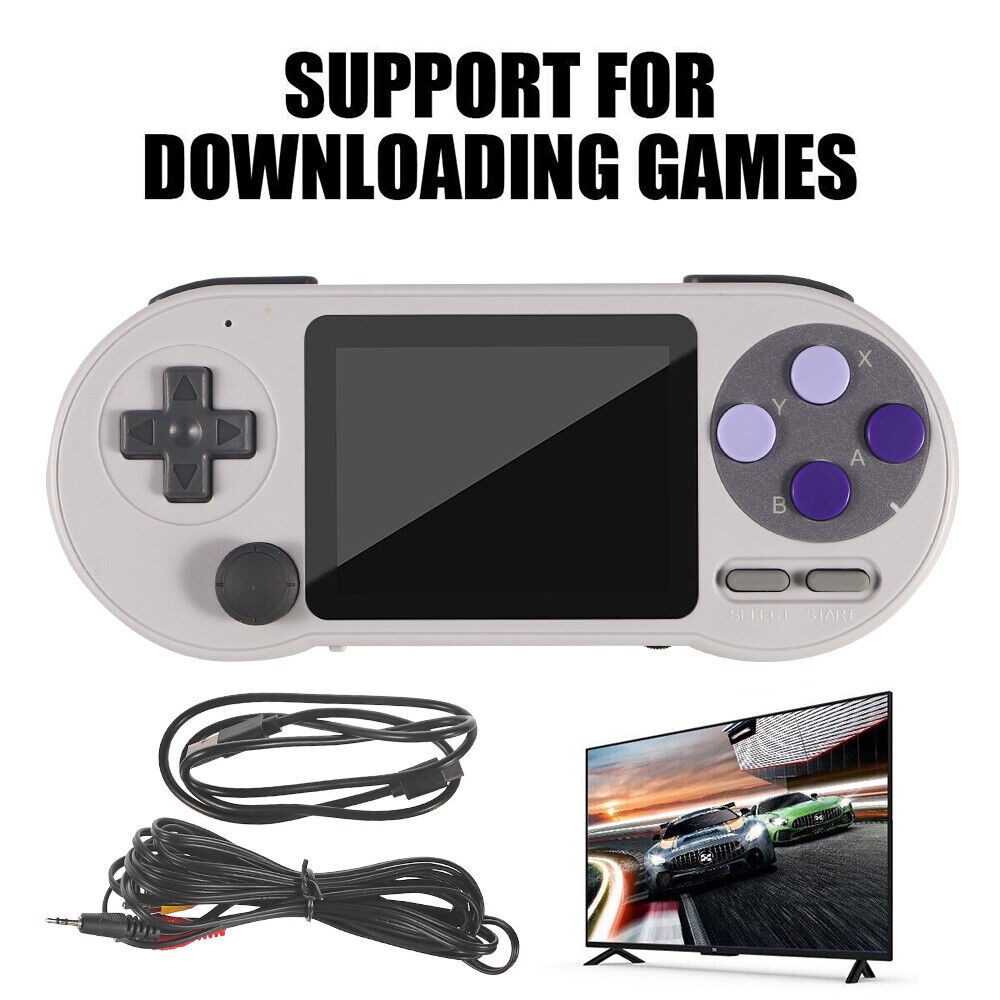 SF2000 3-inch IPS Handheld Game Console Built-in 6000 Games Retro Games FC/SFC++$19.99View on eBay
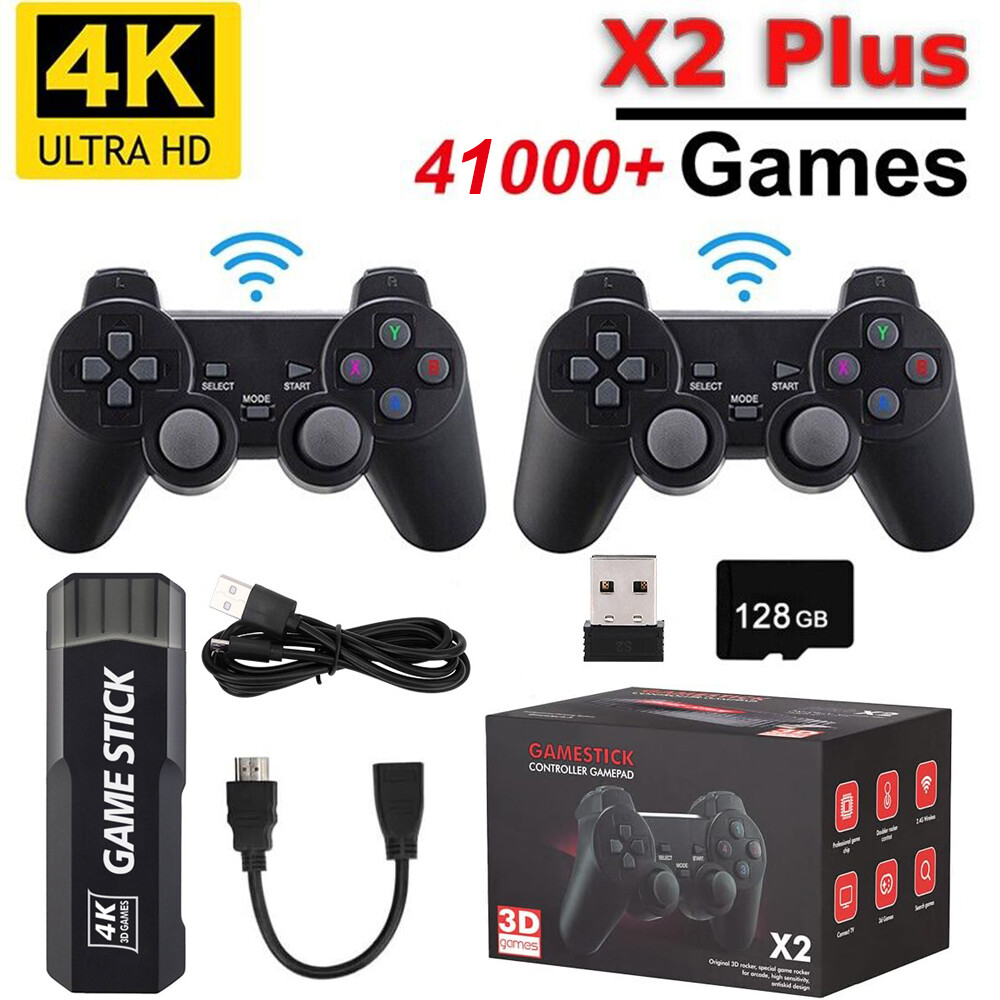 X2 Plus 64g-128G 41000 Game GD10 Pro 4K Game Stick Retro Wireless Consoles AAR$20.59View on eBay
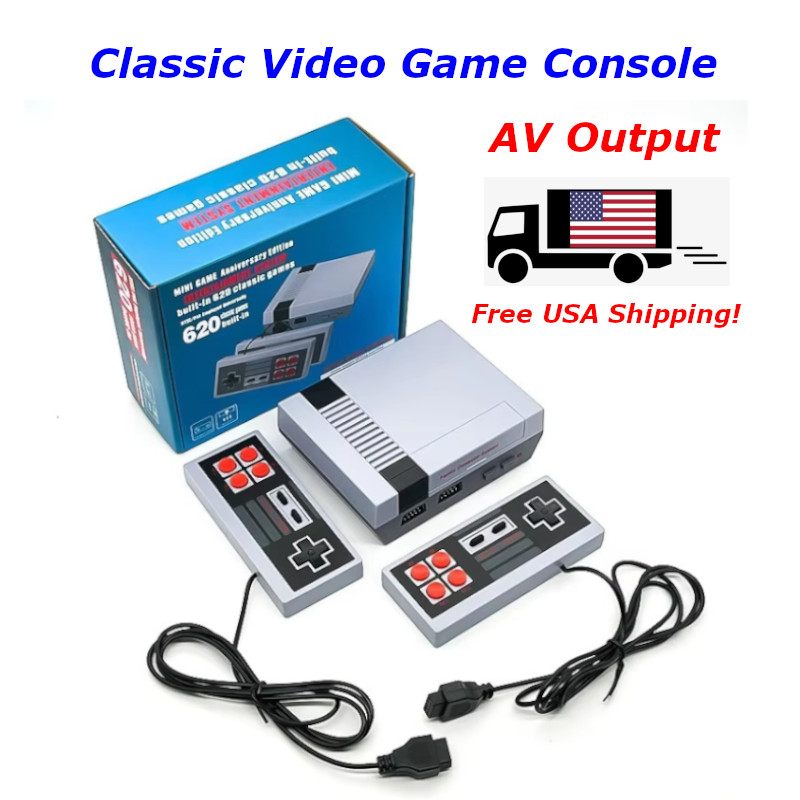 Mini Retro TV Game Console Preloaded 8-bit Games with 2 Controllers & AV Output$21.24View on eBay
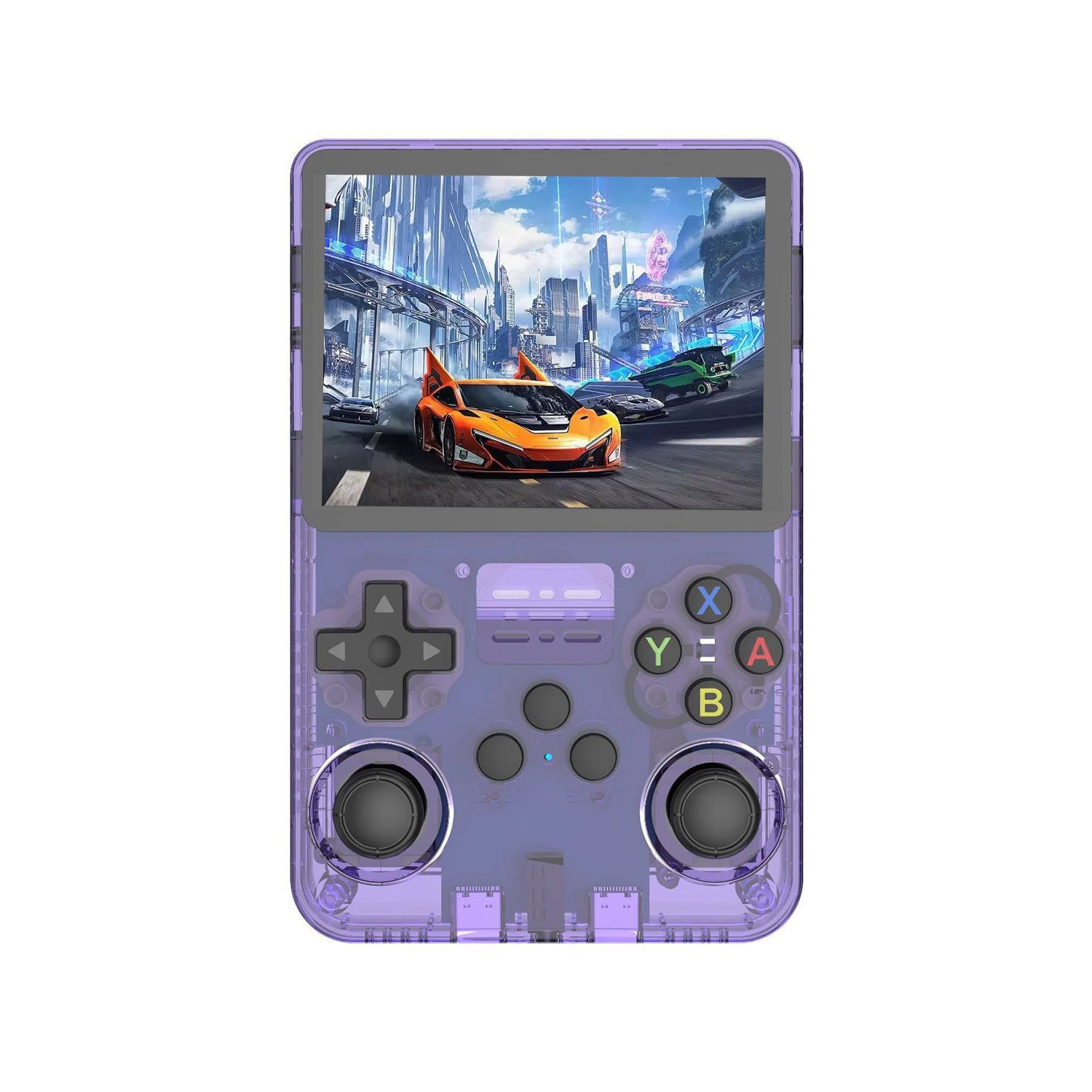 R36S Retro Handheld 15000+ Video Game Console$21.25View on eBay
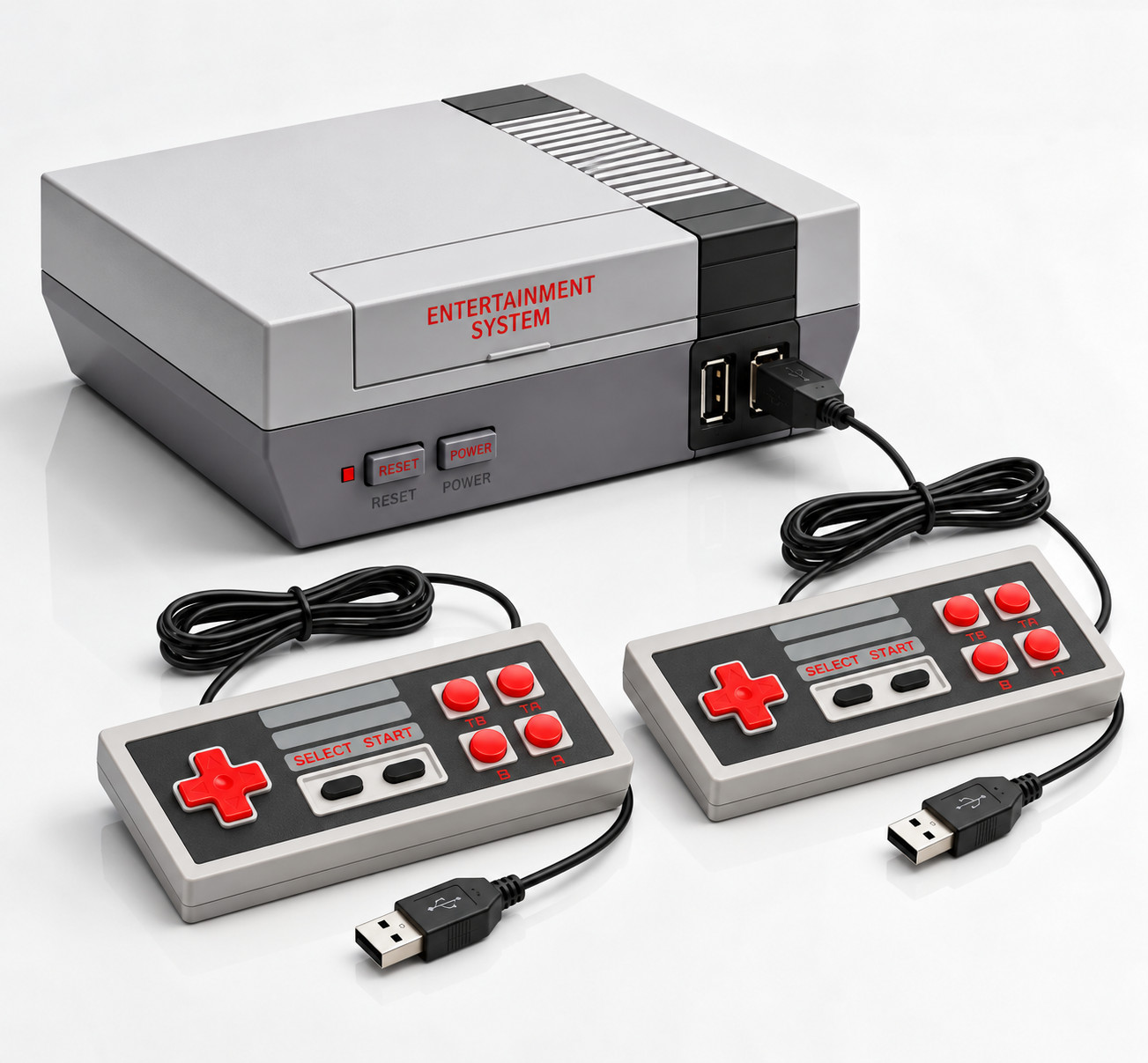 Retro Mini Game Console 620 Built In Games 8 Bit System 2 Controllers AV Output$24.99View on eBay
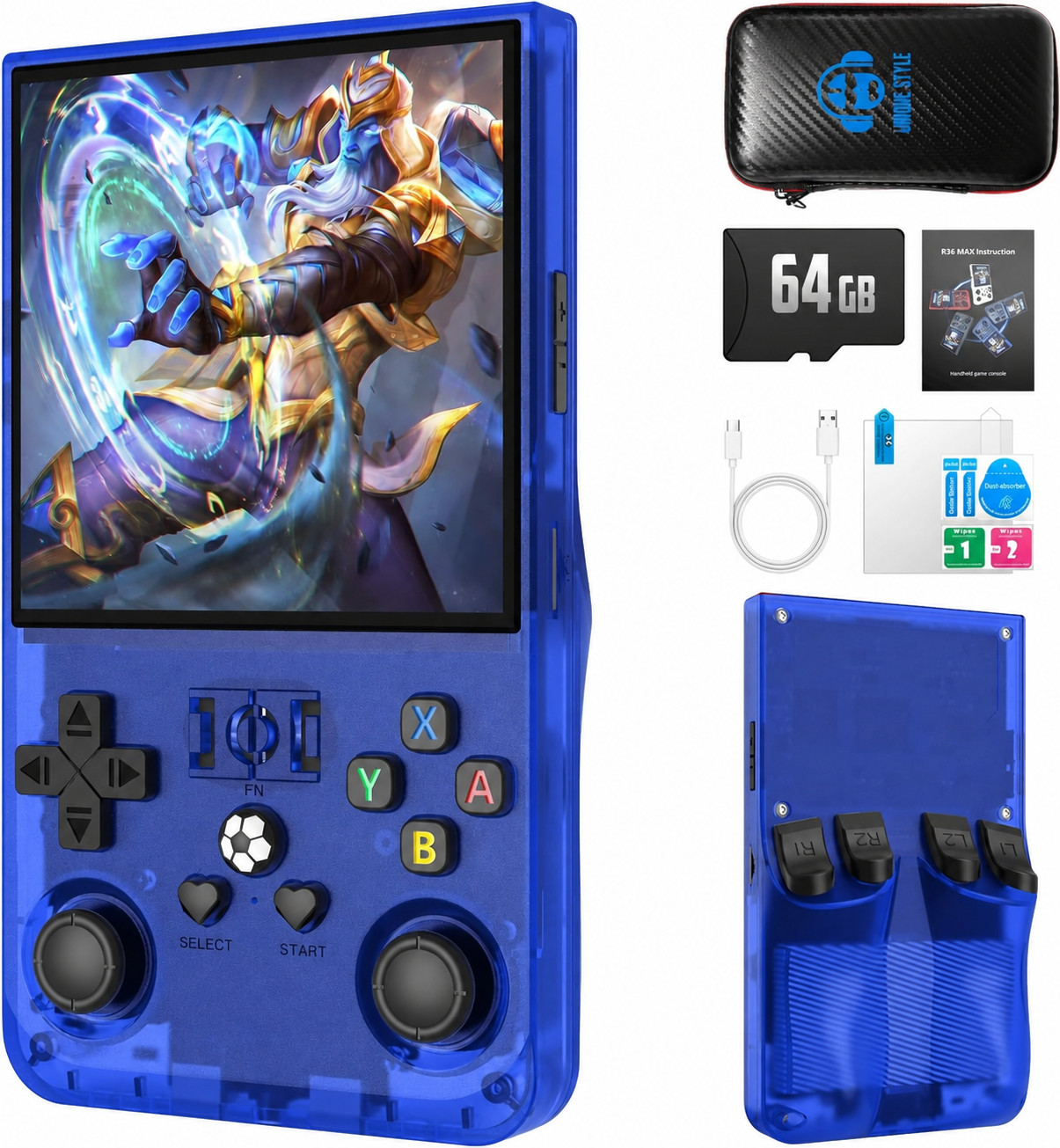 Retro Handheld Game Console 4.0" IPS Screen Linux System 64GB 5000+ Classic Game$24.99View on eBay
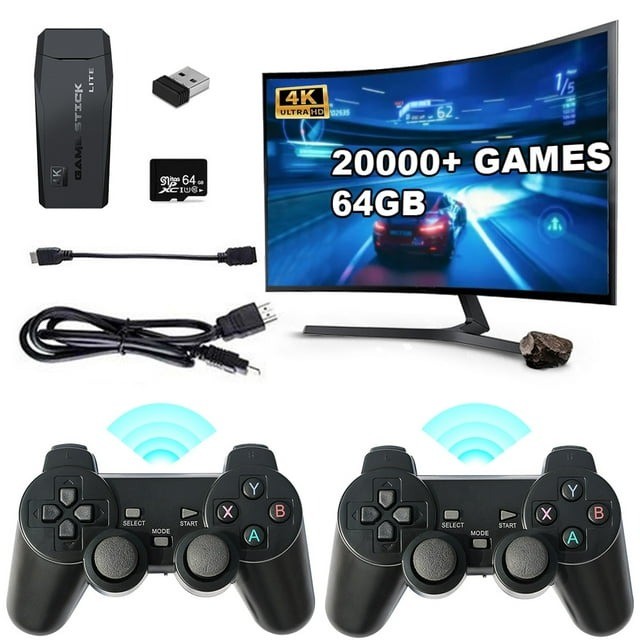 JGOO 55558 2.4G Portable 4K TV Video Retro Game Console$26.00View on eBay
Highlights
- Handheld tiers split by screen and chip: 2.8–3.0-inch IPS panels with 1GB RAM handle 8/16-bit cleanly, while 3.5-inch and larger units with 2GB+ RAM add N64/PS1/Dreamcast emulation.
- Microconsole tiers split by output and OS: AV-only 8-bit boxes max out at NES/SNES, HDMI Android boxes with Amlogic or Rockchip SoCs and 2–4GB RAM reach PSP/Dreamcast.
- Preloaded libraries are stored on microSD or eMMC; 64GB cards cover roughly 10,000–20,000 compressed 8/16-bit ROMs, while 128GB and dual-card setups are needed for CD-based systems.
- Controller quality is the most common failure point: built-in handheld controls use membrane or dome switches, and bundled 2.4GHz pads vary from usable to drift-prone; plan on a wired USB or Bluetooth pad for serious play.
Best use cases
- Best fit: a 3-inch IPS handheld with 1GB RAM and 64GB card for commuters and kids wanting NES/SNES/Genesis on the go—skip AV-only microconsoles for portable use.
- Best fit: an HDMI Android microconsole with 2GB+ RAM and 64GB storage for a living-room TV with two 2.4GHz pads—skip 8-bit AV boxes if your TV lacks composite input.
- Best fit: a 128GB dual-system box or Android box for buyers targeting PS1, N64, and arcade titles—skip 500-in-1 handhelds that cannot emulate CD-based systems.
- Wrong fit: collectors wanting original cartridge compatibility or pixel-perfect accuracy—built-in-game consoles are emulation devices, not FPGA or original hardware.
Buying tips
- Match the chip to the system: 8/16-bit needs only an inexpensive ARM SoC, but N64/PS1/Dreamcast require a known chipset (Amlogic S905 series, Rockchip RK3326/RK3566) with at least 2GB RAM.
- Treat game counts as marketing: 20,000+ titles usually means compressed ROM sets with duplicates and region variants; a curated 500–2,000 library on good hardware plays better than a bloated one.
- Check the storage interface: microSD is replaceable and easy to expand, while soldered eMMC caps your library and cannot be upgraded—prefer microSD slots on handhelds.
- Confirm the video path before buying: AV-only boxes need a composite input or an AV-to-HDMI adapter; HDMI boxes output 720p/1080p and pair directly with modern TVs.
Specs
| Form Factor | Handheld vs microconsole vs plug-and-play |
|---|---|
| Emulation Ceiling | 8/16-bit vs 32/64-bit vs arcade |
| Storage & Library | 64GB microSD vs 128GB dual-card |
| Video Output | Composite AV vs HDMI 720p/1080p |
Related searches
What to check before buying
- Measure your TV inputs: an AV-only 8-bit console needs a yellow/red/white composite port or a powered AV-to-HDMI adapter, while HDMI units connect directly.
- Check handheld ergonomics against hand size and play sessions: 3-inch-and-under units suit kids and short sessions; larger 3.5–4-inch units with grips suit adult hands.
- Confirm the power standard: handhelds charge over USB-C or micro-USB, and microconsoles ship with region-specific plugs—match your outlet voltage and plug type.
- Budget for a companion controller: bundled pads are entry-level, so add a wired USB or Bluetooth gamepad for fighting games, platformers, and two-player sessions.
FAQ
Data sources: eBay / Amazon listings and product attribute feeds. Updated Nov 29, 2026.
Some links on this page are affiliate links. If you buy after clicking one, we may earn a commission at no extra cost to you. This does not change which products appear here or their order. Affiliate disclosure.