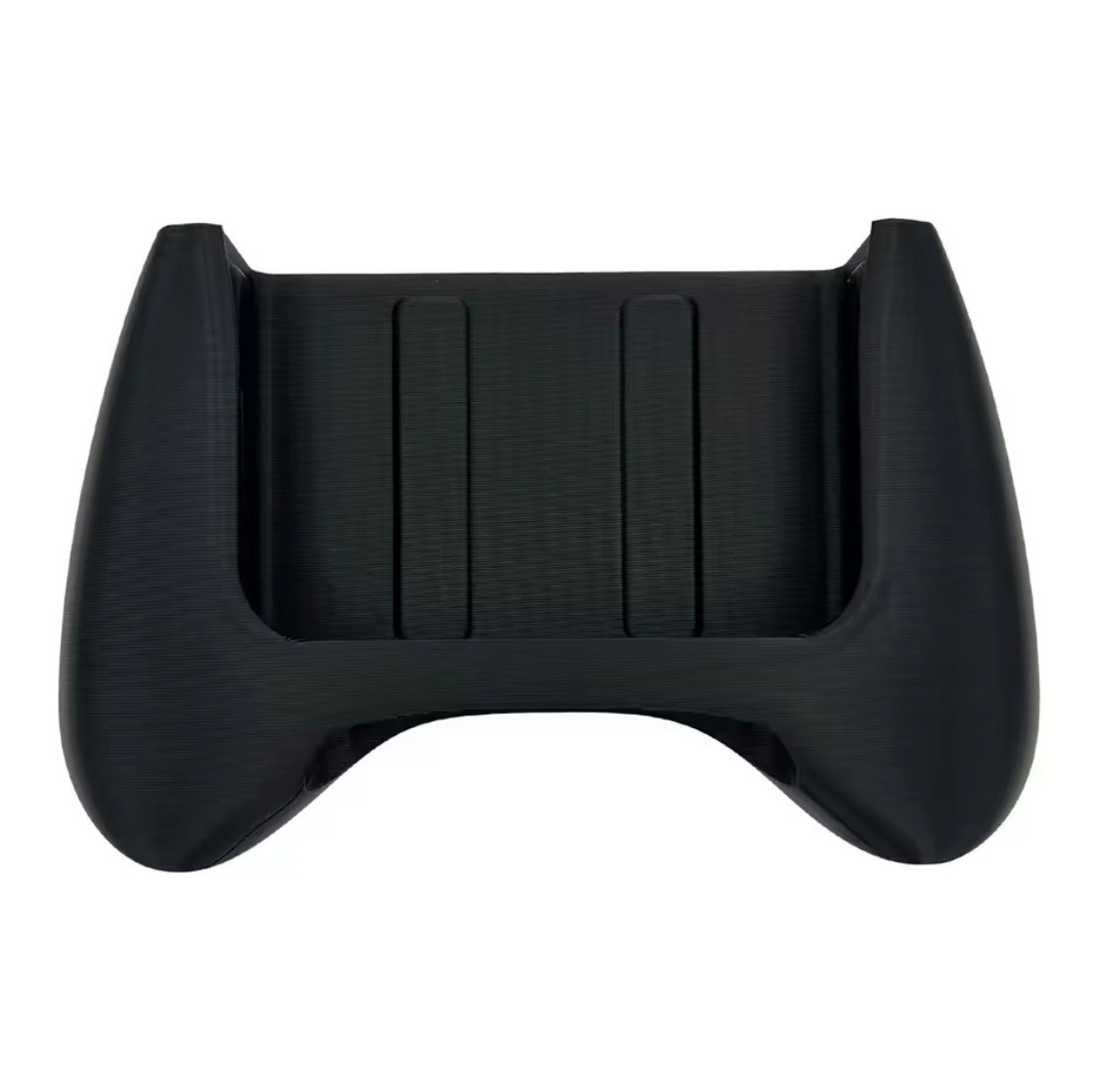

Photos from current listings. Actual item, color, and included accessories may vary.
Game Console R36S Buying Guide
The R36S is a low-cost ARM-based handheld emulator console running Linux, built around a 3.5-inch IPS screen and an RK3326-class SoC, aimed at 8- and 16-bit era emulation up to PlayStation 1. The defining trade-off is not brand versus generic but storage and QA tier: the same shell ships with wildly different microSD cards and firmware builds, and the card is the single most common failure point. Buy it as a budget PS1-and-below handheld with a plan to reflash and re-card it, not as a premium or 3D-capable device.
Key takeaways
- RK3326 quad-core Cortex-A35 class SoC with Mali-G31 GPU handles 2D systems and most PS1 titles at playable frames, but struggles with N64, Dreamcast, Saturn, and PSP.
- 3.5-inch 640x480 IPS display in a 4:3 aspect ratio is the correct native fit for NES, SNES, Genesis, and PS1, avoiding the pillarboxing and scaling blur of 16:9 panels.
- Bundled 128GB cards are typically no-name microSD with cloned firmware images; card failure and corrupted partitions are the top reported defect, so budget for a branded A1/A2 card.
At a glance
- Category
- Console & Handheld Hardware
- Status
- Listings available
- Last updated
- Nov 29, 2026
Current offers
Highlights
- RK3326 quad-core Cortex-A35 class SoC with Mali-G31 GPU handles 2D systems and most PS1 titles at playable frames, but struggles with N64, Dreamcast, Saturn, and PSP.
- 3.5-inch 640x480 IPS display in a 4:3 aspect ratio is the correct native fit for NES, SNES, Genesis, and PS1, avoiding the pillarboxing and scaling blur of 16:9 panels.
- Bundled 128GB cards are typically no-name microSD with cloned firmware images; card failure and corrupted partitions are the top reported defect, so budget for a branded A1/A2 card.
- Dual microSD slots (one for OS, one for ROMs) plus USB-C charging and mini-HDMI out define the practical I/O set; there is no Wi-Fi or Bluetooth on the standard board.
Best use cases
- Best fit: retro players who want one pocketable device for NES through PS1 libraries and will reflash ArkOS or another custom firmware onto a branded card.
- Best fit: gift or travel handheld where losing a budget unit is acceptable; pick the base card tier only if you will immediately clone it to a quality card.
- Wrong fit: buyers expecting smooth N64, Dreamcast, Saturn, PSP, or GameCube emulation, or anyone wanting built-in Wi-Fi, Bluetooth, and cloud sync.
- Wrong fit: plug-and-play buyers who will never touch firmware; the stock image and stock card are the two weakest links in the box.
Buying tips
- Prioritize the screen and shell tier over the bundled card capacity: a 64GB branded card you install yourself beats a 128GB no-name card every time.
- Confirm the panel is the 640x480 IPS version, not the older lower-resolution TN variant, since it determines text legibility in menus and RPGs.
- Choose the dual-card configuration so the OS and ROM libraries live on separate cards; this lets you swap libraries without reflashing the system.
- Plan on a firmware replacement to ArkOS or an equivalent community build; stock images ship with inconsistent emulator configs and no update path.
Specs
| SoC Class | RK3326 quad-core Cortex-A35 |
|---|---|
| Display | 3.5 in IPS, 640x480, 4:3 |
| Storage Setup | Dual microSD (OS + ROMs) |
| Emulation Ceiling | 8/16-bit + most PS1; no N64/DC |
Alternatives to compare
Related searches
What to check before buying
- Buy a branded 32GB or 64GB microSD (A1/A2 rating) plus a USB card reader before the console arrives so you can clone the stock card on day one.
- Confirm you have a USB-C charger and cable; the unit charges over USB-C but does not include a wall adapter in most packages.
- Check whether you want HDMI TV output, and if so verify a mini-HDMI to HDMI adapter is included or add one, since the port is mini-HDMI, not full-size.
- Set expectations against your library: list the systems you actually want to play and drop any title on N64, Saturn, Dreamcast, PSP, or newer from the plan.
FAQ
Data sources: eBay / Amazon listings and product attribute feeds. Updated Nov 29, 2026.
Some links on this page are affiliate links. If you buy after clicking one, we may earn a commission at no extra cost to you. This does not change which products appear here or their order. Affiliate disclosure.