Choosing ham radio antennas gets tricky when two options solve different parts of the station. One is a used MFJ-945E mobile tuner for matching antenna systems across HF and VHF; the other is a portable wire aimed at shortwave reception. They are not substitutes in the same way. If your priority is tuning a mobile, travel, or home setup, the MFJ-945E is the relevant choice. If you want a simple external receiving antenna for a shortwave radio, the wire is the direct match. That role split matters more than the price difference.
Quick verdict
Pick the MFJ-945E Mobile Tuner if you need a tuning unit with transmit handling and a dual/cross-needle meter. Pick the Shortwave External Antenna if you want a portable receiving wire for a shortwave radio with an RCA jack. The two prices are $135 apart, so this is primarily a tuner-versus-antenna decision.
At a glance
| Attribute | MFJ-945E Mobile Tuner | Shortwave External Antenna |
|---|---|---|
| Price | USD 149.99 | USD 14.99 |
| Main role | HF/VHF antenna tuner | Portable shortwave receiving antenna |
| Band detail | 1.8-60 MHz | HF / SW-HF |
| Format | Desktop, mobile, or portable | Portable |
| Condition | Used | New |
Where each product wins
MFJ-945E Mobile Tuner: It wins for a station that needs one tuner to work with coax-fed dipoles, quads, verticals, yagis, or a single-wire antenna. The desktop, mobile, and portable format also suits the mobile, travel, and home uses described for it. Its internal 4:1 balun and dual/cross-needle display reinforce that tuning-focused role.
Shortwave External Antenna: It wins for a listener who wants to add an external wire to a Realistic DX440, Sangean 803A, or another radio with an RCA jack. Its portable format, HF/SW-HF designation, and omnidirectional attribute align with a reception-first setup.
Product notes
MFJ-945E Mobile Tuner
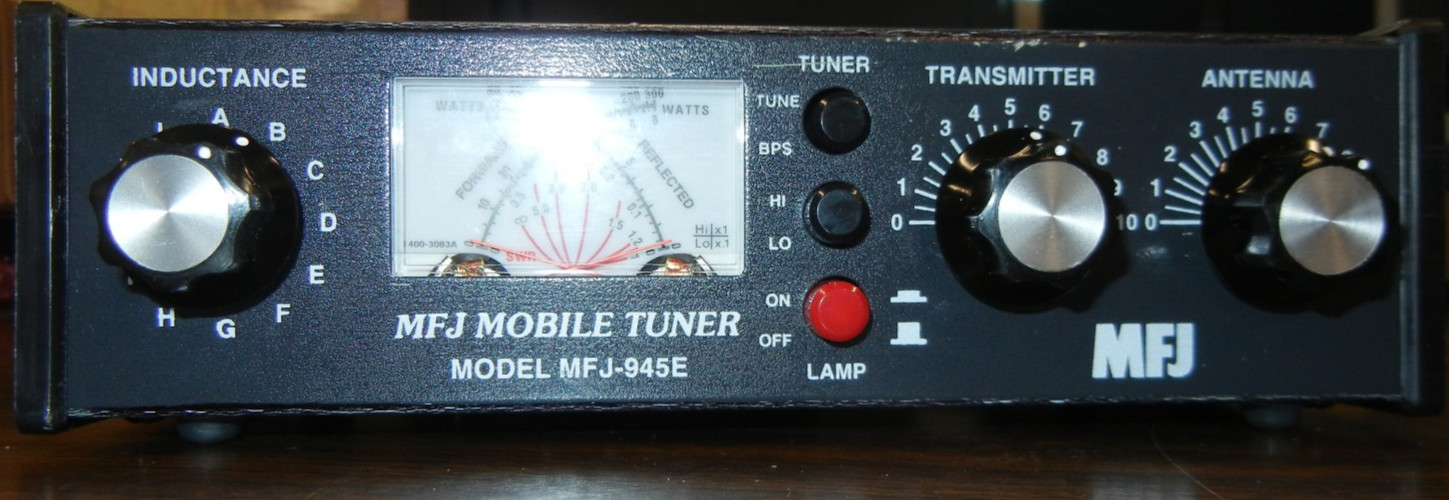
Choose the MFJ-945E when your ham radio antennas setup needs a tuner rather than another radiator. It covers 1.8-60 MHz across HF and VHF, and its 300-watt transmit handling makes its role clear for an amateur-radio station. The dual/cross-needle meter can show forward and reflected power or SWR simultaneously, while the internal 4:1 balun adds flexibility. Its key limitation is category fit: it is an antenna tuner, not the antenna itself, so it does not replace a whip, dipole, vertical, yagi, or single-wire radiator. At $149.99, it is also the more expensive choice here. The condition is used, another practical distinction for shoppers weighing equipment condition.
Shortwave External Antenna
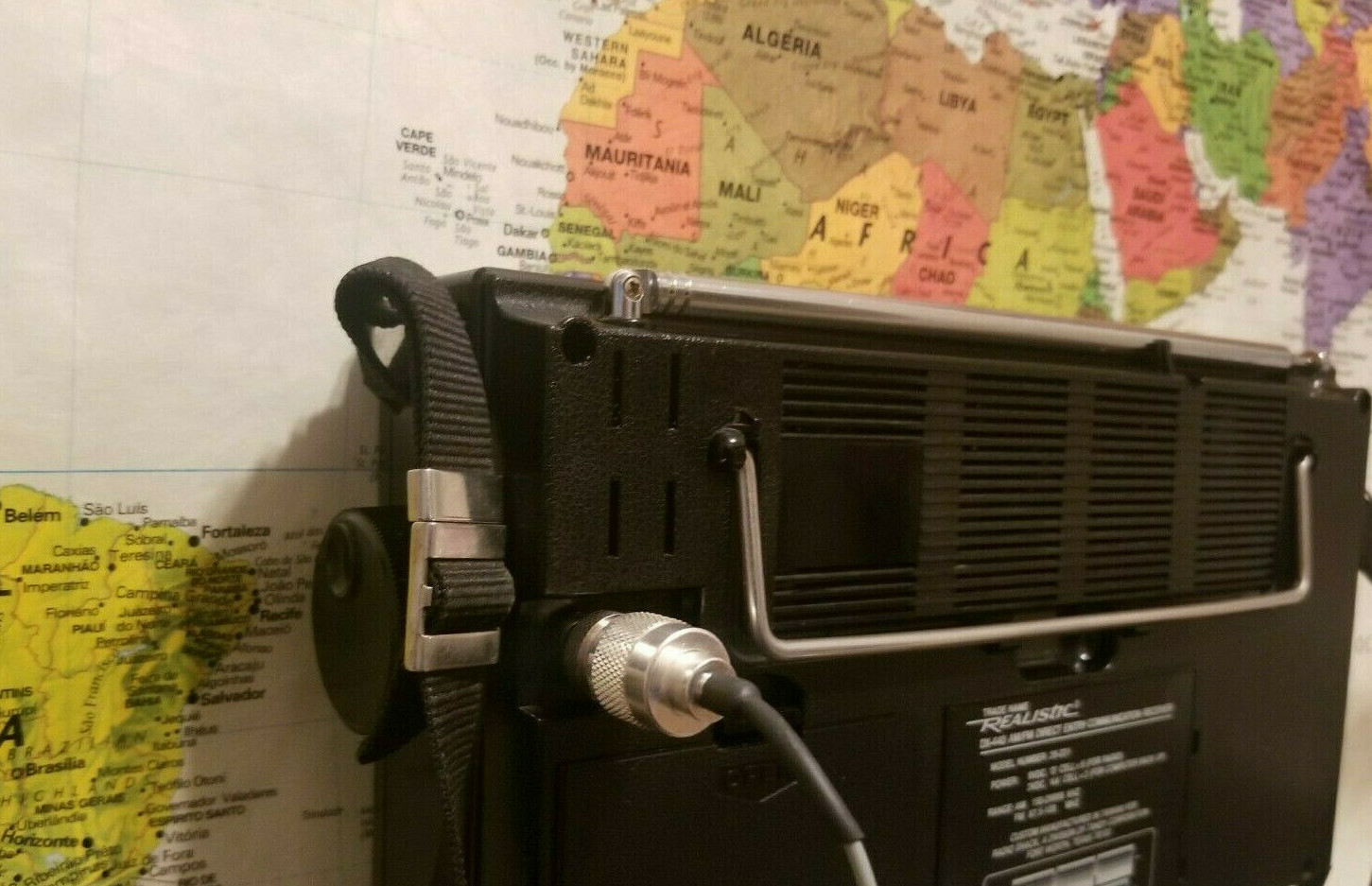
The Shortwave External Antenna makes sense when the goal is to enhance reception with a shortwave receiver, especially a Realistic DX440 or Sangean 803A. The description identifies a fit for radios with an RCA jack, and the antenna is presented as a 25ft portable wire. That receiving focus is its clearest advantage for a listener who wants an external antenna rather than a tuner with transmit-oriented controls. Its limitation is scope: it serves the shortwave-reception job, while the MFJ-945E serves antenna tuning across amateur-radio bands. At $14.99, it is the lower-priced choice, but the different job remains the more important distinction. The condition is new.
Final choice by use case
- For mobile, travel, or home-station tuning: choose the MFJ-945E Mobile Tuner. Its tuner design, dual/cross-needle meter, internal balun, and support for coax-fed or single-wire antennas match this job.
- For shortwave reception: choose the Shortwave External Antenna. The RCA-jack fit and portable wire format identify it as the receiving-side choice.
- If you are replacing an antenna: choose the Shortwave External Antenna. If you are adding a tuner to an existing antenna system, choose the MFJ-945E. The clearest decision is role first, then price and condition.