Shopping for ham radio antennas gets complicated when the choice is actually between antenna tuners with different operating limits. The HamGeek ATU-100 Pro+ Automatic Antenna Tuner and MFJ Versa Tuner II differ on price, power, and operating scope. The useful shortcut is to match your radio setup to the tuner's stated requirements first, then decide whether the lower price or the named MFJ model matters more.
Quick verdict
Choose the HamGeek ATU-100 Pro+ if keeping the purchase price lower is central. It is listed at USD 64.60, compared with USD 100.00 for the MFJ Versa Tuner II, creating a $35.40 gap. Choose the MFJ when the specific MFJ-941D model and its stated specifications are the reason for choosing it. Price is a useful tiebreaker, but it should follow the tuner's operating requirements rather than replace them.
At-a-glance comparison
| Comparison point | HamGeek ATU-100 Pro+ | MFJ Versa Tuner II |
|---|---|---|
| Listed price | USD 64.60 | USD 100.00 |
| Type | Automatic tuner | Tuner |
| Operating detail | 1.8-50 MHz; shortwave antenna tuner | HF band; ham radio transmitter and receiver use |
| Power detail | 100W maximum working power | 300W maximum power output |
| Condition | New | Used |
Where each tuner wins
- HamGeek ATU-100 Pro+ wins for a shopper who values its 0.96-inch OLED display and two-year manufacturer warranty, while the lower listed price keeps the comparison straightforward.
- MFJ Versa Tuner II wins for a shopper seeking the named MFJ-941D model and a tuner described for both ham radio transmitters and receivers. That equipment focus is more concrete than choosing by price alone.
The split is clear: HamGeek emphasizes a defined package with an OLED display, while MFJ emphasizes a named tuner model and stated radio use.
Product notes
HamGeek ATU-100 Pro+
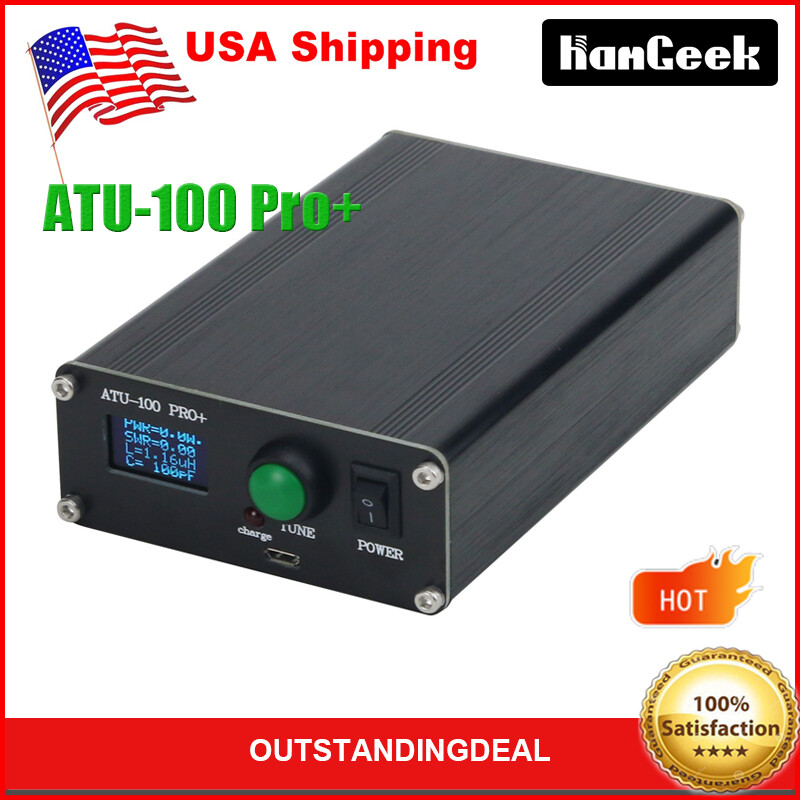
New condition and a two-year manufacturer warranty give the HamGeek a concrete reason to choose it when purchase context matters. The 0.96-inch OLED display is another useful differentiator, and the included USB cable and user manual define what comes with the tuner. Its limitation is the 10-15V DC supply range, which needs to suit the power arrangement around the tuner. The 100W maximum working power is also a firm boundary for the radio setup. HamGeek is therefore a focused choice for a buyer who values the display, new condition, and clearly specified operating requirements. The automatic format and defined frequency range add useful structure to the decision.
MFJ Versa Tuner II
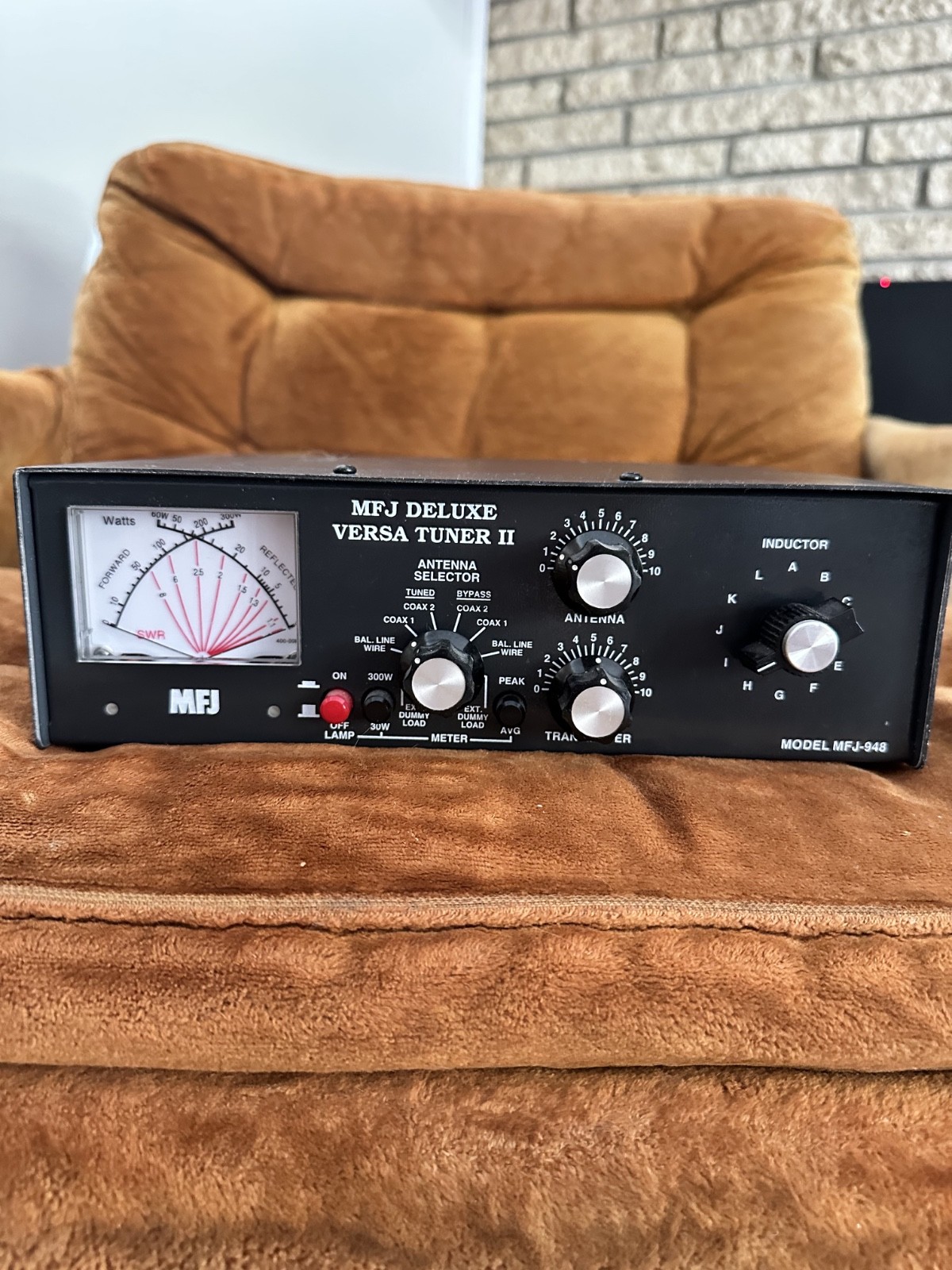
MFJ Versa Tuner II has a concrete appeal for shoppers seeking the MFJ-941D model and a tuner described for ham radio transmitters and receivers. The title gives the exact Versa Tuner II name, keeping the choice specific for anyone looking for that tuner family. The main limitation is used condition, so the purchase context differs from HamGeek's new condition. Shoppers who specifically want the MFJ model can accept that distinction; those who do not have a model-specific reason should compare the operating specifications before paying more. This is a named, model-specific choice for a buyer who wants the Versa Tuner II rather than an automatic tuner format.
Final choice by use case
For automatic tuning across 1.8-50 MHz with a 100W maximum working power, choose the HamGeek ATU-100 Pro+. Its lower listed price and new condition reinforce that choice when those specifications match the radio setup.
For HF use where a 300W maximum is the required specification, choose the MFJ Versa Tuner II. The MFJ-941D model name and transmitter-and-receiver description make its use case more specific.
If neither technical profile decides the purchase, HamGeek is the lower-price path and the $35.40 gap is the tie-breaker. The final choice is straightforward: HamGeek for automatic operation and the 1.8-50 MHz scope; MFJ for the HF and 300W combination.