Choosing among keyboard pcbs, cases & plates starts with a format decision: do you want a split custom build, or a compact board with a more conventional layout? The Corne V3 Crkbd and DROP × TADA68 answer those needs differently. Identify the layout and build method first, then compare firmware, switch support, and cost.
Quick verdict
Choose the Corne V3 Crkbd Split Keyboard PCB Kit for a 42-key split ergonomic design, Cherry MX and Kailh Choc compatibility, and VIA programmability. Choose the DROP × TADA68 Mechanical Keyboard PCB for a 68-key 65% layout with arrow keys, a top-right cluster, QMK compatibility, and MX mounting. They are aimed at different keyboard projects rather than the same final layout.
Compact comparison
| Product | Listed price | Format and key build detail |
|---|---|---|
| Corne V3 Crkbd Split Keyboard PCB Kit | USD 92.08 | 42-key split PCB kit; MX and Choc compatible |
| DROP × TADA68 Mechanical Keyboard PCB | USD 14.99 | 68-key 65% PCB; QMK compatible and MX mount |
Where each product wins
Corne V3 Crkbd wins for firmware and switch flexibility
The Corne stands out when VIA support and the choice between Cherry MX and Kailh Choc switches are central to the project. Its split ergonomic design also gives the build a clearly defined direction for shoppers prioritizing natural shoulder positioning and extended typing comfort.
DROP × TADA68 wins for a compact layout with familiar access
The TADA68 is the better match when arrow keys and the top-right cluster are important in a compact board. USB connectivity, standard plate support, and a solder-required design make its intended assembly path clear, while QMK provides the programmable firmware route.
Product notes
Corne V3 Crkbd Split Keyboard PCB Kit
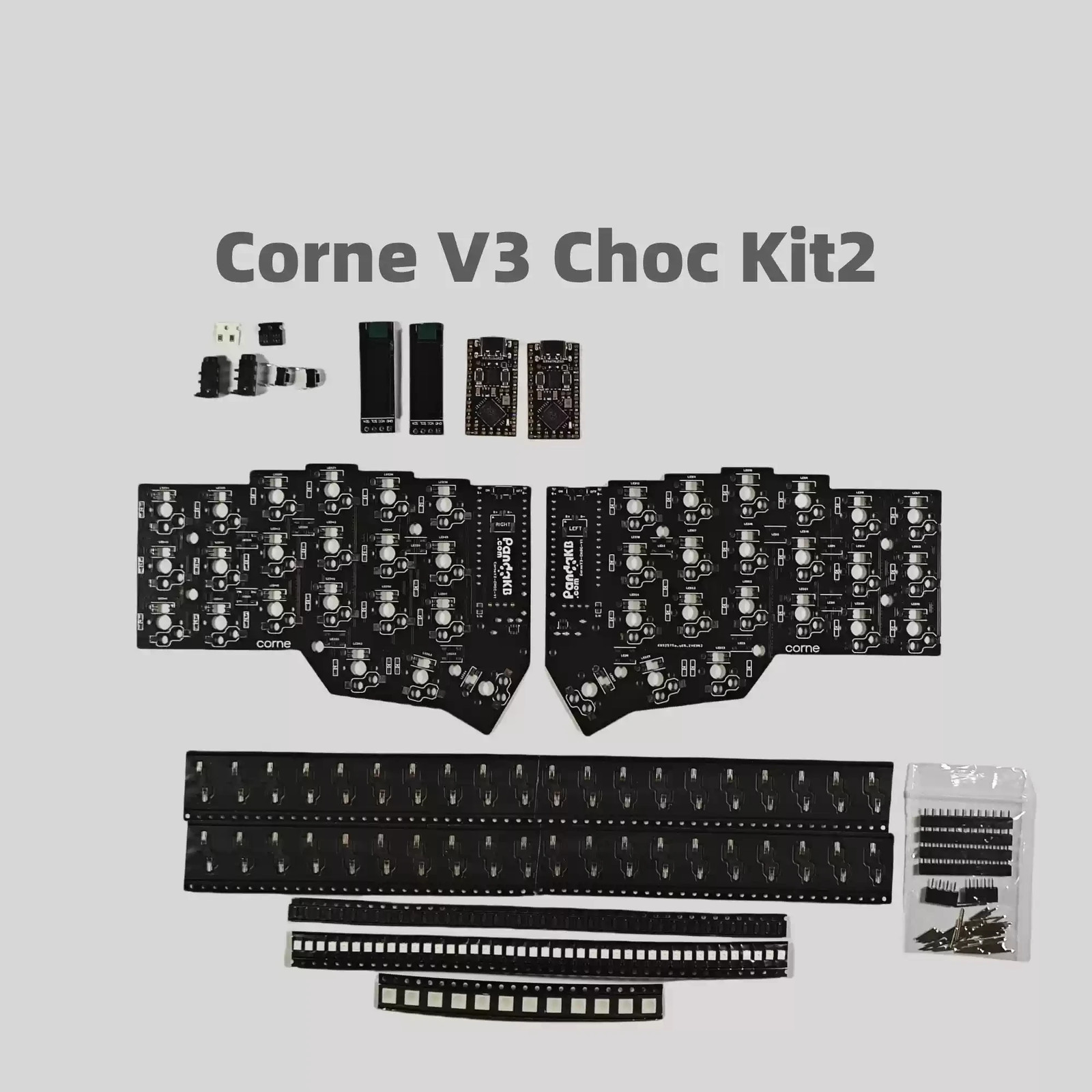
The Corne V3 Crkbd Split Keyboard PCB Kit is the focused choice for a custom split build. Its strongest reason to choose is the combination of Cherry MX and Kailh Choc compatibility, which keeps both standard and low-profile switch paths open. VIA firmware support adds another concrete reason for shoppers who want programmable key assignments. The limitation is the listed USD 92.08 price, which makes it a substantially larger purchase than the TADA68, and the 42-key arrangement is a specific layout commitment rather than a conventional 65% board. As a PCB kit, its appeal is the custom-build direction-not a ready-to-type keyboard.
DROP × TADA68 Mechanical Keyboard PCB
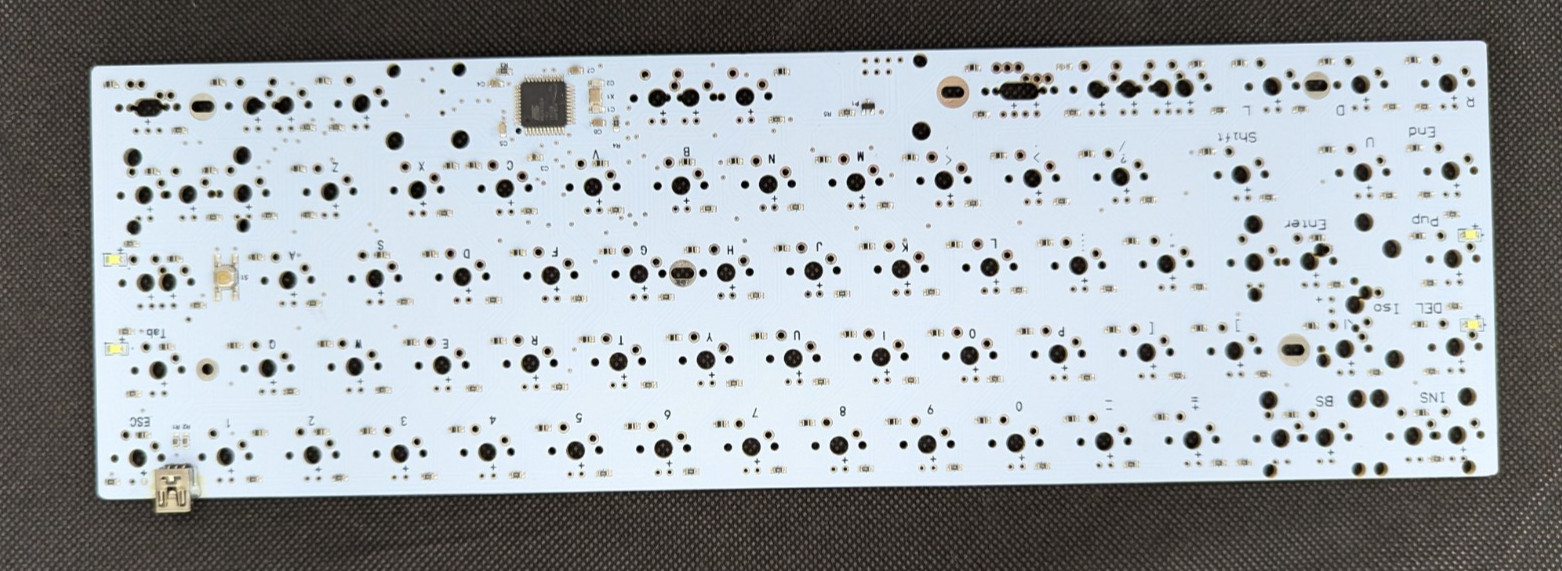
The DROP × TADA68 Mechanical Keyboard PCB suits a shopper who has already settled on a compact 65% build. QMK compatibility, MX mounting, USB connectivity, and support for Cherry MX switches and clones give the board a defined DIY role. At USD 14.99, it is the smaller listed-price commitment of this comparison. The limitation is scope: it is a PCB only, with the case, plate, switches, keycaps, and stabilizers excluded. Soldering is required, and it is not hot-swap unless modified, so it is a poor fit for a solder-free plan. Do not treat the low price as the cost of a complete keyboard.
Final choice by use case
- For a split ergonomic project: Choose the Corne V3 Crkbd, especially if MX/Choc compatibility and VIA are priorities.
- For a compact QMK project: Choose the DROP × TADA68 when arrow keys, the top-right cluster, and MX mounting fit the intended layout.
- For a soldered DIY build: The TADA68 is the clearer match because soldering is explicitly part of its assembly method.
The deciding factor is format first: Corne delivers the split-kit direction, while TADA68 delivers the compact 65% PCB direction.