Choosing among keyboard PCBs, cases & plates gets tricky when one option is a replacement board and the other is an assembled keyboard. The useful question is not simply which costs less; it is whether you are finishing a compatible custom build or choosing a configurable keyboard that is already put together. Pikatea KP69 and P40v2 serve those different project stages.
Quick verdict
Choose the Pikatea KP69 when the job calls for a mechanical keyboard PCB for a compatible custom build or replacement. Choose the 40 Key Ortholinear P40v2 when you want the keyboard itself, with a defined ortholinear layout and configurable controls. These are not interchangeable routes: the KP69 is a board-first component, while the P40v2 includes a frame and assembled keyboard hardware.
At a glance
| Decision point | Pikatea KP69 | P40v2 |
|---|---|---|
| Price | USD 30.00 | USD 60.00 |
| Format | Mechanical keyboard PCB | 40-key ortholinear mechanical keyboard |
| Color | Black | Gray |
| Condition | Used | Used |
Where each product wins
Pikatea KP69 wins for a board-first project. It is intended for compatible custom keyboard builds and replacements, and the KP69's 69-key layout gives the build a specific target. Pick this direction when a replacement PCB is the concrete component you need to integrate into a larger project.
P40v2 wins for an assembled, configurable start. The keyboard includes its PCB and frame, switches, wired USB-C connection, and hot-swap sockets; those details matter if you want hardware that can be adjusted rather than a standalone replacement board. VIAL support also lets you change the keymap. Its 40-key ortholinear format is the defining choice.
Product notes
Pikatea KP69 Mechanical Keyboard PCB
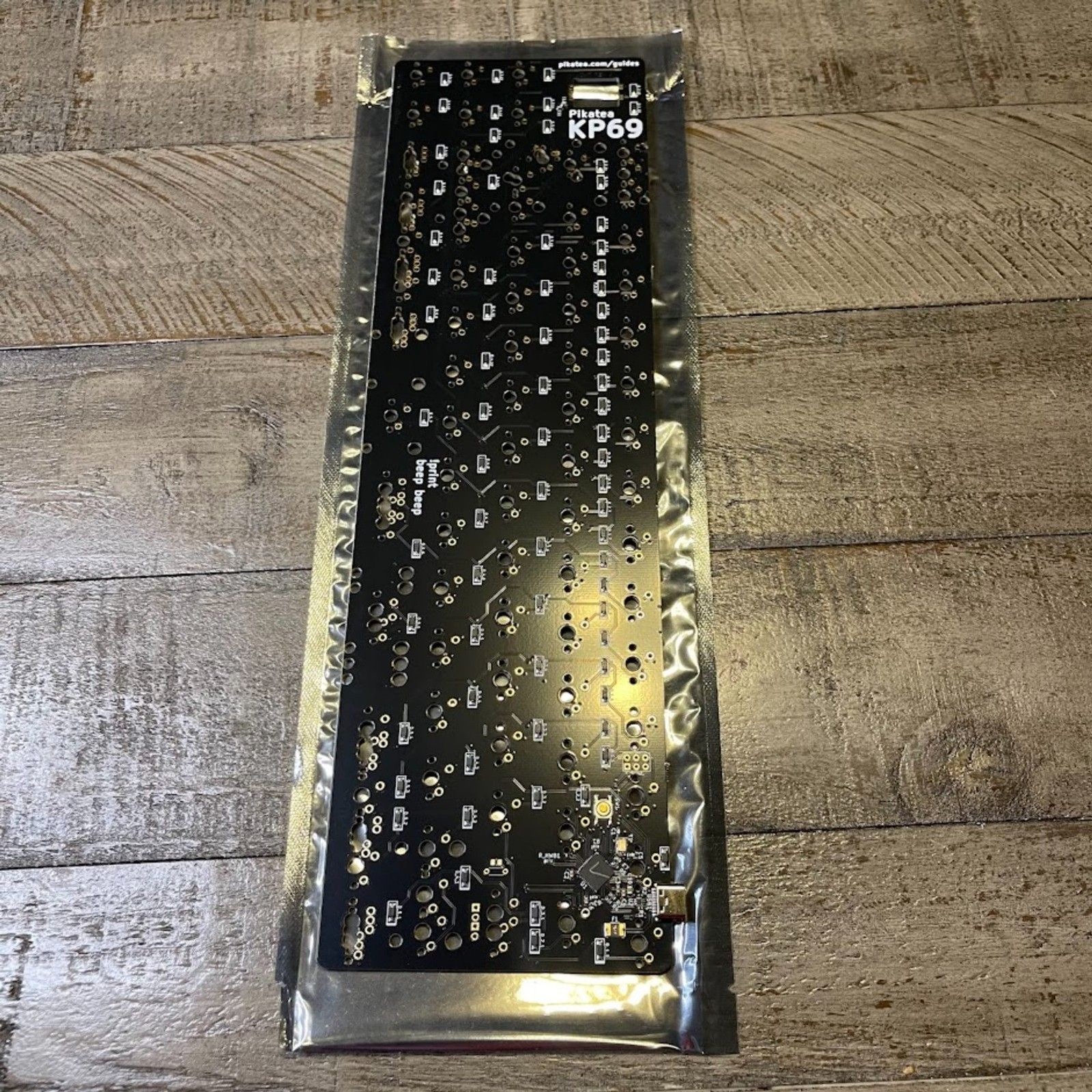
The Pikatea KP69 suits a repair or custom-build plan centered on the KP69 layout. At 69 keys, it gives a specific target for a compatible project, while its black color can coordinate with a build that calls for that finish. The mechanical keyboard PCB is intended for custom builds and replacements, so its clearest role is as the board component in that work. The limitation is condition: it is marked used and has light wear consistent with age and normal use. Choose it when a KP69 replacement board is the concrete part your project needs; its focused PCB format is less suitable if your goal is an assembled keyboard rather than a build component.
40 Key Ortholinear P40v2 Keyboard
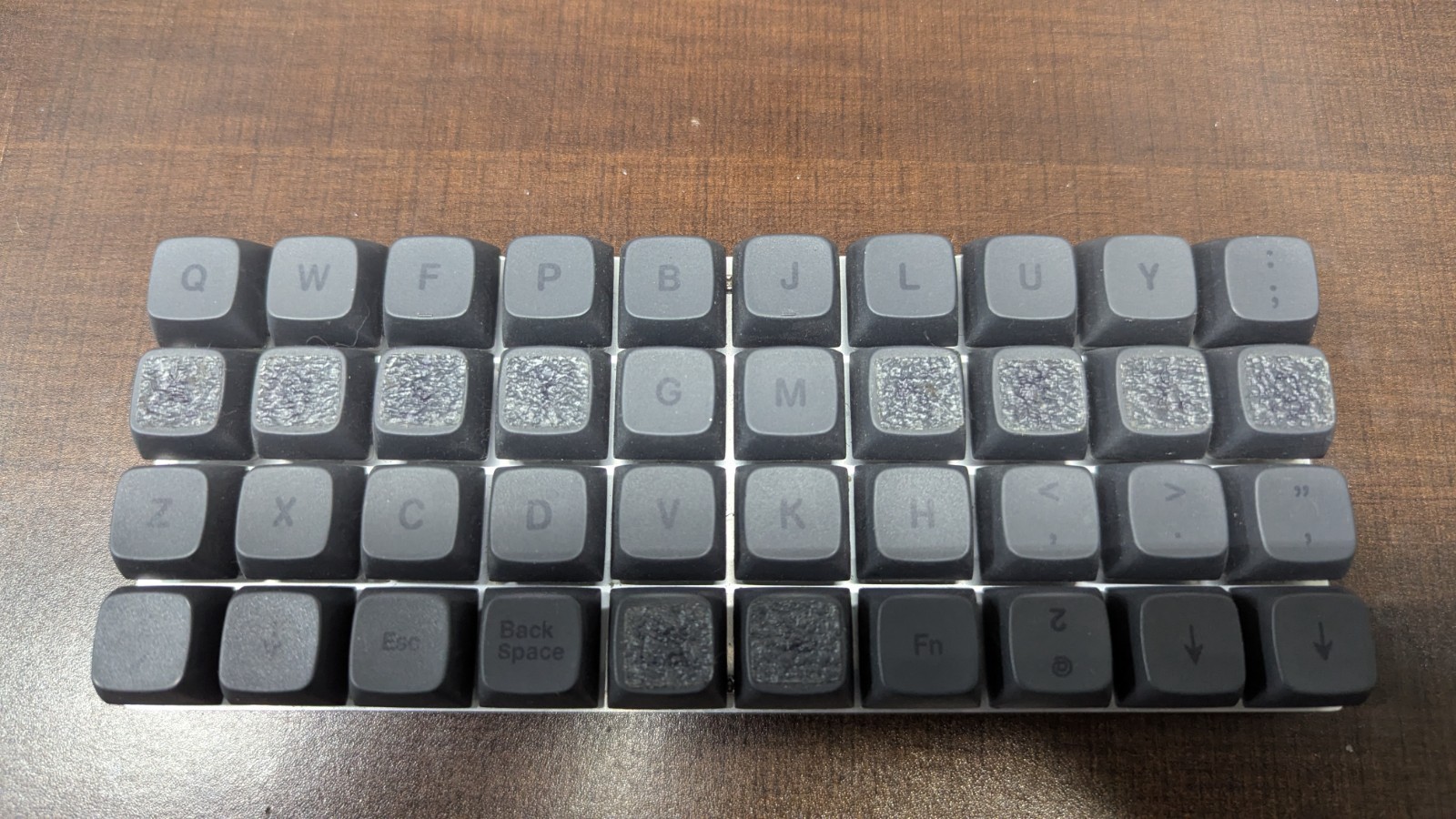
The P40v2 is suited to shoppers who want an assembled mechanical keyboard with a defined ortholinear layout. Its primary Colemak Mod-DH and secondary QWERTY configurations create a concrete starting arrangement, and VIAL lets you change the keymap. The installed switch set is a clear limitation for anyone seeking one consistent switch type: 34 keys use linear switches and 6 use clicky switches. The keyboard is also marked used and shown in gray. Pick it when the 40-key format, remapping, and switch-replacement path fit your plan; choose another direction if the key requirement is a KP69 replacement PCB.
Final choice by use case
- For a custom replacement or compatible build: Pick the Pikatea KP69. The decision is anchored to its KP69 69-key PCB role and its USD 30.00 price.
- For an assembled ortholinear keyboard: Pick the P40v2. Its USD 60.00 price is attached to the keyboard format, configurable layouts, and assembled hardware.
- For price-sensitive project planning: The absolute spread is USD 30.00, with the KP69 at USD 30.00 and P40v2 at USD 60.00. Treat that as a component-versus-assembled choice, not a like-for-like feature contest.