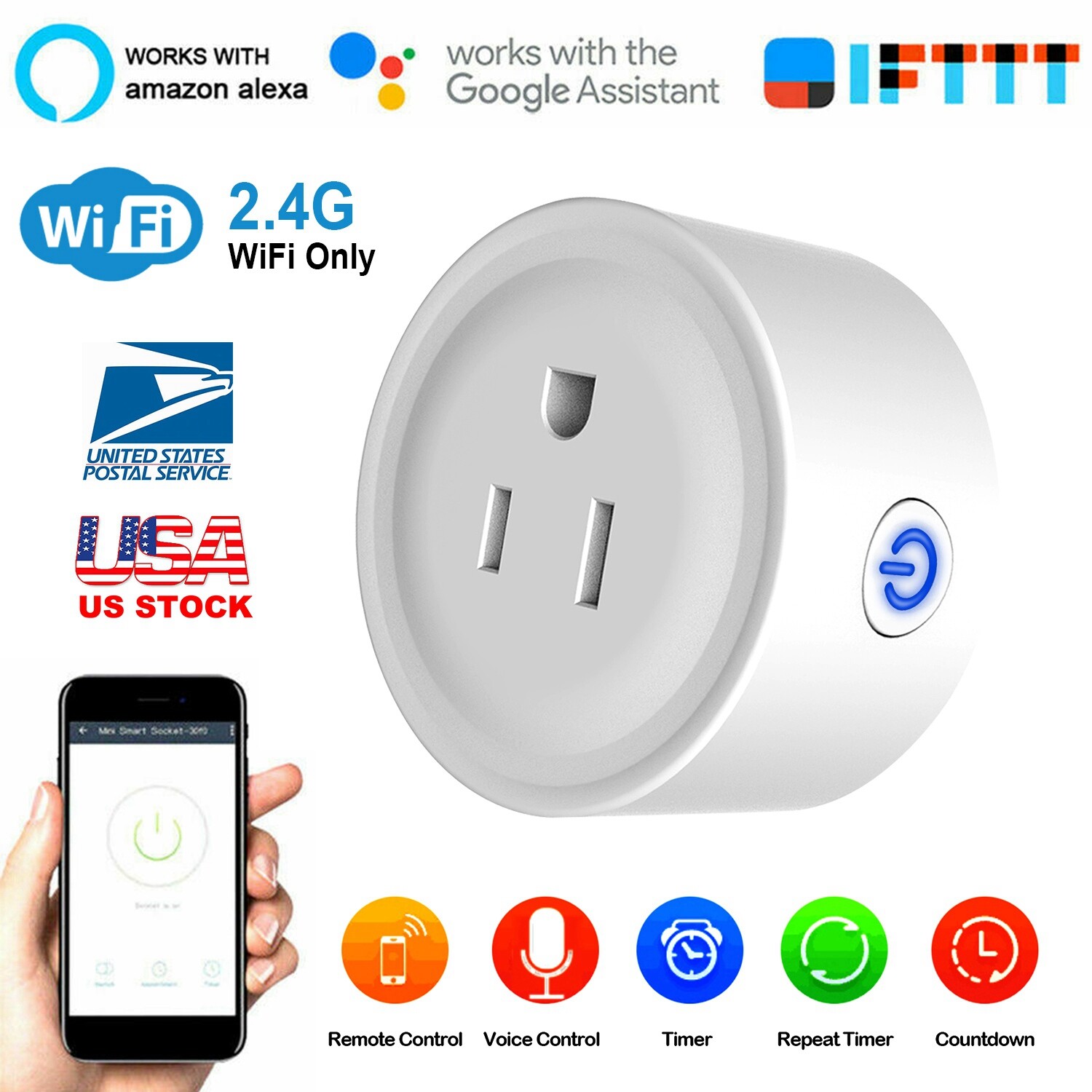

Photos from current listings. Actual item, color, and included accessories may vary.
Smart Plug And Switch Buying Guide
Smart plugs and smart switches are retrofit or in-wall devices that add app, voice, and scheduling control to ordinary lighting and appliances. The core trade-off is relay architecture and wiring format: plug-in modules are zero-install but bulky and limited to outlet placement, while in-wall switches require neutral-wire wiring yet deliver native wall control and cleaner aesthetics. Choose plug-ins for renter-friendly or seasonal loads, and in-wall switches only when you can confirm neutral wire, box depth, and load compatibility.
Key takeaways
- Relay type separates durability: 15A/16A resistive-rated relays handle space heaters and kettles; 10A relays suit lamps and electronics but may weld under motor loads.
- Neutral wire requirement is the hard limit for in-wall switches—no-neutral models rely on a bypass capacitor or minimum load (often 25-40W) to stay powered.
- Wi-Fi 2.4GHz-only radios are the norm; 5GHz-only networks block pairing, and Matter/Thread models need a Thread border router for local control.
At a glance
- Category
- Smart Home Electronics
- Last updated
- Nov 28, 2026
Current offers
Highlights
- Relay type separates durability: 15A/16A resistive-rated relays handle space heaters and kettles; 10A relays suit lamps and electronics but may weld under motor loads.
- Neutral wire requirement is the hard limit for in-wall switches—no-neutral models rely on a bypass capacitor or minimum load (often 25-40W) to stay powered.
- Wi-Fi 2.4GHz-only radios are the norm; 5GHz-only networks block pairing, and Matter/Thread models need a Thread border router for local control.
- Outdoor units add IP65 gaskets and light sensors; indoor mini plugs (about 2.1×2.1×1.1 in) can block the second outlet on a duplex receptacle.
Best use cases
- Best fit: renters and apartment dwellers controlling lamps or holiday lighting—pick plug-in mini smart plugs with 2.4GHz Wi-Fi and no hub requirement; skip in-wall switches you cannot legally modify.
- Best fit: porch or landscape lighting on a schedule—choose an outdoor plug with integrated photocell and IP65 sealing; skip indoor plugs in damp locations even under a cover.
- Best fit: permanent ceiling-fixture control at the wall—install a neutral-required in-wall smart switch rated for the load (LED, CFL, or incandescent); skip no-neutral switches on circuits below their minimum load.
- Best fit: high-draw appliances like space heaters or window AC—use a 15A/16A resistive-rated plug or switch with overload protection; skip 10A lamp modules and dimmers for motor or heating loads.
Buying tips
- Match the load: derate relays to 80% for continuous use—a 15A circuit should carry no more than 12A continuous, so a 1500W heater (12.5A at 120V) needs a 15A-rated device.
- Verify neutral presence in the wall box before buying an in-wall switch; if absent, choose a no-neutral model only when the connected bulb load exceeds the stated minimum (commonly 25-40W).
- Confirm box depth: smart switches typically need 1.5-2.0 in of depth behind the plate; shallow boxes require a slim relay or plug-in module instead.
- For 3-way or multi-way circuits, buy the manufacturer's matching remote/add-on switch—generic smart switches do not replicate traveler-wire logic.
Specs
| Install Type | Plug-in module vs in-wall switch |
|---|---|
| Neutral Wire | Required vs no-neutral (min load) |
| Load Rating | 10A lighting / 15-16A resistive |
| Protocol | Wi-Fi 2.4GHz / Matter / Zigbee |
Related searches
What to check before buying
- Measure the wall box depth and confirm a neutral wire bundle (usually white) before selecting an in-wall smart switch.
- Check receptacle spacing: a 2.1×2.1×1.1 in plug-in module may cover the second outlet on a standard duplex; use a side-by-side or single-outlet design where both are needed.
- Confirm 2.4GHz Wi-Fi coverage at the device location and that your router broadcasts a separate 2.4GHz SSID if needed for pairing.
- For outdoor use, verify the receptacle is GFCI-protected and the plug carries an IP65 or higher rating with a gasketed cover.
FAQ
Data sources: eBay / Amazon listings and product attribute feeds. Updated Nov 28, 2026.
Some links on this page are affiliate links. If you buy after clicking one, we may earn a commission at no extra cost to you. This does not change which products appear here or their order. Affiliate disclosure.