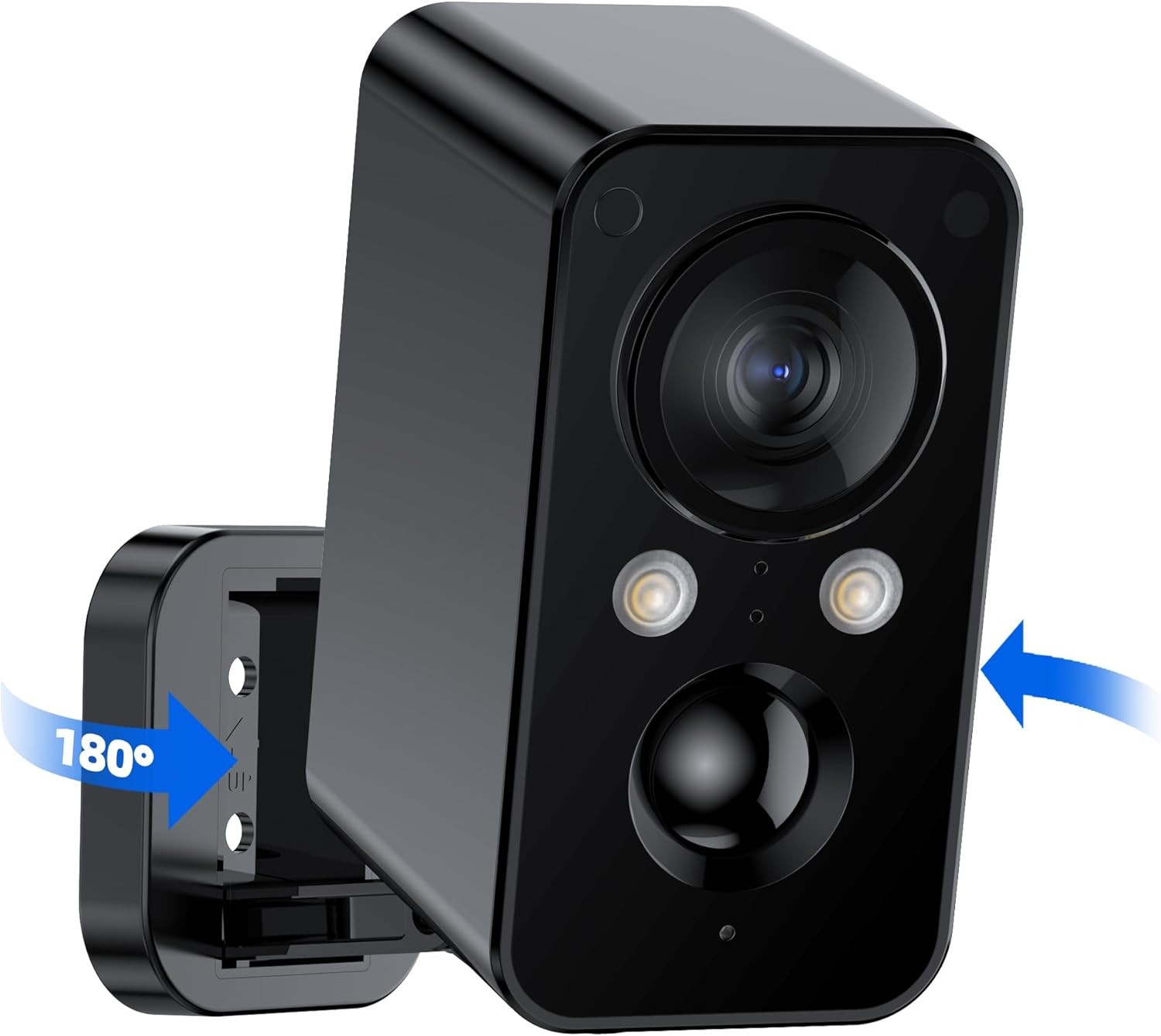

Photos from current listings. Actual item, color, and included accessories may vary.
Outdoor Camera Without WiFi Buying Guide
Outdoor cameras without WiFi fall into two architectures: cellular (4G LTE) models that need a SIM data plan, and local-storage models that record to an SD card or NVR without any network. The core trade-off is connectivity cost and convenience versus total independence from subscriptions and signal coverage. Choose a cellular model only if you have reliable LTE signal and accept a monthly data plan; choose a local-storage or PoE model if you want zero recurring fees and can run a cable or swap SD cards.
Key takeaways
- Cellular models use 4G LTE Cat 4 or Cat 1 modems; Cat 4 supports 2K/4MP streams, Cat 1 caps at 1080p and is common on budget solar units.
- Solar-powered units pair a 5-10W panel with a 5000-10000mAh battery; panel wattage, not battery size, determines winter survival in low-sun climates.
- Local-storage WiFi-free cameras record to microSD (up to 256GB) or a PoE NVR; PoE delivers power and data over one Cat5e/Cat6 cable up to 100m.
At a glance
- Category
- Smart Home Electronics
- Last updated
- Nov 29, 2026
Current offers
Highlights
- Cellular models use 4G LTE Cat 4 or Cat 1 modems; Cat 4 supports 2K/4MP streams, Cat 1 caps at 1080p and is common on budget solar units.
- Solar-powered units pair a 5-10W panel with a 5000-10000mAh battery; panel wattage, not battery size, determines winter survival in low-sun climates.
- Local-storage WiFi-free cameras record to microSD (up to 256GB) or a PoE NVR; PoE delivers power and data over one Cat5e/Cat6 cable up to 100m.
- PIR motion sensors (passive infrared) trigger recording and cellular upload; always-on cellular streaming drains batteries in days, so PIR duty-cycling is mandatory.
Best use cases
- Best fit cellular: remote gates, construction sites, or vacation cabins with LTE coverage but no internet—pick a 4G LTE model with included SIM and SD slot; skip WiFi-only units.
- Best fit local-storage: home perimeters where you can run Ethernet—choose a PoE camera or an SD-card recorder; skip solar cellular if you have no data plan budget.
- Wrong fit: urban apartments with strong WiFi and no cellular need—a WiFi camera is cheaper and streams faster; cellular adds cost with no benefit.
- Wrong fit: deep-shade installations for solar models—panel output drops below battery draw; choose a wired PoE or AC-powered model instead.
Buying tips
- Match resolution to modem: 2K/4MP needs LTE Cat 4; Cat 1 modules typically cap at 1080p, so don't pay for 2K on a Cat 1 camera.
- Size the solar panel to latitude: 5W is marginal in winter at high latitudes; 8-10W panels with 10000mAh batteries sustain 2K PIR cameras through short days.
- Verify cellular band support: US carriers need LTE bands 2/4/5/12/13/66; a camera missing band 12/13 will drop to weak coverage indoors or in rural areas.
- For PoE, confirm 802.3af (15.4W) vs 802.3at (30W) — pan/tilt and heater-equipped models need at; a standard af injector may brown out.
Specs
| Connectivity | 4G LTE / PoE / SD-card local |
|---|---|
| Resolution Tier | 1080p (Cat 1) vs 2K/4MP (Cat 4) |
| Power Source | Solar+battery / PoE / AC |
| Storage | microSD ≤256GB / NVR / cloud |
Related searches
What to check before buying
- Measure the mounting height and angle: PIR sensors detect best at 2-3m height with a 10-15° downward tilt; too high misses faces, too low triggers pets.
- Check LTE signal at the exact mount point with a phone on the same carrier; below -100 dBm RSRP will cause failed uploads and battery drain.
- Confirm microSD endurance rating: use high-endurance cards (e.g., 128GB high-endurance) because continuous PIR recording wears standard cards in months.
- For solar, estimate daily sun hours: under 3 peak sun hours requires a panel at least 2x the camera's daily draw or a wired power alternative.
FAQ
Data sources: eBay / Amazon listings and product attribute feeds. Updated Nov 29, 2026.
Some links on this page are affiliate links. If you buy after clicking one, we may earn a commission at no extra cost to you. This does not change which products appear here or their order. Affiliate disclosure.