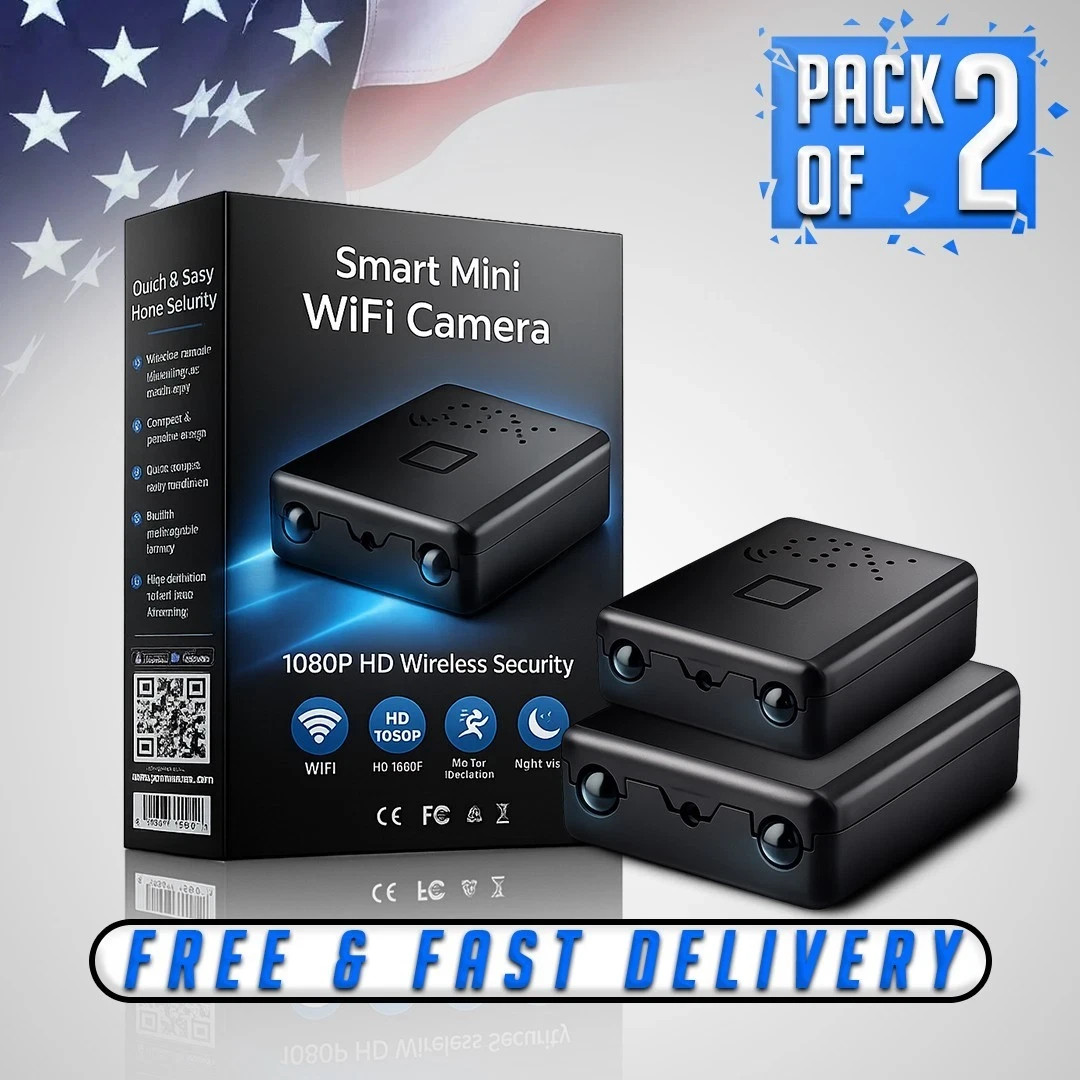

Photos from current listings. Actual item, color, and included accessories may vary.
Mini Wireless Camera Buying Guide
Mini wireless cameras are palm-sized Wi-Fi surveillance units that trade battery life and resolution against true always-on reliability. The core decision is between battery-powered clip-on models with PIR wake-up and plug-in units that record 24/7 without gaps. Buy plug-in for continuous coverage, battery only where wiring is impossible, and treat sub-2MP sensors with fake 4K labels as compromises.
Median $19.78
Key takeaways
- Resolution tiers: 1080p (2MP) is baseline; 2K (4MP) gives usable facial ID at 3–5 m; 4K labels on mini bodies usually mean upscaled 2MP sensors.
- Power architecture: battery models use PIR wake-up with 10–60 s clip limits and 2–6 month life; plug-in USB models record continuously with no dead zones.
- Night vision: 850 nm IR gives covert 5–8 m range; white-light color night vision reaches 10 m but alerts subjects and drains battery faster.
At a glance
- Category
- Smart Home Electronics
- Last updated
- Nov 28, 2026
Current offers
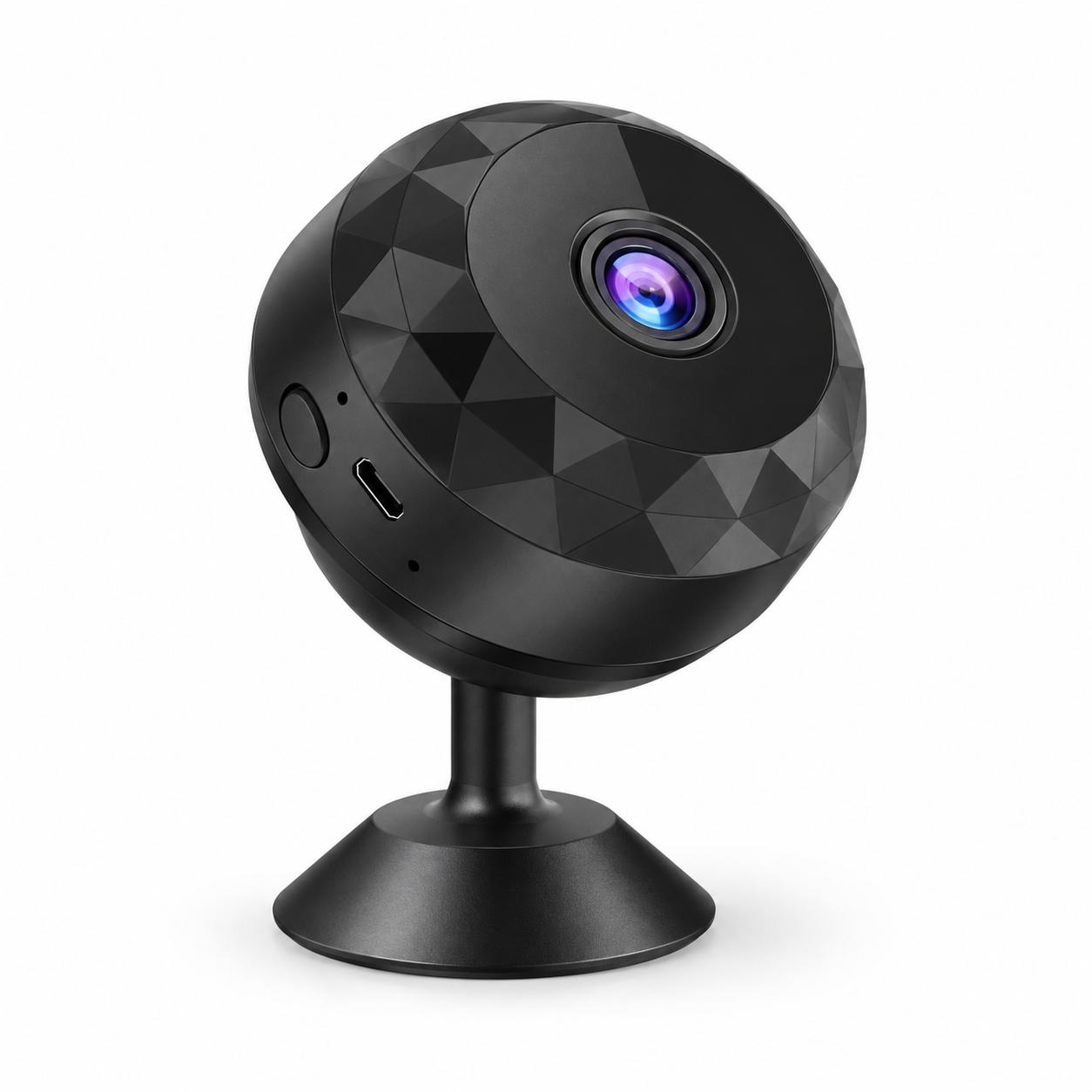
Highlights
- Resolution tiers: 1080p (2MP) is baseline; 2K (4MP) gives usable facial ID at 3–5 m; 4K labels on mini bodies usually mean upscaled 2MP sensors.
- Power architecture: battery models use PIR wake-up with 10–60 s clip limits and 2–6 month life; plug-in USB models record continuously with no dead zones.
- Night vision: 850 nm IR gives covert 5–8 m range; white-light color night vision reaches 10 m but alerts subjects and drains battery faster.
- Storage: microSD up to 128 GB (Class 10/U1 minimum) for local loop recording; cloud plans add recurring cost and depend on 2.4 GHz Wi-Fi only—5 GHz is rarely supported.
Best use cases
- Best fit: renters wanting a no-drill window or shelf cam—pick a plug-in 1080p pan/tilt unit with microSD and 2.4 GHz Wi-Fi.
- Best fit: shed, garage, or nursery where no outlet exists—choose a battery PIR model rated IP65 with 2–3 month battery life and local storage.
- Wrong fit: 24/7 outdoor perimeter monitoring—skip battery minis and use a wired PoE or floodlight camera; battery units miss events between wake cycles.
Buying tips
- Match sensor to distance: 2MP/1080p for rooms under 20 m²; 4MP/2K only if you need facial detail beyond 4 m—ignore '4K' claims under 8MP.
- Check Wi-Fi band: nearly all minis are 2.4 GHz-only; ensure your router broadcasts a separate 2.4 GHz SSID or the camera will fail pairing.
- For battery models, demand PIR (passive infrared) detection, not pixel-diff—PIR cuts false alerts and extends standby life to months.
- Pick microSD Class 10/U1 or U3; loop recording overwrites oldest footage, and 128 GB holds roughly 10–14 days of 1080p event clips.
Specs
| Resolution | 1080p 2MP baseline / 2K 4MP detail |
|---|---|
| Power | Battery PIR event vs USB plug-in 24/7 |
| Night Vision | IR 850 nm 5–8 m / white-light 10 m |
| Wi-Fi Band | 2.4 GHz only (5 GHz unsupported) |
Related searches
What to check before buying
- Measure the mount surface and confirm the camera base footprint fits within 60–80 mm width for discreet placement.
- Verify a 2.4 GHz Wi-Fi signal of at least -70 dBm at the mount point; 5 GHz-only routers need a 2.4 GHz guest SSID enabled.
- For battery units, confirm operating range 0–40 °C and IP65 if placed outdoors under an eave—not direct rain.
- Check you have a USB power source within cable reach (typically 1–3 m) for plug-in models, or a charged 5000 mAh+ battery for cordless.
FAQ
Data sources: eBay / Amazon listings and product attribute feeds. Updated Nov 28, 2026.
Some links on this page are affiliate links. If you buy after clicking one, we may earn a commission at no extra cost to you. This does not change which products appear here or their order. Affiliate disclosure.