
Photos from current listings. Actual item, color, and included accessories may vary.
Arduino Robot Kit Buying Guide
An Arduino robot kit bundles a microcontroller board, motor driver, chassis, and sensors into a buildable platform for learning embedded robotics. The decisive trade-off is architecture: official Arduino kits use genuine boards and curated curricula, while shield and third-party kits vary widely in motor driver quality and mechanical rigidity. Buy based on the motor type and shield stack compatibility, not the box art; kits with proper H-bridge drivers and metal or thick acrylic chassis outlast thin plastic toy-grade builds.
Median $119.99
Key takeaways
- Shield kits like the Parallax 130-35000 stack a dedicated motor driver shield on an Arduino Uno footprint, giving dual DC motor channels plus servo headers without custom wiring.
- ESP32-based kits replace the 8-bit AVR with a dual-core 240 MHz MCU, adding Wi-Fi and Bluetooth but requiring 3.3V logic awareness for sensors and servos.
- Arduino Engineering Kit R2 (AKX00022) pairs a Nano 33 IoT with MathWorks Simulink curricula and custom motor driver boards for control-theory learning.
At a glance
- Category
- Robotics Motors & Maker Kits
- Last updated
- Nov 23, 2026
Current offers
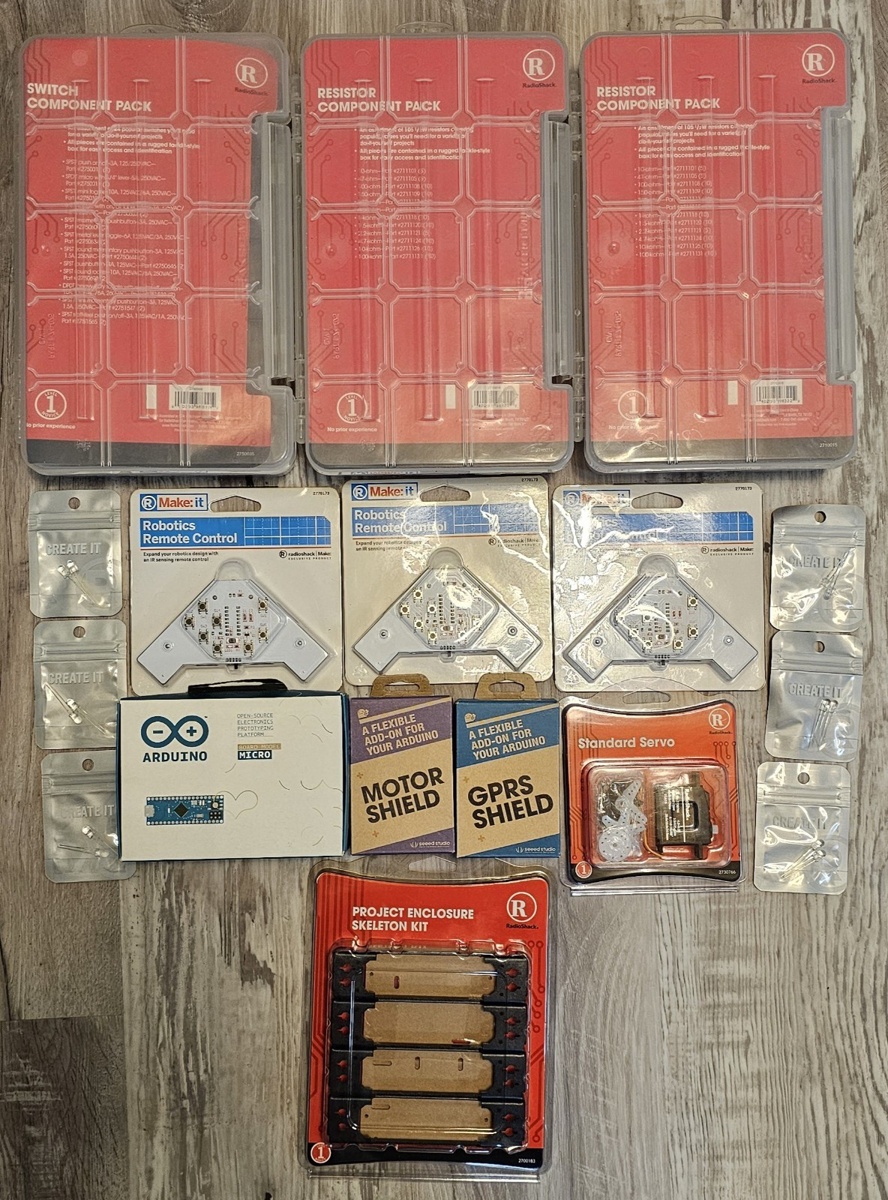 Arduino Micro RadioShack Robotics Kit Lot Servo Shields Resistors Components NEW$109.00View on eBay
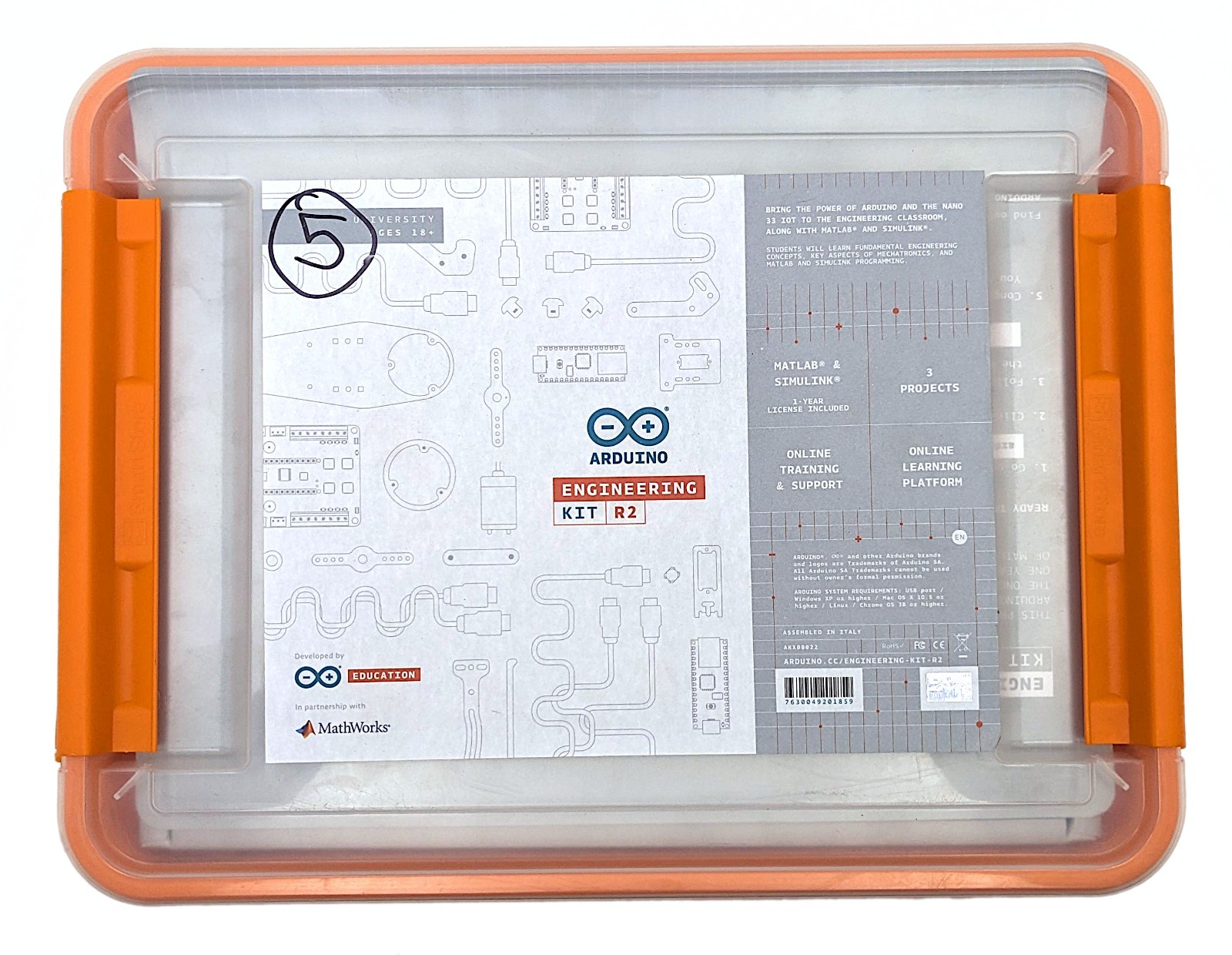 Arduino Engineering Kit R2 Robotics Kit MathWorks Nano Hardware Only - AKX00022$119.99View on eBay
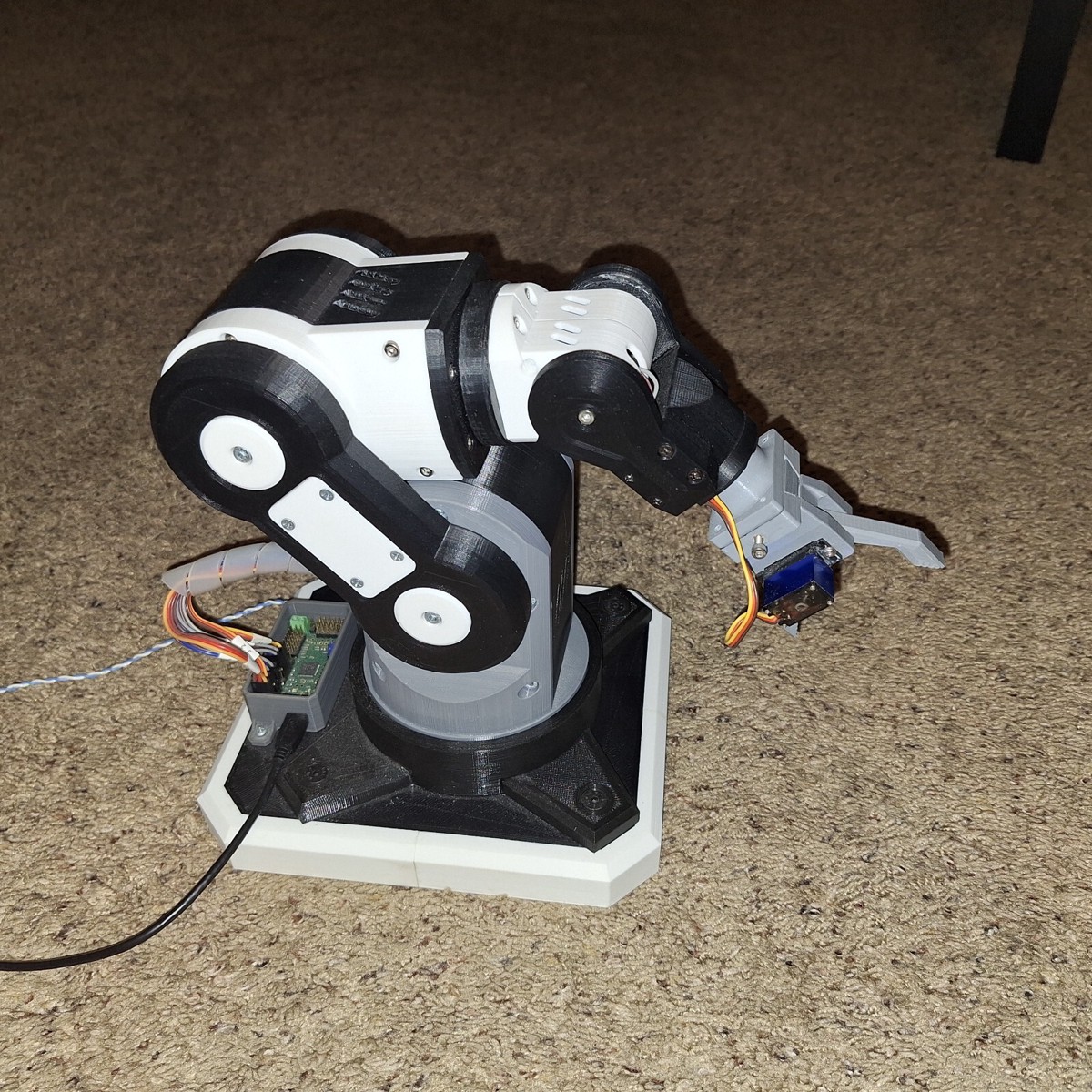 3D Printed Arduino Pololu Robot Arm with Servo Motors for DIY READ DESCRIPTION$225.00Last checked Nov 18, 2026View on eBay
Highlights
- Shield kits like the Parallax 130-35000 stack a dedicated motor driver shield on an Arduino Uno footprint, giving dual DC motor channels plus servo headers without custom wiring.
- ESP32-based kits replace the 8-bit AVR with a dual-core 240 MHz MCU, adding Wi-Fi and Bluetooth but requiring 3.3V logic awareness for sensors and servos.
- Arduino Engineering Kit R2 (AKX00022) pairs a Nano 33 IoT with MathWorks Simulink curricula and custom motor driver boards for control-theory learning.
- Chassis material determines durability: 3-5 mm acrylic or aluminum plates resist servo torque flex, while 2 mm laser-cut wood or thin ABS cracks at motor mounts.
Best use cases
- Best fit for classroom or self-study curriculum: Arduino Engineering Kit R2 or Parallax Shield Kit with documented lessons and genuine boards; skip generic component lots with no guide.
- Best fit for Wi-Fi/Bluetooth IoT robotics: ESP32 kit with SLATE board or similar; skip 8-bit Uno-only shields if you need wireless telemetry.
- Best fit for robotic arm or precision servo projects: 3D-printed or aluminum arm kit with metal-gear servos and external power; skip kits powering servos from the Arduino 5V pin.
- Best fit for first-time solder-free assembly: shield-stack kits with pre-crimped connectors; skip bare component lots requiring breadboard wiring and separate driver sourcing.
Buying tips
- Match motor driver current to motor stall current: L298N handles about 2A per channel, TB6612 about 1.2A continuous, DRV8833 about 1.5A; undersizing causes driver thermal shutdown.
- For servo arms, budget 1A per standard servo at stall and use a separate 5-6V BEC supply; the Arduino 5V regulator supplies well under 1A and will brown out.
- Choose metal-gear servos (MG996R class) over nylon for arm joints; nylon gears strip under static load above roughly 2 kg-cm.
- Confirm shield stacking: Uno R3 shields fit Uno and Mega footprints, but Nano 33 IoT and ESP32 boards need carrier adapters or dedicated PCB layouts.
Specs
| Motor Driver | L298N / TB6612 / DRV8833 H-bridge |
|---|---|
| Logic Voltage | 5V AVR vs 3.3V ESP32/Nano 33 |
| Chassis Material | Acrylic / aluminum / 3D-printed |
| Servo Type | Metal-gear vs nylon, 3-15 kg-cm |
Related searches
What to check before buying
- Measure your build space and verify chassis footprint; typical two-wheel chassis are 15-20 cm wide but arm kits need 30 cm clearance for full servo sweep.
- Check logic voltage: ESP32 and Nano 33 IoT are 3.3V; confirm sensors and shields are level-shifted or 3.3V-compatible before stacking.
- Verify power input: most kits run 6-12V DC barrel or USB-C; match your supply plug polarity and confirm the driver accepts your battery voltage.
- Ensure companion parts: servo horns, wheels, and battery holders are included or standard; missing hub adapters block assembly.
FAQ
Data sources: eBay / Amazon listings and product attribute feeds. Updated Nov 23, 2026.
Some links on this page are affiliate links. If you buy after clicking one, we may earn a commission at no extra cost to you. This does not change which products appear here or their order. Affiliate disclosure.