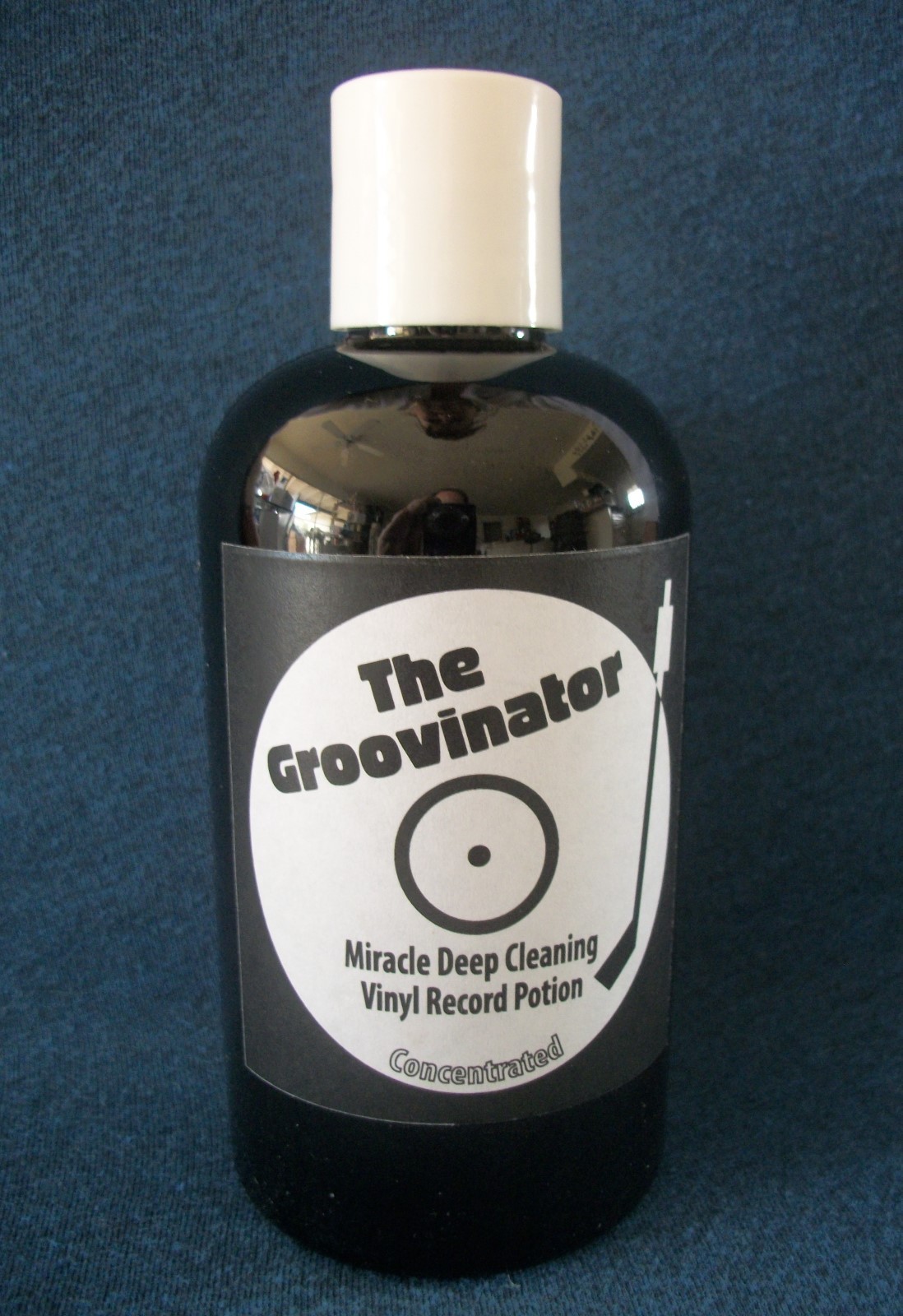

Photos from current listings. Actual item, color, and included accessories may vary.
Vinyl Record Cleaning Solution Buying Guide
Vinyl record cleaning solutions are formulated liquids—concentrates, ready-to-use fluids, or sprays—that suspend and lift dust, oils, and mold release residue from record grooves without leaving film or attacking vinyl. The core trade-off is surfactant strength versus residue risk: aggressive detergents clean deeply but can leave hazy deposits or strip labels, while mild alcohol-free blends protect vinyl but may under-clean heavy grime. Choose a concentrate if you clean batches and want cost control, or a ready-to-use fluid if you want predictable dilution and minimal mixing error.
Median $13.70
Key takeaways
- Concentrates (typically 4 oz) dilute 1:10 to 1:30 with distilled water, yielding multiple liters of working fluid and lower per-record cost than ready-to-use 180 ml bottles.
- Alcohol-free, surfactant-based formulas are the safe default for vinyl; isopropyl alcohol blends speed evaporation but can cloud polycarbonate or damage some lacquer and shellac surfaces.
- Effective cleaning requires a two-step mechanical system—fluid plus a microfiber or carbon-fiber brush and a vacuum or rinse step—because solution alone cannot lift particles trapped at groove depth.
At a glance
- Category
- Vinyl Record Cleaning
- Last updated
- Nov 28, 2026
Current offers
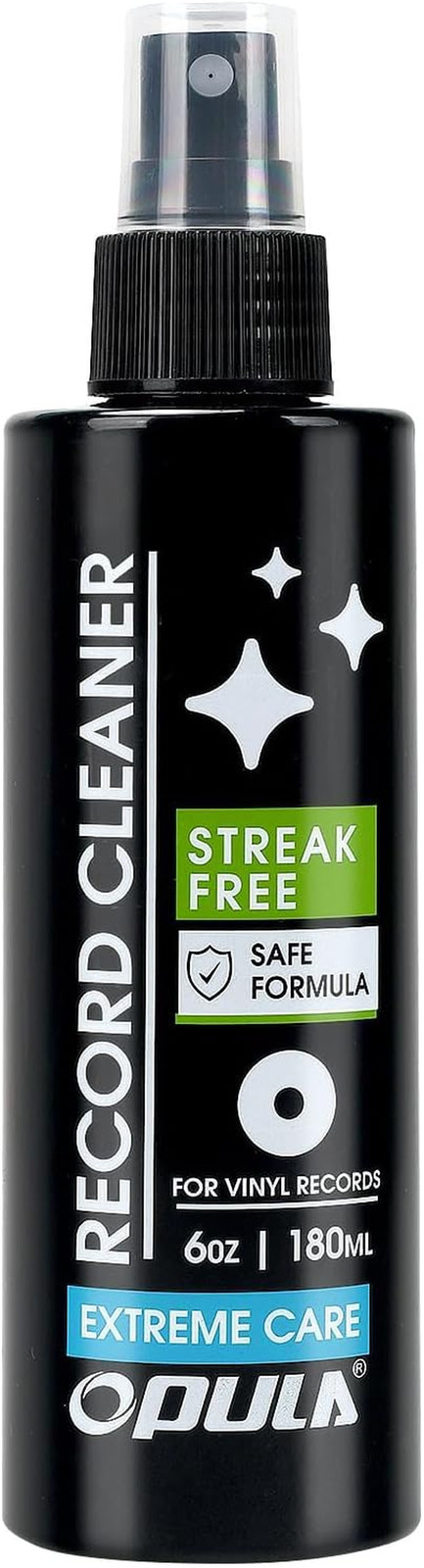
Highlights
- Concentrates (typically 4 oz) dilute 1:10 to 1:30 with distilled water, yielding multiple liters of working fluid and lower per-record cost than ready-to-use 180 ml bottles.
- Alcohol-free, surfactant-based formulas are the safe default for vinyl; isopropyl alcohol blends speed evaporation but can cloud polycarbonate or damage some lacquer and shellac surfaces.
- Effective cleaning requires a two-step mechanical system—fluid plus a microfiber or carbon-fiber brush and a vacuum or rinse step—because solution alone cannot lift particles trapped at groove depth.
- Residue-free surfactants (non-ionic, low-foam) are preferred over dish soaps or household cleaners, which leave films that attract dust and degrade stylus tracking.
Best use cases
- Best fit: batch cleaners with a vacuum record-cleaning machine should buy a concentrate and mix with distilled water—skip ready-to-use bottles, which become costly at volume.
- Best fit: casual collectors cleaning a few records by hand should choose a ready-to-use alcohol-free fluid with a microfiber brush; skip concentrates unless willing to measure and store diluted batches.
- Wrong fit: shellac 78s and lacquer acetates need dedicated non-alcohol formulas—skip standard vinyl fluids, which can dissolve or cloud these materials.
- Wrong fit: heavily soiled thrift-store finds need a pre-clean enzyme or surfactant soak step before a standard solution; skip mild ready-to-use fluids as a single-pass fix.
Buying tips
- Buy concentrate if you clean more than roughly ten records per session: a 4 oz concentrate at 1:10 dilution makes about 1.2 L of working fluid, far exceeding a 180 ml ready-to-use bottle.
- Confirm the formula is alcohol-free and non-ionic surfactant-based for standard vinyl; alcohol blends are acceptable only for rapid evaporative cleaning on pristine pressings.
- Pair any solution with a dedicated record brush and, for best results, a rinse or vacuum step—solution without mechanical agitation leaves contaminated fluid in the grooves.
- Dilute only with distilled or deionized water; tap water minerals leave conductive residue that increases surface noise and can corrode the stylus over time.
Specs
| Format | Concentrate vs ready-to-use |
|---|---|
| Dilution Ratio | 1:10 to 1:30 with distilled water |
| Alcohol Content | Alcohol-free (safe) vs alcohol blend |
| Surfactant Type | Non-ionic, low-foam, residue-free |
Related searches
What to check before buying
- Match the formula to the record material: standard vinyl (PVC) accepts most surfactants; shellac and lacquer require explicitly non-alcohol, non-alkaline solutions.
- Verify you have a microfiber or carbon-fiber brush and, ideally, a vacuum or rinse capability—fluid alone is only half the cleaning system.
- Check dilution ratios and bottle size against your cleaning volume: concentrate buyers need distilled water on hand and a clean mixing container.
- Confirm label-safety claims and avoid soaking the label; apply fluid to the record surface or brush, never directly to the label area.
FAQ
Data sources: eBay / Amazon listings and product attribute feeds. Updated Nov 28, 2026.
Some links on this page are affiliate links. If you buy after clicking one, we may earn a commission at no extra cost to you. This does not change which products appear here or their order. Affiliate disclosure.