
Photos from current listings. Actual item, color, and included accessories may vary.
Vinyl Cleaner Buying Guide
Vinyl cleaners range from dry anti-static brushes and wet cleaning solutions to motorized vacuum and ultrasonic machines. The core trade-off is cleaning depth versus cost and workflow complexity: dry methods remove surface dust but not bonded grime, while wet and ultrasonic systems lift debris from the groove but require fluid handling or tank maintenance. Choose a dry brush for routine dusting, a wet solution kit for periodic deep cleans, and an ultrasonic tank only if you have a growing collection and space for a dedicated machine.
Median $116.35
Key takeaways
- Carbon fiber brushes dissipate static and lift loose dust; velvet brushes are softer for wet application and stylus cleaning but do not discharge static as effectively.
- Wet cleaning solutions are typically alcohol-based or enzyme-based concentrates; dilute per label ratio and avoid alcohol on shellac 78s and some vintage lacquers.
- Ultrasonic cleaners in the 6L class use 40kHz transducers and rotate 4 records at a time; higher frequencies (60–80kHz) clean more gently but slower.
At a glance
- Category
- Vinyl Record Cleaning
- Last updated
- Nov 25, 2026
Current offers
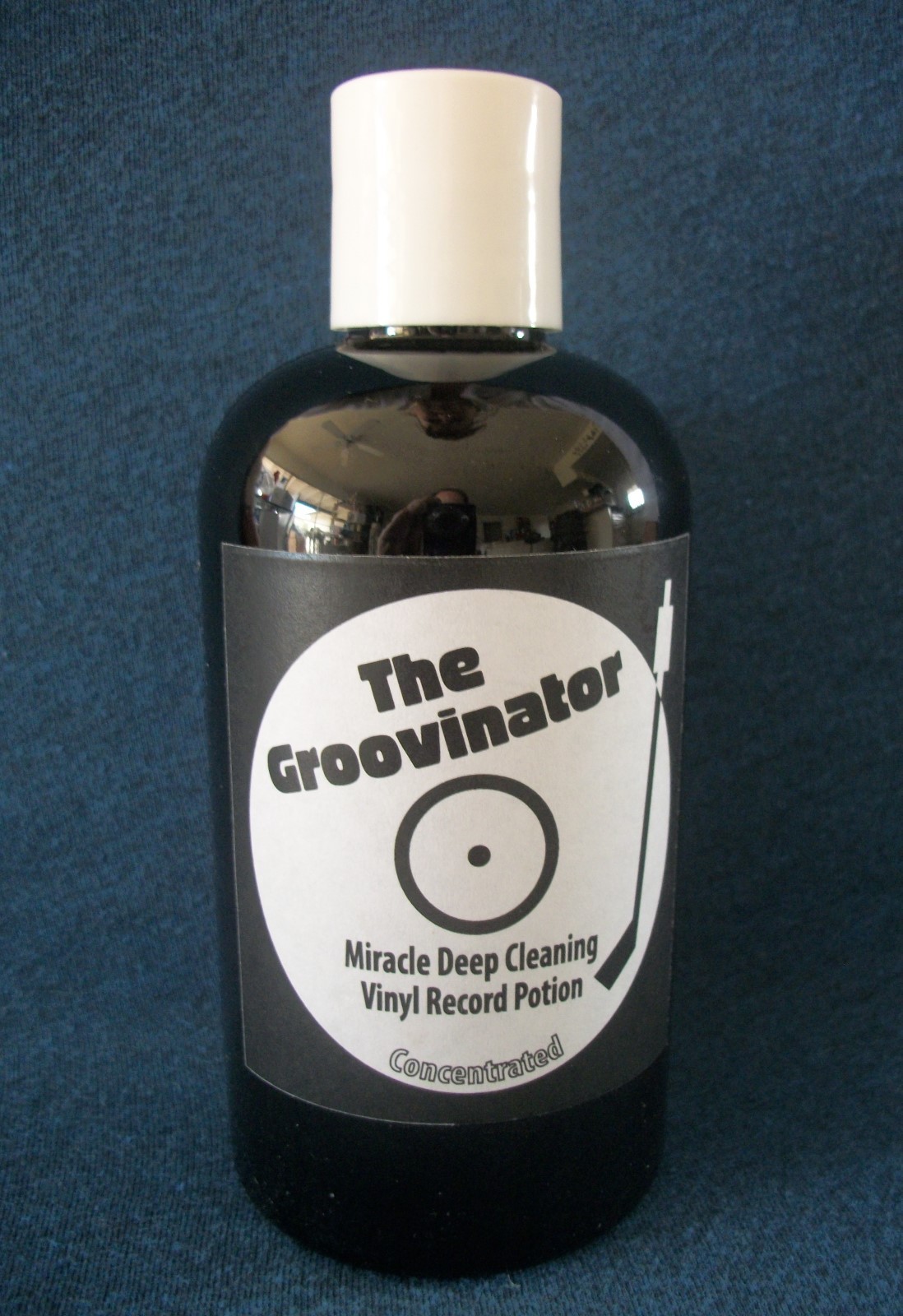 The Groovinator Record Vinyl Lp Cleaning Solution Concentrated Fluid 4oz Cleaner$12.90View on eBay
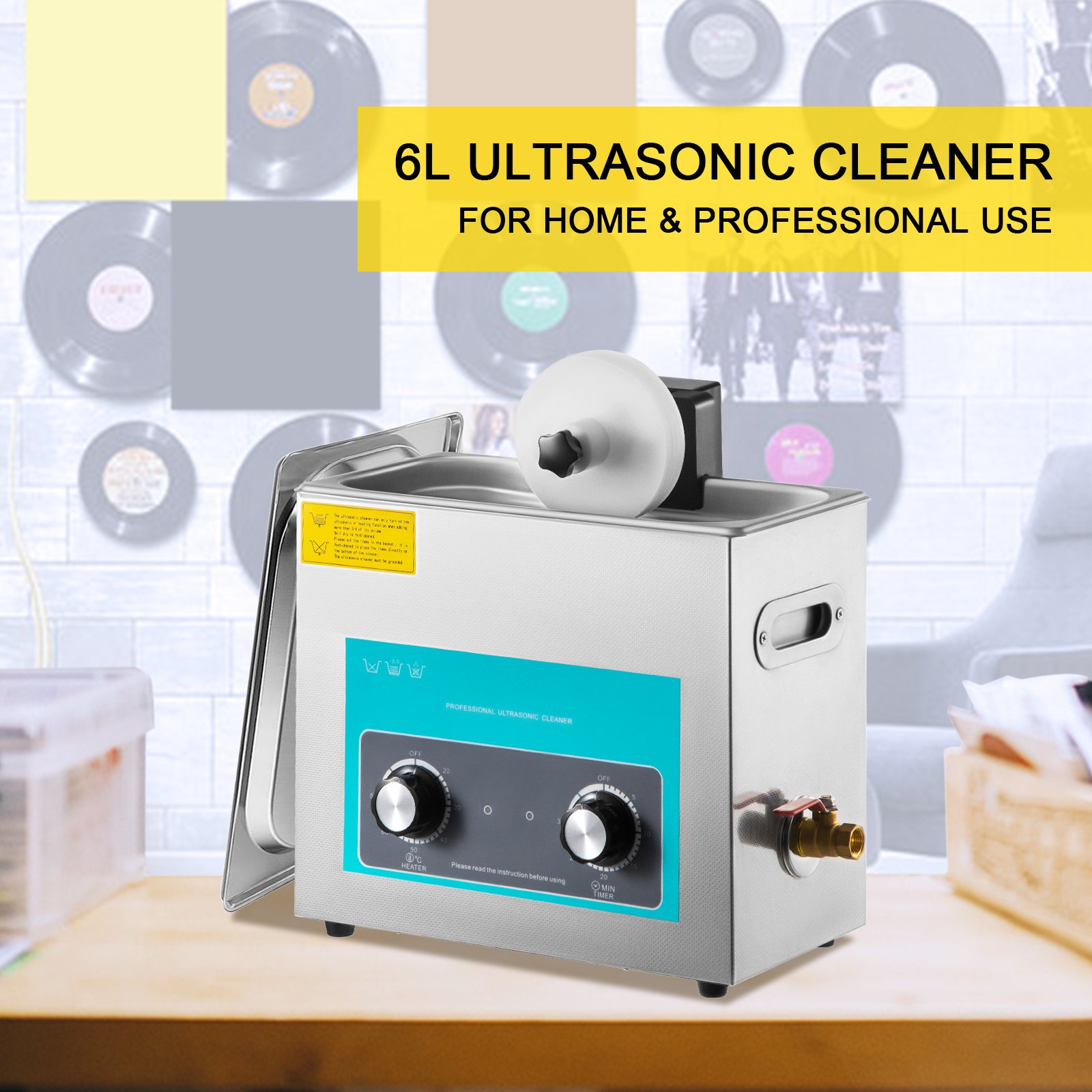 Ultrasonic Vinyl Record Cleaner 6L 40kHz Cleaning Machine Knob Control 4 Records$143.99View on Mallflare
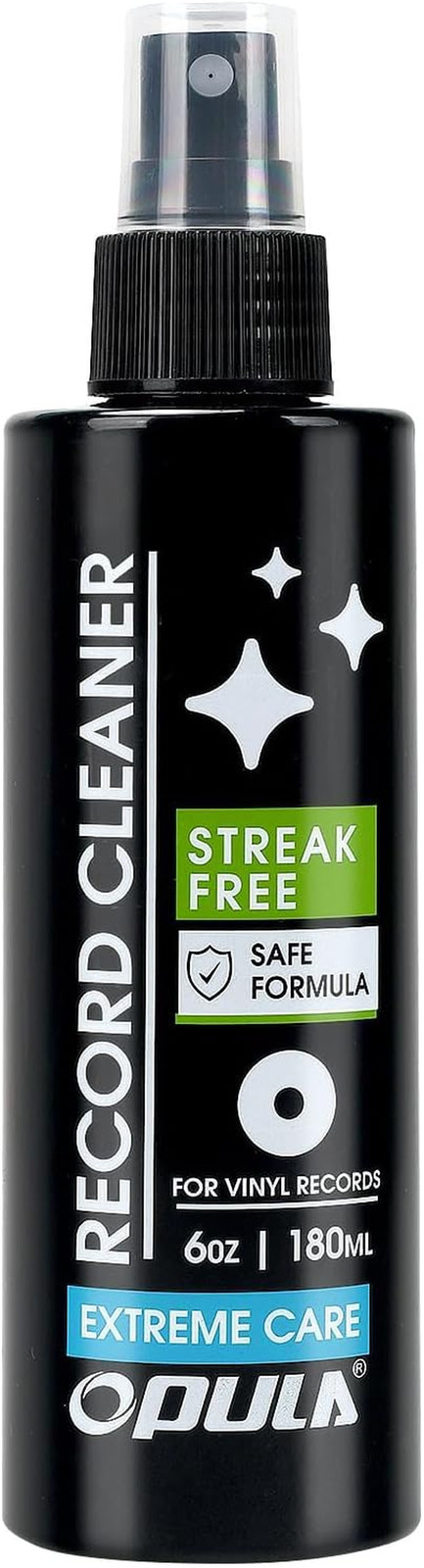 6Oz Vinyl Record Cleaning Solution,180Ml Vinyl Record Cleaner Fluid, Record Clea$14.49View on eBay
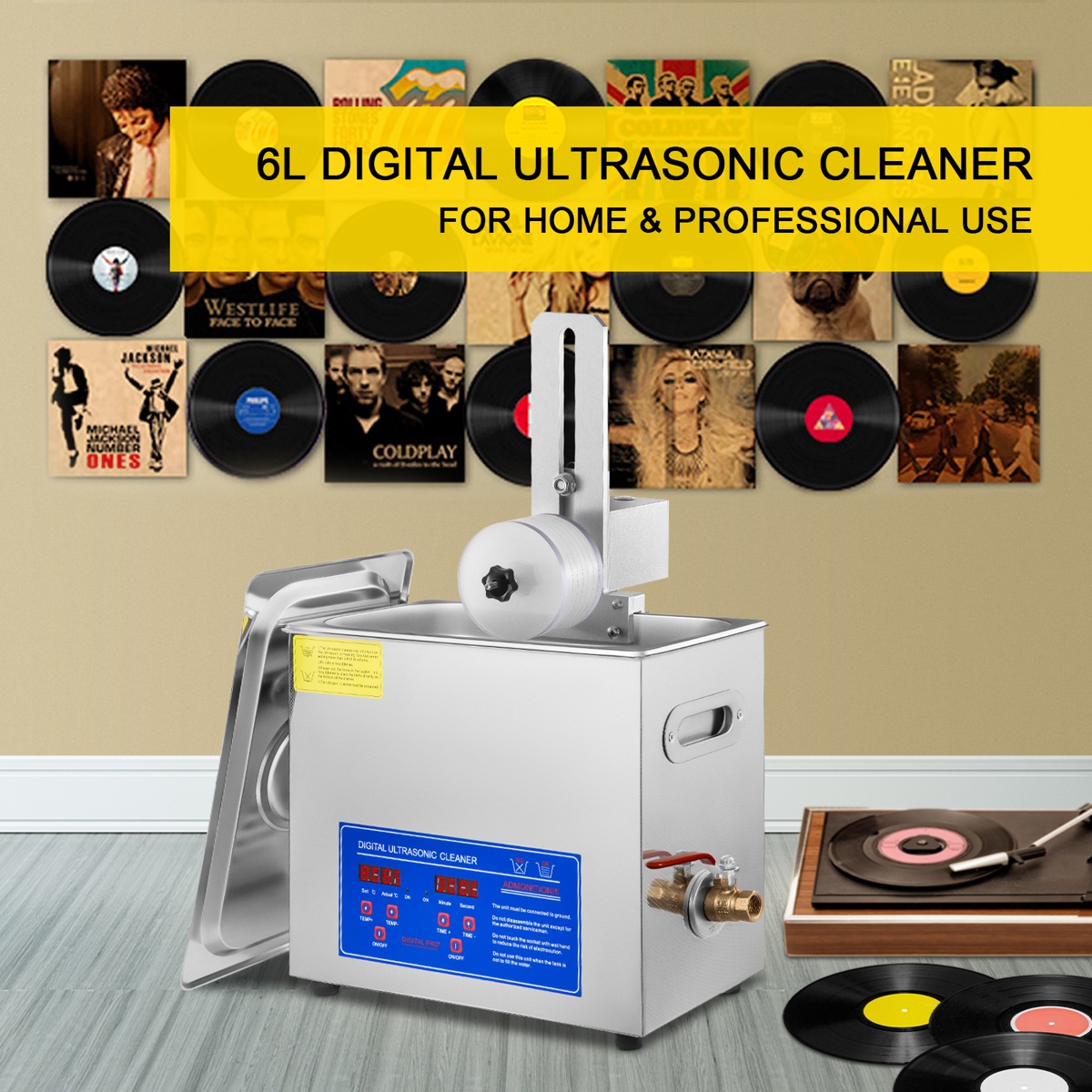 VEVOR Ultrasonic Cleaner 6L Vinyl 7-12 Inch 8 Records Cleaning Machine 180W With Drying Rack For Home Store$164.99View on Mallflare
- The Groovinator 4 Pack Record Vinyl Lp Cleaning Concentrated Fluid 4oz Cleaner$35.99View on eBay
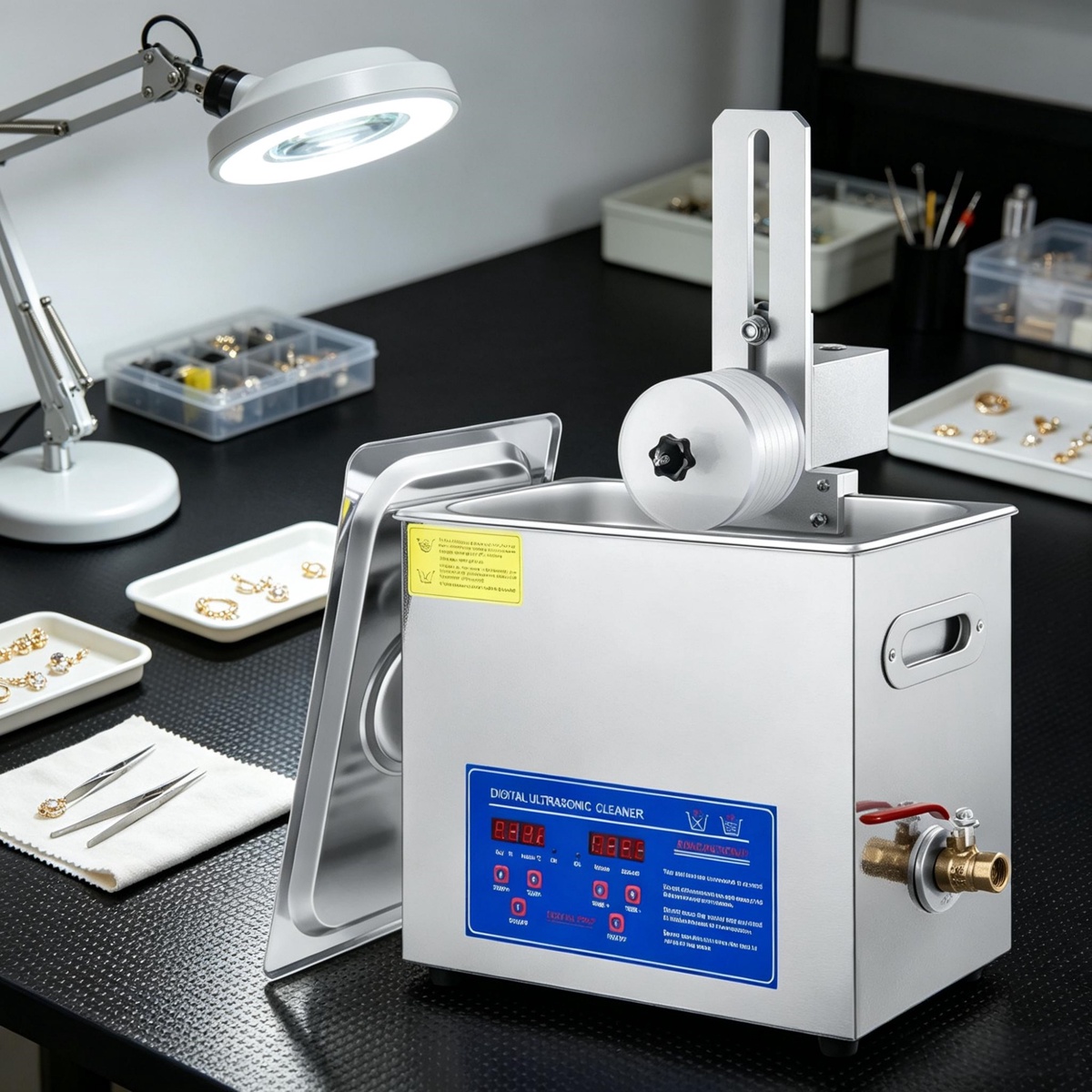 Ultrasonic Vinyl Record Cleaner, 7-12 Inch Cleaning Machine for 8 Records$307.99View on Mallflare
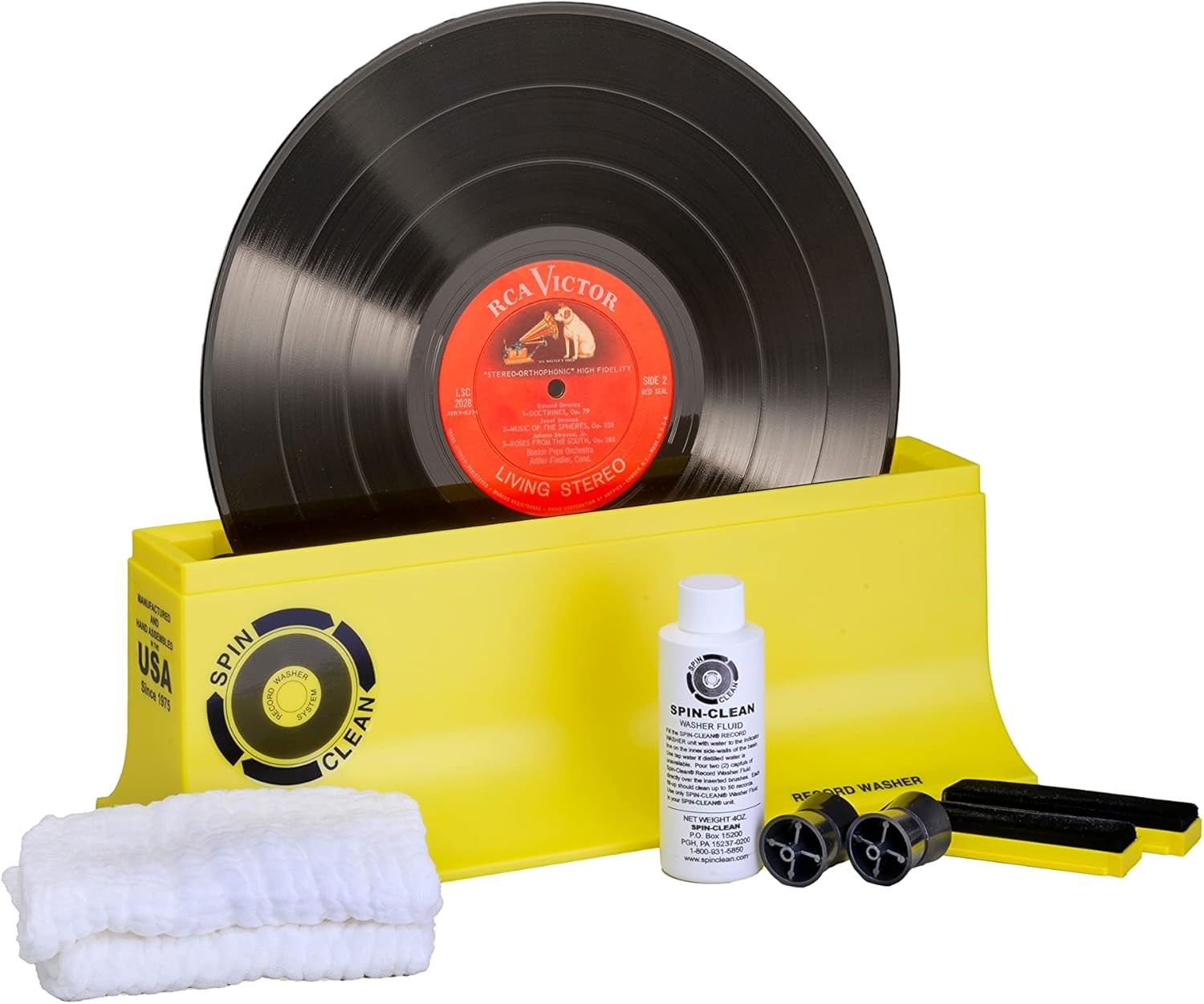 Record Washer MKII Complete Vinyl Record Cleaning Machine Cleaner Kit$113.99View on eBay
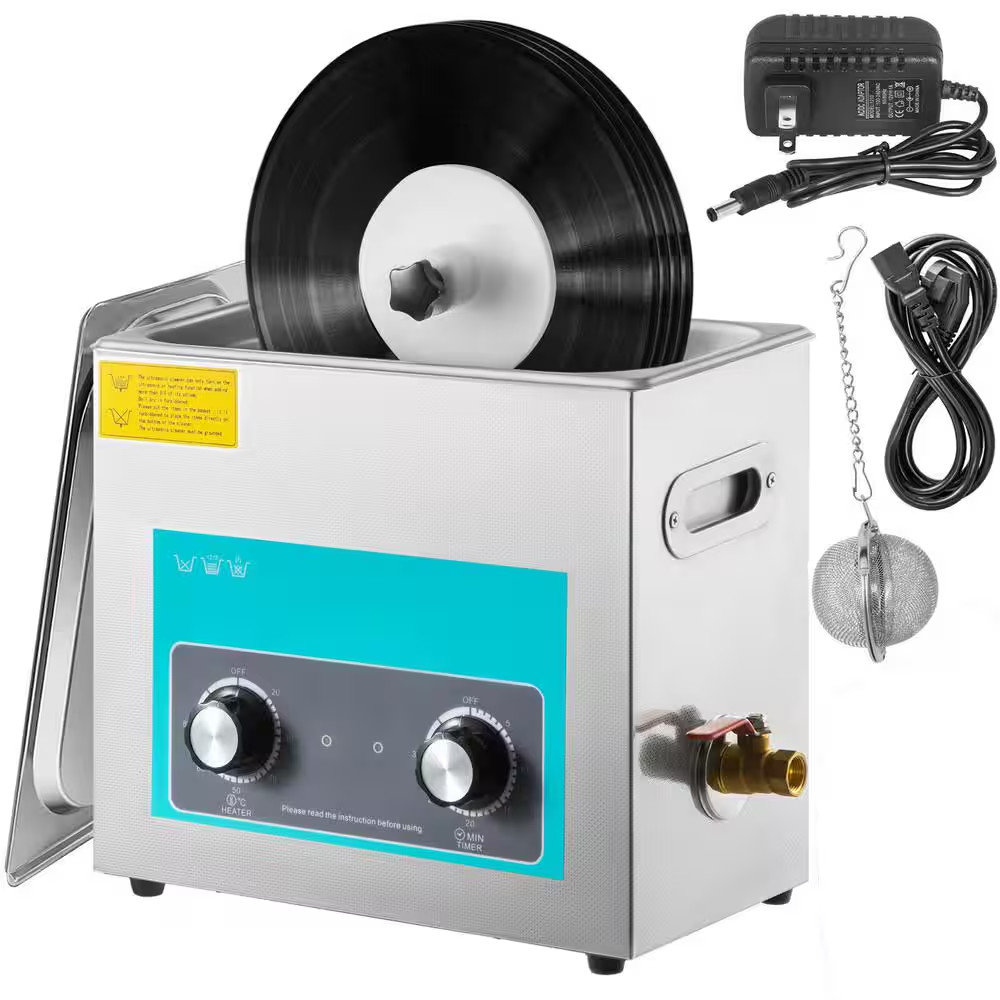 Ultrasonic Vinyl Record Cleaner 6L 40Khz Vinyl Ultrasonic Cleaning Machine Knob$118.71View on eBay
Highlights
- Carbon fiber brushes dissipate static and lift loose dust; velvet brushes are softer for wet application and stylus cleaning but do not discharge static as effectively.
- Wet cleaning solutions are typically alcohol-based or enzyme-based concentrates; dilute per label ratio and avoid alcohol on shellac 78s and some vintage lacquers.
- Ultrasonic cleaners in the 6L class use 40kHz transducers and rotate 4 records at a time; higher frequencies (60–80kHz) clean more gently but slower.
- Record cleaning machines with vacuum arms and platter motors remove fluid and suspended dirt in one pass, outperforming manual wipe kits at higher cost and footprint.
Best use cases
- Best fit: a 3-in-1 brush kit (carbon fiber, velvet, stylus brush) for daily dusting before every play; skip wet solutions if records are new and only lightly dusty.
- Best fit: a concentrate plus microfiber cloths for periodic deep cleaning of used or thrifted LPs; skip ultrasonic tanks unless you clean dozens of records monthly.
- Best fit: a 6L ultrasonic machine with record spinner for collectors restoring large batches; skip it if you have fewer than 50 records or no ventilated space for the tank.
- Wrong fit: using a dry velvet brush on sticky or mold-contaminated records—wet cleaning or ultrasonic is required to lift bonded residue.
Buying tips
- Match brush type to task: carbon fiber for dry anti-static dusting, velvet for wet fluid spreading, and a separate stylus brush for the cartridge needle.
- Choose a cleaning solution labeled for vinyl (PVC) and avoid alcohol-heavy formulas on shellac 78s; dilute concentrates per the bottle ratio rather than pouring neat.
- For ultrasonic, confirm tank capacity supports the number of records you clean per session—6L units typically spin 4 records—and that a drying rack is included.
- Prefer kits that include a label protector or clamp for wet cleaning; fluid seeping into the label causes staining and delamination.
Specs
| Cleaning Method | Dry brush / Wet fluid / Ultrasonic |
|---|---|
| Brush Material | Carbon fiber / Velvet / Goat hair |
| Ultrasonic Tank | 6L class, 40kHz, ~4 records |
| Fluid Type | Alcohol / Enzyme / Concentrate |
Related searches
What to check before buying
- Measure your shelf or cabinet space: ultrasonic tanks in the 6L class are roughly shoebox-to-carry-on size and need clearance for the lid and record spinner.
- Confirm you have a ventilated area and a sink nearby for filling, draining, and drying the ultrasonic tank after each session.
- Check that your cleaning fluid is compatible with your record type—standard vinyl LPs are fine with most formulas, but shellac 78s and lacquer acetates need alcohol-free solutions.
- Ensure you have microfiber cloths or a drying rack on hand; wet cleaning without a drying method leaves residue in the groove.
FAQ
Data sources: eBay / Amazon listings and product attribute feeds. Updated Nov 25, 2026.
Some links on this page are affiliate links. If you buy after clicking one, we may earn a commission at no extra cost to you. This does not change which products appear here or their order. Affiliate disclosure.