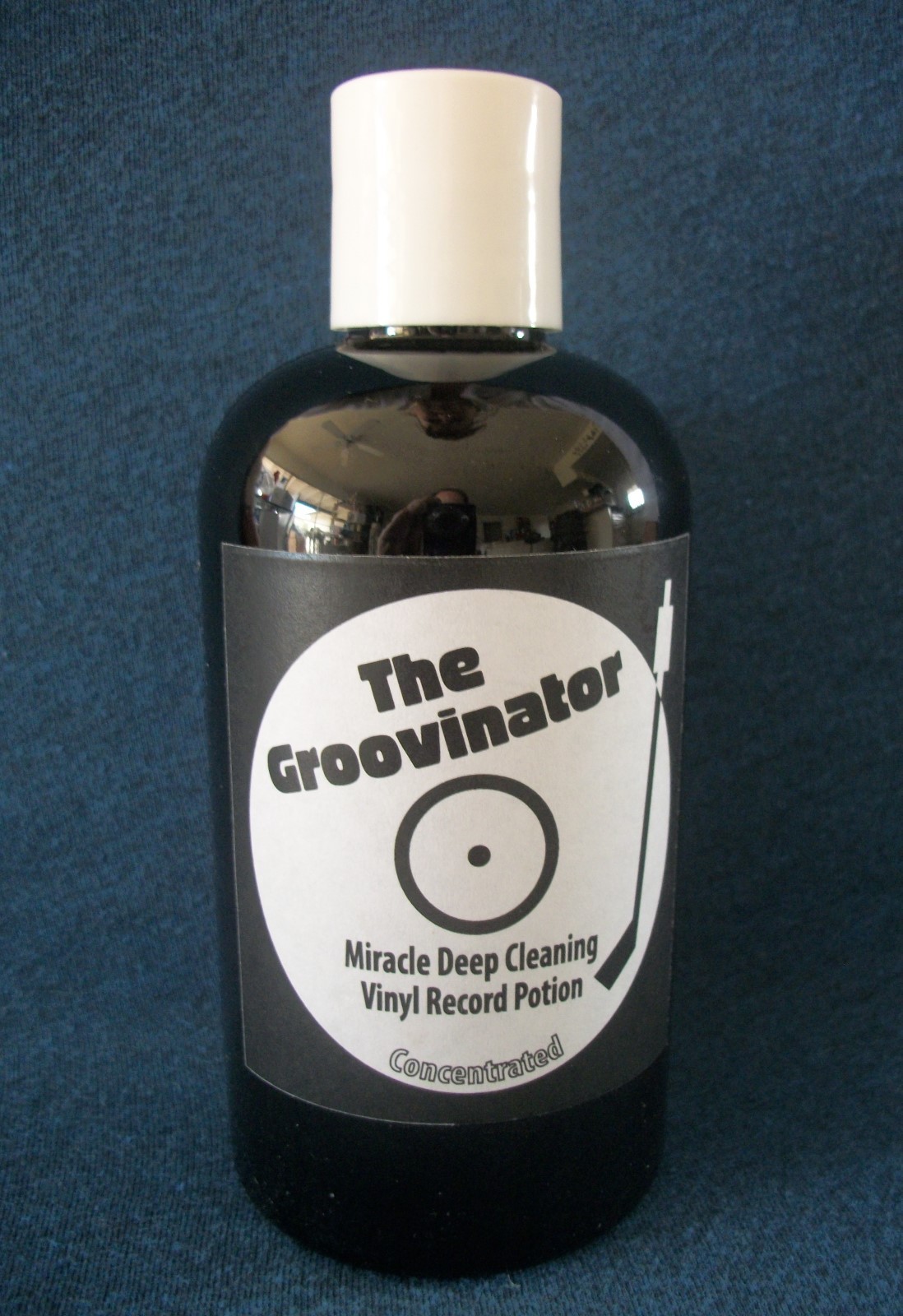

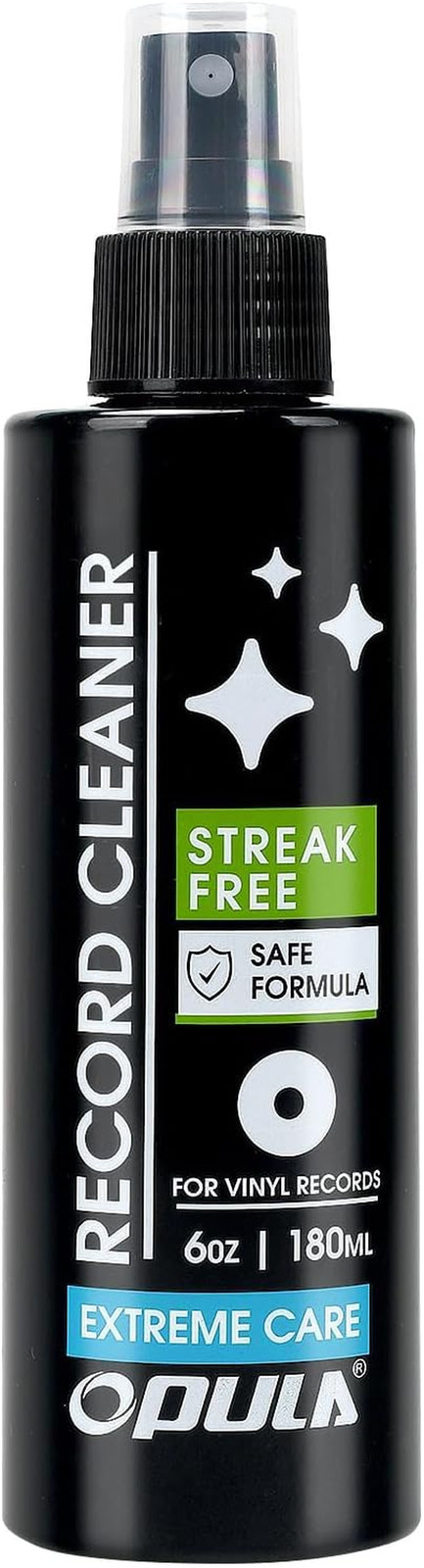
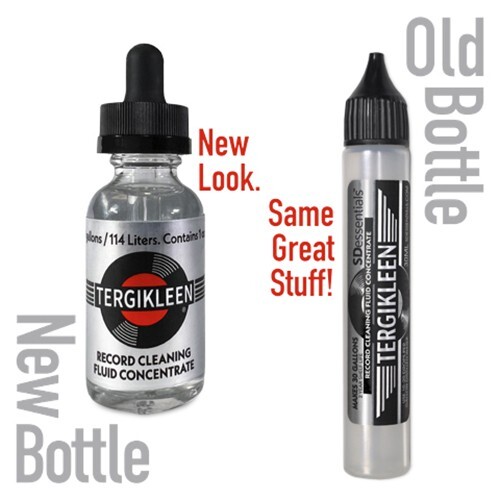
Photos from current listings. Actual item, color, and included accessories may vary.
Record Cleaning Solution Buying Guide
Record cleaning solution is a surfactant-based fluid formulated to lift dust, oils, and mold-release residue from vinyl grooves without leaving a conductive or abrasive film. The core trade-off is between pre-mixed alcohol/surfactant blends that evaporate fast and concentrated or enzymatic formulas that need dilution but clean deeper without plasticizer leaching. The decision rule: pick a pH-neutral, residue-free formula matched to your cleaning method (manual brush, vacuum RCM, or ultrasonic), and skip any solution with unlisted ingredients or a harsh solvent base.
Median $14.49
Key takeaways
- Surfactant chemistry matters more than brand: non-ionic surfactants (Tergitol, Triton X-100) lift oils without ionic residue that attracts dust back into grooves.
- Alcohol content is a double-edged spec: isopropyl alcohol at 10–25% speeds evaporation and kills mold, but above ~30% it can leach vinyl plasticizers over repeated use.
- Concentrates cut cost per record dramatically: a 4 oz concentrate diluted 1:10 yields roughly 40 oz of working fluid, while pre-mixed 180 ml bottles are ready-to-use but ship water weight.
At a glance
- Category
- Vinyl Record Cleaning
- Last updated
- Nov 25, 2026
Current offers
Highlights
- Surfactant chemistry matters more than brand: non-ionic surfactants (Tergitol, Triton X-100) lift oils without ionic residue that attracts dust back into grooves.
- Alcohol content is a double-edged spec: isopropyl alcohol at 10–25% speeds evaporation and kills mold, but above ~30% it can leach vinyl plasticizers over repeated use.
- Concentrates cut cost per record dramatically: a 4 oz concentrate diluted 1:10 yields roughly 40 oz of working fluid, while pre-mixed 180 ml bottles are ready-to-use but ship water weight.
- Ultrasonic and vacuum-RCM cleaning demand low-foam, residue-free solutions; high-foam dish-soap-style blends leave surfactant film that a vacuum wand cannot fully extract.
Best use cases
- Best fit: manual brush-and-microfiber cleaning — choose a pre-mixed 180 ml surfactant solution with a spray or drop tip; skip concentrates if you do not want to measure dilution ratios.
- Best fit: vacuum RCM (Record Doctor, VPI, Okki Nokki) — pick a low-foam concentrate diluted per label, applied in a thin line; skip high-alcohol sprays that evaporate before the wand can extract.
- Best fit: ultrasonic tank cleaning — use a concentrate at 1:20 to 1:50 dilution with a drop of surfactant; skip pre-mixed bottles because the water volume needed makes them uneconomical.
- Wrong fit: using dish soap or glass cleaner — these leave films and perfumes; skip them and use a purpose-made vinyl solution even on a budget.
Buying tips
- Match concentrate to batch size: a 4 oz concentrate at 1:10 makes about 40 oz — enough for roughly 100–150 records; a 180 ml pre-mixed bottle covers about 30–50 records.
- Check the surfactant listing: Tergitol 15-S-9 or Triton X-100 at 0.1–0.5% concentration is the professional standard; unlabeled 'surfactant' blends are a red flag.
- For vacuum RCMs, pick a solution labeled low-foam or alcohol-free; foam blocks the vacuum slot and leaves streaks.
- Use separate brushes or applicators for pre-mixed vs concentrate; cross-contaminating dirty fluid into a concentrate bottle ruins the batch.
Specs
| Formula Type | Pre-mixed vs concentrate |
|---|---|
| Surfactant Base | Non-ionic (Tergitol/Triton) vs soap |
| Alcohol Content | 0–25% IPA; >30% risk to vinyl |
| Foam Level | Low-foam (RCM) vs standard |
Related searches
What to check before buying
- Measure your cleaning method first: manual brush needs a drop/spray bottle; vacuum RCM needs a low-foam fluid; ultrasonic needs a concentrate and a tank large enough for the record.
- Confirm your water: distilled or deionized water is required for dilution; tap water leaves mineral residue that defeats the solution.
- Check record condition: mold or heavy nicotine film may need an enzymatic pre-clean before the standard surfactant solution.
- Verify bottle compatibility: concentrates should be stored in HDPE or glass; some thin PET bottles degrade with prolonged alcohol exposure.
FAQ
Data sources: eBay / Amazon listings and product attribute feeds. Updated Nov 25, 2026.
Some links on this page are affiliate links. If you buy after clicking one, we may earn a commission at no extra cost to you. This does not change which products appear here or their order. Affiliate disclosure.