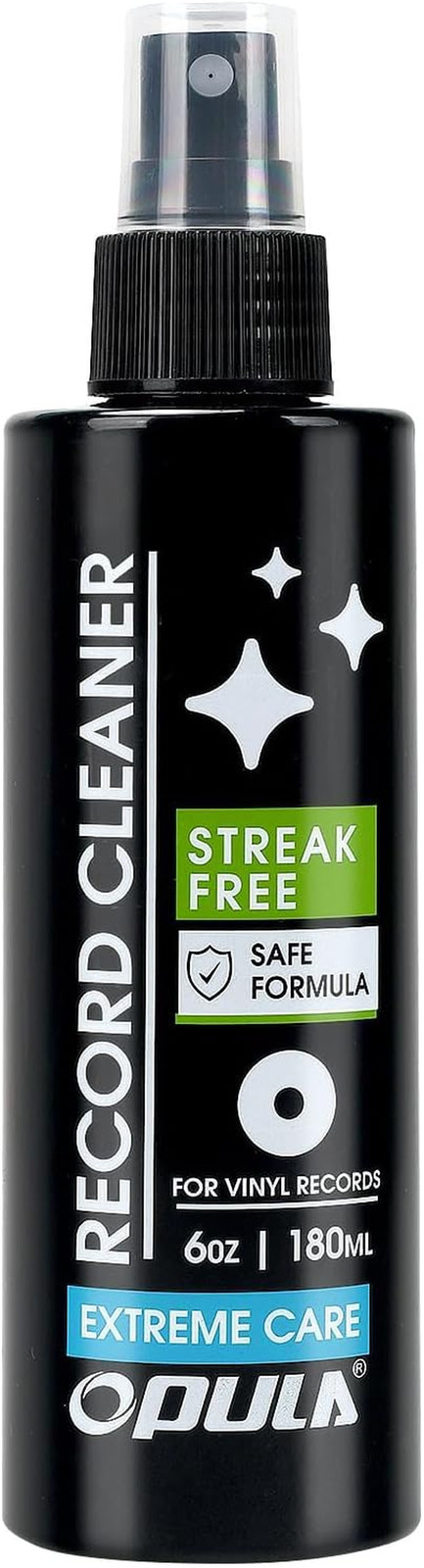

Photos from current listings. Actual item, color, and included accessories may vary.
Record Cleaning Fluid Buying Guide
Record cleaning fluid is a surfactant solution formulated to lift dust, oils, and mold-release residue from vinyl grooves without leaving a conductive or abrasive film. The core trade-off is concentrate versus ready-to-use: concentrates cut cost and shipping weight but require exact dilution with distilled water, while RTU bottles eliminate mixing error at a higher per-ounce cost. Buy a concentrate only if you will mix with distilled water and store it correctly; buy RTU if convenience and consistent strength matter more than volume economics.
Median $25.25
Key takeaways
- Concentrated fluids are typically diluted 1:10 to 1:30 with distilled water; pre-mixed bottles are already at working strength and cannot be strengthened safely.
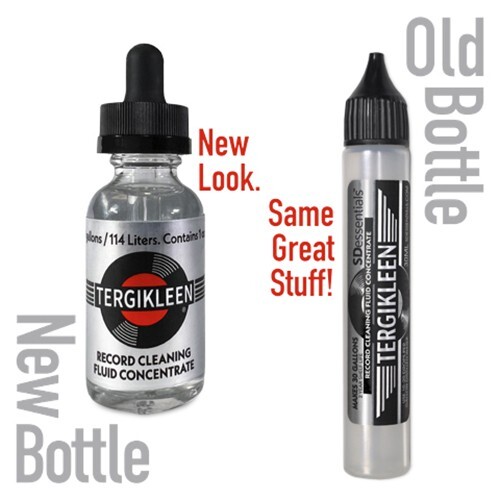
- Tergitol-based solutions (e.g., TERGIKLEEN) use non-ionic surfactants that rinse clean and are the standard chemistry in archival and library record cleaning.
- Alcohol-bearing fluids evaporate fast and suit manual brushing; alcohol-free formulations are safer for shellac 78s and some vintage lacquer coatings.
At a glance
- Category
- Vinyl Record Cleaning
- Last updated
- Nov 28, 2026
Current offers
Highlights
- Concentrated fluids are typically diluted 1:10 to 1:30 with distilled water; pre-mixed bottles are already at working strength and cannot be strengthened safely.
- Tergitol-based solutions (e.g., TERGIKLEEN) use non-ionic surfactants that rinse clean and are the standard chemistry in archival and library record cleaning.
- Alcohol-bearing fluids evaporate fast and suit manual brushing; alcohol-free formulations are safer for shellac 78s and some vintage lacquer coatings.
- Bottle size drives value: 4 oz concentrate makes roughly 40–120 oz of working fluid, while 180 ml RTU covers about 30–60 records per bottle.
Best use cases
- Best fit: high-volume cleaners using a vacuum or spin-clean machine should buy concentrate and mix with distilled water in labeled batches for lowest cost per record.
- Best fit: casual collectors cleaning a few records a month should buy a ready-to-use 180 ml bottle with a flip or dropper cap to avoid mixing errors and shelf-life issues.
- Wrong fit: anyone planning to use tap water for dilution should skip concentrate entirely — minerals in tap water leave residue in grooves that degrades playback.
- Skip alcohol-heavy fluids on shellac 78s and lacquer-coated discs; choose an alcohol-free surfactant fluid instead to avoid softening or stripping the surface.
Buying tips
- Dilute concentrate only with distilled or deionized water; a 1:10 ratio is typical for routine cleaning, while 1:30 stretches a bottle for light dusting.
- Match fluid chemistry to your cleaning method: surfactant fluids need a rinse or vacuum step, while fast-evaporating alcohol blends suit brush-and-wipe only.
- Check the label for alcohol content before using on shellac or lacquer; alcohol-free non-ionic surfactant fluids are the safe default for pre-vinyl formats.
- Buy the smallest concentrate that fits your cleaning frequency; opened concentrate has a shelf life of roughly one to two years, so oversized bottles waste money.
Specs
| Form | Concentrate vs ready-to-use |
|---|---|
| Surfactant Type | Non-ionic (Tergitol) vs alcohol blend |
| Dilution Ratio | 1:10 to 1:30 with distilled water |
| Format Safety | Vinyl LPs / shellac 78s (alcohol-free) |
Related searches
What to check before buying
- Confirm you have distilled or deionized water on hand before buying concentrate; a gallon covers many dilution batches and costs little.
- Check your record cleaning method — brush-only, vacuum, or spin-clean — because surfactant fluids require rinsing or extraction to avoid residue.
- Verify the fluid is labeled safe for the records you own: shellac 78s and lacquer discs need alcohol-free formulations, while vinyl LPs tolerate most surfactant blends.
- Have lint-free microfiber or record brushes and a carbon-fiber brush ready; fluid alone does not remove grit and can grind it into grooves if wiped dry.
FAQ
Data sources: eBay / Amazon listings and product attribute feeds. Updated Nov 28, 2026.
Some links on this page are affiliate links. If you buy after clicking one, we may earn a commission at no extra cost to you. This does not change which products appear here or their order. Affiliate disclosure.