
Photos from current listings. Actual item, color, and included accessories may vary.
Record Cleaner Buying Guide
A record cleaner is any wet or dry system that removes dust, mold-release residue, and static from vinyl grooves. The core trade-off is contact cleaning (brushes, velvet, carbon fiber) versus immersion cleaning (ultrasonic tanks), which determines whether you lift surface debris or deep-clean the groove wall. Choose a dry anti-static brush for routine maintenance, a wet solution-and-brush kit for periodic deep cleaning, and an ultrasonic machine only if you own enough records to justify the tank and drying workflow.
Median $116.35
Key takeaways
- Ultrasonic cleaners run at 40 kHz and typically use a 6 L stainless-steel tank that cleans multiple records per cycle with knob or digital timer control.
- Carbon-fiber brushes dissipate static and lift loose dust; velvet brushes and microfiber pads apply wet solution into the groove and require a rinse-free or distilled-water wipe.
- Concentrated cleaning fluids are diluted with distilled water, while ready-to-use 180 ml solutions trade cost for convenience and lower mixing error.
At a glance
- Category
- Vinyl Record Cleaning
- Last updated
- Nov 25, 2026
Current offers
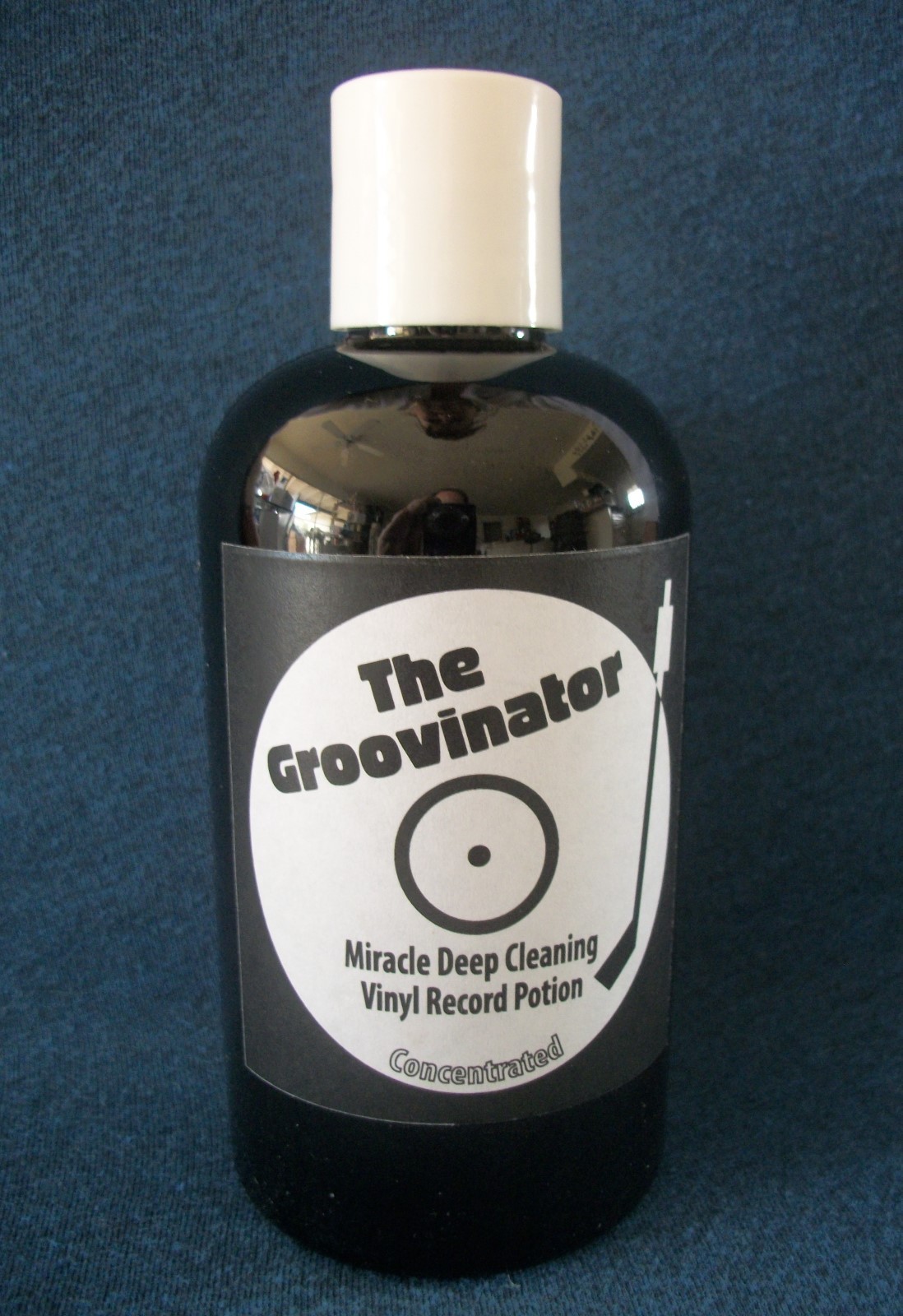 The Groovinator Record Vinyl Lp Cleaning Solution Concentrated Fluid 4oz Cleaner$12.90View on eBay
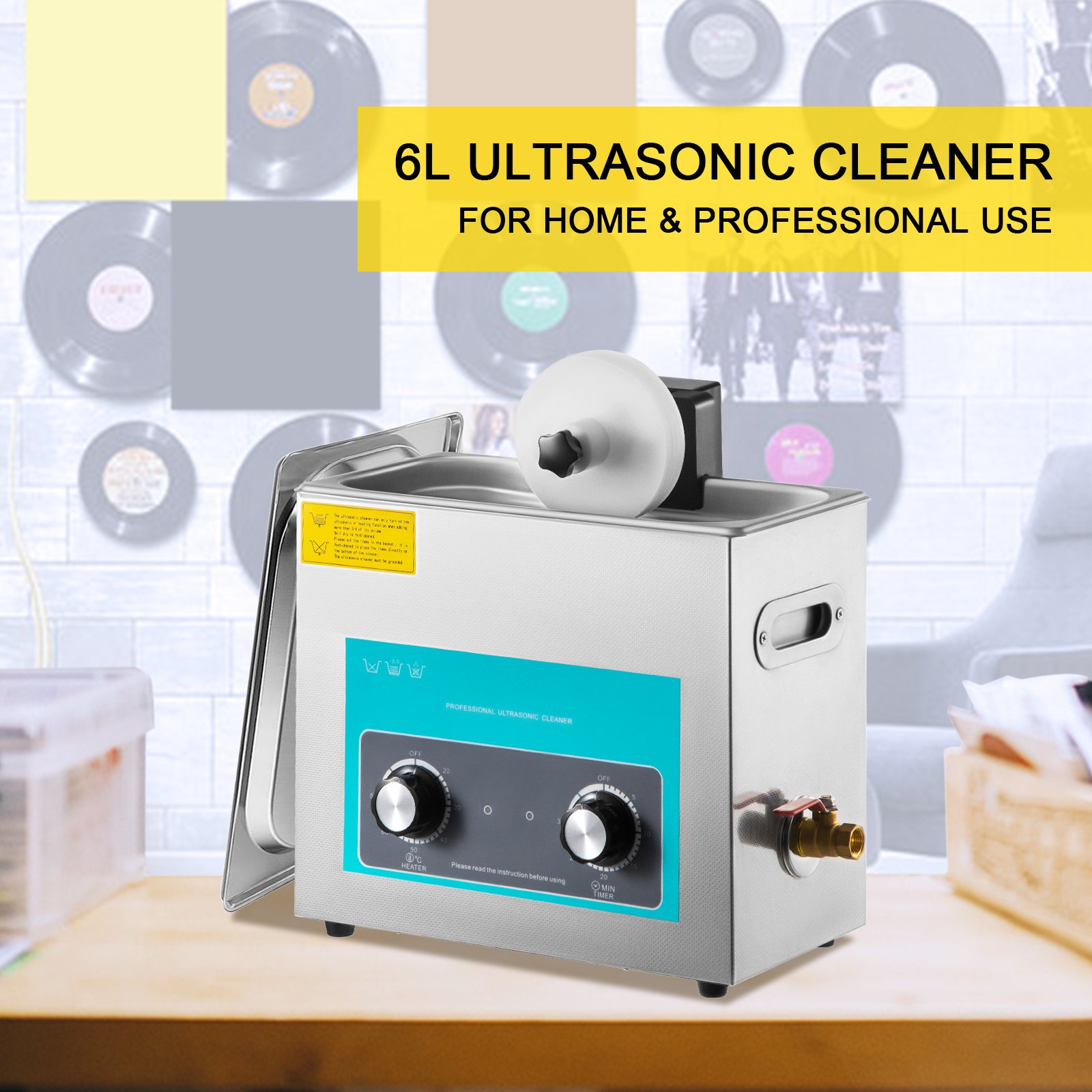 Ultrasonic Vinyl Record Cleaner 6L 40kHz Cleaning Machine Knob Control 4 Records$143.99View on Mallflare
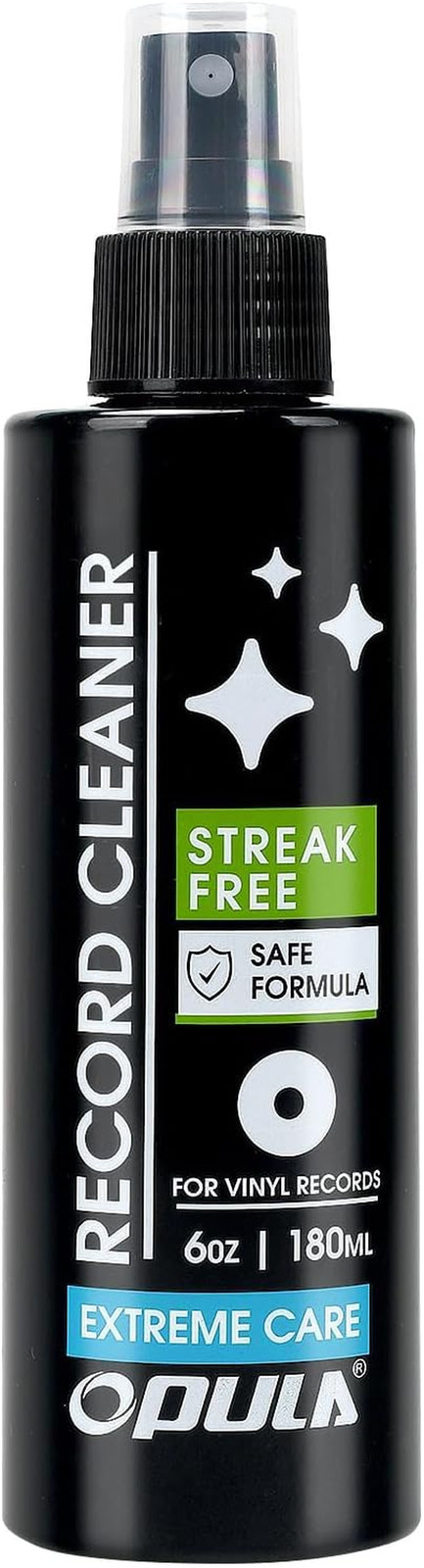 6Oz Vinyl Record Cleaning Solution,180Ml Vinyl Record Cleaner Fluid, Record Clea$14.49View on eBay
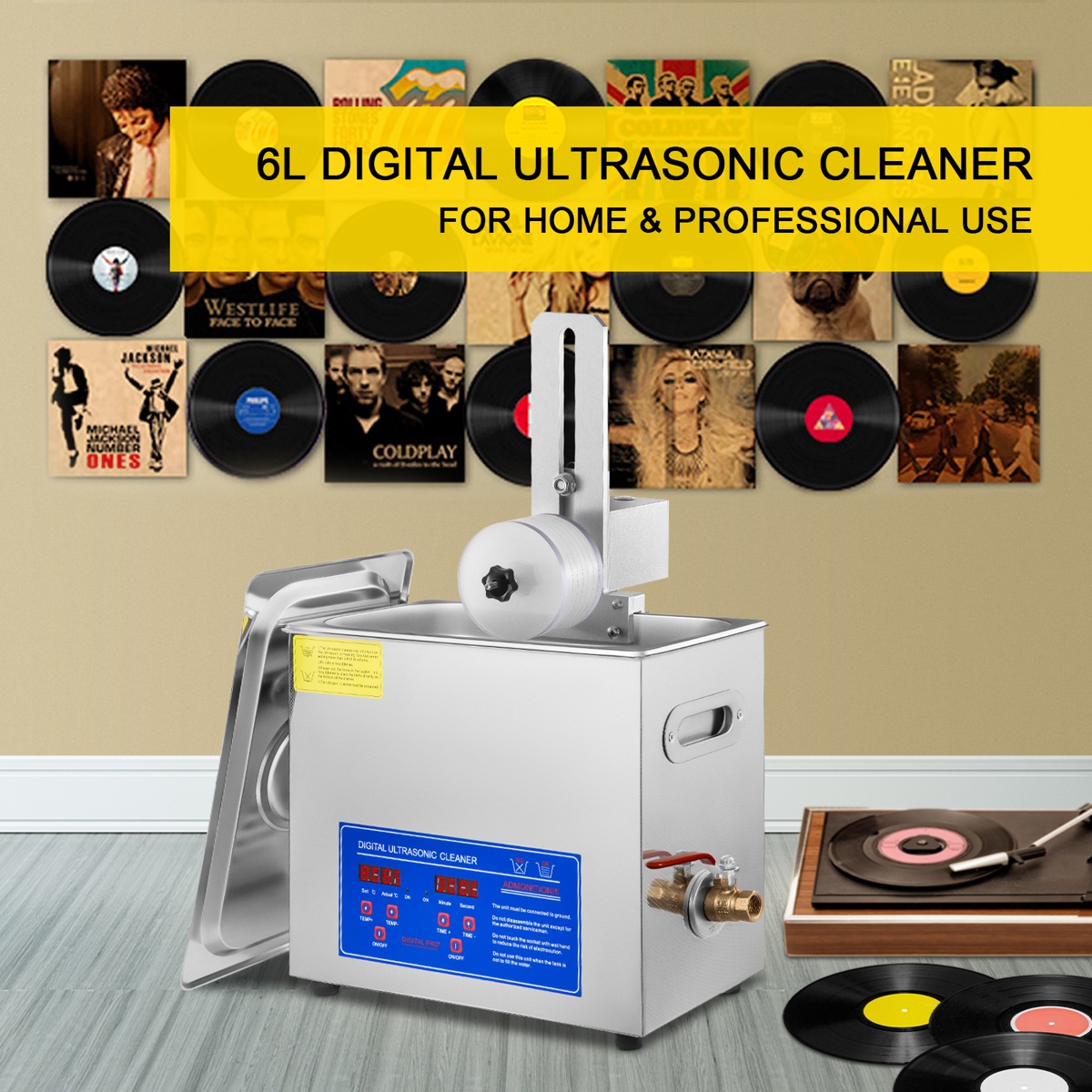 VEVOR Ultrasonic Cleaner 6L Vinyl 7-12 Inch 8 Records Cleaning Machine 180W With Drying Rack For Home Store$164.99View on Mallflare
- The Groovinator 4 Pack Record Vinyl Lp Cleaning Concentrated Fluid 4oz Cleaner$35.99View on eBay
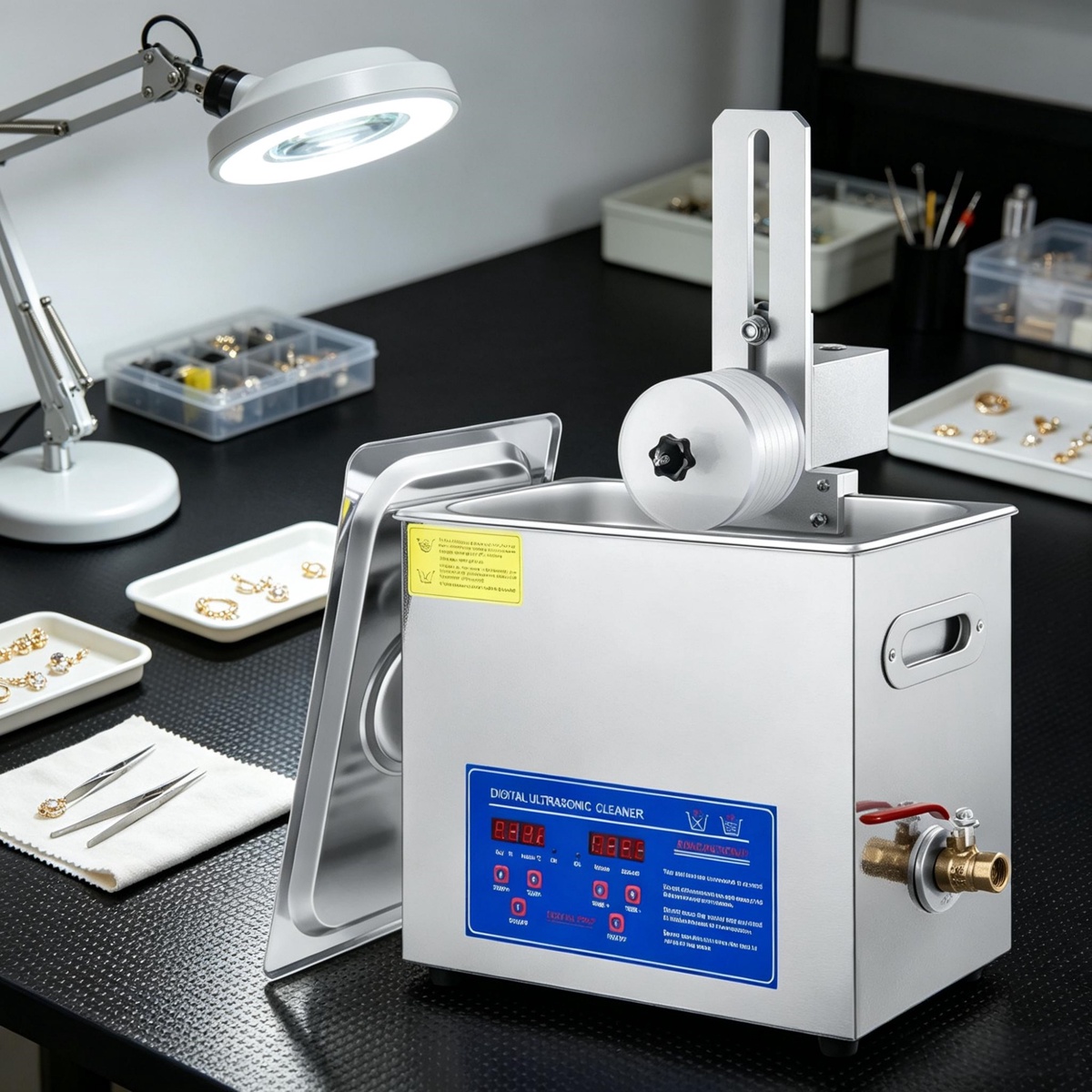 Ultrasonic Vinyl Record Cleaner, 7-12 Inch Cleaning Machine for 8 Records$307.99View on Mallflare
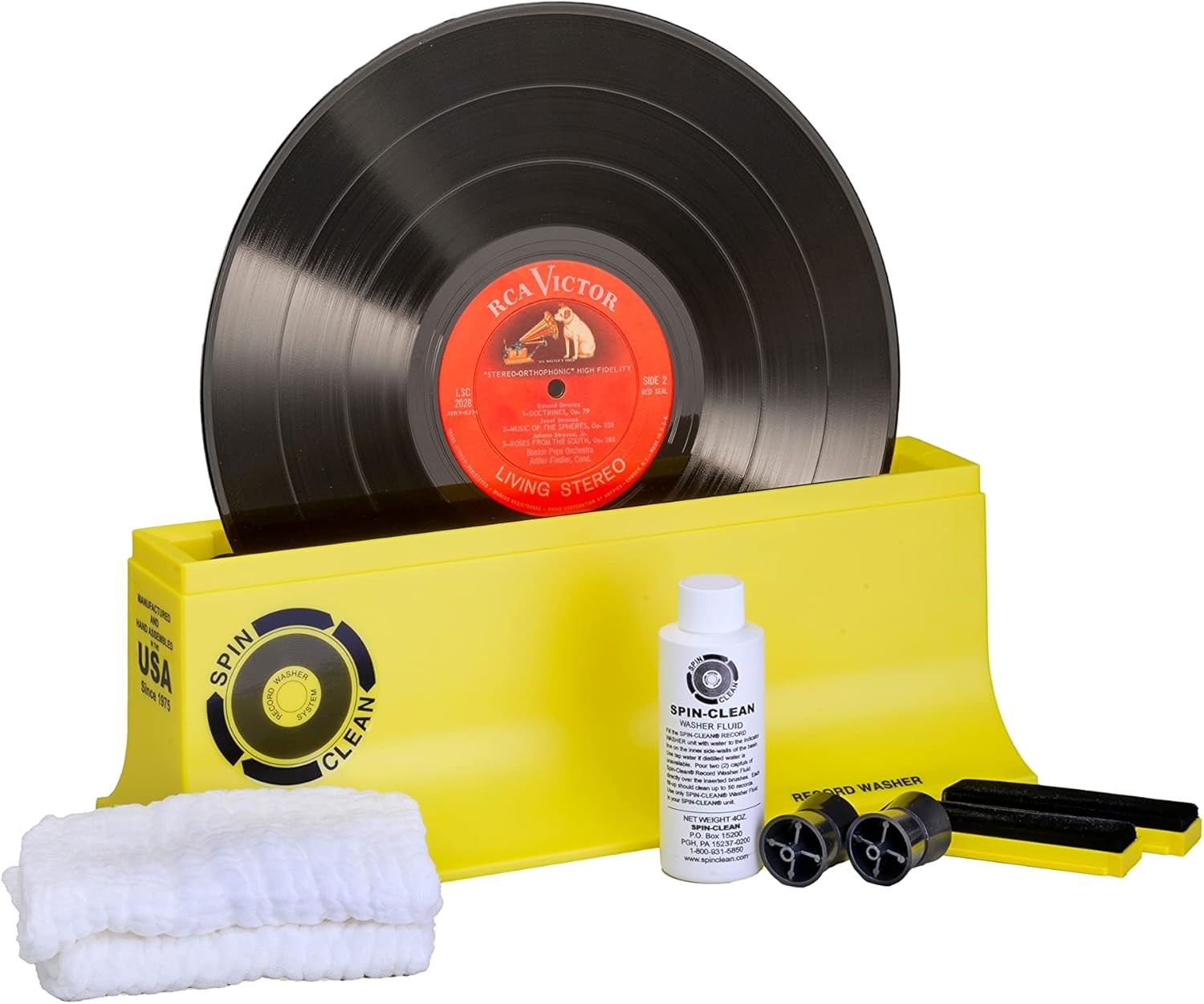 Record Washer MKII Complete Vinyl Record Cleaning Machine Cleaner Kit$113.99View on eBay
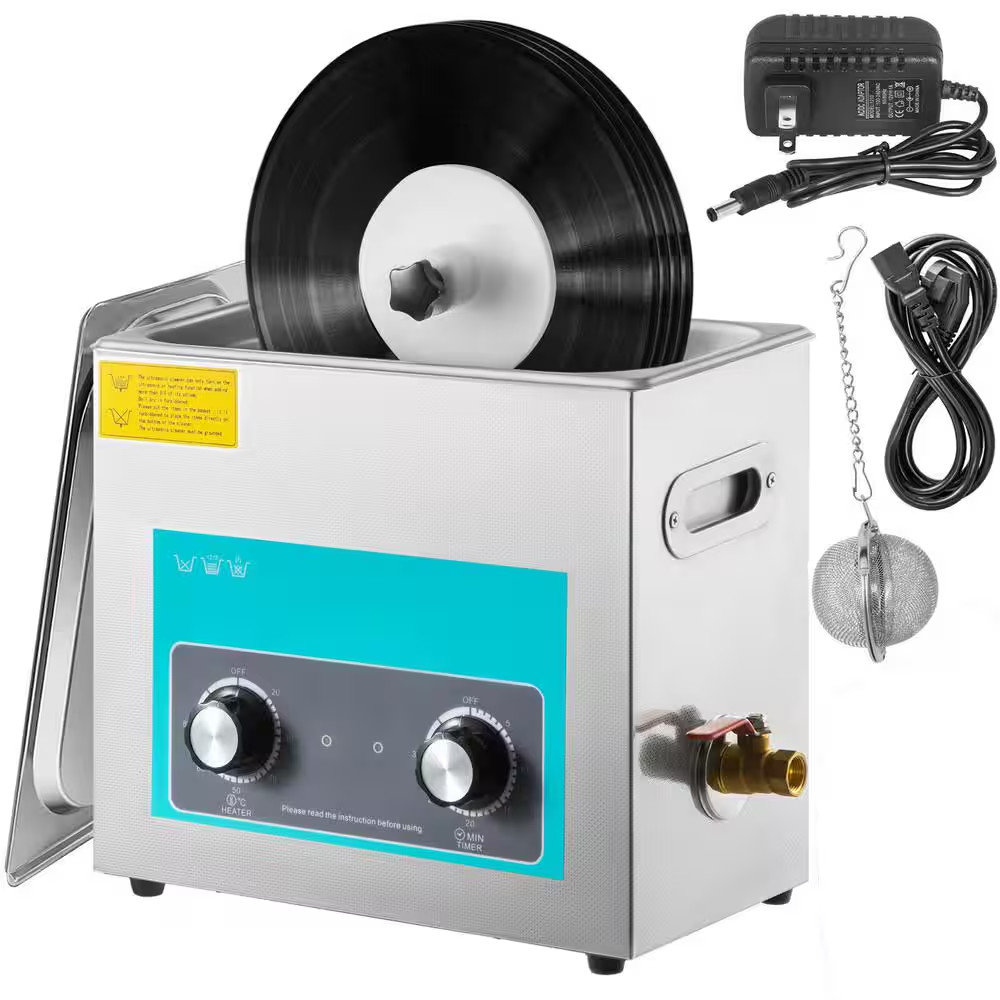 Ultrasonic Vinyl Record Cleaner 6L 40Khz Vinyl Ultrasonic Cleaning Machine Knob$118.71View on eBay
Highlights
- Ultrasonic cleaners run at 40 kHz and typically use a 6 L stainless-steel tank that cleans multiple records per cycle with knob or digital timer control.
- Carbon-fiber brushes dissipate static and lift loose dust; velvet brushes and microfiber pads apply wet solution into the groove and require a rinse-free or distilled-water wipe.
- Concentrated cleaning fluids are diluted with distilled water, while ready-to-use 180 ml solutions trade cost for convenience and lower mixing error.
- Record-cleaning kits bundle 3 to 9 pieces, but the decisive parts are the brush material, the solution type, and whether a stylus brush and drying cloth are included.
Best use cases
- Best fit: a carbon-fiber or anti-static dry brush for daily play-side dusting before every record drop, because it removes surface debris without wetting the label.
- Best fit: a wet solution plus velvet or microfiber brush kit for thrift-store or moldy records that need groove-wall surfactant cleaning, followed by a distilled-water or rinse-free wipe.
- Best fit: a 6 L 40 kHz ultrasonic machine for collectors with dozens of records who want hands-off deep cleaning, paired with a record drying rack and distilled water.
- Wrong fit: buying an ultrasonic tank for a handful of records, since the setup, degassing, and drying time outweigh the benefit versus a simple wet brush kit.
Buying tips
- Match the brush to the job: carbon fiber for dry anti-static dusting, velvet or microfiber for wet solution application, and a separate stylus brush for the cartridge needle.
- Buy concentrated fluid and dilute with distilled water for cost efficiency, or choose a ready-to-use 180 ml solution if you clean fewer than a few dozen records at a time.
- For ultrasonic cleaning, confirm a 40 kHz frequency and a tank that fits your record count per cycle, and plan on a drying rack because wet records must air-dry before sleeving.
- Avoid abrasive or alcohol-heavy solutions on shellac 78s and check that the fluid is labeled safe for vinyl LPs before applying it to a valuable pressing.
Specs
| Cleaning Method | Dry brush vs wet solution vs ultrasonic |
|---|---|
| Ultrasonic Frequency | 40 kHz standard for vinyl tanks |
| Tank Capacity | 6 L stainless steel, multi-record |
| Brush Material | Carbon fiber / velvet / microfiber |
Related searches
What to check before buying
- Measure your cleaning space: a 6 L ultrasonic tank needs roughly a counter-depth footprint plus room for a drying rack and distilled-water jugs.
- Confirm your records are standard 12-inch LPs if buying a multi-record ultrasonic spindle, since 7-inch and 10-inch records may not fit the same holder.
- Check that your cleaning fluid is compatible with the record material, especially shellac 78s, which should not use standard vinyl cleaning solutions.
- Have distilled water and lint-free microfiber cloths on hand for dilution and drying, because tap water leaves mineral residue in the grooves.
FAQ
Data sources: eBay / Amazon listings and product attribute feeds. Updated Nov 25, 2026.
Some links on this page are affiliate links. If you buy after clicking one, we may earn a commission at no extra cost to you. This does not change which products appear here or their order. Affiliate disclosure.