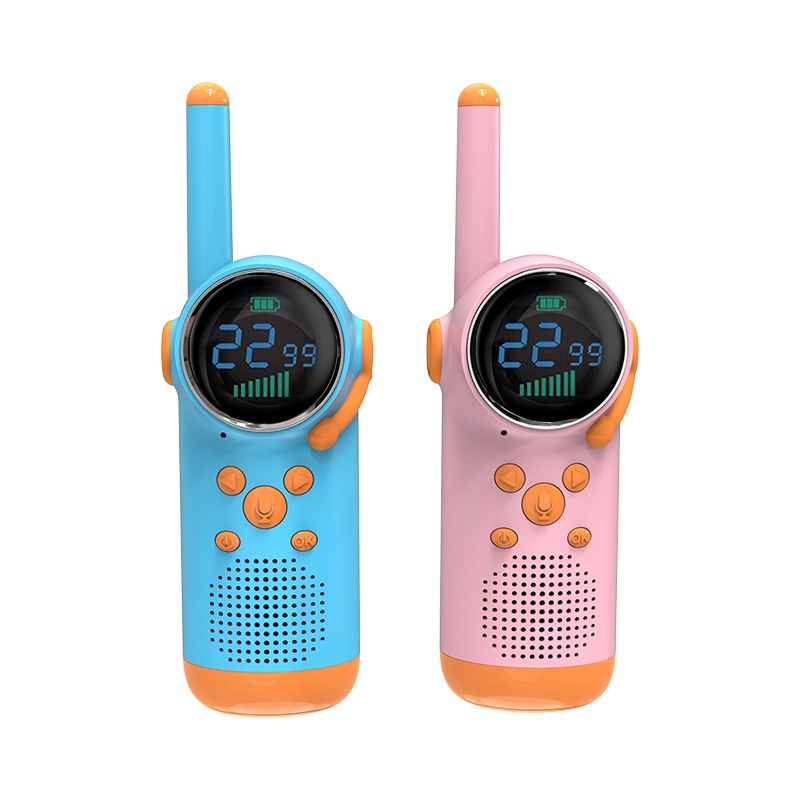

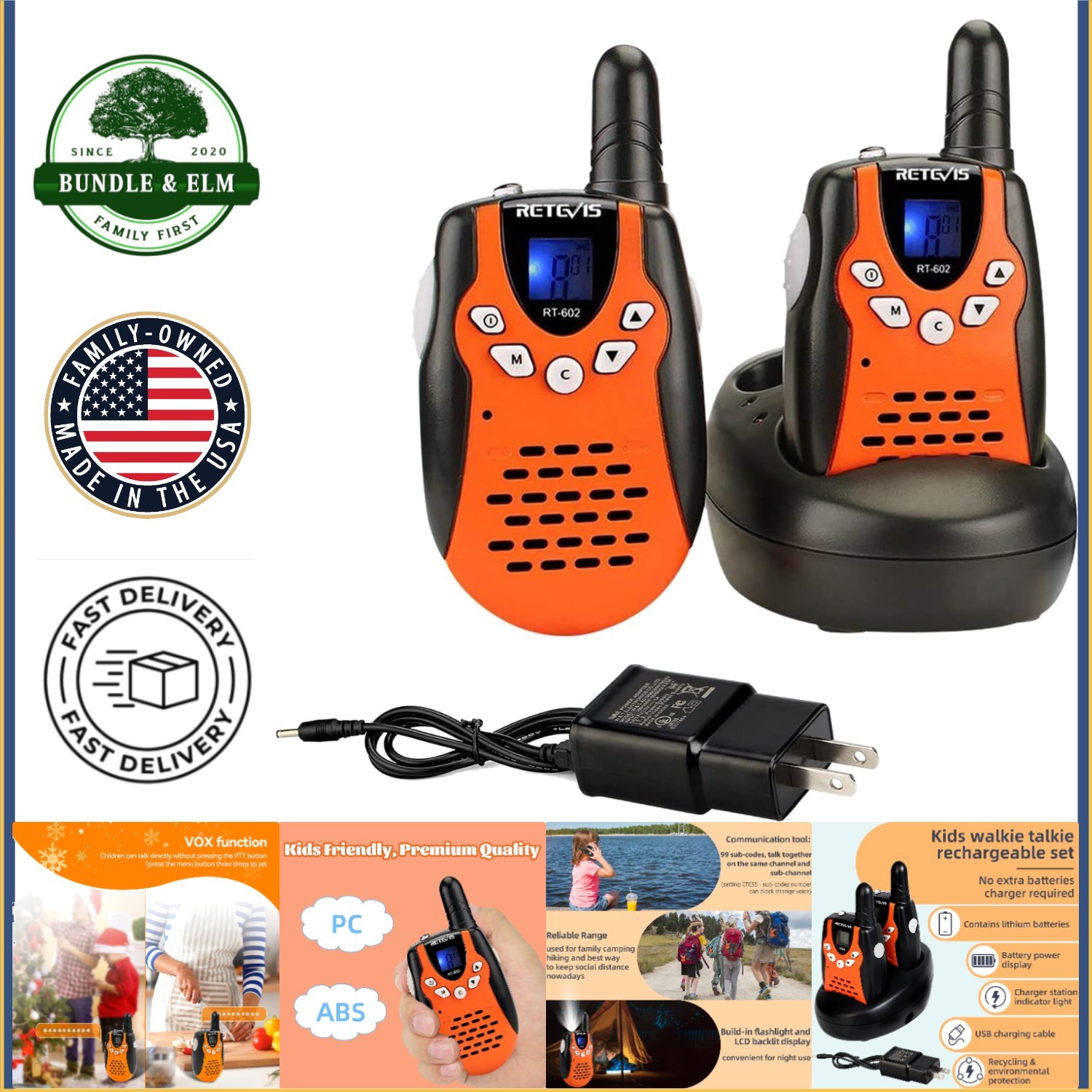
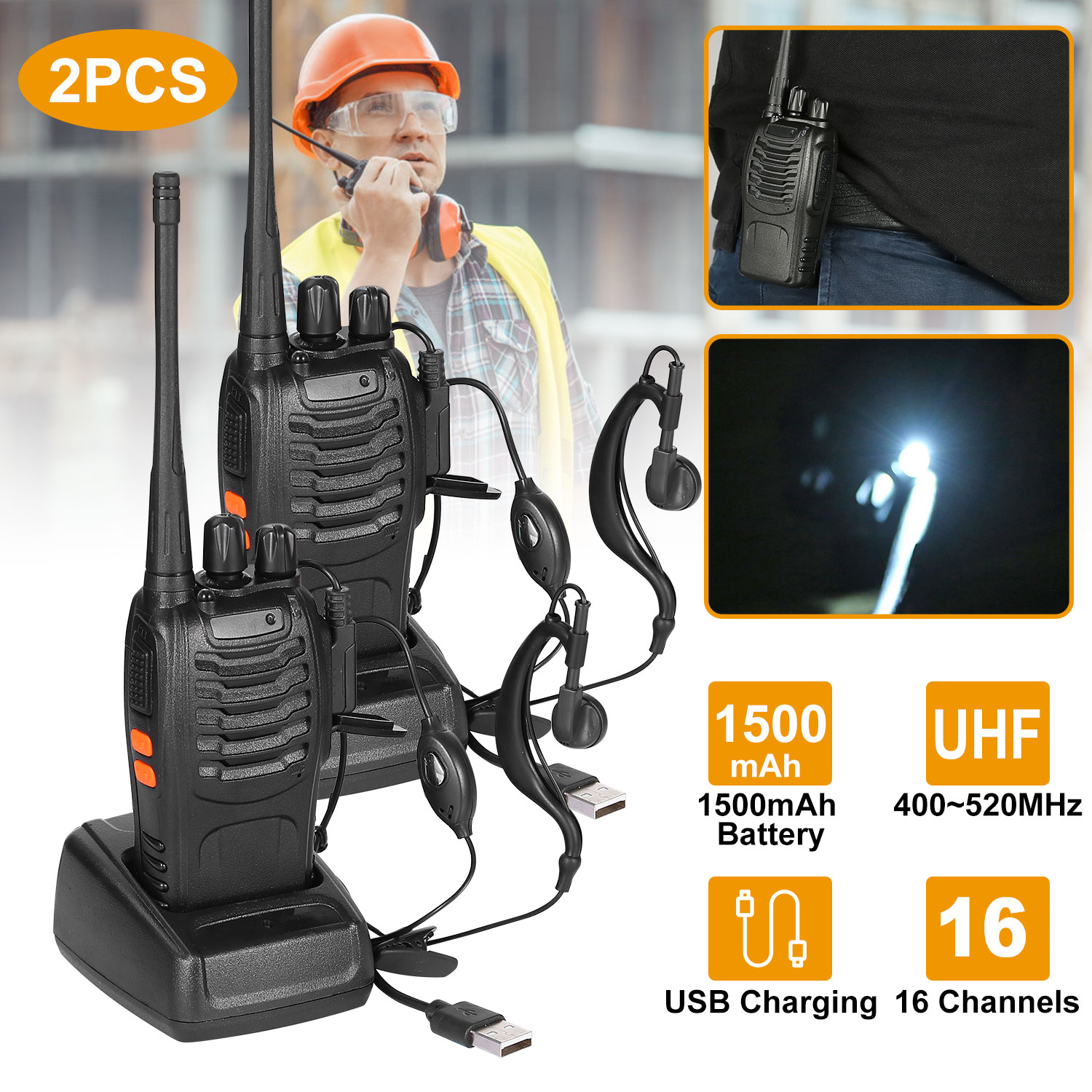
Photos from current listings. Actual item, color, and included accessories may vary.
Heavy Duty Walkie Talky Buying Guide
Heavy-duty walkie-talkies are rugged two-way radios built for job sites, security patrols, and outdoor crews where drops, dust, water, and long shifts are routine. The core trade-off is between professional-tier build and compliance (IP67, MIL-STD-810, higher power, repeater capability) and consumer-tier price and simplicity. The decision rule: choose a radio rated IP67 with a removable battery and a standard accessory connector; skip any sealed, non-replaceable, IPX4-or-lower unit for daily field use.
Median $32.53
Key takeaways
- Ingress rating separates real heavy-duty radios: IP67 means dust-tight and 30-minute submersion at 1 m; IP54 or IPX4 is splash-only and fails in mud, rain, or washdown.
- MIL-STD-810G/H shock, vibration, and drop compliance is proof-tested; consumer radios often cite drop height without full 810 protocol testing.
- Transmit power tiers decide range more than antenna claims: 2 W (consumer) vs 4-5 W (professional UHF/VHF) vs 8-10 W with repeater or digital trunking for site-wide coverage.
At a glance
- Category
- Walkie-Talkies & Two-Way Radios
- Last updated
- Nov 27, 2026
Current offers
Highlights
- Ingress rating separates real heavy-duty radios: IP67 means dust-tight and 30-minute submersion at 1 m; IP54 or IPX4 is splash-only and fails in mud, rain, or washdown.
- MIL-STD-810G/H shock, vibration, and drop compliance is proof-tested; consumer radios often cite drop height without full 810 protocol testing.
- Transmit power tiers decide range more than antenna claims: 2 W (consumer) vs 4-5 W (professional UHF/VHF) vs 8-10 W with repeater or digital trunking for site-wide coverage.
- Battery architecture drives shift endurance: removable Li-ion packs of 2000-3000 mAh give 12-18 hours typical use; sealed internal cells degrade and brick the radio when they fail.
Best use cases
- Best fit: construction, security, and warehouse crews — pick IP67 + MIL-STD-810 + removable battery + 4-5 W UHF with a standard 2-pin or multi-pin accessory jack; skip sealed IPX4 consumer radios.
- Best fit: off-road, hunting, and backcountry teams — pick a model with NOAA weather channels, 5 W max output, and a belt clip plus lanyard loop; skip FRS-only bubble-pack units with fixed antennas.
- Wrong fit: licensed business bands without coordination — do not buy programmable UHF/VHF radios expecting legal operation; choose license-free FRS/GMRS or digital DMR with proper licensing.
- Wrong fit: long-range across a large campus without infrastructure — a single handheld cannot cover it; step up to a repeater system or digital trunked network rather than a higher-wattage handheld.
Buying tips
- Match battery capacity to shift length: 2000 mAh ≈ 12 hr typical, 3000 mAh ≈ 18 hr; carry a spare removable pack rather than relying on sealed cells.
- Choose the right frequency plan: FRS/GMRS for license-free consumer use, programmable UHF (400-470 MHz) for business sites, VHF for open terrain; confirm the radio supports your band.
- Insist on a standard accessory connector (2-pin Kenwood-style or multi-pin) so headsets, remote speaker mics, and surveillance kits remain available across brands.
- Check channel capacity and CTCSS/DCS codes: 16 channels and 50+ codes avoid interference in dense sites; digital DMR models add 2-slot TDMA and better privacy.
Specs
| Ingress Protection | IP67 vs IP54 / IPX4 |
|---|---|
| Transmit Power | 2 W / 4-5 W / 8-10 W |
| Battery Type | Removable Li-ion 2000-3000 mAh |
| Frequency Band | FRS/GMRS, UHF 400-470 MHz, VHF |
Related searches
What to check before buying
- Measure your site coverage radius and obstacles (buildings, floors, hills) to decide between 5 W handheld, repeater, or digital trunked system.
- Confirm the radio is rated for your climate: IP67 for wet/muddy environments, MIL-STD-810 for shock and temperature extremes.
- Verify the charging standard and voltage: desktop chargers, USB-C, or 12 V vehicle adapters — ensure plug type matches your region and vehicle.
- Check that required companion parts exist for your model: spare batteries, belt clips, speaker mics, and programming cables.
FAQ
Data sources: eBay / Amazon listings and product attribute feeds. Updated Nov 27, 2026.
Some links on this page are affiliate links. If you buy after clicking one, we may earn a commission at no extra cost to you. This does not change which products appear here or their order. Affiliate disclosure.