
Photos from current listings. Actual item, color, and included accessories may vary.
Server Rack Buying Guide
A server rack is a standardized 19-inch frame that houses IT, network, and AV gear in a fixed or wall-mounted footprint. The core trade-off is open-frame vs enclosed cabinet: open frames maximize airflow and access at lower cost, while enclosed cabinets add security, dust control, and acoustic damping. Buy open frame for budget homelabs and frequently serviced gear; buy an enclosed locking cabinet when equipment is in shared or dirty spaces.
Median $158.00
Key takeaways
- 19-inch EIA-310 rails define mounting width; usable depth is the real constraint—check chassis depth plus cabling clearance against rack depth.
- Open-frame racks in 4-post or 2-post form simplify access and airflow; enclosed cabinets add locking tempered-glass or mesh doors and side panels.
- Load ratings scale with frame gauge and post design: light 2-post wall racks handle network gear, while 4-post freestanding frames carry heavier servers and AV.
At a glance
- Category
- Server Racks, Cooling & Cabling
- Last updated
- Nov 27, 2026
Current offers
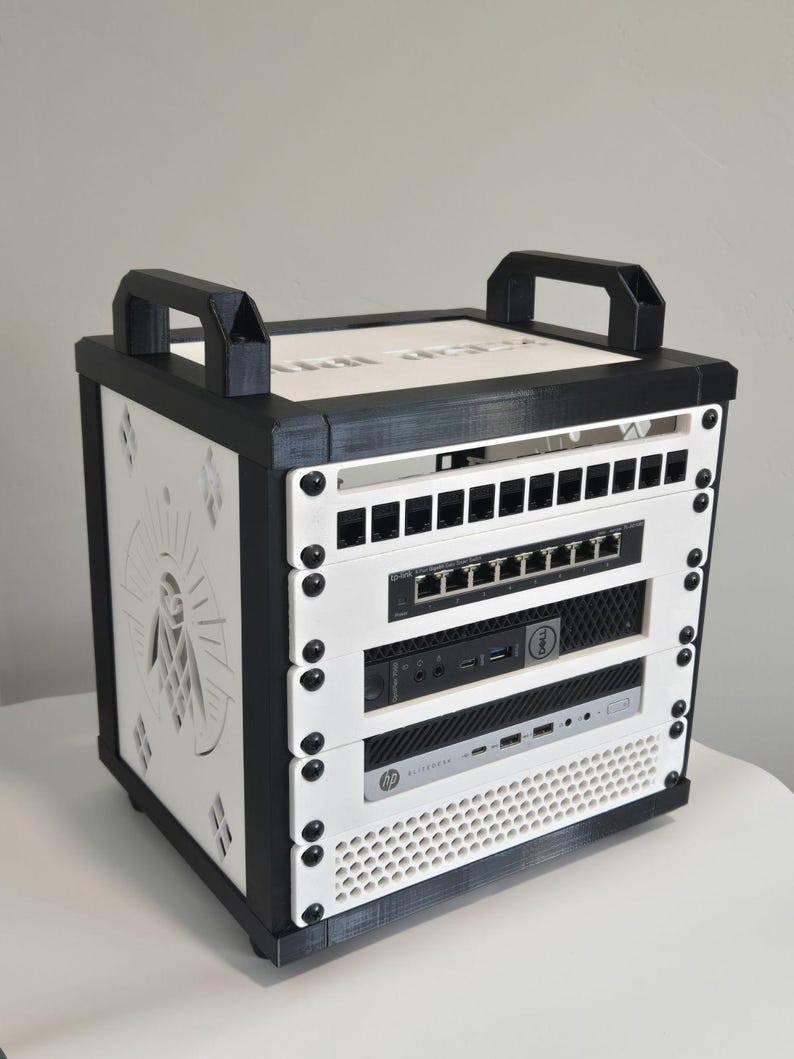 5U Mini Server Rack 10” Stackable Homelab Network Cabinet Organizer$56.00View on eBay
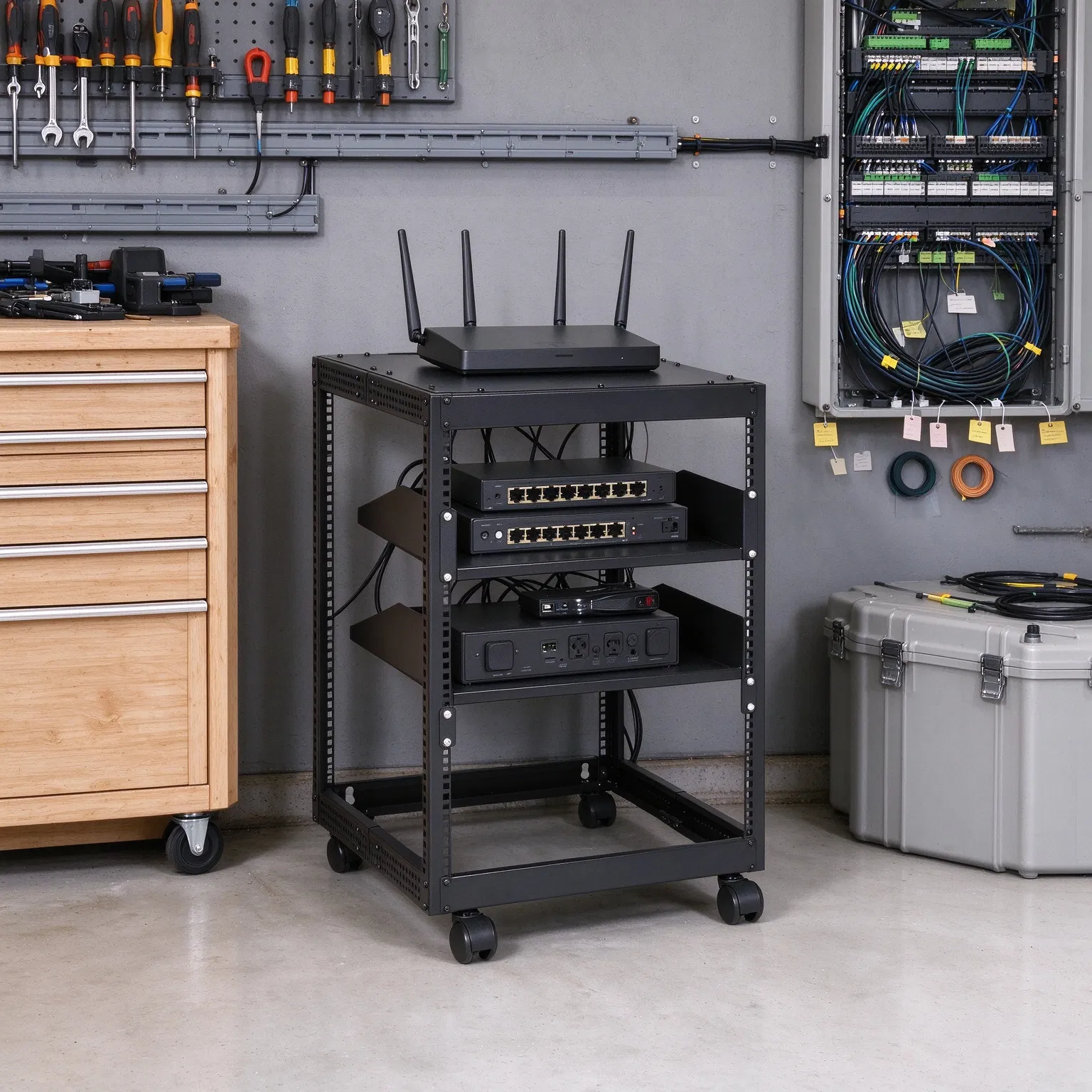 12U open server rack, depth adjustable 23-40 inches, four column with casters, floor/wall mounted, compatible IT/AV equipment$190.99View on Mallflare
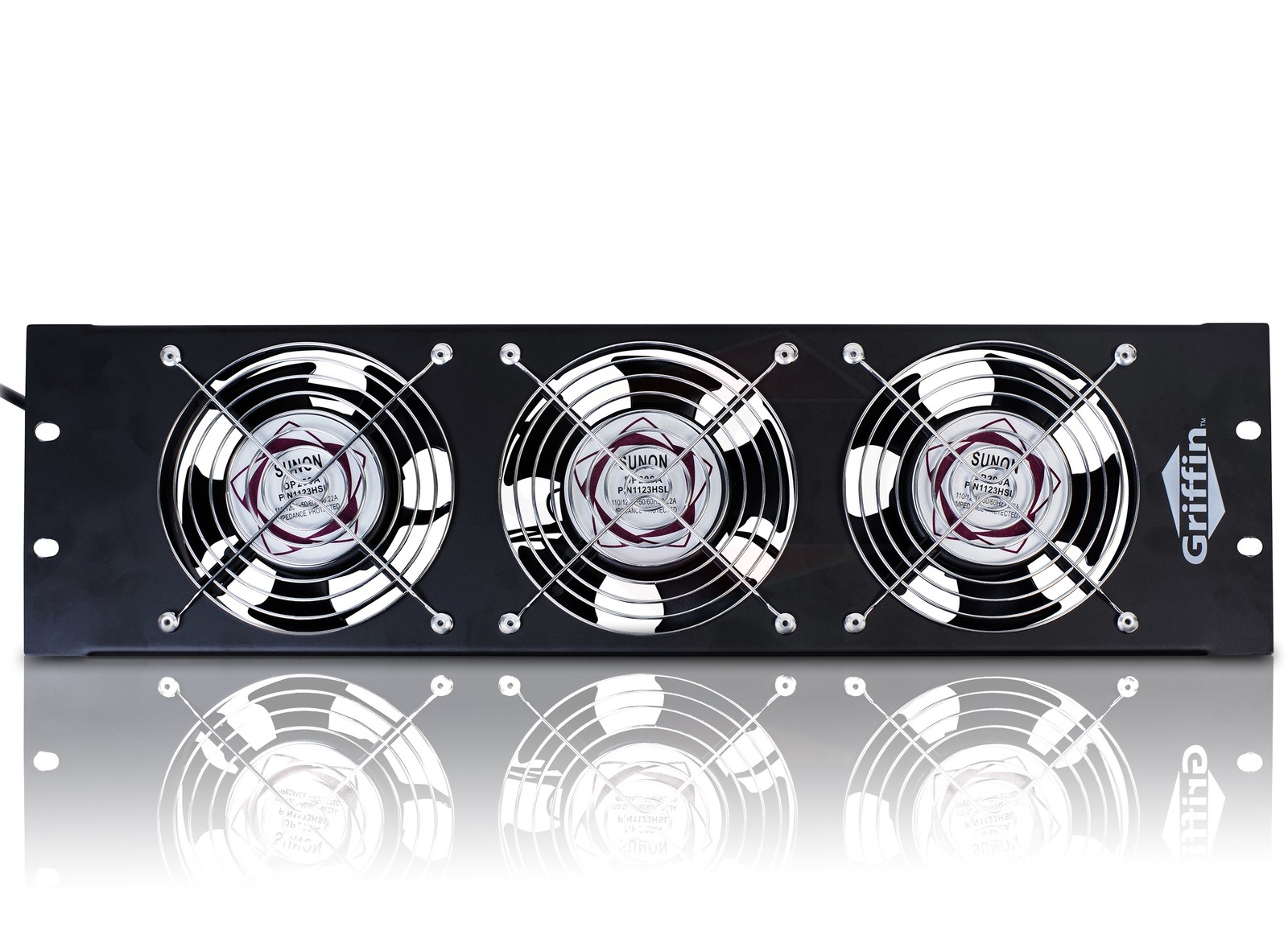 Studio Rackmount Cooling Fan - 3U Exhaust Rack Equipment Gear Server DJ PA AMP$56.95View on eBay
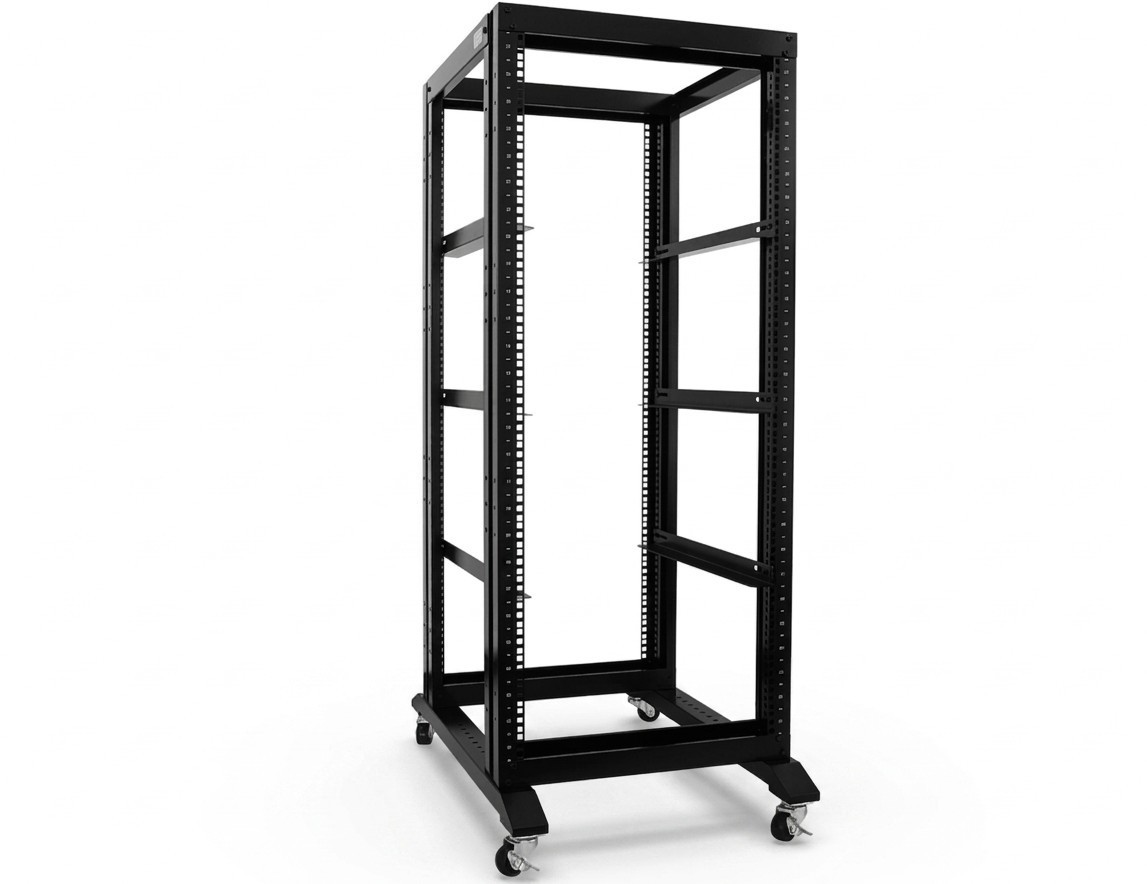 27U 4 Post Open Frame Server Rack 19” – 17” Deep Network Rack with 3 L Rails$158.00View on eBay
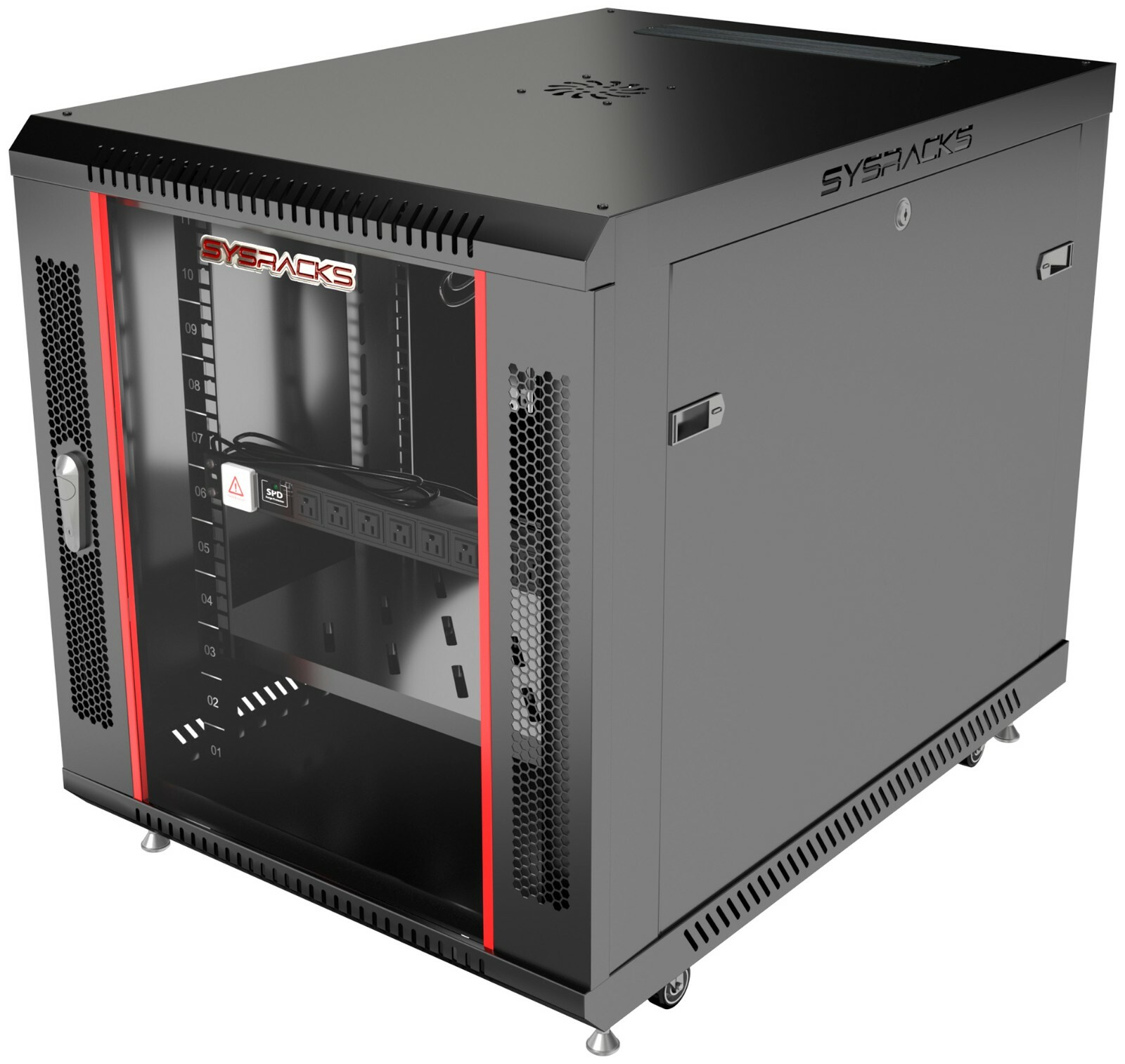 12U 35" Deep Server Rack Cabinet 19" Network IT Enclosure for Home Lab$400.00Last checked Nov 18, 2026View on eBay
Highlights
- 19-inch EIA-310 rails define mounting width; usable depth is the real constraint—check chassis depth plus cabling clearance against rack depth.
- Open-frame racks in 4-post or 2-post form simplify access and airflow; enclosed cabinets add locking tempered-glass or mesh doors and side panels.
- Load ratings scale with frame gauge and post design: light 2-post wall racks handle network gear, while 4-post freestanding frames carry heavier servers and AV.
- U-height (1U = 1.75 in) sets capacity; wall-mount units commonly run 6U–15U, freestanding open frames 12U–27U and beyond.
Best use cases
- Homelab with mini-PCs, switches, and NAS: pick a 4-post open frame with adjustable depth and casters for easy rear access; skip a shallow wall cabinet that cannot fit deeper chassis.
- Branch-office or retail network closet: choose a locking wall-mount cabinet with tempered-glass door to secure switches, patch panels, and routers; skip open frames in publicly accessible areas.
- AV or studio rack for amps and receivers: select a 4-post open frame with adjustable depth and rear rail support; skip 2-post telecom racks that lack front-to-back support for heavy chassis.
- Dense server install in a dedicated room: use a deep 4-post cabinet with front/rear rails and vertical cable management; skip lightweight 15U wall units rated for network gear only.
Buying tips
- Measure the deepest chassis (server, NAS, AV receiver) and add 4–6 in for cabling and airflow; choose a rack depth at least that total, using adjustable-depth frames for mixed gear.
- Match U-height to gear plus growth: sum RU of all devices, add 20–30% headroom, and remember 1U = 1.75 in of vertical space.
- Verify rail style: 4-post frames support front and rear mounting for heavy servers; 2-post racks suit shallow network switches and patch panels only.
- Check load rating against total equipment weight plus accessories; wall-mount cabinets need secure anchoring into studs or concrete, not drywall alone.
Specs
| Rack Width Standard | 19-inch EIA-310 |
|---|---|
| Rack Form Factor | 2-post / 4-post / enclosed cabinet |
| U-Height Range | 6U–27U common; 1U = 1.75 in |
| Mount Type | Freestanding / wall-mount / adjustable depth |
Related searches
What to check before buying
- Confirm the mounting surface: wall cabinets require stud or concrete anchoring rated for the loaded cabinet weight; freestanding frames need floor space for casters and door swing.
- Measure available depth and height clearance, including door swing and rear cable bend radius, before choosing an enclosed cabinet.
- Verify equipment rail compatibility: standard 19-inch EIA-310 holes with square or threaded rails, and confirm cage nut or screw type supplied.
- Plan power and cooling: allow 1U–2U for PDU and patch panels, and ensure enclosed cabinets have vented or fan-ready panels for heat dissipation.
FAQ
Data sources: eBay / Amazon listings and product attribute feeds. Updated Nov 27, 2026.
Some links on this page are affiliate links. If you buy after clicking one, we may earn a commission at no extra cost to you. This does not change which products appear here or their order. Affiliate disclosure.