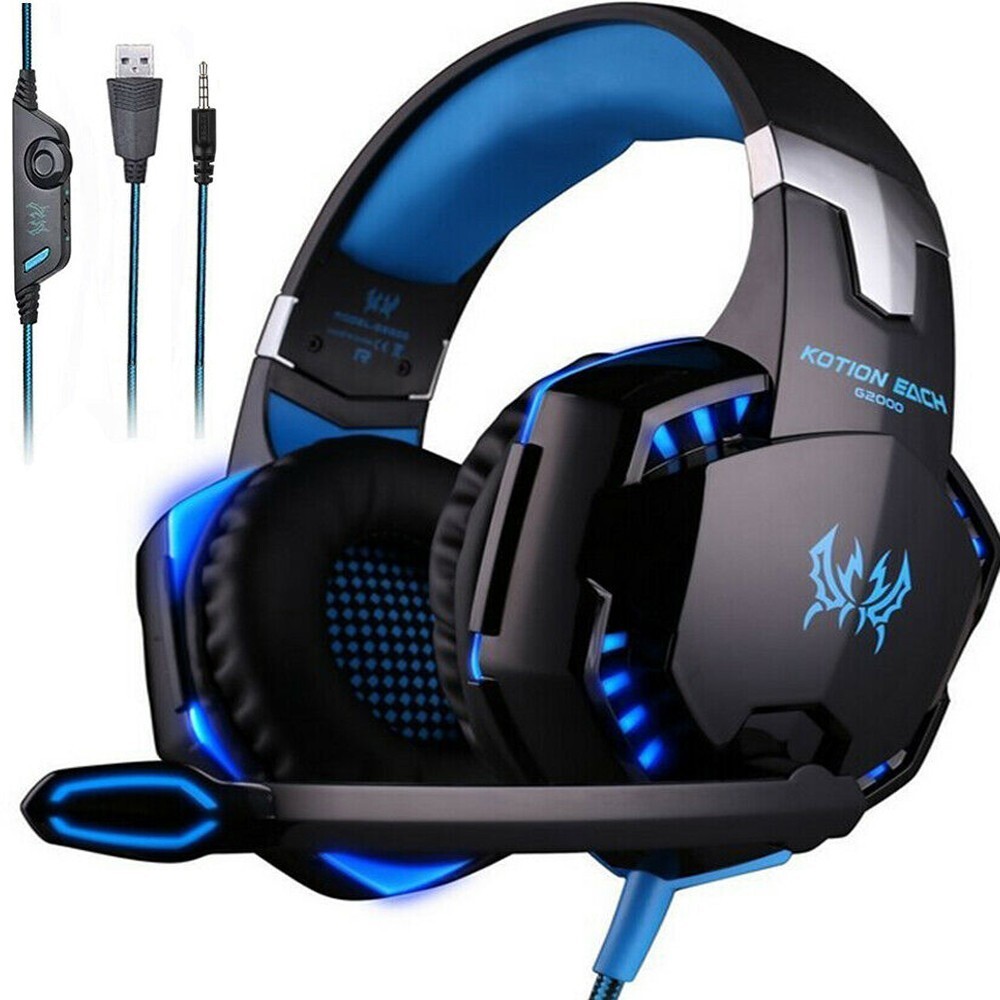

Photos from current listings. Actual item, color, and included accessories may vary.
Headset Mic Buying Guide
Over-ear headphones with a mic split into two real architectures: wired headsets tuned for low-latency voice (3.5mm, USB, or 2.5mm telephony) and Bluetooth ANC headphones whose built-in mic targets calls on the move. The core trade-off is microphone quality and latency versus wireless convenience and noise cancellation. Buy a wired headset if your primary use is live calls, gaming chat, or transcription; buy Bluetooth ANC only if portability and noise blocking outrank mic fidelity.
Key takeaways
- Wired voice headsets use 3.5mm TRRS (4-pole) for mic+stereo, USB for DSP noise-canceling call centers, or 2.5mm for desk-phone handsets; plug standard decides compatibility more than driver size.
- Gaming headsets like the Astro A40 TR use a boom mic on a detachable cable and a 3.5mm or USB mixamp path; chat quality depends on mic capsule placement, not the 40mm driver.
- Bluetooth ANC models (e.g., Persona 5th ANC) route calls over HFP/SCO, which degrades mic audio to narrowband unless the chipset supports mSBC wideband; expect call quality below a wired boom mic.
At a glance
- Category
- Over-Ear Headphones
- Last updated
- Nov 28, 2026
Current offers
Highlights
- Wired voice headsets use 3.5mm TRRS (4-pole) for mic+stereo, USB for DSP noise-canceling call centers, or 2.5mm for desk-phone handsets; plug standard decides compatibility more than driver size.
- Gaming headsets like the Astro A40 TR use a boom mic on a detachable cable and a 3.5mm or USB mixamp path; chat quality depends on mic capsule placement, not the 40mm driver.
- Bluetooth ANC models (e.g., Persona 5th ANC) route calls over HFP/SCO, which degrades mic audio to narrowband unless the chipset supports mSBC wideband; expect call quality below a wired boom mic.
- Impedance matters for wired headsets: 32-40 Ohm works from phones and controllers; 150-300 Ohm open-back models like the Philips SHP9600MB need a dedicated amp and are not voice-first designs.
Best use cases
- Pick a USB wired headset with a noise-canceling boom mic (Yealink UH37-class, UC-certified) for call centers, softphone, and 8-hour shift use; skip Bluetooth ANC, whose HFP mic path adds latency and compression.
- Pick a 3.5mm TRRS gaming headset (Astro A40 TR or equivalent) with a detachable boom mic for PC/console chat; skip open-back audiophile headphones like the SHP9600MB unless you add a separate mic.
- Pick Bluetooth ANC over-ear only for commuting and travel calls where the mic is secondary; skip it for podcast recording, transcription, or meetings where your voice is the product.
Buying tips
- Match the plug: 3.5mm TRRS (4-pole) for phone/controller combo audio, dual 3.5mm (separate mic/headphone) for desktop PCs, USB-A/USB-C for softphones, and 2.5mm only for specific desk-phone handsets.
- For voice-first use, prioritize a boom mic on a flexible arm or a UC-certified USB headset with hardware mute; inline mics on Bluetooth headphones sit farther from the mouth and pick up more room noise.
- Check impedance against your source: 32-40 Ohm runs from phones, controllers, and laptops; 150-300 Ohm needs a headphone amp and is the wrong tier for headset use.
- For Bluetooth call quality, look for Bluetooth 5.0+ with mSBC/wideband voice support and multipoint pairing; older 4.x chipsets default to narrowband HFP and sound muffled on calls.
Specs
| Mic Path | Boom / Inline / Built-in beamforming |
|---|---|
| Wired Connection | 3.5mm TRRS / USB / 2.5mm telephony |
| Bluetooth Voice | HFP mSBC wideband vs narrowband |
| Impedance Tier | 32-40 Ohm portable / 150-300 Ohm amped |
Related searches
What to check before buying
- Confirm your device's jack: a 3.5mm TRRS combo jack needs a 4-pole plug, while a PC with separate pink/green jacks needs a splitter or a USB headset.
- Measure ear-cup clearance and headband adjustability for 8-hour wear; clamp force and pad depth decide comfort more than claimed weight.
- For desk phones, verify the handset jack is 2.5mm (or 3.5mm with adapter) and that the headset supports the phone's mic gain; RJ9 quick-disconnect cords are a separate standard.
- For Bluetooth, confirm your softphone or OS supports HFP wideband; without it, calls fall back to 8kHz narrowband regardless of headphone price.
FAQ
Data sources: eBay / Amazon listings and product attribute feeds. Updated Nov 28, 2026.
Some links on this page are affiliate links. If you buy after clicking one, we may earn a commission at no extra cost to you. This does not change which products appear here or their order. Affiliate disclosure.