
Photos from current listings. Actual item, color, and included accessories may vary.
Build Plate Buying Guide
A 3D printer build plate is the removable print surface that determines first-layer adhesion, part release, and bed longevity; the core trade-off is between smooth PEI/PEX films for glossy bottom layers, textured PEI for grip and easy release, and glass for flatness but fragile thermal shock behavior. Choose textured or dual-sided PEI spring-steel plates for everyday FDM printing; reserve glass or garolite for specific material needs.
Median $29.86 · New listings
Key takeaways
- Spring-steel plates with PEI coating dominate because they flex to pop parts off and recover flatness; thickness is typically 0.4-0.6 mm steel with 0.05-0.1 mm coating.
- Textured PEI gives stronger grip on PETG/PLA and a matte bottom finish; smooth PEI gives glossy bottoms but PETG can bond too aggressively and tear the sheet.
- Magnetic base systems use high-temperature magnets rated 120-150 C; above that, plates can shift or lose grip, so match plate to bed temperature.
At a glance
- Category
- Nozzles, Hotends & Build Plates
- Last updated
- Nov 25, 2026
Current offers
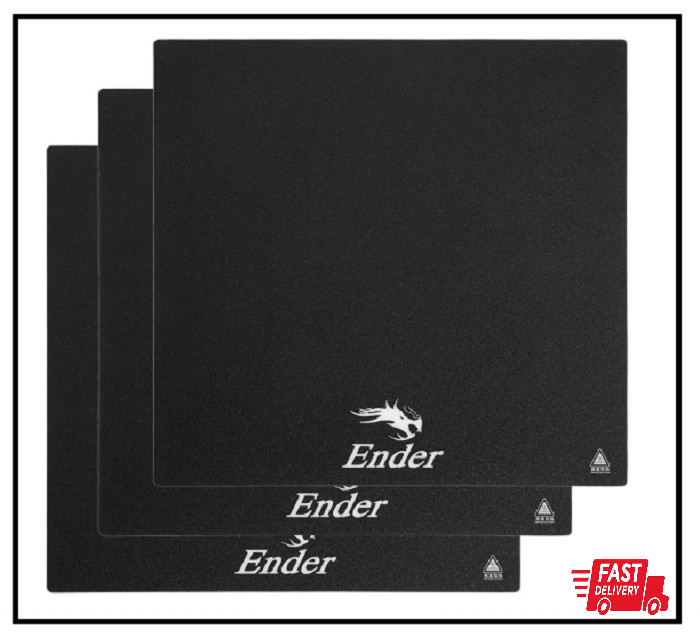 3pcs Creality Build Plate Square Heated Bed for Ender-3/Pro 3D Printer Flexible$15.85View on eBay
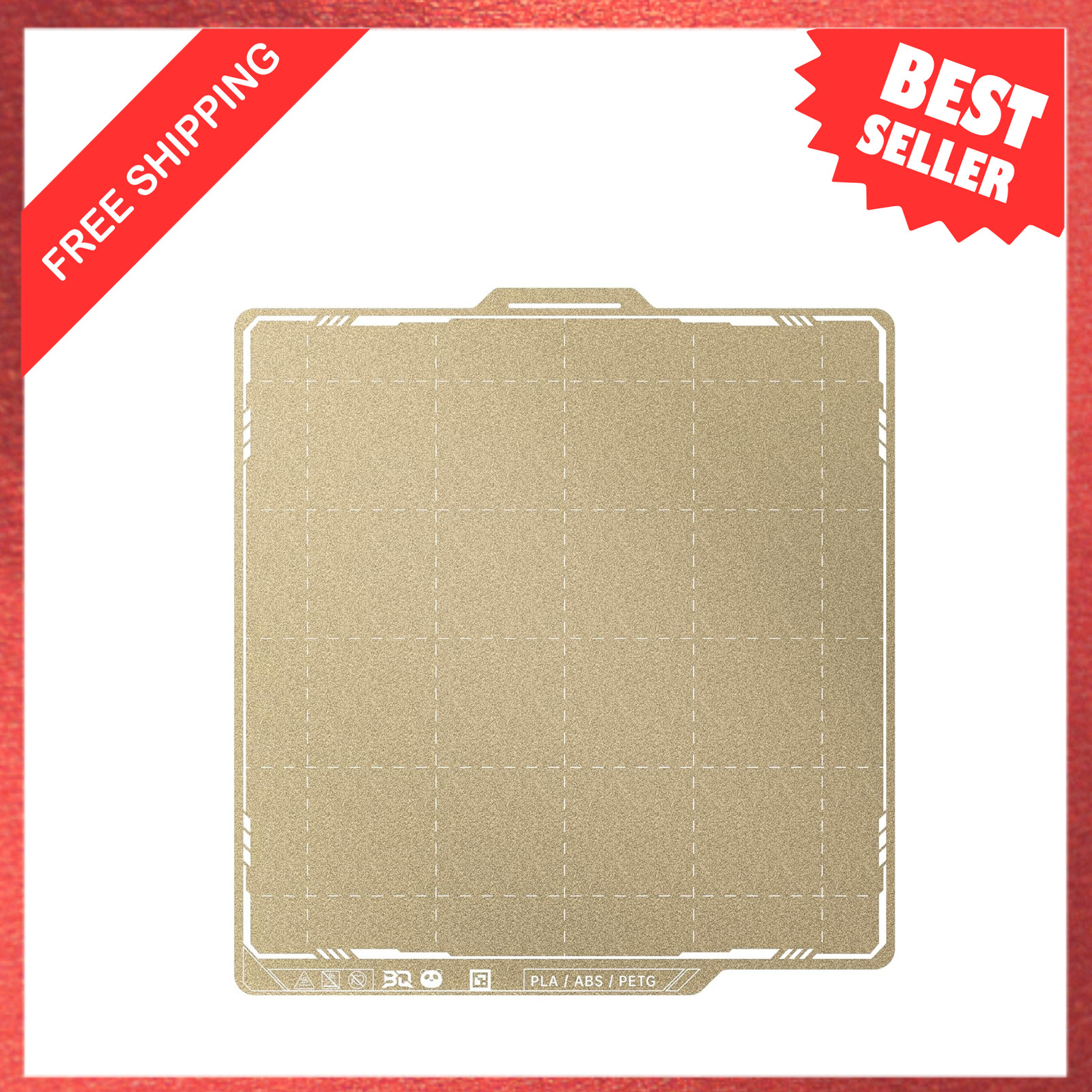 Double Sided Textured PEI Build Plate for 3D Printers 257x257mm Compatible with$29.86View on eBay
- Mandala Roseworks Voron MagBed Cast Tooling Plate (5083 Alloy) Build Plates for$229.99New · Last checked Nov 18, 2026View on eBay
Highlights
- Spring-steel plates with PEI coating dominate because they flex to pop parts off and recover flatness; thickness is typically 0.4-0.6 mm steel with 0.05-0.1 mm coating.
- Textured PEI gives stronger grip on PETG/PLA and a matte bottom finish; smooth PEI gives glossy bottoms but PETG can bond too aggressively and tear the sheet.
- Magnetic base systems use high-temperature magnets rated 120-150 C; above that, plates can shift or lose grip, so match plate to bed temperature.
- Glass plates offer excellent flatness and are cheap, but thermal shock and adhesion films (glue stick, hairspray) are mandatory; garolite is the specialist choice for nylon.
Best use cases
- Pick a double-sided textured/smooth PEI spring-steel plate for a Creality Ender-3 or similar 235x235 mm bed if you print PLA, PETG, and TPU and want tool-free part removal.
- Choose an OEM-matched PEI/PC plate for a FlashForge Adventurer 5M Pro or AD5X only if you need exact clip and sensor alignment; generic plates often miss the auto-bed-leveling contact points.
- Skip glass if you frequently print PETG without adhesive or run high-temp materials above 120 C; glass can chip and PETG can fuse to bare glass and rip chunks out.
- Buy a 257x257 mm plate only for a printer with that exact bed; oversize plates collide with clips and under-size plates leave unheated edges, so measure the bed, not the frame.
Buying tips
- Measure the heated bed itself (not the printer frame) and match plate size within 2 mm; standard sizes include 220x220, 235x235, 257x257, and 300x300 mm.
- For PETG, prefer textured PEI or a dedicated PETG sheet; bare smooth PEI can bond so hard that removal tears the coating—use glue stick as a release agent if unsure.
- Check the magnet's rated temperature: standard magnetic bases are good to about 80-100 C, high-temp versions to 150 C; above the rating the plate slides and ruins first layers.
- Prefer spring-steel plates 0.4-0.5 mm thick: thinner steel warps and dents, thicker steel reduces magnetic hold and is harder to flex for part release.
Specs
| Plate Surface | Textured PEI / Smooth PEI / Glass / Garolite |
|---|---|
| Plate Size | 220x220 to 300x300 mm (match bed) |
| Steel Thickness | 0.4-0.6 mm spring steel |
| Max Bed Temp | 80-150 C (magnet dependent) |
Related searches
What to check before buying
- Confirm the exact bed dimensions and whether the printer uses a magnetic base, glass clips, or a proprietary carrier before ordering any replacement plate.
- Verify the plate's max temperature rating covers your usual bed temperature: PLA at 60 C, PETG at 70-80 C, ABS/ASA at 90-110 C, and engineering materials above 120 C.
- Check that the plate has clearance for bed clips, leveling probes, and purge/wipe zones; a plate that overhangs by even 5 mm can hit the gantry.
- For adhesive sheets, plan on replacing the PEI film every few months under heavy use; budget for a spare sheet rather than a whole new plate.
FAQ
Data sources: eBay / Amazon listings and product attribute feeds. Updated Nov 25, 2026.
Some links on this page are affiliate links. If you buy after clicking one, we may earn a commission at no extra cost to you. This does not change which products appear here or their order. Affiliate disclosure.