
Photos from current listings. Actual item, color, and included accessories may vary.
WiFi Development Board Buying Guide
WiFi development boards are microcontroller platforms with integrated 2.4/5 GHz radios, where the core trade-off is SoC architecture and RF certification versus GPIO breakout and USB-serial convenience. Durable, standards-compliant boards use Espressif ESP32 series or Arduino MKR/Uno R4 WiFi modules with shielded radios and native USB; compromise boards cut RF shielding, use counterfeit serial chips, or omit regulatory certification. The decision rule: pick a board whose module family and USB bridge are explicitly named and certified, not a bare unbranded 'ESP32-compatible' clone.
Median $320.99
Key takeaways
- ESP32-WROOM-32 modules pair a dual-core Xtensa LX6 at 240 MHz with 4 MB flash and a shielded 2.4 GHz radio; ESP32-S3/C3 variants add native USB-OTG and BLE 5.0 but drop classic Bluetooth.
- Arduino Uno R4 WiFi uses a Renesas RA4M1 MCU plus an ESP32-S3 co-processor for WiFi/BLE, giving 5 V GPIO tolerance and the established Uno R3 shield footprint.
- USB-serial bridge quality separates reliable boards: genuine CP2102/CP2102N or native USB CDC avoids the driver conflicts and dropped flashes common to counterfeit CH340 variants.
At a glance
- Category
- Microcontrollers & Dev Boards
- Last updated
- Nov 25, 2026
Current offers
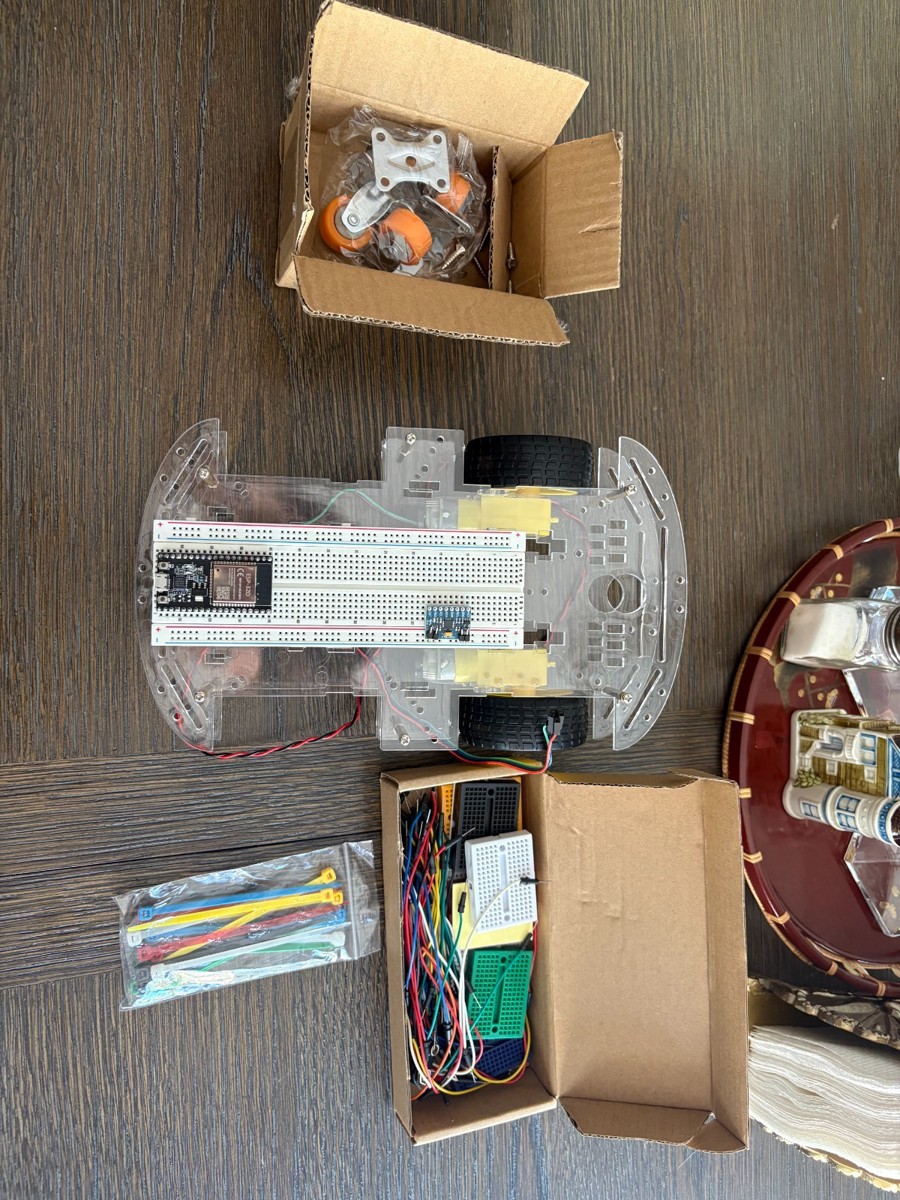 ESP-32S Electronics Starter Kit WIFI Development Board Arduino Robotics Projects$25.00View on eBay
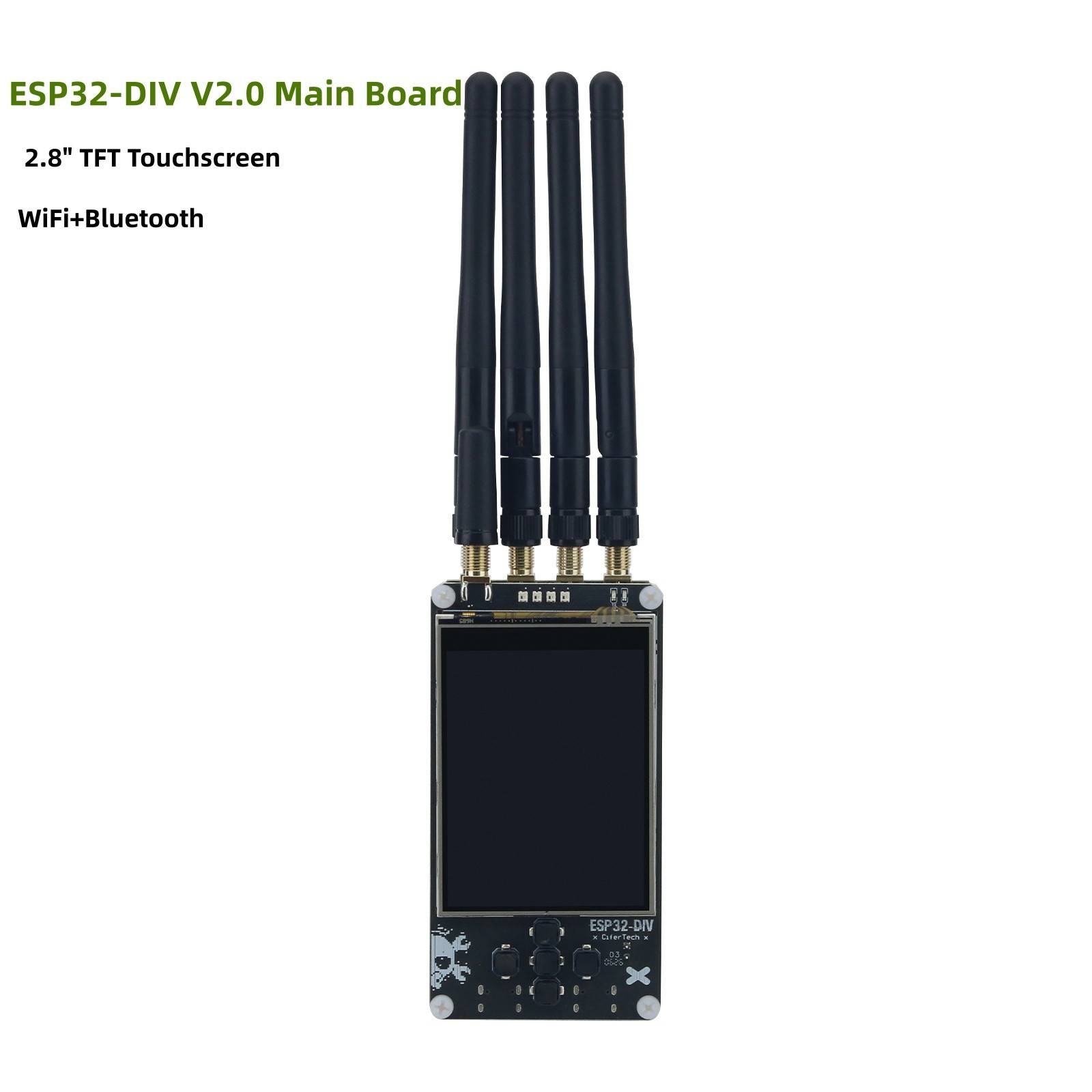 ESP32-DIV V2.0 WiFi+Bluetooth NRF24 ESP32 Development Board Wireless$91.99View on eBay
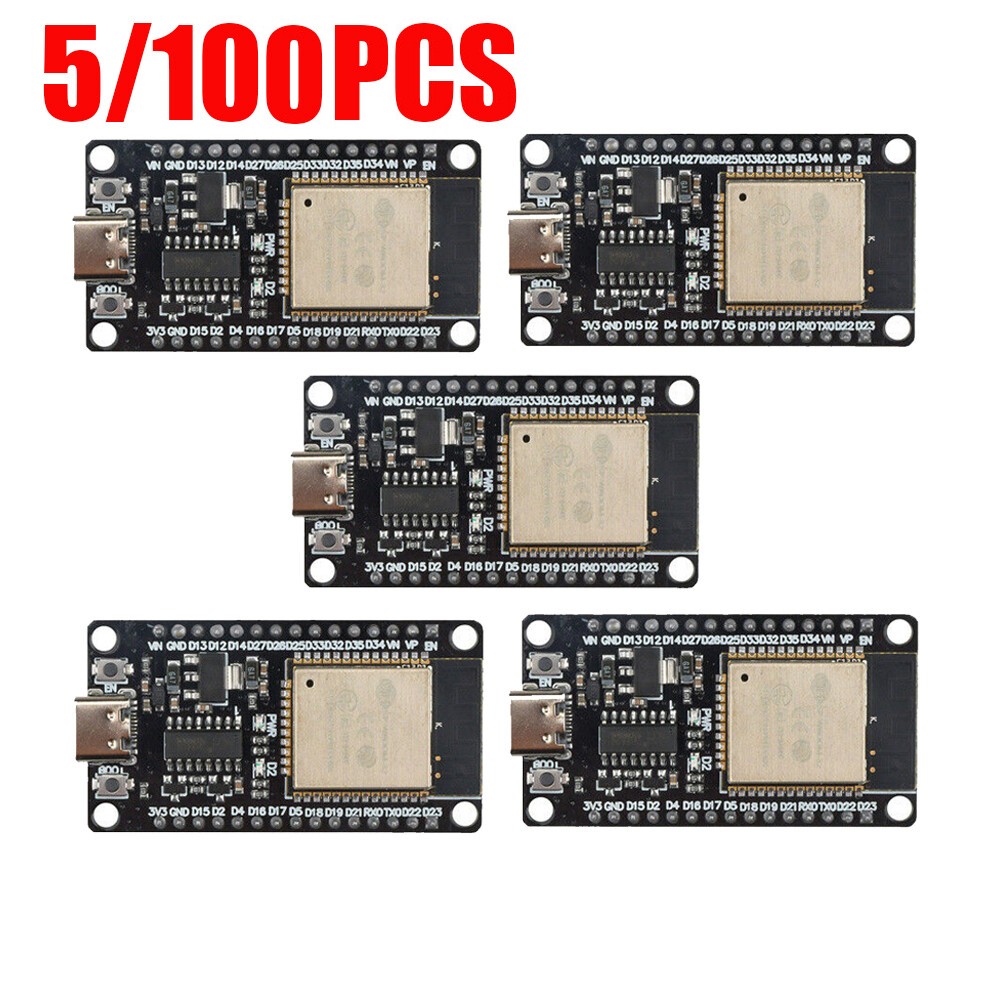 ESP32 WROOM-32 Type-C CH340C Development Board Dual Core WiFi Bluetooth 5/100PCS$549.99Last checked Nov 18, 2026View on eBay
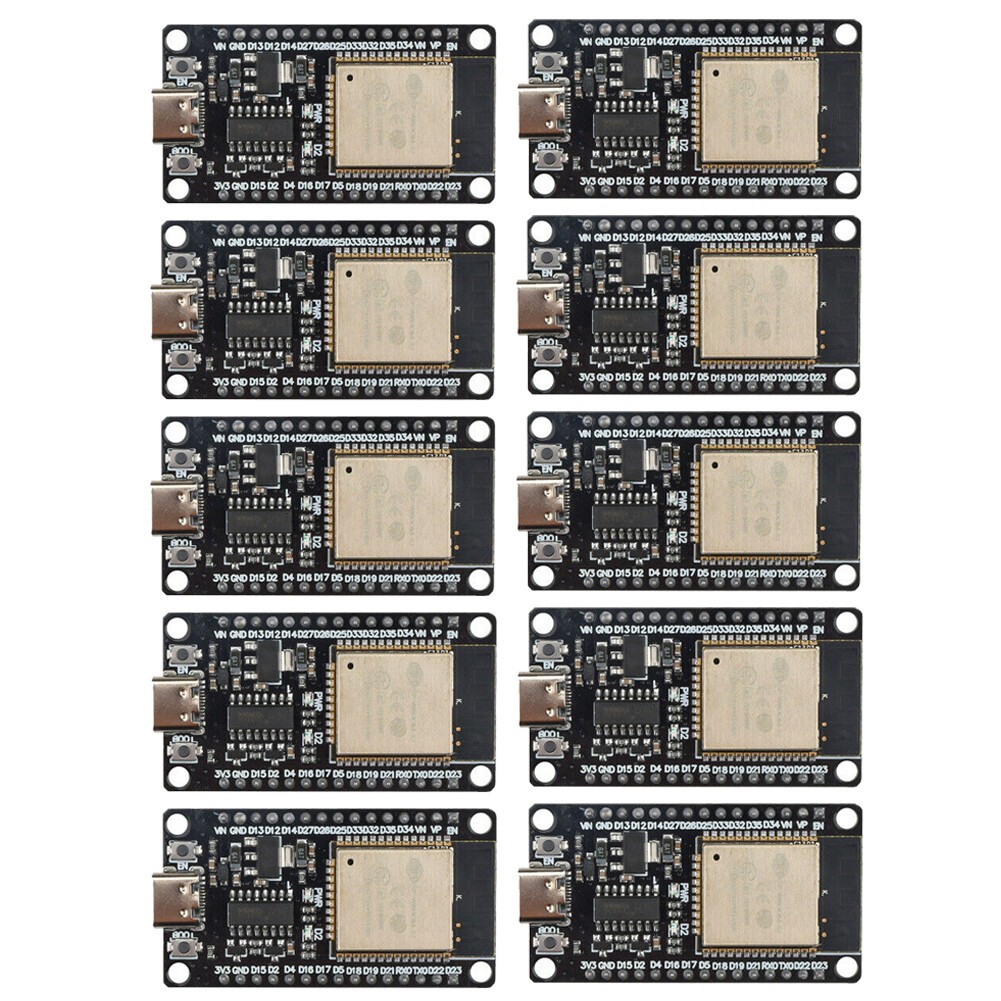 100PCS ESP32 CH340C WROOM-32 Type-C Development Board Dual Core WiFi Bluetooth$549.99Last checked Nov 17, 2026View on eBay
Highlights
- ESP32-WROOM-32 modules pair a dual-core Xtensa LX6 at 240 MHz with 4 MB flash and a shielded 2.4 GHz radio; ESP32-S3/C3 variants add native USB-OTG and BLE 5.0 but drop classic Bluetooth.
- Arduino Uno R4 WiFi uses a Renesas RA4M1 MCU plus an ESP32-S3 co-processor for WiFi/BLE, giving 5 V GPIO tolerance and the established Uno R3 shield footprint.
- USB-serial bridge quality separates reliable boards: genuine CP2102/CP2102N or native USB CDC avoids the driver conflicts and dropped flashes common to counterfeit CH340 variants.
- RF compliance requires a modular FCC/CE/IC ID on the shielded module; boards without an ID or with a wire antenna instead of a PCB/u.FL antenna cannot be legally marketed as certified in the US/EU.
Best use cases
- Best fit: ESP32-WROOM-32 or ESP32-S3 dev board for Wi-Fi + BLE sensor nodes, MQTT gateways, and Home Assistant bridges — pick S3 if you need USB HID or camera/LCD peripherals.
- Best fit: Arduino Uno R4 WiFi for classroom or shield-based projects needing 5 V logic, the R3 shield ecosystem, and the onboard 12x8 LED matrix; skip it for deep-sleep battery nodes.
- Wrong fit: bare ESP-32S starter kits with unspecified module markings and no antenna certification — avoid for production or RF-regulated deployments; acceptable only for bench learning.
- Wrong fit: ESP32-DIV multi-radio boards combining ESP32 with NRF24 for packet sniffing — they are niche RF tooling, not general-purpose WiFi dev boards; choose a standard WROOM/S3 board for app development.
Buying tips
- Match flash to firmware: 4 MB suits MicroPython/Arduino basics, but ESP-IDF with OTA, TLS, and filesystem needs 8–16 MB — verify the module suffix (e.g., N4 vs N8 vs N16).
- Prefer boards with native USB-C and a genuine CP2102N or native USB CDC; CH340C works but requires driver installs and is frequently counterfeited on bulk listings.
- For battery nodes choose ESP32-C3/C6 or S3 with deep-sleep under 20 µA and a 3.3 V LDO rated for the peak 500 mA RF burst; avoid Uno R4 WiFi for coin-cell or LiPo duty cycles.
- Check GPIO count and pin breakouts: WROOM-32 exposes ~25 usable GPIOs, S3 ~45; boards with onboard displays or SD slots consume pins — map your sensor/peripheral count before choosing a form factor.
Specs
| SoC Family | ESP32 / ESP32-S3 / ESP32-C3 / Renesas RA4M1 |
|---|---|
| Radio | 2.4 GHz WiFi + BLE 4.2/5.0, FCC/CE module |
| Flash / PSRAM | 4–16 MB flash; 0–8 MB PSRAM |
| USB Bridge | CP2102N / native USB CDC / CH340 |
Related searches
What to check before buying
- Confirm the module family and marking (ESP32-WROOM-32, ESP32-S3-WROOM-1, ESP32-C3-MINI) and that the shield carries an FCC/CE ID for regulated deployments.
- Verify USB connector type and bridge chip: USB-C with CP2102N or native USB CDC is preferred over micro-USB with unspecified CH340 variants.
- Check logic level and power: 3.3 V GPIO on ESP32 boards vs 5 V on Uno R4 WiFi; ensure your sensors and shields match and that the board can be powered from USB or a regulated 5 V/VIN source.
- Measure the footprint and antenna clearance: most dev boards are ~25x50 mm with a PCB antenna needing 10–15 mm of clear space; enclosures and stacked shields can detune the radio.
FAQ
Data sources: eBay / Amazon listings and product attribute feeds. Updated Nov 25, 2026.
Some links on this page are affiliate links. If you buy after clicking one, we may earn a commission at no extra cost to you. This does not change which products appear here or their order. Affiliate disclosure.