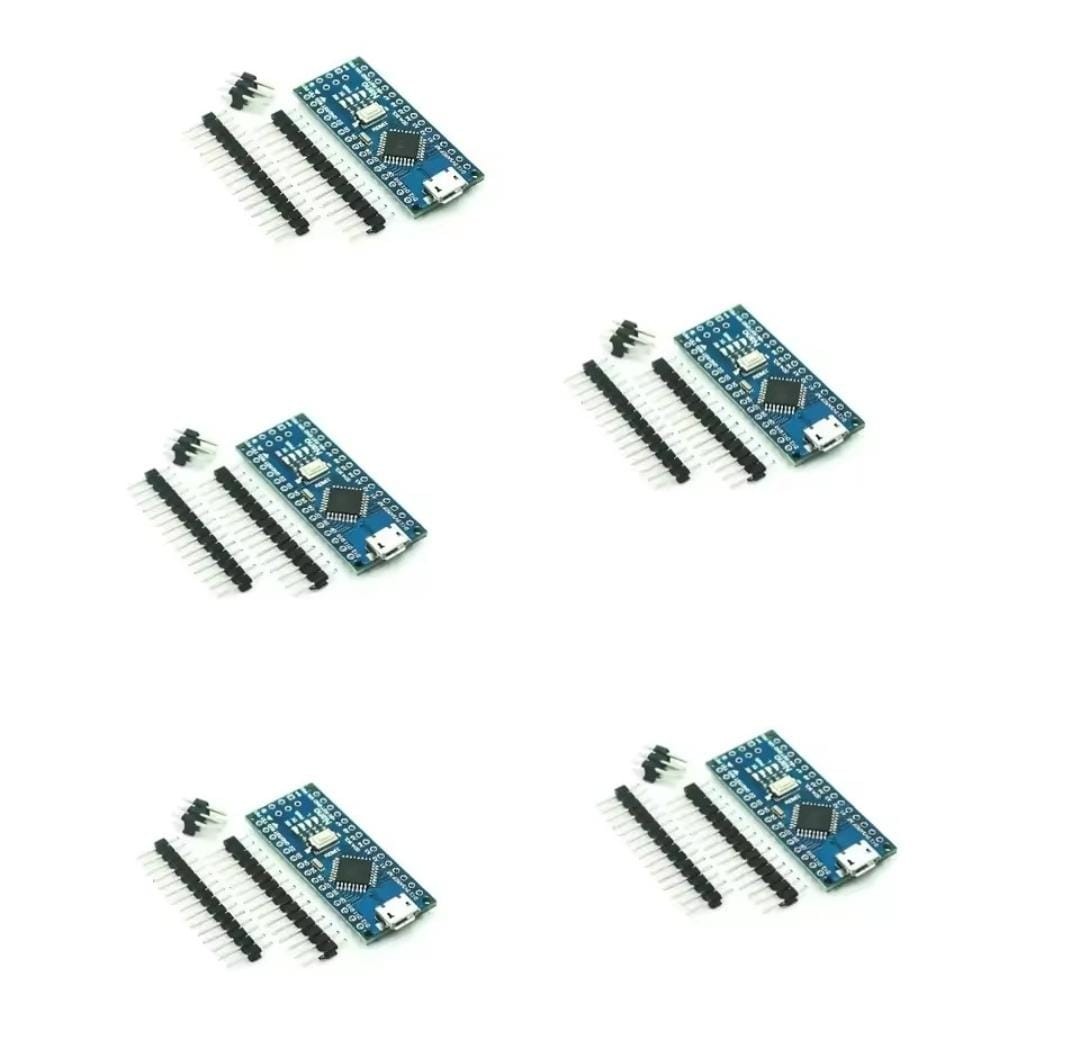

Photos from current listings. Actual item, color, and included accessories may vary.
Arduino Nano Board Buying Guide
The Arduino Nano is a compact, breadboard-friendly microcontroller board built around an 8-bit ATmega328P MCU in a 0.6-inch DIP form factor. The primary trade-off is USB-to-serial bridge quality and MCU authenticity (genuine FTDI/ATmega vs. CH340 clone) versus cost, plus whether you need classic 5V/8-bit or a modern 3.3V/32-bit Nano variant (33 IoT, Every, 33 BLE). The clear rule: buy a CH340-based clone for budget prototyping where driver install is acceptable; step up to genuine or 32-bit Nano boards for production, wireless, or library-compatibility-sensitive work.
Median $38.44
Key takeaways
- Nano classic: ATmega328P, 5V logic, 16 MHz, 32 KB flash, 2 KB SRAM, 1 KB EEPROM — identical MCU to Uno but in a 45x18mm DIP package.
- USB bridge determines driver pain: CH340 clones need a driver on Windows/macOS; FTDI FT232 or genuine Arduino boards enumerate natively.
- Pin count is fixed at 22 digital I/O (6 PWM) + 8 analog inputs; compatibility with shields/Nano expansion boards hinges on this 30-pin, 0.6-inch DIP layout.
At a glance
- Category
- Microcontrollers & Dev Boards
- Last updated
- Nov 25, 2026
Current offers
Highlights
- Nano classic: ATmega328P, 5V logic, 16 MHz, 32 KB flash, 2 KB SRAM, 1 KB EEPROM — identical MCU to Uno but in a 45x18mm DIP package.
- USB bridge determines driver pain: CH340 clones need a driver on Windows/macOS; FTDI FT232 or genuine Arduino boards enumerate natively.
- Pin count is fixed at 22 digital I/O (6 PWM) + 8 analog inputs; compatibility with shields/Nano expansion boards hinges on this 30-pin, 0.6-inch DIP layout.
- 32-bit variants change the software stack: Nano 33 IoT (SAMD21, Wi-Fi/BLE), Nano Every (ATmega4809, 5V), Nano 33 BLE (nRF52840, Bluetooth) — pick by wireless and 3.3V/5V need, not by size.
Best use cases
- Best fit: breadboard prototypes, sensor nodes, and compact wearables with 5V logic — choose classic Nano ATmega328P with CH340 if budget-driven, FTDI/genuine if you need zero-driver setup.
- Best fit: connected IoT projects needing Wi-Fi/Bluetooth — choose Nano 33 IoT (3.3V, SAMD21) or Nano 33 BLE; skip classic Nano, which has no radio.
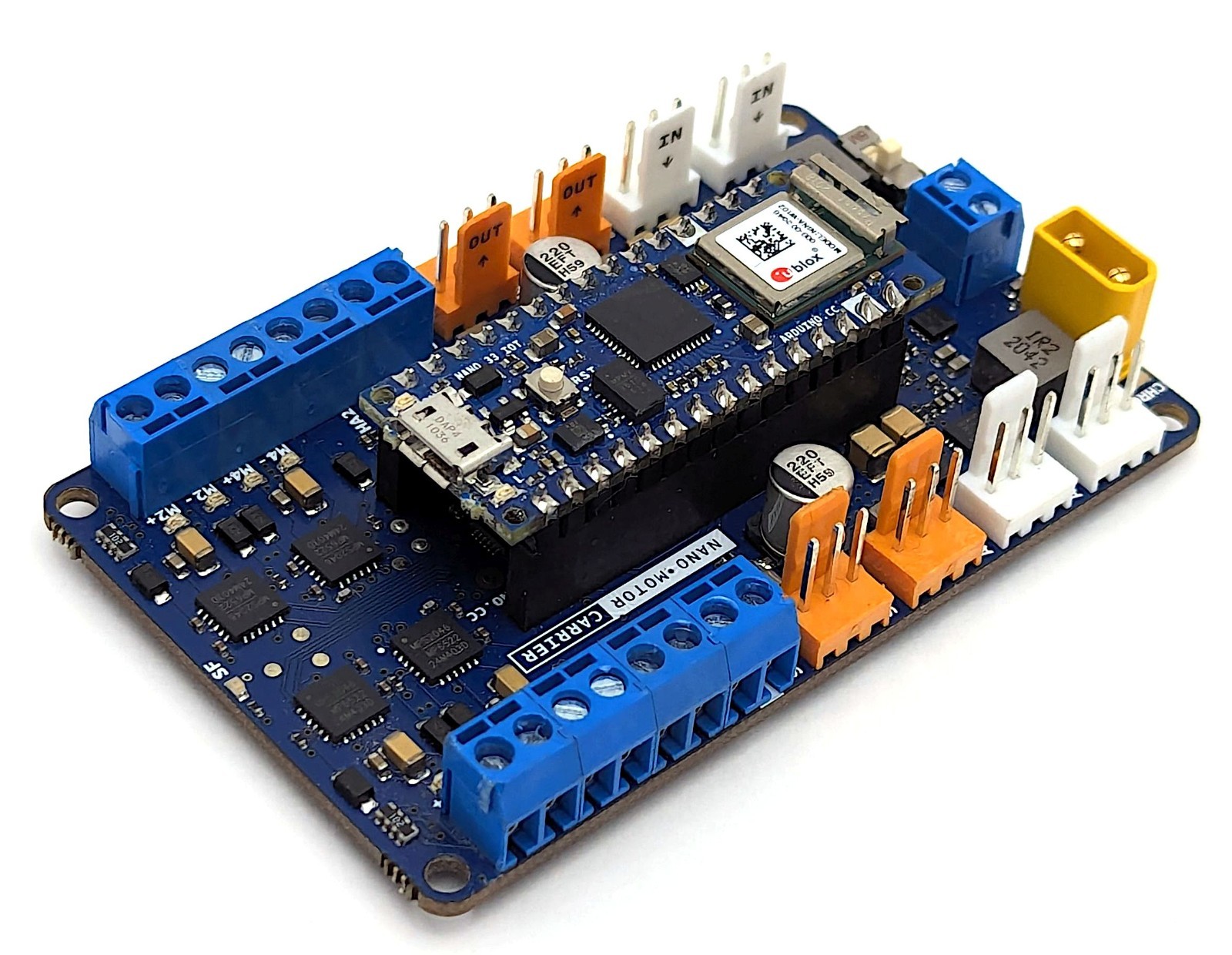
- Wrong fit: motor-driving robots without a carrier — classic Nano cannot source motor current; use the Nano Motor Carrier module (with Nano 33 IoT) or an external H-bridge.
- Wrong fit: 5V-shield ecosystems expecting Uno headers — Nano's 30-pin DIP needs a Nano-to-Uno adapter or a Nano expansion board; skip if you rely on Uno shields.
Buying tips
- Match logic voltage to your sensors: classic Nano and Nano Every are 5V; Nano 33 IoT/BLE are 3.3V — feeding 5V into 3.3V Nano I/O can damage it.
- For Windows/macOS driver-free use, pick FTDI FT232 or genuine Arduino boards; CH340 is reliable but requires a one-time driver install.
- Flash/SRAM budget: 32 KB/2 KB fits most sensor sketches; for TLS, display buffers, or audio, move to Nano 33 IoT (256 KB/32 KB) or Nano Every (48 KB/6 KB).
Specs
| MCU / Logic | ATmega328P 5V vs SAMD21/nRF52840 3.3V |
|---|---|
| USB Bridge | CH340 vs FTDI FT232 vs native |
| Form Factor | 30-pin DIP, 0.6in (15.24mm) spacing |
| Wireless | None vs Wi-Fi/BLE (33 IoT/BLE) |
Related searches
What to check before buying
- Measure your breadboard/project bay: Nano is ~45x18mm; leave clearance for USB connector and headers (stackable headers add height).
- Confirm power source: USB 5V or VIN 7-12V; classic Nano's onboard regulator is limited — power motors/servos from a separate supply with common ground.
- Verify logic-level compatibility of every sensor/module (5V vs 3.3V) and level-shift where needed.
- For wireless variants, confirm antenna clearance and that your enclosure is RF-transparent (no metal case around the antenna).
FAQ
Data sources: eBay / Amazon listings and product attribute feeds. Updated Nov 25, 2026.
Some links on this page are affiliate links. If you buy after clicking one, we may earn a commission at no extra cost to you. This does not change which products appear here or their order. Affiliate disclosure.