
Photos from current listings. Actual item, color, and included accessories may vary.
Wireless In Ear Headphone Buying Guide
Wireless in-ear headphones split into two architectures: true wireless earbuds (TWS) with independent buds and a charging case, and neckband/back-band models that tether the buds to a collar-mounted battery and controls. The core trade-off is convenience versus battery and signal stability: TWS trades runtime and loss-risk for freedom, while neckbands deliver longer playback and secure fit for sport but restrict head movement comfort. Buy TWS only if you need pocketable freedom and can accept case-dependent runtime; buy a neckband if you prioritize all-day battery, secure fit, and sweat resistance for training.
Median $33.99 · New & pre-owned listings
Key takeaways
- TWS delivers 4-8 hours per charge with 20-35 hours total via case; neckbands typically deliver 8-14 hours continuous with larger 150-300 mAh cells.
- Bluetooth 5.0+ with AAC or aptX cuts latency to 60-120 ms; older V4.1/V4.2 SBC-only models introduce 150-300 ms lip-sync delay unacceptable for video.
- IPX4 handles sweat and splashes; true water safety for heavy sweat or rain requires IPX5/IP67, and charging ports must be gasketed or magnetic.
At a glance
- Category
- In-Ear Earphones
- Last updated
- Nov 28, 2026
Current offers
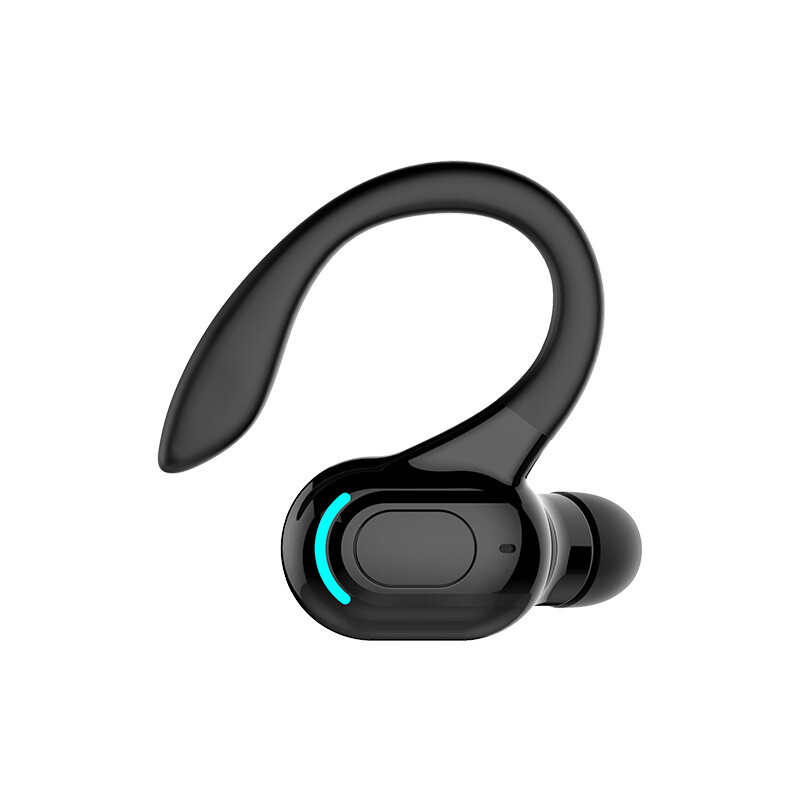 Bluetooth 5.1 Headset Wireless Earbuds Earphones Stereo Headphones Ear Hook Lot$225.59New · Last checked Nov 24, 2026View on eBay
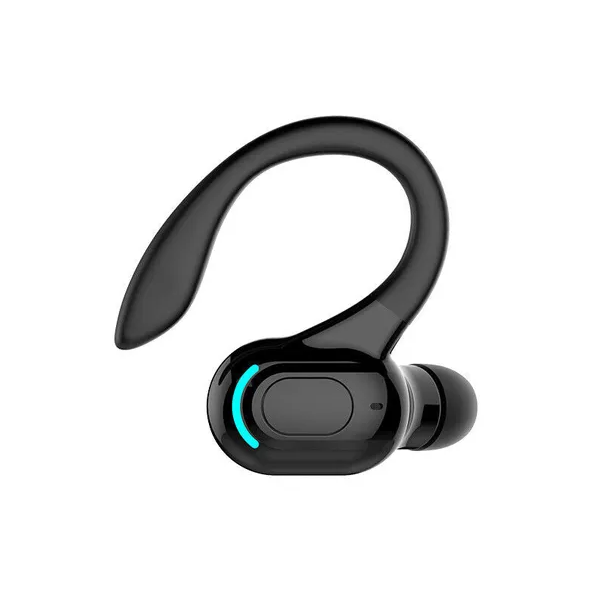 New Bluetooth 5.1 Headset Wireless Earbuds Earphones Stereo Headphones Ear Hook$20.99View on Mallflare
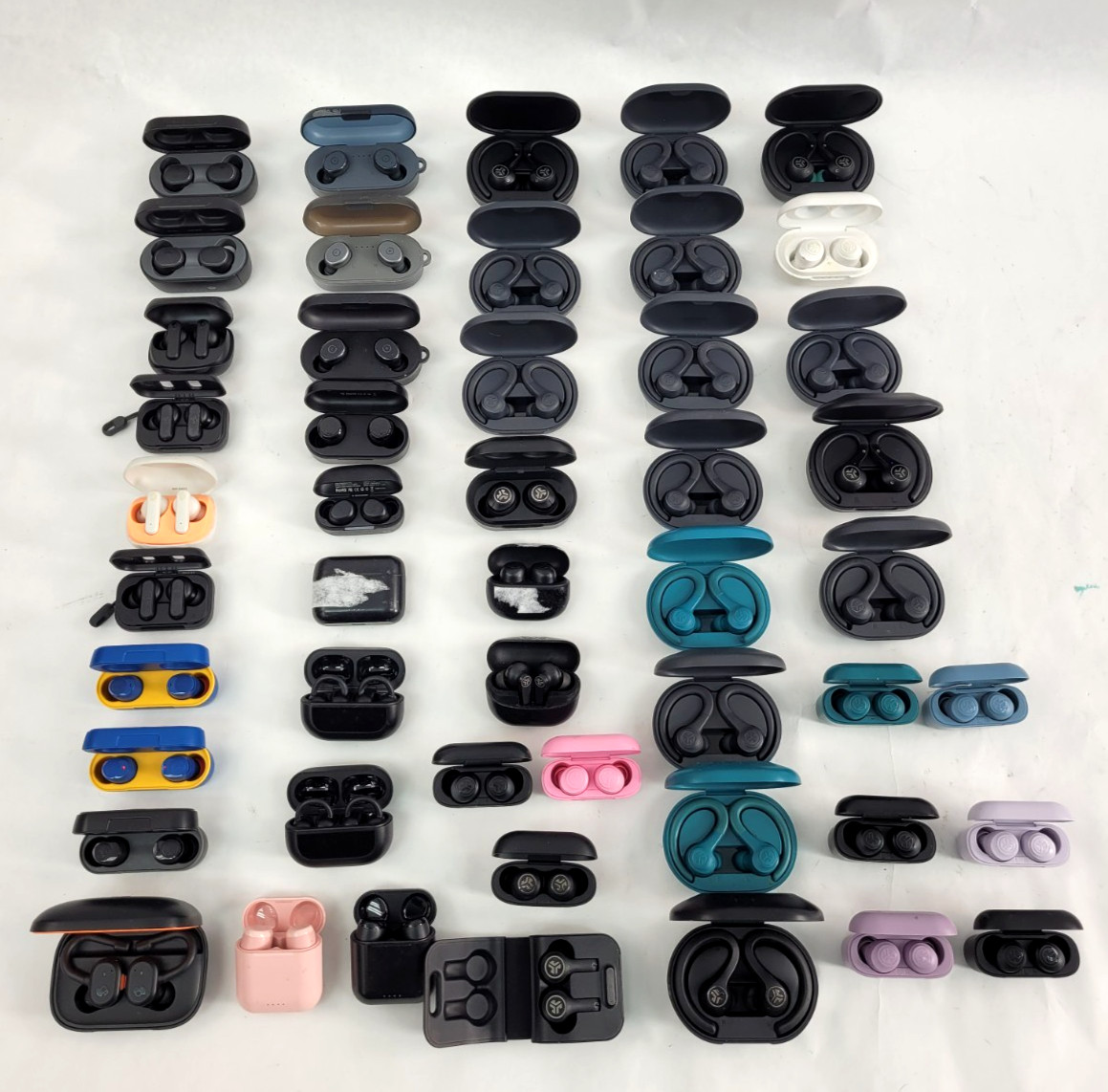 LOT OF 50 JLAB Skullcandy TOZO Bluetooth Wireless In-ear Headphones Earbuds$235.00Used · Last checked Nov 24, 2026View on eBay
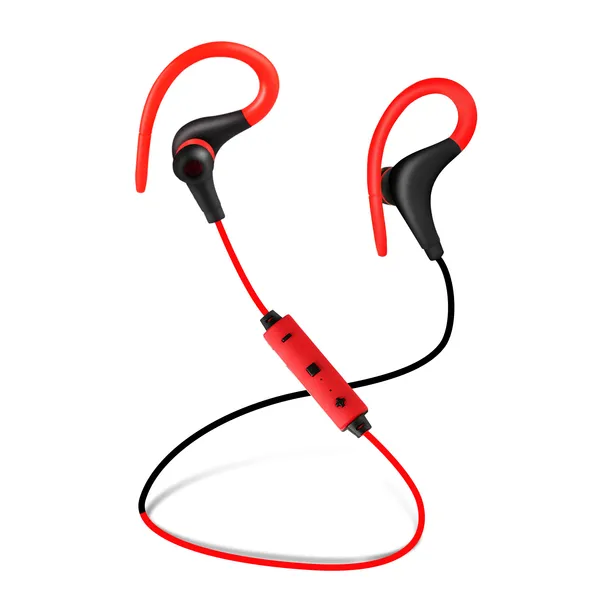 Wireless Headsets V4.1 Sport In-Ear Stereo Headphones Sweat-proof Noise Canceling Earphones Back-Headphone$24.99View on Mallflare
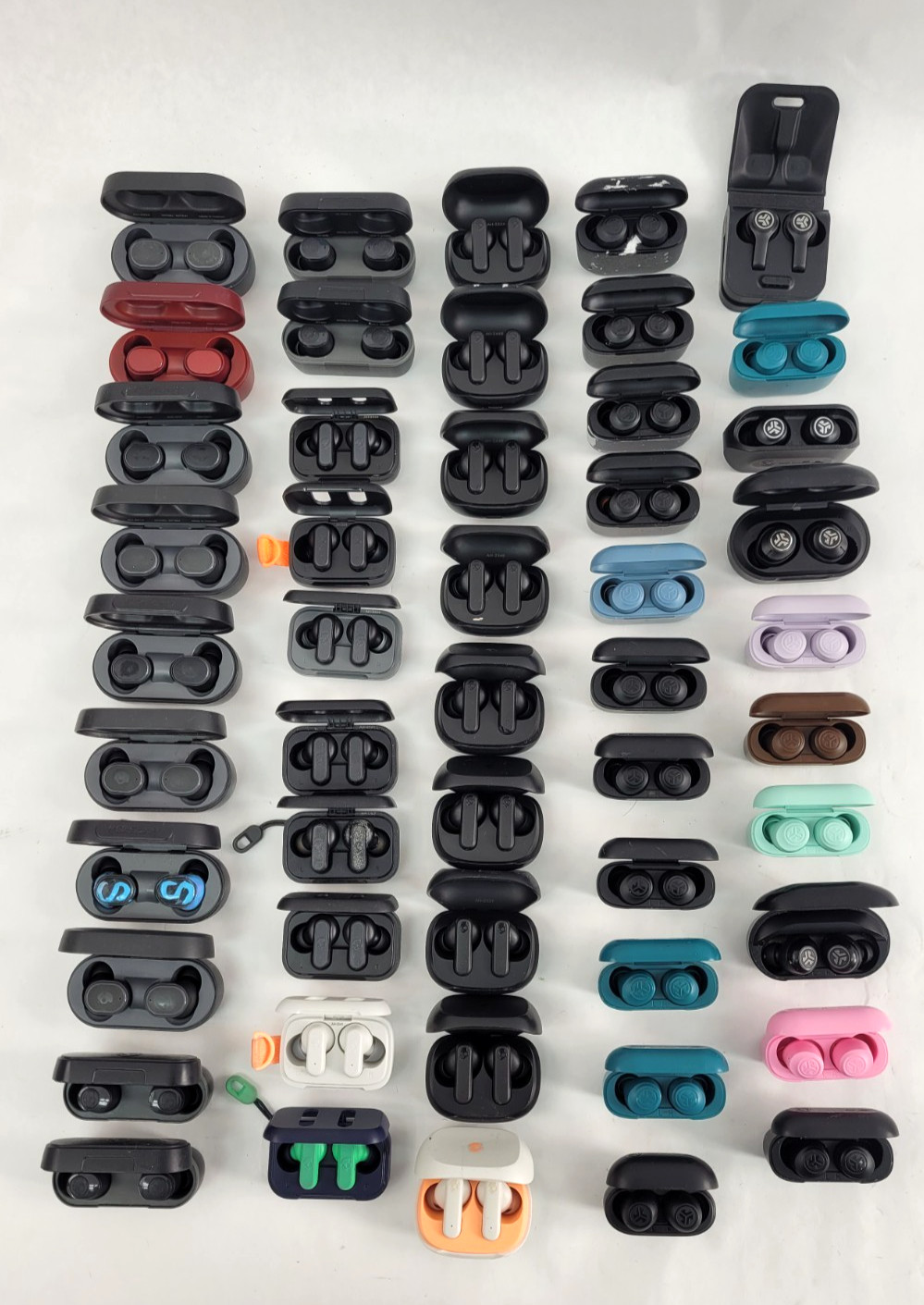 LOT OF 50 JLAB Skullcandy Assorted Bluetooth Wireless In-ear Headphones Earbuds$255.00Used · Last checked Nov 24, 2026View on eBay
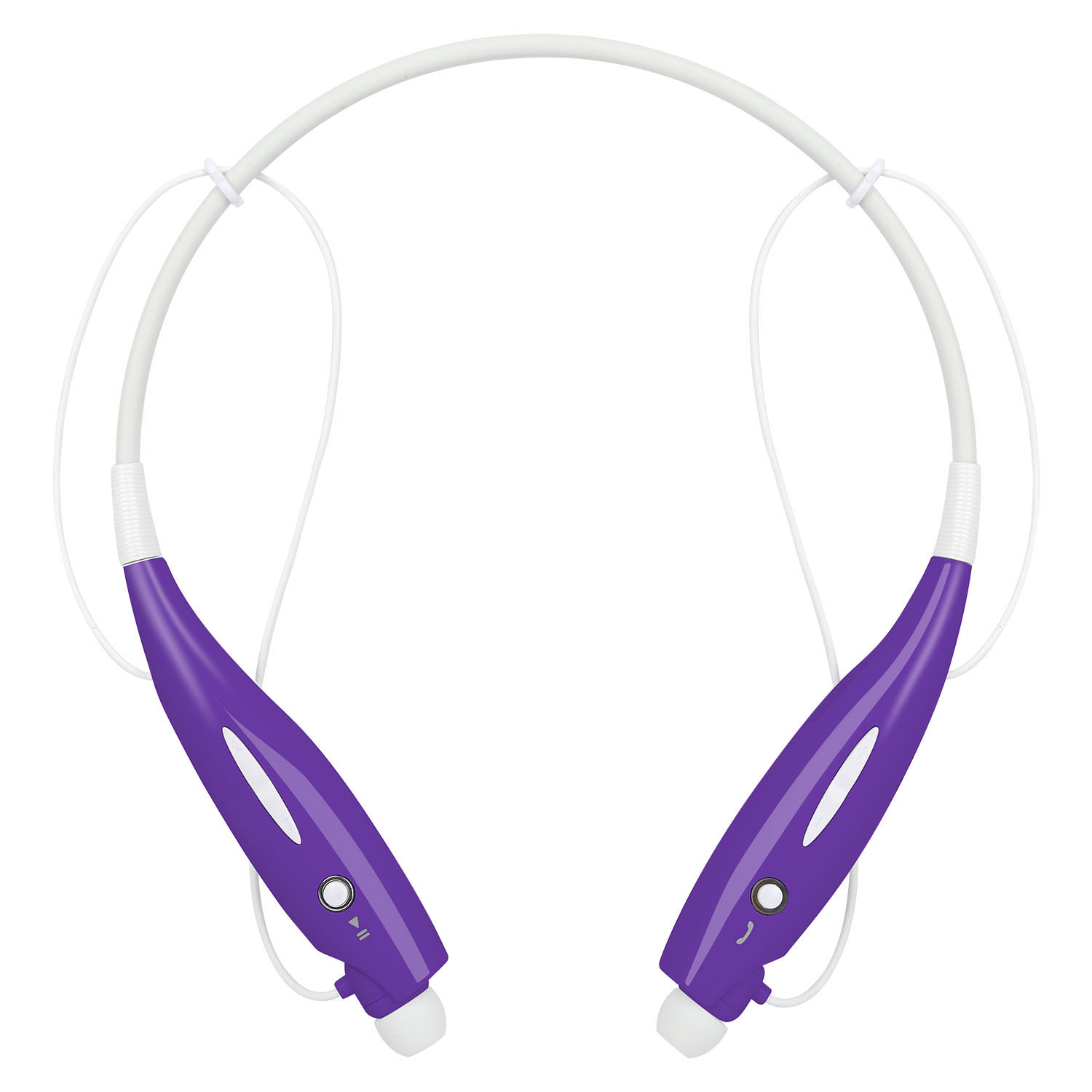 Wireless Stereo Headsets Sport Neckband Headphones In-ear Magnetic IPX4 Waterproof Earbuds With Built-in Mic Call Vibrate Alert Number Broadcast Running Gym$26.99View on Mallflare
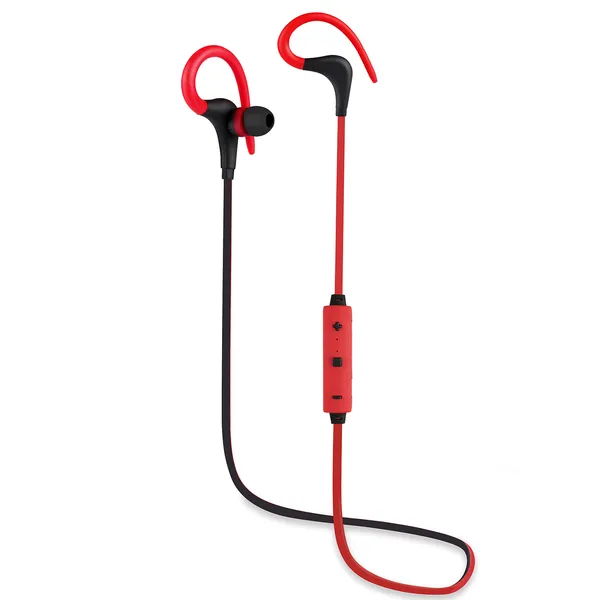 Wireless Headsets V4.1 Sport In-Ear Stereo Headphones Sweat-proof Noise Canceling Earphones Back-Headphone For Valentines Day Gift Exercising$28.99View on Mallflare
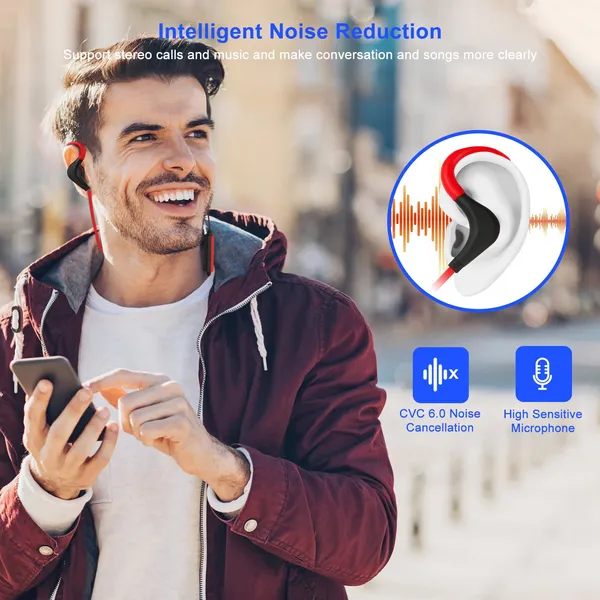 Wireless Headsets V4.1 Sport In-Ear Stereo Headphones Sweat-proof$28.99View on Mallflare
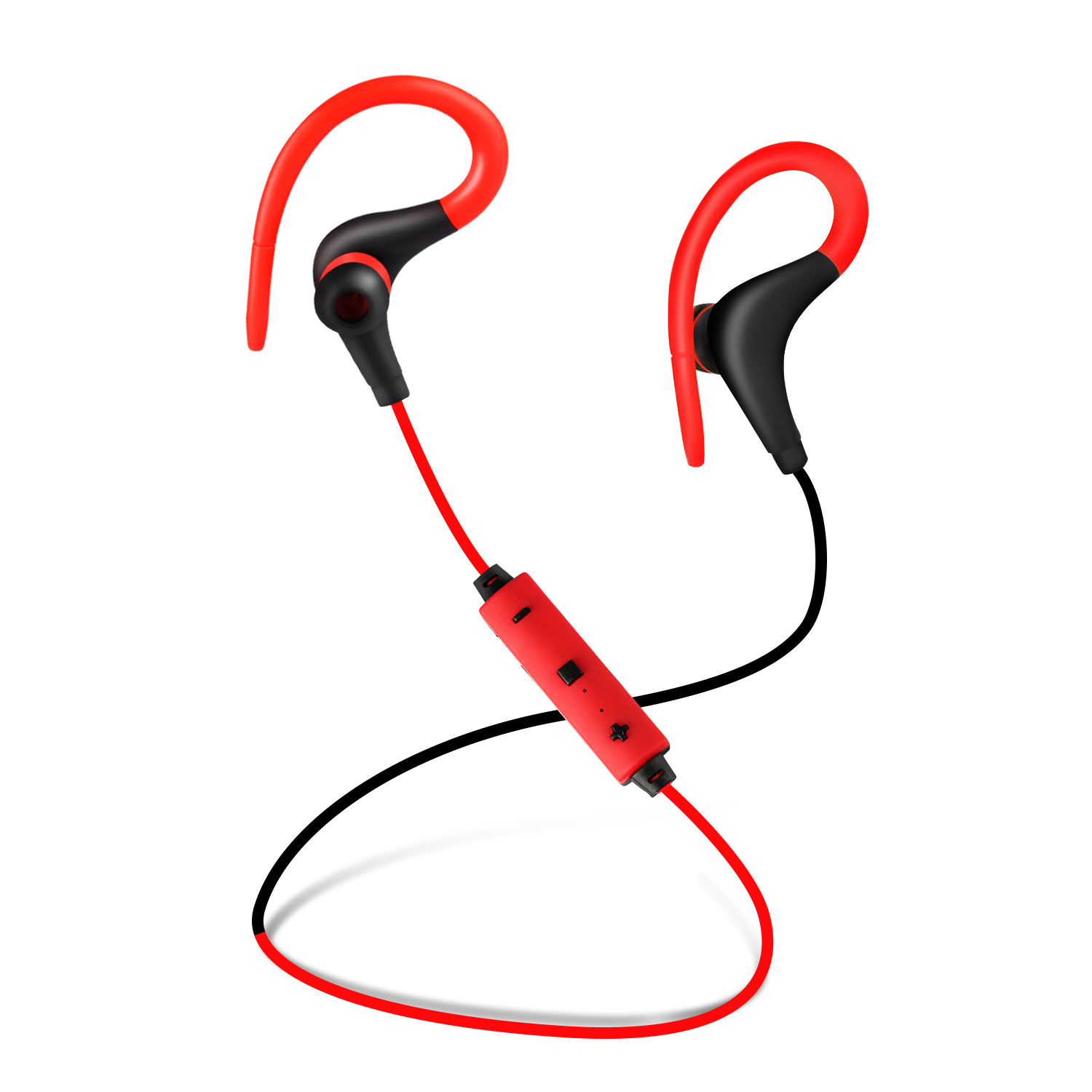 Wireless Headsets V4.1 Sport In Ear Stereo Headphones Sweatproof Noise Canceling Earphones Back Headphone With Mic Handsfree For Running Hiking Travel$29.99View on Mallflare
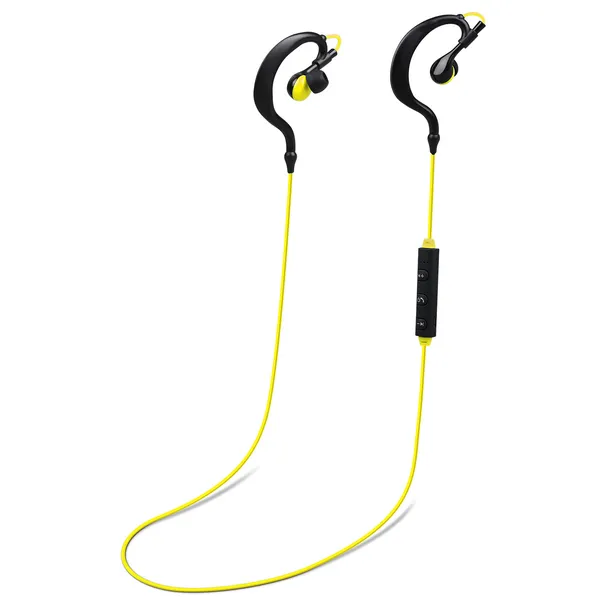 Wireless Headsets V4.1 Sport In-Ear Stereo Headphones Sweat-proof Neckband Earbuds$29.99View on Mallflare
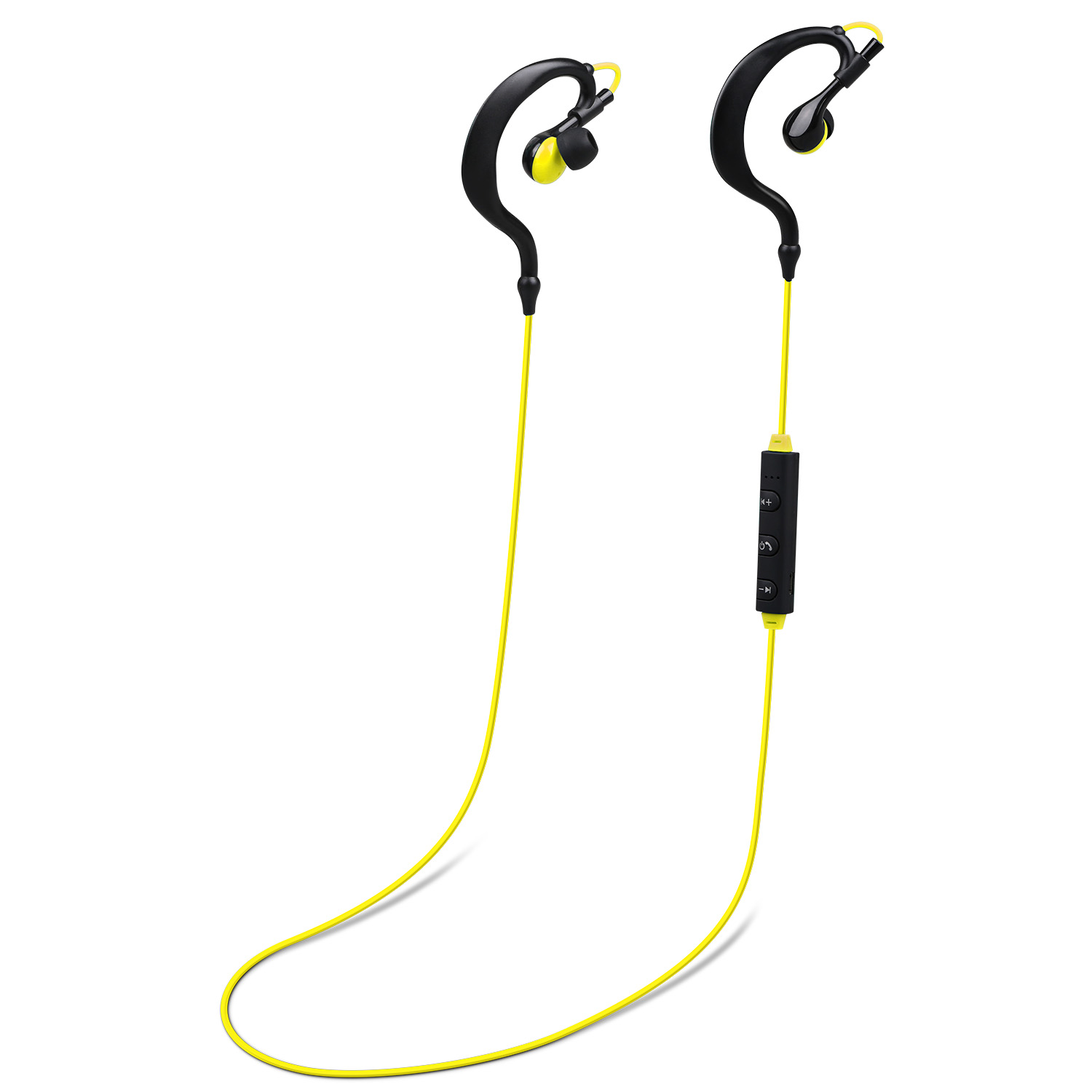 Wireless Headsets V4.1 Sport In-Ear Stereo Headphones Sweat-proof Neckband Earbuds With Mic Deep Bass HiFi Earphones For Running Hiking Travel$30.99View on Mallflare
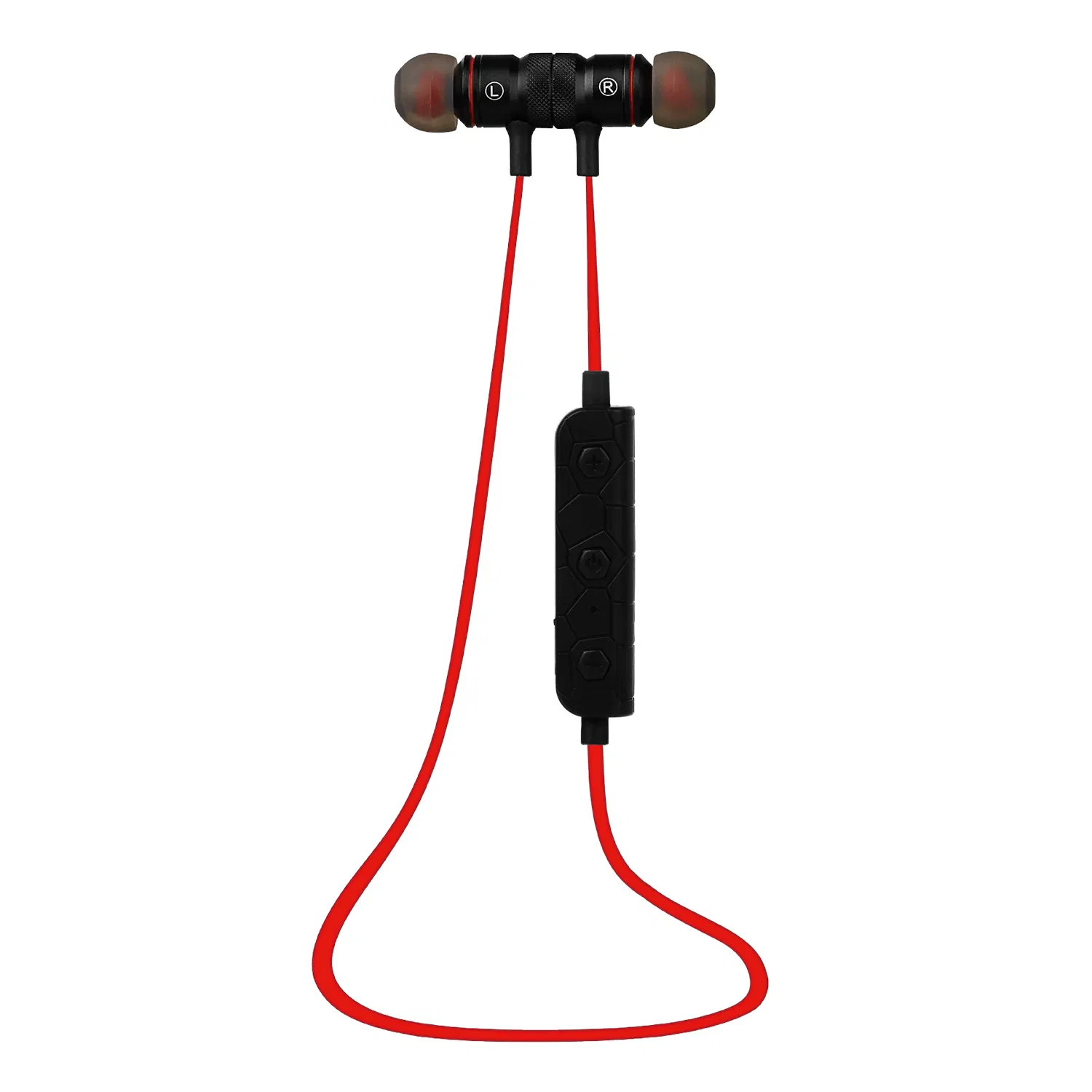 Wireless Headsets In-Ear Neckband Headphones Sweat-proof Sport Earbuds w/ Call Alert Number Broadcast$31.99View on Mallflare
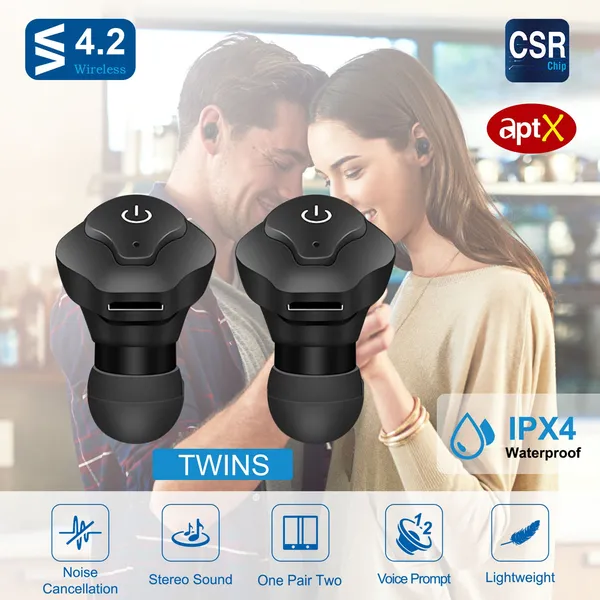 True Wireless Earbuds CSR V4.2 In-ear Stereo Headsets IP44 Waterproof Apt-X TWS Headphones Noise Cancelling$35.99View on Mallflare
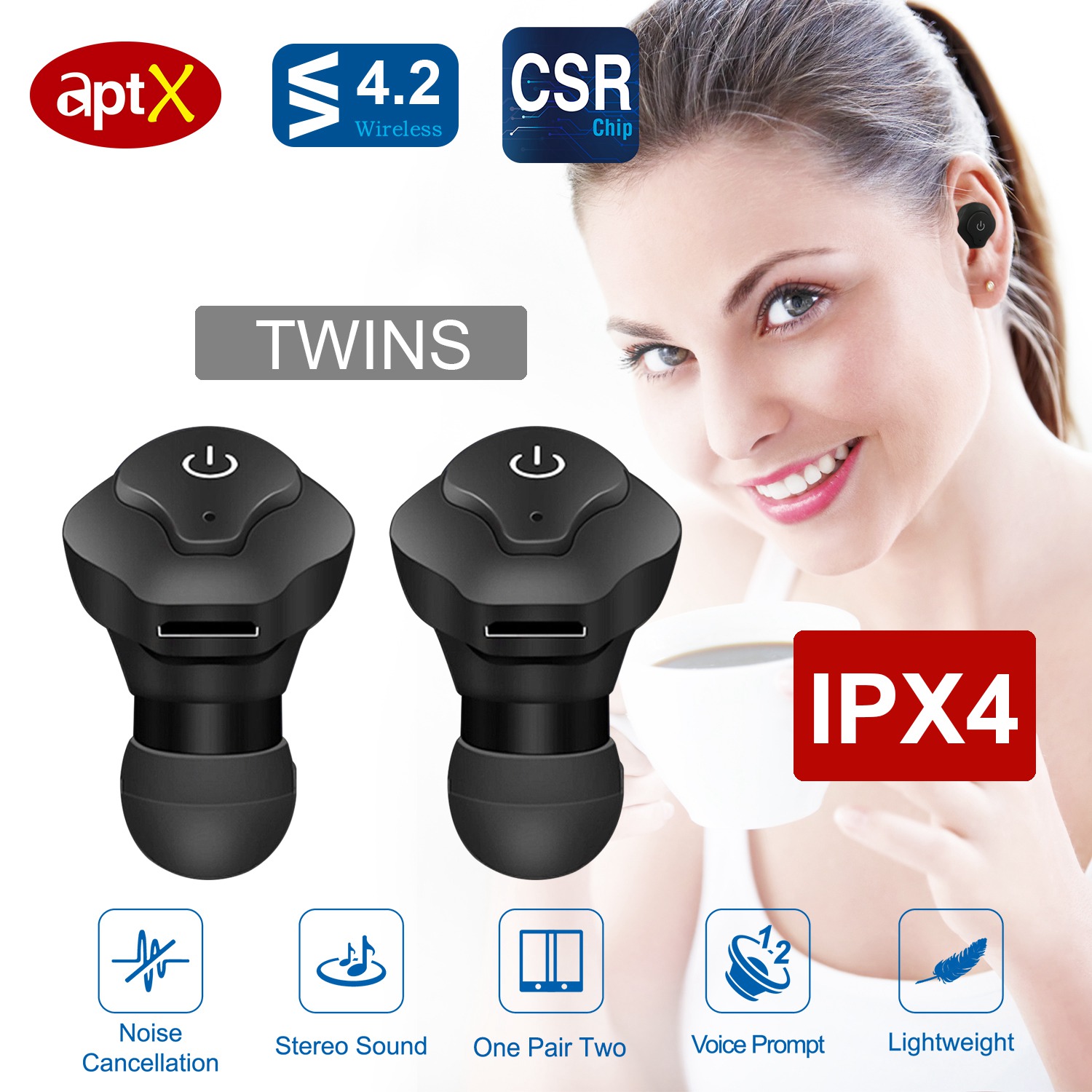 1 Pair True Wireless Earbuds CSR V4.2 In-ear Stereo Headsets IP44 Waterproof Apt-X TWS Headphones Noise Cancelling With Mic For Business Driving Walking$36.99View on Mallflare
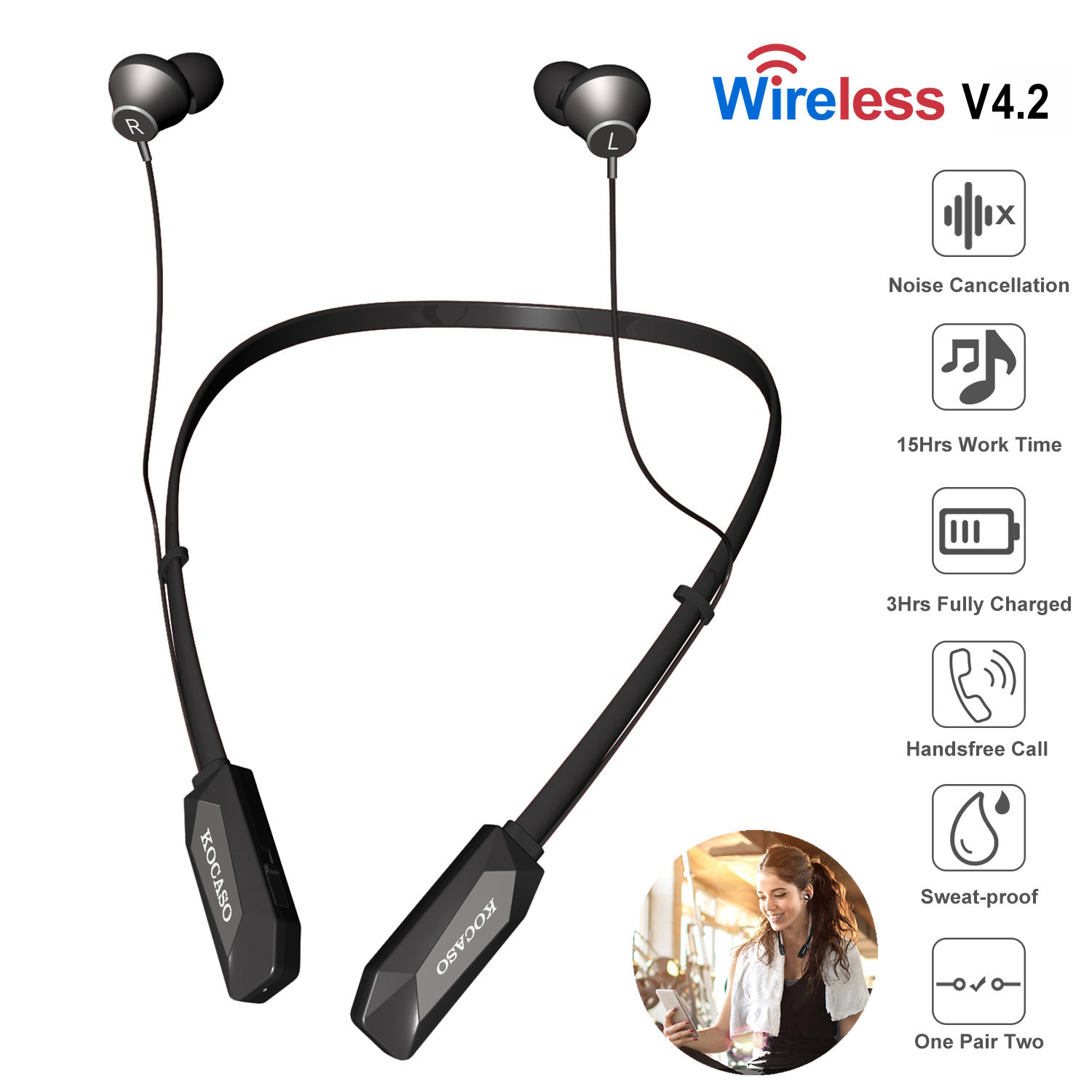 Black-Red Color Options -- 1Pc Wireless Neckband Headphones V4.2 Sweat-proof Sport Headsets Earbuds In-Ear Magnetic Neckbands Stereo Earphone Deep Bass With Mic 15Hrs Work Running Hiking$40.99View on Mallflare
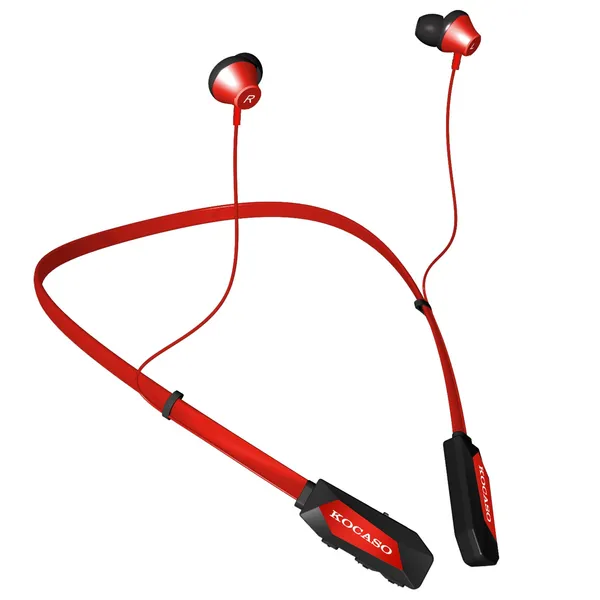 Wireless Neckband Headphones V4.2 Sweat-proof Sport Headsets Earbuds In-Ear Magnetic Neckbands Stereo Earphone$42.99View on Mallflare
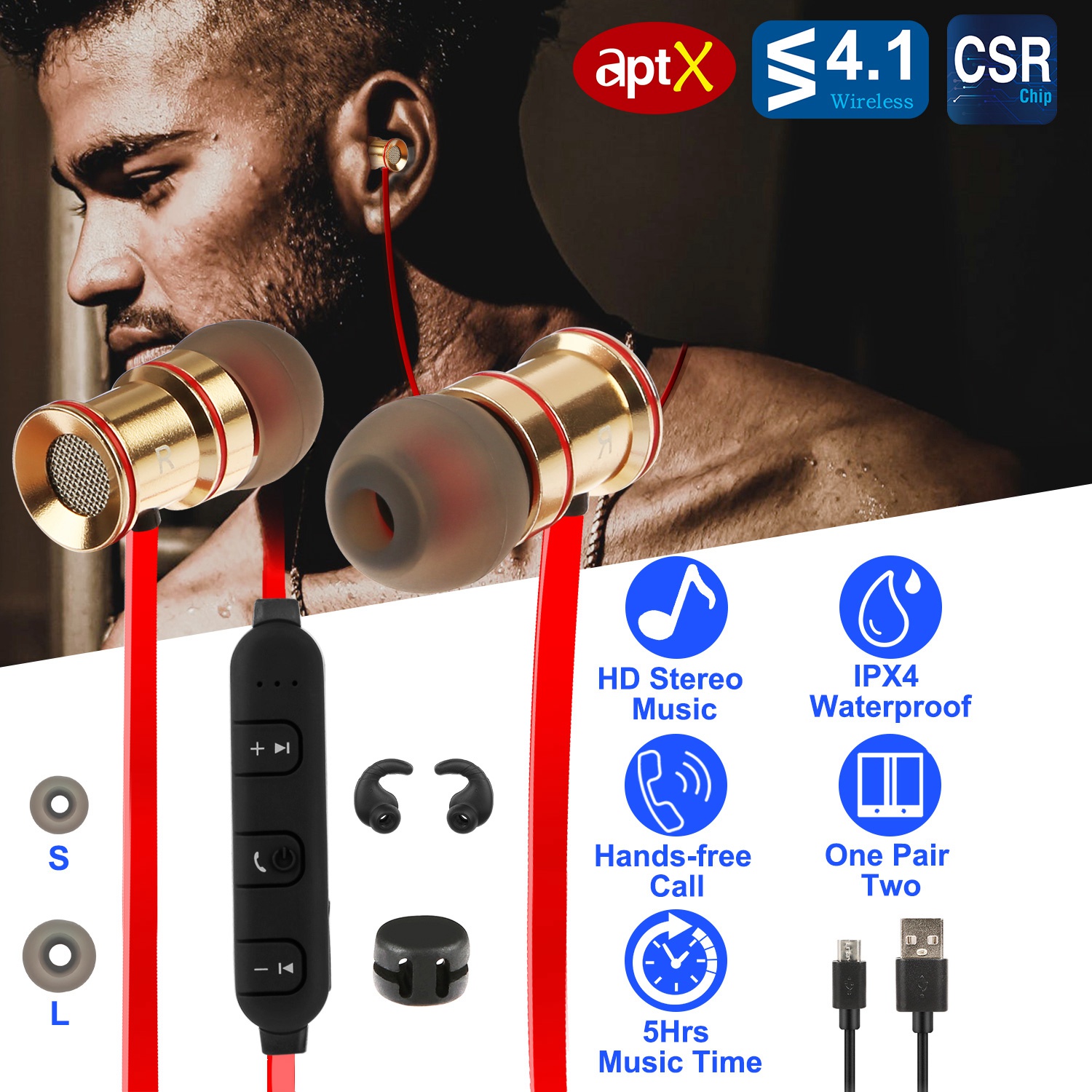 Sport Headsets Wireless V4.1 In-Ear Stereo Headphones Sweat-proof Running Earphones With Mic Hands-free$44.99View on Mallflare
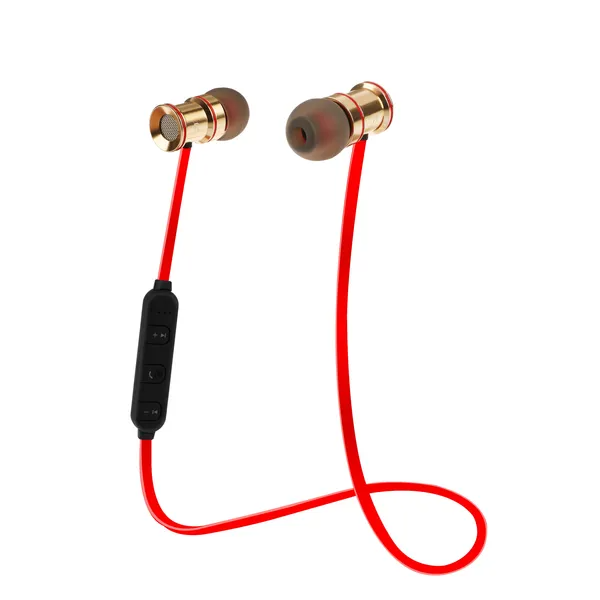 Sport Headsets Wireless V4.1 In-Ear Stereo Headphones Sweat-proof Running Earphones$46.99View on Mallflare
Highlights
- TWS delivers 4-8 hours per charge with 20-35 hours total via case; neckbands typically deliver 8-14 hours continuous with larger 150-300 mAh cells.
- Bluetooth 5.0+ with AAC or aptX cuts latency to 60-120 ms; older V4.1/V4.2 SBC-only models introduce 150-300 ms lip-sync delay unacceptable for video.
- IPX4 handles sweat and splashes; true water safety for heavy sweat or rain requires IPX5/IP67, and charging ports must be gasketed or magnetic.
- TWS with Qualcomm QCC/ClearVoice or CSR chipsets support multipoint and cVc echo cancellation; legacy CSR V4.2 lacks low-latency codecs and app EQ.
Best use cases
- Pick TWS with IPX5+ and 6+ hour bud runtime for commuting, calls, and gym use where case portability and no cable matter most.
- Pick a neckband/back-band with IPX4+ and 10+ hour battery for running, cycling, and long training sessions where losing a bud is unacceptable.
- Skip any V4.1/V4.2 SBC-only model if you watch video or game; demand Bluetooth 5.0+ with AAC/aptX and low-latency mode.
- Skip TWS without a charging case tether or find-my feature if you frequently remove buds outdoors; choose magnetic neckbands or hooked sport designs instead.
Buying tips
- Match driver size to use: 5-6 mm micro-drivers fit shallow TWS shells; 10-12 mm dynamic drivers in neckbands deliver deeper bass at the cost of shell size.
- Choose Bluetooth 5.2+ with LE Audio or at least 5.0 + AAC for stable signal and lower latency; V4.x is a hard pass in crowded RF environments.
- For sport, require IPX4 minimum and prefer IPX5/IP67; sweat kills non-sealed USB ports, so magnetic charging is more durable than exposed micro-USB.
- Check battery math: TWS case capacity should yield 3-4 full charges (e.g., 40 mAh buds + 400 mAh case); neckbands need 150 mAh+ for 10-hour sessions.
Specs
| Architecture | True wireless (TWS) vs neckband/back-band |
|---|---|
| Bluetooth | V5.0+ AAC/aptX vs V4.x SBC-only |
| Water Resistance | IPX4 splash vs IPX5/IP67 sweatproof |
| Battery Runtime | TWS 5-8 hr + case vs neckband 8-14 hr |
Related searches
What to check before buying
- Confirm ear-tip sizes and nozzle diameter match your ear canal; TWS with only one tip size often leaks bass and falls out during runs.
- For neckbands, measure neck circumference and check band stiffness; rigid back-bands interfere with helmets and high collars.
- Verify charging standard: USB-C is universal; micro-USB and proprietary docks need dedicated cables you must carry.
- Check codec support on your phone: iPhone needs AAC, Android benefits from aptX/LDAC; SBC-only models degrade audio quality on both.
FAQ
Data sources: eBay / Amazon listings and product attribute feeds. Updated Nov 28, 2026.
Some links on this page are affiliate links. If you buy after clicking one, we may earn a commission at no extra cost to you. This does not change which products appear here or their order. Affiliate disclosure.