
Photos from current listings. Actual item, color, and included accessories may vary.
Wireless Earphone Buying Guide
Wireless earphones split into two durable architectures: true wireless (TWS) earbuds with independent buds and a charging case, and neckband/back-band headsets that keep electronics off the ears. The core trade-off is battery life and fit stability versus compactness and case convenience, with Bluetooth generation, codec support, and IP rating determining real-world longevity. Choose TWS for portability and active noise cancellation, or a neckband for all-day battery and secure sport wear; avoid legacy Bluetooth 4.x and unrated sweat resistance for serious use.
Median $38.00 · New & pre-owned listings
Key takeaways
- Bluetooth 5.3/5.4 delivers lower latency and better power efficiency than 4.x/5.0; LDAC or aptX Adaptive support enables hi-res streaming on compatible phones.
- IPX4 handles sweat and light rain; IPX5+ survives heavier sweat and splashes, while unrated buds fail in humid gym or outdoor use.
- TWS cases typically add 20-30 hours total; neckbands house 10-15 hours in a single charge with no case dependency.
At a glance
- Category
- In-Ear Earphones
- Last updated
- Nov 28, 2026
Current offers
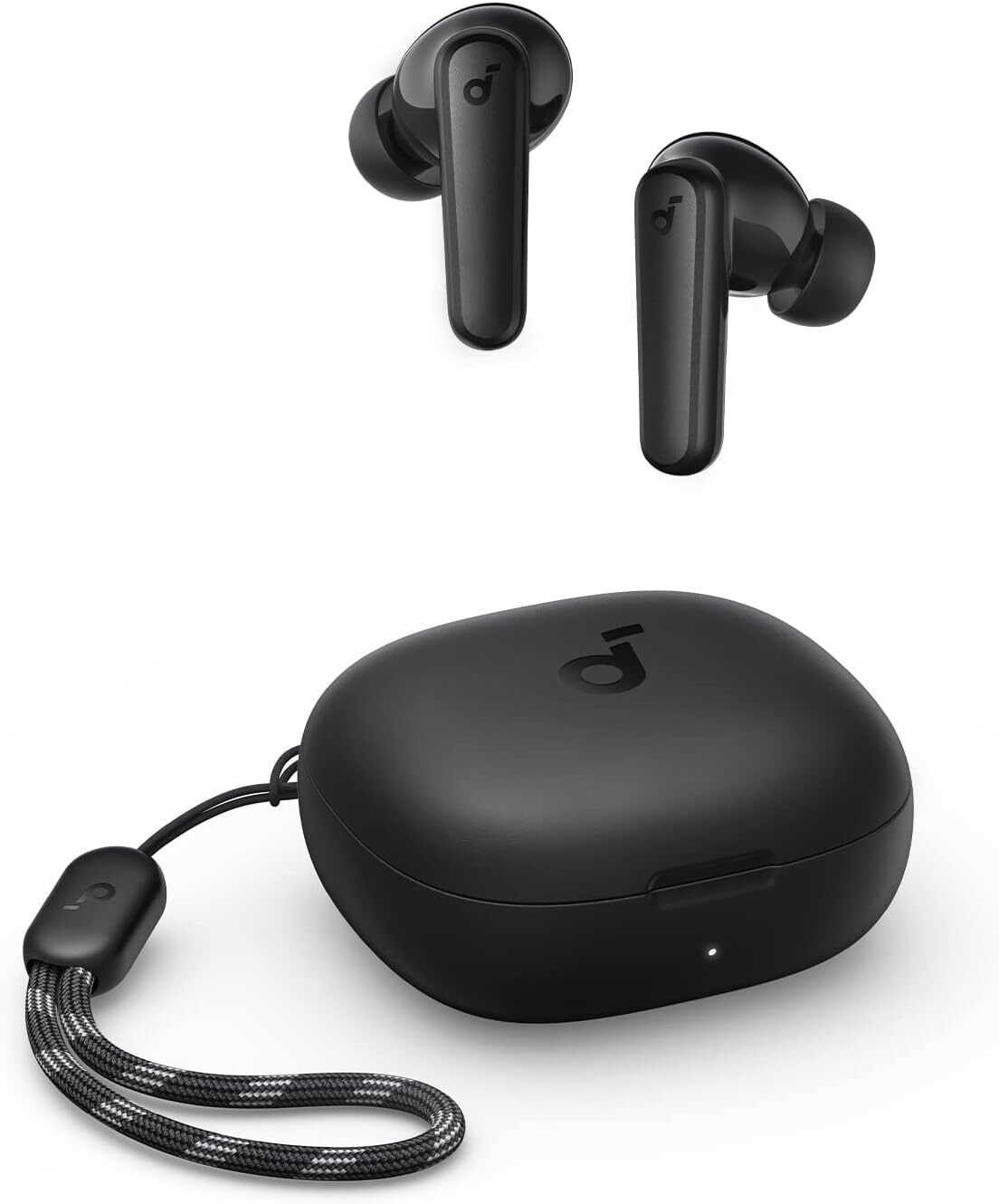 Soundcore P20i True Wireless Earbuds Big Bass Bluetooth Headphones 30H Playtime$19.92Last checked Nov 21, 2026View on eBay
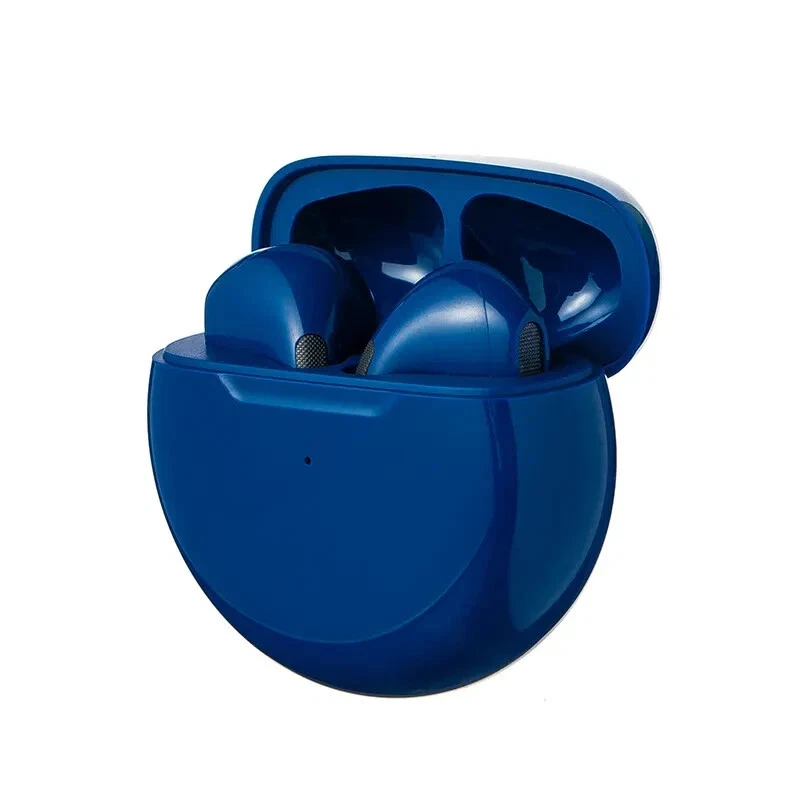 (blue)Air Pro 6 TWS Headphones Headset EarPhone Wireless Bluetooth Mini EarBuds HD$19.99View on Mallflare
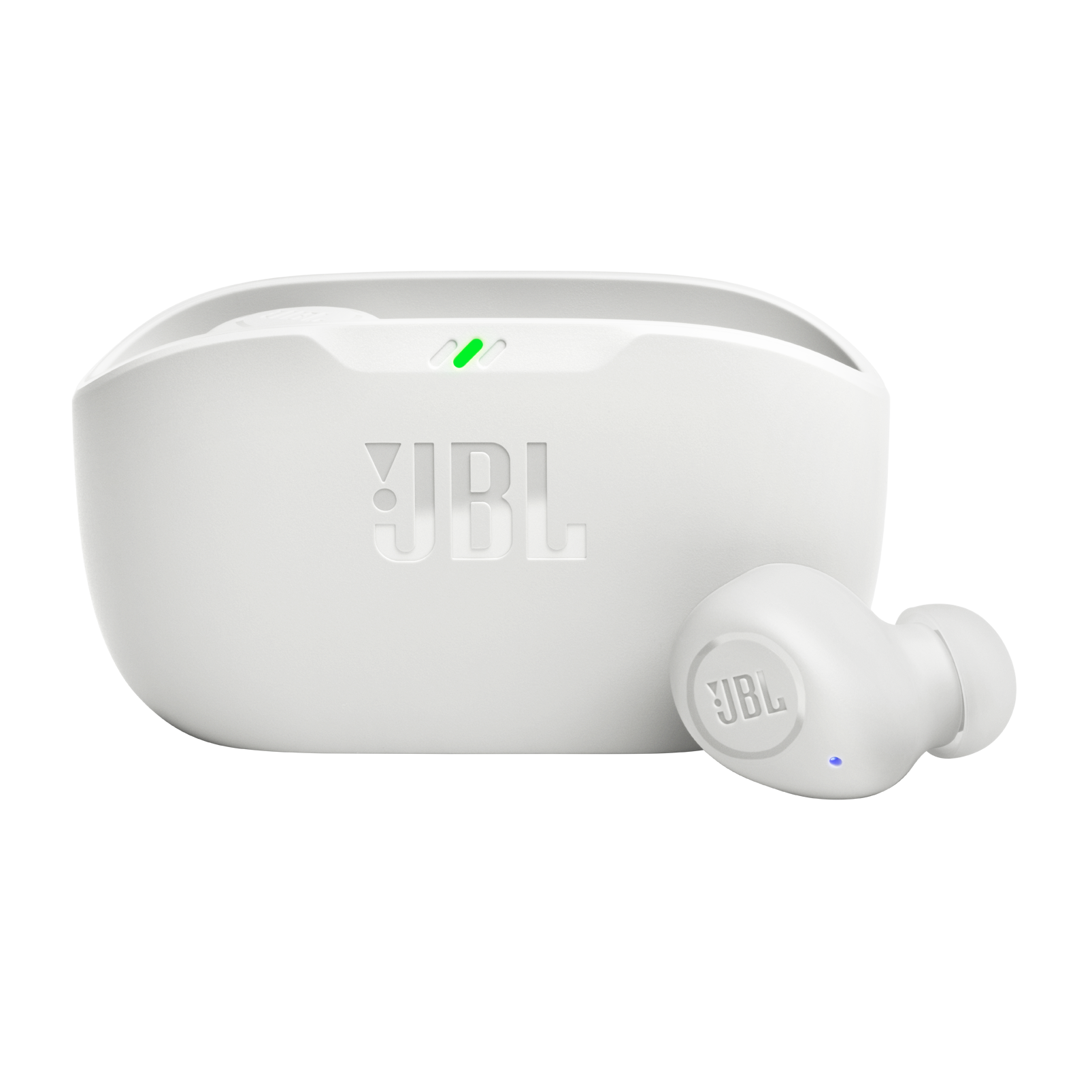 JBL Vibe Buds, True wireless earbuds$29.95Last checked Nov 24, 2026View on eBay
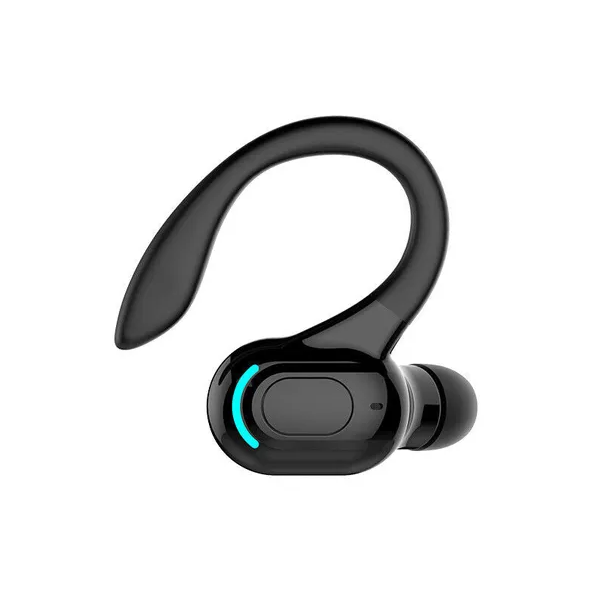 New Bluetooth 5.1 Headset Wireless Earbuds Earphones Stereo Headphones Ear Hook$20.99View on Mallflare
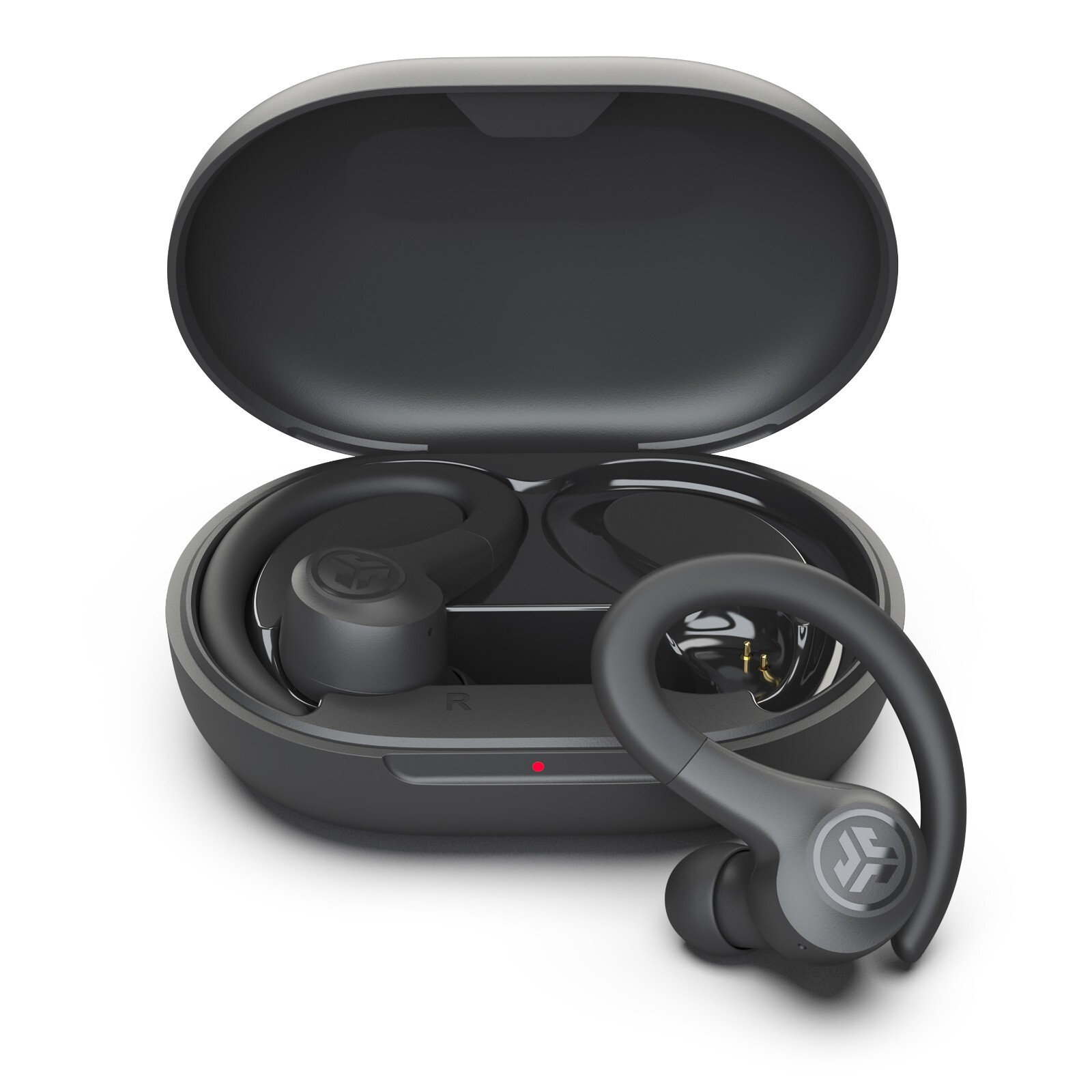 JLab GO Sport+ True Wireless Earbuds, Gym & Work Out Running Headphones, NEW$31.99Last checked Nov 21, 2026View on eBay
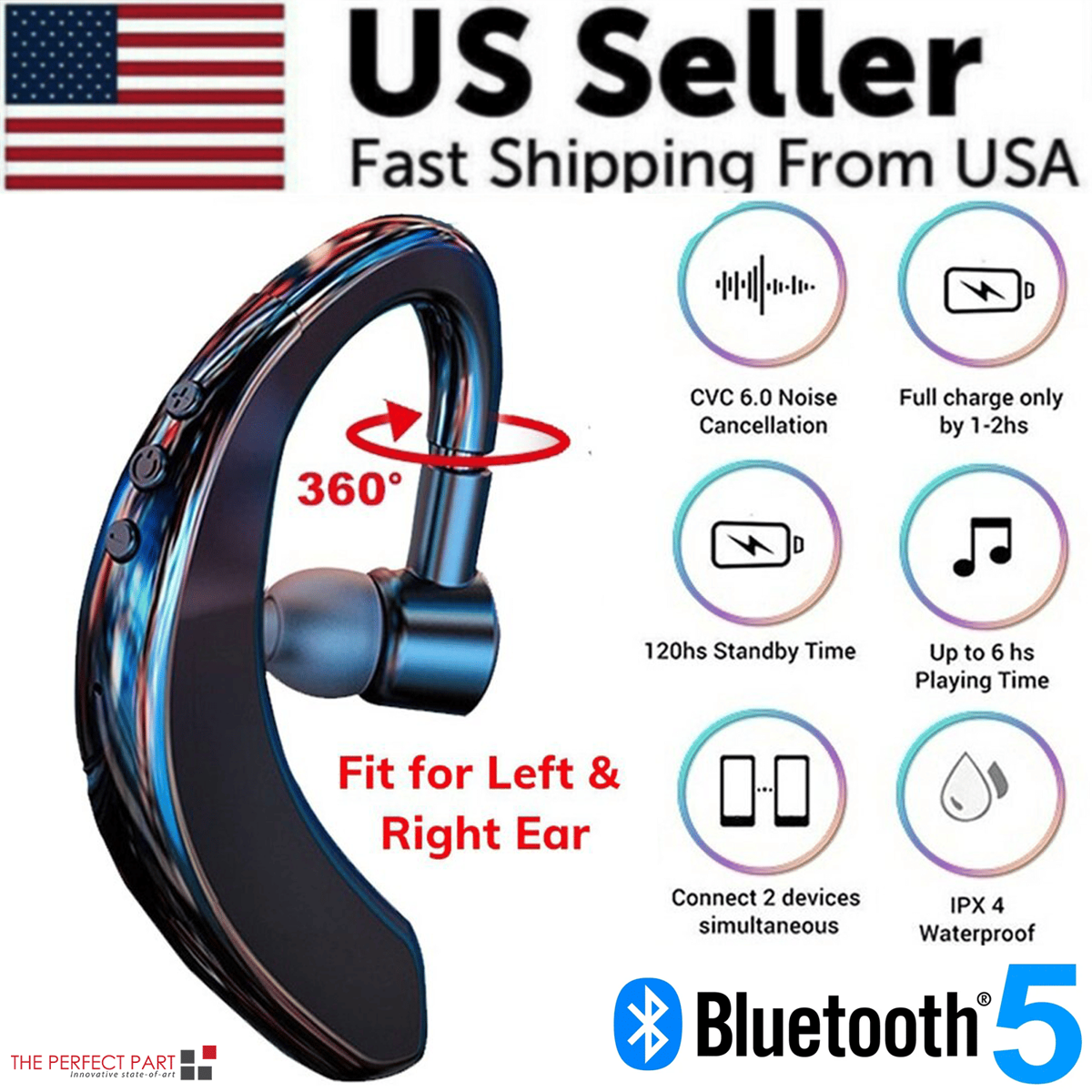 Wireless Bluetooth 5.0 Earpiece Headset Driving Trucker Earbuds Noise Cancelling$20.99View on Mallflare
 SOUNDPEATS C30 Wireless Earbuds -52dB Hybrid ANC Bluetooth 6.0 Headphones Hi-Res$39.00Last checked Nov 20, 2026View on eBay
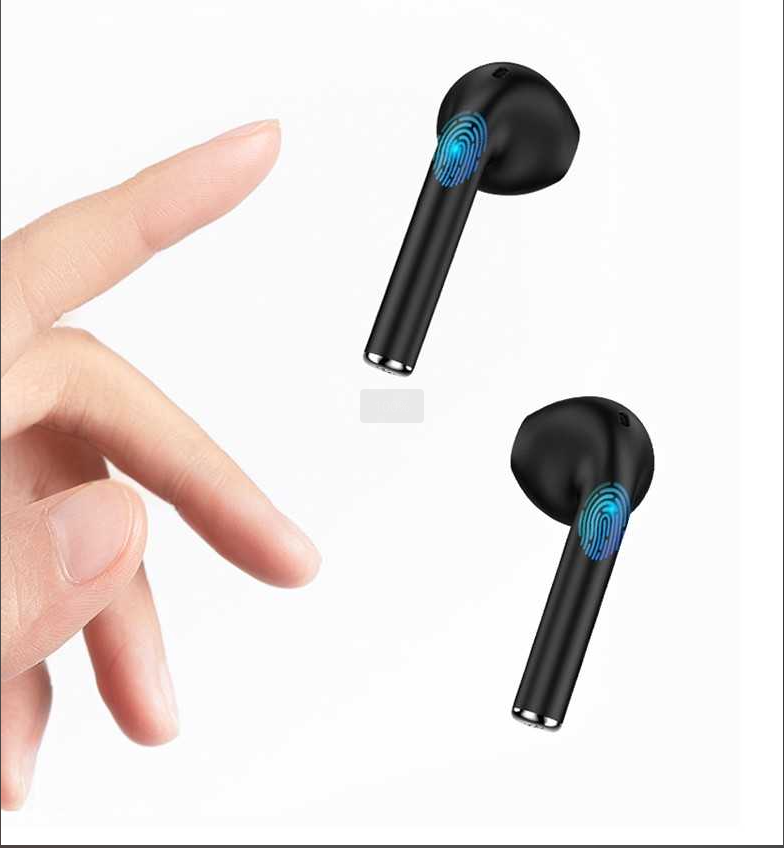 Sporty Hanging Ear Bluetooth Earphones, Wireless Earbuds, Headphones, Running Noise$21.99View on Mallflare
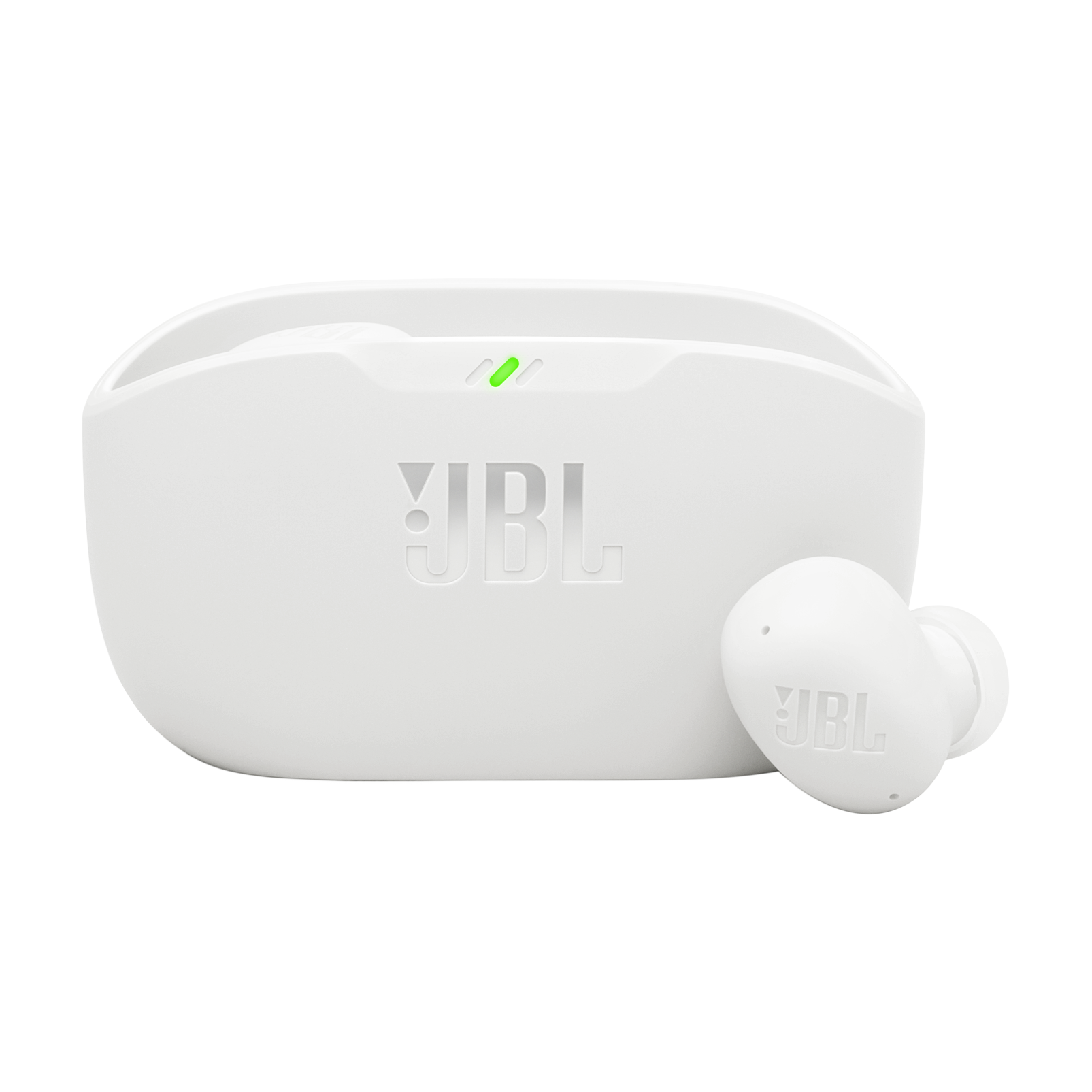 JBL Vibe Buds 2, True Wireless Noise Cancelling Earbuds$39.95Last checked Nov 24, 2026View on eBay
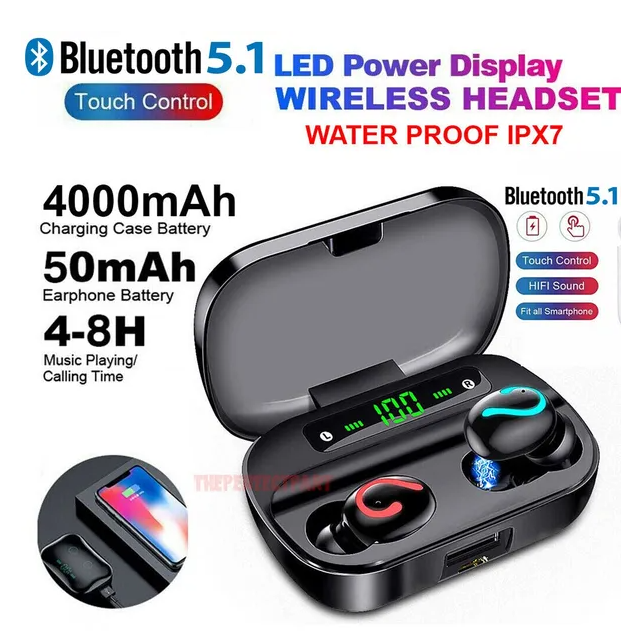 Bluetooth 5.1 Headset TWS Wireless Earphones Mini Earbuds Stereo Headphones IPX7$23.99View on Mallflare
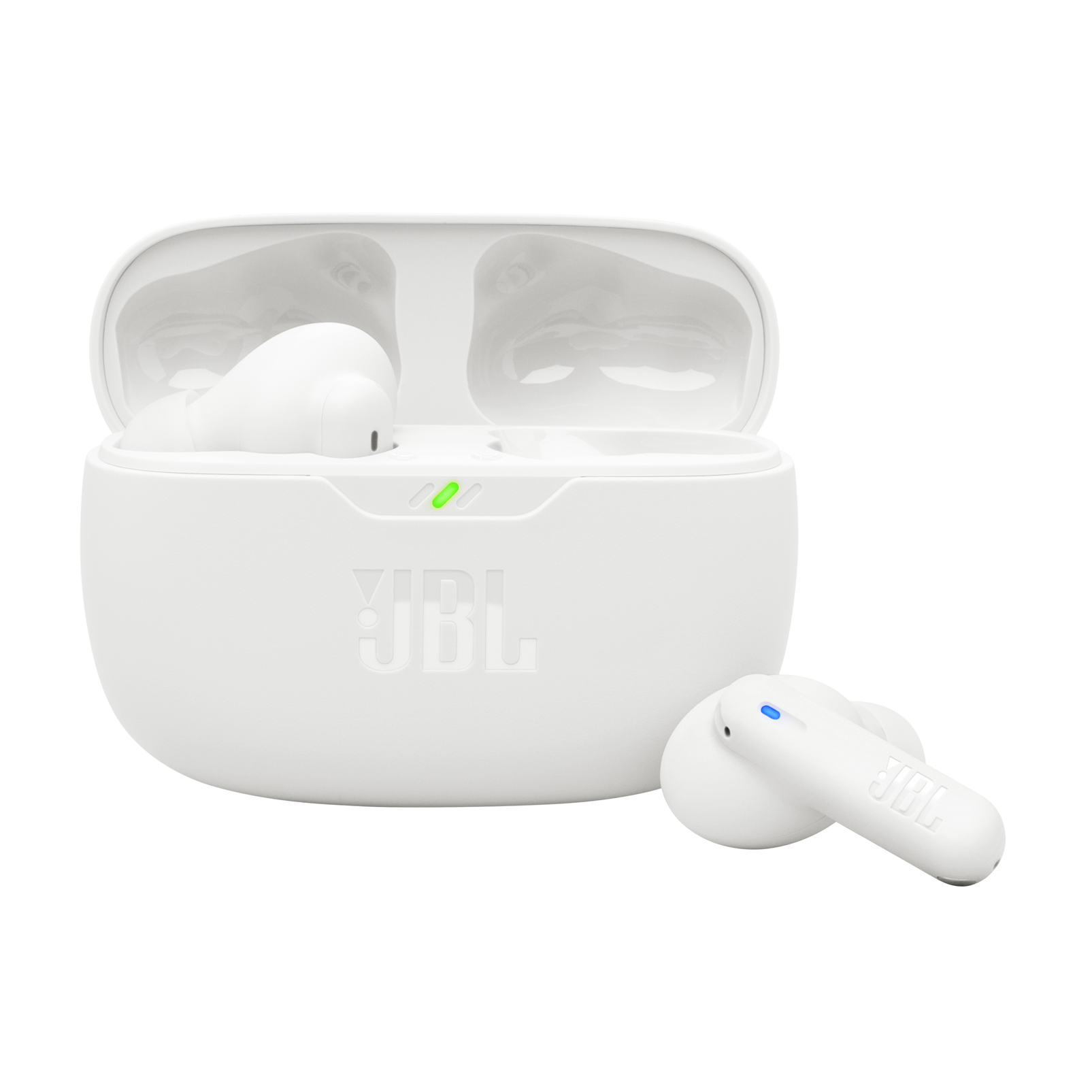 JBL Vibe Beam 2, True Wireless Noise Cancelling Earbuds$39.95Last checked Nov 20, 2026View on eBay
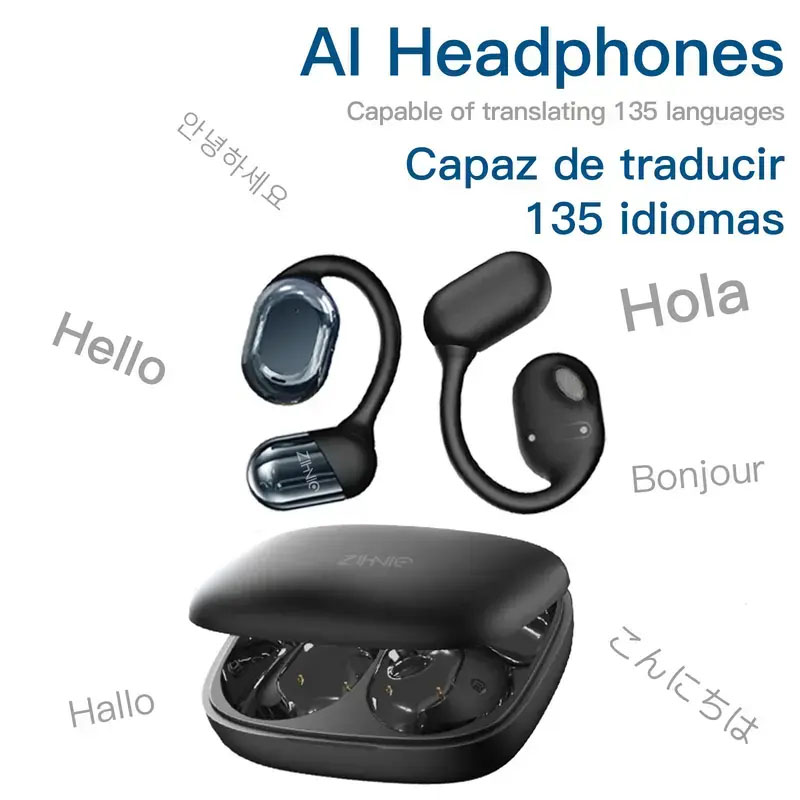 AI Translation Wireless Bluetooth 5.4 Earbuds With HiFi Audio IPX5 Sweatproof Design Detachable Earphones Plastic Housing For Music Phone Calls Travel Office And Everyday Listening$23.99View on Mallflare
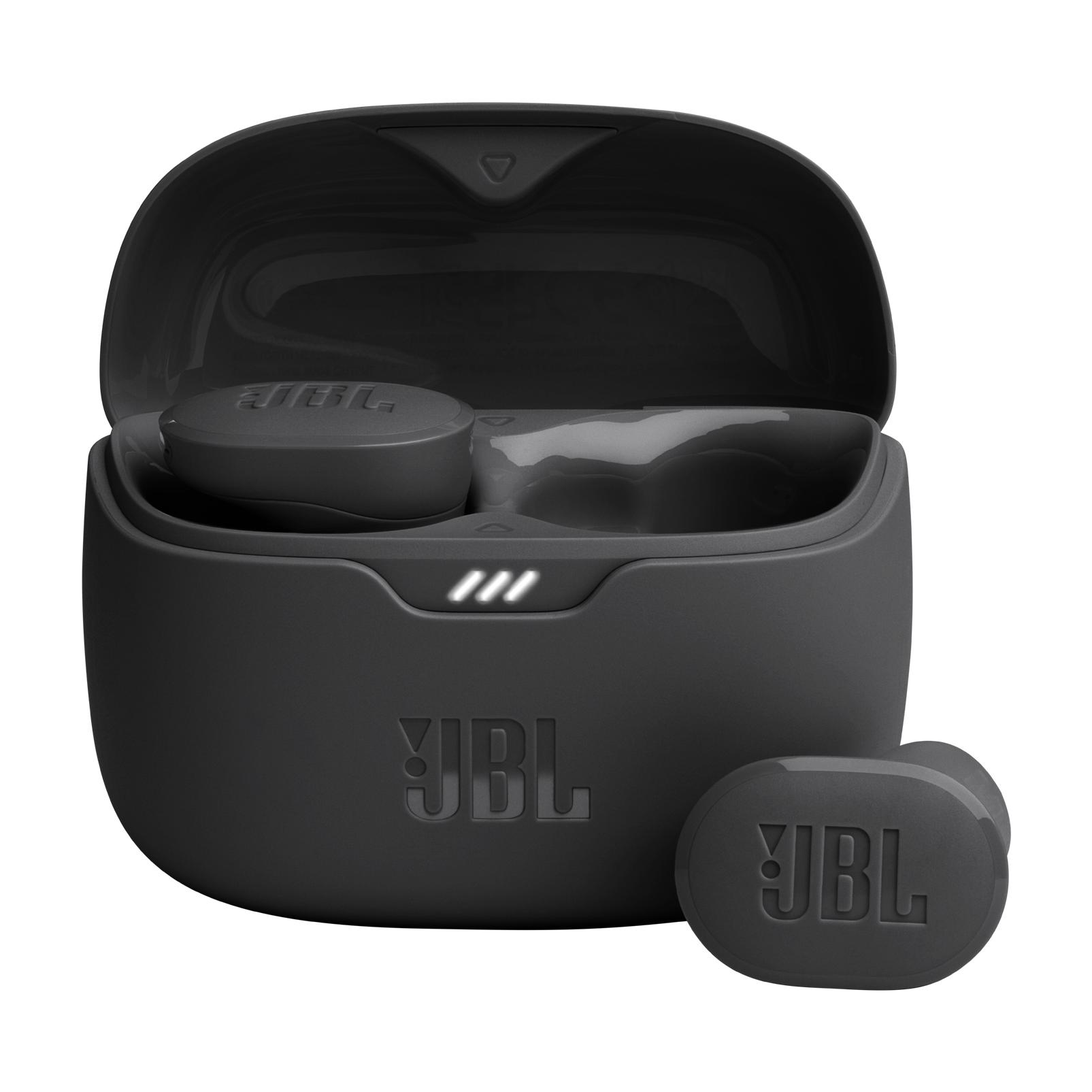 JBL Tune Buds, True wireless Noise Cancelling earbuds$44.95Last checked Nov 20, 2026View on eBay
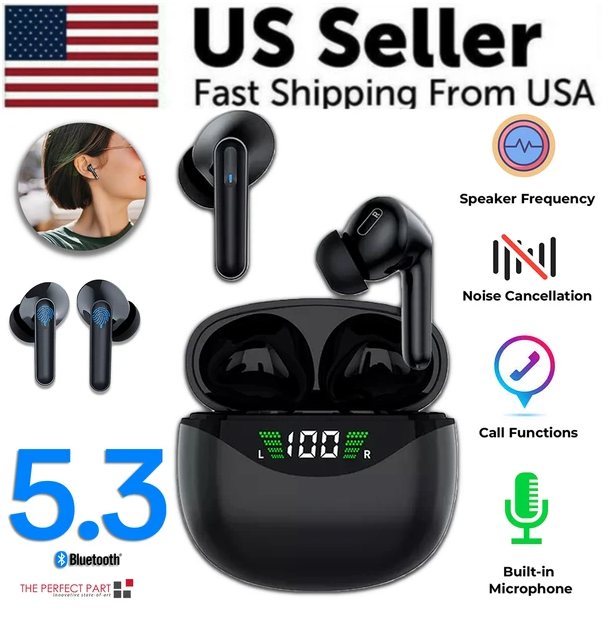 Bluetooth Earbuds Headset 5.3 Wireless Noise Cancelling TWS Trucker Waterproof$23.99View on Mallflare
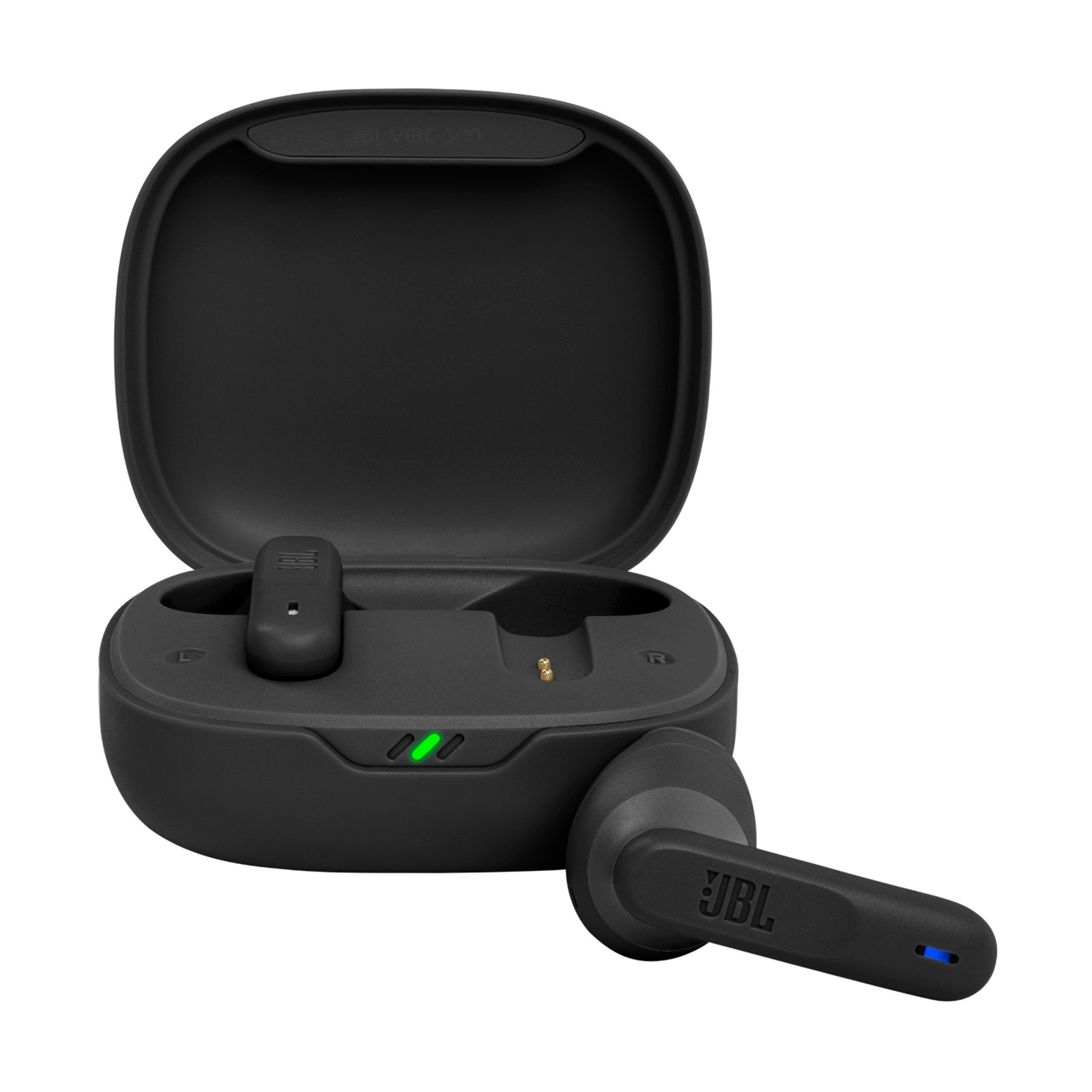 JBL Vibe 300TWS , True wireless earbuds$52.95Last checked Nov 22, 2026View on eBay
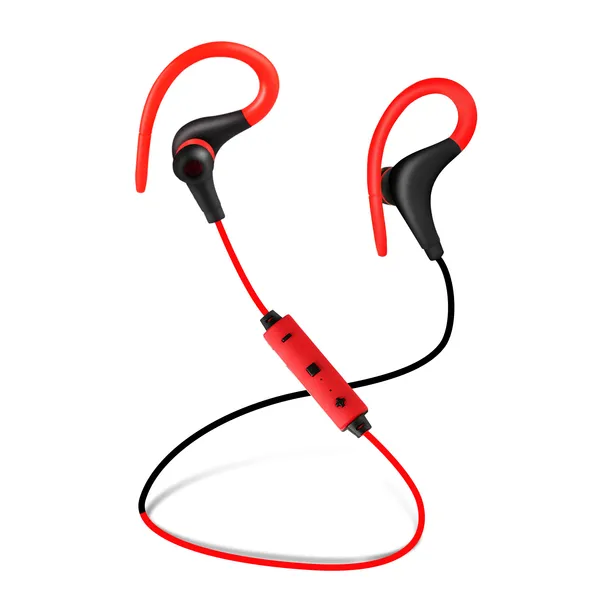 Wireless Headsets V4.1 Sport In-Ear Stereo Headphones Sweat-proof Noise Canceling Earphones Back-Headphone$24.99View on Mallflare
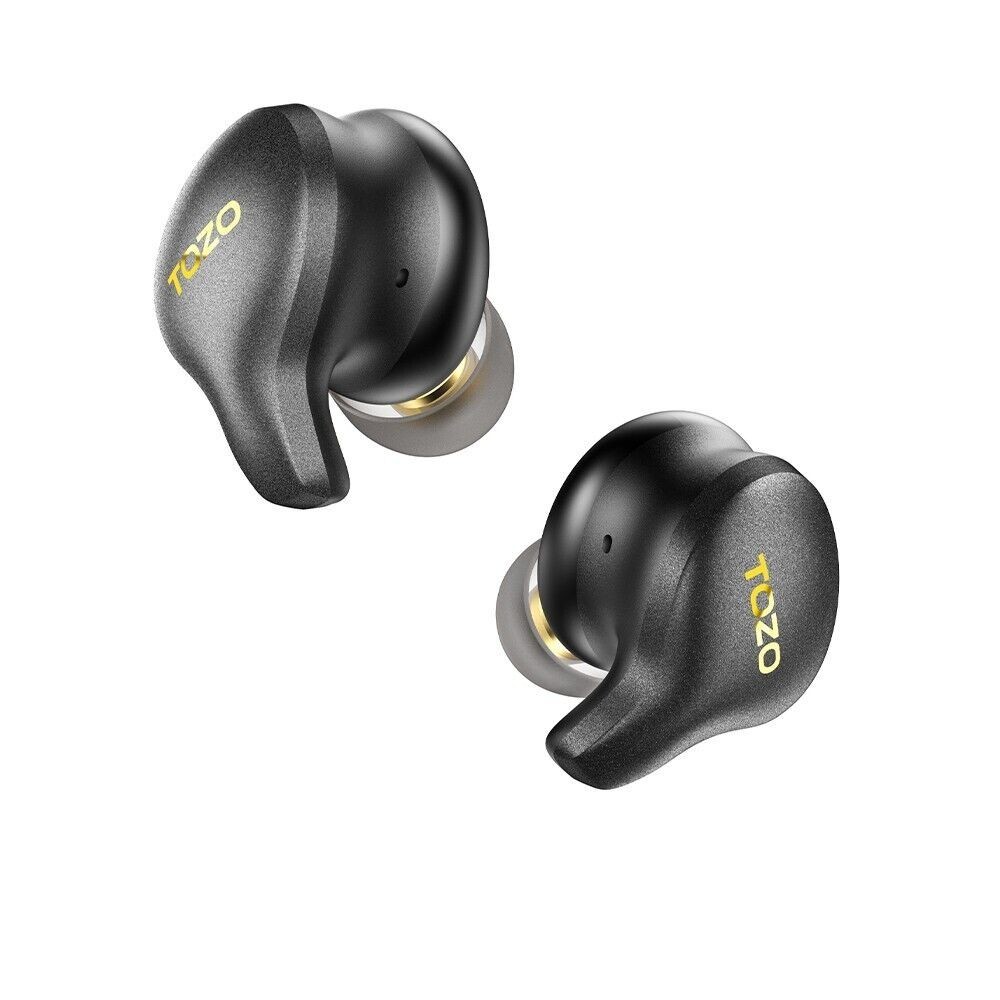 TOZO Golden X1 Wireless Earbuds Bluetooth ENC ANC Headphones Hi-Res Audio, Black$59.99Last checked Nov 26, 2026View on eBay
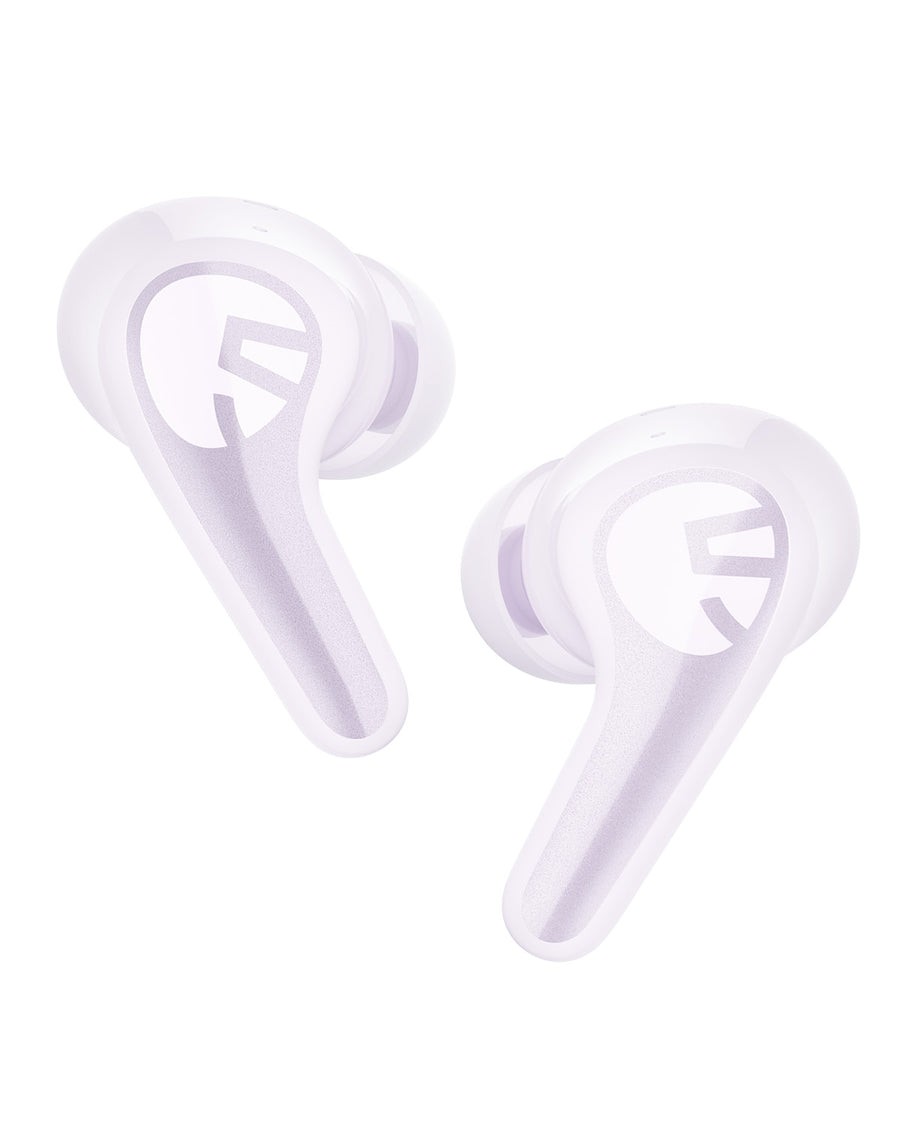
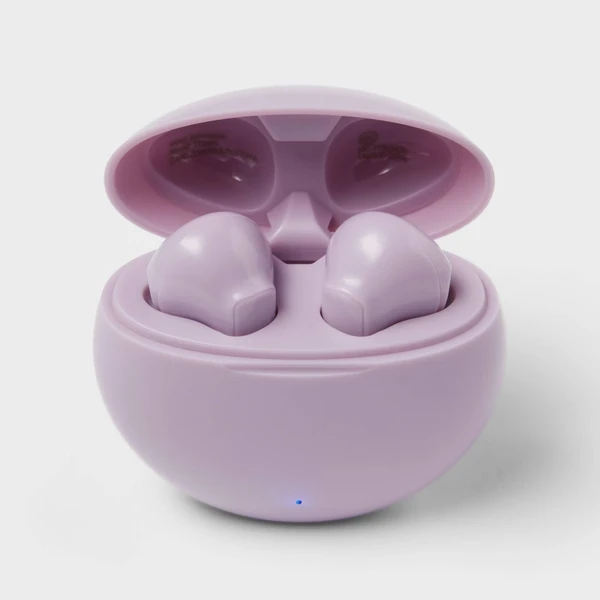 Wireless Bluetooth Earbuds Pastel Lavender: True 5-Hour Charge$26.99View on Mallflare
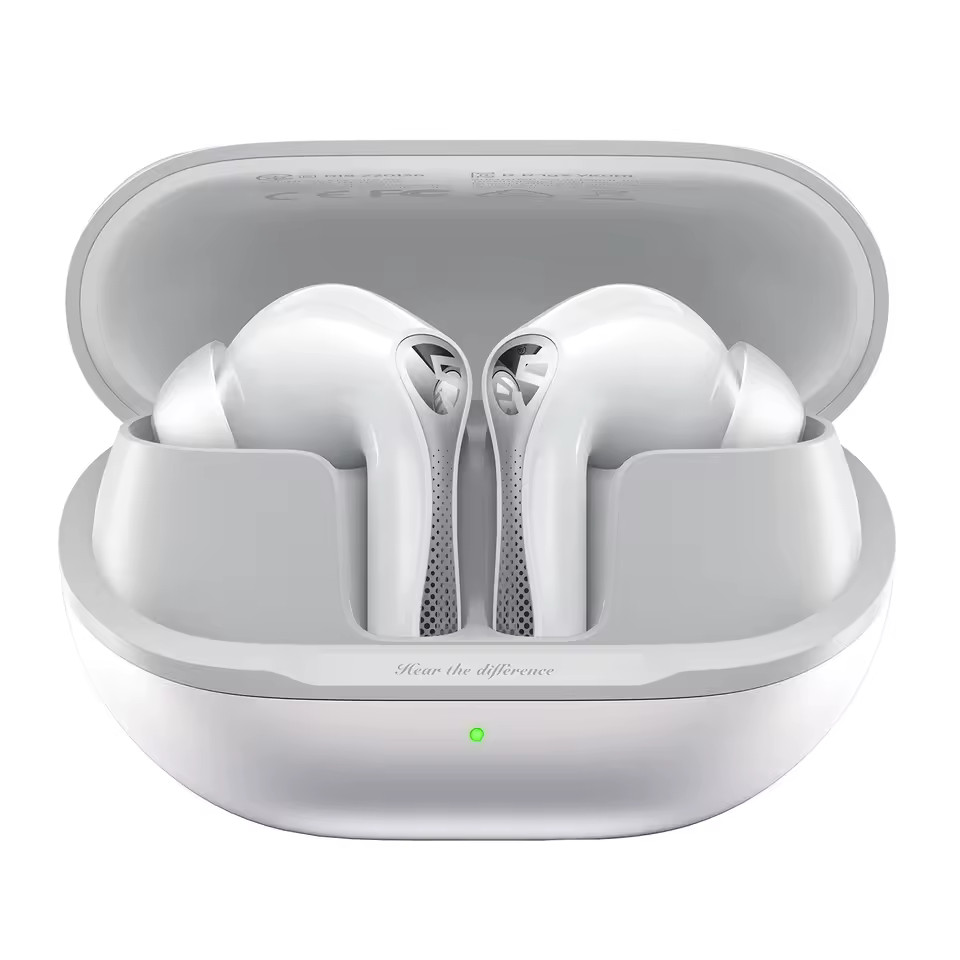 SoundPEATS Air5 Pro 55dB Adaptive Hybrid Noise Cancelling Wireless Earbuds 6-mic$59.99Last checked Nov 24, 2026View on eBay
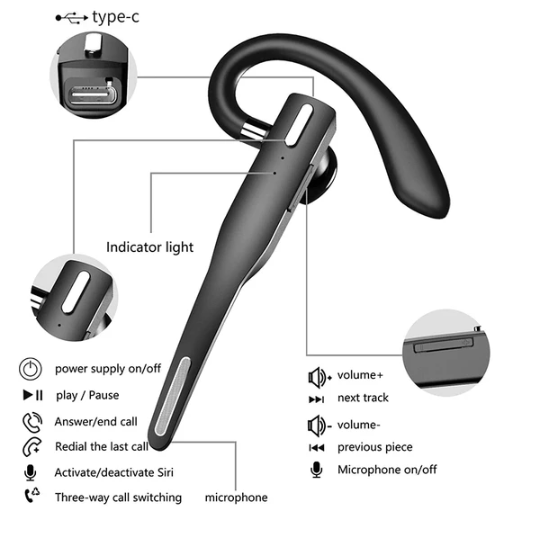 Trucker Wireless Headset Bluetooth 5.1 Earpiece Dual Mic Earbud Noise Cancelling$26.99View on Mallflare
Highlights
- Bluetooth 5.3/5.4 delivers lower latency and better power efficiency than 4.x/5.0; LDAC or aptX Adaptive support enables hi-res streaming on compatible phones.
- IPX4 handles sweat and light rain; IPX5+ survives heavier sweat and splashes, while unrated buds fail in humid gym or outdoor use.
- TWS cases typically add 20-30 hours total; neckbands house 10-15 hours in a single charge with no case dependency.
- ANC depth ranges from 20-25 dB on budget models to 35-45 dB on premium; transparency mode and multipoint pairing are tier-defining features.
Best use cases
- Commuting and office: pick TWS with ANC (25 dB+) and multipoint pairing; skip open-back or unsealed designs that leak sound and admit noise.
- Running and gym: choose IPX5+ TWS with ear-wing tips or a neckband with IPX5; skip IPX2 or unrated plastic-housing buds.
- All-day calls and travel: pick a neckband or TWS with 8+ hours per charge and a case; skip micro-USB legacy models.
- Budget everyday listening: choose Bluetooth 5.3 TWS with AAC and 6+ hours; skip Bluetooth 4.1/4.2 headsets regardless of price.
Buying tips
- Match Bluetooth version to your phone: 5.2+ for low-latency gaming and multipoint; 5.0 is acceptable only for basic listening.
- Check codec support: AAC for iOS, LDAC or aptX Adaptive for Android hi-res; SBC-only limits fidelity.
- For sport, require IPX5 or higher and silicone ear wings; plastic housings without rubber seals fail at the seam.
- Battery math: TWS with 6-8 hours per bud plus 3-4 case recharges covers a week of commuting; neckbands need 10+ hours single-charge.
Specs
| Bluetooth | 5.2/5.3/5.4 vs 5.0 vs 4.x |
|---|---|
| Battery | TWS 6-8 hr + case; neckband 10-15 hr |
| Water Resistance | IPX4 sweat / IPX5 splash |
| Codec Support | SBC, AAC, LDAC, aptX |
Related searches
What to check before buying
- Confirm your phone's Bluetooth version and codecs (LDAC/aptX) to avoid paying for unsupported hi-res.
- Measure ear canal fit: most TWS include S/M/L tips; small ears should favor shallow-fit buds under 5 g per earbud.
- For workouts, verify IPX5+ and sweat resistance; for calls, check multipoint and beamforming mics.
- Check charging port: USB-C is standard; micro-USB models are obsolete and slow.
FAQ
Data sources: eBay / Amazon listings and product attribute feeds. Updated Nov 28, 2026.
Some links on this page are affiliate links. If you buy after clicking one, we may earn a commission at no extra cost to you. This does not change which products appear here or their order. Affiliate disclosure.