
Photos from current listings. Actual item, color, and included accessories may vary.
Waterproof Bluetooth Headset Buying Guide
Waterproof Bluetooth headsets span two distinct architectures: true wireless earbuds (IPX4-IPX7) and bone-conduction or sport neckbands (IPX5-IP68). The core trade-off is ingress protection versus acoustic sealing—higher IP ratings demand tighter port covers and glued seams that can muffle bass and complicate charging. The decision rule: buy IPX5 or better with a physical charging-port cover for sweat and rain, and only step to IPX7/IP68 if the set is rated for full submersion and you accept the acoustic compromise.
Median $36.99
Key takeaways
- IPX4 handles sweat and light rain; IPX5 adds jet spray resistance; IPX7 survives 1 m submersion for 30 minutes; IPX8 exceeds that under manufacturer-defined depth.
- True wireless sets rely on sealed charging-case contacts and glued nozzle mesh; neckbands and bone-conduction units often achieve IPX5-IP68 with rubber port flaps and silicone seals.
- Bone-conduction headsets bypass the ear canal entirely, so IP67/IP68 ratings are common and ear-wax clogging is eliminated—but bass output is inherently weaker than sealed in-ear designs.
At a glance
- Category
- In-Ear Earphones
- Last updated
- Nov 28, 2026
Current offers
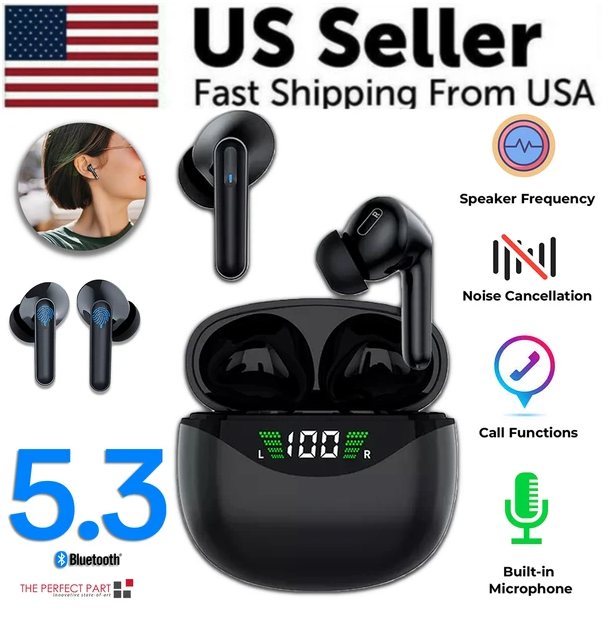 Bluetooth Earbuds Headset 5.3 Wireless Noise Cancelling TWS Trucker Waterproof$23.99View on Mallflare
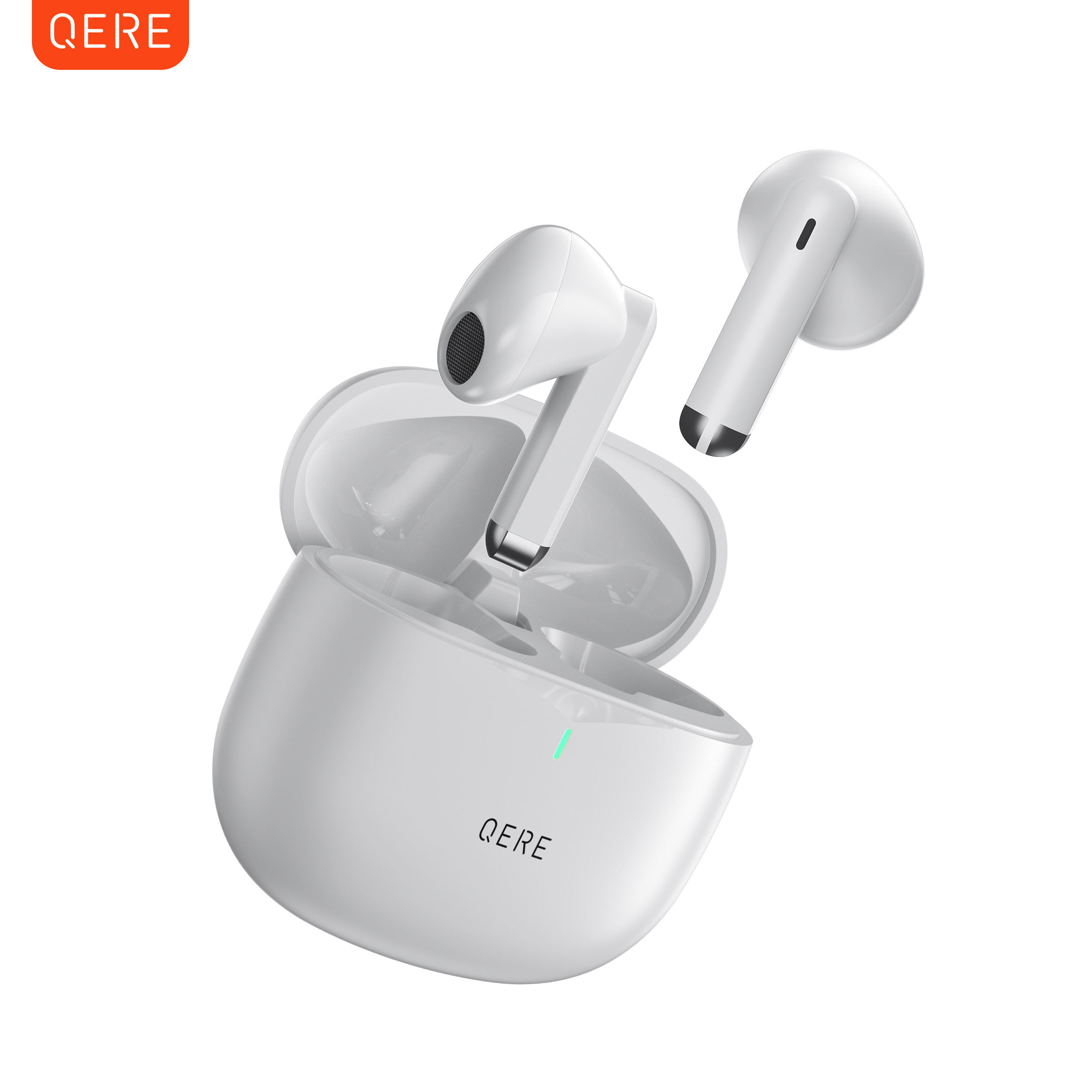 QERE E28 TWS Bluetooth 5.3 Wireless Earbuds 60ms Low Latency IPX5 Waterproof$36.99View on Mallflare
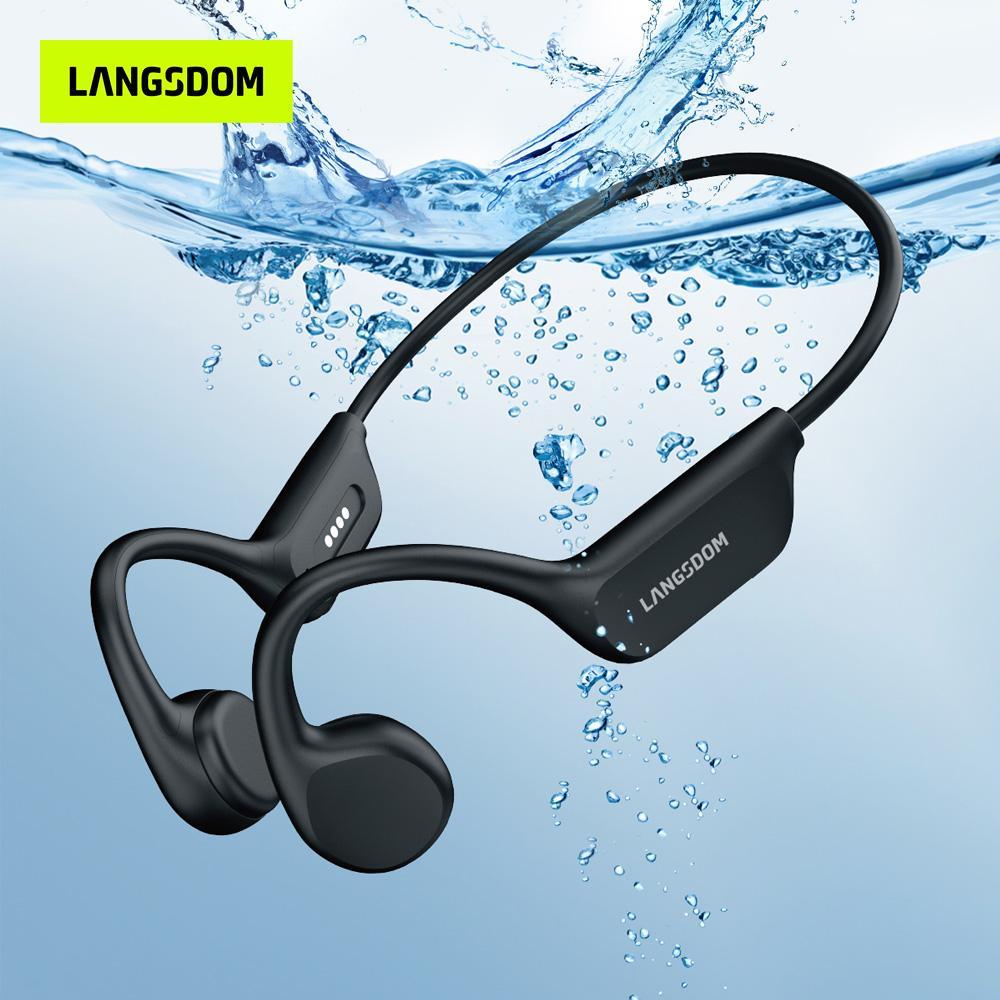 IPX8 Waterproof Headphones, Swimming-specific Bluetooth Sports Wireless Earbuds With 32G TF Card, Stereo Bone Conduction$68.99View on Mallflare
Highlights
- IPX4 handles sweat and light rain; IPX5 adds jet spray resistance; IPX7 survives 1 m submersion for 30 minutes; IPX8 exceeds that under manufacturer-defined depth.
- True wireless sets rely on sealed charging-case contacts and glued nozzle mesh; neckbands and bone-conduction units often achieve IPX5-IP68 with rubber port flaps and silicone seals.
- Bone-conduction headsets bypass the ear canal entirely, so IP67/IP68 ratings are common and ear-wax clogging is eliminated—but bass output is inherently weaker than sealed in-ear designs.
- Bluetooth 5.2 or 5.3 with LE Audio improves power efficiency and multipoint stability; older 5.0 sets still work but drain faster and drop connections in dense radio environments.
Best use cases
- Best fit: runners and gym users choosing IPX5+ true wireless or neckband sets with ear fins—skip IPX4-only buds if you sweat heavily or train outdoors in rain.
- Best fit: swimmers needing lap audio should pick bone-conduction IP68 units with onboard MP3 memory, since Bluetooth does not transmit underwater—skip standard TWS entirely for pool use.
- Best fit: motorcycle and cycling riders should choose IPX5+ bone-conduction or hook-style headsets that leave the ear canal open for traffic awareness—skip deep-seal ANC buds for road riding.
- Wrong fit: audiophile critical listening—waterproofing seals and port covers reduce sub-bass and treble extension, so pick a non-waterproof wired IEM for pure sound quality.
Buying tips
- Match IP rating to exposure: IPX4 for sweat only, IPX5 for rain and heavy spray, IPX7/IPX8 only if the set is explicitly rated for submersion—not just 'water-resistant' marketing.
- Confirm the charging port uses a rubber gasket or magnetic sealed contact; exposed USB-C without a cover is the most common water-failure point on sport headsets.
- Check Bluetooth version and codec support: BT 5.2+ with AAC or LC3 gives lower latency and better battery life than BT 5.0 with SBC-only for video and gaming use.
- For bone-conduction, verify the transducer is sealed to IP67/IP68 and the band uses titanium or memory wire—cheap plastic bands crack at the temple within months of sweaty use.
Specs
| Waterproof Rating | IPX4 sweat / IPX5 spray / IPX7-8 submersion |
|---|---|
| Headset Architecture | TWS / Neckband / Bone-conduction |
| Bluetooth Version | 5.0 legacy / 5.2-5.3 LE Audio current |
| Swim Audio Support | Onboard MP3 4-16 GB, no BT underwater |
Related searches
What to check before buying
- Measure your ear-canal fit: TWS nozzles run 4-6 mm; if silicone tips slip out during runs, choose a neckband or bone-conduction set instead of TWS.
- Confirm your device supports the headset's Bluetooth profile (A2DP for audio, HFP for calls); multipoint requires BT 5.2+ on both headset and source.
- For swimming use, verify onboard storage capacity (typically 4-16 GB) and that the set has a dedicated swim EQ mode—Bluetooth will not work underwater.
- Check charging voltage: USB-C 5V is standard; avoid fast-charge bricks over 5V/2A on sealed port-flap designs, which can stress gaskets and shorten IP seal life.
FAQ
Data sources: eBay / Amazon listings and product attribute feeds. Updated Nov 28, 2026.
Some links on this page are affiliate links. If you buy after clicking one, we may earn a commission at no extra cost to you. This does not change which products appear here or their order. Affiliate disclosure.