
Photos from current listings. Actual item, color, and included accessories may vary.
Type C Earphone Buying Guide
Type-C earphones are wired in-ear monitors that connect via a USB-C digital audio connector, available in two fundamentally different architectures: passive analog sets that rely on the phone's internal DAC, and active digital sets with a built-in DAC/amp chip. The core trade-off is compatibility versus sound control — analog sets work only on devices that output analog audio over USB-C, while digital sets guarantee consistent volume, tuning, and often mic/remote support across phones, tablets, and laptops. The decision rule is simple: buy a digital-DAC set if you use a phone without a headphone jack or need reliable inline controls; buy analog only if your device explicitly supports analog USB-C audio and you want the lowest latency and no battery-independent DSP.
Median $124.97
Key takeaways
- Digital USB-C earphones embed a DAC/amp chip (commonly 24-bit/96kHz-capable or 32-bit/384kHz on premium models), while analog models pass the phone's DAC signal directly and often lack a chip entirely.
- Inline remote and microphone support depends on the USB-C Audio Class standard and device implementation — many Android phones support digital headsets, but some older or budget models require analog accessory mode (resistor ID).
- Connector durability is defined by the plug: straight or L-shaped molded strain relief, gold-plated pins, and braided or TPU-jacketed cable rated for 10,000+ bend cycles; non-detachable cables are the most common failure point.
At a glance
- Category
- In-Ear Earphones
- Last updated
- Nov 27, 2026
Current offers
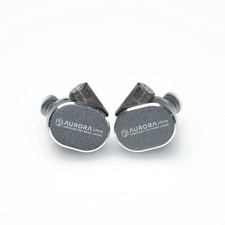 ROSESELSA Aurora Ultra 1DD+1 Planar Hybrid IEM Earphones with USB-C DAC$89.29View on eBay
 Moondrop MAY Hybrid IEM In-Ear Earbuds USB-C Earphones DSP HiFi Planar Driver$122.67View on eBay
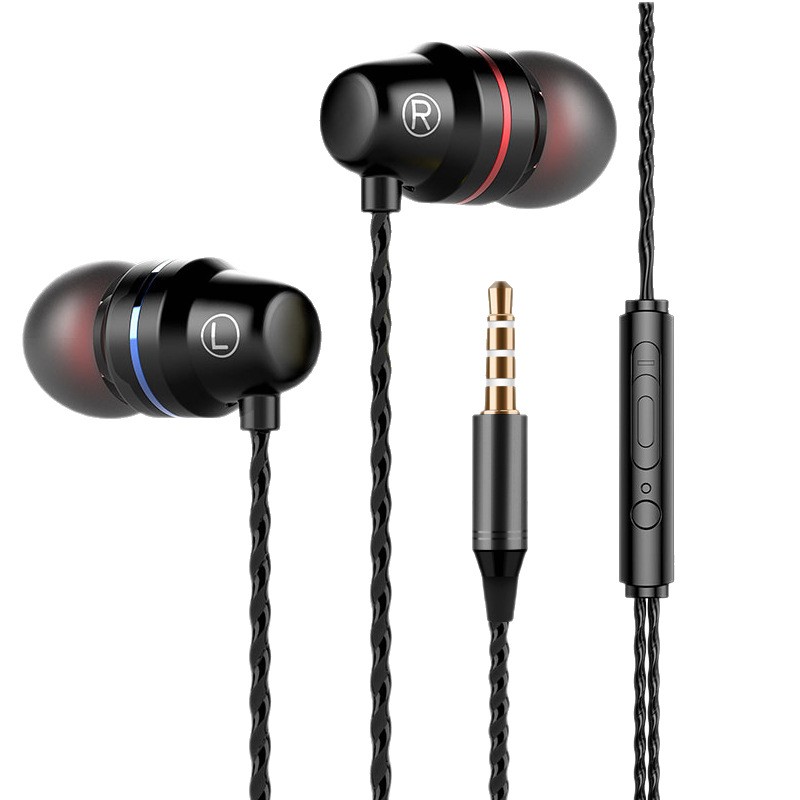 HIFI Bass Stereo Wired Earbuds Headset In-Ear Earphone Headphone 3.5mm USB-C Lot$127.26Last checked Nov 21, 2026View on eBay
- HIFI Bass Stereo Wired Earbuds Headset In-Ear Earphone Headphone 3.5mm USB-C Lot$188.99Last checked Nov 22, 2026View on eBay
Highlights
- Digital USB-C earphones embed a DAC/amp chip (commonly 24-bit/96kHz-capable or 32-bit/384kHz on premium models), while analog models pass the phone's DAC signal directly and often lack a chip entirely.
- Inline remote and microphone support depends on the USB-C Audio Class standard and device implementation — many Android phones support digital headsets, but some older or budget models require analog accessory mode (resistor ID).
- Connector durability is defined by the plug: straight or L-shaped molded strain relief, gold-plated pins, and braided or TPU-jacketed cable rated for 10,000+ bend cycles; non-detachable cables are the most common failure point.
- Driver architecture separates tiers: single 6–10mm dynamic drivers dominate budget sets, while dual-driver (dynamic + balanced armature) or hybrid setups with metal housings deliver better separation and treble extension at higher tiers.
Best use cases
- Pick a digital DAC-equipped USB-C IEM for jackless Android phones, iPads with USB-C, and laptops — it guarantees consistent volume and mic function without needing a separate dongle.
- Choose an analog USB-C earphone only for devices with confirmed analog accessory support (some older phones and specific tablets) and when you want the lowest possible latency for video or gaming.
- Skip detachable-cable USB-C IEMs if you need a single sealed unit for commuting — the MMCX or 2-pin connection adds a failure point unless you plan to swap cables or use a Bluetooth adapter.
- For calls and remote work, prioritize a model with a verified inline mic and dedicated mute/volume buttons; pure audiophile USB-C IEMs often omit the mic entirely.
Buying tips
- Check the plug type: USB-C digital headsets must state 'built-in DAC' or 'digital audio'; if the listing only says 'USB-C compatible', assume analog and confirm your device supports analog accessory mode.
- Match impedance and sensitivity to your source: 16–32Ω with ≥100dB sensitivity is easy to drive from any phone; 64Ω+ or low-sensitivity planars need a dongle DAC or a player with more output.
- For durability, look for metal nozzle and housing, reinforced cable joints, and at least IPX4 sweat resistance if used for workouts — fabric or braided cables outlast thin PVC jackets.
- Prefer detachable cables (0.78mm 2-pin or MMCX) if you want long-term repairability; fixed cables mean the whole set is e-waste when the plug or wire fails.
Specs
| Audio Architecture | Digital DAC vs Analog pass-through |
|---|---|
| Connector Type | USB-C (straight or L-shaped) |
| Driver Config | Single dynamic / Hybrid / Dual-driver |
| Cable & Mic | Detachable vs fixed / With or without mic |
Related searches
What to check before buying
- Confirm your phone or tablet supports USB-C digital audio output — most modern Android and iPad USB-C models do, but some budget devices route only analog audio or require a setting toggle.
- Measure your ear canal fit: most IEMs ship with silicone tips in S/M/L; if you have small canals, budget for foam or dual-flange tips to get a proper seal and bass response.
- Verify the inline remote works with your OS — volume buttons may not function on iOS or some Android skins even when the mic does; check the model's compatibility note.
- Decide whether you need a straight or L-shaped plug for your phone case: L-shaped plugs reduce strain in pockets but can block some case cutouts.
FAQ
Data sources: eBay / Amazon listings and product attribute feeds. Updated Nov 27, 2026.
Some links on this page are affiliate links. If you buy after clicking one, we may earn a commission at no extra cost to you. This does not change which products appear here or their order. Affiliate disclosure.