
Photos from current listings. Actual item, color, and included accessories may vary.
Sport Earbud Buying Guide
Sport earbuds are in-ear or open-ear headphones engineered to stay locked in during high-motion training while surviving sweat, rain, and repeated charging. The core trade-off is secure fit and water resistance versus audio fidelity and battery life—sealed in-ear tips isolate and thump but trap sweat, while open-ear hooks ventilate but leak sound. The decision rule: buy IPX4 or better with a mechanical retention system (hook, wing, or neckband) if you train hard; treat plain IPX2 buds with no anchor as casual-only.
Median $31.99
Key takeaways
- Water-resistance tiers: IPX4 survives splashes and heavy sweat; IPX5 handles low-pressure jets and rinsing; IPX7 survives 1 m submersion for 30 minutes—IPX4 is the realistic floor for gym and running use.
- Retention architecture decides fit: over-ear hooks and silicone ear wings lock the bud against the concha, neckbands tether buds so a dropped earpiece never hits the floor, and plain tips rely on seal friction alone.
- Bluetooth generation sets connection stability: Bluetooth 5.0+ (5.3/5.4 current) gives lower latency and stronger link budget than the legacy 4.1/4.2 neckbands still sold; multipoint pairing requires 5.2 or newer.
At a glance
- Category
- In-Ear Earphones
- Last updated
- Nov 28, 2026
Current offers
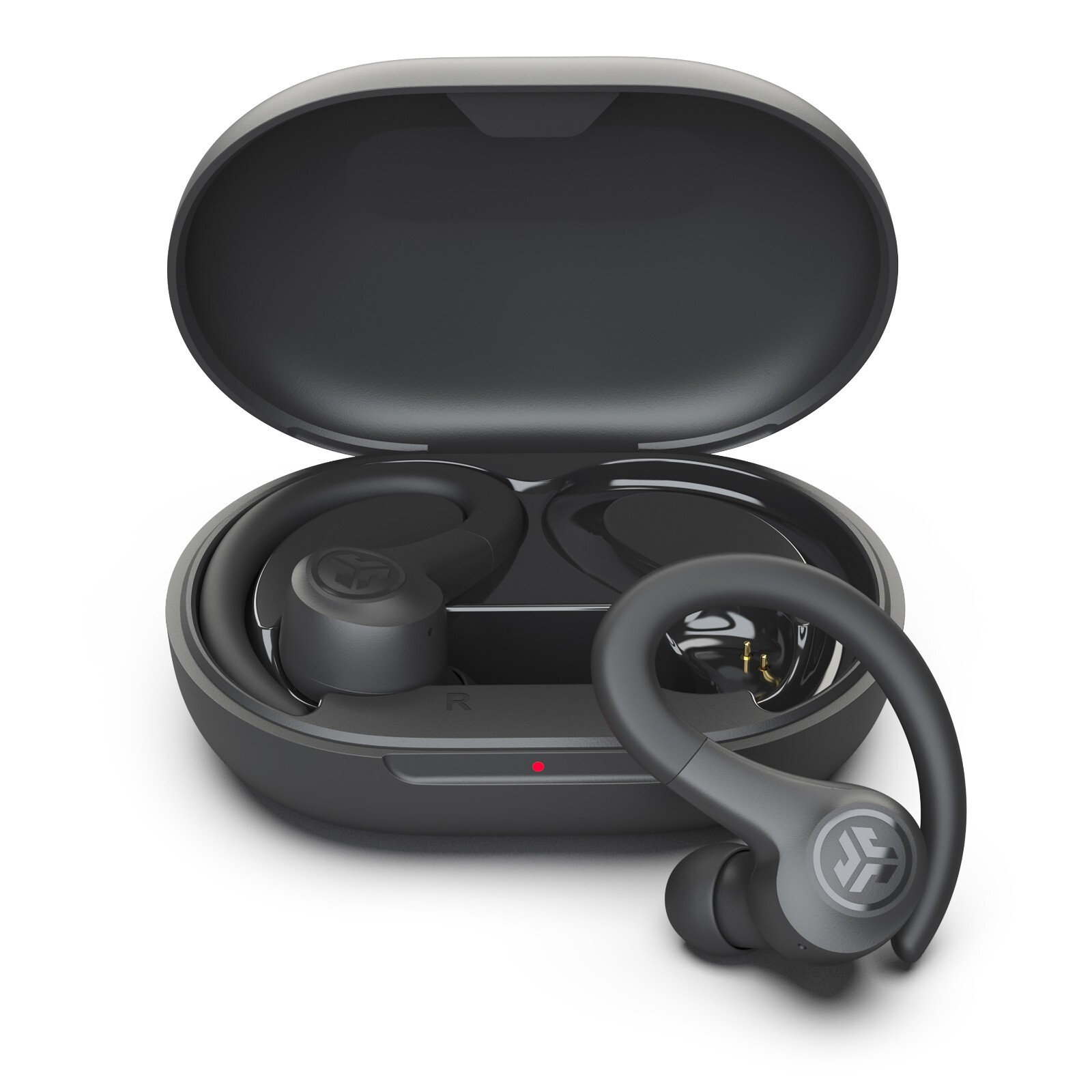 JLab GO Sport+ True Wireless Earbuds, Gym & Work Out Running Headphones, NEW$31.99Last checked Nov 21, 2026View on eBay
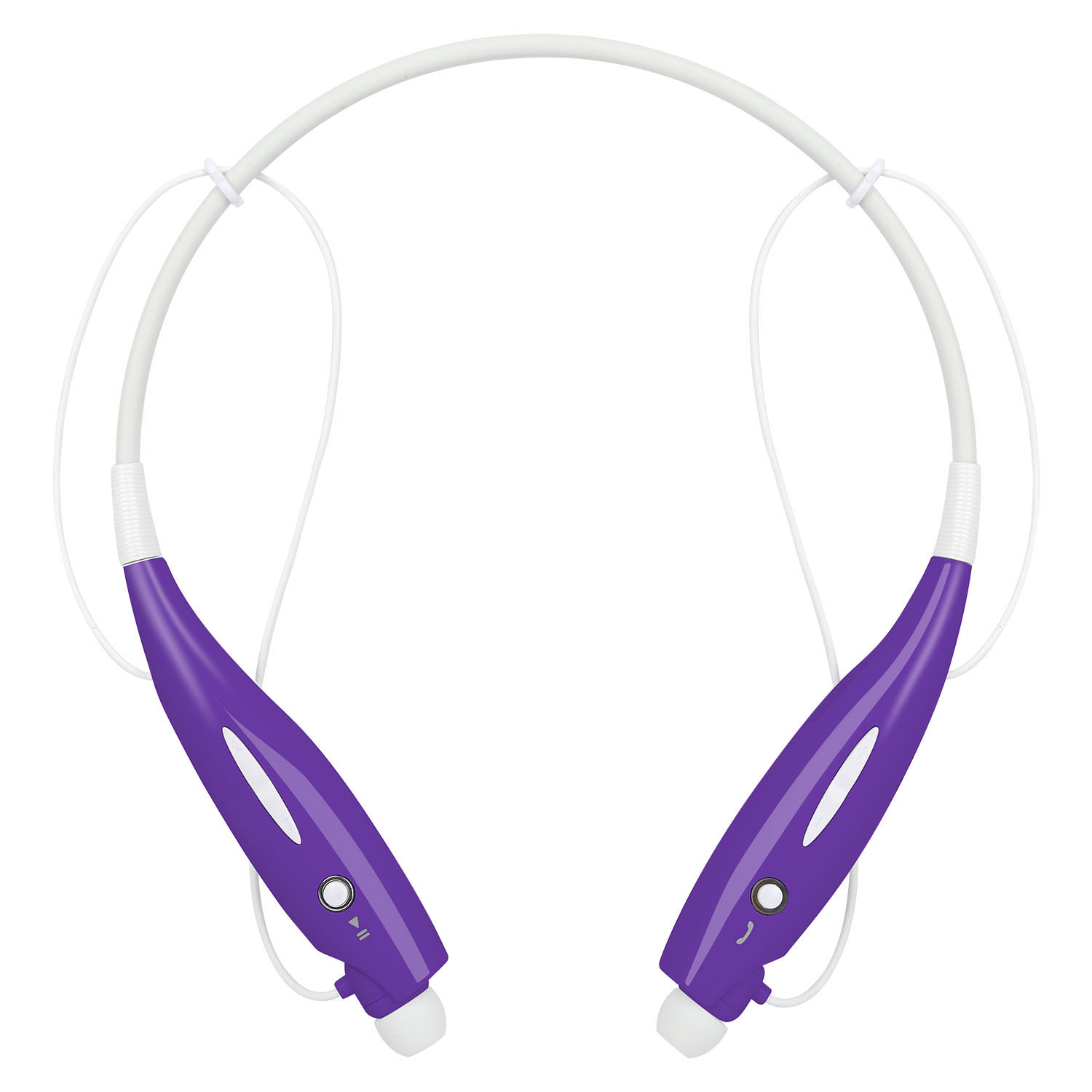 Wireless Stereo Headsets Sport Neckband Headphones In-ear Magnetic IPX4 Waterproof Earbuds With Built-in Mic Call Vibrate Alert Number Broadcast Running Gym$26.99View on Mallflare
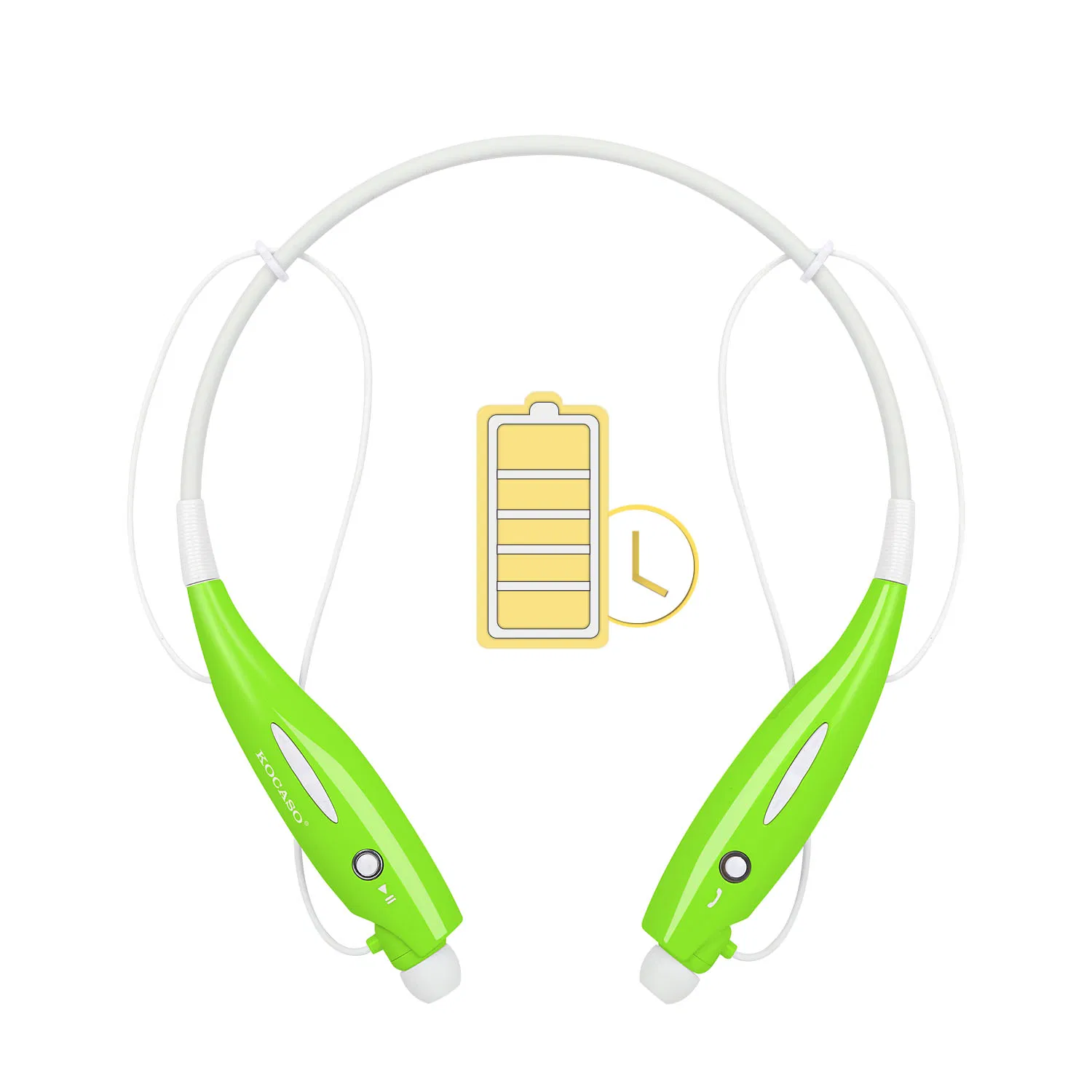 Wireless Sports Stereo Hands Free Headset Headphone Earbuds for Phone and Tablet$29.99View on Mallflare
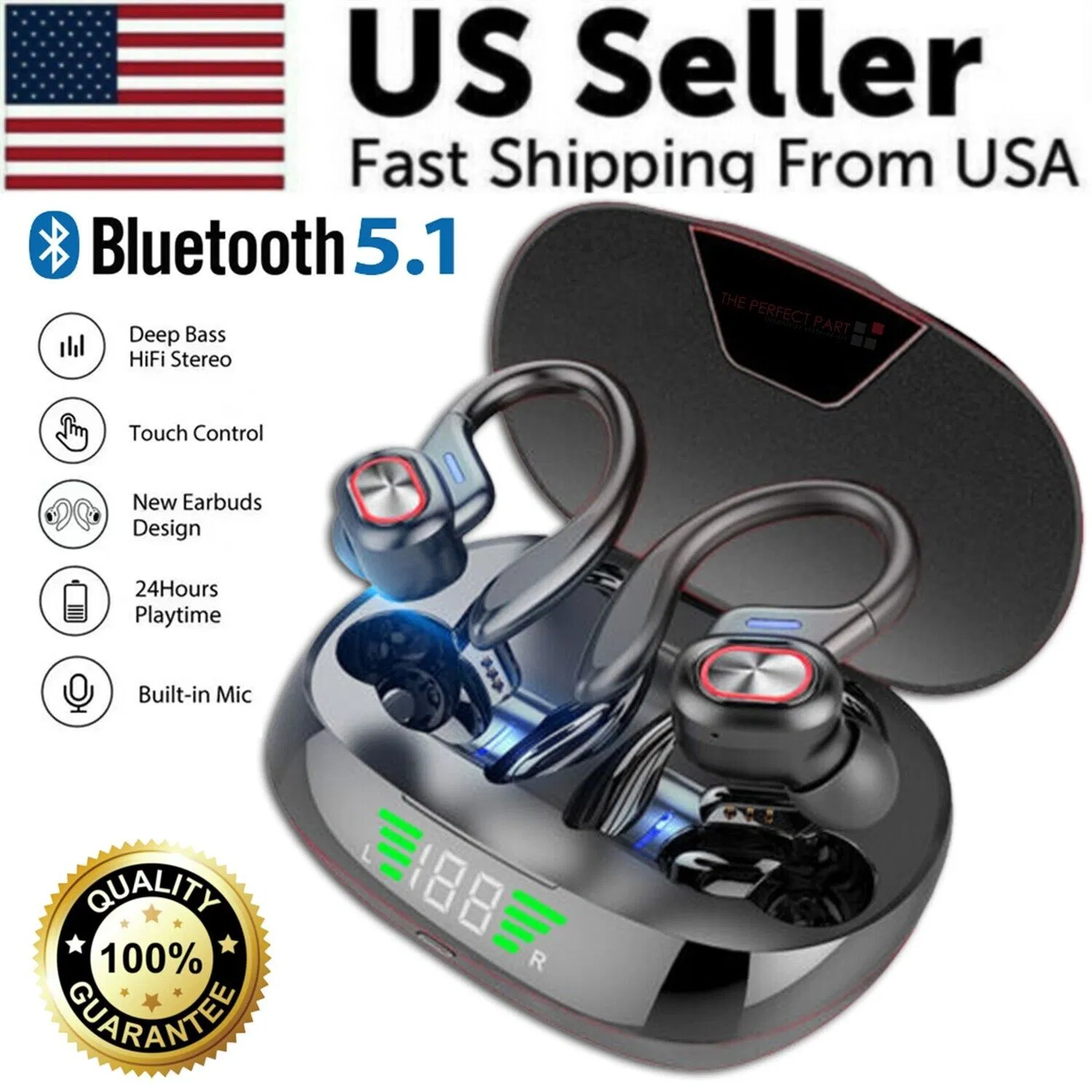 Bluetooth Headset 5.1 True Wireless Earphones Earbuds Headphones HiFi Sport TWS$29.99View on Mallflare
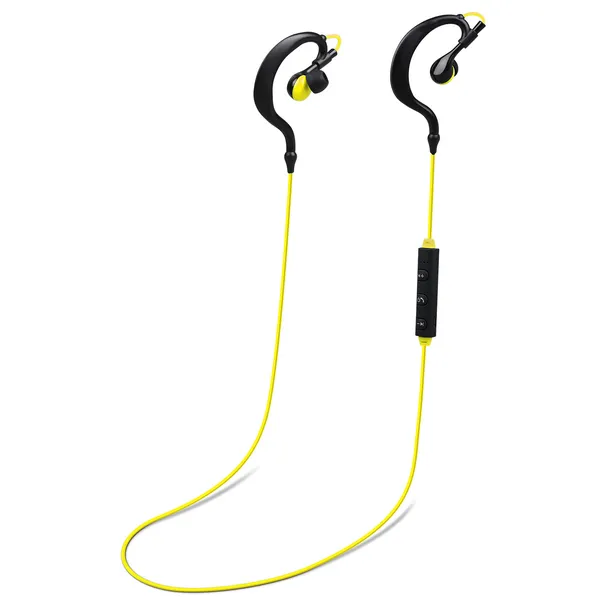 Wireless Headsets V4.1 Sport In-Ear Stereo Headphones Sweat-proof Neckband Earbuds$29.99View on Mallflare
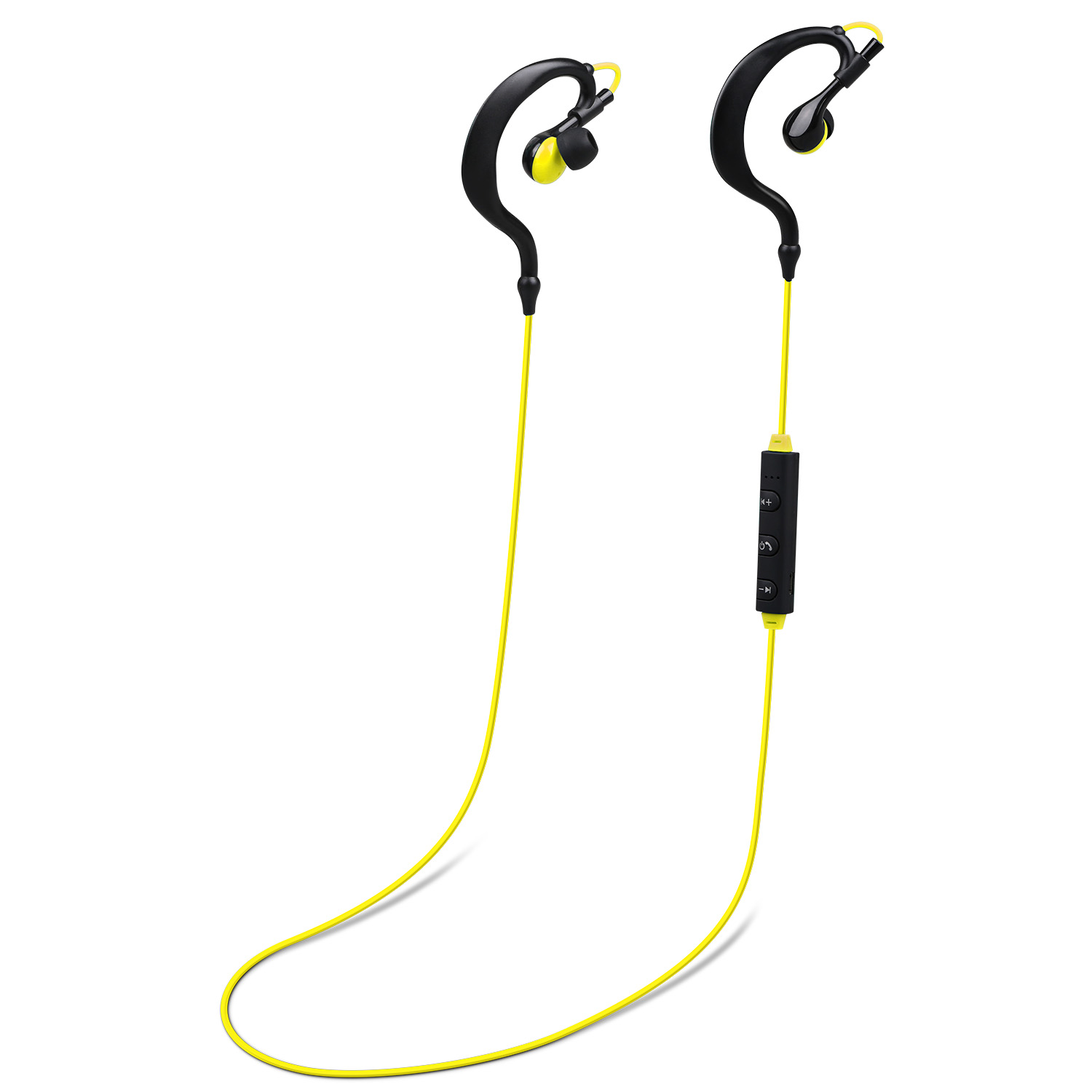 Wireless Headsets V4.1 Sport In-Ear Stereo Headphones Sweat-proof Neckband Earbuds With Mic Deep Bass HiFi Earphones For Running Hiking Travel$30.99View on Mallflare
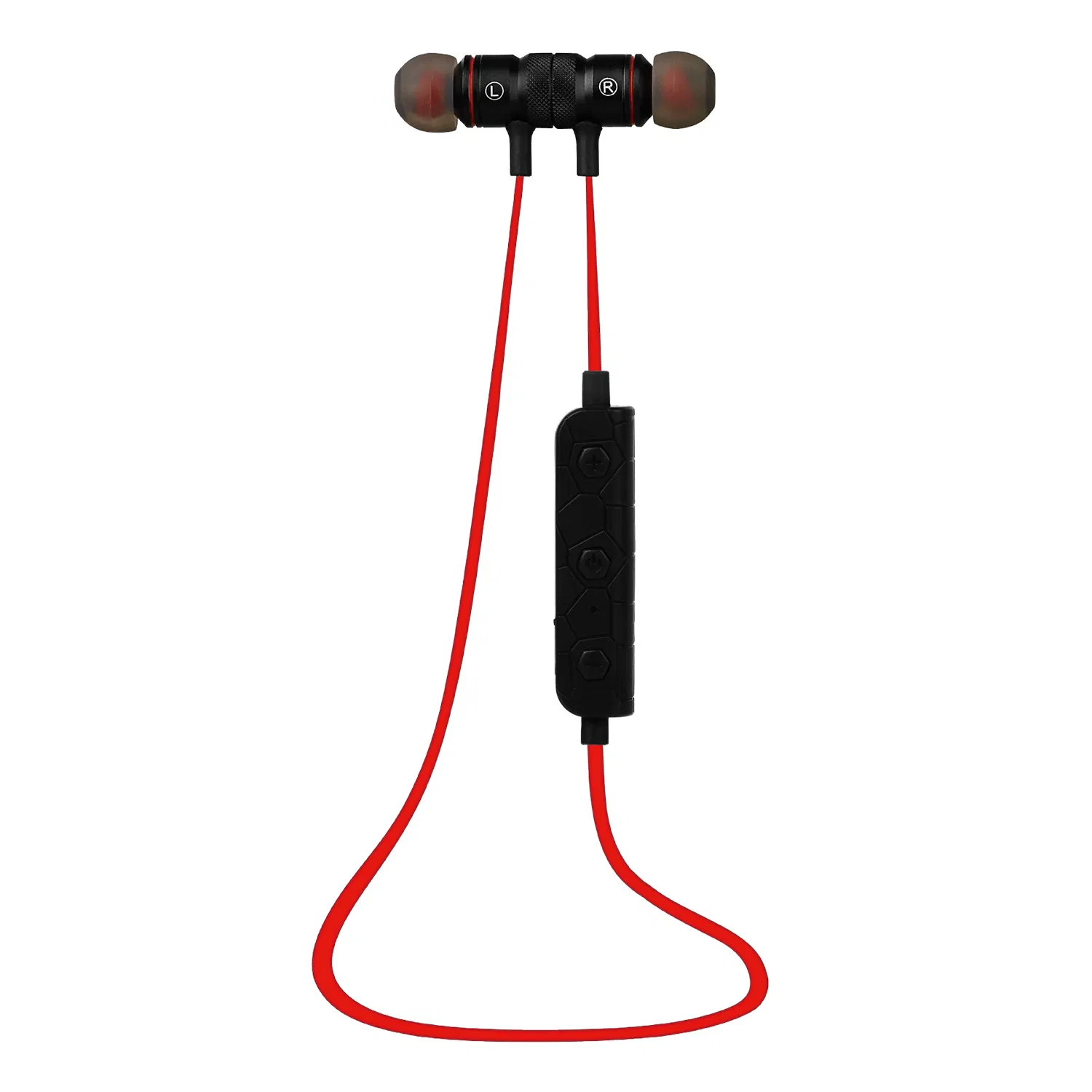 Wireless Headsets In-Ear Neckband Headphones Sweat-proof Sport Earbuds w/ Call Alert Number Broadcast$31.99View on Mallflare
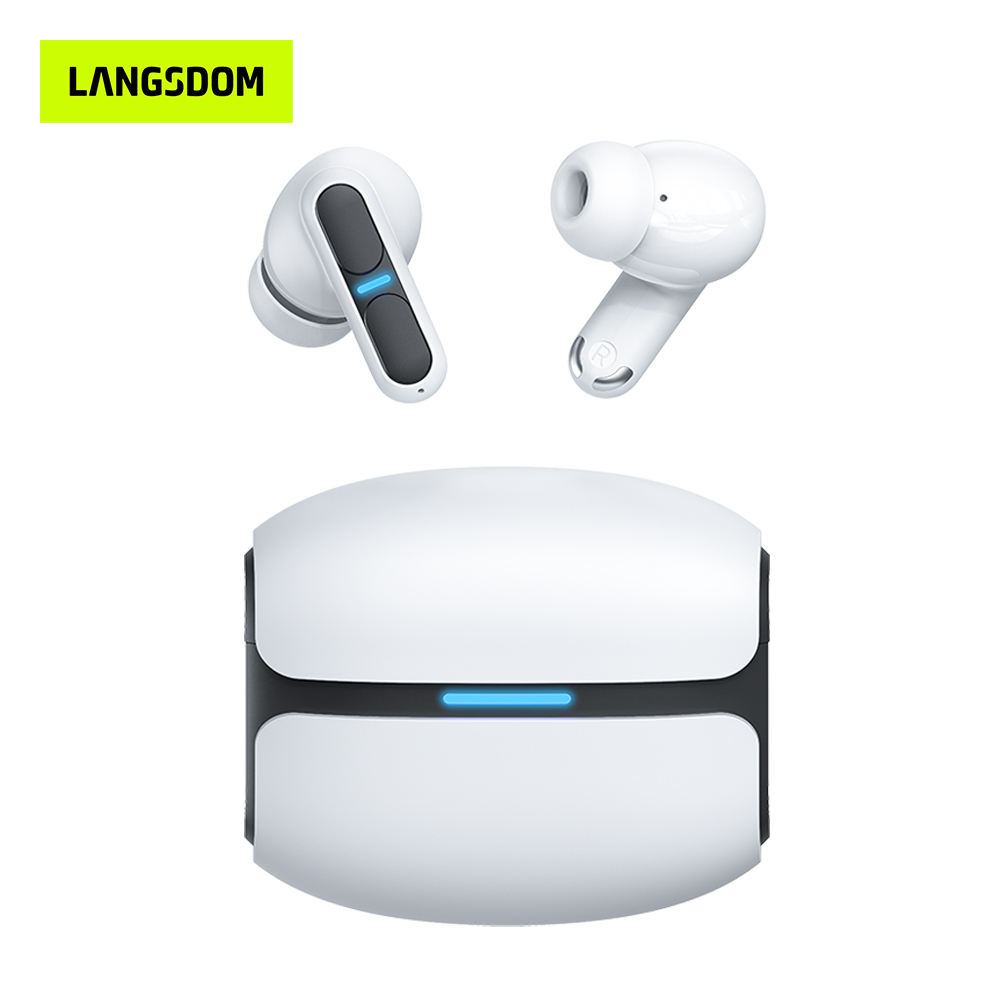 Langsdom Gaming Headset Bluetooth Earphone With Mic Bass Audio Stereo HiFi TWS True Wireless Earbuds Sports LED Headphones$40.99View on Mallflare
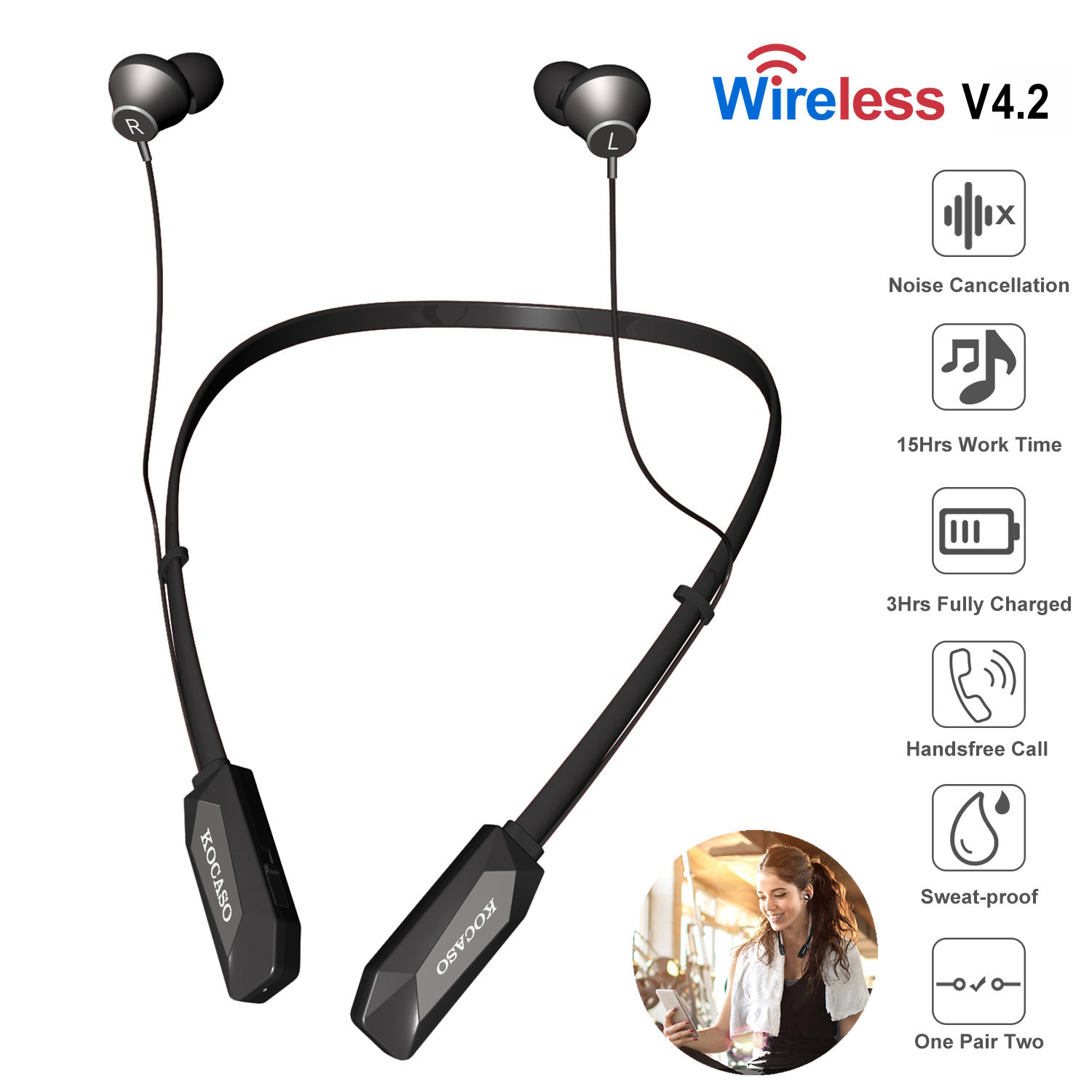 Black-Red Color Options -- 1Pc Wireless Neckband Headphones V4.2 Sweat-proof Sport Headsets Earbuds In-Ear Magnetic Neckbands Stereo Earphone Deep Bass With Mic 15Hrs Work Running Hiking$40.99View on Mallflare
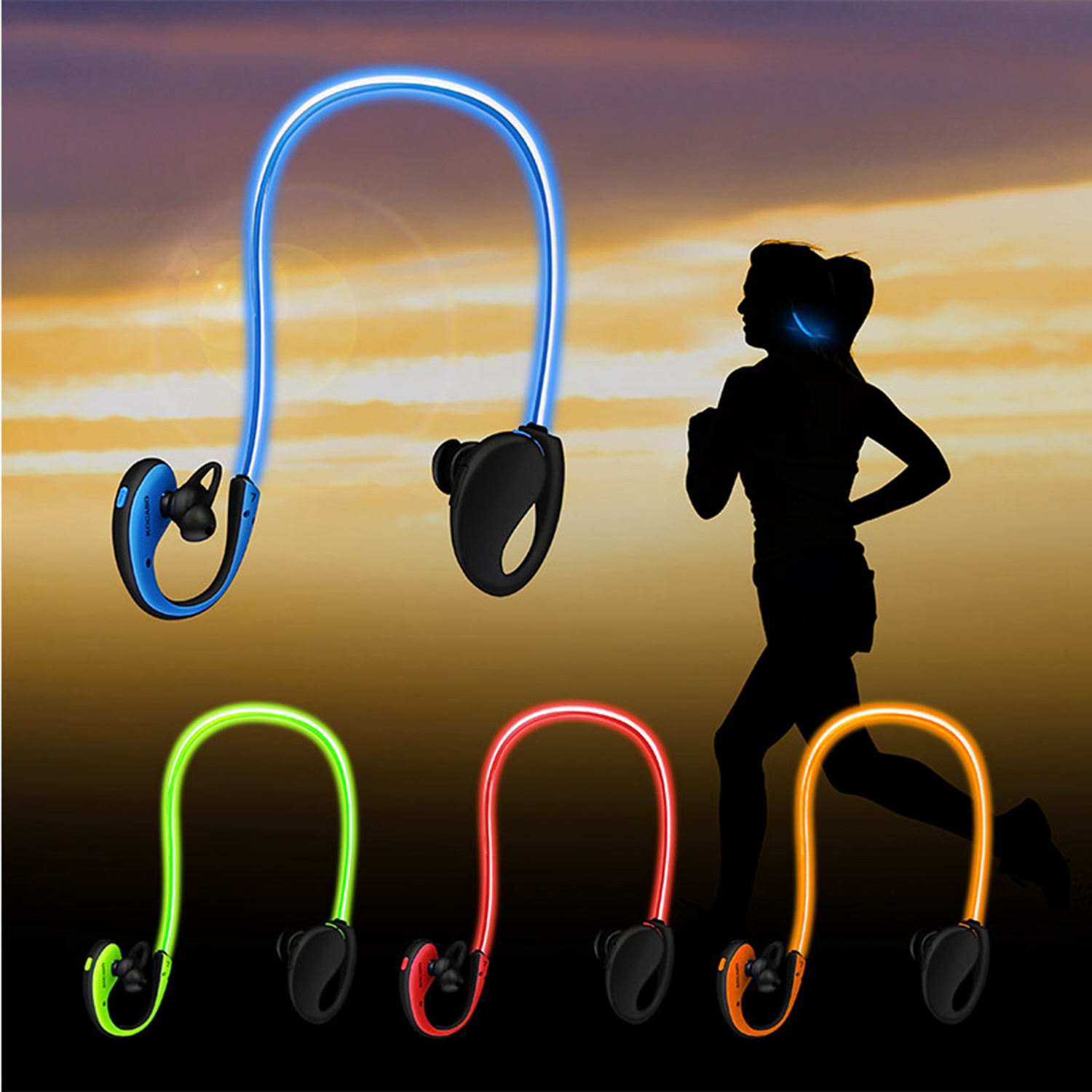 1Pc Wireless Sports Headsets V4.1 Neckband Earphones HD Stereo Sweat-proof Headphones Earbuds With LED Light Mic 8Hrs Work Running$41.99View on Mallflare
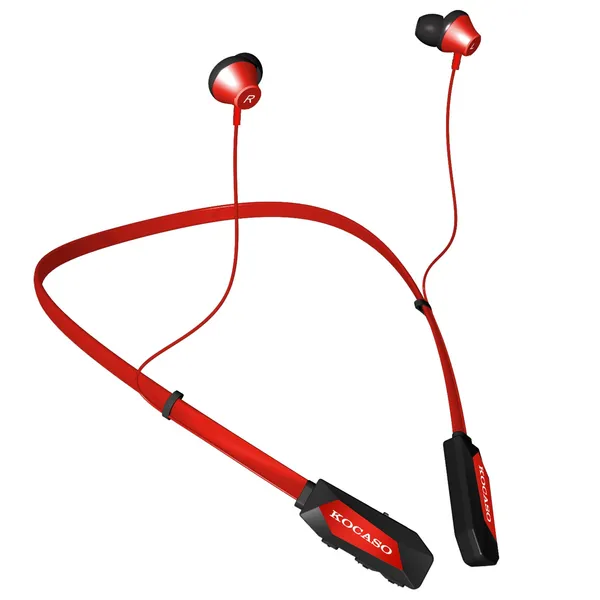 Wireless Neckband Headphones V4.2 Sweat-proof Sport Headsets Earbuds In-Ear Magnetic Neckbands Stereo Earphone$42.99View on Mallflare
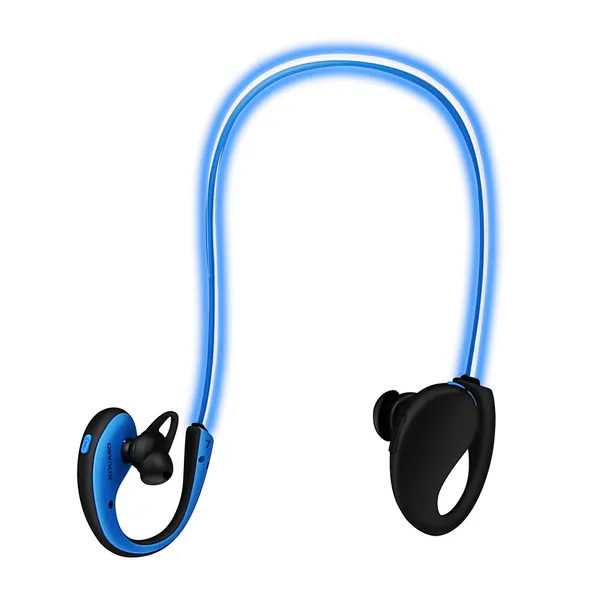 Wireless Sports Headsets V4.1 Neckband Earphones HD Stereo Sweat-proof Headphones Earbuds$43.99View on Mallflare
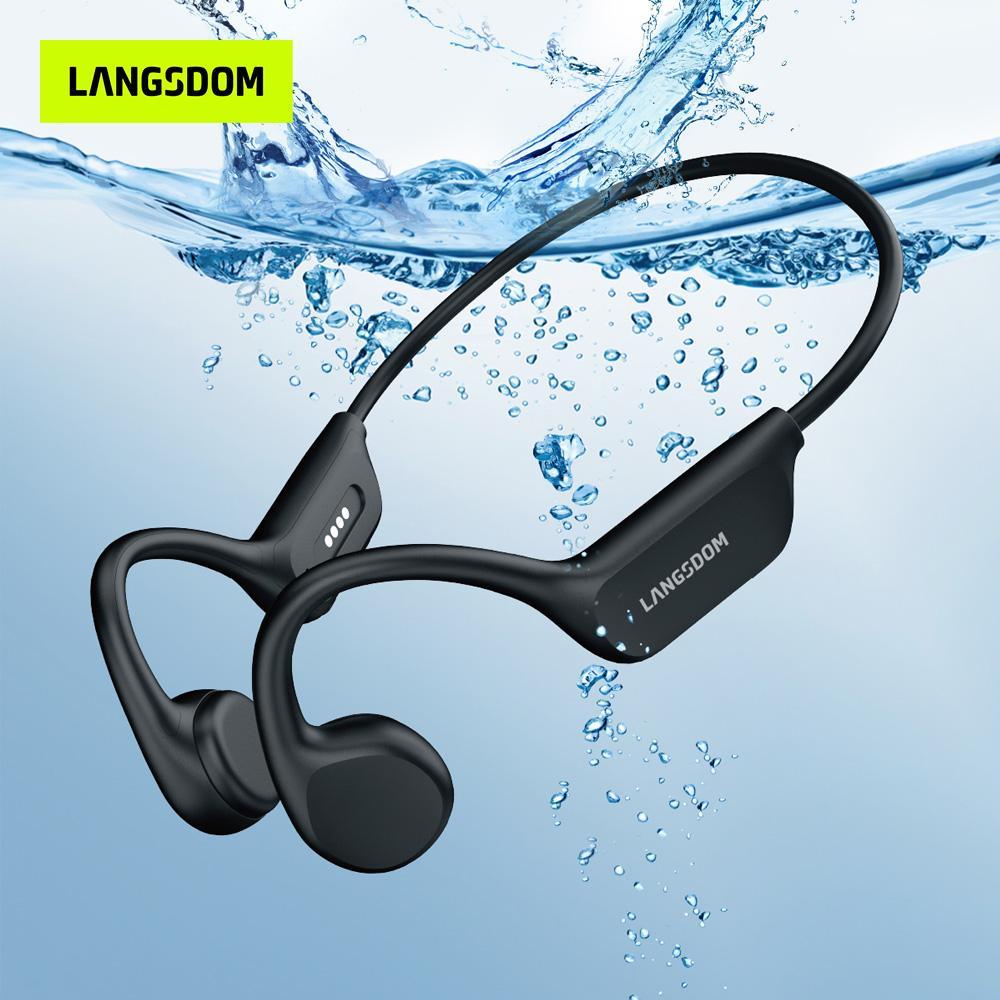 IPX8 Waterproof Headphones, Swimming-specific Bluetooth Sports Wireless Earbuds With 32G TF Card, Stereo Bone Conduction$68.99View on Mallflare
Highlights
- Water-resistance tiers: IPX4 survives splashes and heavy sweat; IPX5 handles low-pressure jets and rinsing; IPX7 survives 1 m submersion for 30 minutes—IPX4 is the realistic floor for gym and running use.
- Retention architecture decides fit: over-ear hooks and silicone ear wings lock the bud against the concha, neckbands tether buds so a dropped earpiece never hits the floor, and plain tips rely on seal friction alone.
- Bluetooth generation sets connection stability: Bluetooth 5.0+ (5.3/5.4 current) gives lower latency and stronger link budget than the legacy 4.1/4.2 neckbands still sold; multipoint pairing requires 5.2 or newer.
- Open-ear designs use air-conduction drivers that sit outside the ear canal—ventilated and traffic-aware, but they sacrifice bass isolation and leak audio at high volume compared with sealed in-ear tips.
Best use cases
- Gym lifting and treadmill running: pick true-wireless in-ear buds with ear wings or hooks rated IPX4-IPX5; skip open-ear air-conduction models that slide when you sweat heavily and mask no gym noise.
- Outdoor running and cycling on roads: choose open-ear hook buds or bone/air-conduction so traffic and ambient sound stay audible; skip deep-insertion sealed buds that isolate you from your surroundings.
- Heavy sweat and rain exposure: select IPX5 or IPX7 with a sealed charging port cover; skip IPX2 buds and any exposed micro-USB port that corrodes after repeated sweat contact.
- Casual commuting and calls: a magnetic neckband with vibration call alert and multipoint is the practical pick; skip bulky hook buds if you mostly sit and take calls—the band keeps the mic near your mouth.
Buying tips
- Match the IP rating to your sweat load: IPX4 for gym and light rain, IPX5 for heavy sweat and rinsing, IPX7 if you want to wash the buds under a tap—never trust an unrated 'sweat-proof' claim.
- Prioritize Bluetooth 5.2+ for true wireless if you pair to phone and laptop; legacy 4.1/4.2 neckbands drop connections and lack multipoint, so treat them as single-device only.
- Check the retention mechanism against your ear shape: ear wings suit most conchas, over-ear hooks suit small or slippery canals, and neckbands are the safest for people who lose buds mid-set.
- Budget battery by session length plus case reserves: true-wireless buds typically run 5-10 hours per charge with 20-40 hours in the case, while neckbands run 10-20 hours—pick case capacity for your weekly training hours.
Specs
| Water Resistance | IPX4 min / IPX5-IPX7 sport |
|---|---|
| Fit System | Ear hook / wing / neckband |
| Bluetooth Version | 5.0+ (5.2+ multipoint) |
| Driver Type | Sealed in-ear vs open-ear air |
Related searches
What to check before buying
- Confirm your phone's Bluetooth version and whether you need multipoint (two devices at once)—multipoint requires Bluetooth 5.2 or newer on both ends.
- Measure your ear canal and concha: if standard medium tips fall out during runs, plan for a model with interchangeable wings or hooks rather than relying on tip seal alone.
- Check the charging connector type—USB-C is current and durable, while micro-USB ports corrode faster under sweat exposure.
- Decide if you need ambient awareness: outdoor road runners should choose open-ear or transparency mode; sealed in-ear buds block traffic noise and are unsafe on open roads.
FAQ
Data sources: eBay / Amazon listings and product attribute feeds. Updated Nov 28, 2026.
Some links on this page are affiliate links. If you buy after clicking one, we may earn a commission at no extra cost to you. This does not change which products appear here or their order. Affiliate disclosure.