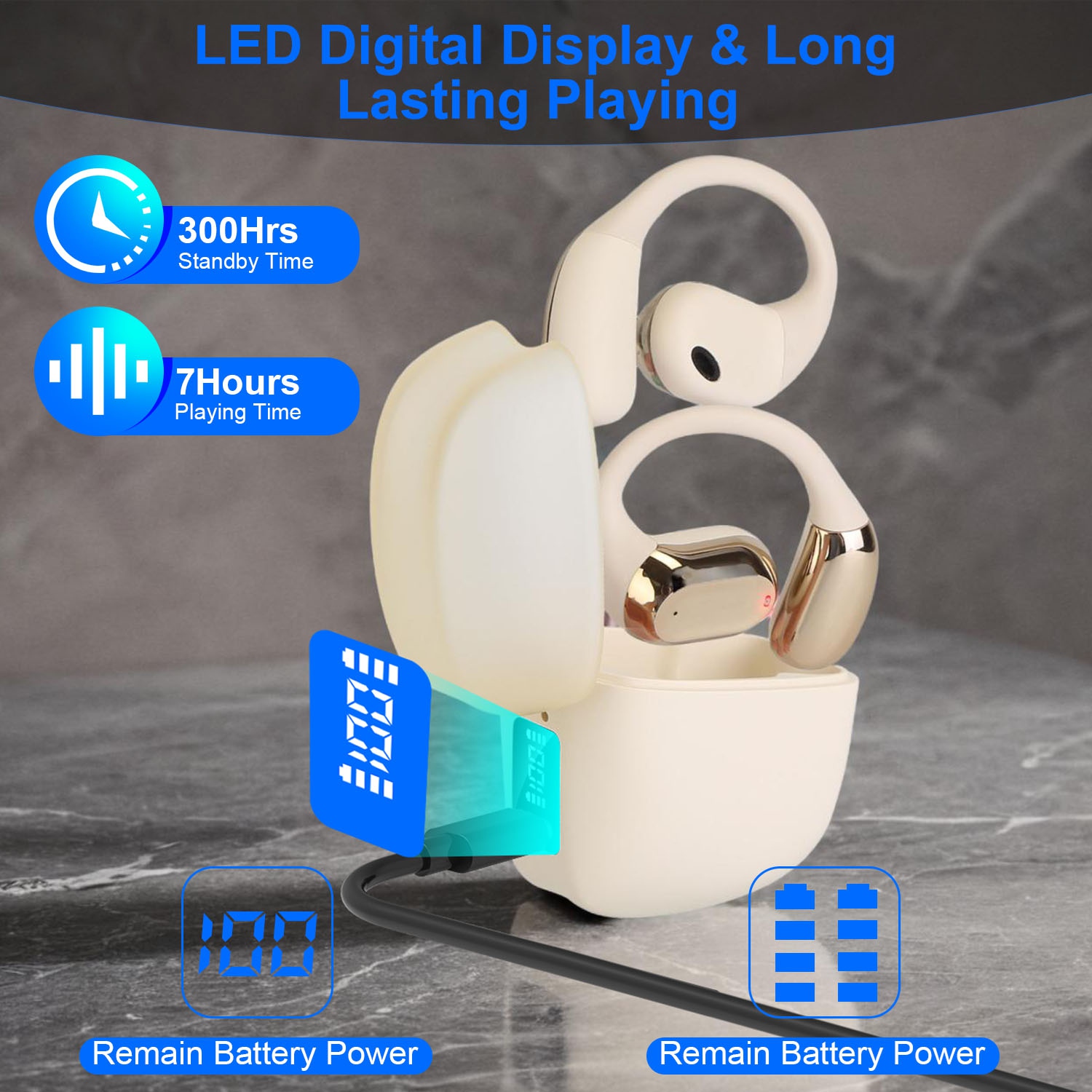

Photos from current listings. Actual item, color, and included accessories may vary.
Open Earbud Buying Guide
Open earbuds are earphones that leave the ear canal unsealed, using air-conduction drivers positioned at the concha or ear-hook to deliver sound while preserving situational awareness. The core trade-off is acoustic output versus leakage: open designs cannot pressurize the ear canal, so bass depth and isolation are inherently limited compared to sealed IEMs. Choose open earbuds only when comfort, hygiene, and ambient awareness outrank maximum isolation and sub-bass; buyers needing noise blocking or critical monitoring should skip this category entirely.
Median $87.00
Key takeaways
- Air-conduction open earbuds use 10-16mm dynamic drivers mounted outside the canal; bass rolls off below roughly 80-100Hz, so expect mid-forward tuning with limited sub-bass.
- Ear-hook and clip-on designs distribute weight on the auricle rather than the canal, typically 8-12g per bud, enabling all-day wear without pressure or occlusion.
- Bluetooth 5.3/5.4 with multipoint is standard on current open models; older 5.0 models add latency and drop multipoint pairing, so generation matters for calls and video.
At a glance
- Category
- In-Ear Earphones
- Last updated
- Nov 28, 2026
Current offers
Highlights
- Air-conduction open earbuds use 10-16mm dynamic drivers mounted outside the canal; bass rolls off below roughly 80-100Hz, so expect mid-forward tuning with limited sub-bass.
- Ear-hook and clip-on designs distribute weight on the auricle rather than the canal, typically 8-12g per bud, enabling all-day wear without pressure or occlusion.
- Bluetooth 5.3/5.4 with multipoint is standard on current open models; older 5.0 models add latency and drop multipoint pairing, so generation matters for calls and video.
- IPX4 handles sweat and light rain; IPX5 survives direct spray and heavier workouts. Open buds marketed for sport should meet at least IPX4 with a sweat-resistant nano-coating.
Best use cases
- Best fit: runners and cyclists who need traffic awareness — pick an IPX4+ ear-hook air-conduction model with Bluetooth 5.3 multipoint; skip sealed IEMs and bone-conduction if you want fuller music tonality.
- Best fit: office and remote workers who wear buds for hours and dislike canal pressure — choose a lightweight clip-on or ear-hook pair under 12g per bud; skip if your environment is loud enough to need ANC.
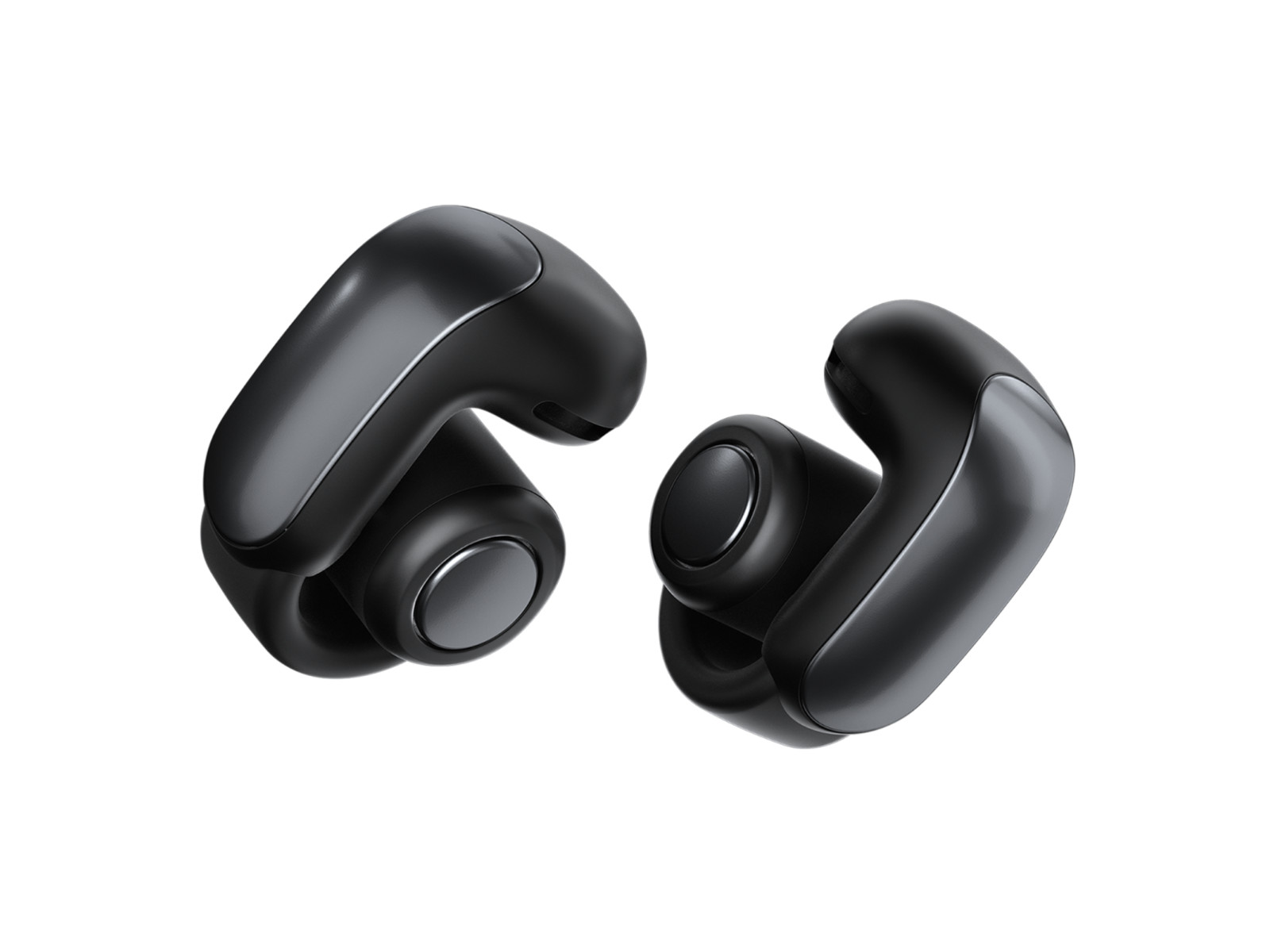
- Best fit: situational-awareness listeners who want premium tuning — a flagship open model like the Bose Ultra Open delivers refined sound and comfort; skip wired open-back IEMs like the Sennheiser IE 900, which are open-back but canal-sealing and not true open-ear designs.
- Wrong fit: commuters, flyers, and loud open-plan offices — open buds leak both ways, so ambient noise competes directly with your audio; sealed ANC earbuds are the correct tool.
Buying tips
- Match the fit style to your ear anatomy: ear-hook models hook over the helix for stability during runs, clip-on models pinch the concha for glasses-friendly wear, and canal-resting open buds suit relaxed listening.
- Prioritize Bluetooth 5.3 or 5.4 with multipoint if you switch between phone and laptop; Bluetooth 5.0 open buds often lack multipoint and add 150-250ms video latency.
- Check the driver size and tuning claims: 14-16mm dynamic drivers generally yield fuller mids and better perceived bass in open designs than 10mm units, which can sound thin at low volume.
- Confirm battery figures per bud, not just the case: 6-10 hours per charge is typical for open buds, and case totals of 24-40 hours indicate a modern power design; sub-4-hour buds are a compromise.
Specs
| Fit Style | Ear-hook / clip-on / canal-rest |
|---|---|
| Driver Type | Air-conduction dynamic 10-16mm |
| Bluetooth | 5.0 vs 5.3/5.4 multipoint |
| Water Resistance | IPX4 to IPX5 |
Related searches
What to check before buying
- Measure your ear-helix and concha: ear-hook and clip-on models specify fit ranges, and a loose hook causes bass loss and slippage during movement.
- Confirm your phone supports the codec and Bluetooth version the buds require — AAC for iOS, LDAC or aptX for Android hi-res, and multipoint for two-device switching.
- Verify the charging case uses USB-C and check its pocketability versus your carry setup; open-ear cases are often larger than sealed IEM cases.
- Check the IP rating against your sweat level and climate: IPX4 for gym and light rain, IPX5 for heavy sweat or outdoor spray; humidity-prone climates favor nano-coated shells.
FAQ
Data sources: eBay / Amazon listings and product attribute feeds. Updated Nov 28, 2026.
Some links on this page are affiliate links. If you buy after clicking one, we may earn a commission at no extra cost to you. This does not change which products appear here or their order. Affiliate disclosure.