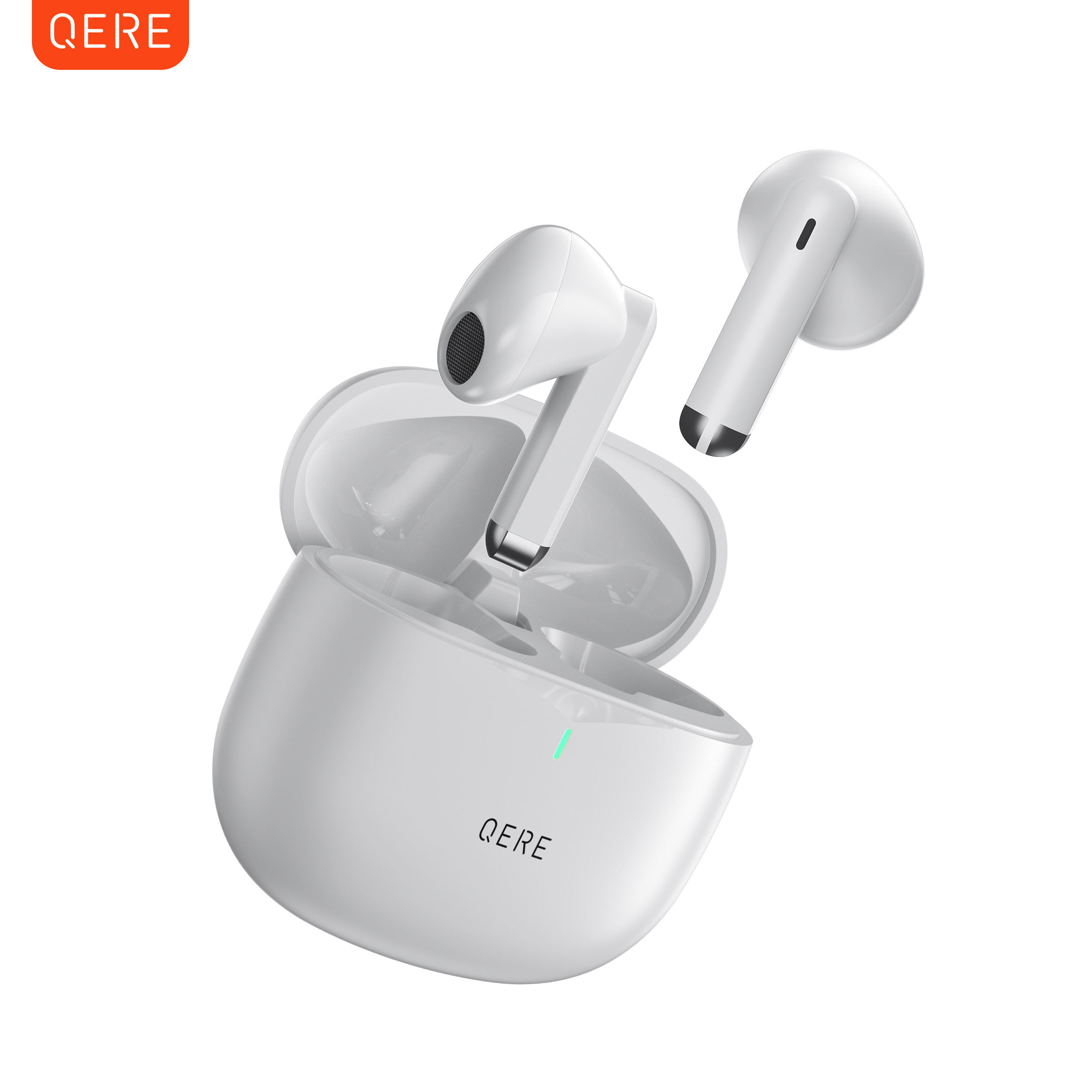

Photos from current listings. Actual item, color, and included accessories may vary.
Low Earbud Buying Guide
Low-cost in-ear earphones are wired and wireless earbuds built to a tight budget, where the core trade-off is driver quality and acoustic tuning versus durable connectors, strain relief, and battery health. The decisive rule: prioritize a proven dynamic driver with replaceable tips and a reinforced cable or USB-C charging over feature bloat like ANC or RGB lighting at the same price.
Key takeaways
- Wired models with 3.5 mm gold-plated plugs and tangle-resistant flat or braided cables survive daily pocket carry far better than thin round PVC cables.
- Dynamic drivers in the 6–10 mm range deliver the most reliable bass-to-midrange balance; balanced armature drivers at this price often sound thin and fragile.
- Bluetooth 5.0+ with SBC/AAC codecs is the practical floor for stable low-cost wireless; older 4.2 chipsets drop out in crowded signal environments.
At a glance
- Category
- In-Ear Earphones
- Last updated
- Nov 28, 2026
Current offers
Highlights
- Wired models with 3.5 mm gold-plated plugs and tangle-resistant flat or braided cables survive daily pocket carry far better than thin round PVC cables.
- Dynamic drivers in the 6–10 mm range deliver the most reliable bass-to-midrange balance; balanced armature drivers at this price often sound thin and fragile.
- Bluetooth 5.0+ with SBC/AAC codecs is the practical floor for stable low-cost wireless; older 4.2 chipsets drop out in crowded signal environments.
- IPX4 sweat resistance is the realistic durability threshold for budget earbuds; IPX2 or unrated shells fail quickly with exercise or humidity.
Best use cases
- Best fit: commuters and students who want reliable wired audio — choose a 3.5 mm model with a flat cable, in-line mic, and three tip sizes to avoid replacement costs.
- Best fit: casual wireless listeners — pick Bluetooth 5.0+ earbuds with USB-C charging and at least 4–5 hours per charge; skip models with micro-USB ports and proprietary charging cases.
- Wrong fit: competitive gamers needing positional audio — low-cost earbuds lack low-latency codecs; choose a dedicated wired gaming headset with a boom mic instead.
- Wrong fit: heavy exercisers — budget IPX2 earbuds corrode; select IPX4 or higher with ear-hook stability or move to a sport-specific design.
Buying tips
- For wired: require a 3.5 mm TRRS plug for mic compatibility and strain relief at both earbud and plug ends; 90-degree plugs survive pocket stress better.
- For wireless: demand USB-C on both earbuds and case, Bluetooth 5.0 or newer, and a claimed 4+ hour single-charge runtime; micro-USB indicates older stock.
- Check impedance: 16–32 ohm models run loud enough from phones; 64 ohm and above need a dongle DAC and are not true low-cost plug-and-play.
Specs
| Connection | 3.5 mm wired / Bluetooth 5.0+ |
|---|---|
| Driver Type | Dynamic 6–10 mm |
| Impedance | 16–32 ohm (phone-friendly) |
| Water Resistance | IPX4+ for active use |
Related searches
What to check before buying
- Confirm your phone or laptop has a 3.5 mm jack or budget for a USB-C-to-3.5 mm dongle — many budget phones omit the jack.
- Measure your ear canal comfort: if you use small tips, avoid deep-insertion designs with wide nozzles; check included tip sizes before buying.
- For wireless, verify your charger is USB-C and that the case supports the same port; Lightning-only cases are incompatible with Android.
- Check climate: humid or sweaty environments demand IPX4 minimum; dry office use can accept IPX2 but expect shorter lifespan.
FAQ
Data sources: eBay / Amazon listings and product attribute feeds. Updated Nov 28, 2026.
Some links on this page are affiliate links. If you buy after clicking one, we may earn a commission at no extra cost to you. This does not change which products appear here or their order. Affiliate disclosure.