
Photos from current listings. Actual item, color, and included accessories may vary.
In Ear Monitor Buying Guide
In-ear monitors (IEMs) are sealed, canal-fitting earphones built for stage monitoring, critical listening, and gaming, where fit and driver architecture matter more than marketing names. The core trade-off is between multi-driver hybrid designs that add detail but demand more power and careful tip selection, versus single dynamic drivers that are efficient, coherent, and forgiving. Buy detachable-cable models with standard 2-pin or MMCX connectors if you want durability and tuning flexibility; skip fixed-cable, single-flange-only buds unless they are strictly backup duty.
Median $73.60
Key takeaways
- Driver topology splits the market: single dynamic (Moondrop LAN II class) gives phase-coherent bass-to-treble; hybrid 1DD+7BA (KZ ZAR class) adds detail but needs a clean low-impedance source.
- Nozzle diameter and tip bore control isolation and fit: narrow nozzles (about 4.5-5.5mm) suit deep-canal sealing, wider nozzles (6mm+) favor shallow-fit comfort and need foam or wide-bore tips.
- Sensitivity and impedance set the source requirement: high-sensitivity multi-BA sets run loud from a phone dongle, while low-impedance hybrid sets expose hiss and need an amp or DAC with under 1 ohm output impedance.
At a glance
- Category
- In-Ear Earphones
- Last updated
- Nov 27, 2026
Current offers
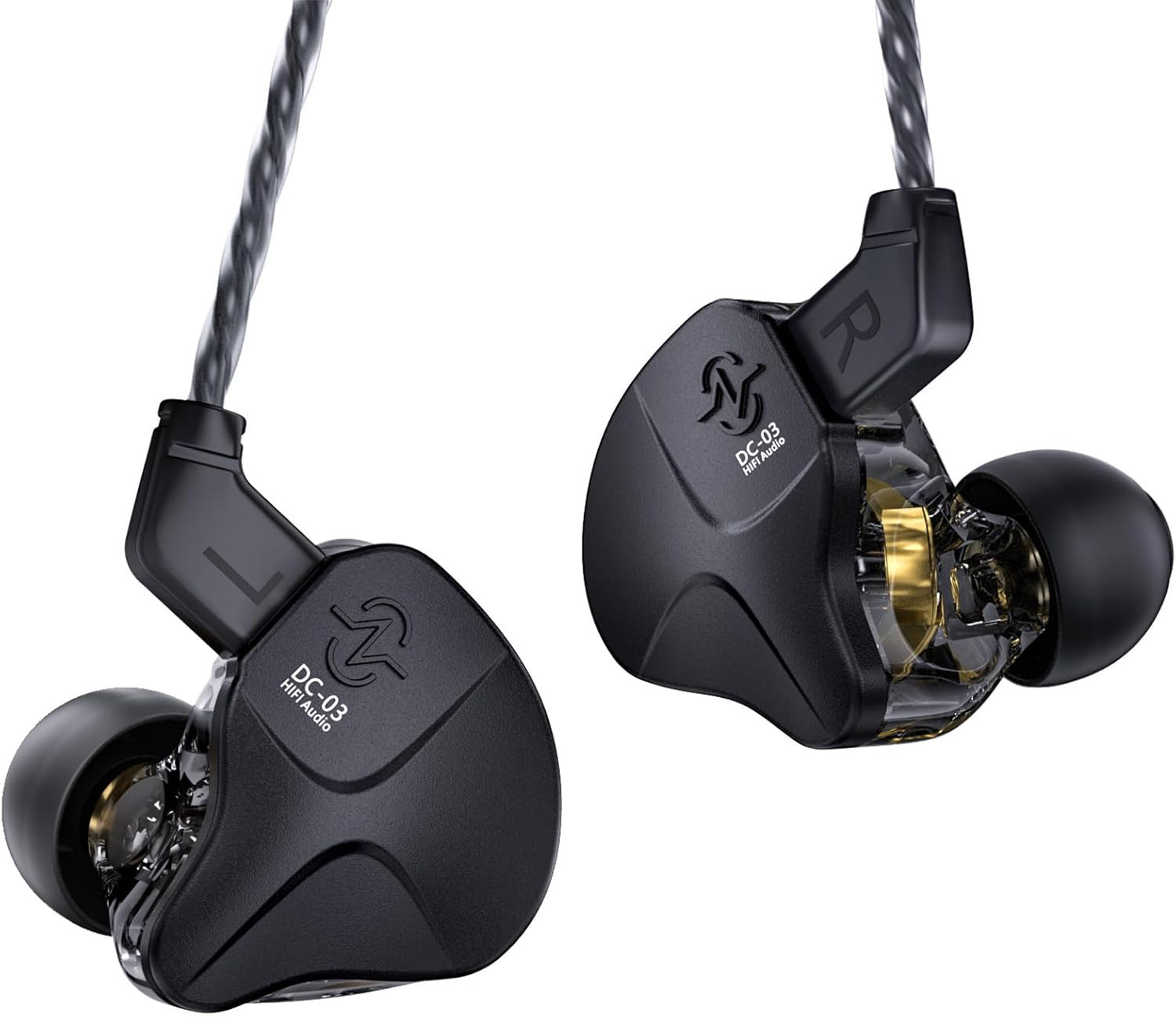 CCZ DC03 in Ear Monitor Headphones, IEMs for Gaming, Deep Bass Sound Wired Earbu$24.79Last checked Nov 19, 2026View on eBay
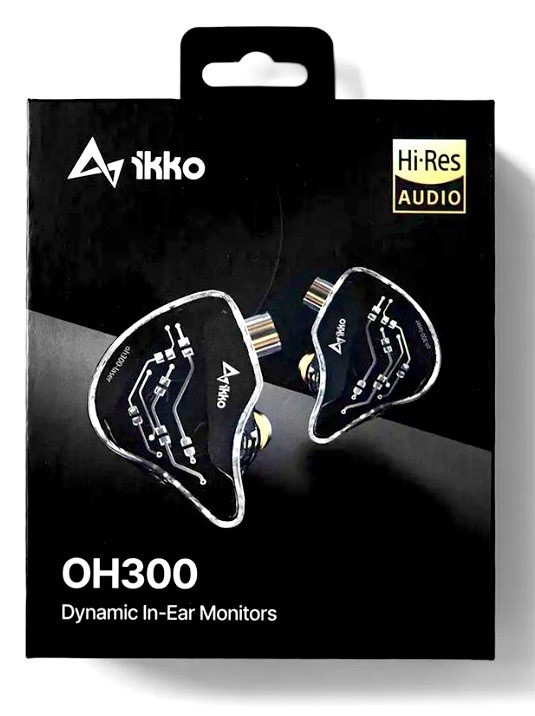 iKKO Lumina OH300 In-Ear Monitors IEM Wired Audiophile Earphones Headphones$39.99View on eBay
 Moondrop LAN II In-Ear Monitors IEM Earphones$50.00View on eBay
 Bsinger PRO in-Ear Monitors Hybrid Dynamic Dual Drivers Two Detachable MMCX C...$97.19View on eBay
 Bsinger PRO in-Ear Monitors Hybrid Dynamic Dual Drivers Two Detachable MMCX C...$97.98View on eBay
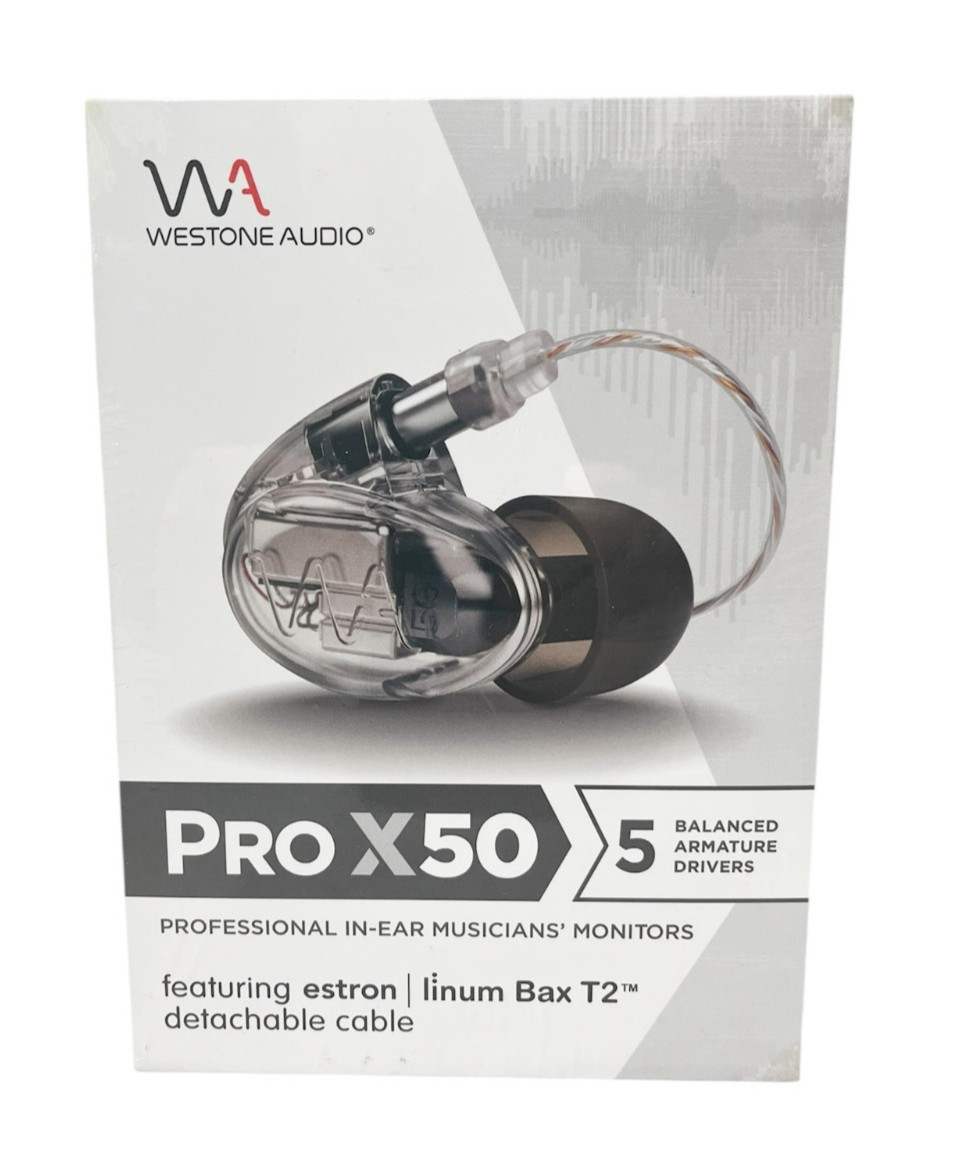 Westone Audio Pro X50 Earphones Five-Driver Noise Isolating In-Ear Monitor Wired$395.00Last checked Nov 14, 2026View on eBay
Highlights
- Driver topology splits the market: single dynamic (Moondrop LAN II class) gives phase-coherent bass-to-treble; hybrid 1DD+7BA (KZ ZAR class) adds detail but needs a clean low-impedance source.
- Nozzle diameter and tip bore control isolation and fit: narrow nozzles (about 4.5-5.5mm) suit deep-canal sealing, wider nozzles (6mm+) favor shallow-fit comfort and need foam or wide-bore tips.
- Sensitivity and impedance set the source requirement: high-sensitivity multi-BA sets run loud from a phone dongle, while low-impedance hybrid sets expose hiss and need an amp or DAC with under 1 ohm output impedance.
Best use cases
- Vocalists and worship/stage performers: choose a sealed multi-driver or single-DD IEM with detachable cable and at least 20dB passive isolation, plus a custom or foam tip; skip open-back or vented bass-heavy models that leak and muddy the vocal band.
- Gaming and positional audio: pick a hybrid with a controlled treble lift and 2-pin cable for mic-cable swaps; skip bass-cannon single-DD sets that mask footsteps at 2-4kHz.
- Critical/audiophile listening: select a coherent single-DD or well-crossed-over hybrid with published frequency response; skip unknown white-label multi-BA sets with no crossover or impedance spec.
- Commuting and noisy transit: prioritize deep-fit narrow-nozzle models with foam tips and a braided detachable cable; skip metal-shell shallow-fit designs that break seal with jaw movement.
Buying tips
- Match source output impedance: keep amp/DAC output under 1 ohm for low-impedance (under 32 ohm) hybrids, since higher output impedance shifts multi-BA crossover tuning and boosts bass.
- Check connector gender before buying cables: 0.78mm 2-pin comes in straight and recessed/QDC variants, and MMCX is not interchangeable with 2-pin without an adapter.
- For vocal monitoring, target a mid-forward tuning with a 2-5kHz presence region; for bass music, target sub-bass extension below 40Hz with a mild 200-500Hz dip.
Specs
| Driver Config | Single DD / Hybrid 1DD+BA / Multi-BA |
|---|---|
| Cable Connector | 0.78mm 2-pin / MMCX / Fixed |
| Impedance | 16-32 ohm (low) / 32-64 ohm (mid) |
| Passive Isolation | 20-30dB with sealed foam tips |
Related searches
What to check before buying
- Measure your ear canal fit: most IEM nozzles are 4.5-6.5mm, and tip sizes S/M/L change insertion depth and isolation more than shell shape does.
- Confirm your source: a phone dongle handles high-sensitivity sets, but low-impedance hybrids need a dedicated DAC/amp to avoid hiss and tuning shift.
- Verify connector type and cable orientation (2-pin polarity, MMCX) before adding upgrade or mic cables.
- Check shell material and weight: metal shells isolate better but can be cold and heavy; resin shells are lighter for long sessions.
FAQ
Data sources: eBay / Amazon listings and product attribute feeds. Updated Nov 27, 2026.
Some links on this page are affiliate links. If you buy after clicking one, we may earn a commission at no extra cost to you. This does not change which products appear here or their order. Affiliate disclosure.