
Photos from current listings. Actual item, color, and included accessories may vary.
In Ear Headset With Mic Buying Guide
An in-ear headset with mic is a wired or wireless earbud system with an integrated microphone for calls, gaming, or voice commands, where the primary trade-off is microphone clarity and connection stability versus comfort and isolation. Durable options use Bluetooth 5.0+ or USB-C wired digital audio, metal-reinforced housings, and IPX4+ sweat resistance; compromises rely on outdated Bluetooth 4.x, plastic-only shells, and vague 'noise canceling' claims without a dedicated mic array.
Median $33.99
Key takeaways
- Bluetooth version dictates call stability and battery: v5.0+ reduces dropouts and supports lower-latency codecs; v4.1/v4.2 models often suffer 2–3× higher power draw and weaker mic links.
- Microphone quality hinges on array count and DSP: dual-mic with cVc or ENC beamforming isolates voice; single-mic plastic neckbands pick up wind and cable noise.
- Waterproof rating must match use: IPX4 handles sweat and rain for gym/running; IPX5+ needed for heavy downpours; IPX2 or unrated fails within weeks of sweat exposure.
At a glance
- Category
- In-Ear Earphones
- Last updated
- Nov 27, 2026
Current offers
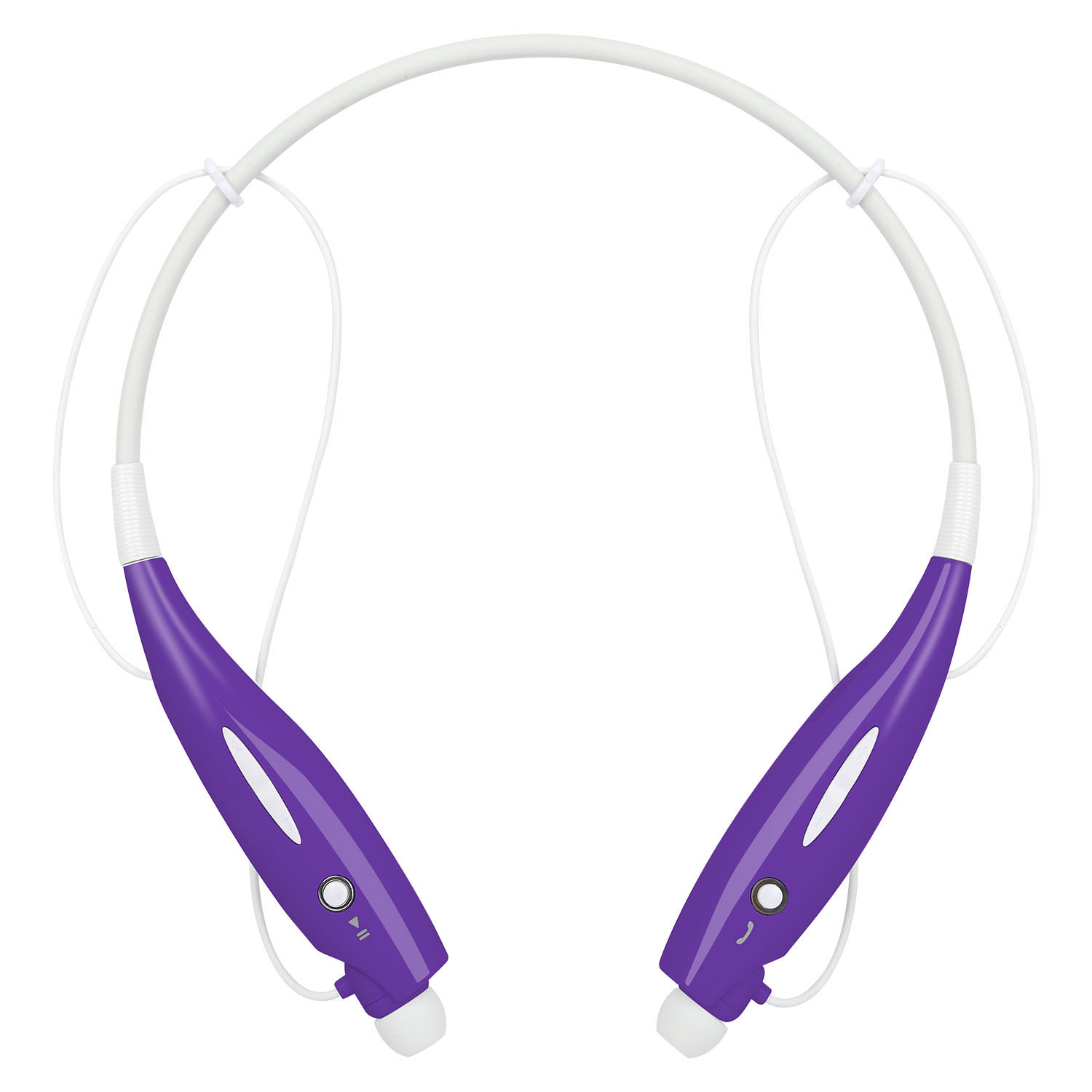 Wireless Stereo Headsets Sport Neckband Headphones In-ear Magnetic IPX4 Waterproof Earbuds With Built-in Mic Call Vibrate Alert Number Broadcast Running Gym$26.99View on Mallflare
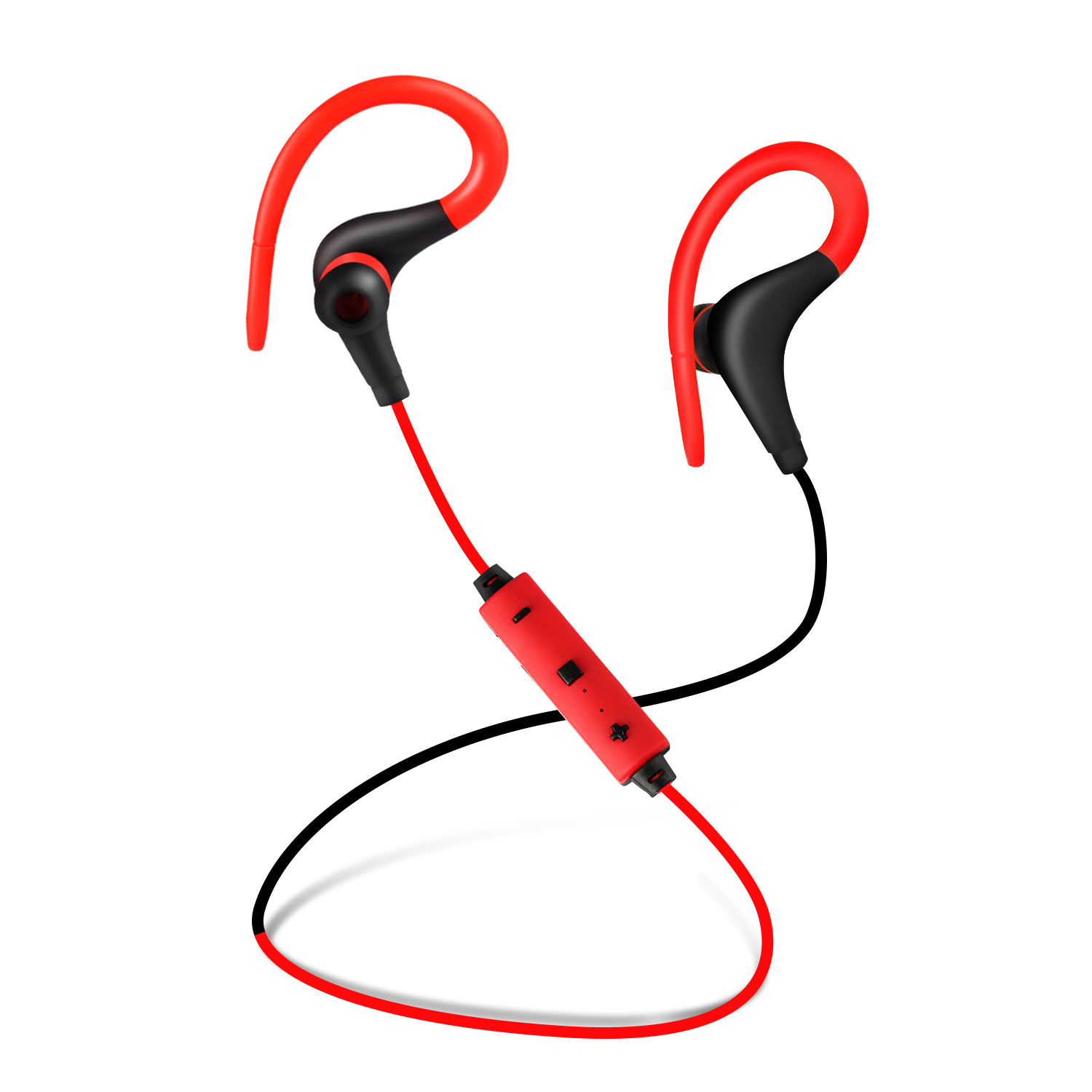 Wireless Headsets V4.1 Sport In Ear Stereo Headphones Sweatproof Noise Canceling Earphones Back Headphone With Mic Handsfree For Running Hiking Travel$29.99View on Mallflare
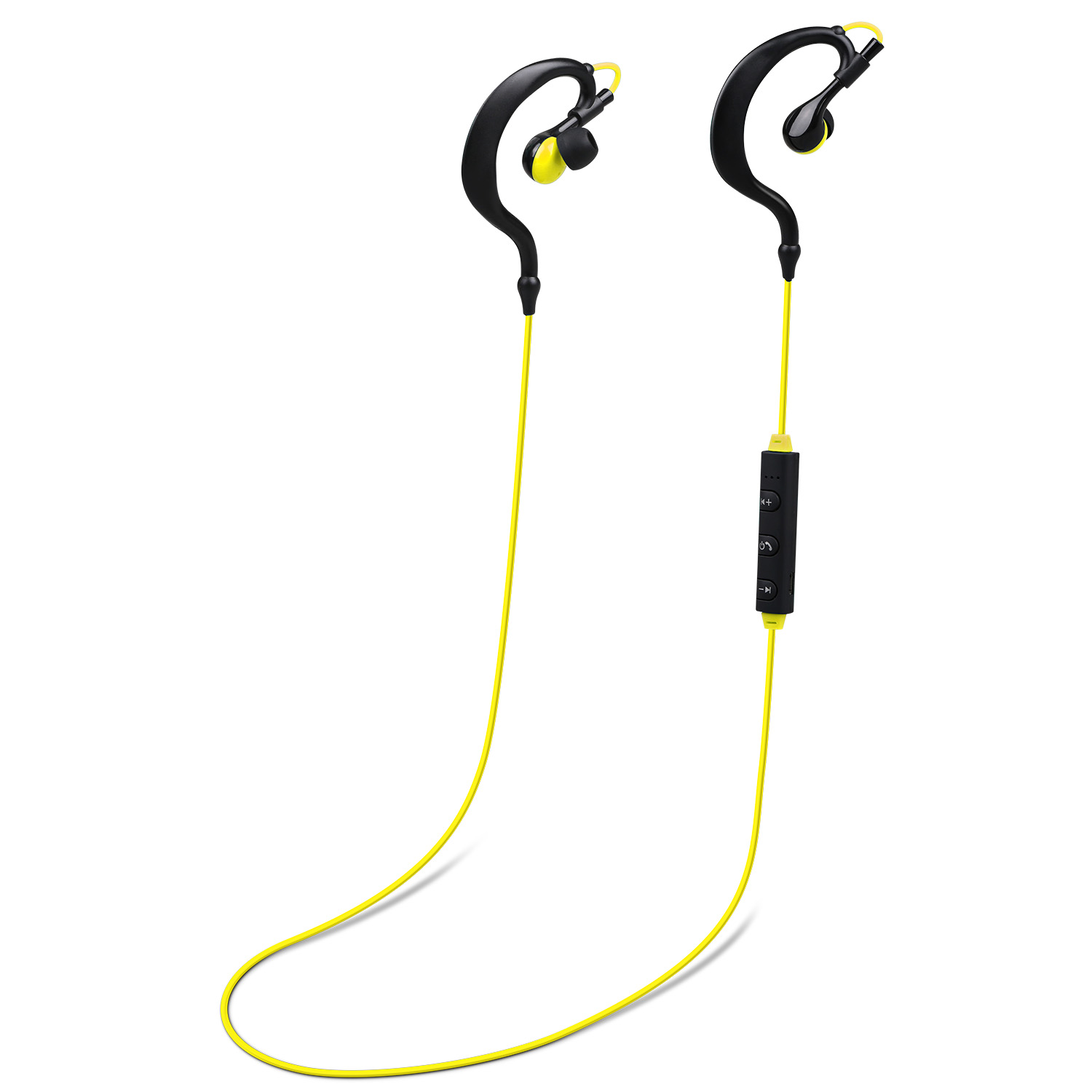 Wireless Headsets V4.1 Sport In-Ear Stereo Headphones Sweat-proof Neckband Earbuds With Mic Deep Bass HiFi Earphones For Running Hiking Travel$30.99View on Mallflare
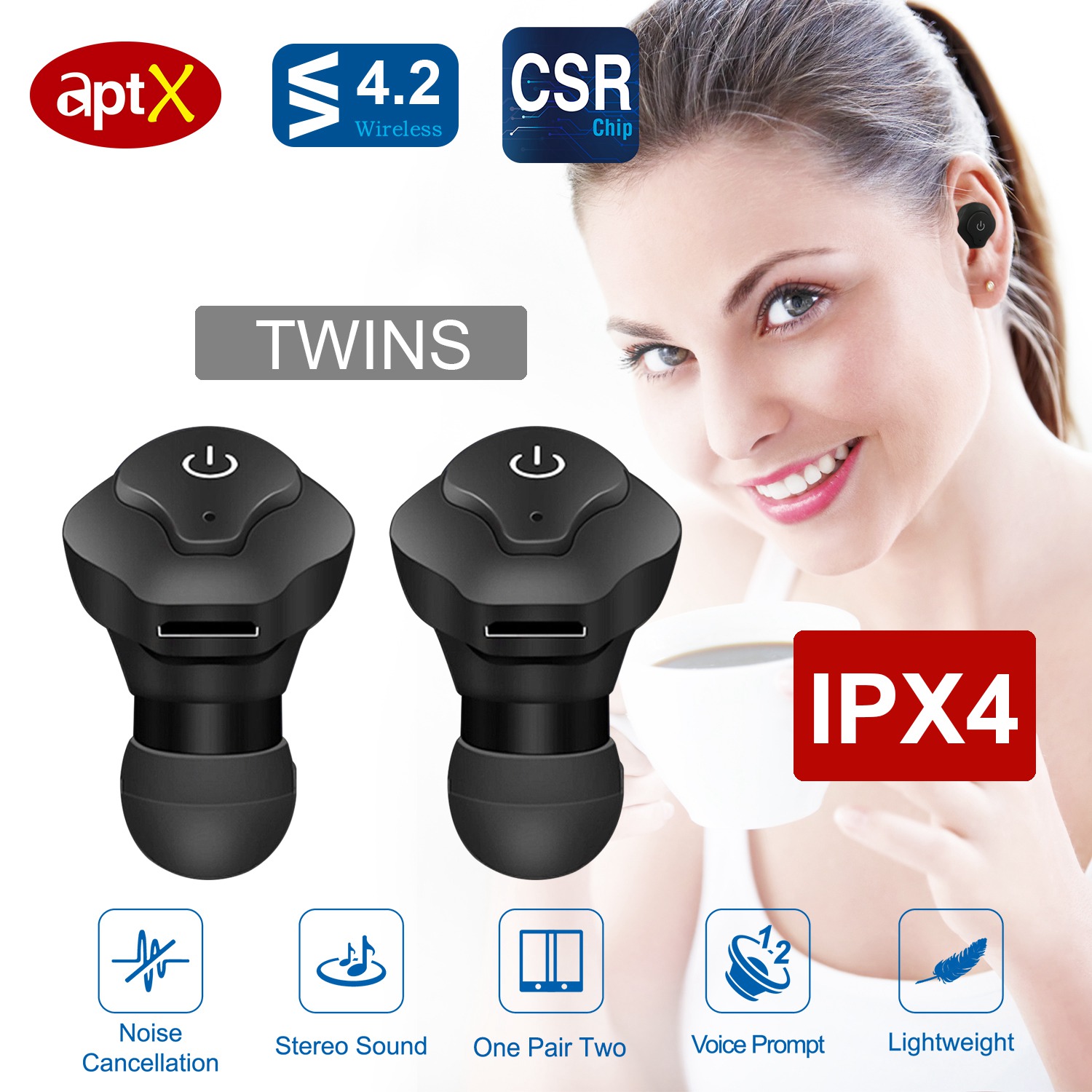 1 Pair True Wireless Earbuds CSR V4.2 In-ear Stereo Headsets IP44 Waterproof Apt-X TWS Headphones Noise Cancelling With Mic For Business Driving Walking$36.99View on Mallflare
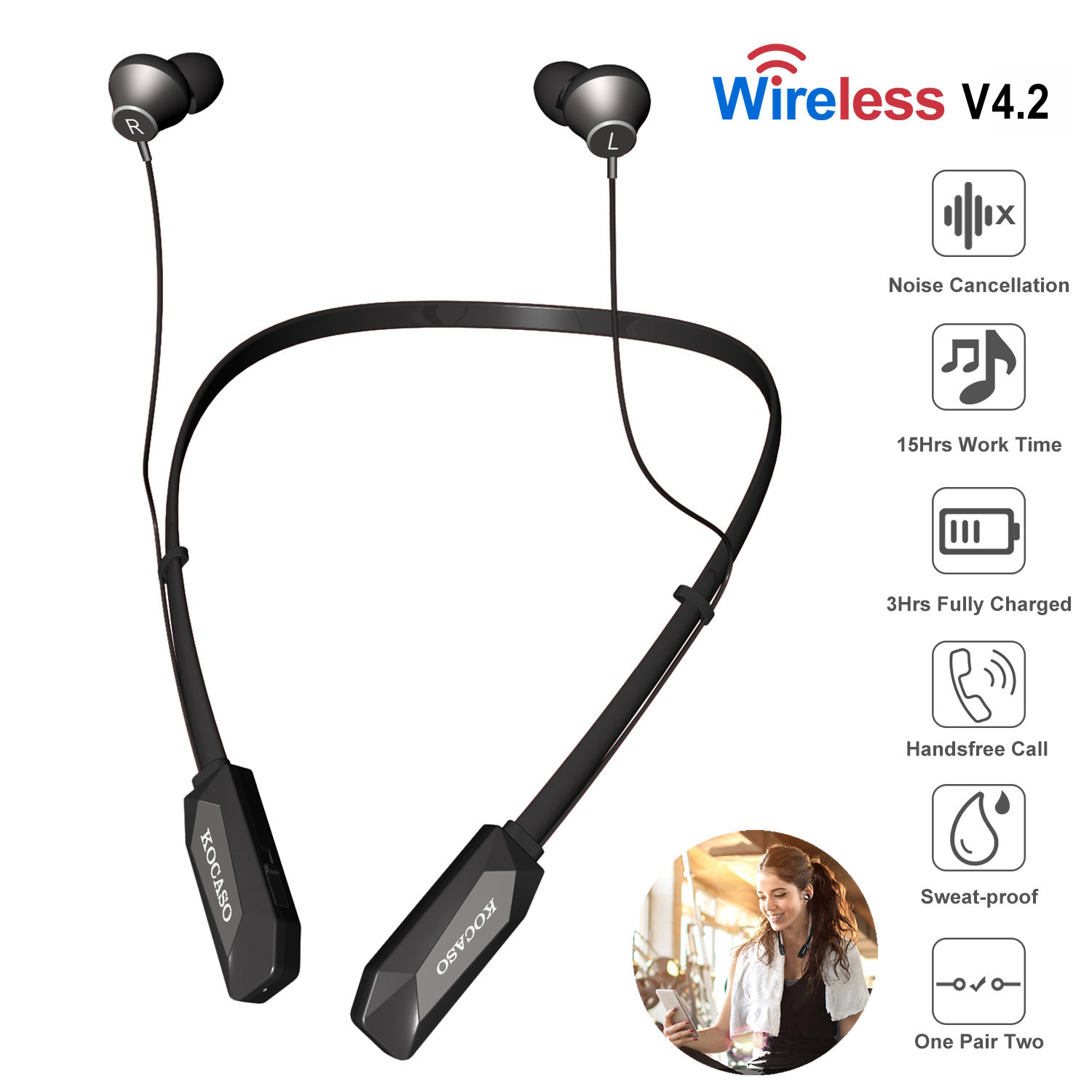 Black-Red Color Options -- 1Pc Wireless Neckband Headphones V4.2 Sweat-proof Sport Headsets Earbuds In-Ear Magnetic Neckbands Stereo Earphone Deep Bass With Mic 15Hrs Work Running Hiking$40.99View on Mallflare
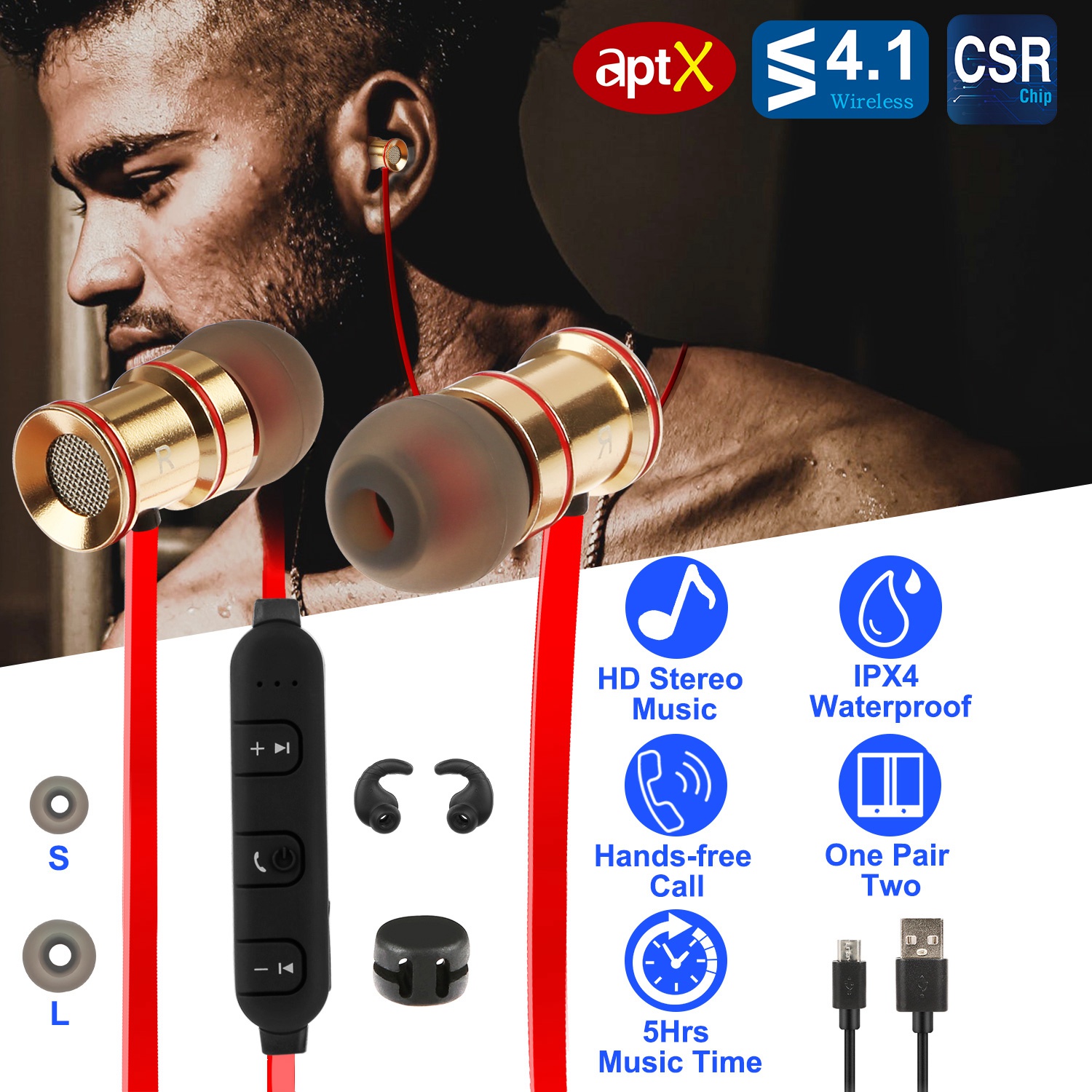 Sport Headsets Wireless V4.1 In-Ear Stereo Headphones Sweat-proof Running Earphones With Mic Hands-free$44.99View on Mallflare
Highlights
- Bluetooth version dictates call stability and battery: v5.0+ reduces dropouts and supports lower-latency codecs; v4.1/v4.2 models often suffer 2–3× higher power draw and weaker mic links.
- Microphone quality hinges on array count and DSP: dual-mic with cVc or ENC beamforming isolates voice; single-mic plastic neckbands pick up wind and cable noise.
- Waterproof rating must match use: IPX4 handles sweat and rain for gym/running; IPX5+ needed for heavy downpours; IPX2 or unrated fails within weeks of sweat exposure.
- Housing material affects durability and fit: metal nozzles and reinforced strain reliefs survive daily pocket stress; all-plastic neckbands crack at the cable joint within 6–12 months.
Best use cases
- Best fit for gym and running: pick a neckband or sport earbud with IPX4+ and Bluetooth 5.0+, magnetic earbuds, and a dual-mic array; skip true-wireless if you fear losing buds.
- Best fit for all-day calls and office: choose a wired USB-C or 3.5 mm headset with an inline DSP mic and metal housing; skip neckbands with call-alert gimmicks that add bulk.
- Best fit for gaming and low-latency: select a wired in-ear with a detachable boom mic or a 2.4 GHz dongle model; avoid Bluetooth 4.x TWS, which adds 150–300 ms lag.
- Wrong fit for critical calls in wind: any single-mic plastic neckband without ENC; step up to dual-mic DSP or a wired headset with a foam windscreen.
Buying tips
- Match Bluetooth generation to use: v5.0+ for calls and video; v4.1/v4.2 only for casual music where latency and mic dropouts are acceptable.
- Check the mic spec, not 'noise canceling': look for dual-mic ENC/cVc or a boom mic; passive 'noise canceling' on cheap neckbands only muffles music, not background.
- Verify IP rating against your sweat rate: IPX4 is the minimum for gym; runners in humid climates should demand IPX5 and a hydrophobic mesh filter.
- Prefer metal nozzle or reinforced strain relief at the cable joint; all-plastic neckbands fail at the bend point first—look for TPE or nylon-braided cable.
Specs
| Connection | Bluetooth 5.0+ / USB-C / 3.5 mm |
|---|---|
| Mic System | Dual-mic ENC / boom / inline DSP |
| Waterproof | IPX4 gym min / IPX5+ outdoor |
| Fit Style | Neckband / TWS / wired in-ear |
Related searches
What to check before buying
- Measure your ear canal opening: most in-ears fit 9–12 mm nozzles; narrow canals need small triple-flange or foam tips to avoid pressure pain.
- Confirm your phone's audio port: USB-C digital headsets need DAC support; 3.5 mm requires an adapter on portless phones—check before choosing wired.
- Verify Bluetooth codec support on both ends: aptX/LDAC require matching phone and earbud; SBC/AAC is universal but higher latency for gaming.
- Check neckband circumference and weight: under 30 g and flexible silicone neckbands stay put during runs; rigid or heavy bands bounce and pull earbuds out.
FAQ
Data sources: eBay / Amazon listings and product attribute feeds. Updated Nov 27, 2026.
Some links on this page are affiliate links. If you buy after clicking one, we may earn a commission at no extra cost to you. This does not change which products appear here or their order. Affiliate disclosure.