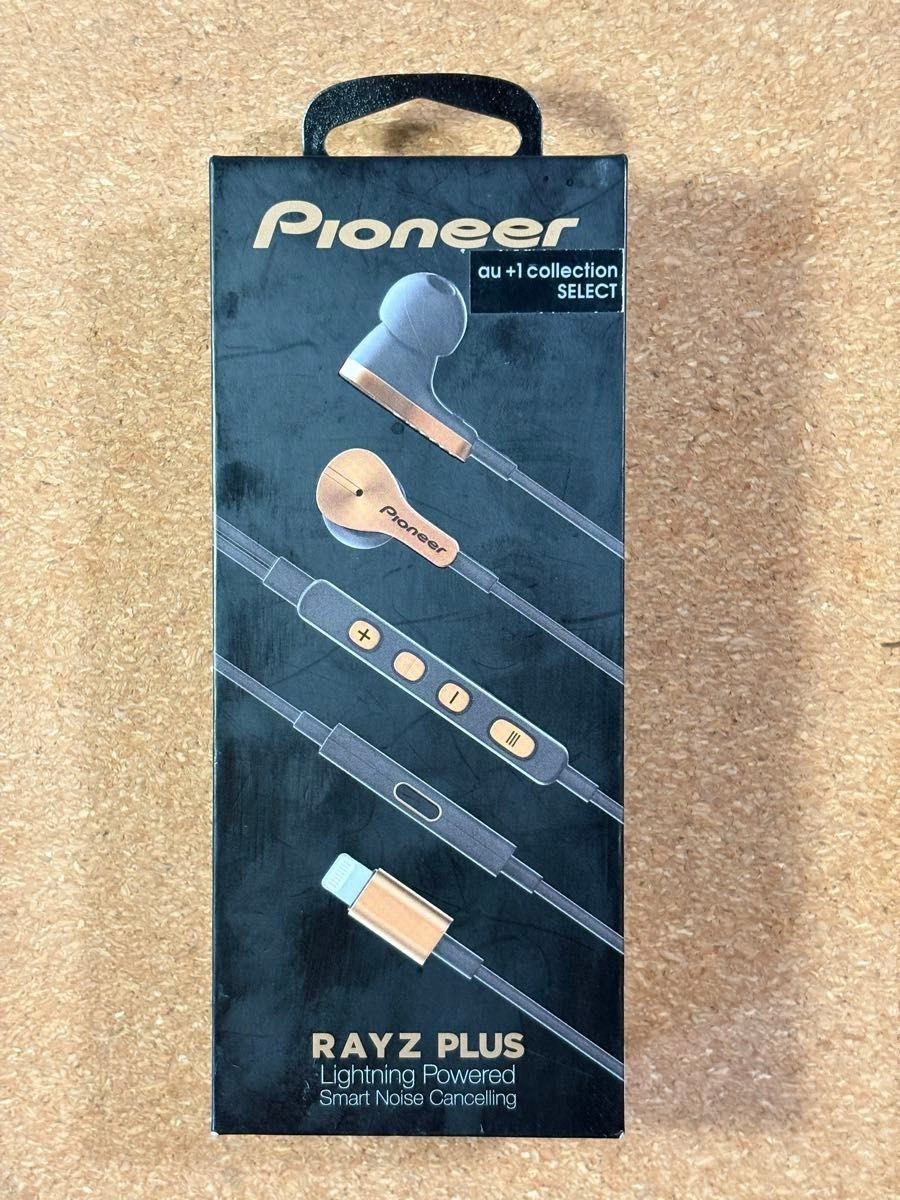

Photos from current listings. Actual item, color, and included accessories may vary.
Earphone With Lightning Connector Buying Guide
Lightning-connector earphones are wired in-ear models that plug directly into Apple devices with a Lightning port, bypassing the headphone jack entirely. The core trade-off is between MFi-certified DAC/amp modules for clean audio and budget inline chips that add hiss or fail after iOS updates. The decision rule: buy only MFi-certified models with a dedicated DAC chip and reinforced strain relief at the connector, and skip uncertified white-label units that rely on passive analog passthrough.
Key takeaways
- MFi certification requires an Apple-authenticated Lightning module with a built-in DAC; uncertified cables often trigger 'This accessory is not supported' errors.
- Lightning delivers digital audio only, so the inline module must contain a DAC and amp; passive analog passthrough does not work on Lightning iPhones.
- Noise-cancelling Lightning earphones add ANC circuitry powered by the Lightning bus, typically drawing 10-30 mW and slightly reducing max volume headroom.
At a glance
- Category
- In-Ear Earphones
- Last updated
- Nov 28, 2026
Current offers
Highlights
- MFi certification requires an Apple-authenticated Lightning module with a built-in DAC; uncertified cables often trigger 'This accessory is not supported' errors.
- Lightning delivers digital audio only, so the inline module must contain a DAC and amp; passive analog passthrough does not work on Lightning iPhones.
- Noise-cancelling Lightning earphones add ANC circuitry powered by the Lightning bus, typically drawing 10-30 mW and slightly reducing max volume headroom.
- Connector durability hinges on strain relief: look for a molded TPE or nylon-braided boot at least 15 mm long to prevent flex failure at the Lightning tip.
Best use cases
- Best fit: iPhone 14 or earlier owners who want zero-latency wired audio for calls and video and will accept a tethered cable; pick an MFi-certified ANC model with inline controls.
- Wrong fit: iPhone 15/16 users with USB-C — Lightning earphones will not connect; choose a USB-C DAC dongle or USB-C earphones instead.
- Best fit: commuters and open-office users needing active noise cancellation without charging a separate Bluetooth battery; choose Lightning ANC models with a physical ANC toggle.
- Wrong fit: audiophiles chasing balanced or high-impedance loads — Lightning output caps around 1 Vrms into 16-32 ohms; skip and use a dedicated portable DAC/amp instead.
Buying tips
- Confirm MFi certification on the package or Apple's MFi accessory database; uncertified Lightning audio risks iOS compatibility breaks after updates.
- Match impedance: 16-32 ohm earphones suit the low-voltage Lightning output; avoid 64 ohm+ models that will sound thin without an external amp.
- Check the inline module size and weight — bulky ANC boxes tug on the connector; prefer modules under 20 g with a shirt clip.
- For calls, verify a dedicated inline MEMS microphone with echo cancellation; shared DAC/mic chips often produce muffled voice pickup.
Specs
| Connector | Apple Lightning (MFi required) |
|---|---|
| DAC | Inline digital DAC, 24-bit/48 kHz |
| Impedance | 16-32 ohm (Lightning-optimized) |
| Noise Cancelling | Active ANC vs passive isolation |
Related searches
What to check before buying
- Verify your device has a Lightning port (iPhone 14 and earlier, some iPads); iPhone 15 and later use USB-C and are incompatible.
- Measure ear-tip fit: most Lightning IEMs ship with silicone tips in S/M/L; confirm nozzle diameter if you plan to swap to foam tips.
- Check cable length against your use — 1.2 m suits pocket use, while desk or laptop use benefits from a 1.5 m or extension.
- Confirm the Lightning connector housing clears your phone case cutout; thick cases can block full insertion and cause connection dropouts.
FAQ
Data sources: eBay / Amazon listings and product attribute feeds. Updated Nov 28, 2026.
Some links on this page are affiliate links. If you buy after clicking one, we may earn a commission at no extra cost to you. This does not change which products appear here or their order. Affiliate disclosure.