
Photos from current listings. Actual item, color, and included accessories may vary.
Earbud With Microphone Buying Guide
Earbuds with a microphone split into two architectures: wired headsets with an inline or boom mic, and true-wireless earbuds with beamforming mic arrays. The core trade-off is mic clarity versus isolation and battery: wired units deliver reliable, latency-free voice with no charging, while wireless units add convenience but depend on DSP noise reduction and stable Bluetooth. Choose wired for calls and monitoring where voice fidelity and zero battery anxiety matter; choose wireless only if you accept charging cycles and codec-dependent latency.
Median $40.99
Key takeaways
- Wired headsets use electret condenser mics (often omnidirectional) with 3.5 mm TRRS CTIA wiring; TRS plugs lack a mic channel entirely and will not carry voice.
- True-wireless models ship with 2–6 MEMS mics and beamforming DSP; call quality depends on wind-noise reduction and Bluetooth codec (SBC/AAC baseline, aptX Voice or LC3 for clearer voice).
- Inline vs boom mic: boom mics sit closer to the mouth (2–5 cm) and reject background noise better; inline mics on the cable pick up clothing rustle and room echo.
At a glance
- Category
- In-Ear Earphones
- Last updated
- Nov 27, 2026
Current offers
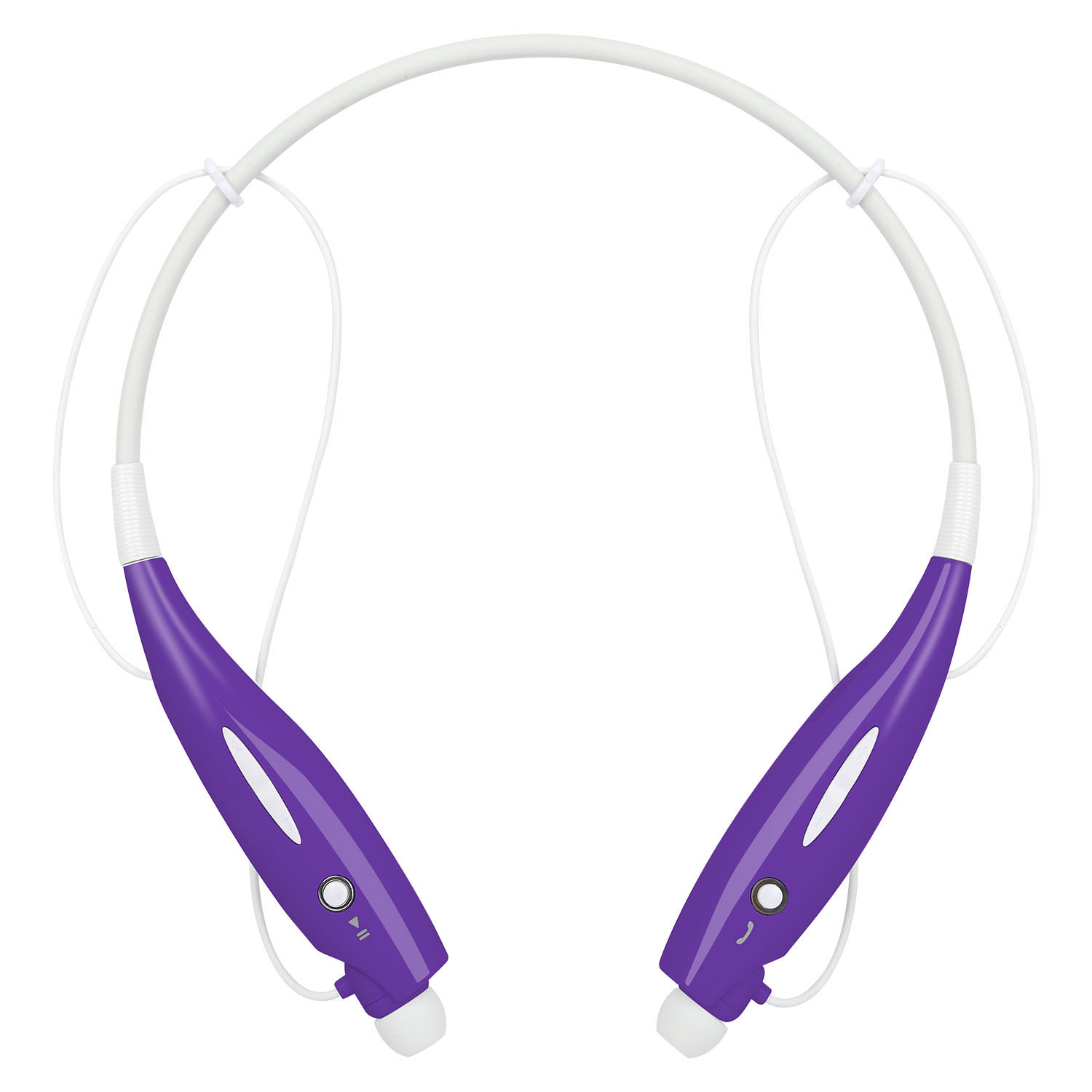 Wireless Stereo Headsets Sport Neckband Headphones In-ear Magnetic IPX4 Waterproof Earbuds With Built-in Mic Call Vibrate Alert Number Broadcast Running Gym$26.99View on Mallflare
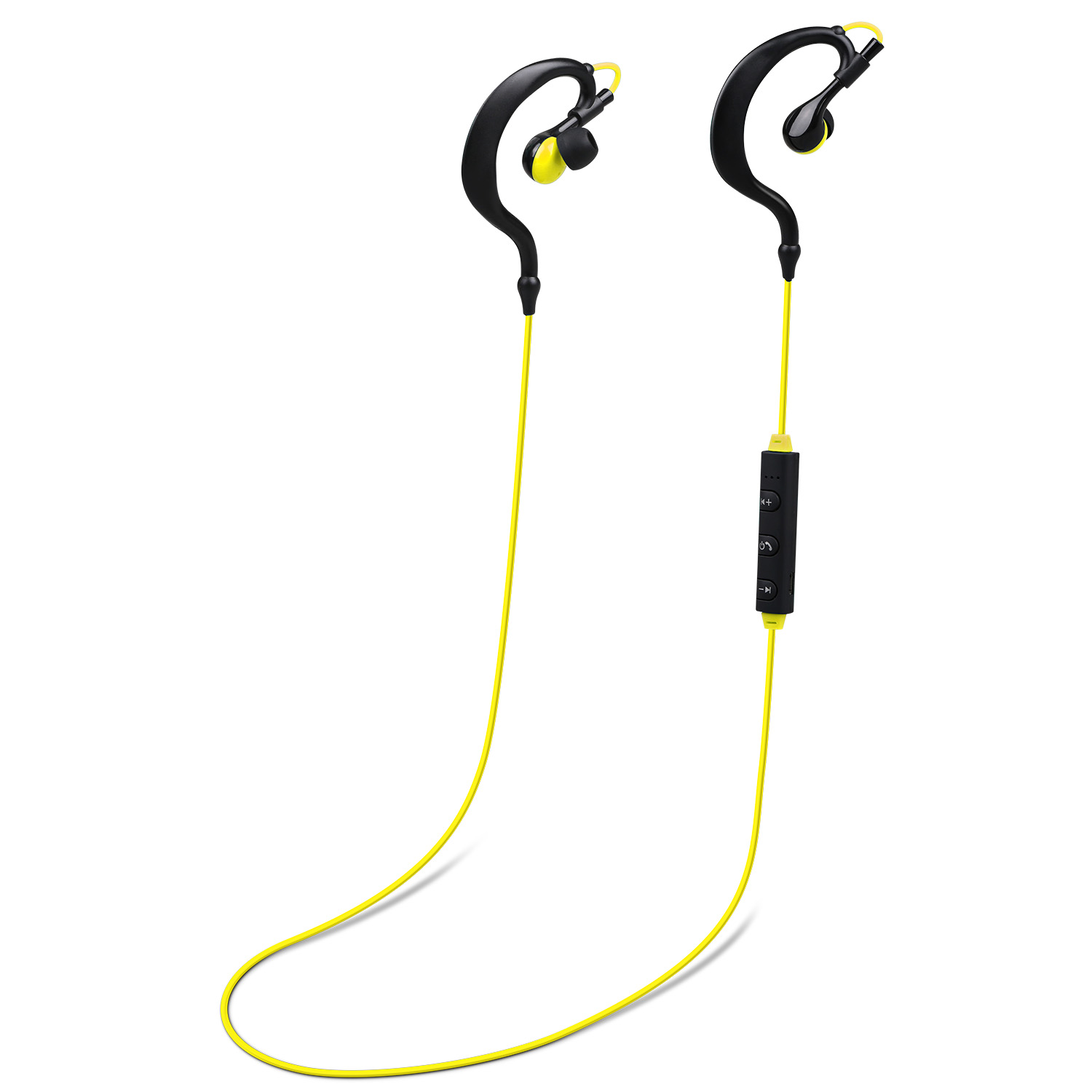 Wireless Headsets V4.1 Sport In-Ear Stereo Headphones Sweat-proof Neckband Earbuds With Mic Deep Bass HiFi Earphones For Running Hiking Travel$30.99View on Mallflare
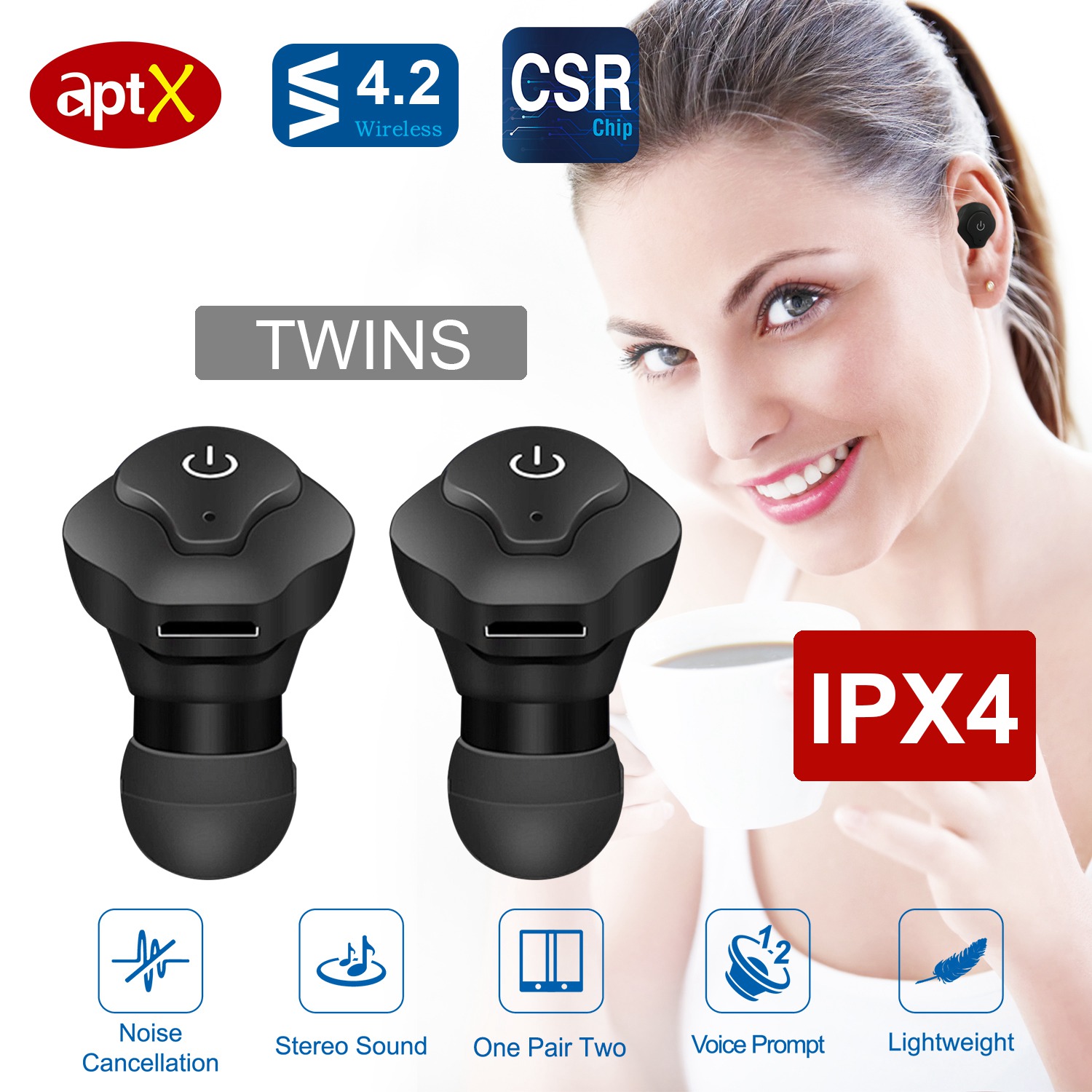 1 Pair True Wireless Earbuds CSR V4.2 In-ear Stereo Headsets IP44 Waterproof Apt-X TWS Headphones Noise Cancelling With Mic For Business Driving Walking$36.99View on Mallflare
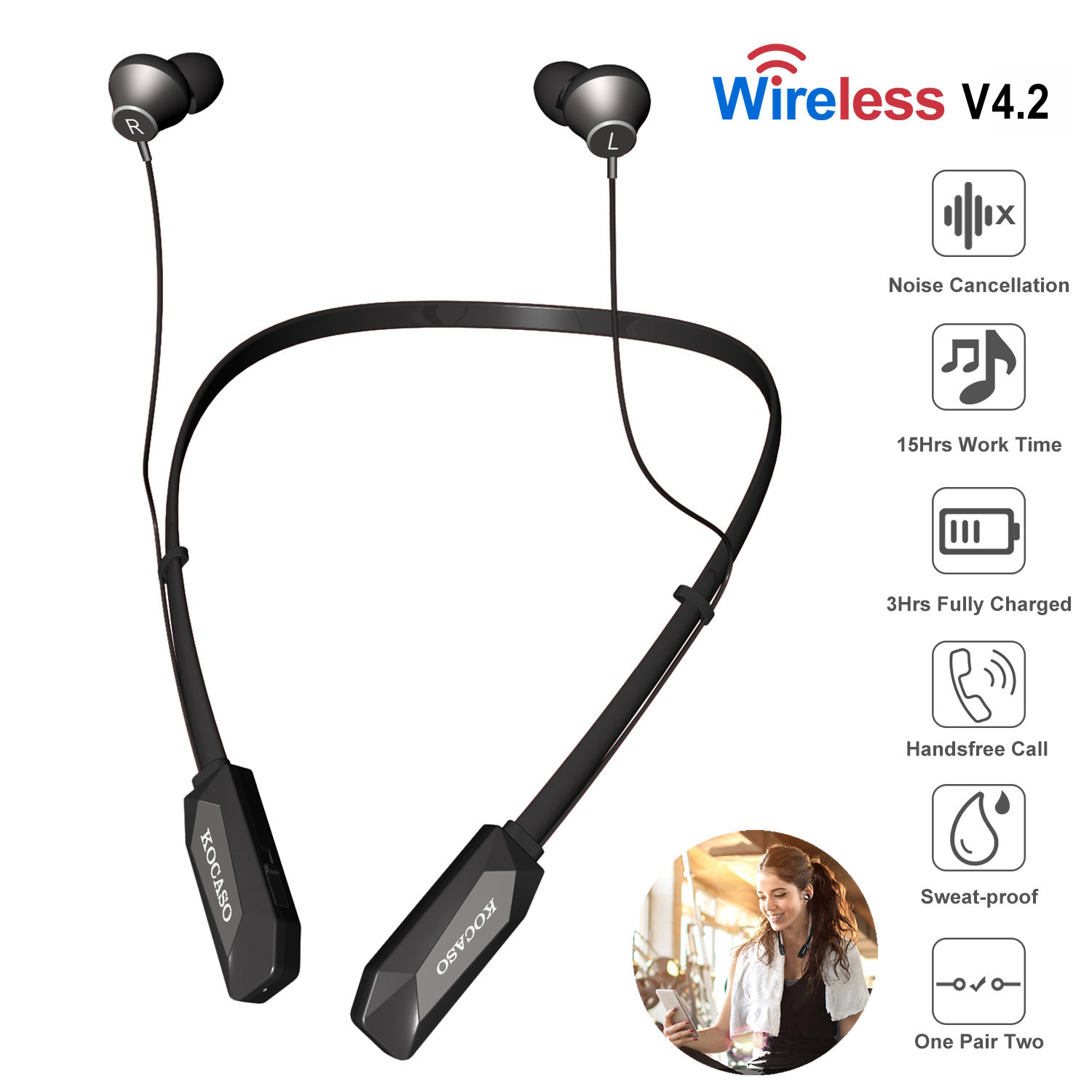 Black-Red Color Options -- 1Pc Wireless Neckband Headphones V4.2 Sweat-proof Sport Headsets Earbuds In-Ear Magnetic Neckbands Stereo Earphone Deep Bass With Mic 15Hrs Work Running Hiking$40.99View on Mallflare
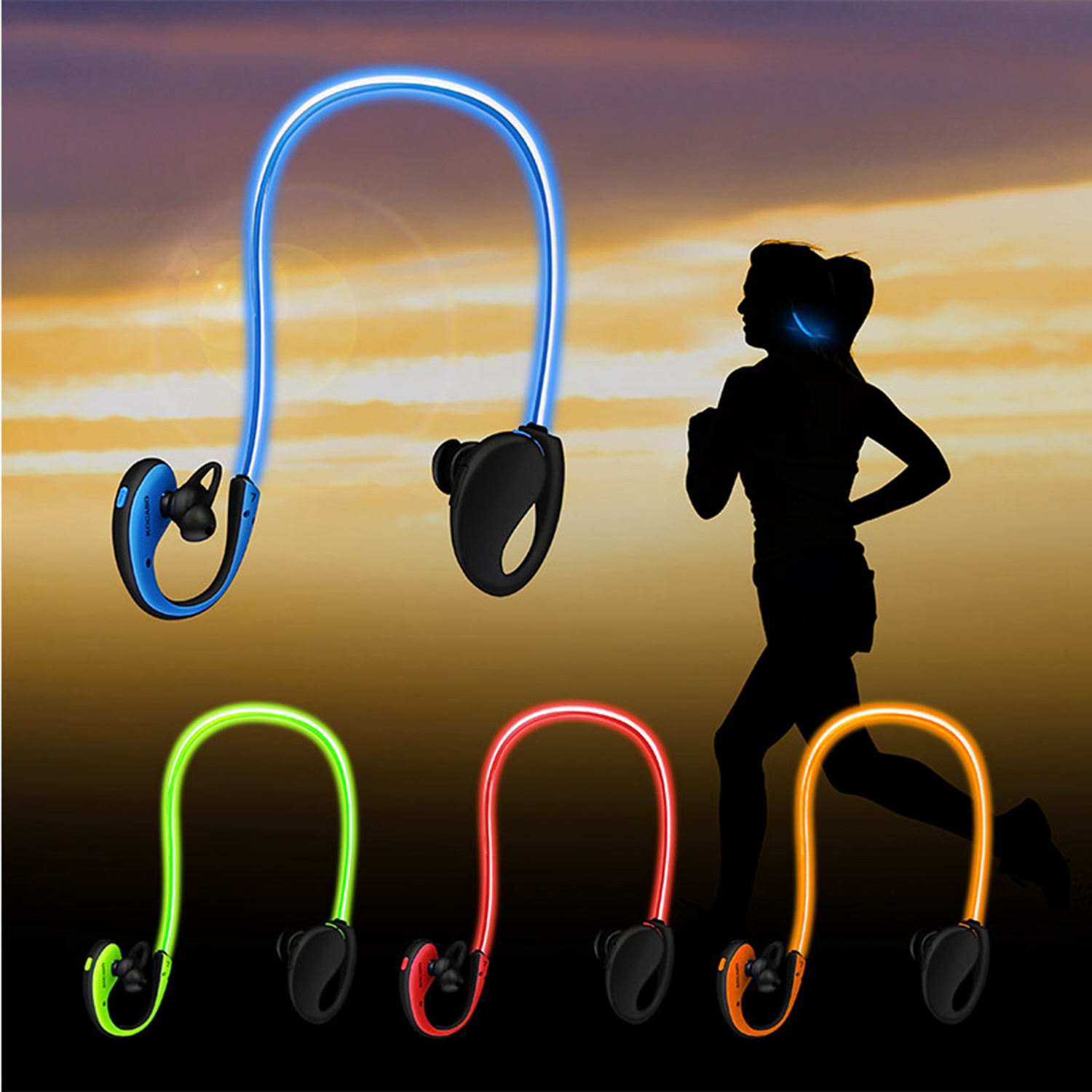 1Pc Wireless Sports Headsets V4.1 Neckband Earphones HD Stereo Sweat-proof Headphones Earbuds With LED Light Mic 8Hrs Work Running$41.99View on Mallflare
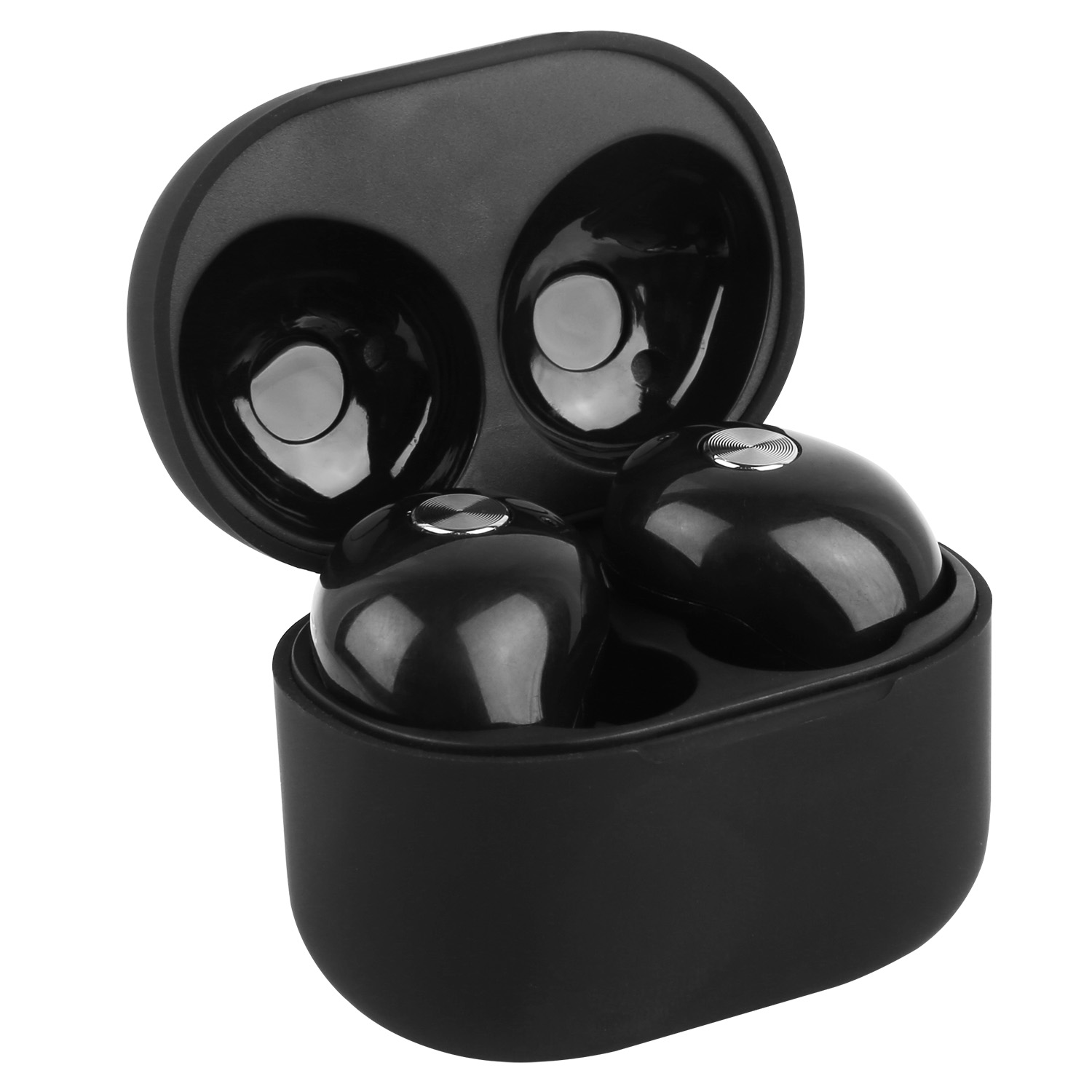 TWS True Wireless V4.2 Earbuds IPX4 In-ear Stereo Earphone Hands-free Deep Bass Earpiece With Mic Magnetic Charging Case 30Hrs Single Earbud Work Time Driving Business$56.99View on Mallflare
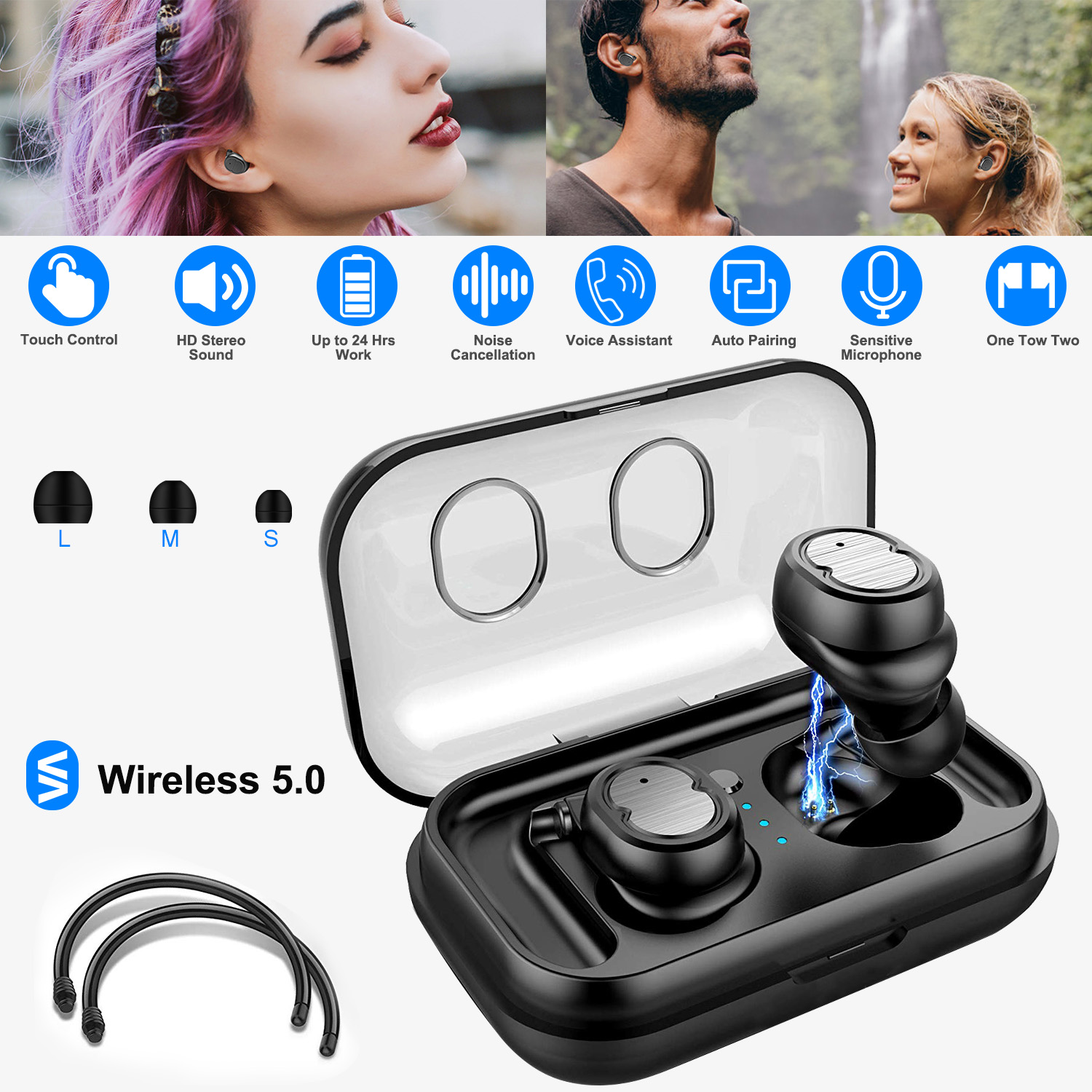 TWS Wireless 5.0 Earbuds IPX4 Touch In-Ear Stereo Earphone Noise Canceling Earpieces 32.8 Ft Transmission Range With Mic 500mAh Magnetic Charging Dock$65.99View on Mallflare
Highlights
- Wired headsets use electret condenser mics (often omnidirectional) with 3.5 mm TRRS CTIA wiring; TRS plugs lack a mic channel entirely and will not carry voice.
- True-wireless models ship with 2–6 MEMS mics and beamforming DSP; call quality depends on wind-noise reduction and Bluetooth codec (SBC/AAC baseline, aptX Voice or LC3 for clearer voice).
- Inline vs boom mic: boom mics sit closer to the mouth (2–5 cm) and reject background noise better; inline mics on the cable pick up clothing rustle and room echo.
- Bluetooth 5.2/5.3 plus multipoint pairing matters more than driver size for call reliability; USB-C charging and IPX4 sweat resistance are the practical durability floor for wireless.
Best use cases
- Best fit: remote work and video calls — pick a wired 3.5 mm TRRS headset with an inline or boom mic for zero-latency voice, or a wireless model with multipoint and aptX Voice/LC3 if you need to roam.
- Best fit: commuting and noisy streets — choose true-wireless with beamforming mics and IPX4 or better, and skip open-fit earbuds that leak background noise into calls.
- Wrong fit to skip: studio or podcast recording — consumer earbud mics are omnidirectional and unshielded; use a dedicated condenser or dynamic mic instead.
- Wrong fit to skip: gaming voice chat on PC — most earbud mics lack a boom and pick up keyboard clatter; a headset with a boom mic is the correct tool.
Buying tips
- Check the plug: 3.5 mm TRRS (4-pole, CTIA) is required for mic support; TRS (3-pole) carries audio only. USB-C earbuds need a DAC with mic passthrough, and some phones omit analog mic support.
- For wireless, insist on Bluetooth 5.2 or newer and multipoint; older 5.0 units drop connections and lack voice-assistant mic routing.
- Match mic type to environment: boom mic for calls in shared spaces, inline mic for solo use, and MEMS beamforming arrays for true-wireless on the move.
- Battery math: true-wireless call time is typically half of music time — plan on 3–5 hours of talk time per charge and a case that adds 2–3 full recharges.
Specs
| Mic Architecture | Inline / Boom / MEMS beamforming |
|---|---|
| Connector | 3.5 mm TRRS / USB-C / Bluetooth |
| Bluetooth Version | 5.0 legacy / 5.2–5.3 modern |
| IP Rating | IPX4 sweat / IPX5+ rain |
Related searches
What to check before buying
- Confirm your device's jack: 3.5 mm TRRS combo, separate 3.5 mm mic/headphone ports (needs a splitter), or USB-C with analog audio support.
- Measure cable run: wired headsets range 1.0–1.5 m; shorter cables tangle at a desk, longer ones snag on chair arms.
- Check Bluetooth codec support on both phone and earbuds (SBC/AAC universal; aptX Voice, LC3, or LDAC for higher quality) before expecting clear calls.
- Verify IP rating for your climate: IPX4 handles sweat and light rain; IPX5+ is needed for heavy rain or gym use, and no earbud is waterproof for swimming.
FAQ
Data sources: eBay / Amazon listings and product attribute feeds. Updated Nov 27, 2026.
Some links on this page are affiliate links. If you buy after clicking one, we may earn a commission at no extra cost to you. This does not change which products appear here or their order. Affiliate disclosure.