
Photos from current listings. Actual item, color, and included accessories may vary.
Earbud Wireless Buying Guide
Wireless earbuds span true-wireless (TWS) and neckband designs that trade cable-free convenience against battery life, fit security, and codec support. The core engineering decision is Bluetooth generation and driver/codec architecture: Bluetooth 5.0+ with AAC/SBC is the durability floor, while LDAC and ANC define the premium tier. Buy TWS only if pocketability matters more than runtime; otherwise a neckband delivers double the battery at half the failure points.
Median $42.99 · New & pre-owned listings
Key takeaways
- Bluetooth 5.2/5.3 adds LE Audio and multipoint stability; Bluetooth 4.1 neckbands are legacy and prone to dropouts and pairing lag.
- IPX4 handles sweat and light rain; IPX5+ is required for heavy gym use or outdoor running in wet climates.
- LDAC transmits at up to 990 kbps for near-lossless audio; SBC/AAC cap around 328/256 kbps and suit casual listening only.
At a glance
- Category
- In-Ear Earphones
- Last updated
- Nov 28, 2026
Current offers
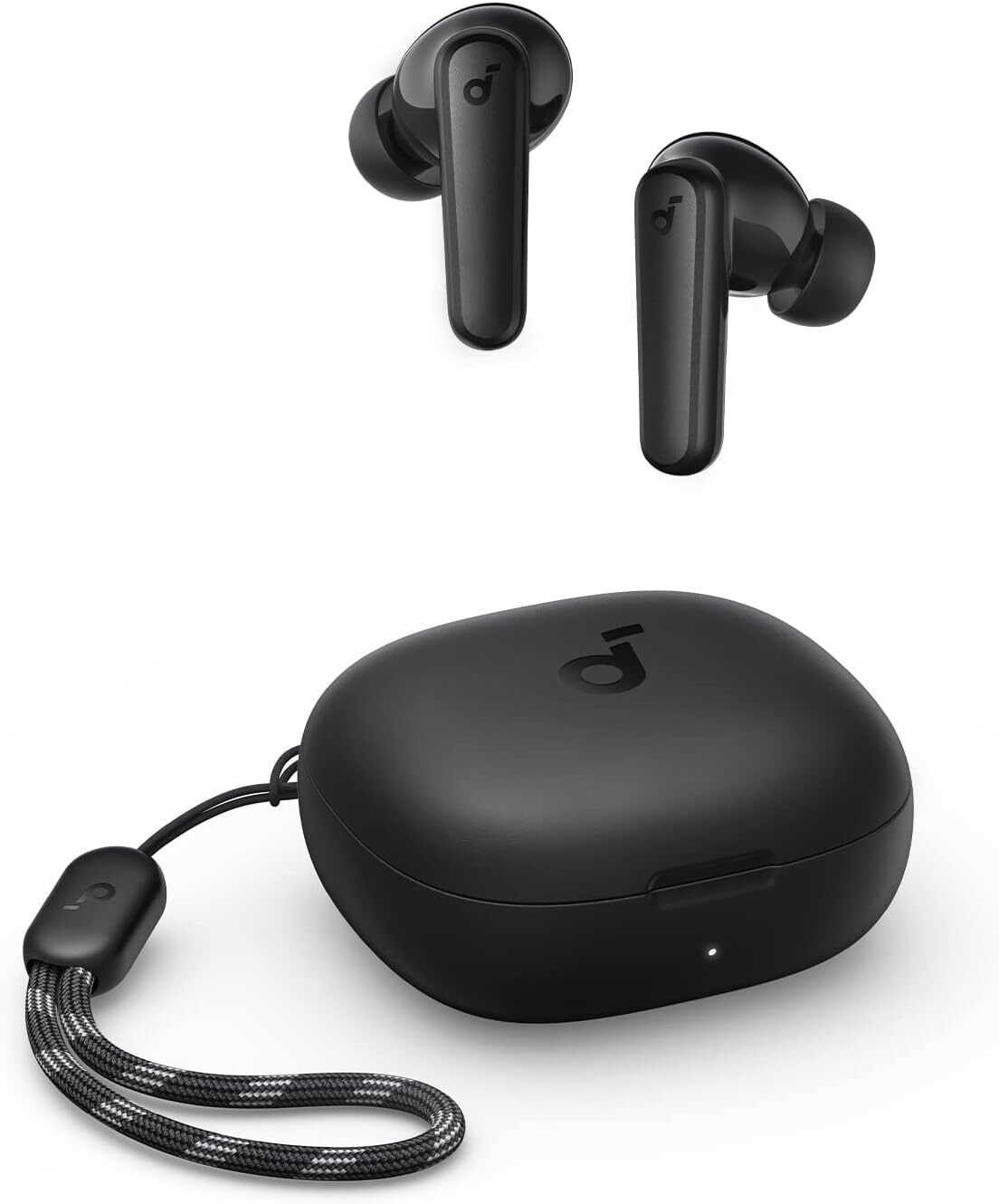 Soundcore P20i True Wireless Earbuds Big Bass Bluetooth Headphones 30H Playtime$19.92Last checked Nov 21, 2026View on eBay
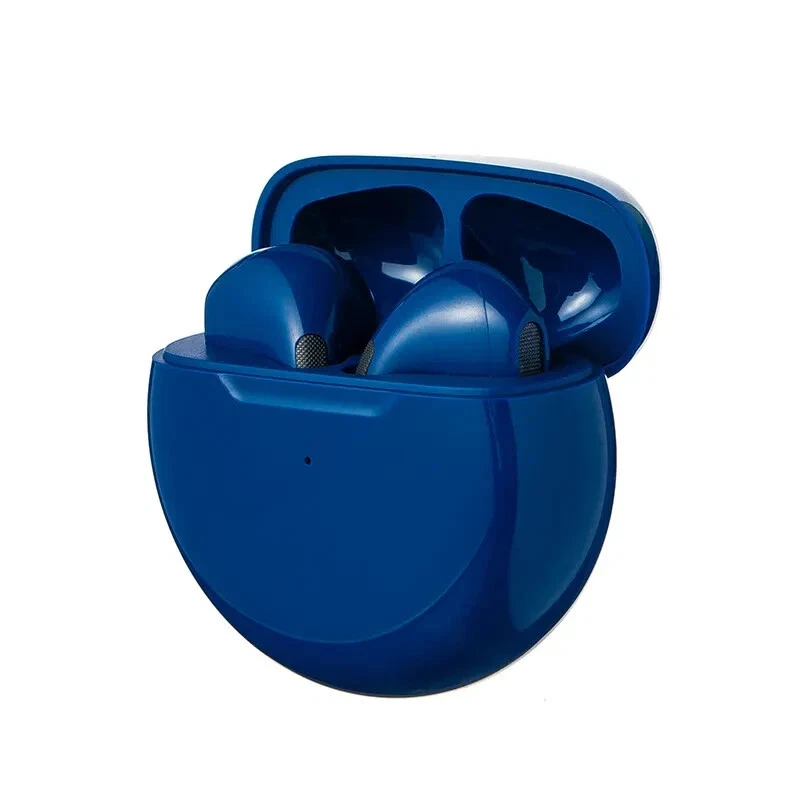 (blue)Air Pro 6 TWS Headphones Headset EarPhone Wireless Bluetooth Mini EarBuds HD$19.99View on Mallflare
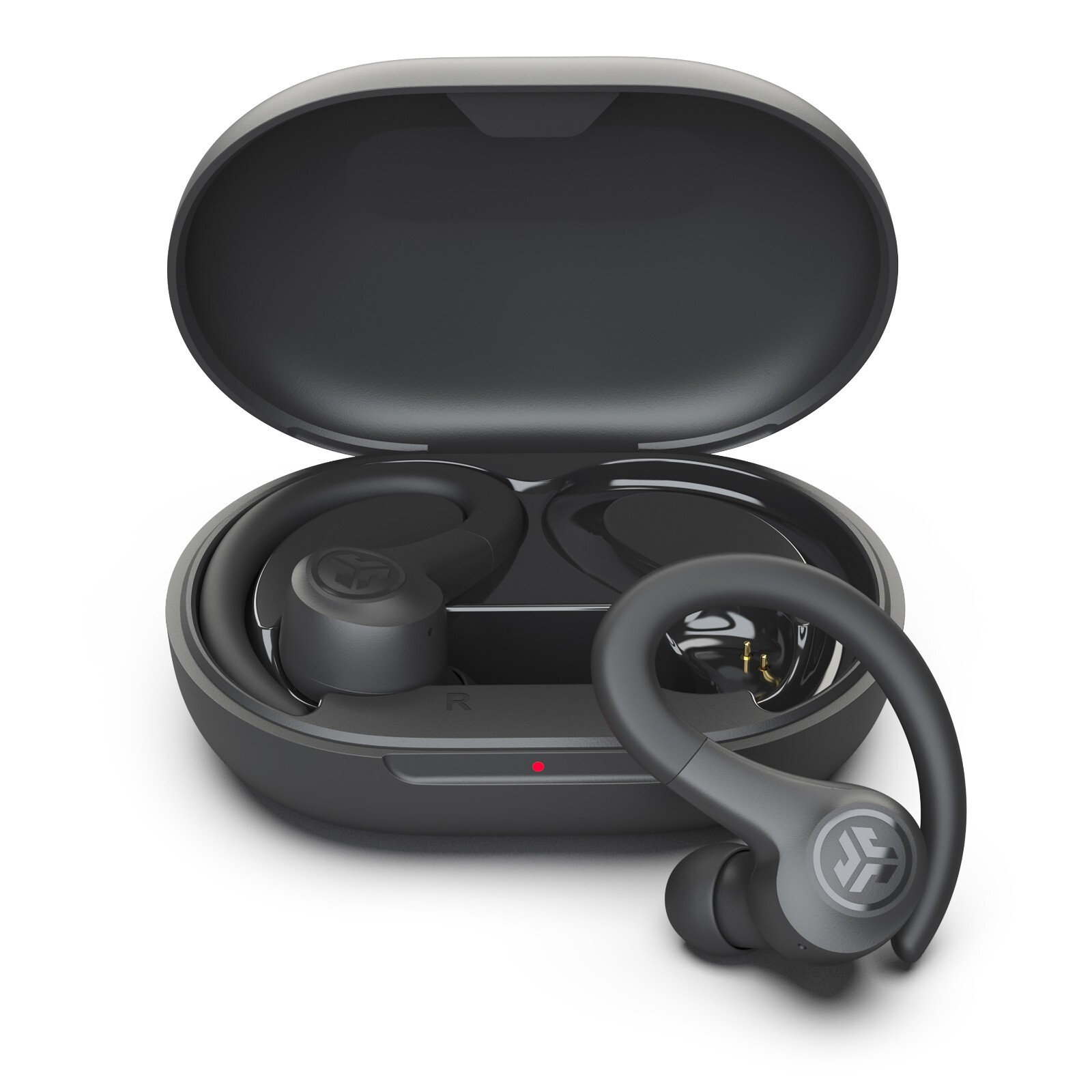 JLab GO Sport+ True Wireless Earbuds, Gym & Work Out Running Headphones, NEW$31.99Last checked Nov 21, 2026View on eBay
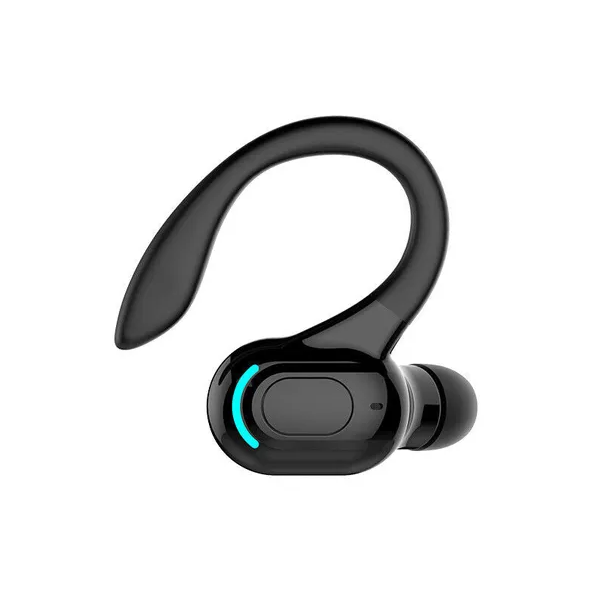 New Bluetooth 5.1 Headset Wireless Earbuds Earphones Stereo Headphones Ear Hook$20.99View on Mallflare
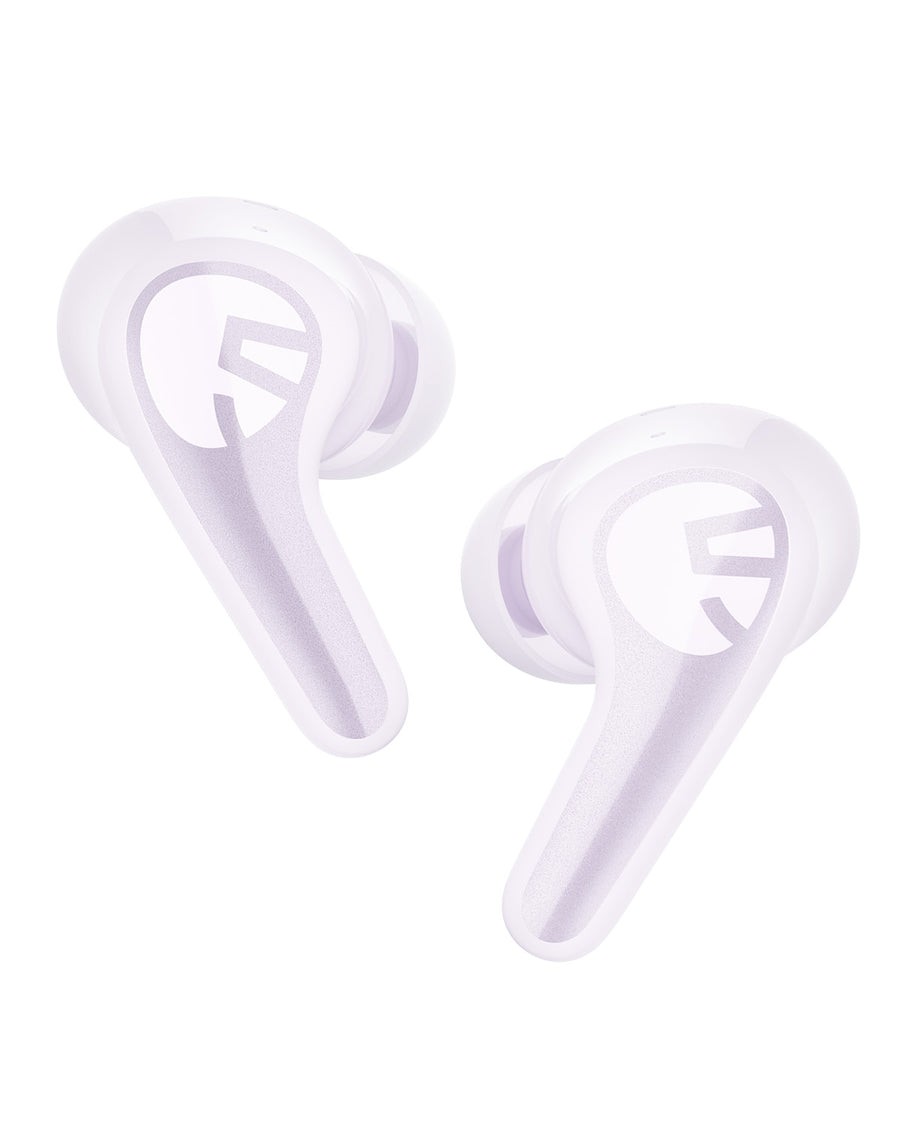 SOUNDPEATS C30 Wireless Earbuds -52dB Hybrid ANC Bluetooth 6.0 Headphones Hi-Res$39.00Last checked Nov 20, 2026View on eBay
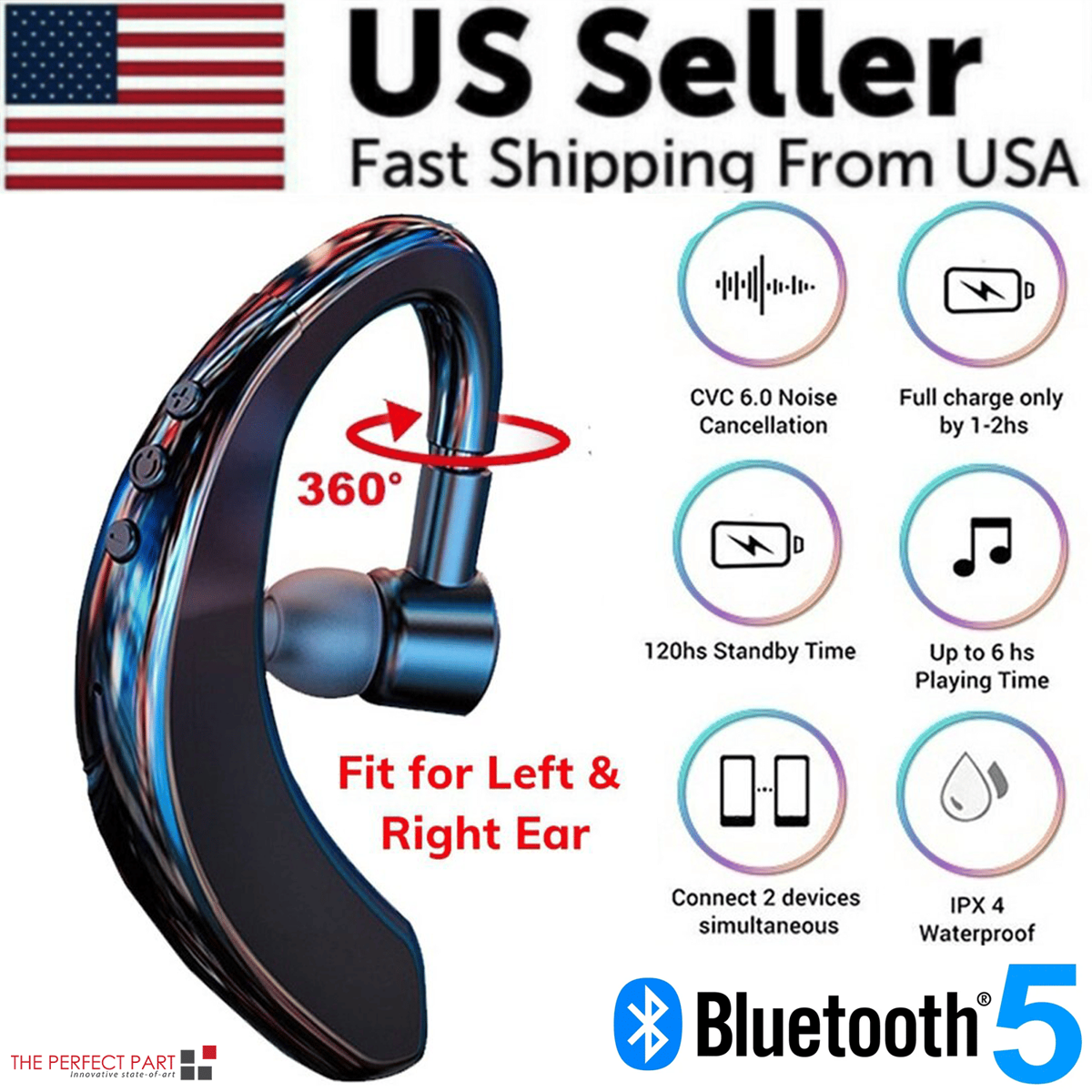 Wireless Bluetooth 5.0 Earpiece Headset Driving Trucker Earbuds Noise Cancelling$20.99View on Mallflare
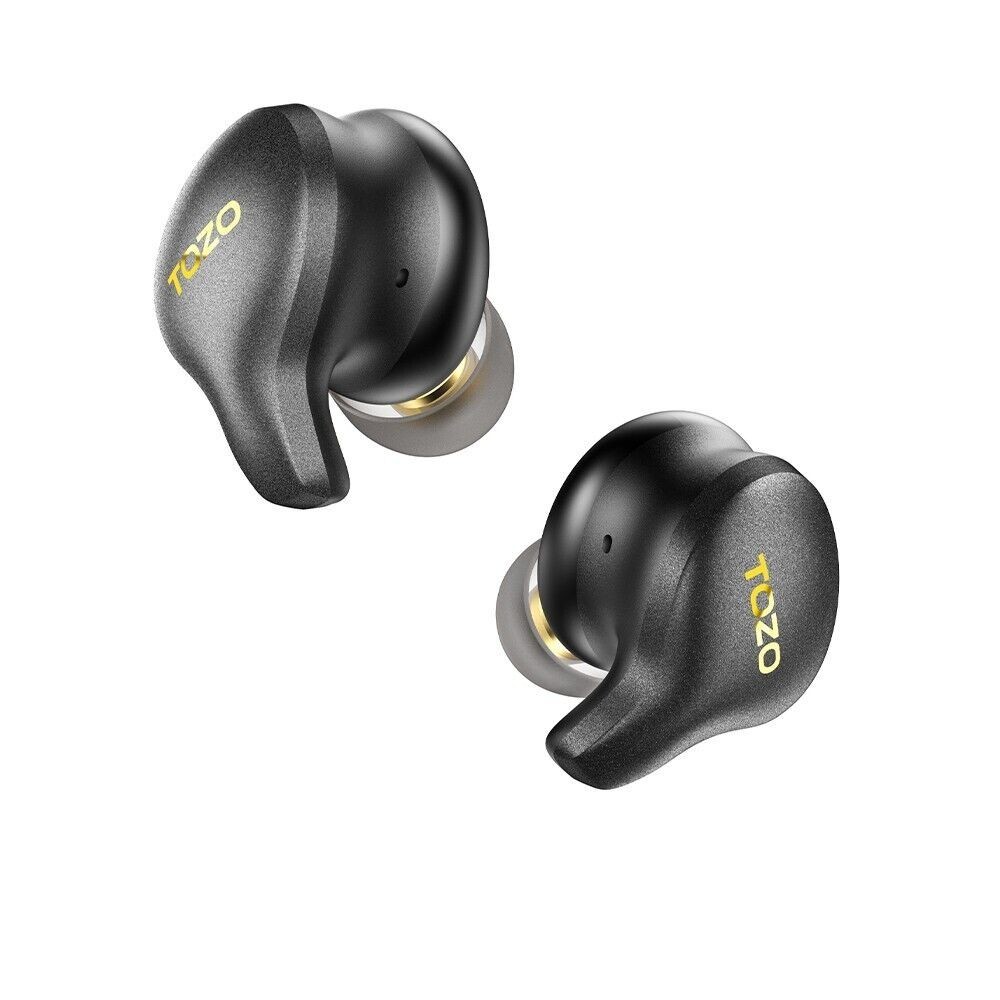 TOZO Golden X1 Wireless Earbuds Bluetooth ENC ANC Headphones Hi-Res Audio, Black$59.99Last checked Nov 26, 2026View on eBay
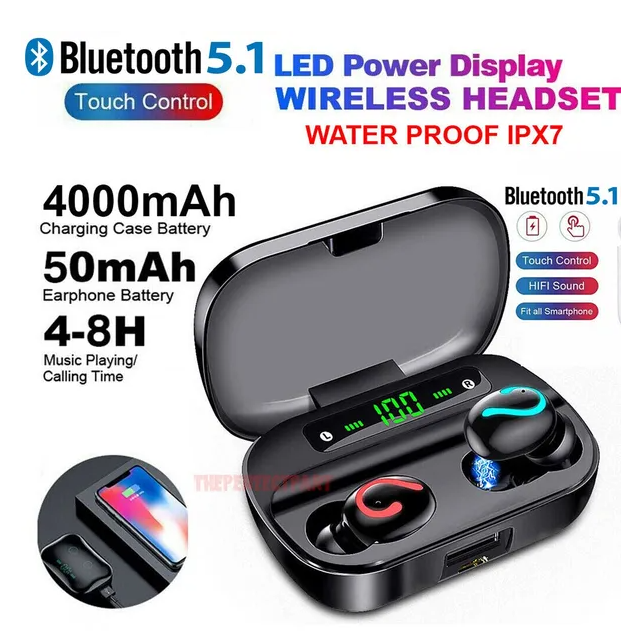 Bluetooth 5.1 Headset TWS Wireless Earphones Mini Earbuds Stereo Headphones IPX7$23.99View on Mallflare
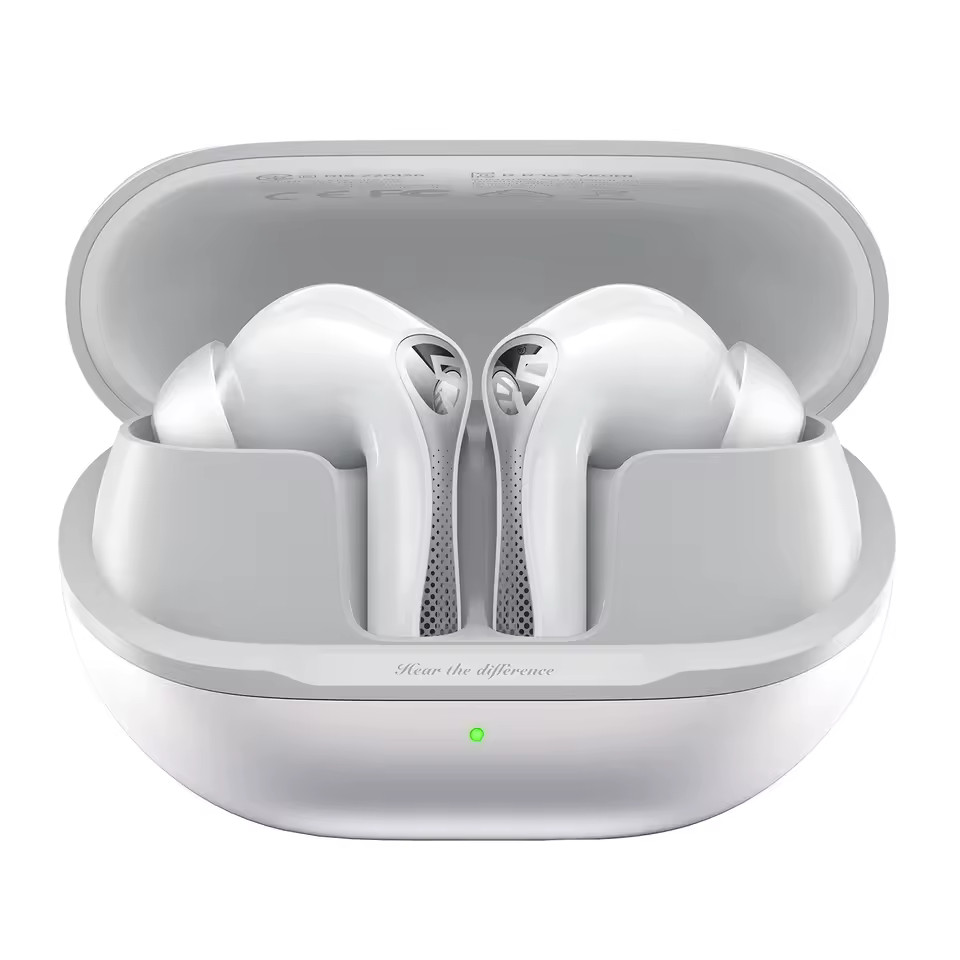 SoundPEATS Air5 Pro 55dB Adaptive Hybrid Noise Cancelling Wireless Earbuds 6-mic$59.99Last checked Nov 24, 2026View on eBay
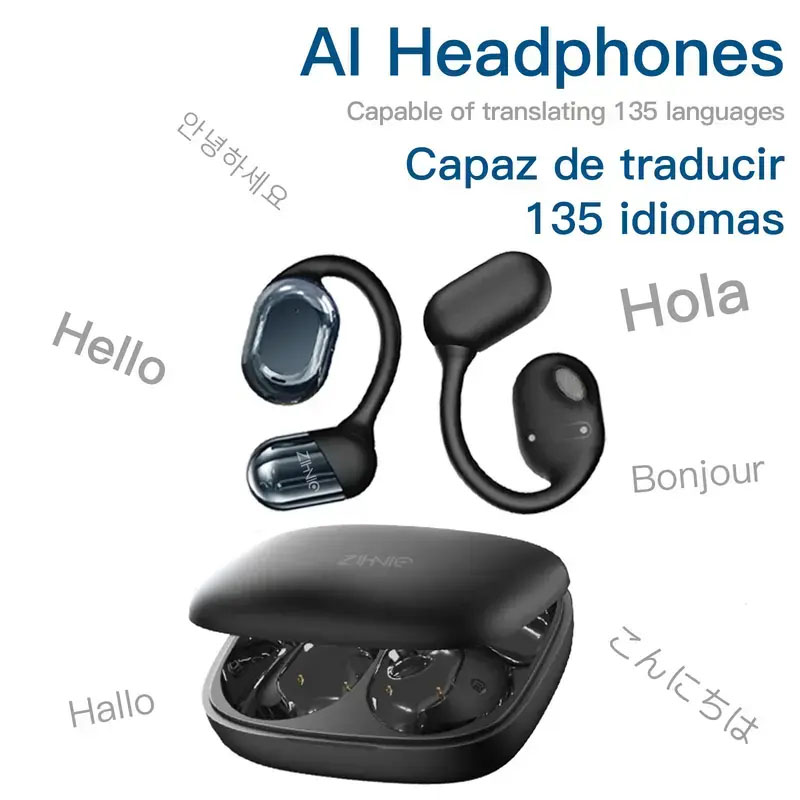 AI Translation Wireless Bluetooth 5.4 Earbuds With HiFi Audio IPX5 Sweatproof Design Detachable Earphones Plastic Housing For Music Phone Calls Travel Office And Everyday Listening$23.99View on Mallflare
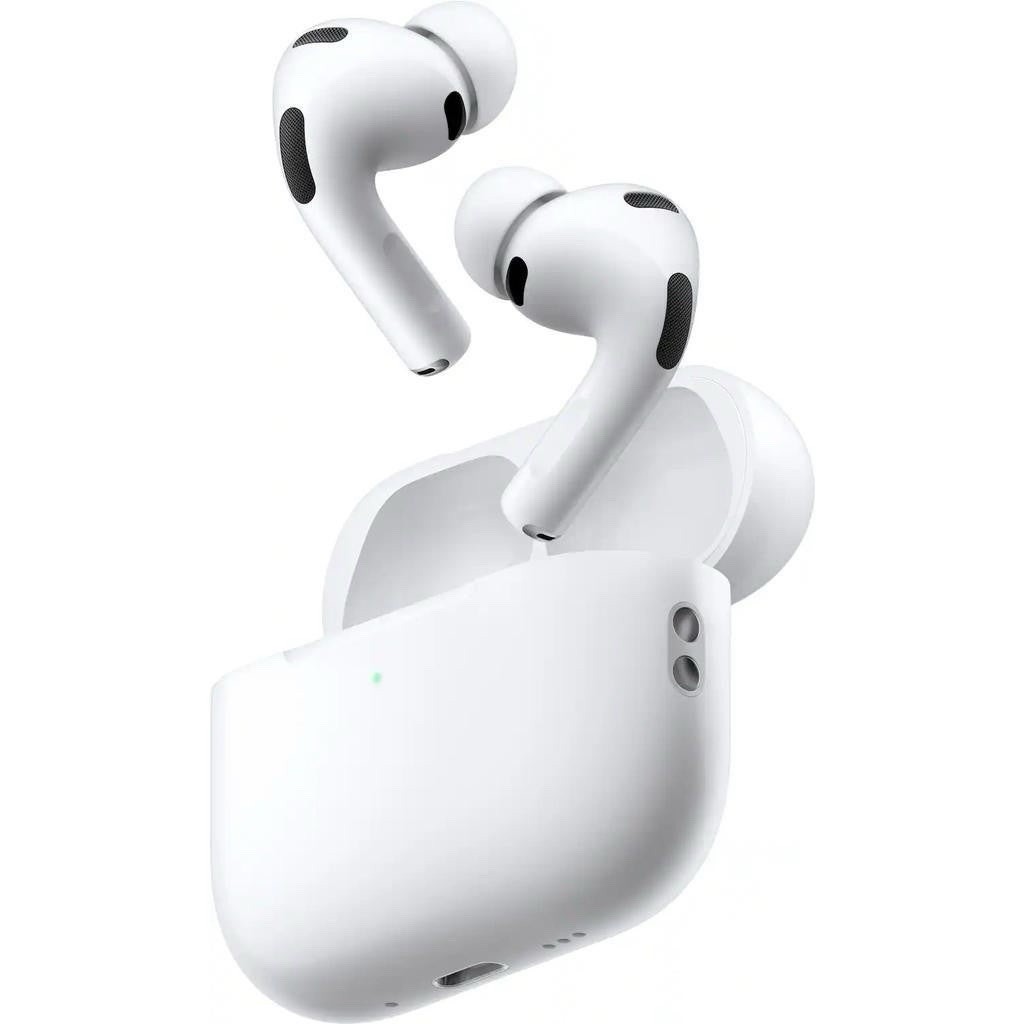 AirPods Pro 3 Generation Wireless Noise Cancelling Earbuds - White - New Sealed$99.99View on eBay
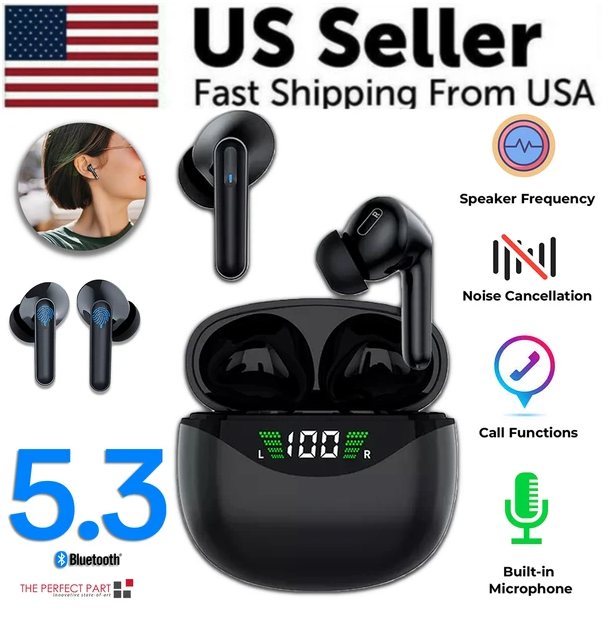 Bluetooth Earbuds Headset 5.3 Wireless Noise Cancelling TWS Trucker Waterproof$23.99View on Mallflare
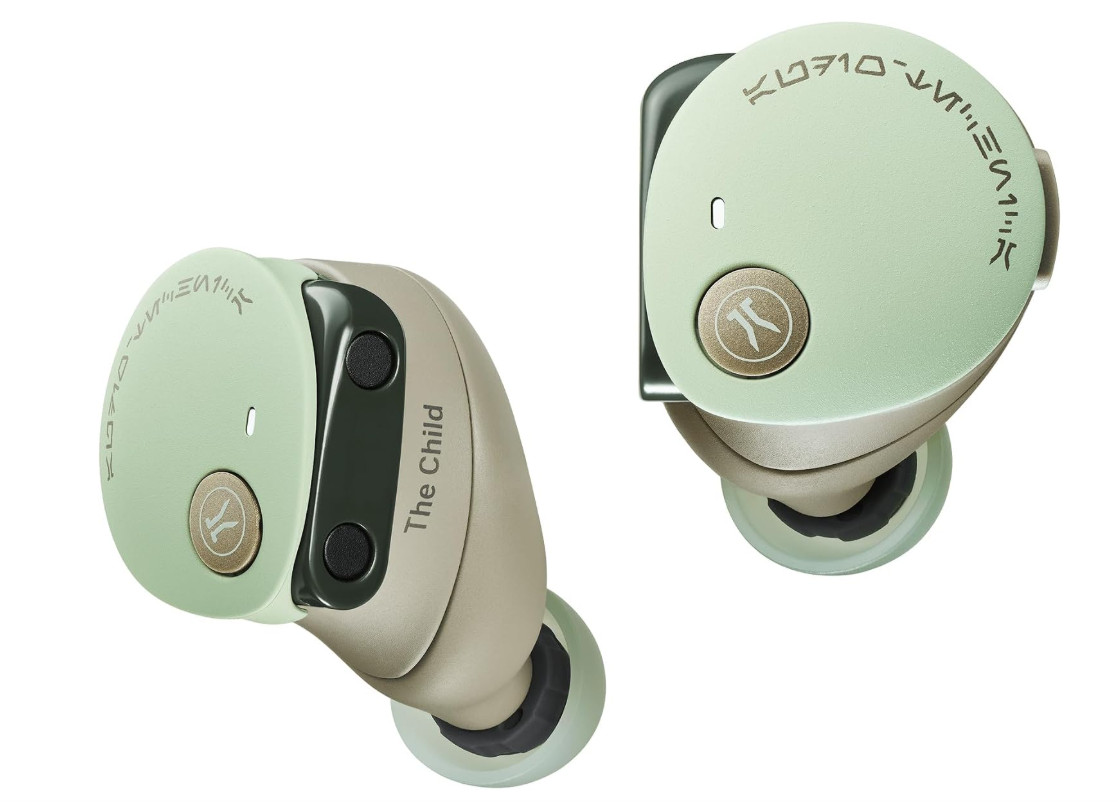 Audio-Technica ATH-CKS50TW2GG Wireless Earbuds$197.49View on eBay
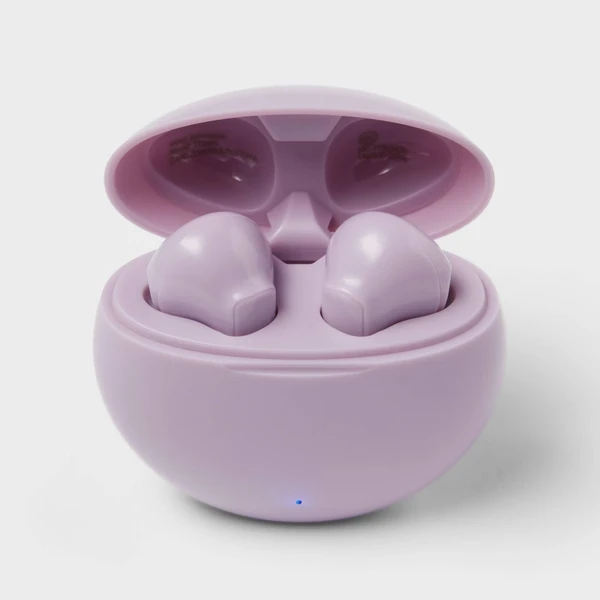 Wireless Bluetooth Earbuds Pastel Lavender: True 5-Hour Charge$26.99View on Mallflare
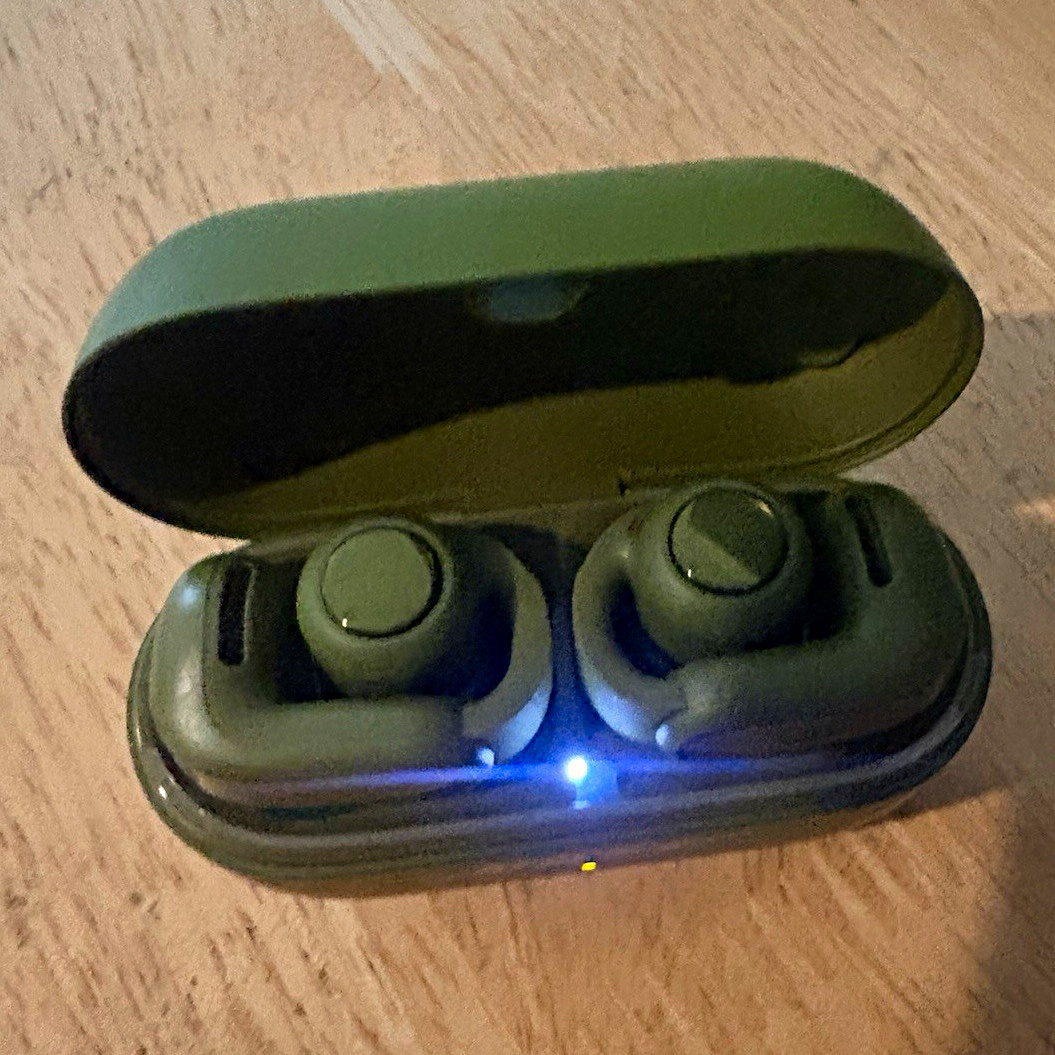 Bose True Wireless Bluetooth In-Ear Earbuds Green w/ Charging Case$200.00New · Last checked Nov 24, 2026View on eBay
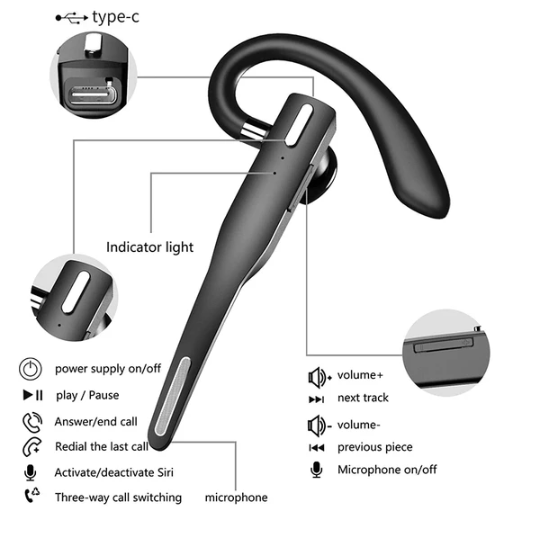 Trucker Wireless Headset Bluetooth 5.1 Earpiece Dual Mic Earbud Noise Cancelling$26.99View on Mallflare
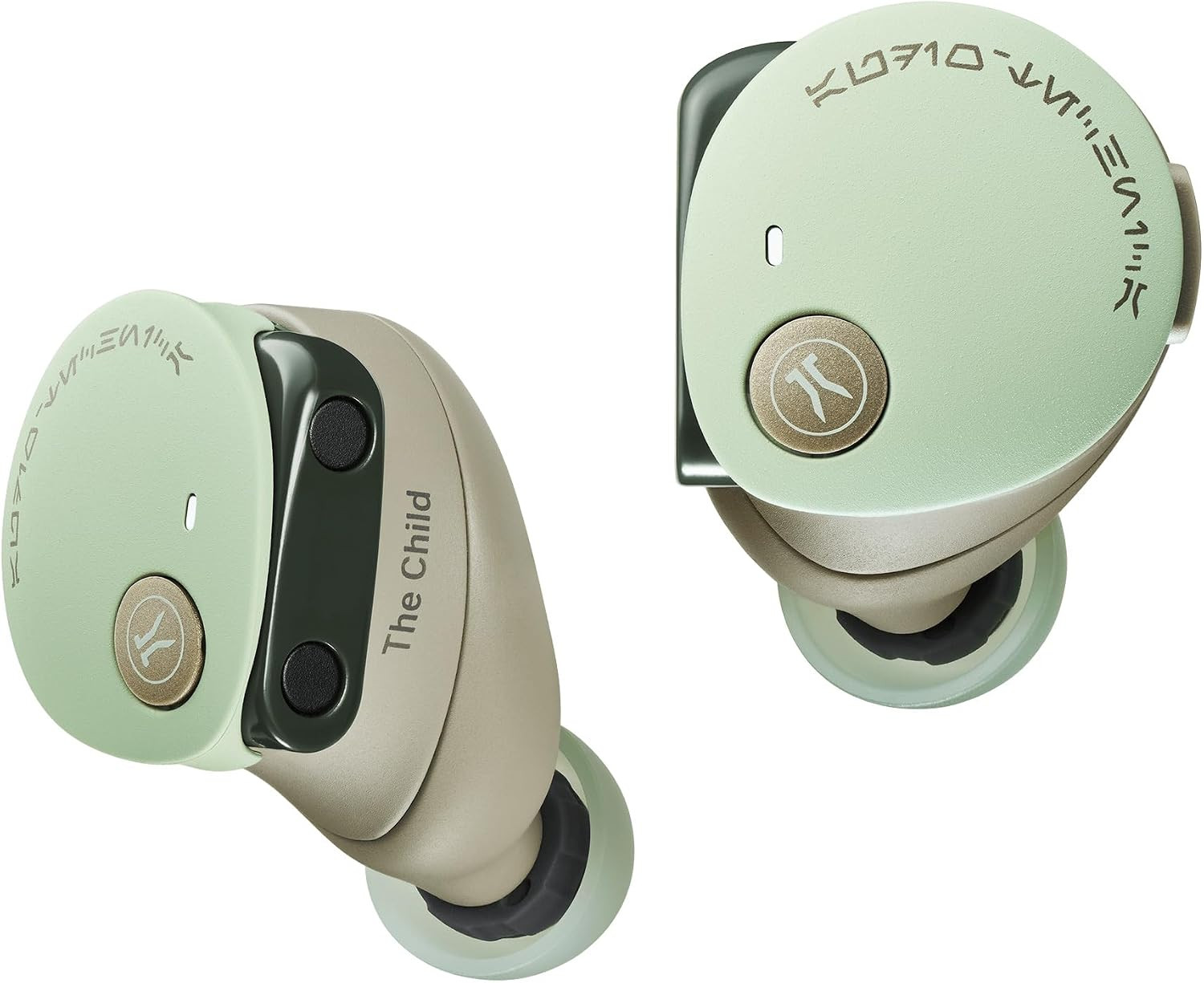 Audio-Technica ATH-CKS50TW2GG Wireless Earbuds$201.00Last checked Nov 18, 2026View on eBay
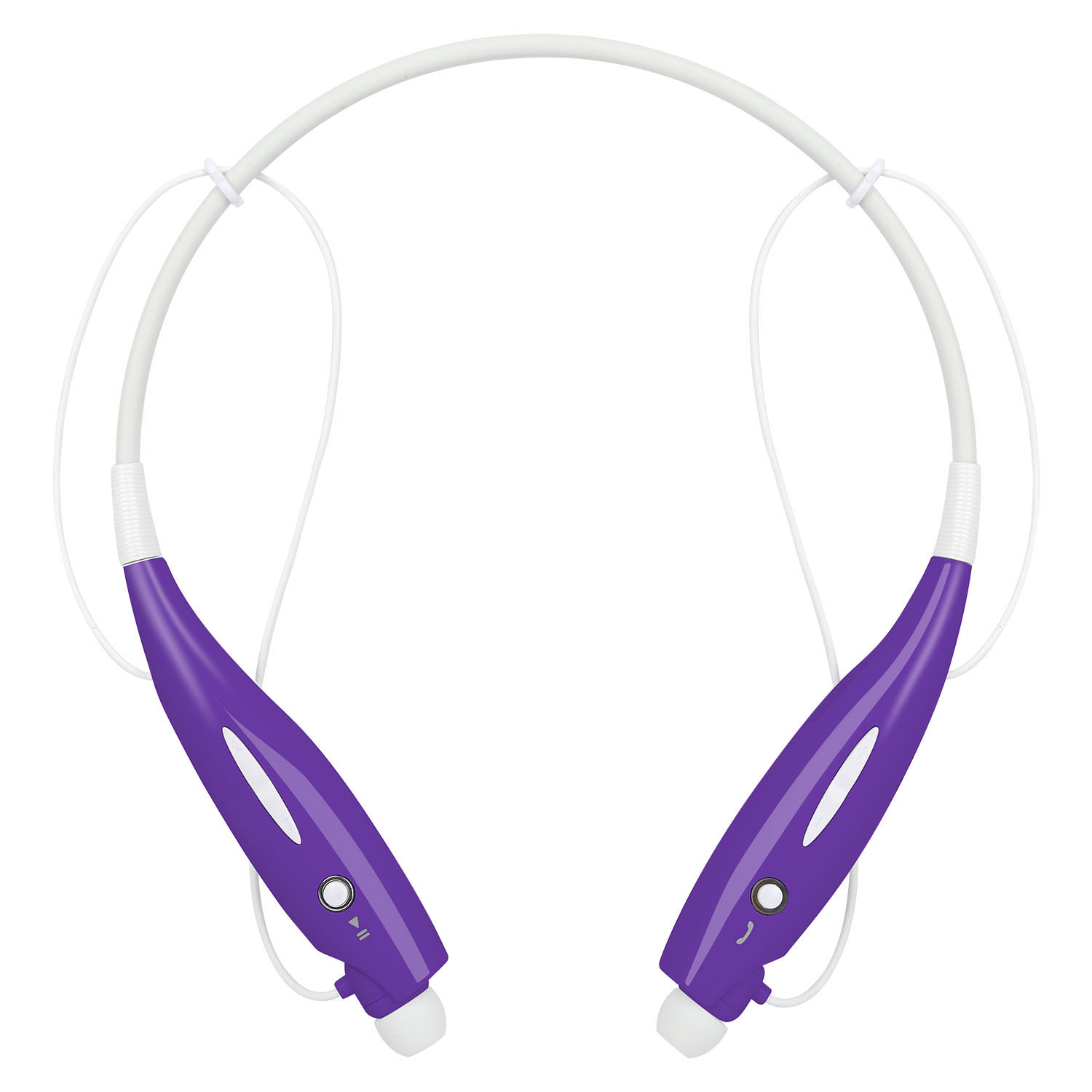 Wireless Stereo Headsets Sport Neckband Headphones In-ear Magnetic IPX4 Waterproof Earbuds With Built-in Mic Call Vibrate Alert Number Broadcast Running Gym$26.99View on Mallflare
 OPPO Enco X4 True Wireless In-Ear Bluetooth Earbuds for OPPO Find X10 Pro Max$208.99New · Last checked Nov 24, 2026View on eBay
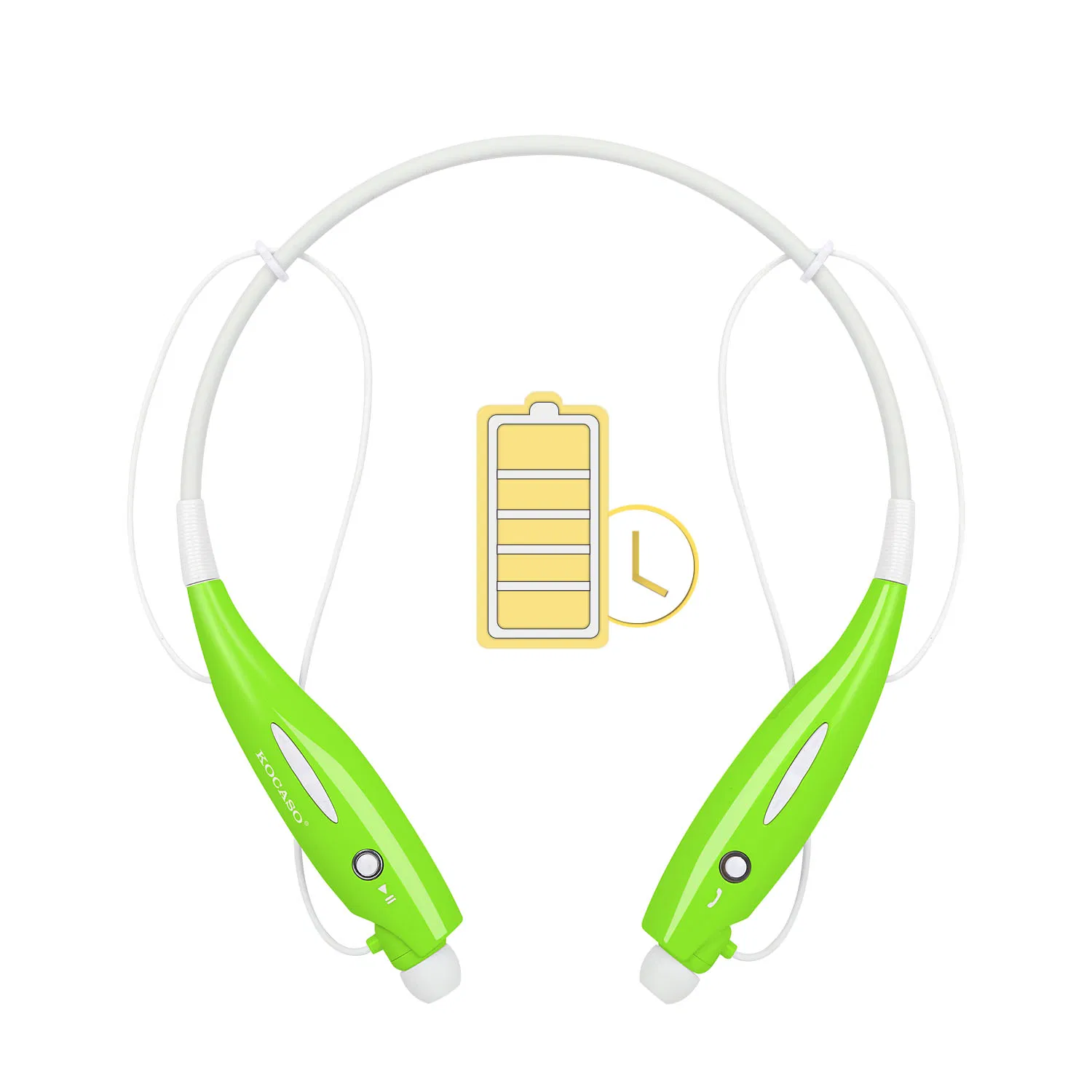 Wireless Sports Stereo Hands Free Headset Headphone Earbuds for Phone and Tablet$29.99View on Mallflare
Highlights
- Bluetooth 5.2/5.3 adds LE Audio and multipoint stability; Bluetooth 4.1 neckbands are legacy and prone to dropouts and pairing lag.
- IPX4 handles sweat and light rain; IPX5+ is required for heavy gym use or outdoor running in wet climates.
- LDAC transmits at up to 990 kbps for near-lossless audio; SBC/AAC cap around 328/256 kbps and suit casual listening only.
- TWS buds run 5–10 hrs per charge (20–30 hrs with case); neckbands typically deliver 12–20 hrs continuous playback.
Best use cases
- Commuting and pocket carry: pick compact TWS with ANC and Bluetooth 5.2+ multipoint; skip neckbands if you need to pocket the buds between calls.
- Marathon training and gym: choose IPX5+ neckband or wing-tip TWS with ear-hook retention; skip loose-fitting stem-style buds that fall out mid-run.
- Hi-res streaming from Android: pick LDAC-capable TWS (e.g. Baseus BP1 Pro tier); skip AAC-only budget buds if you pay for lossless streaming.
- Calls and office use: prioritize 4-mic ENC arrays and Bluetooth 5.3; skip single-mic legacy V4.1 headsets that pick up wind and keyboard noise.
Buying tips
- Require Bluetooth 5.2 or newer for TWS; 5.3 adds LE Audio and lower latency for video.
- Match IP rating to use: IPX4 for office/commute, IPX5–IPX6 for sweat and rain exposure.
- Check codec chain end-to-end: LDAC needs an Android phone set to LDAC; iPhone caps at AAC regardless of bud capability.
- For bass-heavy tuning look for 10–11 mm dynamic drivers; smaller 6 mm drivers trade low-end output for fit in small ears.
Specs
| Form Factor | True wireless (TWS) vs neckband |
|---|---|
| Bluetooth Version | 5.2–5.3 (avoid 4.x legacy) |
| Water Resistance | IPX4 commute / IPX5+ sport |
| Audio Codec | SBC, AAC, LDAC (Android hi-res) |
Related searches
What to check before buying
- Measure ear canal fit: most TWS ship with S/M/L tips; small canals need 10 mm or smaller nozzle housings to seal properly.
- Confirm phone Bluetooth version and codec support — LDAC requires Android 8.0+ and developer-options toggling.
- Verify charging standard: USB-C is universal; micro-USB on older neckbands means one more cable to carry.
- Check case dimensions against pocket or bag: TWS cases range roughly 5–7 cm wide, and ANC models run larger.
FAQ
Data sources: eBay / Amazon listings and product attribute feeds. Updated Nov 28, 2026.
Some links on this page are affiliate links. If you buy after clicking one, we may earn a commission at no extra cost to you. This does not change which products appear here or their order. Affiliate disclosure.