
Photos from current listings. Actual item, color, and included accessories may vary.
FDM 3D Printer Buying Guide
FDM 3D printers build parts by extruding molten filament layer-by-layer, and the core trade-off is between motion-system rigidity, thermal control, and multi-material capability versus price and tuning effort. Durable, low-maintenance machines use all-metal hotends, dual-gear extruders, and either Cartesian or CoreXY frames with linear rods or rails; compromise machines cut corners with acrylic frames, single-gear extruders, and PTFE-lined hotends that limit temperature and wear life. The decision rule: buy a machine with a full-metal hotend rated at least 260–300 °C, a spring-steel removable build plate, and a rigid steel frame; skip anything with an acrylic gantry or a Bowden-only PTFE hotend unless the budget is strictly entry-level.
Median $299.00 · New & pre-owned listings
Key takeaways
- CoreXY vs Cartesian: CoreXY keeps the bed moving only in Z, giving faster acceleration and better tall-print stability; bedslingers (moving bed in Y) are simpler and cheaper but heavier and slower on large parts.
- Hotend temperature ceiling: all-metal hotends reach 300 °C for ABS/ASA/nylon; PTFE-lined hotends degrade above 240–250 °C and should be limited to PLA/PETG.
- Extruder type: dual-gear direct-drive extruders handle flexible TPU and retraction better; single-gear Bowden setups are lighter on the gantry but struggle with flexibles and fine retraction.
At a glance
- Category
- FDM 3D Printers
- Last updated
- Nov 28, 2026
Current offers
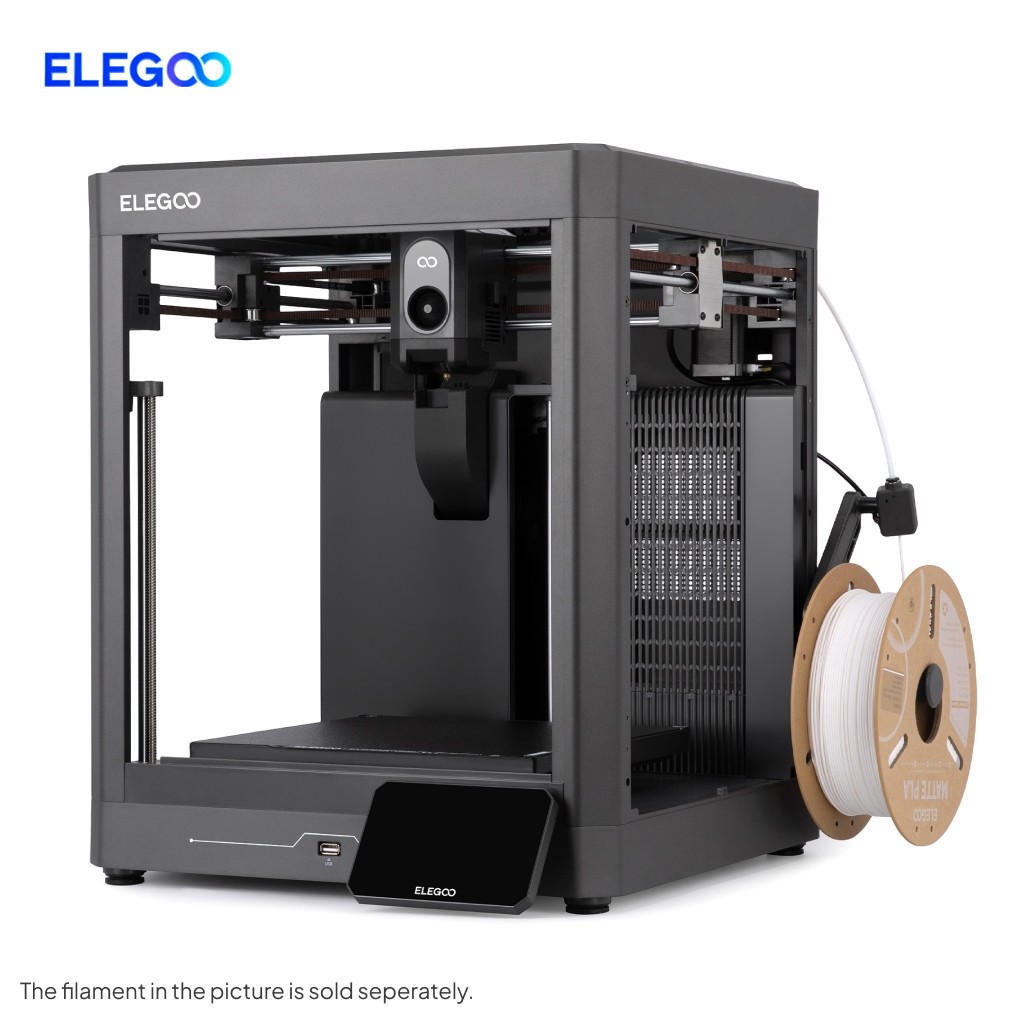 ELEGOO Centauri 2 FDM 3D Printer$207.20New · Last checked Nov 17, 2026View on eBay
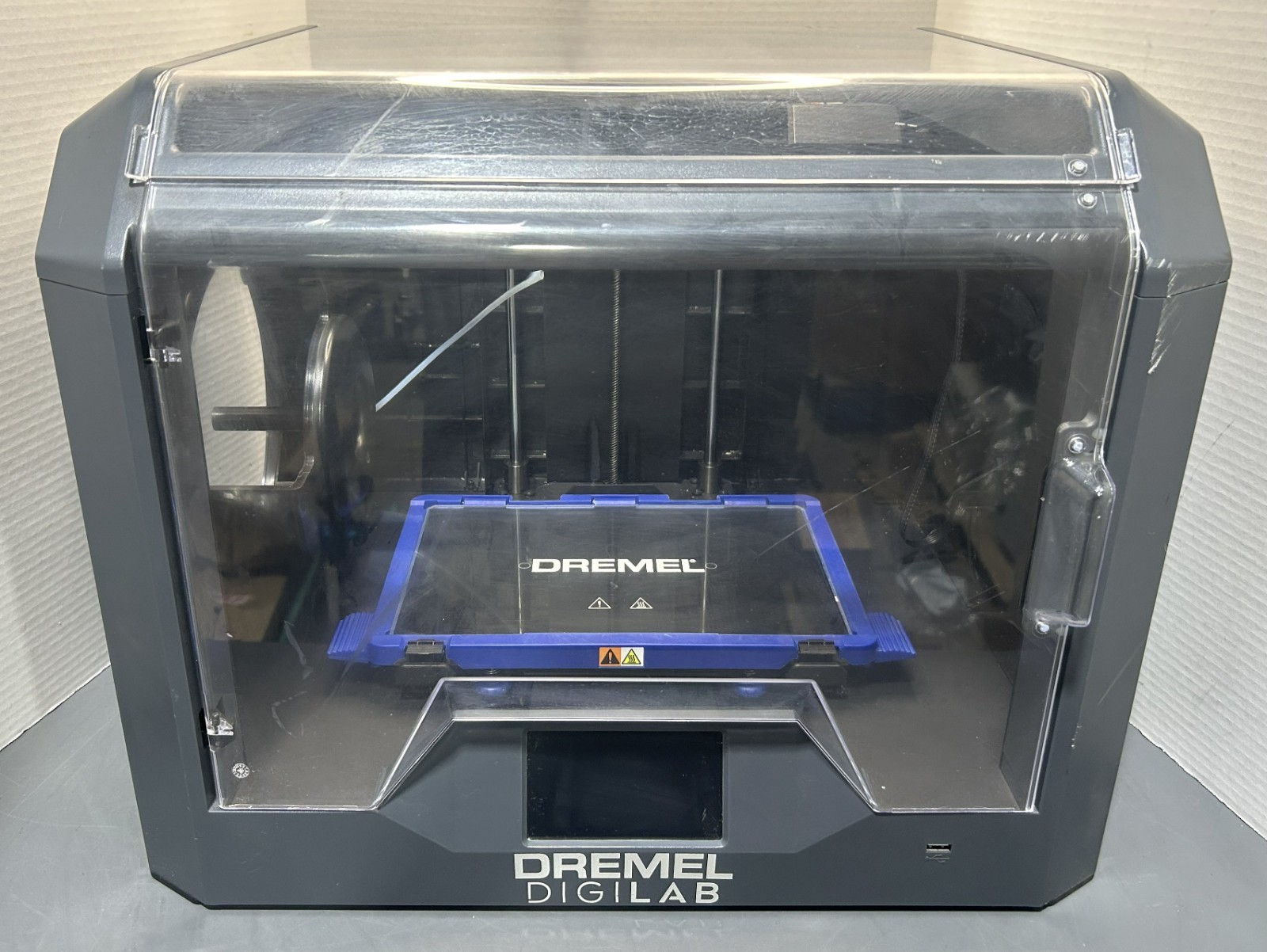 Dremel DigiLab 3D45 Fully Enclosed FDM 3D Printer 100-240Vac No Filament Tested$224.99Used · Last checked Nov 27, 2026View on eBay
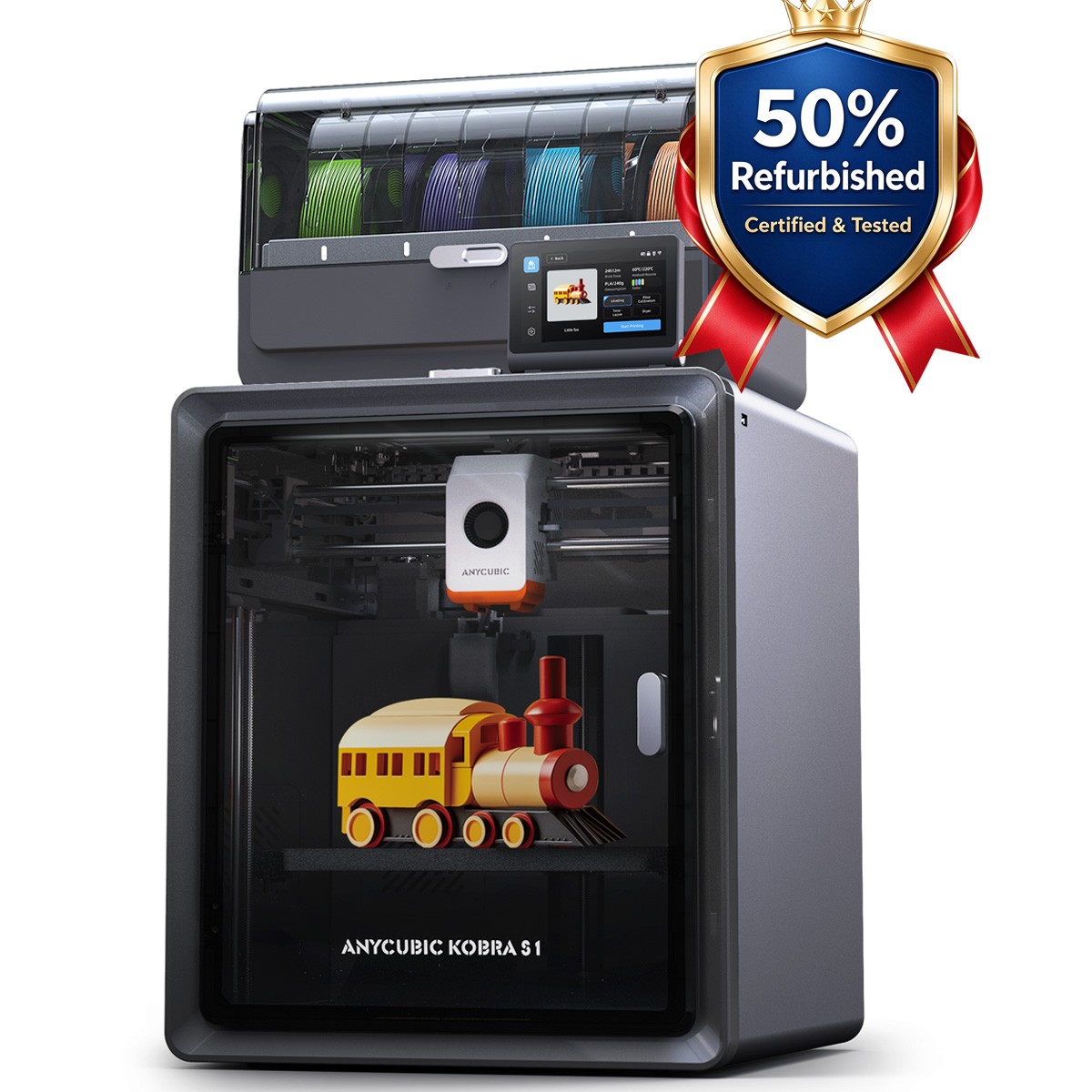 ✅50% Refurbished ✅ANYCUBIC Kobra S1 Combo 3D Printer Multicolor FDM Printing$289.00Certified - Refurbished · Last checked Nov 17, 2026View on eBay
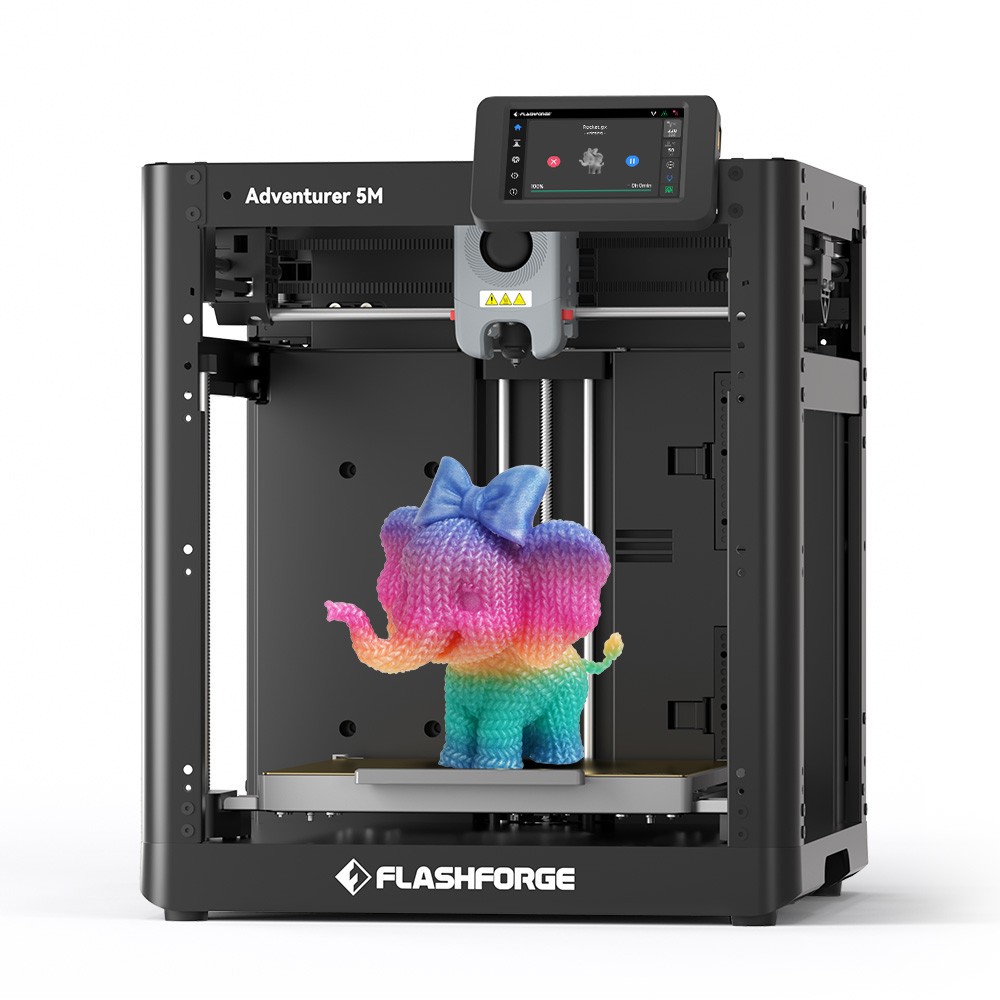 FLASHFORGE Adventurer 5M/5M Pro 3D Printer 600mm/s High-Speed FDM 3D Printers$299.00New · Last checked Nov 17, 2026View on eBay
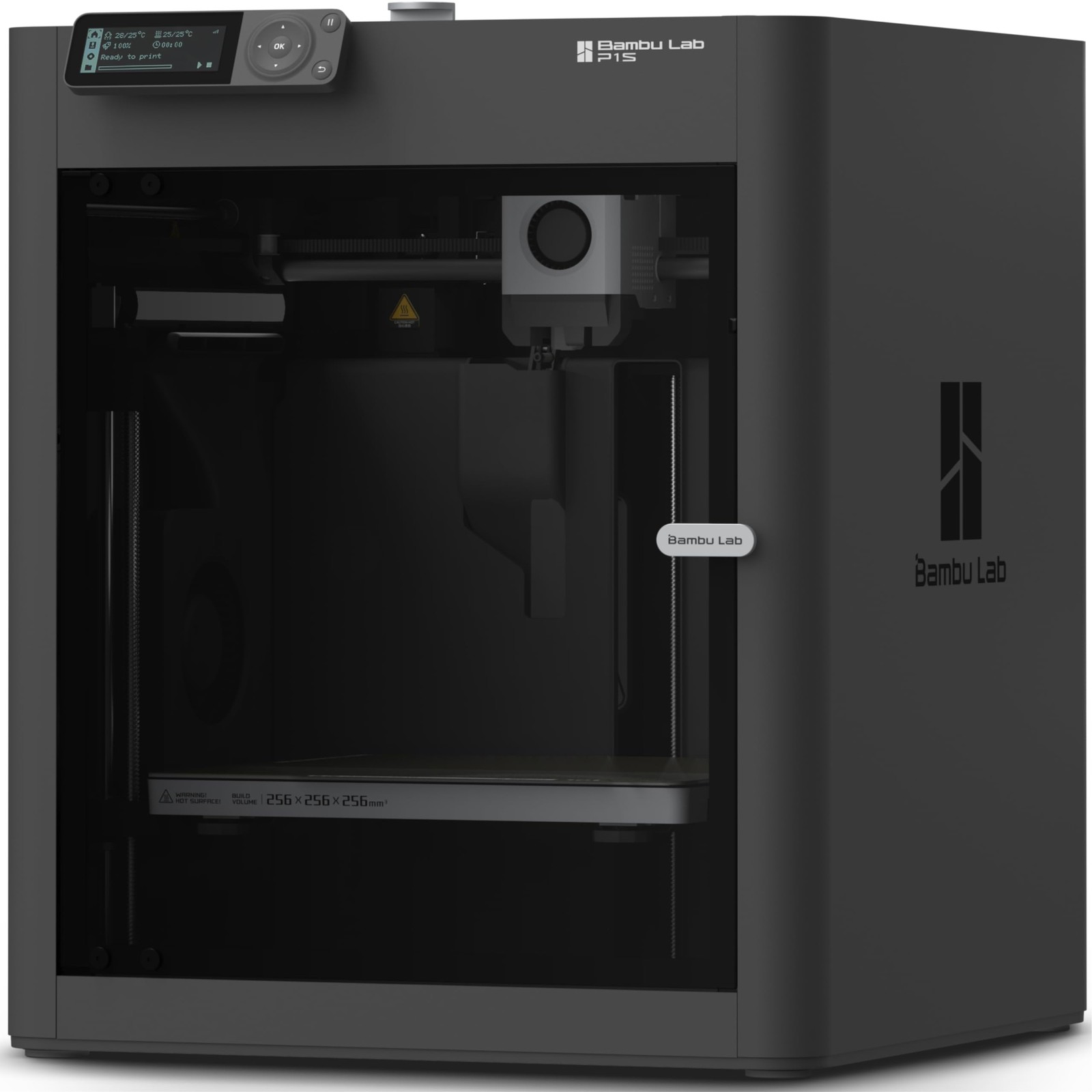 Enclosed FDM 3D Printer with Automatic Bed Leveling$560.49New · Last checked Nov 27, 2026View on eBay
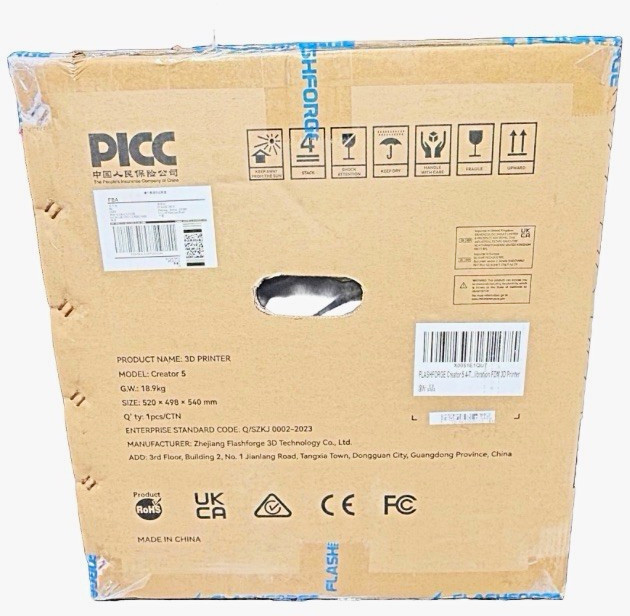 Flashforge Creator 5 FDM 3D Printer 3D Technology FDM MPN X0051E1QUT$625.00New · Last checked Nov 17, 2026View on eBay
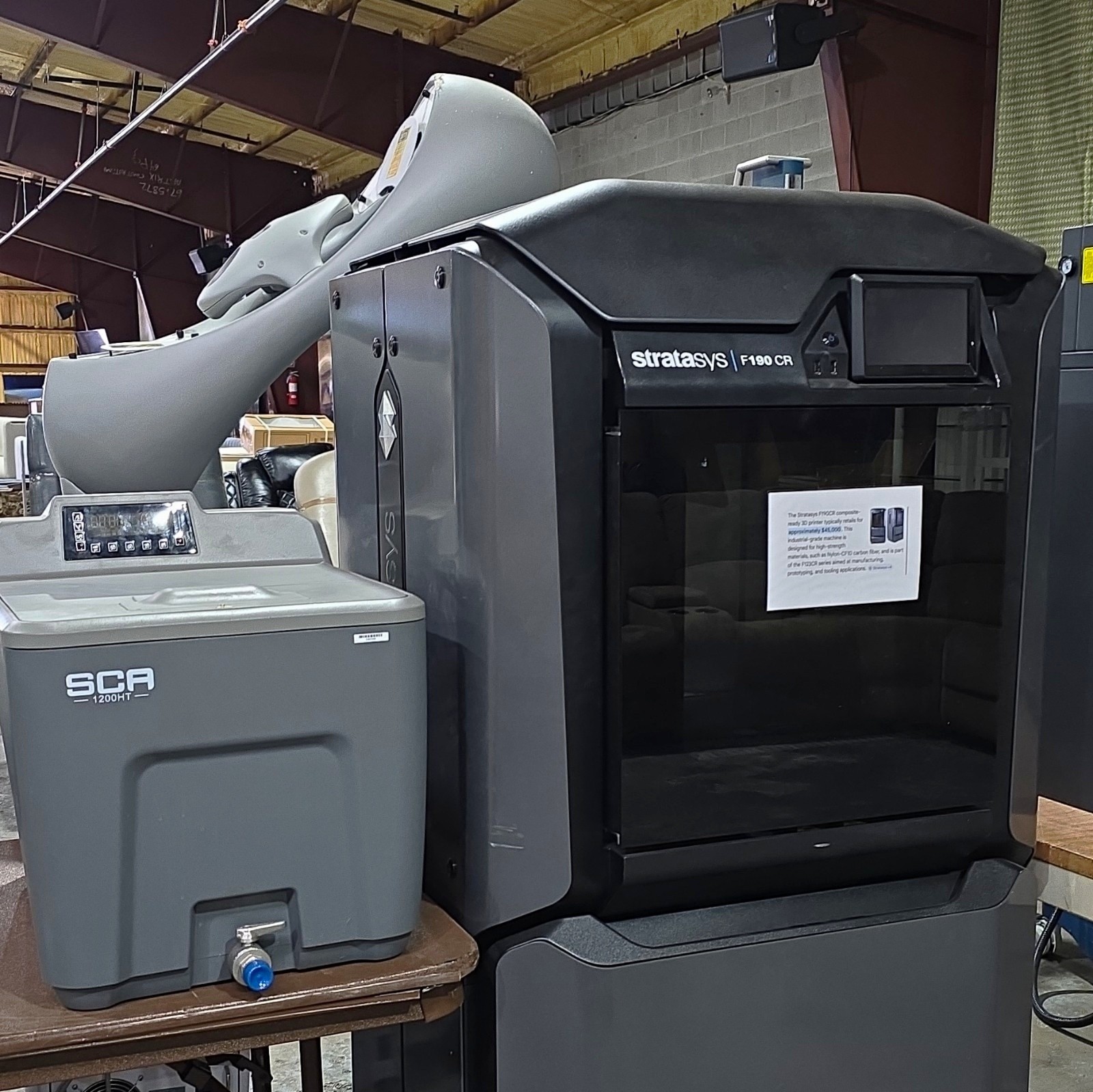 Stratasys F190 CR FDM 3D Printer, Enclosed, Touchscreen, 10x10x10 in$1,380.00Used · Last checked Nov 27, 2026View on eBay
Highlights
- CoreXY vs Cartesian: CoreXY keeps the bed moving only in Z, giving faster acceleration and better tall-print stability; bedslingers (moving bed in Y) are simpler and cheaper but heavier and slower on large parts.
- Hotend temperature ceiling: all-metal hotends reach 300 °C for ABS/ASA/nylon; PTFE-lined hotends degrade above 240–250 °C and should be limited to PLA/PETG.
- Extruder type: dual-gear direct-drive extruders handle flexible TPU and retraction better; single-gear Bowden setups are lighter on the gantry but struggle with flexibles and fine retraction.
- Multi-color tiers: single extruder with filament runout sensor is baseline; multi-material systems (e.g., AMS-style hubs) add purge waste and tuning complexity but enable soluble supports and multi-color prints.
Best use cases
- Miniatures and tabletop terrain: pick a machine with a 0.2–0.4 mm nozzle option, direct-drive extruder, and part-cooling fan duct; skip large-format bedslingers with slow acceleration and single-sided cooling.
- Functional mechanical parts in ABS/ASA/nylon: choose an enclosed printer with all-metal hotend and heated bed reaching 100–110 °C; skip open-frame PTFE-hotend machines that cap at 240 °C and warp.
- Multi-color display models and soluble supports: select a printer with a multi-material hub and dual-gear extruder; skip single-extruder machines unless you accept manual filament swaps and purge towers.
- First printer on a tight budget: choose a 220×220 mm bedslinger with spring-steel PEI plate and auto bed leveling; skip acrylic-frame kits with manual leveling and no thermal runaway protection.
Buying tips
- Match build volume to your largest part: 220×220×250 mm covers most miniatures and small functional parts; terrain tiles and helmets need 300×300 mm or more, and enclosure height matters for tall prints.
- Confirm nozzle and hotend spec: a 0.4 mm brass nozzle is the default; buy a 0.2 mm nozzle for fine miniature detail and a hardened steel nozzle if printing abrasive CF-filled filaments.
- Check bed surface and leveling: spring-steel PEI or textured plates release parts without glue; automatic mesh bed leveling (BLTouch-style or strain-gauge) saves hours versus manual paper leveling.
- Verify firmware safety features: thermal runaway protection, filament runout sensor, and power-loss recovery are non-negotiable; older firmware without these is a fire and waste risk.
Specs
| Kinematics | CoreXY / Bedslinger (Cartesian) |
|---|---|
| Hotend Max Temp | All-metal 300 °C vs PTFE 240 °C |
| Build Volume | 220×220 mm to 350×350 mm |
| Extruder | Direct dual-gear vs Bowden single-gear |
Related searches
What to check before buying
- Measure available desk depth and height: bedslingers need 400–500 mm depth clearance because the bed moves front-to-back; CoreXY needs less depth but more width.
- Confirm power standard: most printers ship 100–240 V input with regional plug; enclosed high-power machines may require a dedicated 15 A circuit.
- Check filament diameter and spool holder: all consumer FDM uses 1.75 mm filament; confirm the spool holder accepts 1 kg spools and consider a dry box for nylon/TPU.
- Plan ventilation and surface protection: ABS/ASA emit VOCs and need an enclosure vented outdoors; place the printer on a stable, level surface away from drafts that cause warping.
FAQ
Data sources: eBay / Amazon listings and product attribute feeds. Updated Nov 28, 2026.
Some links on this page are affiliate links. If you buy after clicking one, we may earn a commission at no extra cost to you. This does not change which products appear here or their order. Affiliate disclosure.