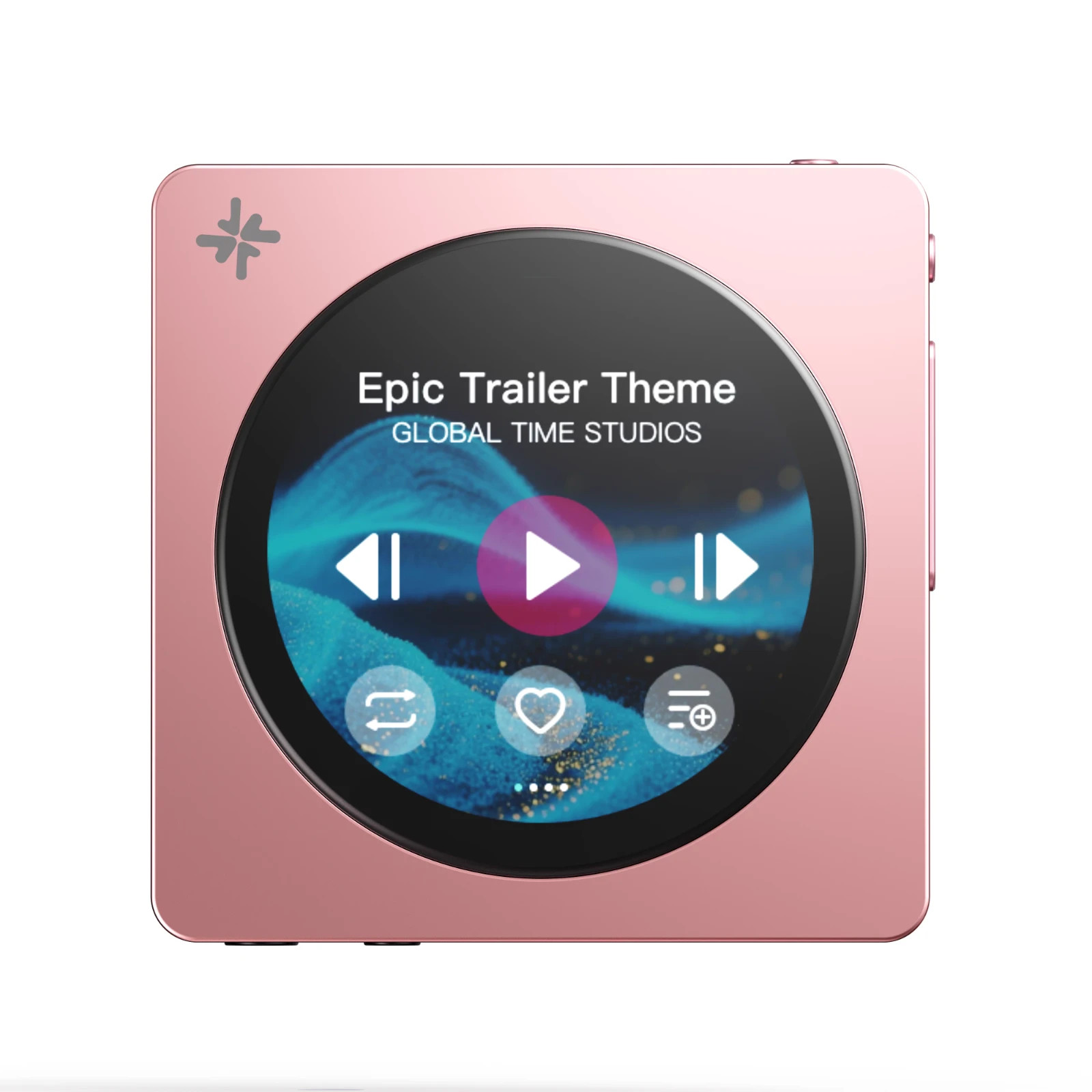

Photos from current listings. Actual item, color, and included accessories may vary.
USB Audio Player Buying Guide
USB audio players are dedicated high-resolution music sources that output digital audio over USB to an external DAC/amp or connect directly to headphones, trading smartphone convenience for cleaner clocks, lower jitter, and support for native DSD/PCM beyond typical phone limits. The core trade-off is whether the player offers true USB audio output (not just mass-storage file transfer) and whether its internal DAC/amp or USB output is the primary signal path. Choose a player with confirmed USB Audio Class 2.0 output and native DSD256/PCM384 decoding if fidelity matters; skip any model that treats USB only as a charging/file-transfer port.
Key takeaways
- USB Audio Class 2.0 output is the definitive feature—players without it cannot stream digital audio to an external DAC and are limited to file transfer or charging.
- Hi-Res certification means native decoding of PCM up to 384kHz/32-bit and DSD256; non-certified players often downsample to 48kHz over USB.
- Bluetooth 5.4 with LDAC/aptX Lossless vs older 5.0 SBC/AAC changes wireless fidelity dramatically; USB-C is now standard for both charging and audio out.
At a glance
- Category
- Digital Audio Players
- Last updated
- Nov 28, 2026
Current offers
Highlights
- USB Audio Class 2.0 output is the definitive feature—players without it cannot stream digital audio to an external DAC and are limited to file transfer or charging.
- Hi-Res certification means native decoding of PCM up to 384kHz/32-bit and DSD256; non-certified players often downsample to 48kHz over USB.
- Bluetooth 5.4 with LDAC/aptX Lossless vs older 5.0 SBC/AAC changes wireless fidelity dramatically; USB-C is now standard for both charging and audio out.
- Dual DAC architectures (two chips for left/right channels) and independent low-jitter clocks separate audiophile players from budget single-DAC designs.
Best use cases
- Best fit: pair a USB Audio Class 2.0 player with a desktop DAC/amp for a clean digital transport—skip players that only output analog over 3.5mm if you own an external DAC.
- Best fit: use a compact player with Bluetooth 5.4 LDAC for wireless IEMs on the go; skip bulky dual-DAC models if portability and battery life outweigh absolute fidelity.
- Best fit: choose a player with native DSD256 and 4.4mm balanced output for high-impedance planar headphones; skip single-ended-only players if you need balanced drive power.
- Wrong fit: buying a USB player for streaming apps if it lacks Wi-Fi and only supports local microSD playback—confirm Wi-Fi and app support before choosing that tier.
Buying tips
- Confirm USB Audio Class 2.0 output in the spec sheet—not just 'USB DAC mode'—so the player works driver-free with Windows, macOS, iOS, and Android external DACs.
- Match output power to headphone impedance: under 32Ω needs ~50mW, 32–150Ω needs 150–250mW, and 300Ω+ planars need 500mW+ balanced or high-gain modes.
- Check microSD capacity support (1TB+ is common on audiophile players) and whether internal storage is eMMC or UFS—UFS loads large DSD libraries noticeably faster.
- For wireless, require Bluetooth 5.4 with LDAC or aptX Adaptive; older 5.0/SBC-only players cap wireless fidelity well below wired USB output.
Specs
| USB Audio Class | UAC 2.0 required for DAC output |
|---|---|
| Max PCM / DSD | 384kHz/32-bit; DSD256 native |
| Bluetooth Codec | 5.4 with LDAC / aptX Adaptive |
| Output Power | 50–500mW by impedance tier |
Related searches
What to check before buying
- Verify your headphones' impedance and sensitivity against the player's specified output power at that load—not just the headline mW figure.
- Confirm the player's USB port supports audio output (UAC 2.0), not charge-only, if you plan to feed an external DAC.
- Check microSD card format support (exFAT for cards above 32GB) and maximum tested capacity before buying a card.
- Ensure your region's plug/voltage standard matches the player's charger—most use USB-C PD, but bundled chargers may be region-specific.
FAQ
Data sources: eBay / Amazon listings and product attribute feeds. Updated Nov 28, 2026.
Some links on this page are affiliate links. If you buy after clicking one, we may earn a commission at no extra cost to you. This does not change which products appear here or their order. Affiliate disclosure.