
Photos from current listings. Actual item, color, and included accessories may vary.
Digital Mini Mp3 Player Buying Guide
A digital mini MP3 player is a screenless or micro-screen flash-based audio device built for clip-on, pocket, or pendant wear during workouts, commutes, and voice capture. The core trade-off is storage and battery versus true audio quality: most budget units use plastic shells, fixed internal flash, and no expansion, so the deciding rule is to buy for a defined use (music playback with a known file format, or voice recording with a known mic/memory requirement) rather than for vague 'MP3 player' claims on a listing.
Median $76.57
Key takeaways
- Fixed internal flash in 8GB, 16GB, 32GB, and 64GB tiers is the norm; microSD expansion is the exception and must be stated explicitly in the spec sheet.
- Plastic-shell mini players typically weigh under 30g and omit a display, relying on LED status or voice prompts for track and mode feedback.
- Voice-recorder variants add a microphone and often a magnetic or clip mount; recording time is a function of bitrate, so a '500 hr' claim implies low-bitrate mono capture, not music-grade audio.
At a glance
- Category
- Digital Audio Players
- Last updated
- Nov 25, 2026
Current offers
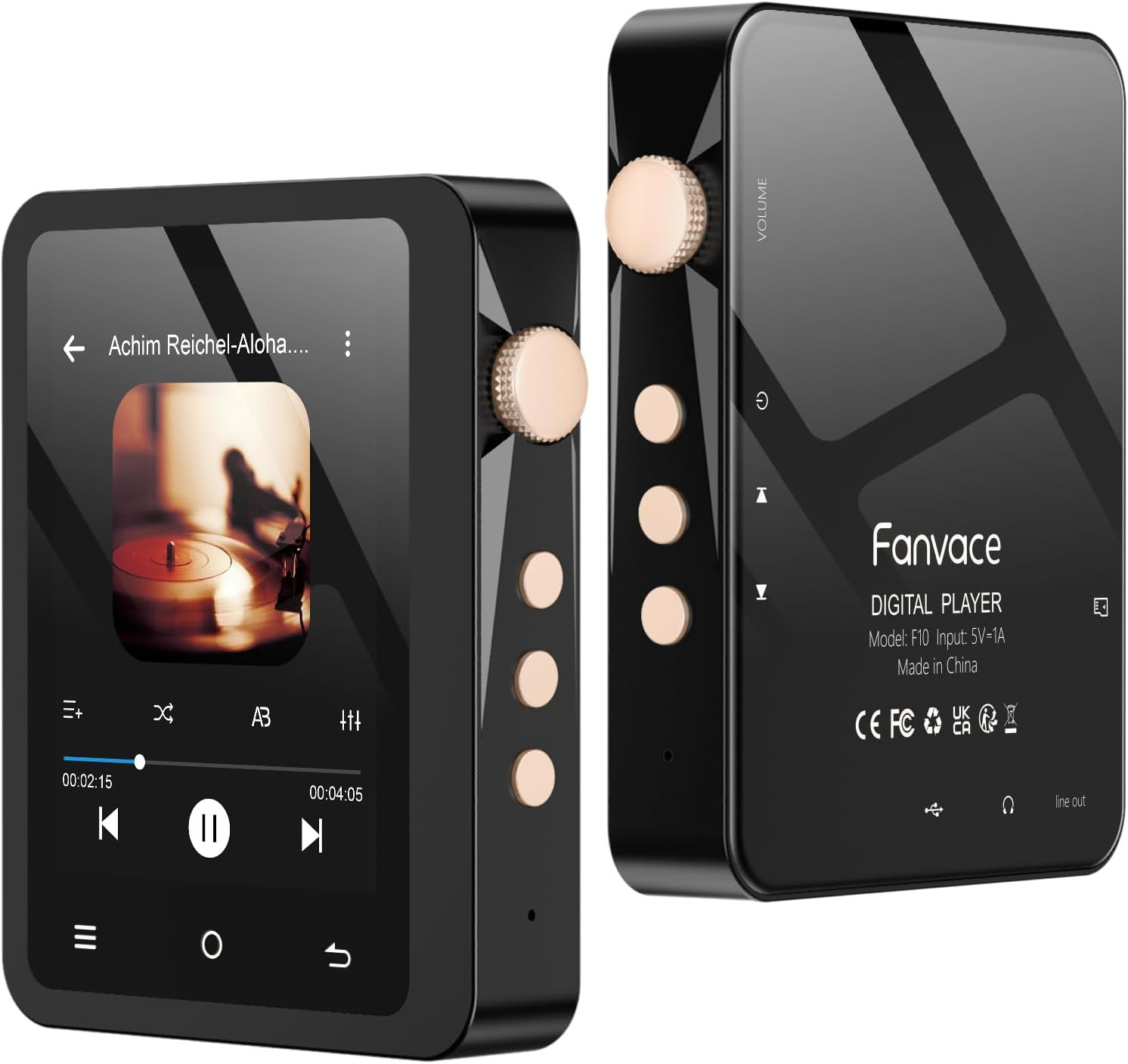 Hifi MP3 Player with Bluetooth 5.3, Lossless DSD High-Resolution Digital Audio M$94.15View on eBay
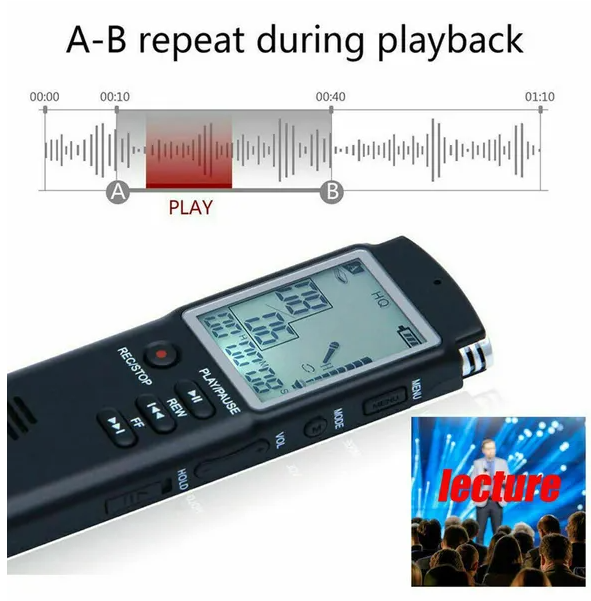 32G Voice Activated Mini Digital Sound Audio Recorder Dictaphone MP3 Player$34.99View on Mallflare
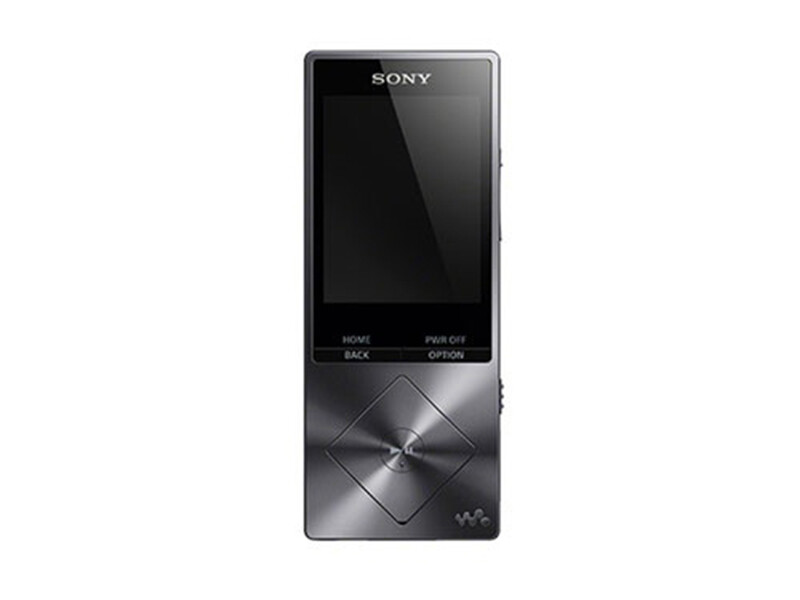 Sony Walkman NW-A25 16GB Digital Audio Player Hi-Res Music MP3$126.00View on eBay
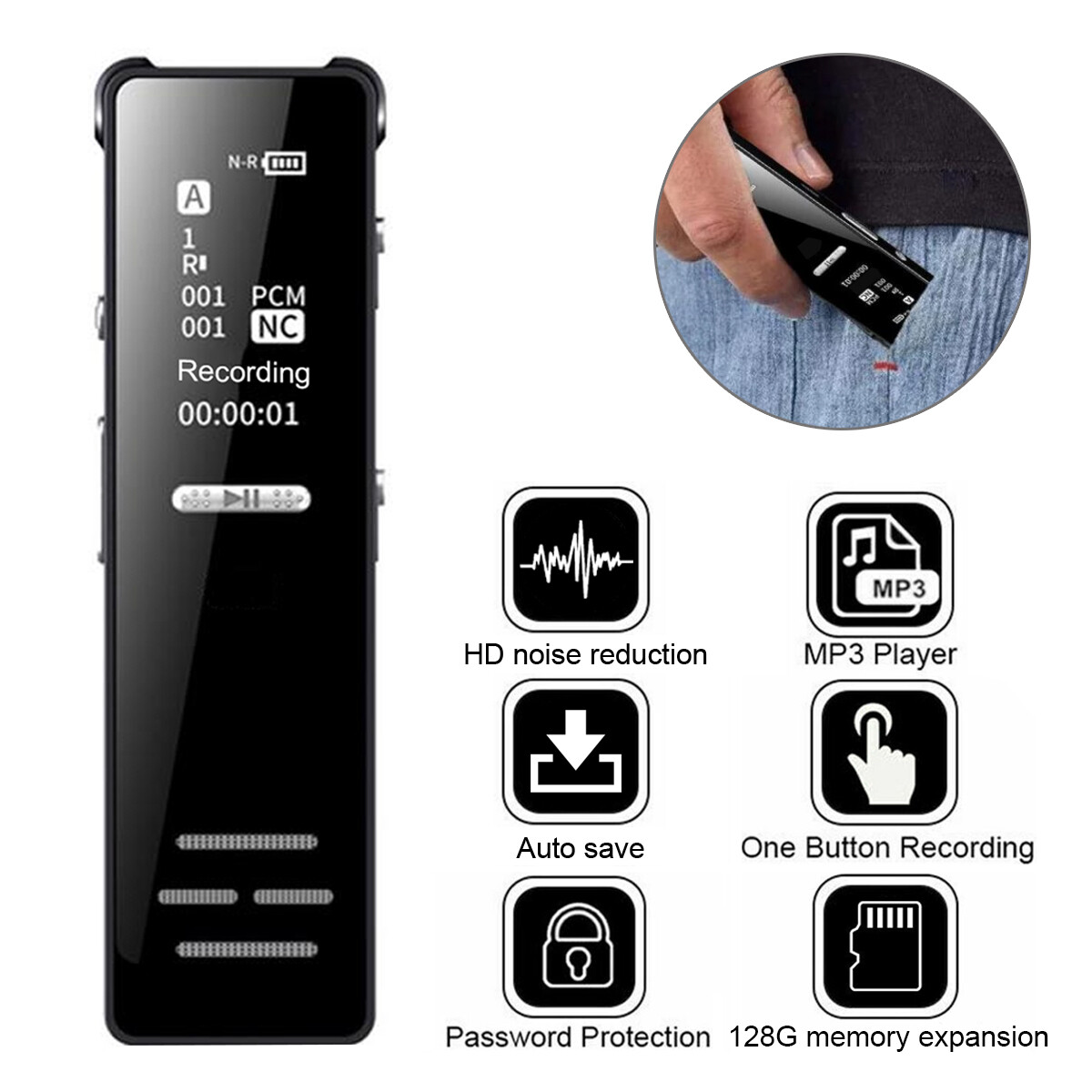 128G Spy Audio Recorder Digital Voice Activated Mini Sound Dictaphone MP3 Player$37.99View on Mallflare
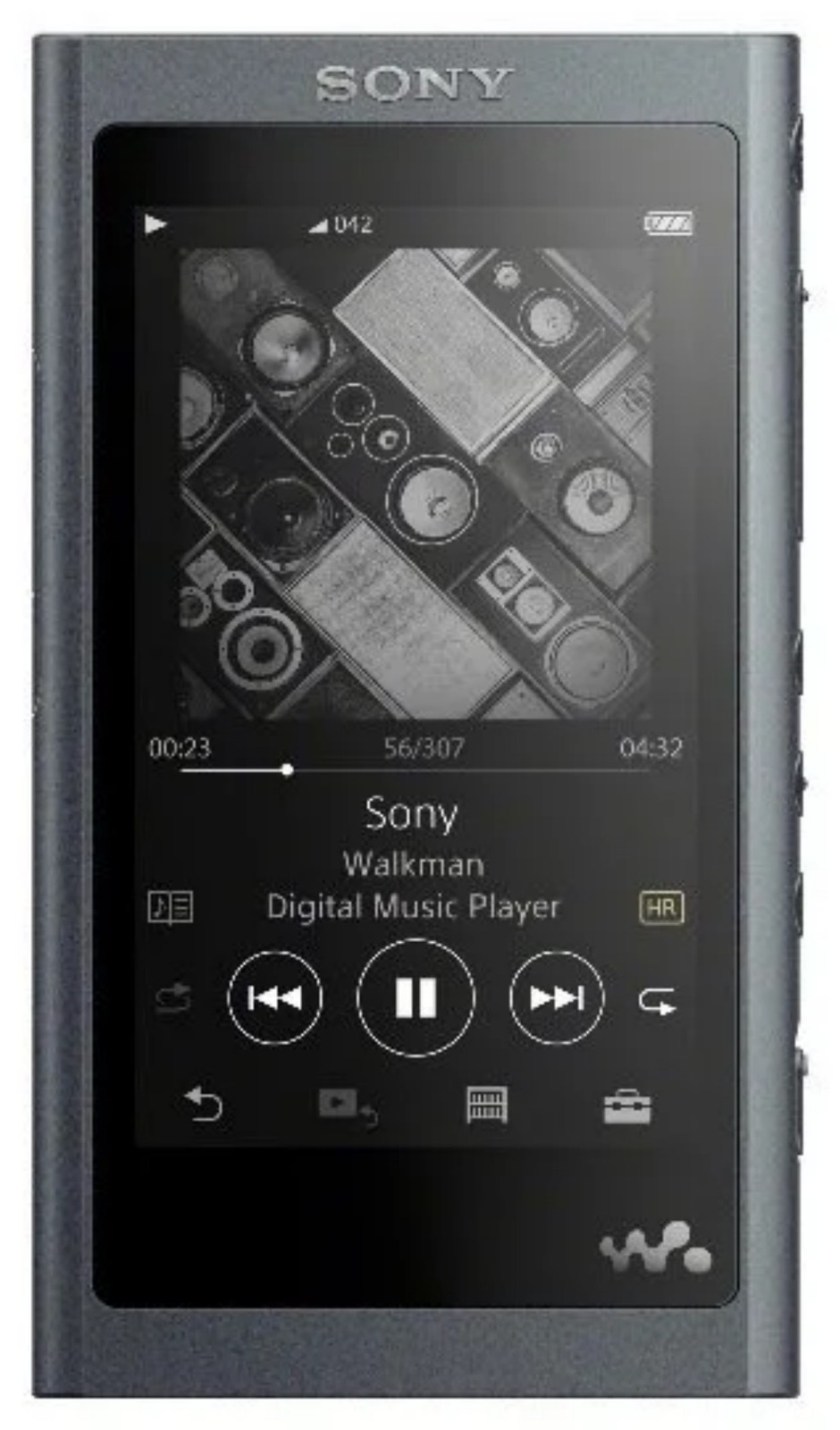 Sony NW-A55 Walkman Digital Audio Player Hi-Res Music MP3 English$148.00View on eBay
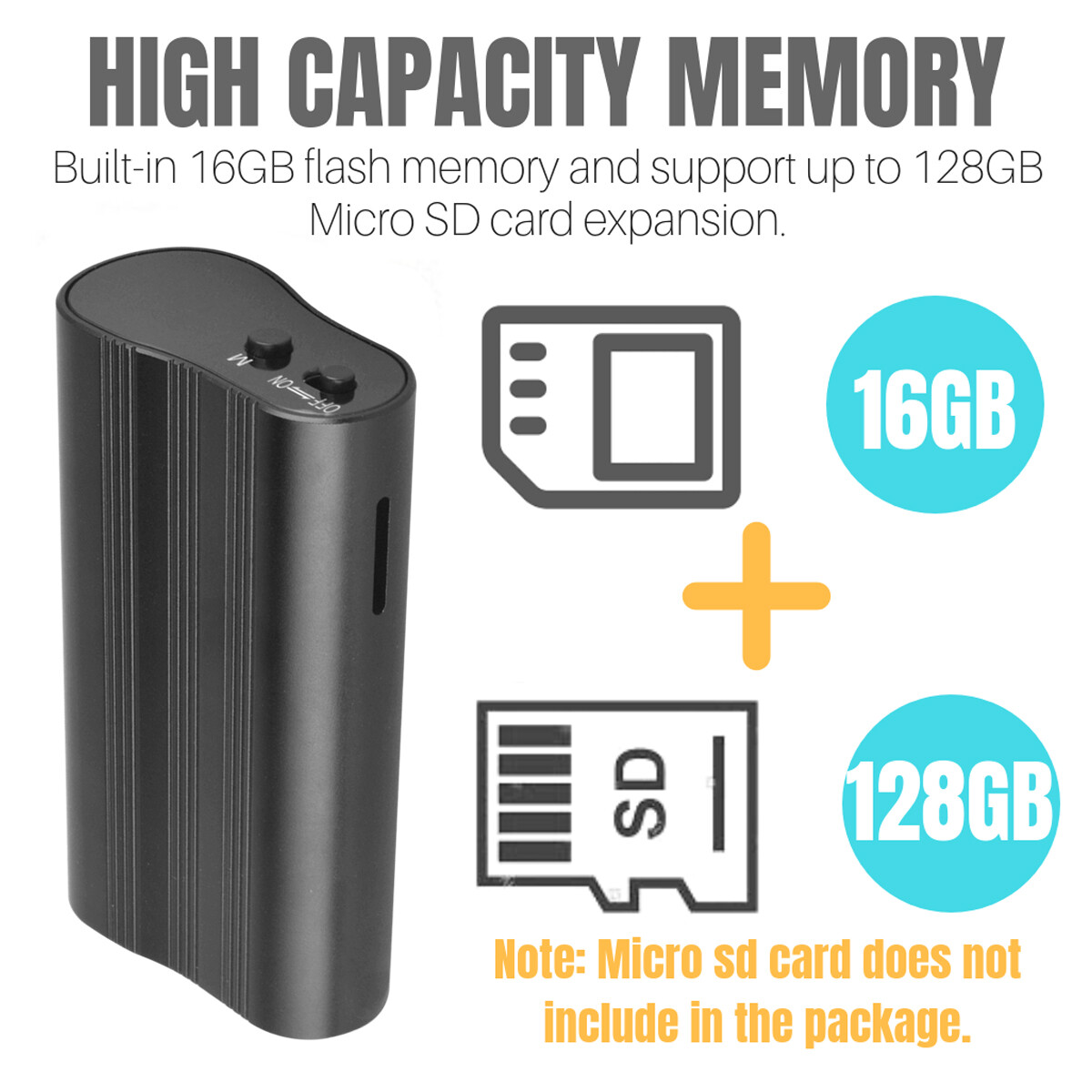 500 Hr 16GB Spy Digital Voice Activated Recorder Mini Audio Magnetic MP3 Player$58.99View on Mallflare
Highlights
- Fixed internal flash in 8GB, 16GB, 32GB, and 64GB tiers is the norm; microSD expansion is the exception and must be stated explicitly in the spec sheet.
- Plastic-shell mini players typically weigh under 30g and omit a display, relying on LED status or voice prompts for track and mode feedback.
- Voice-recorder variants add a microphone and often a magnetic or clip mount; recording time is a function of bitrate, so a '500 hr' claim implies low-bitrate mono capture, not music-grade audio.
- Battery life in this class runs roughly 8–20 hours of playback from a 150–300mAh cell; USB-C charging is now standard on current models while older stock uses micro-USB.
Best use cases
- Best fit: clip-on workout or commute listening — pick a screenless 16GB–32GB player with USB-C and a spring clip; skip touchscreen models that add weight and cost without improving playback.
- Best fit: lecture or meeting voice capture — choose a recorder variant with a visible mic port, 16GB or more, and a stated recording bitrate; skip pure music players with no microphone.
- Wrong fit: library-scale lossless listening — mini players with fixed flash and no microSD slot cannot hold a FLAC collection; move to a full-size DAP with expansion and a DAC.
- Wrong fit: children's first player with parental controls — most mini players lack volume limits, folder management, or content filtering; pick a dedicated kids' model with a volume cap.
Buying tips
- Match storage to format: 16GB holds roughly 3,000–4,000 MP3 tracks at 128kbps; FLAC at 900kbps needs about 7x the space, so choose 32GB+ or a microSD slot for lossless.
- Confirm the codec list before buying — MP3 and WMA are near-universal, but AAC, FLAC, and APE support varies by chipset and is the most common source of 'won't play' complaints.
- Check the recording spec separately from playback: voice recorders quote hours at a specific bitrate (e.g., 128kbps mono), and '500 hr' figures usually mean 8kbps or lower voice-grade capture.
- Prefer USB-C and a documented battery capacity (mAh) over vague 'long battery life' claims; a 200mAh cell yields roughly 10–12 hours of playback at moderate volume.
Specs
| Storage Tier | 8GB / 16GB / 32GB / 64GB fixed flash |
|---|---|
| Expansion | None vs microSD (32–128GB max) |
| Charging Port | USB-C (current) vs micro-USB (older) |
| Playback Battery | 8–20 hr from 150–300mAh cell |
Related searches
What to check before buying
- Measure your clip or mount point: mini players are typically 50–70mm long and 20–30mm wide, so confirm the clip fits a waistband, collar, or lanyard without pressing on skin.
- Verify your computer's USB port and cable type — older mini players ship with micro-USB, and a USB-C-only laptop needs an adapter or a USB-A hub.
- Check the file transfer method: mass-storage drag-and-drop works on Windows, macOS, and Linux, while MTP-only or proprietary sync software limits which computers can load tracks.
- For recording use, confirm the microphone is built in and note whether the device supports external mic input if you need interview-grade capture.
FAQ
Data sources: eBay / Amazon listings and product attribute feeds. Updated Nov 25, 2026.
Some links on this page are affiliate links. If you buy after clicking one, we may earn a commission at no extra cost to you. This does not change which products appear here or their order. Affiliate disclosure.