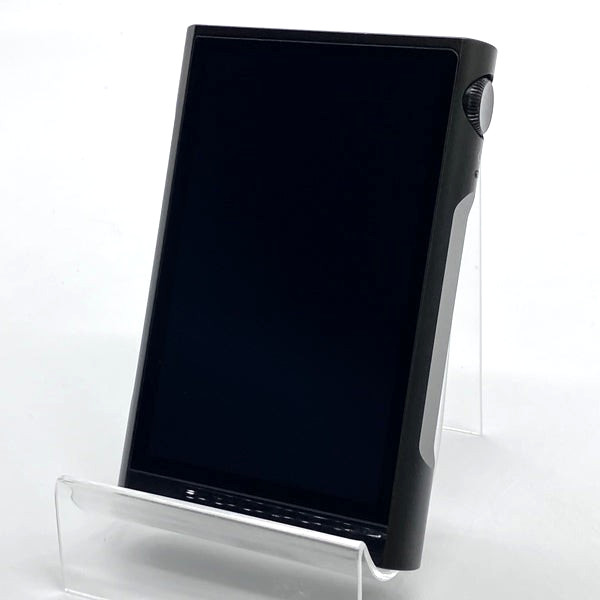

Photos from current listings. Actual item, color, and included accessories may vary.
Android Digital Audio Player Buying Guide
Android digital audio players (DAPs) run a full Android OS on dedicated audio hardware, giving you streaming apps and local playback with better DACs and amps than a phone. The core trade-off is Android version/SoC speed versus audio circuit quality and battery life: streaming-heavy users need a modern SoC and recent Android for app compatibility, while local-file listeners should prioritize DAC/amp architecture. The decision rule: buy an Android DAP only if you need app-based streaming plus wired headphone output; otherwise a non-Android DAP or phone dongle DAC is cheaper and simpler.
Key takeaways
- Android DAPs split into two DAC architectures: delta-sigma (ESS/AKM) for detail and balanced output, and R-2R for a warmer analog tone; flagship tiers often pair dual DACs with 4.4mm balanced outputs.
- Output power is the real headphone-match metric: portable DAPs deliver roughly 200-500mW into 32Ω single-ended and 400-1000mW+ balanced, enough for most dynamic and planar IEMs but not high-impedance 300Ω+ headphones.
- Android version and chipset determine streaming longevity: recent models ship Android 11-13 with Snapdragon 665/680-class SoCs; older Android 8/9 units lose app compatibility and security updates first.
At a glance
- Category
- Digital Audio Players
- Last updated
- Nov 28, 2026
Current offers
Highlights
- Android DAPs split into two DAC architectures: delta-sigma (ESS/AKM) for detail and balanced output, and R-2R for a warmer analog tone; flagship tiers often pair dual DACs with 4.4mm balanced outputs.
- Output power is the real headphone-match metric: portable DAPs deliver roughly 200-500mW into 32Ω single-ended and 400-1000mW+ balanced, enough for most dynamic and planar IEMs but not high-impedance 300Ω+ headphones.
- Android version and chipset determine streaming longevity: recent models ship Android 11-13 with Snapdragon 665/680-class SoCs; older Android 8/9 units lose app compatibility and security updates first.
- Battery capacity tracks output stage: 3000-4500mAh cells yield roughly 8-15 hours single-ended, dropping 20-30% in balanced high-gain mode; larger 6000mAh+ units trade pocketability for runtime.
Best use cases
- Best fit: streaming-first listeners who want Tidal/Apple Music/Qobuz offline plus wired IEMs — pick a recent-Android model with 4.4mm balanced and 400mW+ output; skip older Android 8 units.
- Best fit: local-library collectors with large FLAC/DSD folders — prioritize dual DACs, microSD expansion (1TB+ support), and USB-DAC mode; streaming app speed matters less.
- Best fit: IEM and efficient headphone users — a mid-tier Android DAP at 200-300mW single-ended is sufficient; wrong fit: 300Ω over-ear owners, who need a desktop amp or high-power DAP.
- Wrong fit: phone-only users unwilling to carry a second device — a dongle DAC delivers 80% of the sound for a fraction of the bulk; skip Android DAPs unless you want a dedicated offline player.
Buying tips
- Match output power to headphone impedance: aim for 200mW+ into 32Ω for IEMs, 500mW+ balanced for planar magnetic, and 1W+ for 300Ω dynamics — check the mW-at-Ω spec, not marketing wattage.
- Verify Android version and SoC generation: Android 11+ with Snapdragon 665/680-class chips sustains app updates and streaming DRM for years; Android 8/9 models are near end-of-life for apps.
- Confirm microSD support and rated capacity: most Android DAPs accept 1TB-2TB cards; internal storage (32GB/64GB) fills fast with apps and offline streaming caches.
- Check Bluetooth codec support and USB-DAC mode: LDAC/aptX HD for wireless, and UAC 2.0 compliance so the DAP can serve as a USB DAC for a computer.
Specs
| DAC Architecture | Delta-sigma dual vs R-2R |
|---|---|
| Balanced Output Power | 400-1000mW+ into 32Ω |
| Android Version | Android 9-13, Snapdragon SoC |
| Storage Expansion | microSD 1TB-2TB supported |
Related searches
What to check before buying
- Measure your headphone impedance and sensitivity; if above 150Ω or below 100dB/mW, prioritize balanced output power over Android features.
- Confirm your streaming apps require Google Play Services — some Android DAPs ship without it, limiting official app installs.
- Check regional plug/voltage: DAPs charge via USB-C at 5V; ensure the bundled charger or your adapter matches your country's plug standard.
- Verify physical fit: Android DAPs run roughly 120-145mm tall and 200-300g; ensure pocket or case carry suits your daily routine and that a case is available.
FAQ
Data sources: eBay / Amazon listings and product attribute feeds. Updated Nov 28, 2026.
Some links on this page are affiliate links. If you buy after clicking one, we may earn a commission at no extra cost to you. This does not change which products appear here or their order. Affiliate disclosure.