
Photos from current listings. Actual item, color, and included accessories may vary.
USB DAC Buying Guide
A USB DAC is an external digital-to-analog converter that bypasses your computer's noisy onboard audio, often adding a headphone amplifier stage for cleaner, louder, and more detailed sound. The core trade-off is between chipset quality, amp output power, and feature set—you can get a clean basic DAC for sensitive IEMs, or pay more for balanced outputs, high-resolution decoding, and enough power for planar magnetic headphones. The decision rule: match the DAC's output impedance and power delivery to your headphones' sensitivity and impedance, and buy from a brand with published specs rather than generic white-label units.
Median $229.95 · Pre-owned listings
Key takeaways
- DAC chipset determines decoding ceiling: ESS Sabre ES9068AS handles DSD512 and 32-bit/768kHz PCM, while older AKM or Burr-Brown chips top out at DSD256 or 24-bit/192kHz.
- Amp architecture matters more than chipset for hard-to-drive headphones: THX AAA 788+ modules deliver >1W into 32 ohms, while USB bus-powered DACs typically cap at 100-200mW.
- Balanced outputs (4.4mm or 2.5mm) double voltage swing versus single-ended 3.5mm, giving real headroom for high-impedance dynamic headphones above 250 ohms.
At a glance
- Category
- DACs & Headphone Amplifiers
- Last updated
- Nov 25, 2026
Current offers
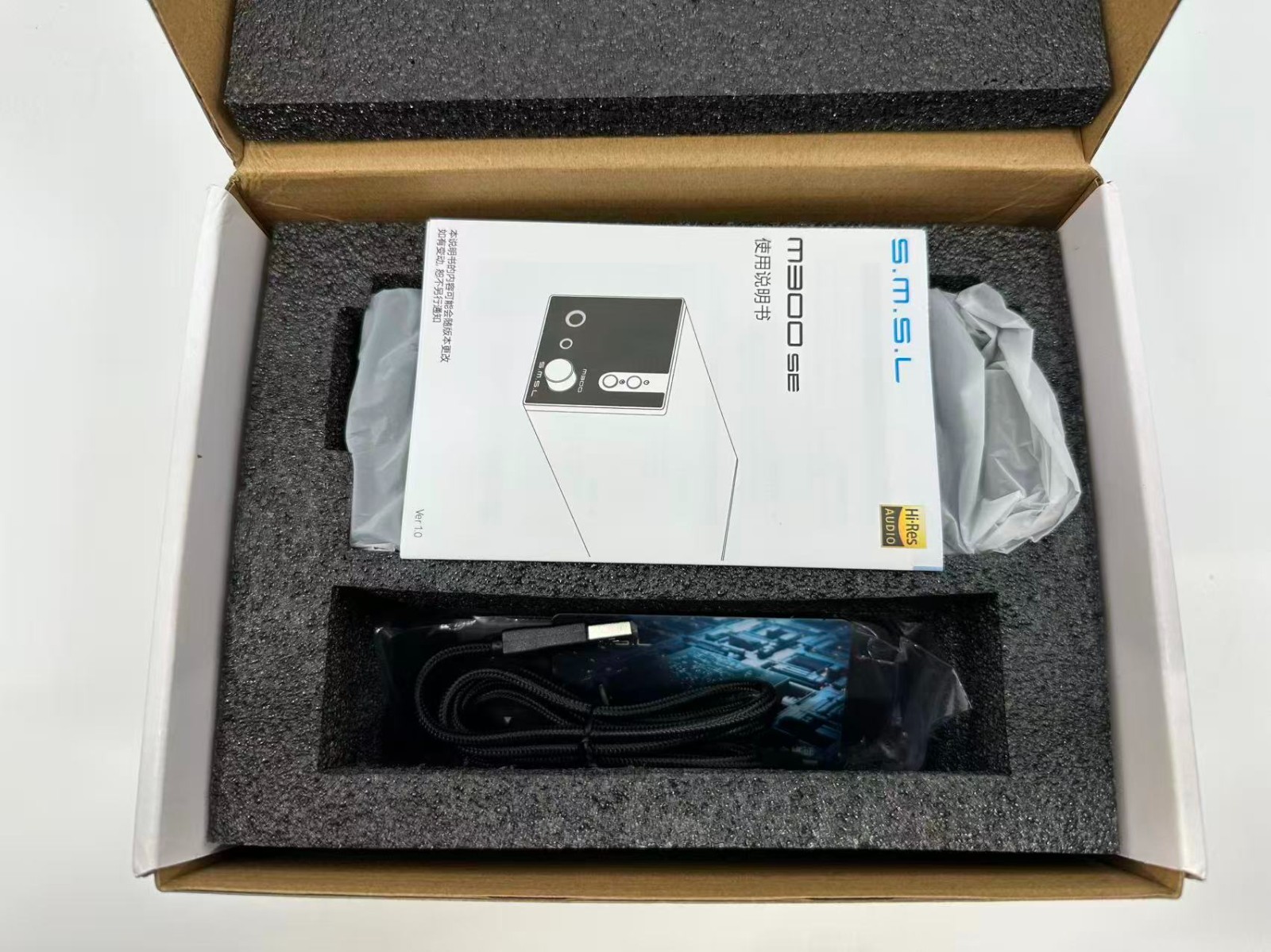 USB DAC Balanced Headphone Amplifier Bluetooth with Remote SMSL M300SE$120.00View on eBay
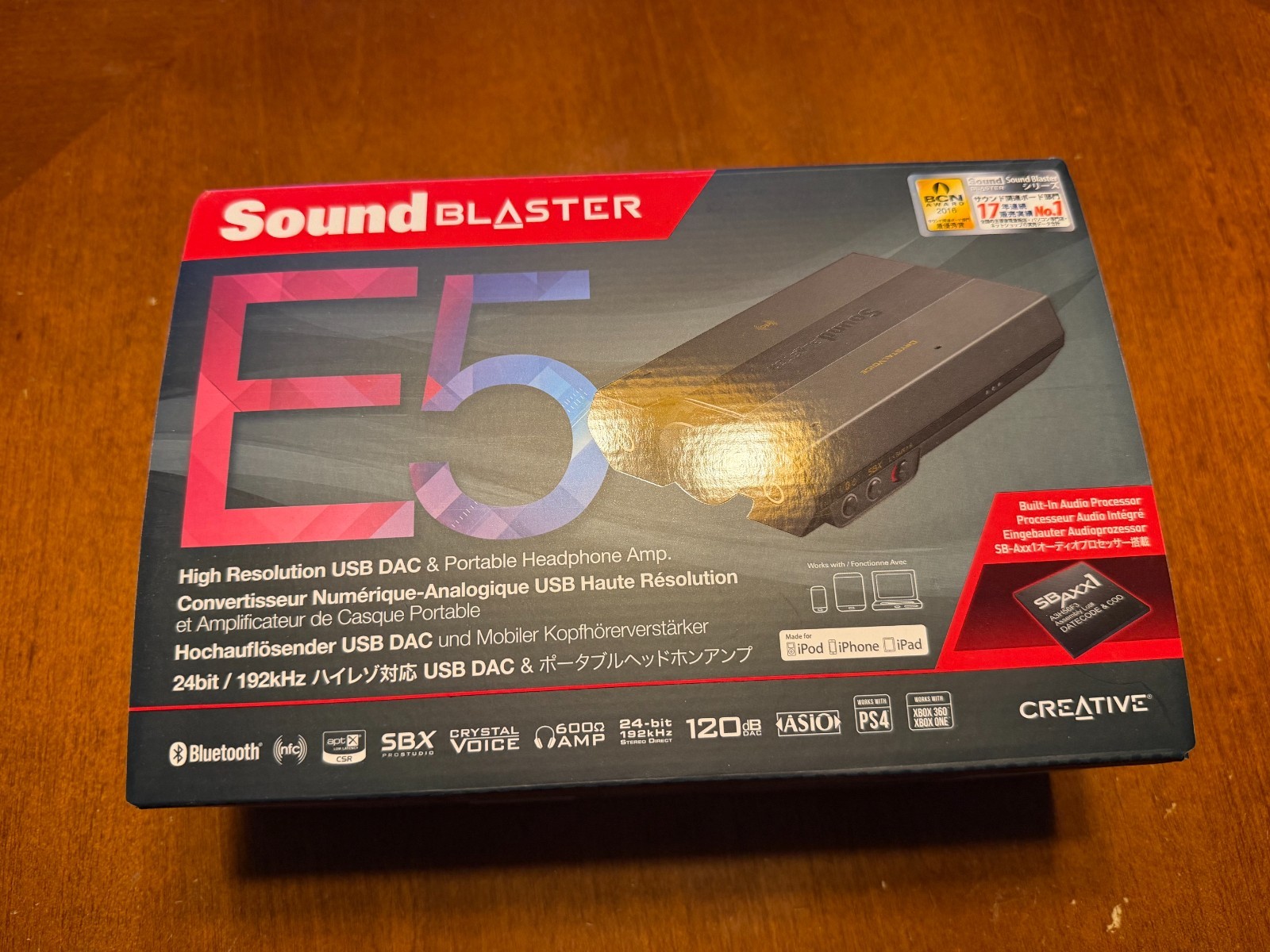 Creative SoundBlaster E5 Hi-Resolution Portable USB DAC Headphone Amplifier MINT$129.99View on eBay
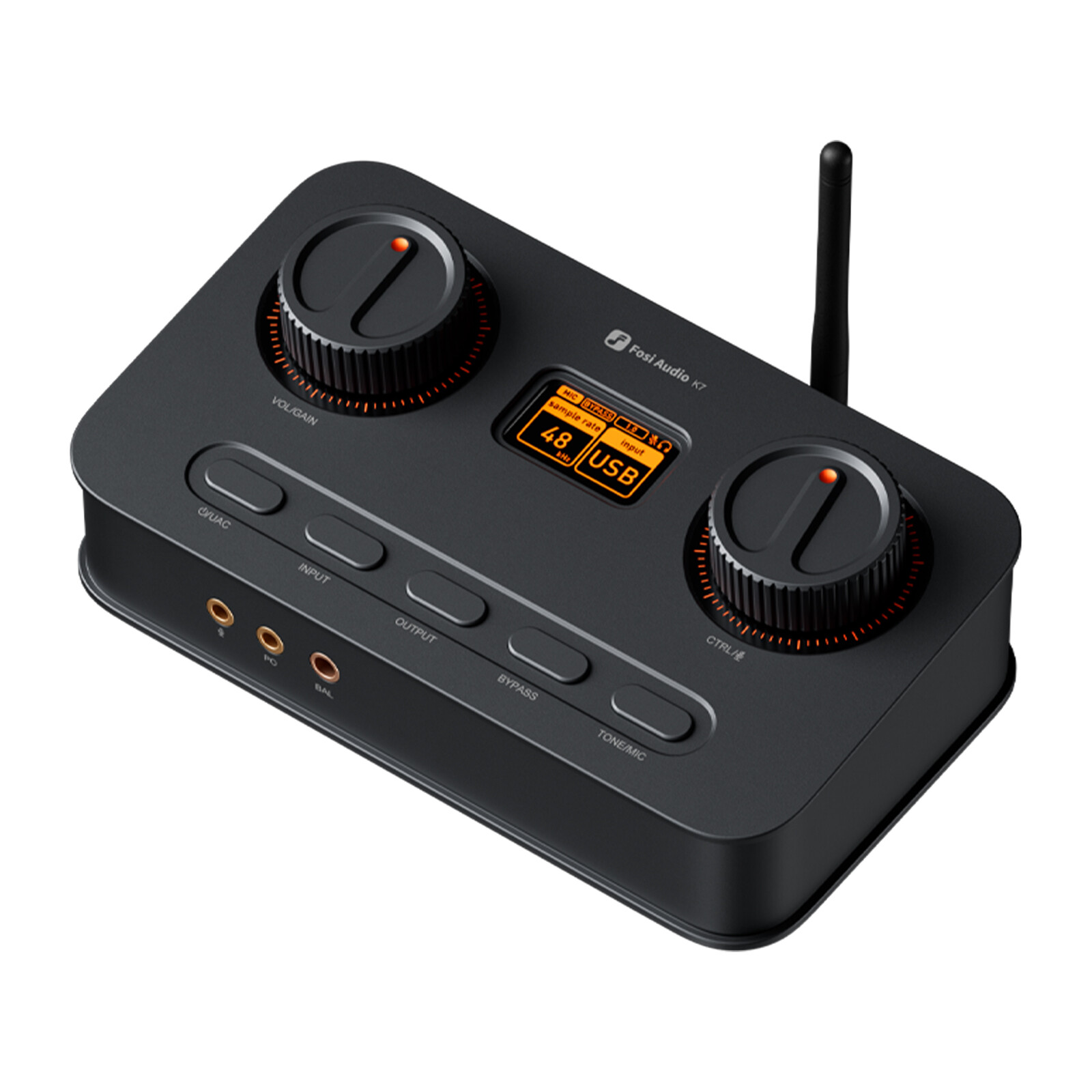 Fosi Audio K7 DAC Headphone Amp Desktop USB C Digital to Analog (Refurbished)$159.99View on eBay
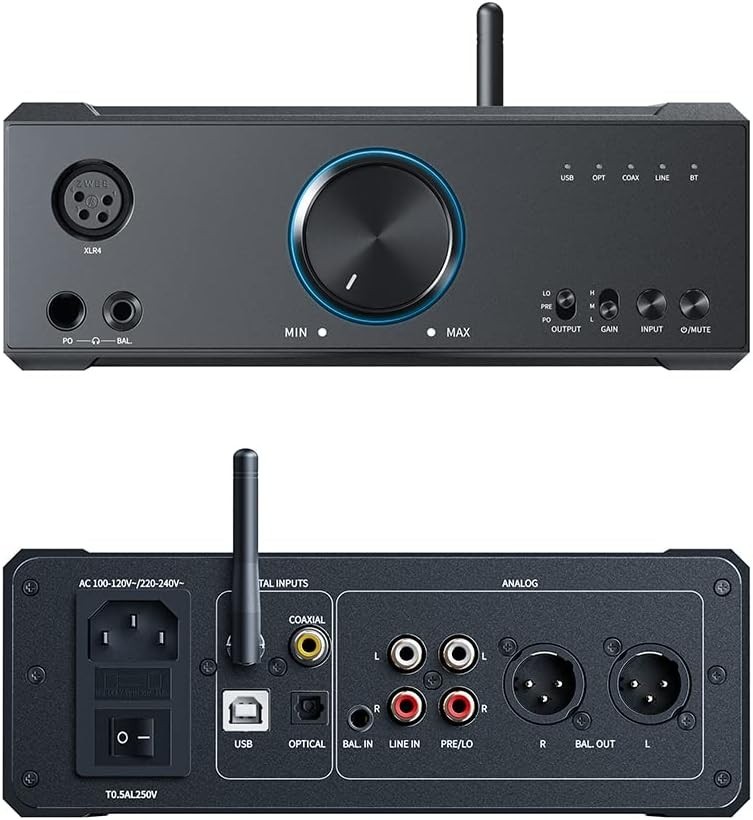 FiiO K9 Desktop Headphone Amp USB/DAC w/ES9068AS*2, THX AAA 788+,LDAC, DSD512$299.90Last checked Nov 18, 2026View on eBay
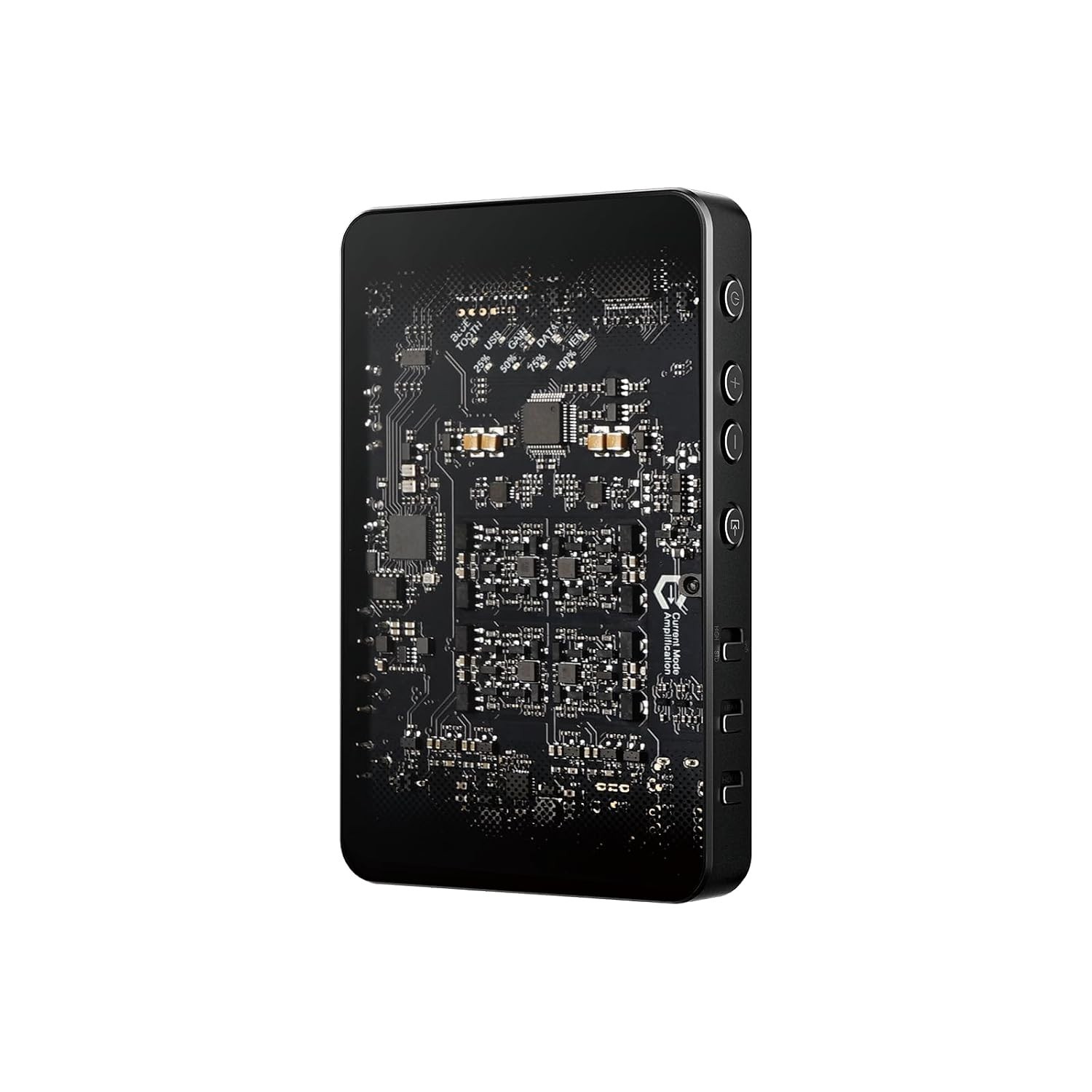 Questyle SIGMA Bluetooth 5.4 Portable DAC & Headphone Amplifier – USB-C$364.99Open box · Last checked Nov 21, 2026View on eBay
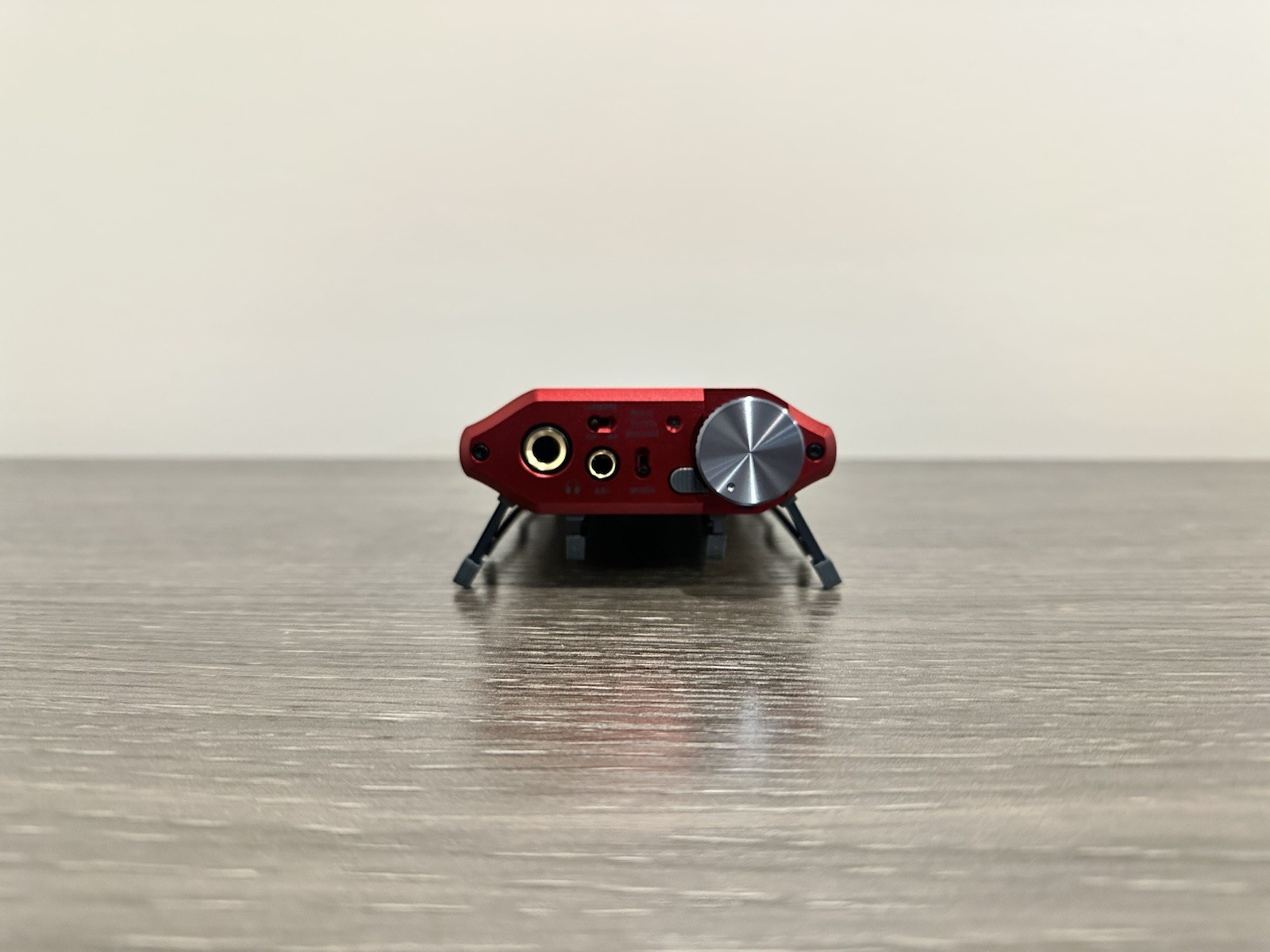 iFi Audio iDSD Diablo 2 USB DAC / Headphone Amplifier - Open Box$749.99Last checked Nov 18, 2026View on eBay
Highlights
- DAC chipset determines decoding ceiling: ESS Sabre ES9068AS handles DSD512 and 32-bit/768kHz PCM, while older AKM or Burr-Brown chips top out at DSD256 or 24-bit/192kHz.
- Amp architecture matters more than chipset for hard-to-drive headphones: THX AAA 788+ modules deliver >1W into 32 ohms, while USB bus-powered DACs typically cap at 100-200mW.
- Balanced outputs (4.4mm or 2.5mm) double voltage swing versus single-ended 3.5mm, giving real headroom for high-impedance dynamic headphones above 250 ohms.
- Bluetooth input codecs like LDAC and aptX Adaptive allow wireless use at up to 990kbps, but only if both the DAC and source device support the same codec.
Best use cases
- Best for desktop PC with hard-to-drive planar headphones (e.g., HiFiMan, Audeze): pick a mains-powered DAC/amp with balanced output and >500mW per channel—skip bus-powered dongles.
- Best for laptop with sensitive IEMs or efficient closed-backs: a bus-powered USB-C DAC with <1 ohm output impedance is sufficient and eliminates hiss—skip large desktop units with high-gain noise floors.
- Wrong fit for wireless-only use: if you want Bluetooth headphones on the go, a dedicated BT DAC/amp (like iFi Diablo 2) is overkill—a portable Bluetooth receiver or dongle DAC is smaller and cheaper.
- Wrong fit for studio monitoring with active speakers: a headphone-only DAC lacks balanced line outputs—choose a DAC with XLR or TRS outputs to feed powered monitors.
Buying tips
- Match output impedance to headphone impedance: for IEMs (8-32 ohms), choose an amp with <1 ohm output impedance to avoid frequency response shifts; for 300-ohm dynamic headphones, higher impedance is fine.
- Calculate power needed: headphones under 100dB/mW sensitivity and over 300 ohms need at least 500mW into 300 ohms—check the spec sheet for power at your headphone's impedance, not just at 32 ohms.
- Prefer USB-C or USB-B input over micro-USB for durability and modern cable availability; check for asynchronous USB implementation to reduce jitter.
- Look for published THD+N and SNR figures below 0.001% and above 110dB respectively—these separate competent designs from noisy budget boards.
Specs
| DAC Chipset | ESS Sabre / AKM / Burr-Brown |
|---|---|
| Max PCM / DSD | 32-bit/768kHz / DSD512 |
| Amp Power (32 ohm) | 100mW to >1W |
| Outputs | 3.5mm SE + 4.4mm BAL |
Related searches
What to check before buying
- Measure your headphone's impedance and sensitivity from its spec sheet; confirm the DAC's power output at that impedance exceeds your listening volume requirement by at least 3dB.
- Verify your computer's USB port can supply enough current—bus-powered DACs with high-power amps may need a powered hub or external 5V supply.
- Check the DAC's output impedance against your headphone impedance; aim for a damping factor (headphone impedance divided by output impedance) of at least 8.
- Confirm the DAC supports your source's maximum sample rate and file formats (DSD, MQA, PCM) via its USB input, not just its optical or coaxial input.
FAQ
Data sources: eBay / Amazon listings and product attribute feeds. Updated Nov 25, 2026.
Some links on this page are affiliate links. If you buy after clicking one, we may earn a commission at no extra cost to you. This does not change which products appear here or their order. Affiliate disclosure.