
Photos from current listings. Actual item, color, and included accessories may vary.
Portable DAC Buying Guide
A portable DAC is an external digital-to-analog converter with a built-in headphone amplifier that bypasses a phone or laptop's weak internal audio, and the primary trade-off is clean output power versus pocket-friendly size and battery life. The decisive rule: choose a dongle DAC for IEMs and efficient headphones under 32Ω, or a battery-powered portable DAC/amp when you need balanced output, high voltage swing, or desktop-grade decoding on the move.
Median $327.50 · New & pre-owned listings
Key takeaways
- Output power scales with amp topology: dongles deliver roughly 1-4 Vrms, while battery-powered portables push 6-9 Vrms to drive 300Ω dynamic headphones and planar magnetics.
- DAC chip tier separates detail retrieval: dual current-output chips (e.g., dual CS43198) with a dedicated amp stage outperform single-chip dongles on channel separation and noise floor.
- Balanced 4.4mm Pentaconn output doubles voltage swing versus 3.5mm single-ended on the same device, which matters most for high-impedance or low-sensitivity loads.
At a glance
- Category
- DACs & Headphone Amplifiers
- Last updated
- Nov 25, 2026
Current offers
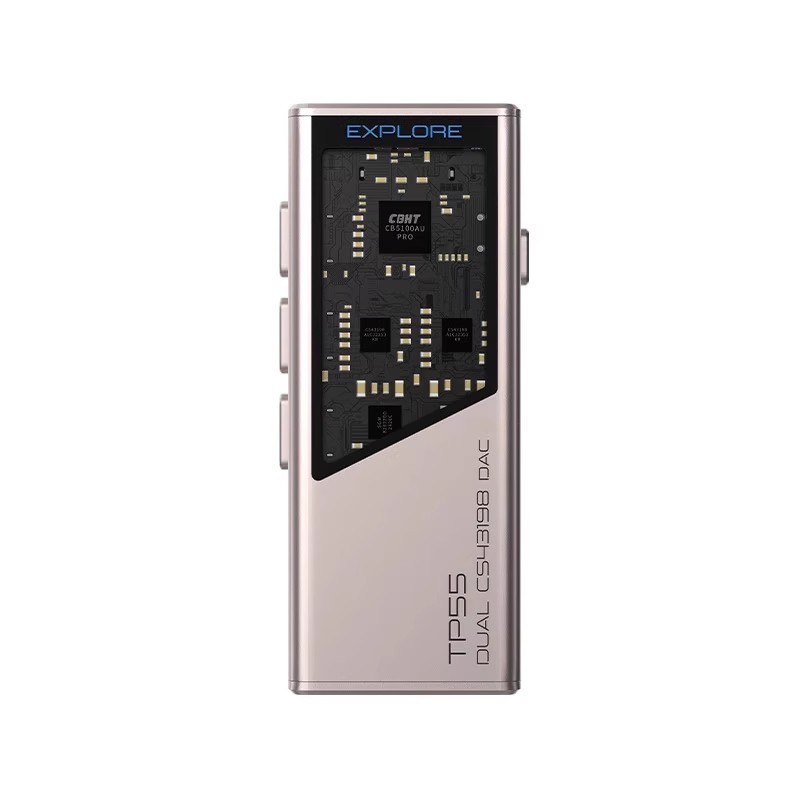 EPZ TP55 Portable Dual CS43198 Dual SGM8262 3.5MM+4.4MM Type C Dongle DAC-AMP$110.88View on eBay
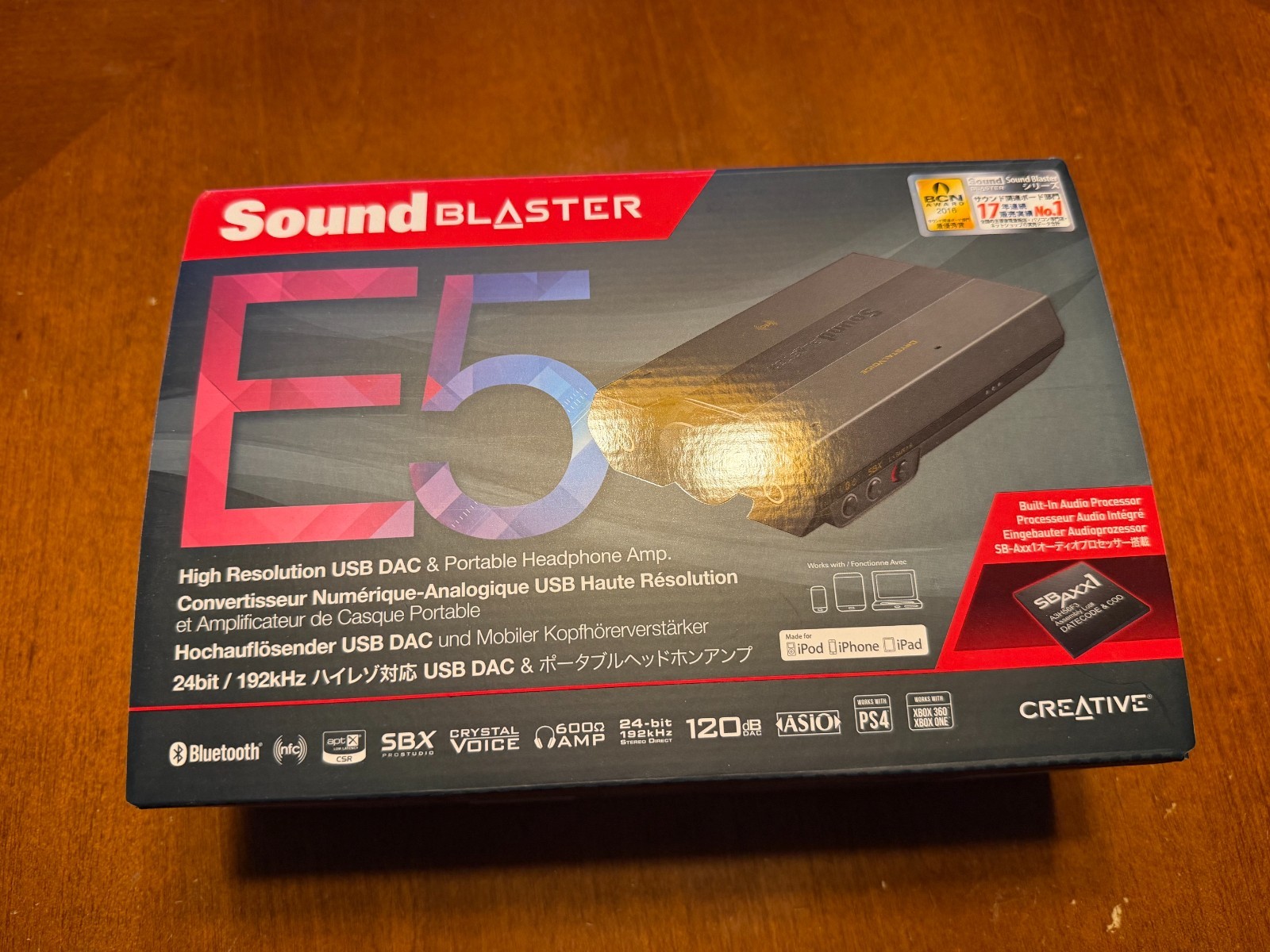 Creative SoundBlaster E5 Hi-Resolution Portable USB DAC Headphone Amplifier MINT$129.99View on eBay
 FiiO QX13 Portable DAC Amp,ES9027PRO 8-Ch,DAC 900mW×2,XMOS 16-Core,Titanium Gold$184.99View on eBay
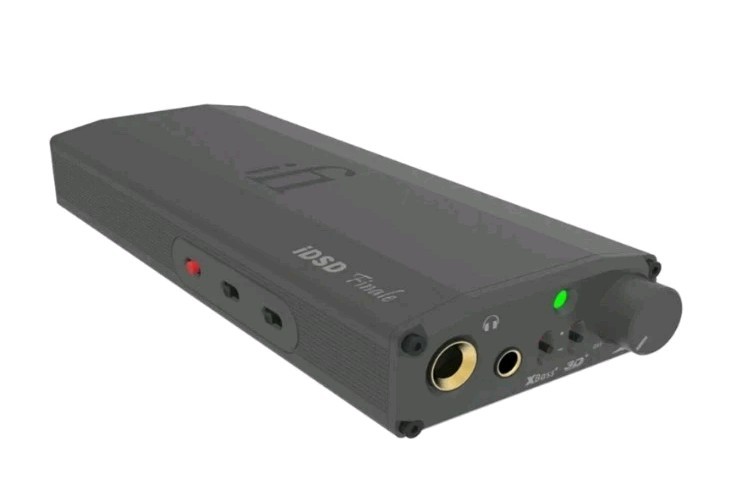 iFi Audio Micro iDSD Signature Finale Portable Headphone Amp and DAC$294.99Last checked Nov 17, 2026View on eBay
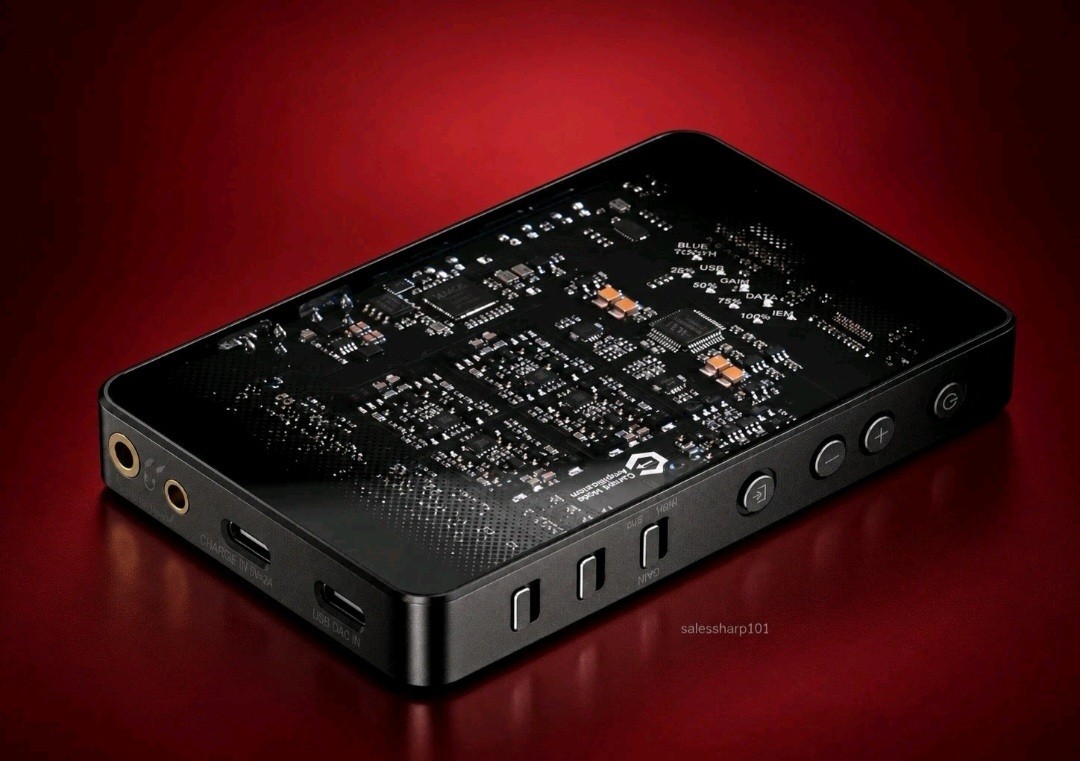 Questyle Sigma DAC/Amp Portable Rechargeable DAC & Bluetooth Headphone Amplifier$360.00New · Last checked Nov 21, 2026View on eBay
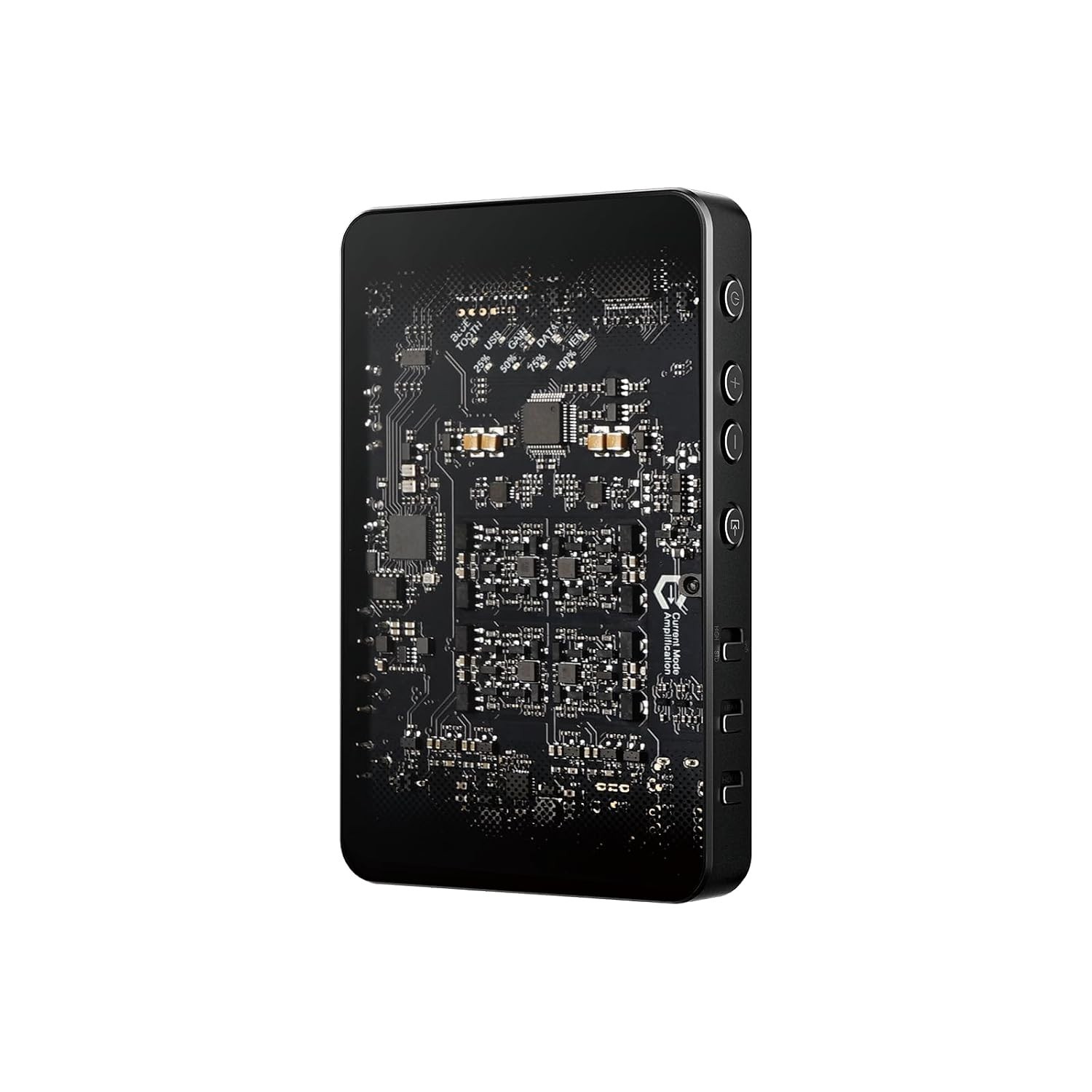 Questyle SIGMA Bluetooth 5.4 Portable DAC & Headphone Amplifier – USB-C$364.99Open box · Last checked Nov 21, 2026View on eBay
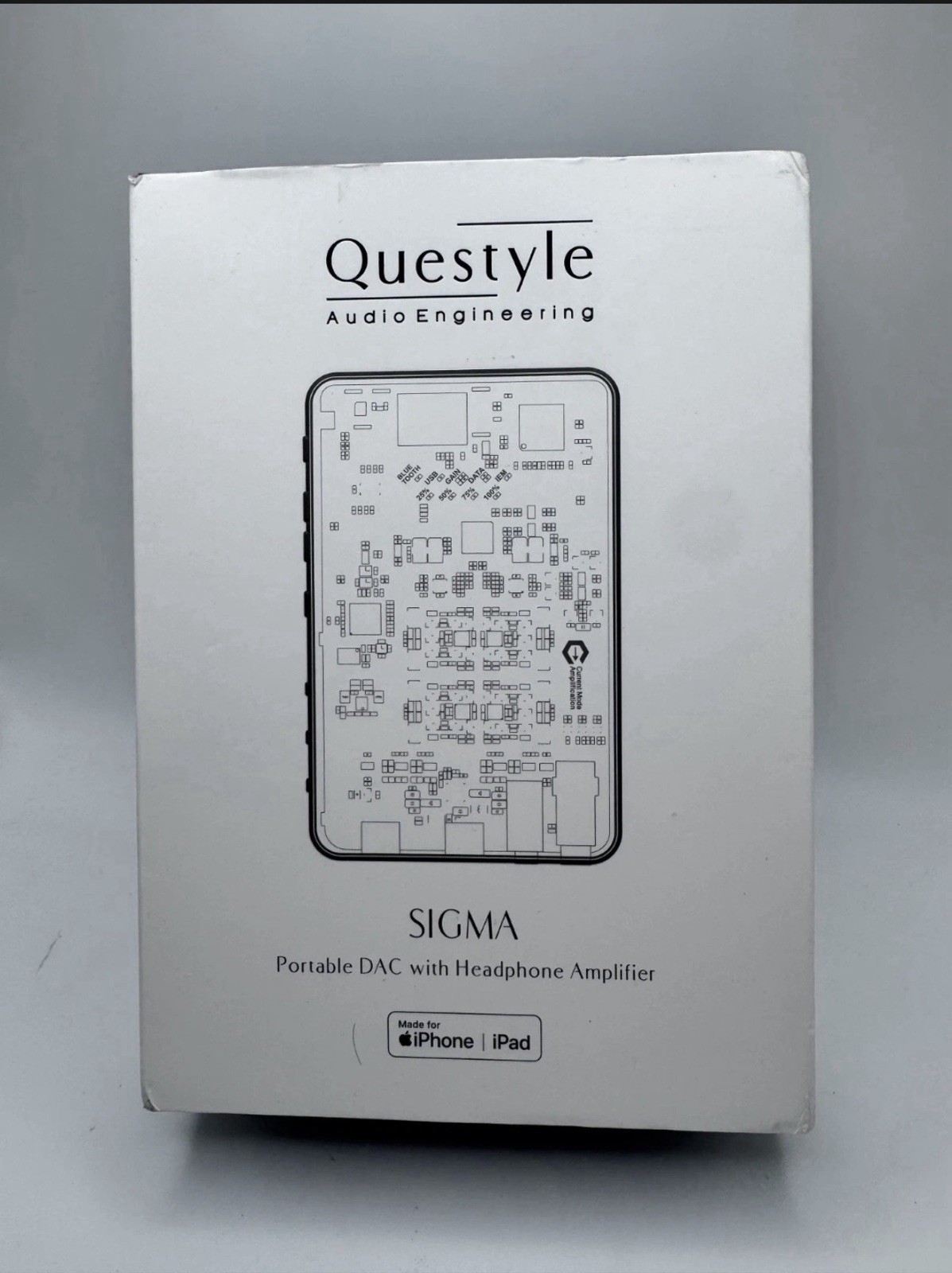 Questyle Sigma DAC/Amp Portable Rechargeable DAC & Bluetooth Headphone Amplifier$379.00Used · Last checked Nov 21, 2026View on eBay
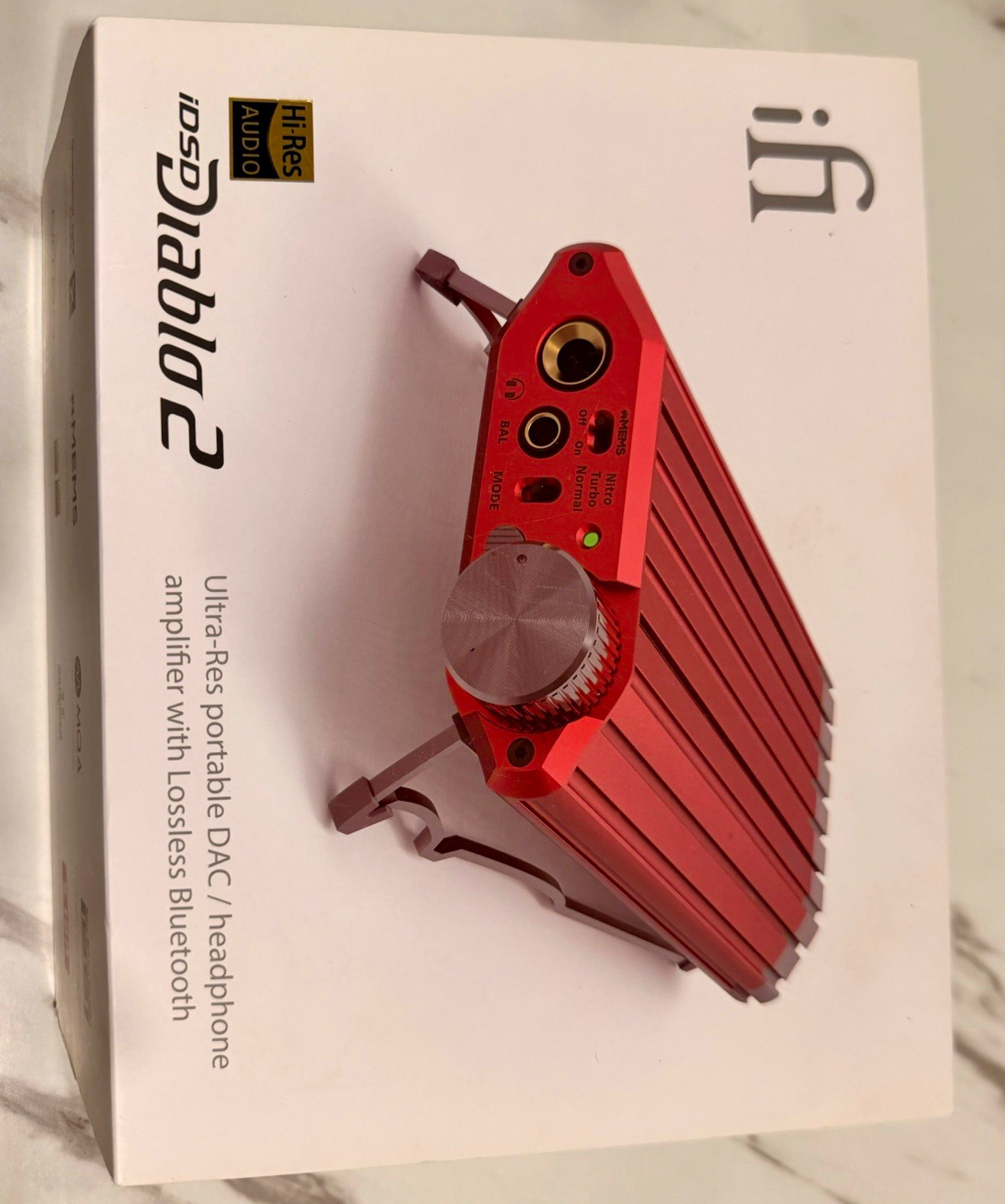 iFi iDSD Diablo 2 Portable DAC & Headphone Amplifier, Bluetooth, Red$670.00Open box · Last checked Nov 21, 2026View on eBay
Highlights
- Output power scales with amp topology: dongles deliver roughly 1-4 Vrms, while battery-powered portables push 6-9 Vrms to drive 300Ω dynamic headphones and planar magnetics.
- DAC chip tier separates detail retrieval: dual current-output chips (e.g., dual CS43198) with a dedicated amp stage outperform single-chip dongles on channel separation and noise floor.
- Balanced 4.4mm Pentaconn output doubles voltage swing versus 3.5mm single-ended on the same device, which matters most for high-impedance or low-sensitivity loads.
- USB-C bus power caps dongle output at roughly 100-300mW; internal battery or external power is required for 500mW+ per channel into 32Ω.
Best use cases
- Pick a USB-C dongle DAC for IEMs and easy-to-drive closed-backs (under 32Ω, over 100dB sensitivity) on phone or laptop; skip battery-powered units for this use since they add bulk without audible benefit.
- Pick a battery-powered portable DAC/amp with 4.4mm balanced output for planar magnetic or 250-300Ω dynamic headphones; a bus-powered dongle will clip or sound thin on these loads.
- Pick a desktop-replacement portable (dual DAC chips, 900mW+ per channel, XMOS or equivalent USB receiver) for laptop-only listeners who want one device for both travel and desk duty.
- Skip portable DACs entirely if your headphones are under 32Ω and your source already has a competent internal DAC; the upgrade is marginal unless you need balanced output or format support.
Buying tips
- Match power to load: target at least 100mW into 32Ω for efficient headphones, 500mW+ into 32Ω for planar magnetics, and high voltage swing (6Vrms+) for 300Ω dynamics.
- Choose a dual-DAC architecture (two converter chips, one per channel) for genuine channel separation; single-chip designs share one converter across both channels.
- Confirm the USB receiver generation: XMOS or equivalent asynchronous receivers support DSD and high PCM rates without driver hassle on Windows, while older receivers cap at 24/96.
- For iPhone, budget for a Lightning-to-USB-C adapter or pick a dongle with a Lightning option; bus-powered DACs draw more current than the Lightning camera adapter's default allowance.
Specs
| Amp Type | USB dongle vs battery portable |
|---|---|
| Output Power | 100mW-900mW+ per ch (32Ω) |
| DAC Architecture | Single-chip vs dual current-output |
| Headphone Output | 3.5mm SE / 4.4mm balanced |
Related searches
What to check before buying
- Measure your headphone impedance and sensitivity: above 100Ω or below 100dB/mW means you need a battery-powered amp, not a dongle.
- Check your source port: USB-C dongles need a free USB-C or Lightning port; battery-powered DACs add a charging cable and roughly 150-300g of pocket weight.
- Verify the output jack you need: 3.5mm single-ended for IEMs and easy loads, 4.4mm Pentaconn balanced for high-impedance or low-sensitivity headphones.
- Confirm format support matches your library: 24/192 PCM minimum, DSD256 if you have DSD files, and MQA only if your streaming service requires it.
FAQ
Data sources: eBay / Amazon listings and product attribute feeds. Updated Nov 25, 2026.
Some links on this page are affiliate links. If you buy after clicking one, we may earn a commission at no extra cost to you. This does not change which products appear here or their order. Affiliate disclosure.