
Photos from current listings. Actual item, color, and included accessories may vary.
Headphone DAC Amp Buying Guide
A headphone DAC/amp is the conversion-and-amplification stage between your digital source and your headphones, and its value is set by DAC chip architecture, amp topology (THX AAA, discrete Class A/AB, or op-amp), and genuinely balanced outputs rather than cosmetics. The core trade-off is clean power into your headphone's actual impedance versus noise floor and feature sprawl. The decision rule: match output power at your headphone's load and sensitivity first, then require a real balanced path and a current-gen USB input; skip any unit that quotes only single-ended wattage and an unnamed DAC chip.
Median $299.90 · New & pre-owned listings
Key takeaways
- Dual ES9068AS DACs with THX AAA 788+ amplification (FiiO K9 tier) deliver fully balanced 4-pin XLR/4.4mm drive with LDAC and DSD512 decode.
- 4-in/4-out balanced matrix switching (Fosi ZH3 class) lets one amp serve multiple sources and monitors, but only when every run stays balanced end-to-end.
- Portable tiers like iFi Micro iDSD Signature pair a battery-fed DAC with high-current headphone drive for travel; desktop tiers add linear or toroidal power supplies for lower noise.
At a glance
- Category
- DACs & Headphone Amplifiers
- Last updated
- Nov 25, 2026
Current offers
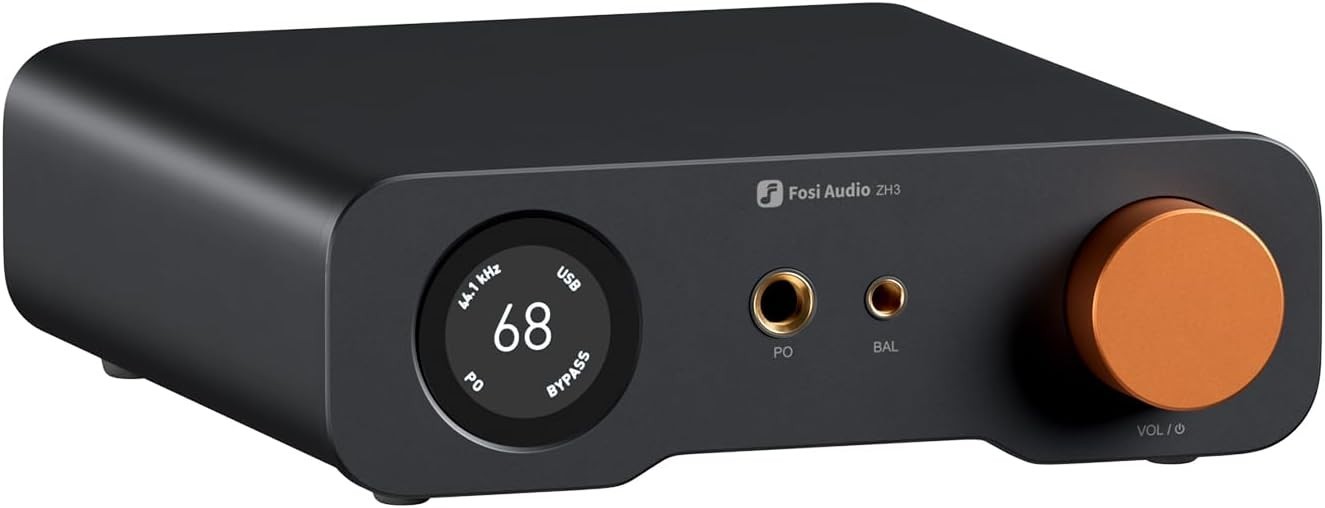 *Missing Remote* Fosi Audio ZH3 DAC Headphone Amp, 4-in 4-out Balanced Preamp$154.99View on eBay
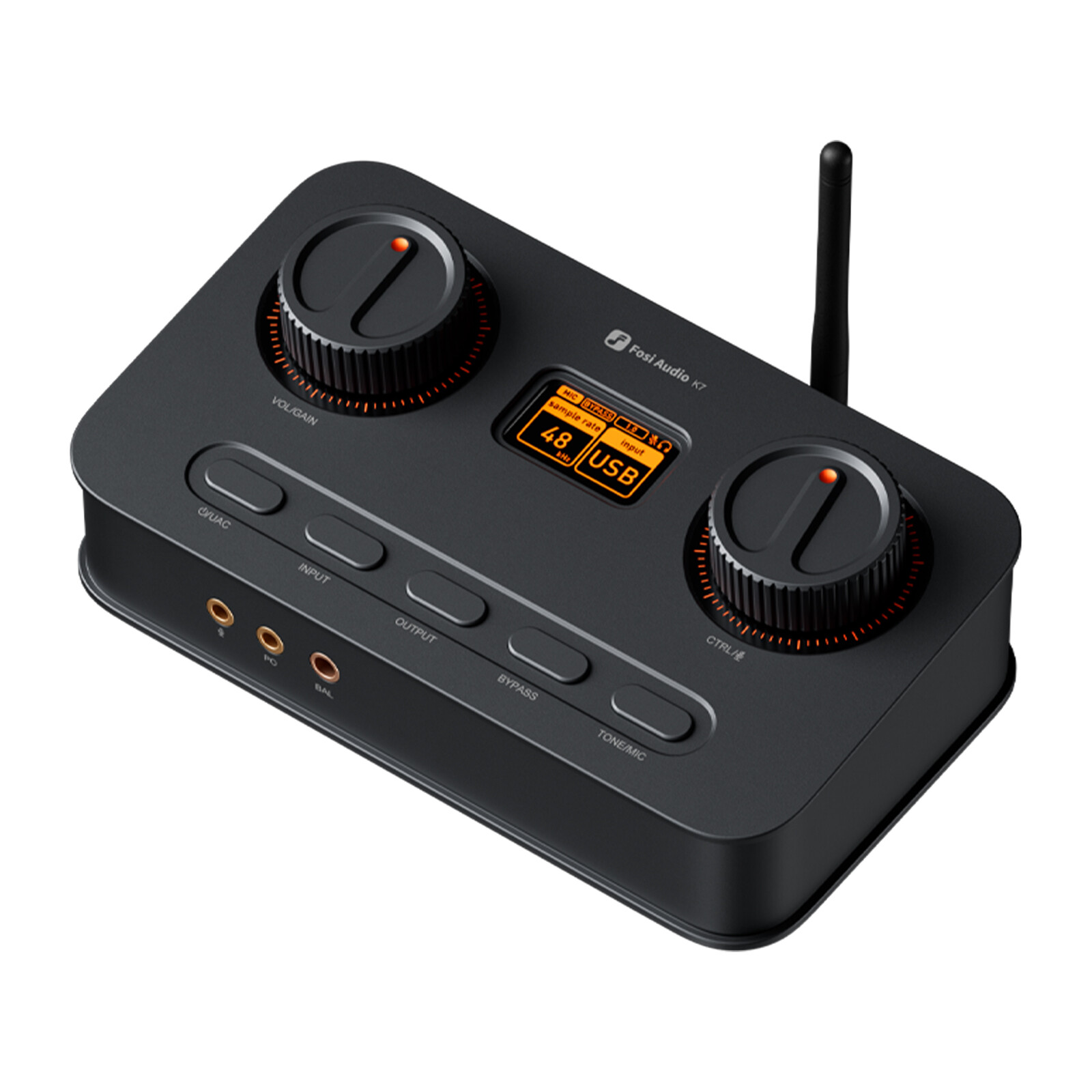 Fosi Audio K7 DAC Headphone Amp Desktop USB C Digital to Analog (Refurbished)$159.99View on eBay
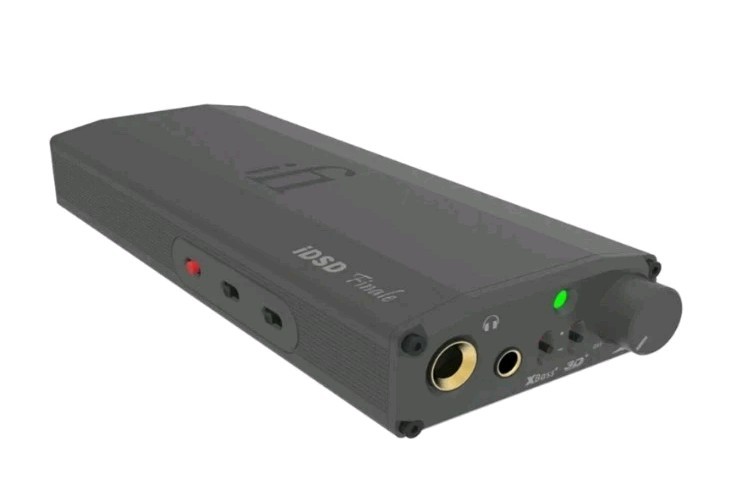 iFi Audio Micro iDSD Signature Finale Portable Headphone Amp and DAC$294.99Last checked Nov 17, 2026View on eBay
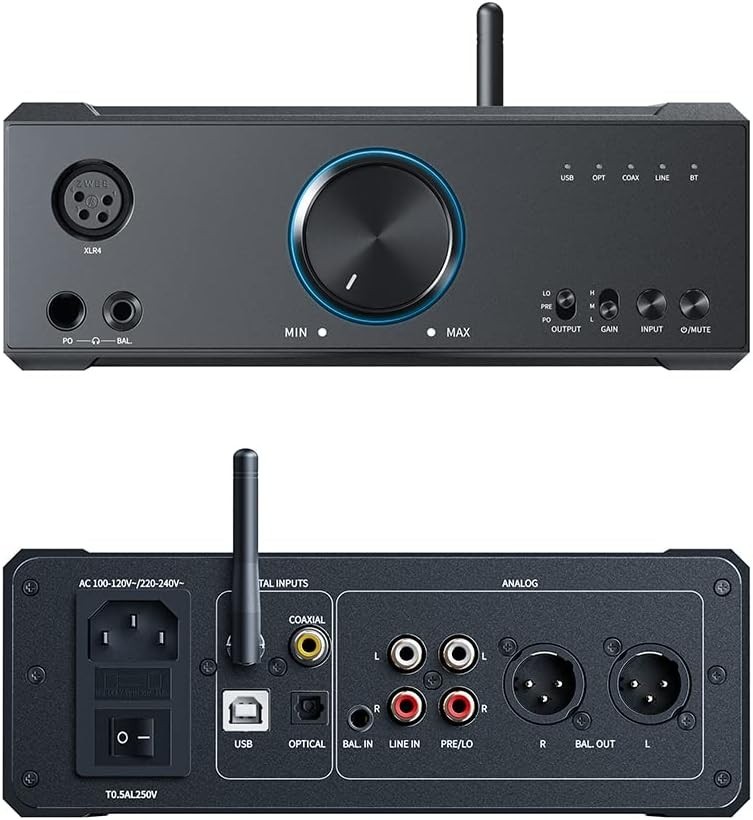 FiiO K9 Desktop Headphone Amp USB/DAC w/ES9068AS*2, THX AAA 788+,LDAC, DSD512$299.90Last checked Nov 18, 2026View on eBay
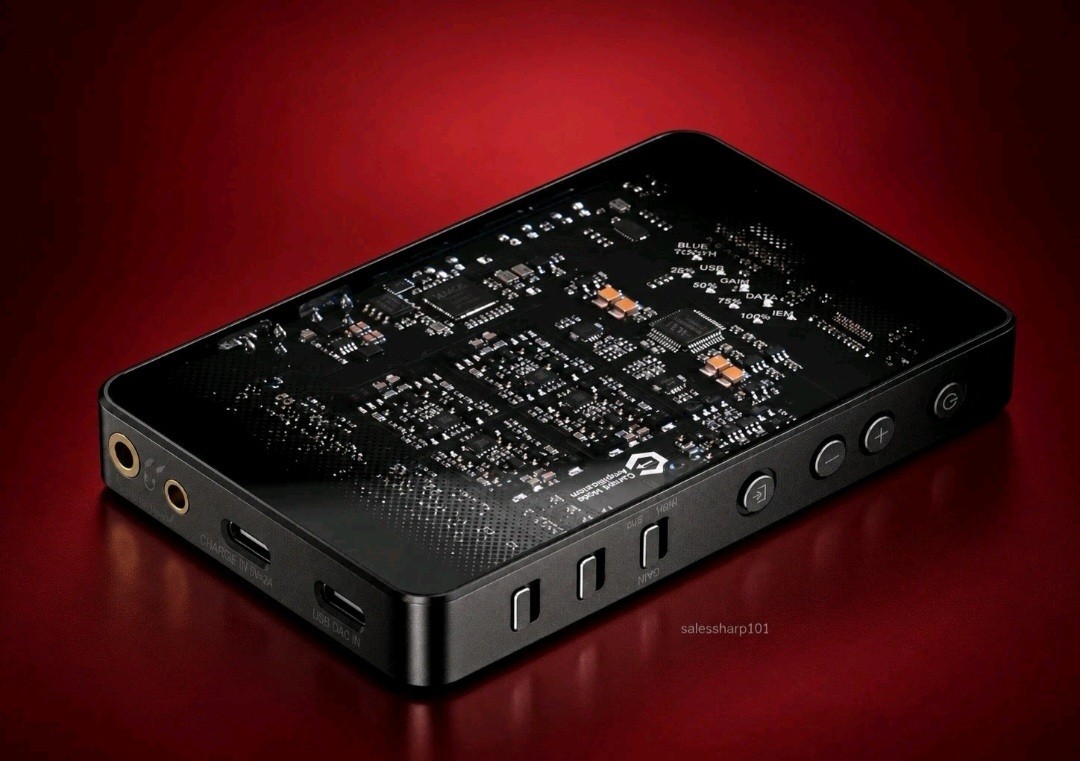 Questyle Sigma DAC/Amp Portable Rechargeable DAC & Bluetooth Headphone Amplifier$360.00New · Last checked Nov 21, 2026View on eBay
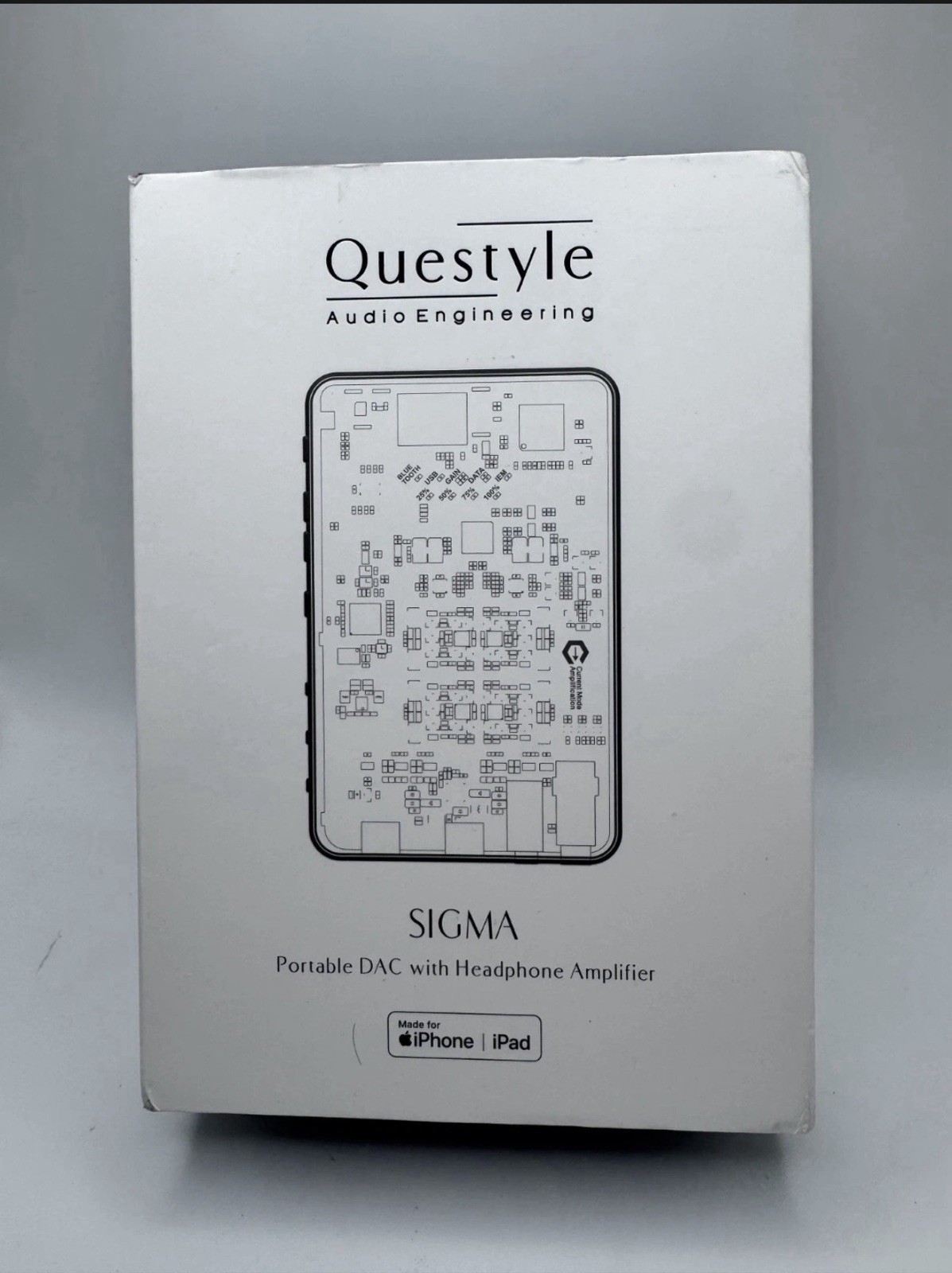 Questyle Sigma DAC/Amp Portable Rechargeable DAC & Bluetooth Headphone Amplifier$379.00Used · Last checked Nov 21, 2026View on eBay
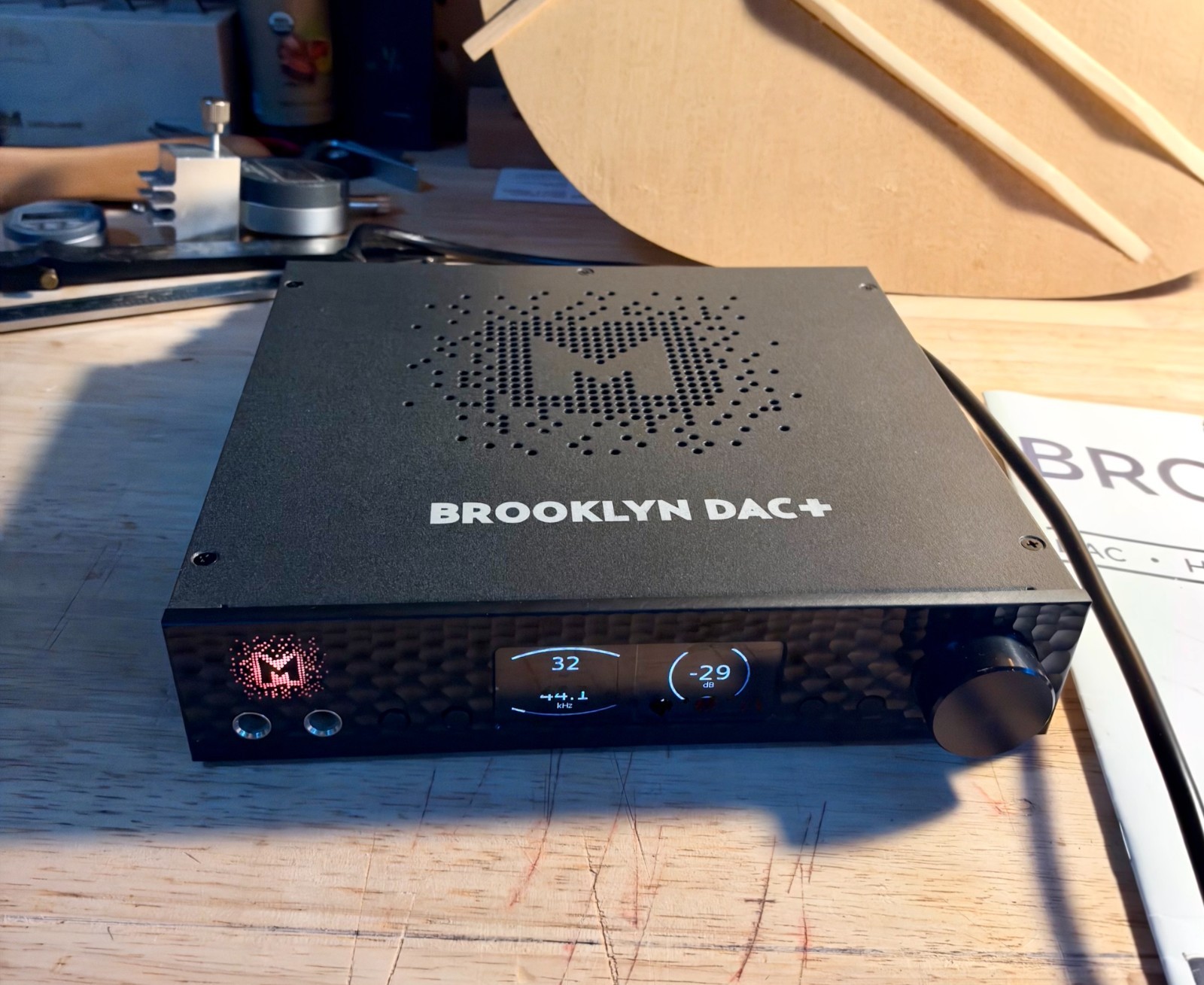 Mytek Brooklyn DAC+ Black DAC Preamp Headphone Amp MM/MC Phono DSD256 XLR$749.00Used · Last checked Nov 20, 2026View on eBay
Highlights
- Dual ES9068AS DACs with THX AAA 788+ amplification (FiiO K9 tier) deliver fully balanced 4-pin XLR/4.4mm drive with LDAC and DSD512 decode.
- 4-in/4-out balanced matrix switching (Fosi ZH3 class) lets one amp serve multiple sources and monitors, but only when every run stays balanced end-to-end.
- Portable tiers like iFi Micro iDSD Signature pair a battery-fed DAC with high-current headphone drive for travel; desktop tiers add linear or toroidal power supplies for lower noise.
- USB-C input with UAC2 support is the current standard; older micro-USB/W1-class inputs cap format support and should be treated as previous-generation.
Best use cases
- Pick a desktop DAC/amp with ≥1 W at 32 Ω and a 4.4mm or 4-pin XLR output if you drive planar-magnetic or 300 Ω dynamic headphones; single-ended-only units will clip or sound thin.
- Choose a battery-powered portable DAC/amp (iDSD-class) if you listen on the move or from a laptop; skip it for stationary use where a linear-powered desktop unit has a lower noise floor.
- Buy a multi-input switching preamp (4-in/4-out) only if you juggle several sources and active monitors; for one source and one headphone, a two-input unit is simpler and cheaper.
- For IEMs and high-sensitivity headphones under 32 Ω, prioritize a low-gain mode and low output impedance; a high-power desktop amp with no gain switch will hiss.
Buying tips
- Match power to load: aim for ≥500 mW into 32 Ω and ≥200 mW into 300 Ω for dynamic headphones; planar magnetics need current, so check 16 Ω output.
- Require a real balanced output (4.4mm Pentaconn or 4-pin XLR) if you want the noise-cancelling benefit of differential drive; a single-ended 3.5mm output is not balanced.
- Check output impedance: keep it under 1/8 of your headphone's impedance (e.g., under 4 Ω for 32 Ω headphones) to avoid frequency-response shifts.
- Verify DAC chip generation and input: ES9068AS, ES9038Q2M, or AKM4499-class chips with USB-C UAC2 beat unnamed chips and micro-USB inputs.
Specs
| Amp Topology | THX AAA / discrete Class A-AB / op-amp |
|---|---|
| DAC Chip Tier | ES9068AS / ES9038 / AKM4499 class |
| Balanced Output | 4.4mm Pentaconn / 4-pin XLR |
| Power at 32 Ohm | 500 mW to 1 W+ per channel |
Related searches
What to check before buying
- Measure desk or rack space and confirm the unit's depth plus rear cable clearance for XLR or RCA interconnects.
- Confirm your source output: USB-C, optical, or coaxial must match the amp's inputs; a USB-only DAC cannot take a TV's optical output.
- Check headphone termination: 6.35mm, 4.4mm, or 4-pin XLR must match the amp's jacks or you need an adapter.
- Verify power: desktop units need a wall outlet and correct regional voltage; portable units charge over USB-C and need no mains.
FAQ
Data sources: eBay / Amazon listings and product attribute feeds. Updated Nov 25, 2026.
Some links on this page are affiliate links. If you buy after clicking one, we may earn a commission at no extra cost to you. This does not change which products appear here or their order. Affiliate disclosure.